Cañon City has a nickname problem, and it earned it fairly. For well over a century, this Fremont County town has been tied to prisons, and residents grow up hearing stories about cells, wardens, escapes and the long shadow of the wall. One old building right in town holds those stories in a way few places in Colorado can match.
It once housed women behind bars, and today it holds roughly 30 cells, each turned into its own small exhibit packed with artifacts, photos and true tales. There is even a real gas chamber sitting out front, free to see. This guide covers what is inside, how long to plan, what it costs, and why so many Front Range families make the short drive south.
1. An Old Women’s Prison on 1st Street
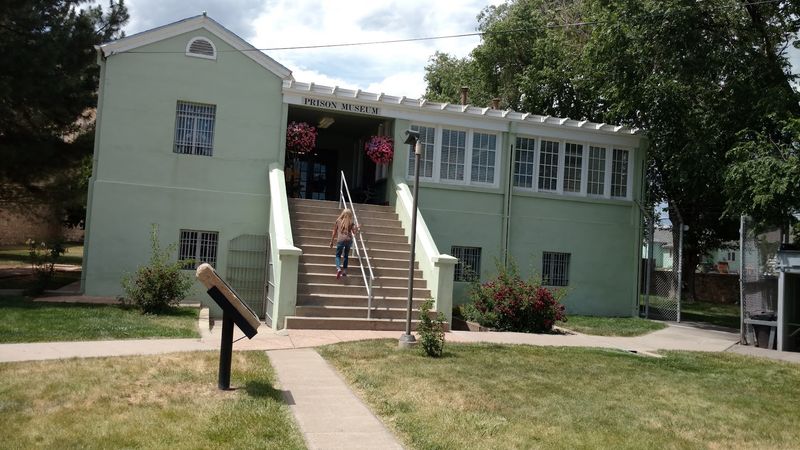
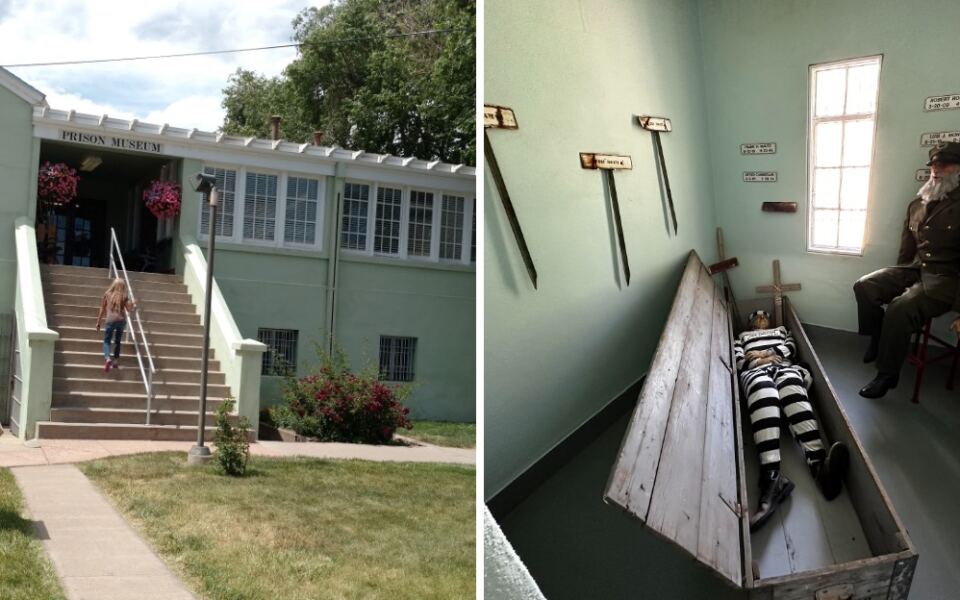
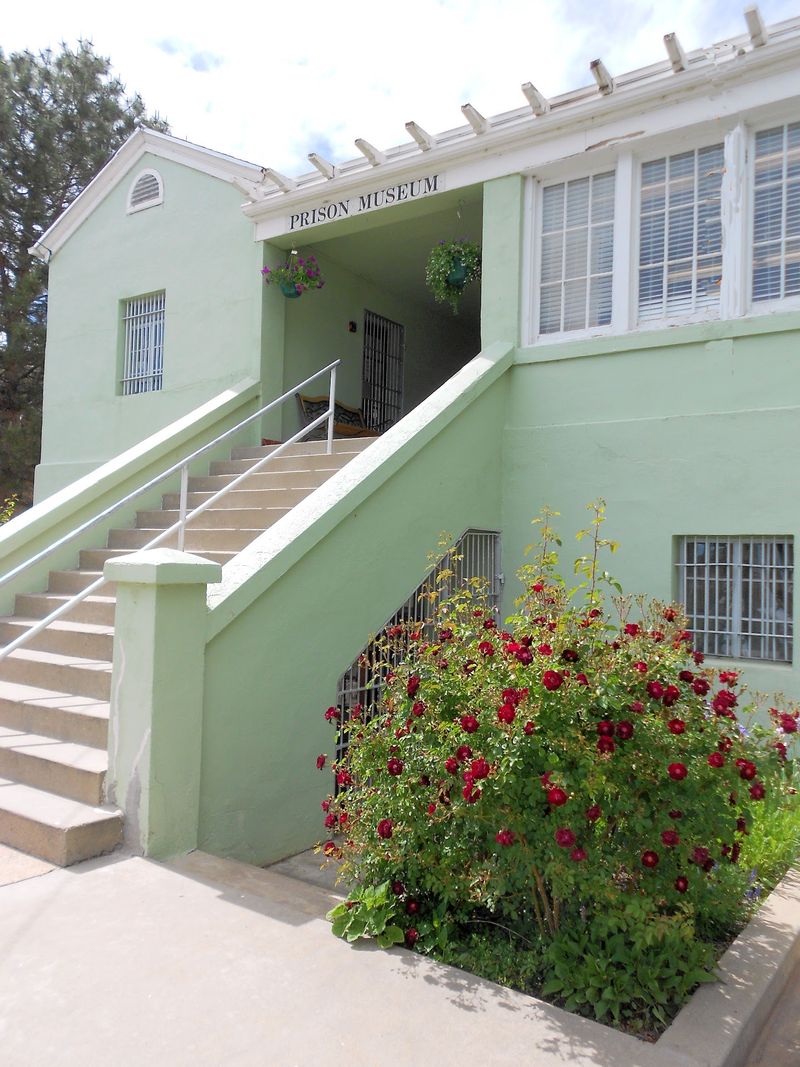
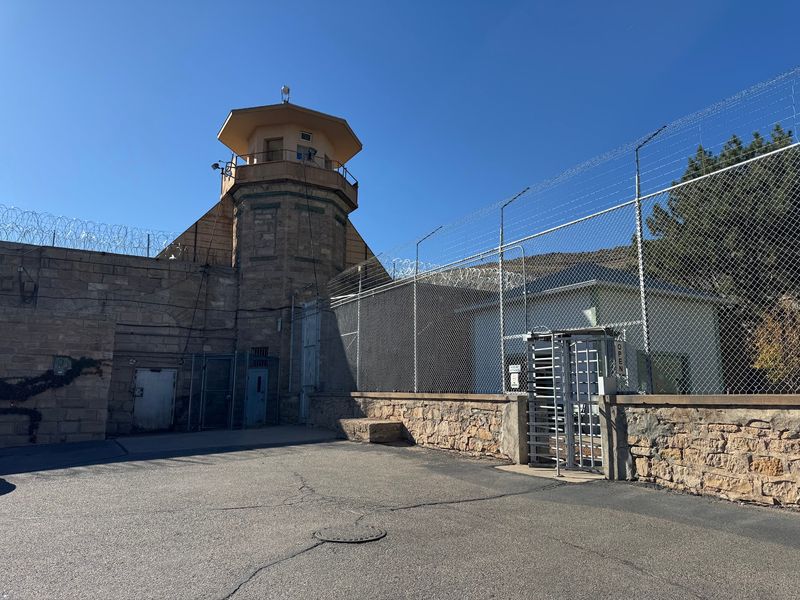
Some museums sit inside fancy new buildings. The Museum of Colorado Prisons sits inside the real thing, a former women’s prison at 201 N 1st St, Cañon City, CO 81212, in the United States.
Cañon City is in Fremont County, along the Arkansas River in southern Colorado. The town is a reasonable drive south of Colorado Springs and Pueblo, which makes it an easy day trip for many Front Range residents.
The building matters to the story. It was the women’s side of the historic prison complex, while the men’s side next door is still in use today.
That detail gives the place a strange closeness. The active prison sits right on the other side of a massive wall, so history and the present share the same block.
Inside, the museum traces Colorado’s prison system with exhibits that reach back through the 1900s. It is a museum about confinement housed in a building that actually confined people, and that is exactly why it lands so hard.
2. Why Cañon City Became Prison Town
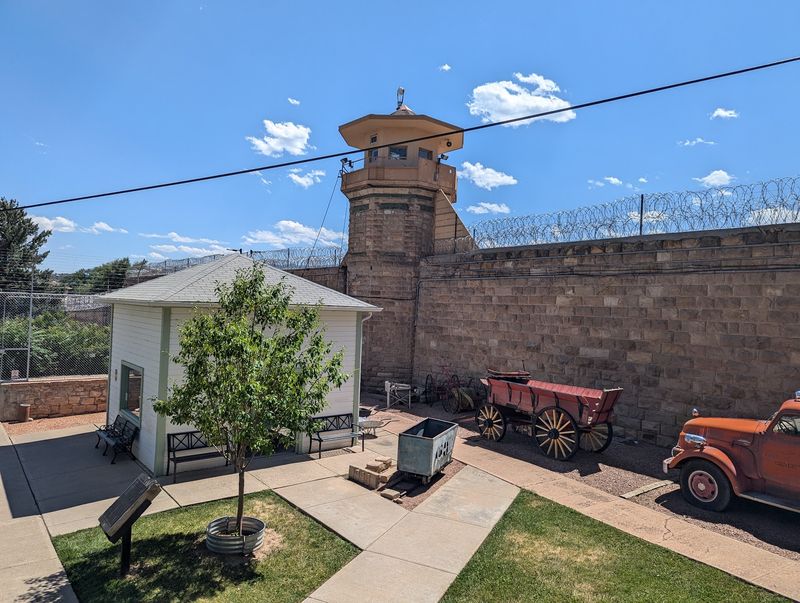
Ask almost anyone in Fremont County about local history, and prisons come up fast. Cañon City has long been known as a center of Colorado’s correctional system, and the museum tells that story from the inside.
The exhibits connect the town’s identity to the people who lived and worked behind the walls. Photos, records and personal items show how the prison shaped daily life for generations.
One fun prep tip has circulated among locals for years. Some suggest watching the 1949 film “Canon City” before a trip, since it gives helpful context about the prison and its reputation.
The museum also stretches past the old building itself. Displays include information about the federal supermax facility known as ADX, located in the same region, which links older history to modern headlines.
For Colorado residents, the appeal is personal. This is not a story about some faraway place, but about a town many people pass on the way to the Royal Gorge, with roots that run deep in state history.
3. The Gas Chamber Out Front
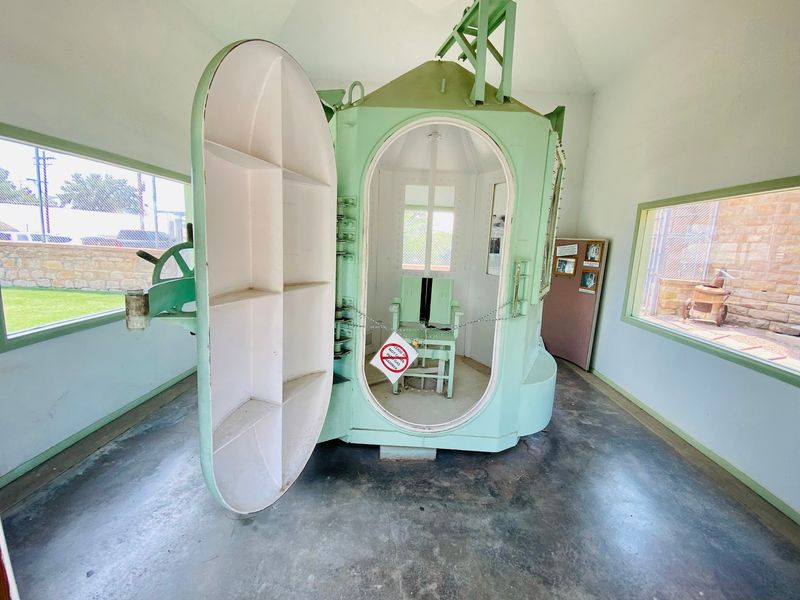
Here is a twist few museums can claim. The most talked-about artifact sits outside, and seeing it costs nothing.
The preserved gas chamber stands on the grounds near the entrance. Plenty of travelers heading toward the Royal Gorge stop just to look at it before deciding whether to go inside.
Detailed information explains its history and how it fit into Colorado’s justice system. The tone is sobering and thoughtful rather than flashy.
Many people find it the most striking piece on the property. It tends to spark conversations about how the justice system has changed over the decades.
Downstairs inside the museum, a scale model replica shows how the chamber was built. That pairing helps tie the outdoor artifact to the bigger story told within the walls.
Families with young kids may want to read the signs first. The subject is serious, and parents can decide how much to share before the group moves on.
4. Thirty Cells, Thirty Stories
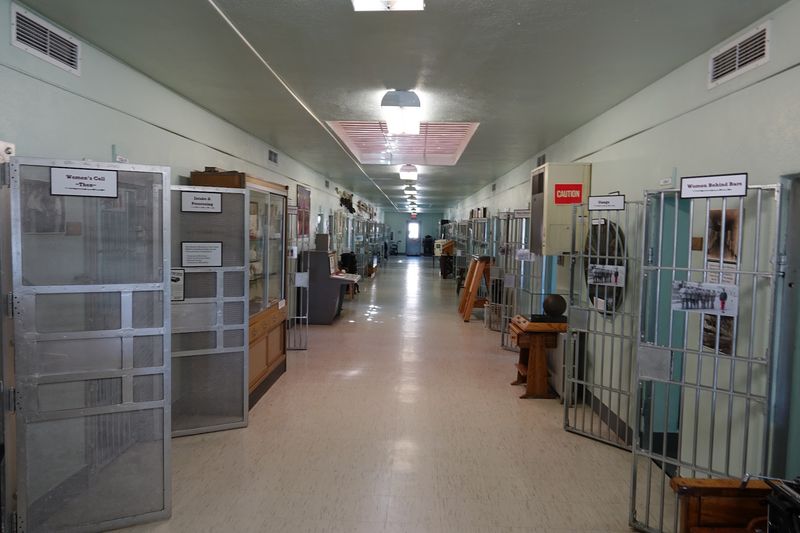
Every door tells a different chapter. The main floor features about 30 former cells, and each one holds its own themed display.
One cell might focus on uniforms. Another might cover riot control gear, gang member photos, the chow hall or medical items.
The variety keeps things moving. Instead of one giant room of glass cases, the layout invites a slow cell-by-cell walk.
There are also saddles connected to Warden Best, fire department equipment and costumes from movies filmed about prison life. Each item comes with stories explaining how, when and where events happened.
Because the spaces are small, the exhibits feel focused. A visitor can step into a cell, read one story, and then move on to the next without feeling buried in information.
It is a clever use of a tricky building. The same cramped rooms that once held inmates now hold the evidence of their era.
5. Confiscated Weapons and Inmate Ingenuity
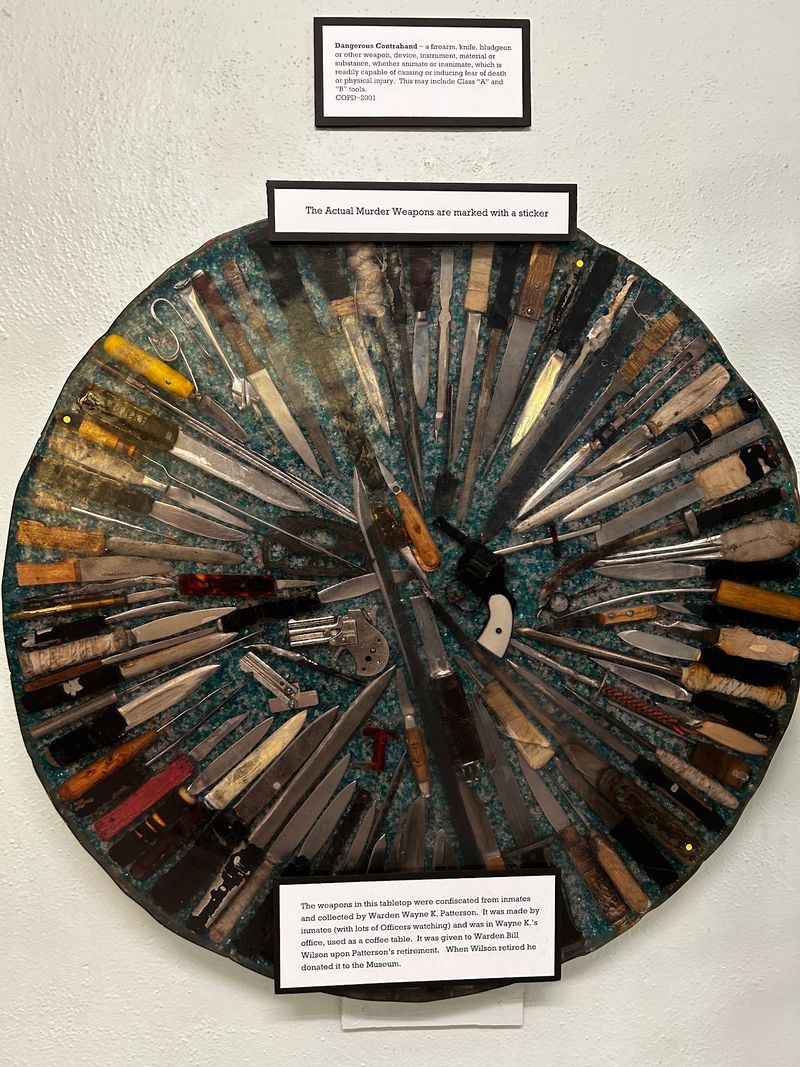
Few exhibits stop people in their tracks quite like the confiscated weapons. These were made and hidden by inmates, then seized by staff.
The collection shows how resourceful people became with very little. Ordinary materials turned into tools nobody wanted to meet in a hallway.
It is unsettling and fascinating at the same time. The display makes the risks of prison work very clear without needing extra drama.
On the other side of that coin, the lower level showcases items created by inmates for more positive purposes. Crafts and handmade objects show a different kind of creativity.
Together, these two collections show both sides of life inside. One reveals danger, while the other hints at skill, patience and the push toward rehabilitation.
Read the labels closely here. The backstories behind each object are often more surprising than the objects themselves.
6. Downstairs in the Lower Level
Many people finish the top floor and assume they are done. They are not.
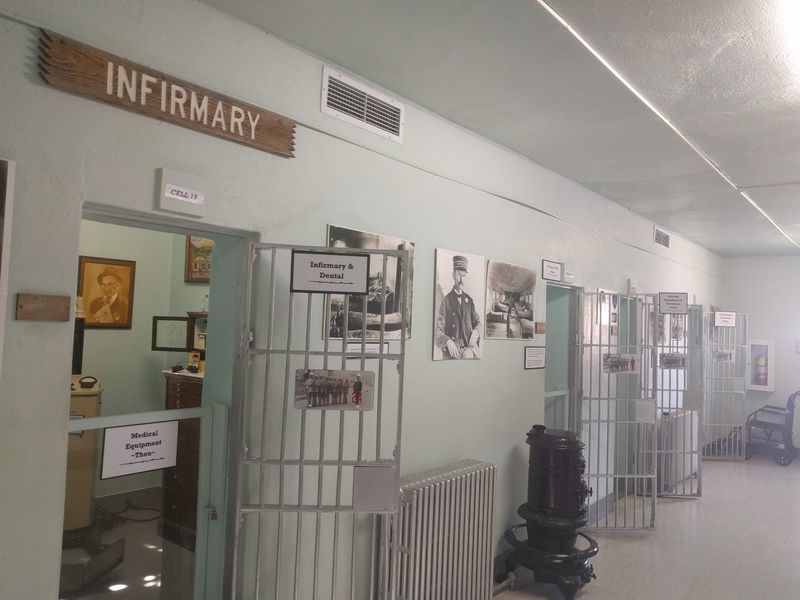
The lower level adds a second chapter to the experience. It includes an infirmary display, inmate-created items and the scale model of the gas chamber.
Exhibits here also explain how rehabilitation became a key goal in Colorado prisons. That theme adds balance to the heavier stories upstairs.
A small heads-up helps with planning. At times, the basement has been closed for renovations, so a visit may be limited to the top floor.
Calling ahead or checking the website can clear that up before the drive. Nobody wants to miss half the museum by surprise.
When it is open, the lower level is well worth the stairs. It is where the story turns from punishment toward the question of what comes next.
7. The Women’s Side of the Story
Most prison history focuses on men. This building flips that script simply by existing.
As the original women’s prison, it offers a rare look at how female inmates were housed in Colorado. The structure itself is a primary source.
The female prison angle is one of the details people mention most. It adds a layer many other prison sites do not cover.
The men’s side next door remains active, so the full complex cannot be toured. Still, the women’s building gives a clear sense of how the facilities were built and arranged.
Exhibits throughout feature stories of different prisoners. Those personal accounts make history feel less like a timeline and more like real lives.
For anyone curious about overlooked parts of Colorado’s past, this angle alone makes the trip meaningful.
8. Ghost Stories and an Uneasy Hallway
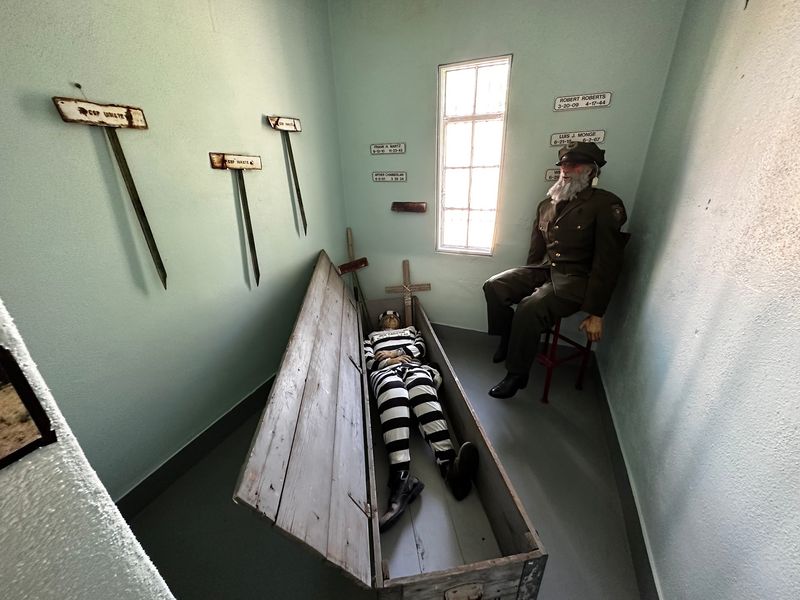
Locals have plenty of spooky tales about this building. Some people walk in and feel uneasy as soon as they pass the check-in desk.
Ghost hunts have come up in conversation about the museum. Paranormal fans often describe the place as heavy with leftover energy.
Skeptics may simply see an old building with tough history. Either way, the setting naturally sets a serious mood.
The heaviness comes partly from location. An active prison sits just past the huge wall, which keeps the past from feeling too distant.
Not everyone comes for chills, of course. Many people simply call it a bit macabre in the most interesting way.
Believers and doubters can agree on one point. The stories locals tell about this place did not come from nowhere.
9. A Self-Guided Pace
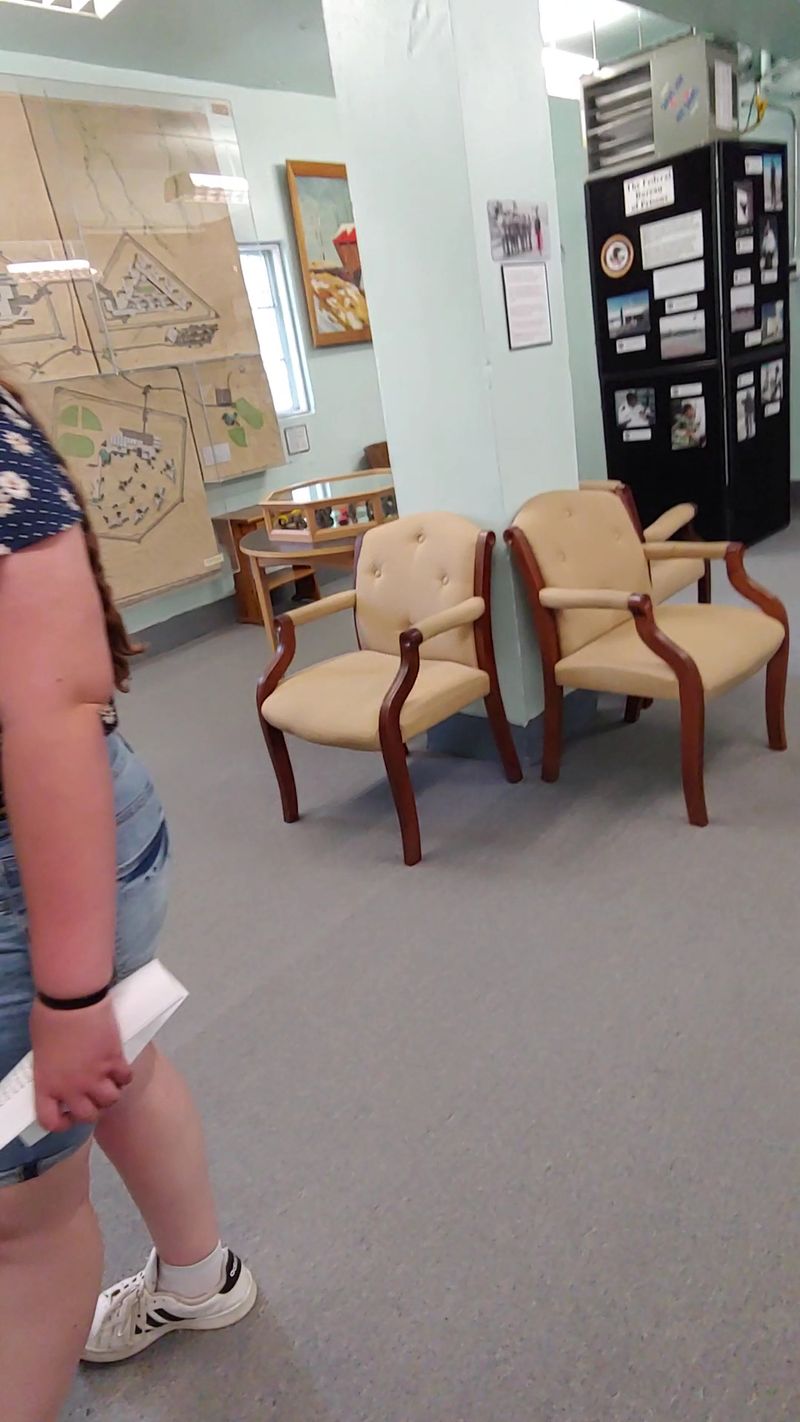
No tour guide is herding a group from room to room here. The museum runs as a self-guided experience.
At check-in, staff hand out a small booklet. It helps people move through the exhibits in order and at their own speed.
Staff are often described as friendly and knowledgeable, with a quick overview before the walk begins. That short intro helps the whole visit make sense.
The format suits readers and skimmers alike. Some people zip through, while others stop to read every word.
Crowds are often light, which makes the slow approach easy. Scout troops and families have noted that the place was not crowded during their stops.
Freedom to roam is a funny perk in a former prison. Here, the only sentence is the one on the display sign.
10. Who Will Get the Most Out of It
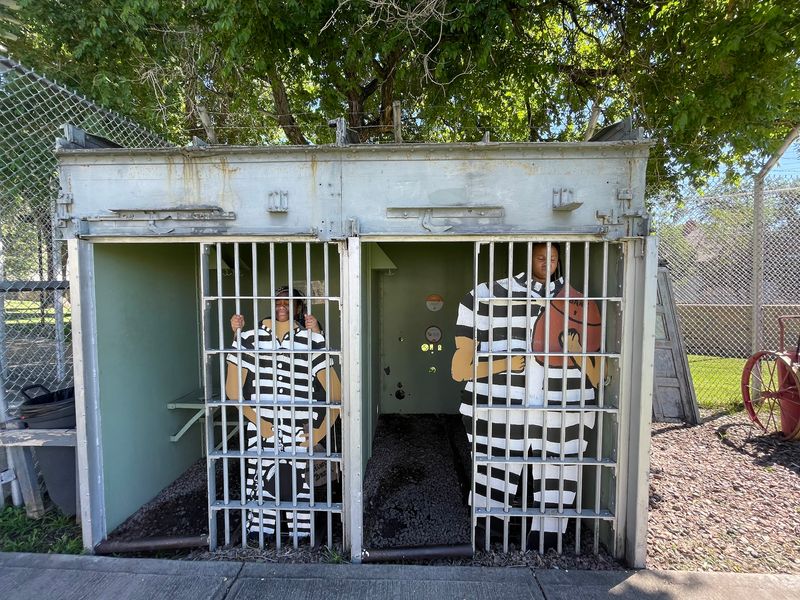
History lovers are the obvious fit. But the audience is wider than that.
True crime fans, criminology students and people who like odd attractions all tend to enjoy it. Scout groups have even picked it as a favorite activity on road trips through the area.
Older kids and teens can learn a lot here. Exhibits cover a wide range of topics suitable for many ages.
Parents of younger children should take one simple step. Some displays include graphic details, so peeking into each room first helps decide what kids should read.
The museum is air conditioned, which makes it a smart choice on a hot summer afternoon. That is a real bonus in southern Colorado heat.
Couples and friends also find it a solid stop. It sparks conversation long after the last cell.
11. A Gift Shop With Stripes
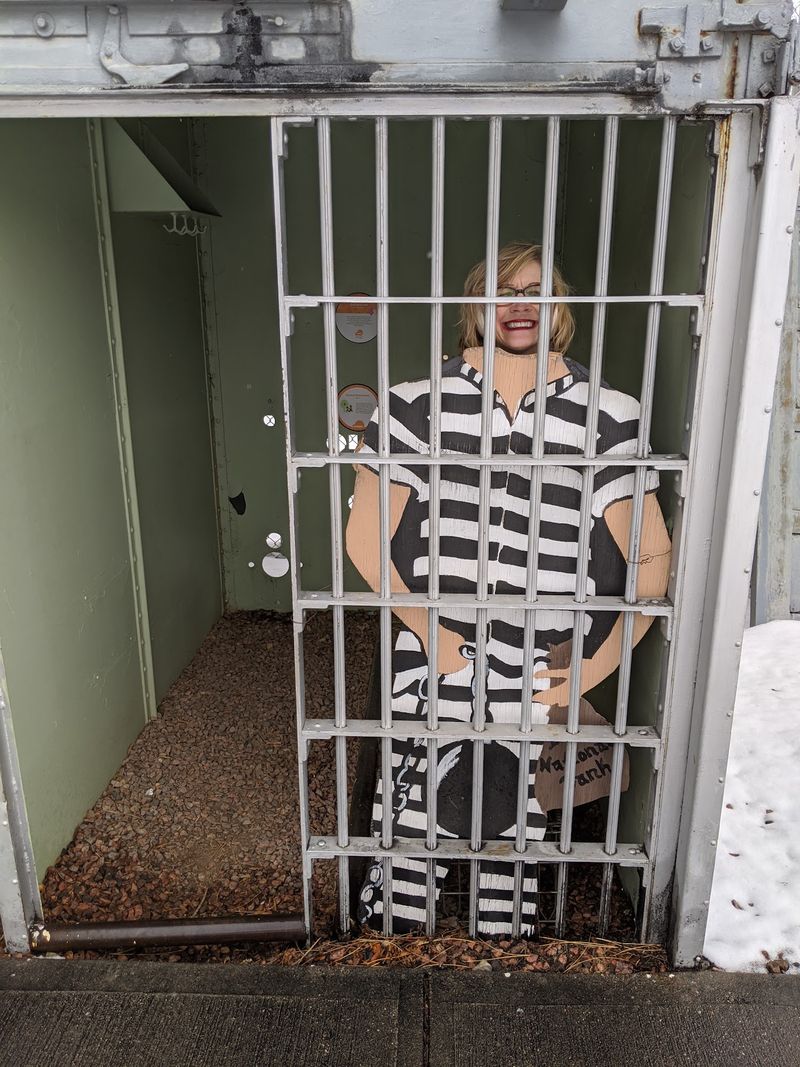
Nobody expects a prison to end on a cheerful note. Yet the gift shop is one of the most praised parts of the visit.
Shelves hold T-shirts, sweatshirts, socks and aprons, many in classic black-and-white stripes. It is about as on-theme as shopping gets.
Prices are often described as reasonable. That makes it easy to pick up a fun souvenir without breaking the budget.
The shop also sells items made by inmates. Some people love that connection, while others feel mixed about it.
The store sits at the end of the route after the lower level. It works as a lighter exit after some heavy subject matter.
Striped socks may not be standard Colorado gear. Still, they make a great conversation starter back home.
12. Hours, Tickets and Smart Planning
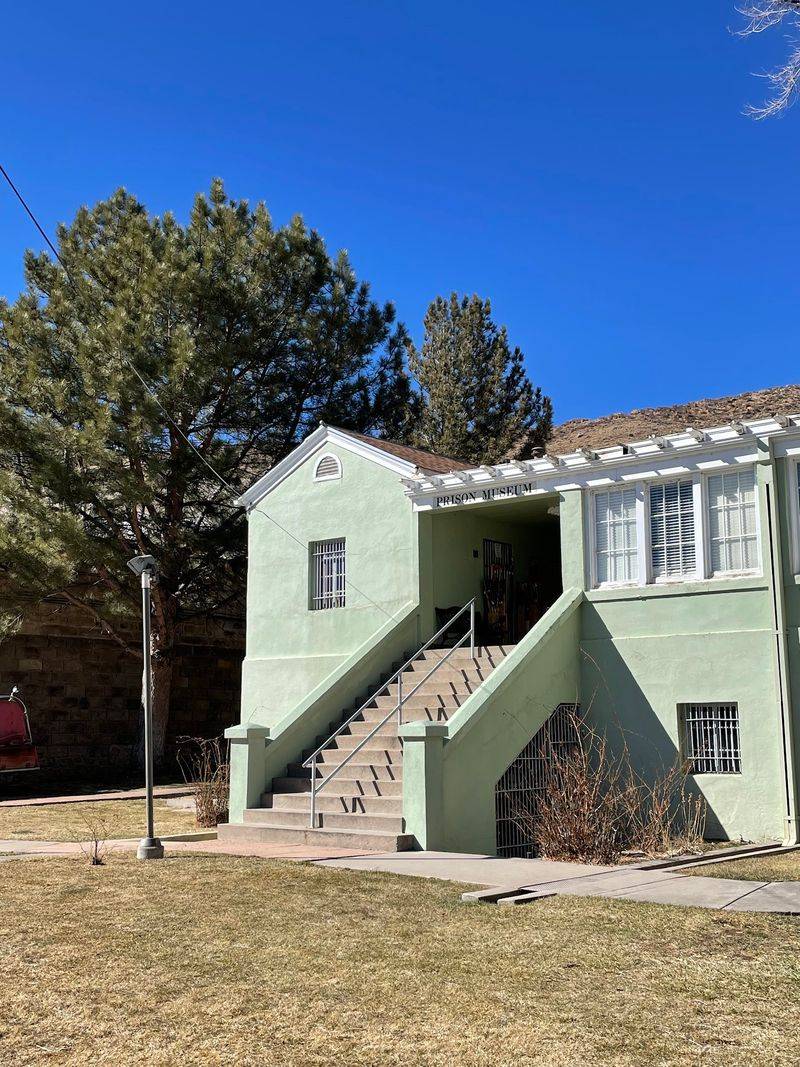
A little planning goes a long way. The museum is open Wednesday through Sunday from 10 AM to 5 PM, and closed Monday and Tuesday.
Arriving late can backfire. Lights may start going off before closing, so showing up by early afternoon is the safer bet.
Admission has been mentioned around $10 to $15 per person, though prices can change. Checking prisonmuseum.org before the trip is wise.
No booking is required, and walk-ins are welcome. Discount deals have occasionally popped up online too.
Most people spend between one and two hours inside. Readers who love every display could stay longer.
A few practical notes help. The front lot is small, so larger trucks may need to park out back, there are about 20 steep steps to the door, and outside drinks may not be allowed in.
13. Worth the Detour South
Some places are big and polished. This one is small, honest and packed with history.
The Museum of Colorado Prisons shows how one town became tied to the state’s prison story. It does that with real cells, real artifacts and real stories.
It also fits nicely into a day trip. Many people pair it with the Royal Gorge area, which makes the drive feel even more worthwhile.
The price is modest, and crowds can be light. That combination is hard to find at many Colorado attractions.
It may not be the flashiest museum in the state. But it leaves people thinking about justice, history and the lives that passed through these halls.
For Colorado residents looking for something different close to home, the old women’s prison deserves a spot on the list. The stories locals tell turn out to be only the beginning.
Share this story