Somewhere in Boulder, a single pen can cost five cents, and a floor weaving loom can sit a few aisles away with a much bigger tag. That spread tells you a lot about the shop in this story. It is a nonprofit store packed with donated art and craft supplies, and it lets local makers stock up without draining the budget.
Yarn, beads, fabric, frames, old photos, sewing patterns and even tiny toy figures all wait for a second life here. Front Range crafters, teachers, parents and retirees on fixed incomes keep coming back because the shelves change all the time. Many arrive with a list and leave with a new project idea instead.
Keep reading to learn where it is, what fills the shelves, how donations work, and when to go so the trip pays off.
1. A Thrift Shop Built Only for Makers
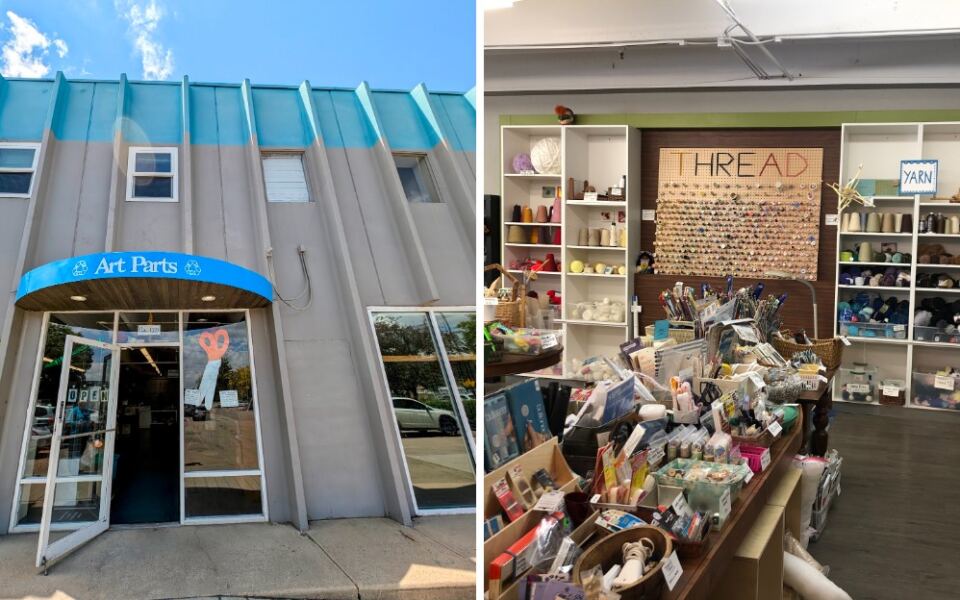
Boulder has plenty of famous stops, but this one is easy to miss if you do not know the address. Art Parts Creative Reuse Center sits at 3080 Valmont Rd, Boulder, CO 80301, in the state of Colorado, United States.
The concept is simple. It works like a thrift store, except every shelf is dedicated to creative supplies.
Donated materials come in from people around the area, get sorted and priced, and then head back out to new owners. The result is a store where paint, paper, fabric and odd little parts find a fresh purpose instead of a trash bin.
Google lists it as an art supply store, and that label fits only partly. It also acts as a community hub for anyone who likes to make things with their hands.
The shop holds a 4.8-star standing from 260 ratings, which says a lot for a place selling secondhand bits and pieces. Crafters come up again and again as the main crowd here, along with talk of craft supplies and donations.
For Colorado residents tired of paying full price at chain stores, this is the kind of local spot worth bookmarking. The next sections show why so many people treat it as their first stop for any project.
2. Ten Years of Second Chances
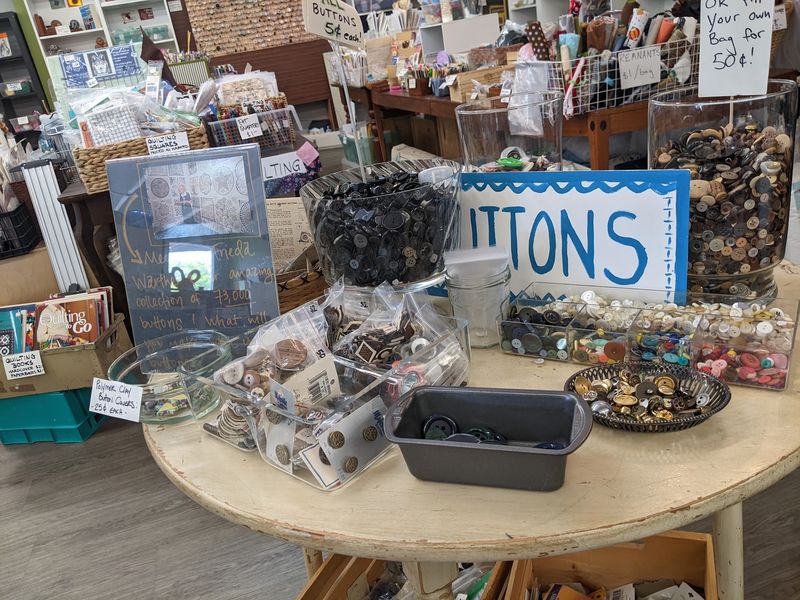
Every jar of buttons on these shelves had a life somewhere else first. That idea sits at the center of how the shop runs.
Art Parts operates as a nonprofit. Its leadership has pointed to about 10 years of experience managing donations, which means the system did not appear overnight.
The mission has two parts that fit together neatly. One goal is keeping usable craft materials out of the landfill.
The other goal is keeping prices low enough that everyone in Boulder can get creative materials. The team has said plainly that it works to keep prices low for exactly that reason.
Regulars describe the place as giving supplies a second life, and the staff likes to talk about second and third lives. Some shoppers even buy items, use what they need, and bring the extras back so the next person can use them.
That loop is a big reason the shop feels different from a standard retail store. It is less about selling more stuff and more about keeping good stuff moving.
Local pride runs strong too. People call it the kind of place that makes Boulder special, and many say they want to support it so it stays around for years to come.
3. Five-Cent Pens and a Big Loom
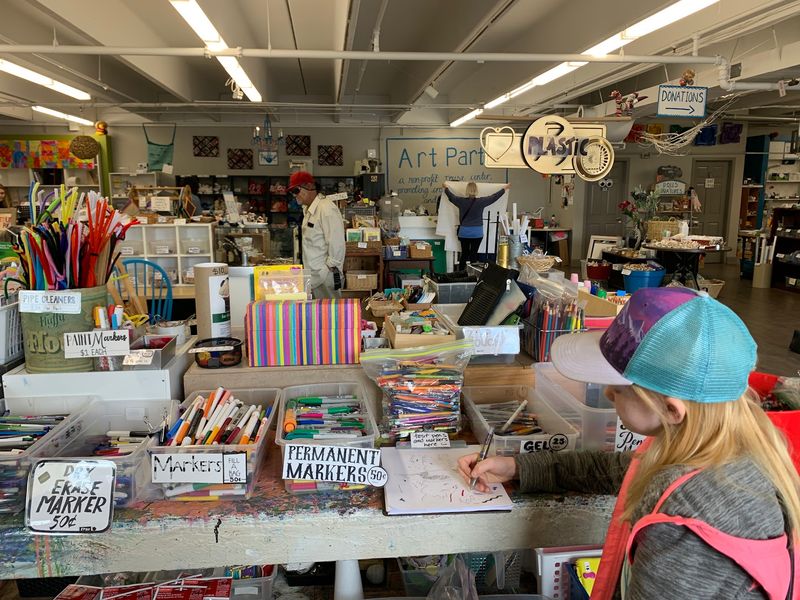
Pocket change goes surprisingly far here. A single pen can cost just five cents.
At the other end, shoppers have spotted a floor weaving loom priced around $1,500. Most of the store lands far closer to the low end, and that is the real draw.
Prices come up constantly in conversations about the shop. People call them a steal, more than reasonable, and excellent.
Many compare it favorably with general donation stores, saying the prices here beat those chains. That matters for families, students and anyone on a fixed income.
Picking out only your favorite pen colors is a small pleasure that regulars mention. No need to buy a full pack when you only want three shades.
The store also mixes gently used items with brand-new ones. So a shopper may find unopened supplies next to well-loved tools, both priced to move.
One honest note helps set expectations. A few people admit they plan to come back when they have more money to spend, because the temptation to grab one more thing is real.
Bring a modest budget and a reusable bag. Small purchases add up to a full haul faster than expected.
4. Shelves That Actually Make Sense
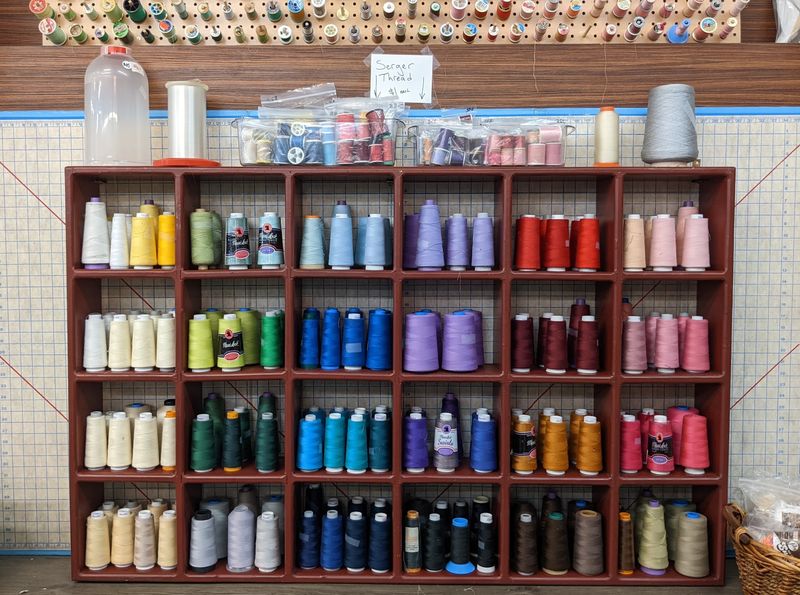
Secondhand stores have a reputation for chaos. This one breaks that rule in a big way.
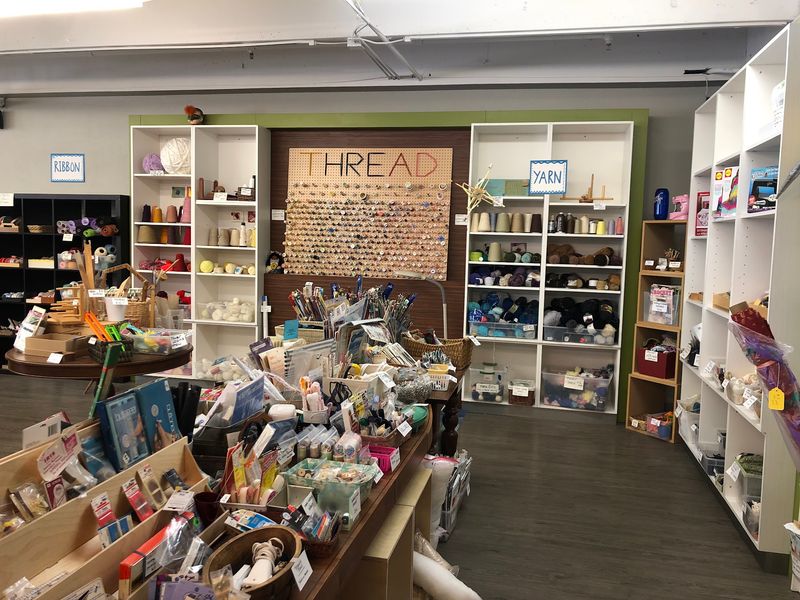
Being well organized is one of the most common points people raise about the shop. Items are labeled, placed in the right spots, and priced clearly.
That kind of order is impressive when you consider the inventory. Thousands of random bits and pieces arrive as donations, and somehow they end up neatly sorted.
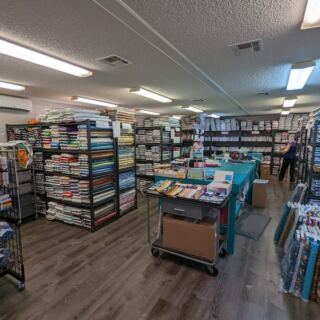
Shoppers also point out that there is plenty of space to move around. The aisles are easy to explore instead of cramped.
Some people say the care shown to all the used odds and ends simply makes them happy. The shop treats leftover supplies as worth respecting, not as clutter.
The organization is not just for looks. It connects directly to how the store keeps costs down, since sorted goods are faster to price and shelve.
For a shopper, it means less digging and more finding. You can scan a section, spot what you need, and still have time to wander.
That tidy setup also explains a donation rule covered later. Good order on the floor starts with good order at the drop-off desk.
5. Yarn, Fabric and a Quilter’s Haul
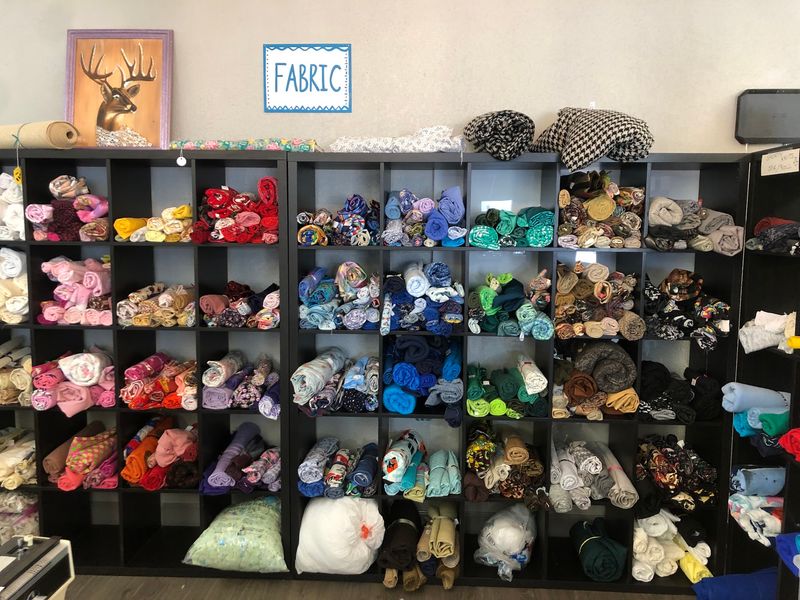
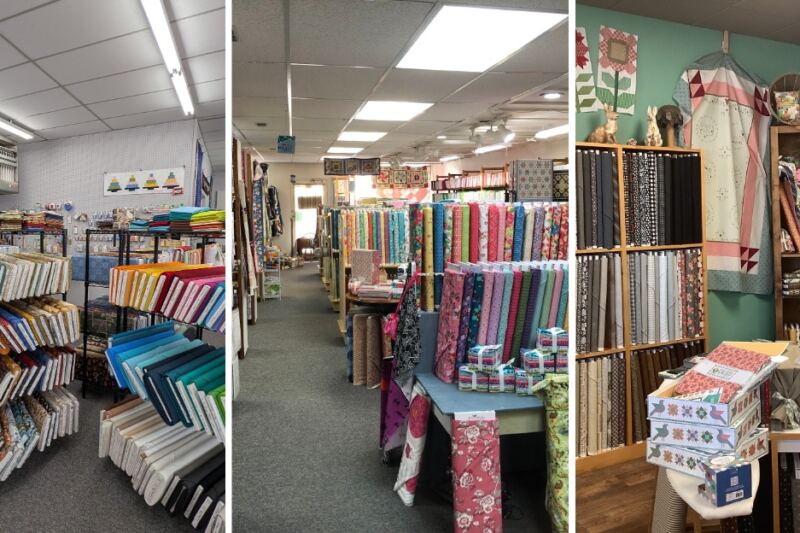
Knitters and quilters tend to find this section first. Yarn shows up often in talk about the store, and fabric is a steady favorite.
Crochet and knitting supplies sit alongside fabric arts materials. Thread and sewing patterns round out the textile corner.
Fabric here has helped people teach and learn quilting. For anyone starting a new hobby, buying secondhand lowers the cost of trial and error.
That is a real advantage. A beginner can test a craft without spending a fortune on supplies that might end up in a closet.
The store even carries repurposed old sewing machines. That is a handy find for someone who wants to sew but does not want to start with a brand-new machine.
Remember the weaving loom from earlier. Bigger textile tools sometimes appear too, though they come and go with donations.
Because inventory rotates, the color and fiber mix changes from week to week. A quick stop can turn up a completely different selection than the last visit.
Fiber fans may want to stop by often. The best skein might be gone by the weekend.
6. Beads, Tile and Tiny Treasures
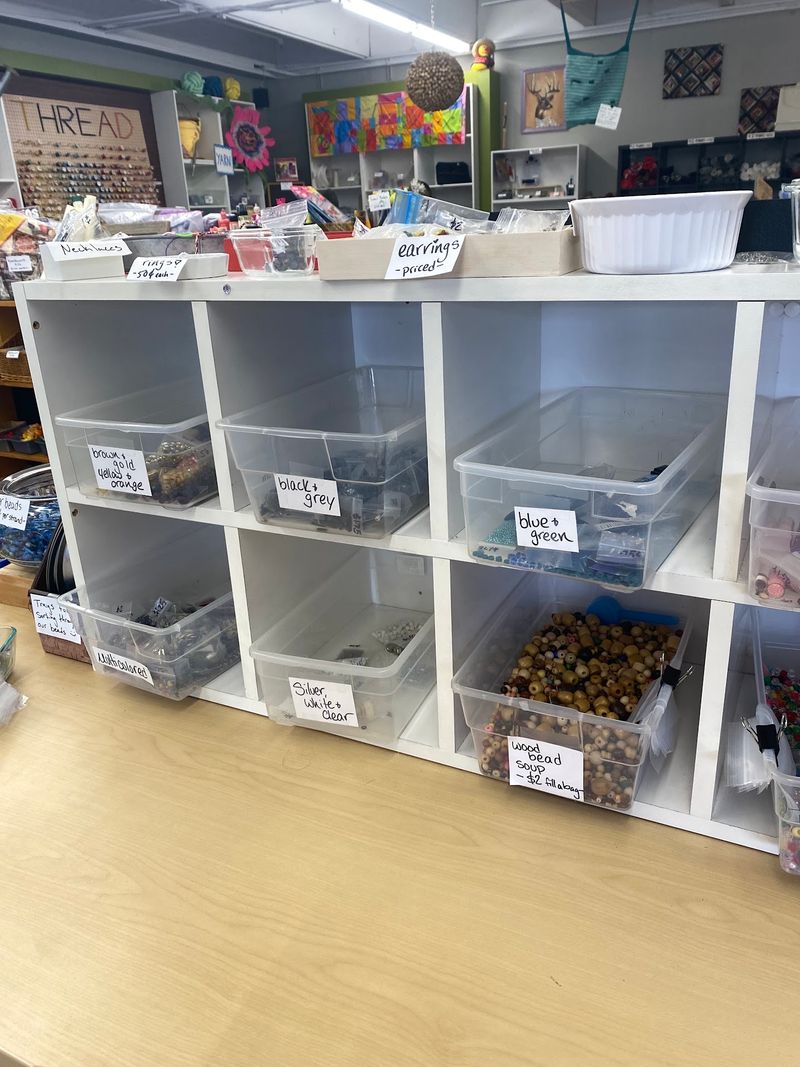
Small items might be the most fun part of the whole store. Beads, glass, tile and miscellaneous trinkets fill bins and jars.
Mosaic makers can hunt for tile and glass pieces. Jewelry crafters can pick through beads without buying a giant bulk bag.
Then there are the surprises. Shoppers have found doll parts and even little Lego people tucked into the mix.
Decorative boxes, glass jars and fake flowers also appear. These work for home decor, gift wrapping or mixed-media art.
Frames show up too, which helps anyone who wants to finish a piece and hang it. Picking up a frame here can cost far less than buying new.
The oddball items are part of the appeal. They push people to rethink what counts as an art supply.
A random trinket can become the starting point for a whole project. Many shoppers say the store sparks ideas for reusing overlooked items in creative ways.
Leave a little room in the bag. These small pieces have a habit of sneaking in at checkout.
7. Paper Lovers and the Junk Journal Corner
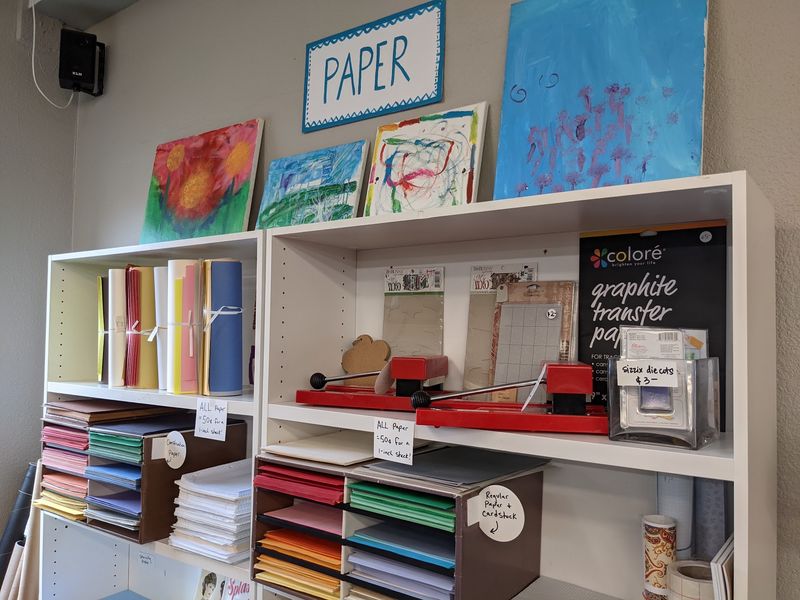
Paper crafters got a nice gift recently. The shop added a junk journal section, and fans of the hobby were thrilled.
Junk journaling uses scraps, ephemera and odd papers to build handmade books. A reuse store is a natural home for it.
Old photos, free magazines and sewing patterns all appear in the store. Those materials work well for collage, scrapbooks and journals.
Paper crafts and writing utensils have their own place too. Colored pencils get a mention among shoppers, along with plenty of pens.
The free magazines deserve a second look. Free supplies are a pleasant bonus for anyone cutting out images for collage.
Card makers, scrapbookers and kids working on school projects can all find something here. The supply mix fits many skill levels.
Since the section is newer, it may keep growing as donations come in. Paper fans will want to check back from time to time.
A stack of vintage scraps can cost very little. The real limit is how many journals you can fill.
8. Kits and Projects Waiting to Be Finished
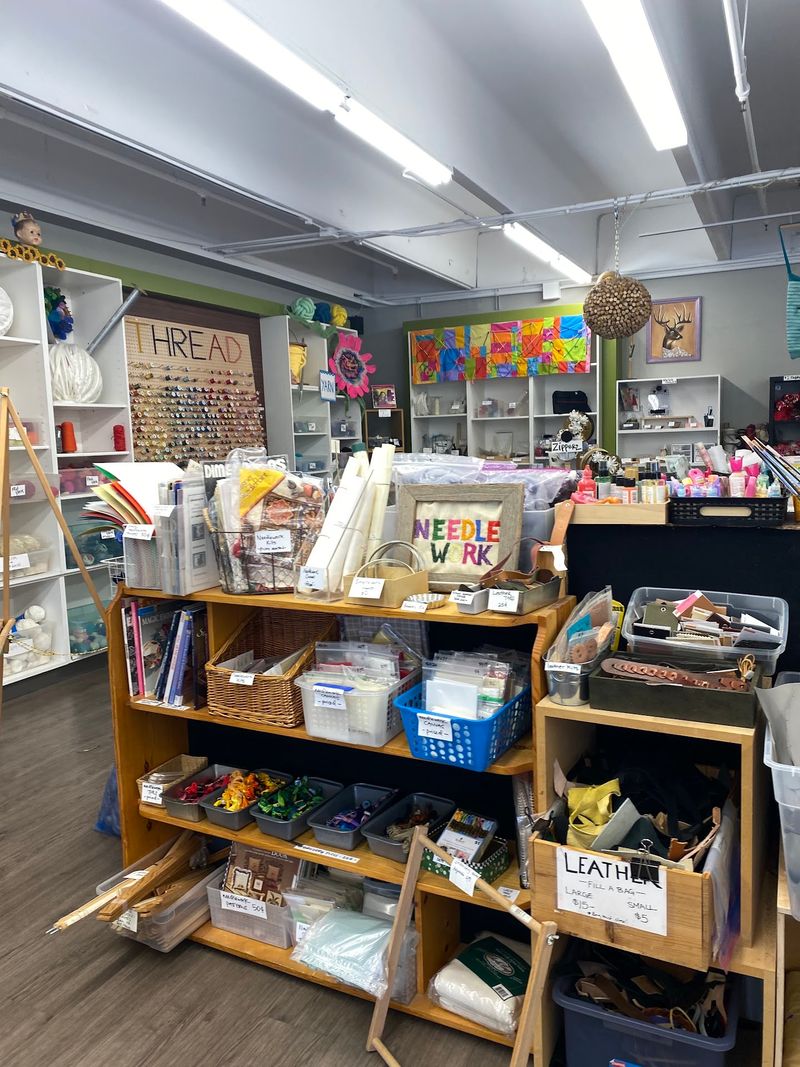
Plenty of people start a craft and never finish it. Here, those half-done projects get a new chance.
The store keeps a section of started work that shoppers can take home and complete. It is a clever way to rescue someone else’s unfinished idea.
Lots of kits are available as well. These are useful for beginners who want everything in one box.
Kits also make easy activities for grandparents and parents. Kids get a ready-made project, and the adult skips the planning.
Shoppers say the store is a great place to bring kids to find their next craft. Low prices mean a child can choose freely without a big bill.
Started projects can also be a gentle way to try a new skill. Someone else already did the setup, so you can focus on learning.
The mix of kits and loose supplies keeps the options wide open. One shopper might want a finished kit while another wants raw materials.
Either way, the satisfaction comes from completing something. Finishing a stranger’s project just adds a fun twist to the story.
9. Inspiration by the Aisle
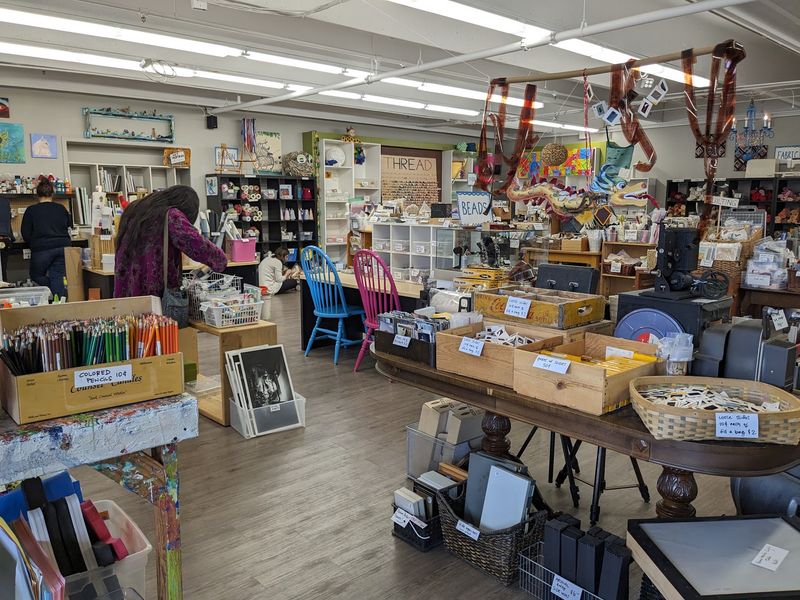
Some people shop with a list. The smart ones here leave room for surprises.
A common tip is to visit without expecting to find one specific thing. Keeping an open mind tends to lead to better finds.
The rotating inventory is a big reason why. Shoppers say they have tried new crafts they never would have attempted otherwise.
Many people walk the aisles just for ideas. They store what they saw in their heads for future art, home, craft or gift projects.
Shoppers who drove up from the Denver area say they found what they came for and left with ideas for other projects too. That double payoff makes the drive feel worthwhile.
The store has also hosted fun art contests and displayed art. Those touches add to the creative mood beyond simple shopping.
Wandering without a goal is encouraged here. It feels less like errands and more like a small creative outing.
Give yourself extra time. A quick stop can easily stretch once the ideas start flowing.
10. How the Donation Desk Works
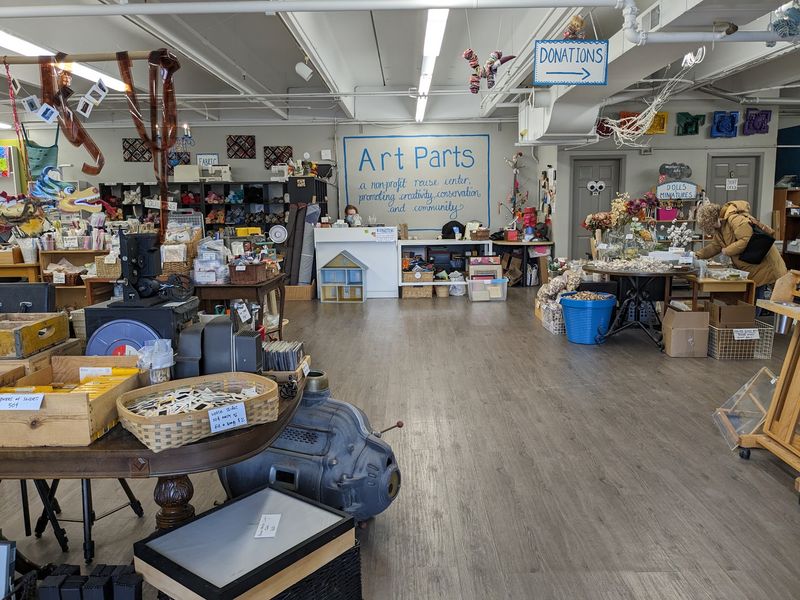
Cleaning out a craft closet feels great. Bringing those supplies here can feel even better.
Donations are a big topic among shoppers, and many love that craft items can avoid the landfill. Some say their leftovers might never have found a second life at a general thrift store.
The process has rules, though. The shop lays out its donation process in detail on its website.
Organization matters at drop-off. Staff may ask donors to sort jumbled items before they can accept them.
That request ties back to low prices. Sorting messy donations takes time and makes cheap pricing harder to maintain.
At times, the store may limit what it accepts because of back stock. Checking in with staff before hauling everything over is a good idea.
Plenty of donors say the drop-off is easy and smooth. A little prep at home goes a long way.
Read the guidelines, group like items together, and leave out anything that is not a craft supply. Your donation will move faster to its next maker.
11. A Friendly Crew and the Crowd It Draws
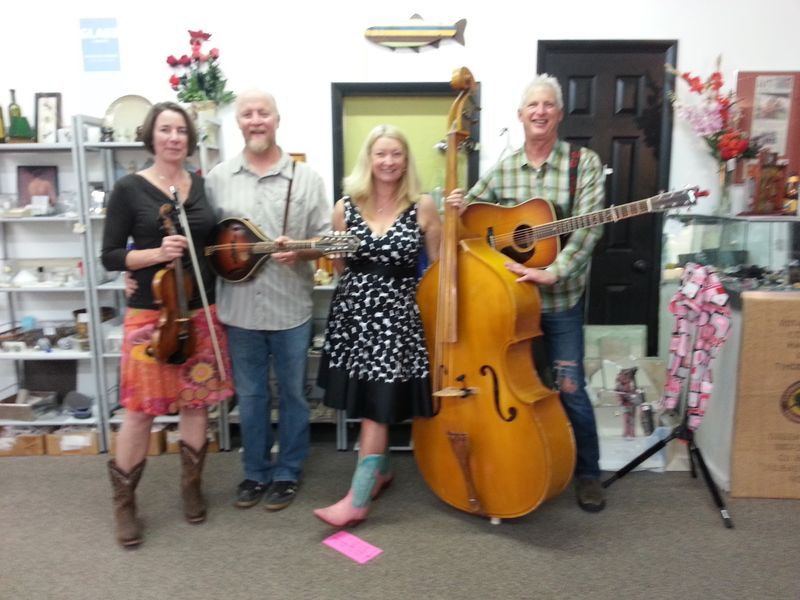
A store can have great shelves and still feel cold. Most shoppers say that is not the case here.
The staff often gets described as kind, wonderful and super helpful. Many regulars shop here for nearly every craft need.
Not every trip is perfect. A small number of people have reported a less pleasant checkout or donation exchange.
The leadership has responded publicly and offered to fix problems such as a wrong change amount. That shows a willingness to listen.
The crowd itself is wide. Crafters lead the pack, but teachers, parents with kids, quilters and hobby beginners all show up.
Professional artists may find less specialized gear than at a dedicated pro shop. Still, some say they may be pleasantly surprised by what turns up.
Retirees and budget-minded households have good reason to like the place too. Low prices and rotating stock make small, regular visits rewarding.
The overall mood is welcoming and relaxed. People come to browse, chat about projects, and support a local nonprofit.
12. Hours, Timing and the Drive from Denver
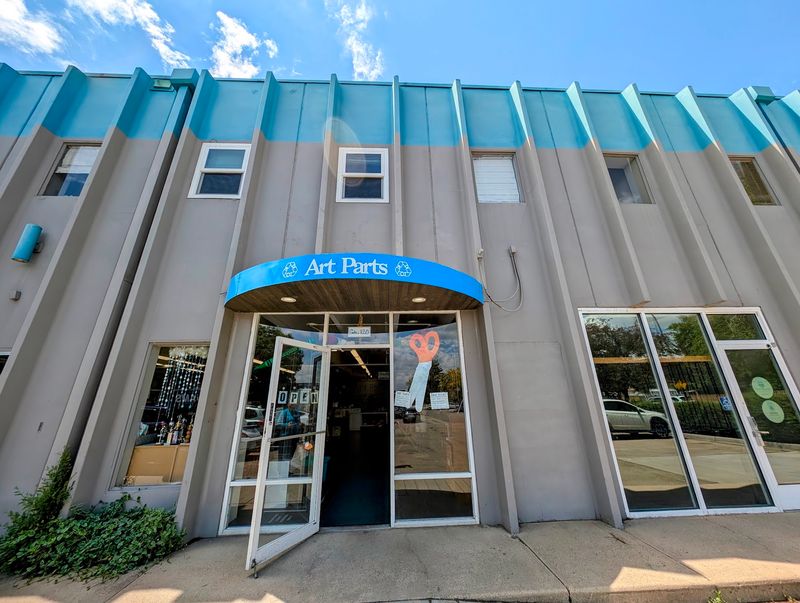
Planning a trip is simple. The shop keeps steady hours most of the week.
Monday through Saturday, doors open from 10 AM to 6 PM. On Sunday, hours run shorter, from 12 to 5 PM.
That schedule makes weekday visits easy for retirees and anyone with flexible time. Weekday mornings may offer a calmer browse, though that can vary.
Shoppers drive in from the Denver area and say the trip is worth it. Valmont Road sits on the east side of Boulder, which is handy for anyone coming from the Front Range.
Because inventory rotates, frequent short visits can work better than rare long ones. New donations keep the shelves changing.
Donors should check the website before loading the car. Guidelines and any temporary limits on items are worth confirming first.
The official website is artpartsboulder.org for updates. It is the best place to check details before heading out.
Pair the stop with other Boulder errands to make the drive count. A craft run fits nicely into a relaxed day trip.
13. Why It Earns a Spot on Your Route
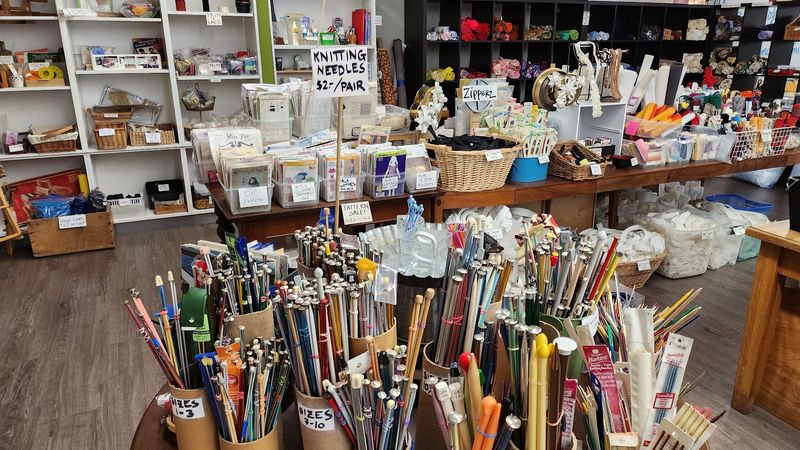
Some stores sell supplies. This one sells second chances, and at very small prices.
Art Parts brings together low costs, tidy shelves and a steady flow of surprises. It also keeps usable materials out of the landfill.
For Colorado crafters, that mix is hard to beat. A few dollars can fill a bag with yarn, beads, paper or a forgotten kit.
Parents get an easy outing with kids. Retirees and budget watchers get a fun place to shop without stress.
Donors get a smart outlet for craft clutter, as long as they sort first. Beginners get a low-risk way to try new hobbies.
No store is flawless, and a few experiences have fallen short. Still, the overall picture is a well-loved nonprofit doing good work.
Many locals hope it stays in Boulder for a long time. Shopping and donating here is one way to help that happen.
Go with an open mind and a light wallet. You will likely leave with a full bag and a fresh idea.
Share this story