Winter in Colorado means the sun drops early, and that gives you hours of extra stargazing before bedtime. In a handful of small towns, people have worked hard to keep their nights truly dark by shielding streetlights and passing lighting rules. The payoff is a sky so clear that the Milky Way stretches overhead like a band of spilled sugar.
These seven towns hold official International Dark Sky Community status, and most of them are quiet, affordable, and far from the ski-traffic crush.
1. Westcliffe
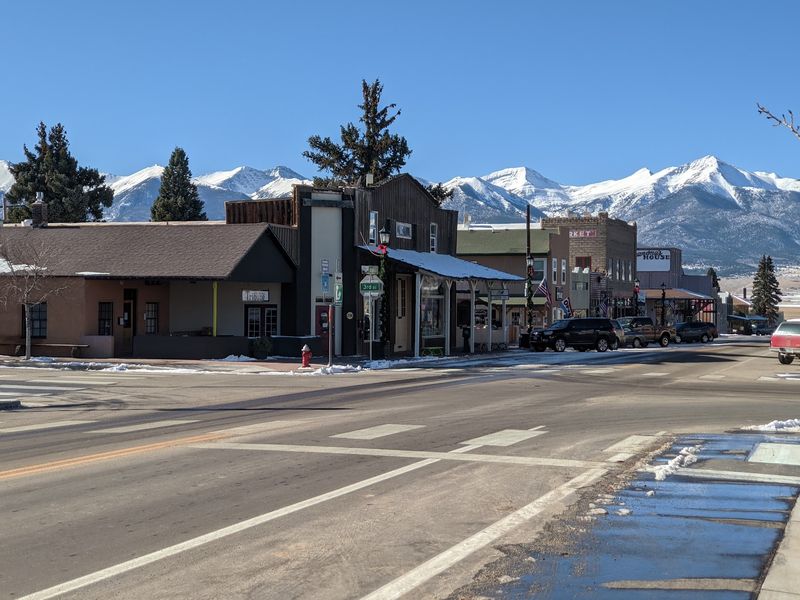
Long before dark skies became a travel trend, Westcliffe was already turning down the lights. The town earned certification as an International Dark Sky Community, and the local effort is led by Dark Skies of the Wet Mountain Valley.
Around 600 people call Westcliffe home. It is a ranching town with a historic Main Street, which means you can grab an early dinner, then step outside and watch the stars show up one by one.
On a clear night, the Milky Way is easy to spot with the naked eye. No telescope required, though a warm hat helps.
I would save Westcliffe for a December or January weeknight. Darkness arrives early, the valley is quiet, and you can be back in a warm room before it gets late.
For Front Range folks, it makes a nice break from the I-70 routine. The drive heads south toward the Wet Mountain Valley instead of into the ski corridor, which can make for a calmer trip.
2. Silver Cliff
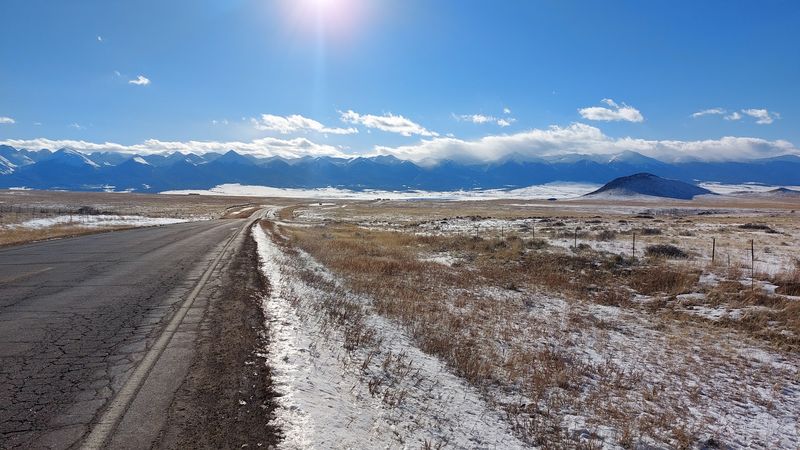
Here is a fun bit of Colorado trivia. Silver Cliff and Westcliffe were jointly named the state’s first International Dark Sky Community, so two neighboring towns share one historic first.
Silver Cliff sits at nearly 8,000 feet in the Wet Mountain Valley. Thin, high-altitude air helps the stars look sharper, especially on crisp winter nights.
The town keeps strict outdoor lighting codes to protect the darkness. With a population of around 600 and a spread-out, low-density layout, there is not much glow to fight in the first place.
I like pairing Silver Cliff with Westcliffe on the same trip. You get two dark sky towns for the price of one drive, and the quiet valley character makes it easy to slow down.
Bring layers. At this elevation, winter evenings get cold fast, and a thermos of cocoa goes a long way while your eyes adjust.
3. Ridgway
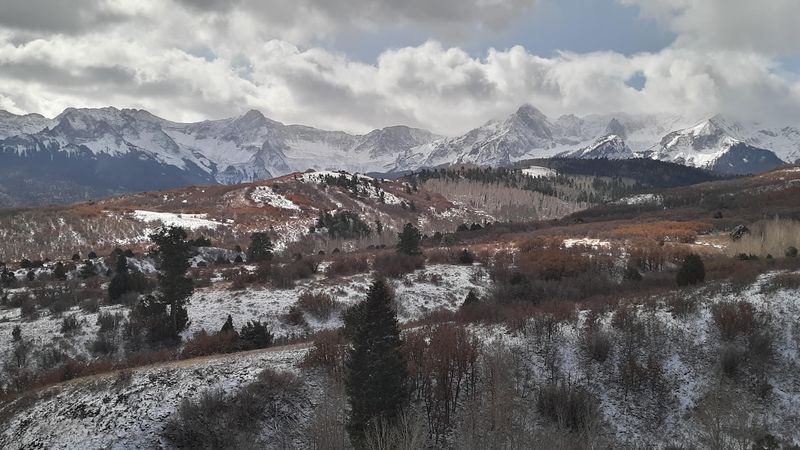
Mountain views by day and a starry ceiling by night. Ridgway pulls off both, thanks to its spot in the Uncompahgre Valley framed by the San Juan Mountains.
The town is a certified International Dark Sky Community and enforces dark-sky lighting guidelines. Shielded lights keep the glow pointed down, so the sky above stays clear.
About 1,000 people live here, and the historic downtown dates to the railroad era. It is small enough to walk, with rural valley land surrounding it on every side.
Long, cold winter nights are prime time. The Milky Way stands out crisply above the peaks, and you do not need to hike far from town to enjoy it.
This is the kind of place I would pick for a grown-up weekend away from the kids. Easy pace, big scenery, and an early sunset that turns the evening into a free show.
4. Norwood
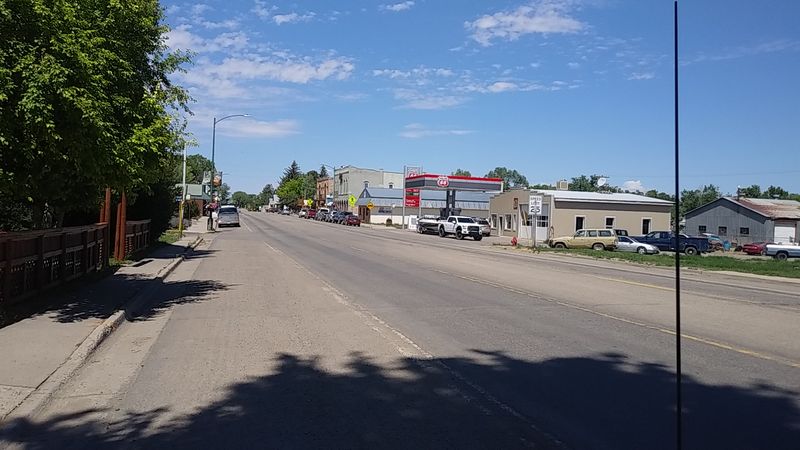
Out on Wright’s Mesa, Norwood proves a farm town can be a world-class stargazing spot. It is a designated International Dark Sky Community, recognized for taking a proactive approach to protecting its night sky.
Elevation helps. The town sits around 7,000 feet in an isolated mesa setting, with low humidity and no big-city glow on the horizon.
That combination lets the Milky Way stretch clearly across winter skies. On a good night, it runs nearly edge to edge.
Norwood is about as small-town as it gets, with roughly 550 residents and a traditional Main Street. Agriculture still shapes daily life here.
For anyone tired of resort-town prices, Norwood offers a quieter, more down-to-earth option. Just plan your drive in daylight, since mesa roads get very dark once the sun goes down.
5. Crestone
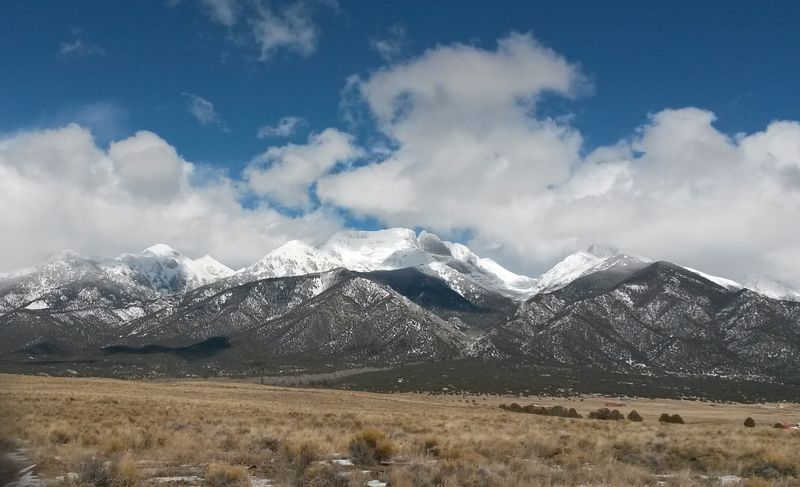
Fewer than 150 people live in Crestone year-round. That tiny number is a big part of why the night sky here is so impressive.
The town sits in the northern San Luis Valley at the foot of the Sangre de Cristo Range. It is a certified International Dark Sky Community, and it lies far from major highways and cities.
With so little light around, winter skies offer clear, unobstructed views of the Milky Way band. On the best nights, the brightest part of the galaxy stands out in sharp detail.
Crestone has an off-grid character that sets it apart from the other towns on this list. It feels more like a retreat than a stop on the way somewhere else.
I would save this one for when you truly want to unplug. Pack snacks, fill the gas tank, and let the mountains and stars do the rest.
6. Naturita
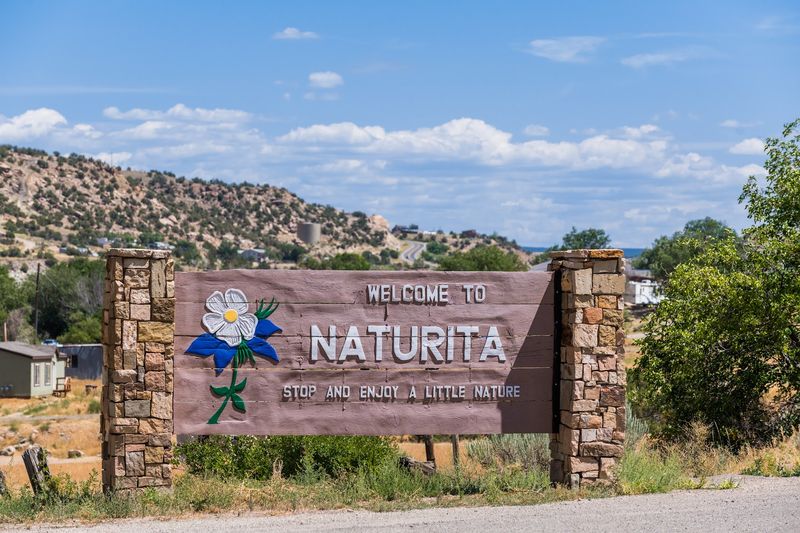
Desert canyons and dark skies make a great team, and Naturita has both. The town shares International Dark Sky Community recognition with its neighbor Nucla in Colorado’s West End.
Naturita sits in the secluded San Miguel River canyon basin. The surrounding terrain helps block outside light, leaving the sky remarkably dark.
Winter evenings here are crisp and clear. The Milky Way spreads across the sky above canyon walls, a different backdrop from the snowy peaks you see farther east.
Around 500 people live in Naturita, and the pace is slow and rural. It is a far cry from the crowded mountain towns many of us know too well.
Pair it with Nucla for a West End stargazing loop. The two towns sit close together, so one trip covers both.
7. Nucla
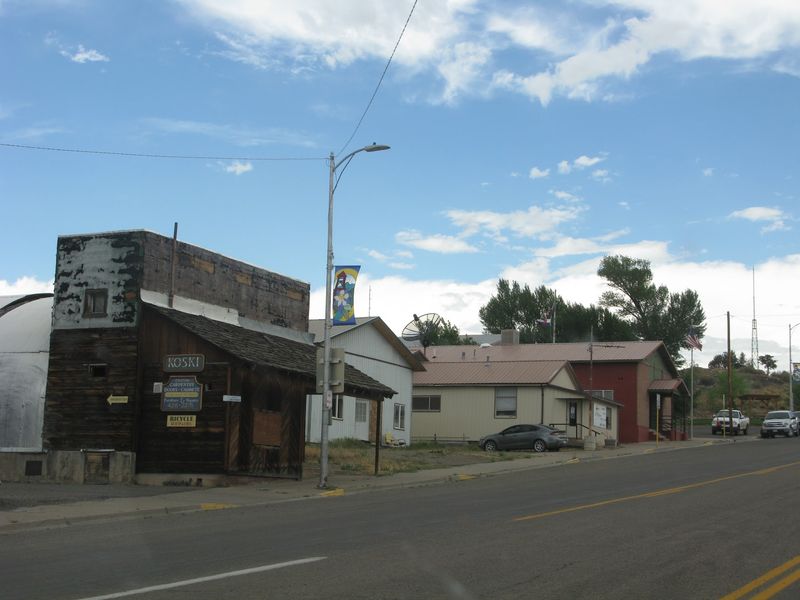
Whole-town teamwork is what put Nucla on the map for stargazers. The community made a broad commitment to cut light pollution and earned certification as an International Dark Sky Community.
Nucla sits on a remote mesa surrounded by high-desert public lands. That open space means very little light creeps in from anywhere else.
On winter nights, the result is a deep, dark sky with a sharp, sparkling Milky Way. It makes a fitting finale for this list.
About 650 people live in Nucla, laid out in a compact rural grid. Everything is close, and the stars are only a few steps from your door.
For retirees and budget watchers dreaming of a quieter corner of Colorado, the West End is worth a look. Nucla and Naturita together show how small towns can protect something special, one shielded light at a time.
Share this story