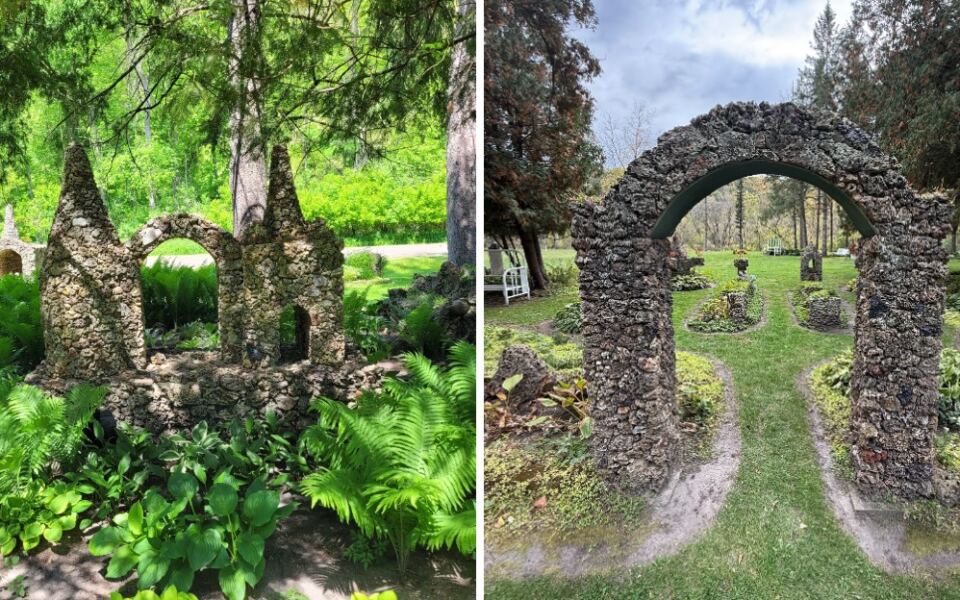
Some Minnesota treasures sit right off a county road, and most drivers pass them without a second thought. Down in the river country near Millville, there is a small garden where stone sculptures share space with ferns, flowers, and a few benches.
It has been around for more than a century, yet it rarely makes anyone’s weekend list. Volunteers keep it tidy, and if luck is on your side, one of them might share a bit of its backstory.
The whole place takes only about a hundred yards to cover, but the details keep people lingering much longer. Crafters, rock hounds, and anyone who loves handmade oddities will find plenty to study here.
Keep reading to learn where it is, who built those stone structures, when to go, and why this quiet corner deserves a spot on your next southeastern Minnesota drive.
A Quiet Stop on County Road 11
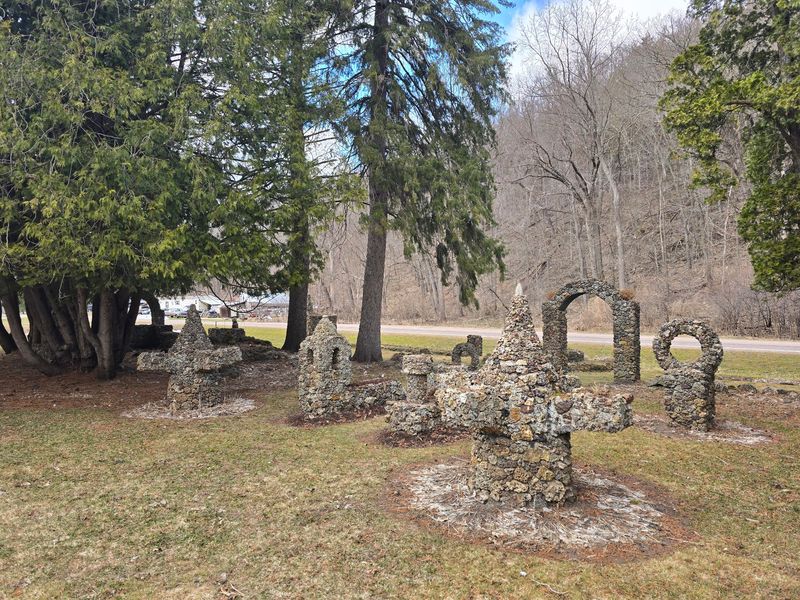
Jarretts Rock Garden sits at 33219 County Rd 11, Millville, MN 55957, in the rolling countryside of southeastern Minnesota.
It is listed simply as a garden, and that modest label fits its personality well. There is no grand entrance or giant parking lot announcing its arrival.
Instead, the site is a compact patch of land filled with stone sculptures, planted beds, and leafy greenery. It feels like a private project that just happens to welcome the public.
The setting is truly off the beaten path. Millville is a small community, and County Road 11 is the kind of route people take on scenic drives rather than daily commutes.
That remote spot is a big part of why so few people seem to know about it. Many folks living within an hour have likely never heard the name.
For travelers who enjoy finding places that do not show up on every brochure, the location is half the fun. The drive itself becomes part of the outing, especially on a clear day.
Keep the address handy, because spotting a small garden at highway speed is harder than it sounds.
Over a Century of Stacked Stone
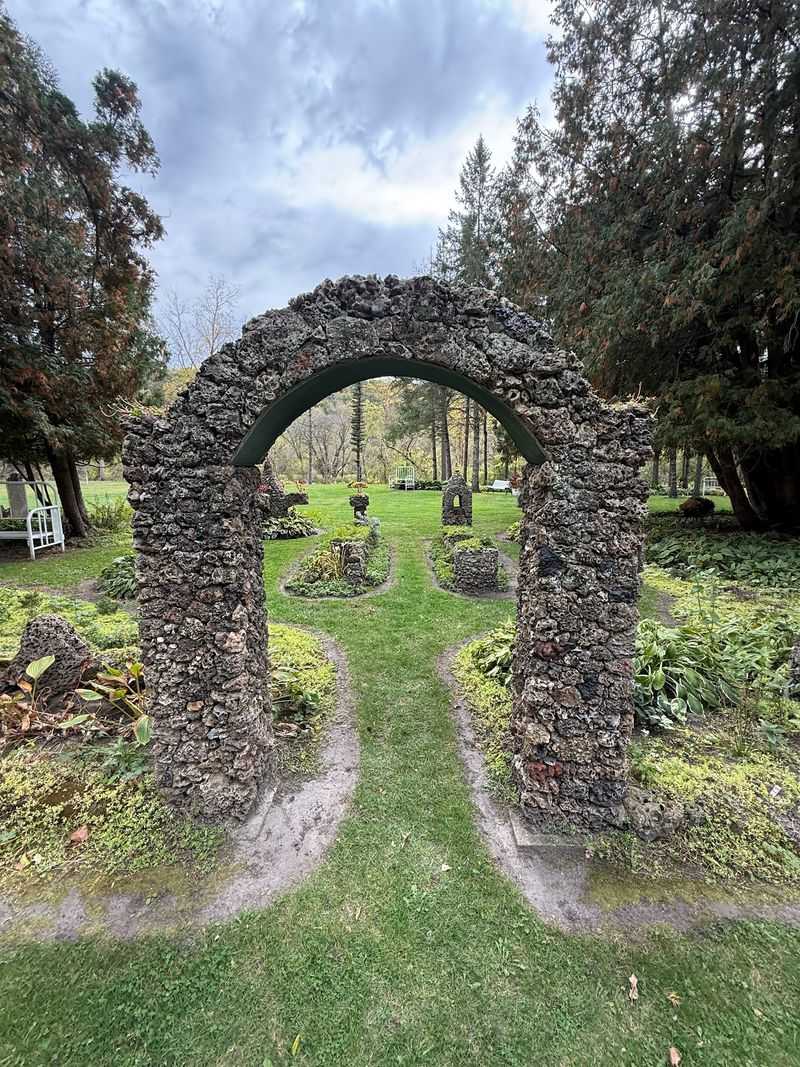
Some gardens are planted in a season. This one has been growing in its own way for more than 100 years.
The rock structures are credited to a man named Mr. Reimers, who built them by hand. His work is the backbone of the garden, and the stones still stand as a record of his patience.
There was also once a log home on the property. That detail hints at a time when this land was a homestead as much as a showpiece.
Plenty of people leave wanting to know more about Mr. Reimers and his connection to the Jarretts area. The available history is short, which only adds to the curiosity.
Vintage lovers will appreciate that the sculptures are the real thing, not reproductions. Each structure reflects old-fashioned handwork that is rare to see today.
It is a good reminder that folk art does not always live in museums. Sometimes it waits beside a rural road, quietly outlasting the people who made it.
The best way to fill in the gaps of the story comes next, and it involves the people who care for the place today.
Whimsical Sculptures for Rock Hounds
Rock hounds, this one is for you. The garden has earned a reputation as an amazing stop for anyone who collects or admires stones.
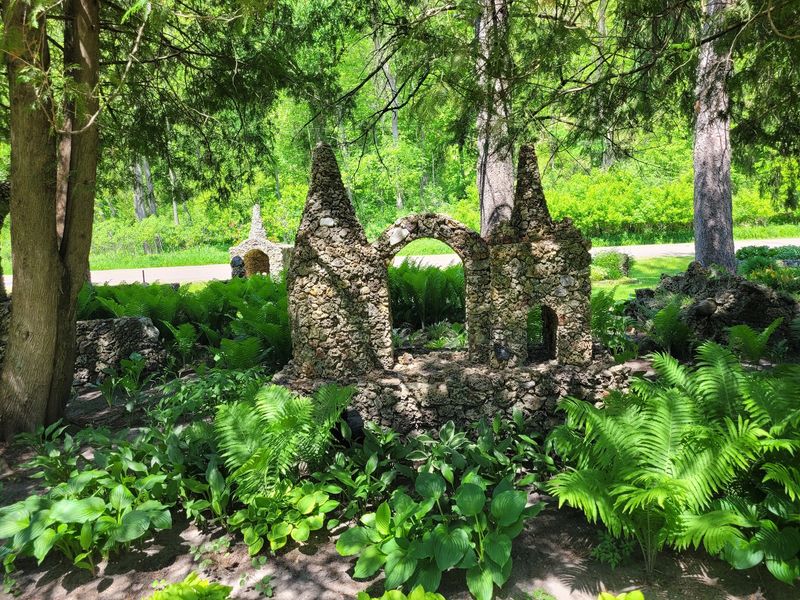
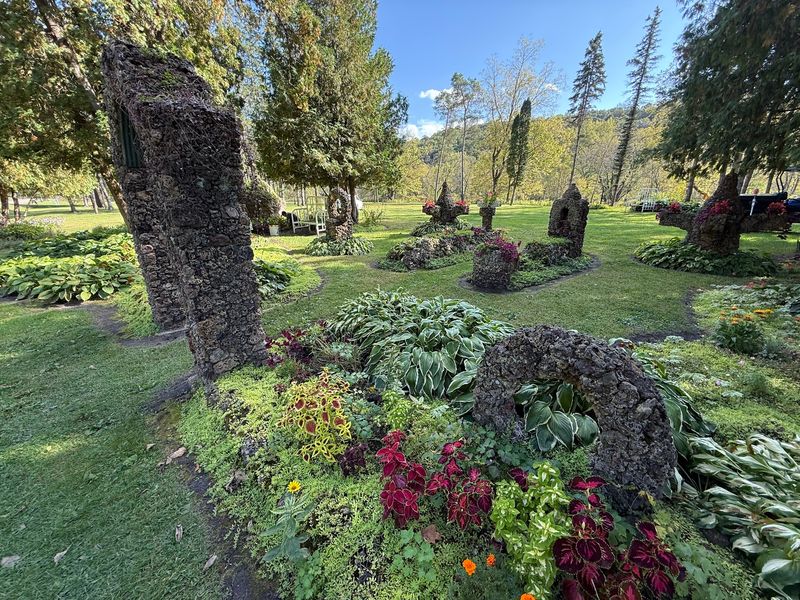
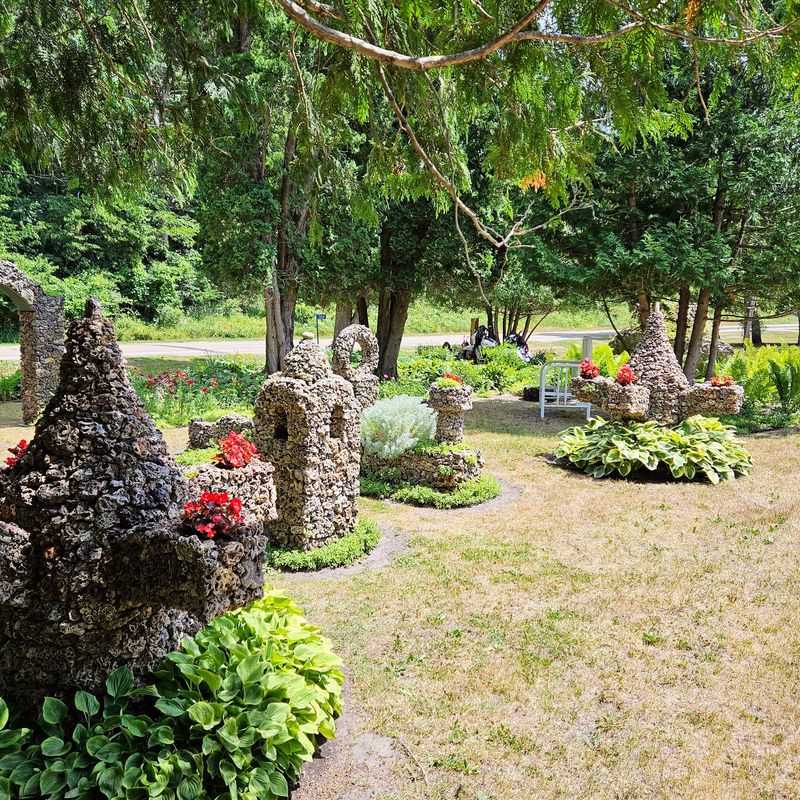
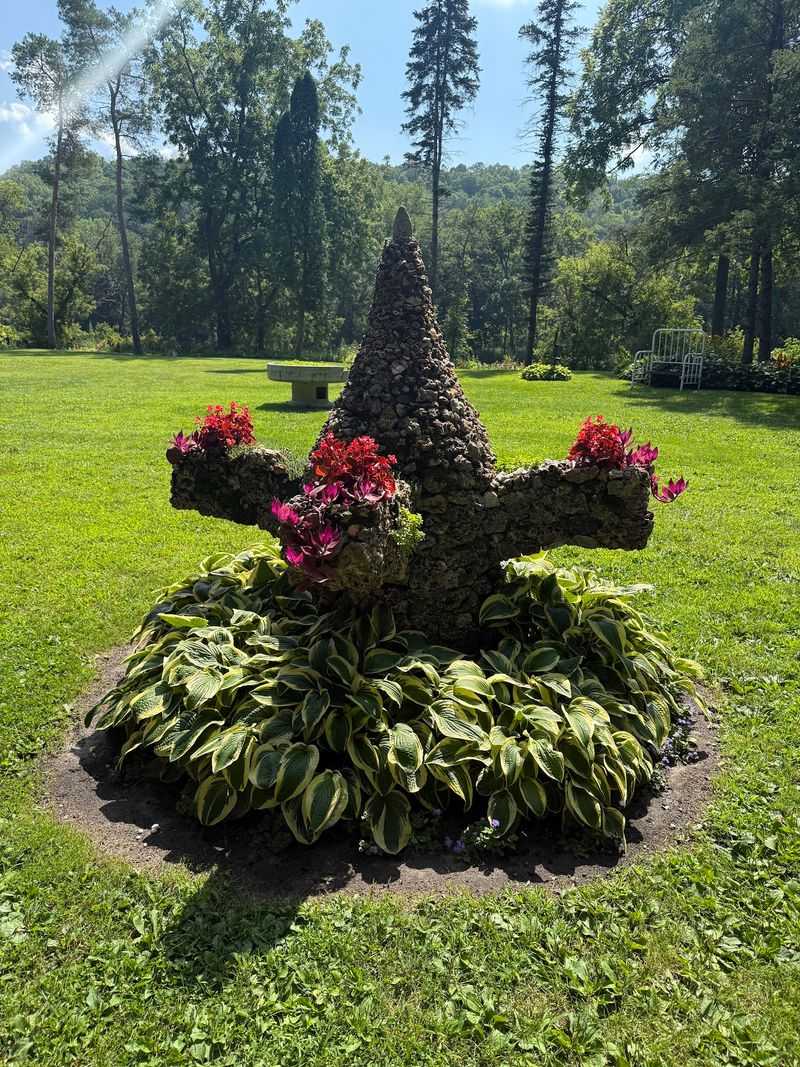
The sculptures are described as whimsical, and that word captures their playful character. They are not stiff monuments but creative arrangements that invite a closer look.
Many of the rocks are genuinely pretty. Their variety gives the structures texture and personality, and each one rewards a slow walk around it.
Crafters may find themselves studying how the pieces fit together. The construction shows real skill, and it can spark ideas for home garden projects.
The appeal here is less about size and more about craftsmanship. Every corner holds small surprises that are easy to miss on a quick pass.
Kids and adults alike tend to find the shapes fun. There is something about handmade stonework that makes people want to point things out to one another.
Bring a camera and some patience. These stones have waited a century, so they can certainly wait while you find the right angle.
Flower Beds and Ferns Everywhere
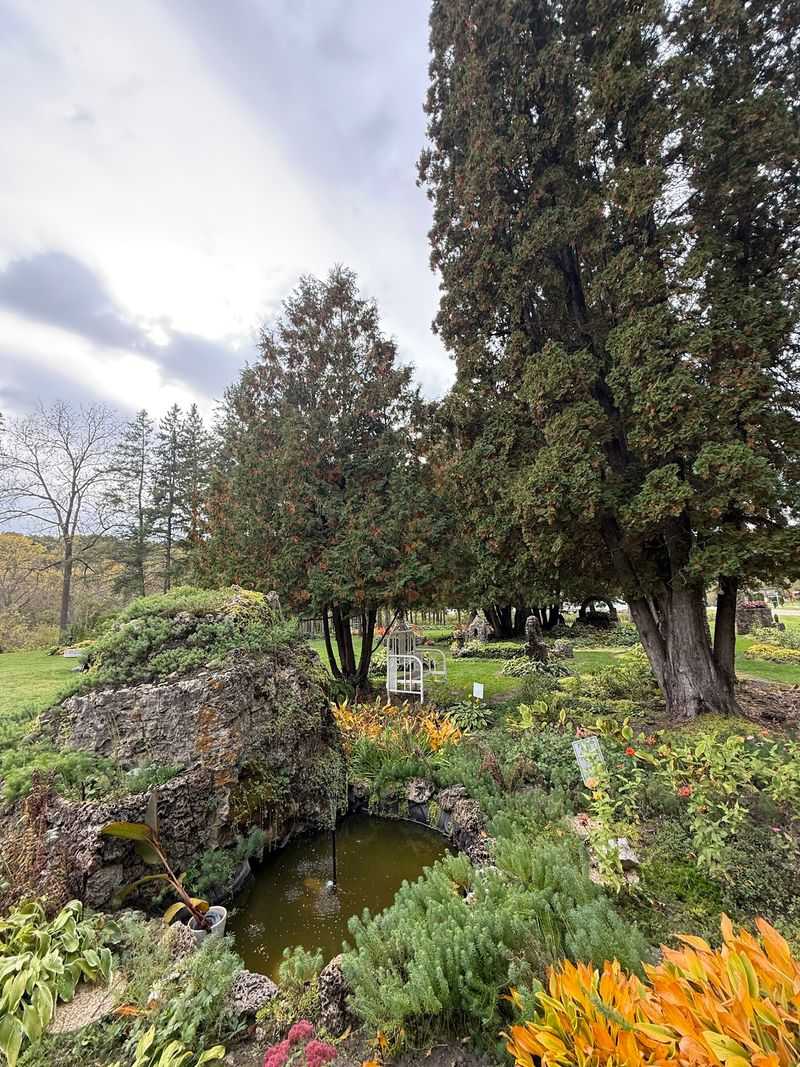
Stone may be the headliner, but the plants are a strong supporting cast.
The grounds are filled with flowers, ferns, and other foliage. Together they soften the rock structures and give the garden its lush, cared-for look.
Great attention to detail shows in how the beds are arranged. Nothing feels random, and the planting seems to frame the sculptures on purpose.
Gardeners will notice how well everything is kept. Tidy edges and healthy greenery point to steady, ongoing work rather than a once-a-year cleanup.
The combination of rock and plant life is what makes the place feel complete. Remove either one, and the garden would lose much of its charm.
For those who love planning their own yards, this is a handy spot for inspiration. It shows how a small space can hold a surprising amount of variety.
The flowers also change the look of the garden through the year, which brings up an important question about timing.
Right Beside the Vermillion River
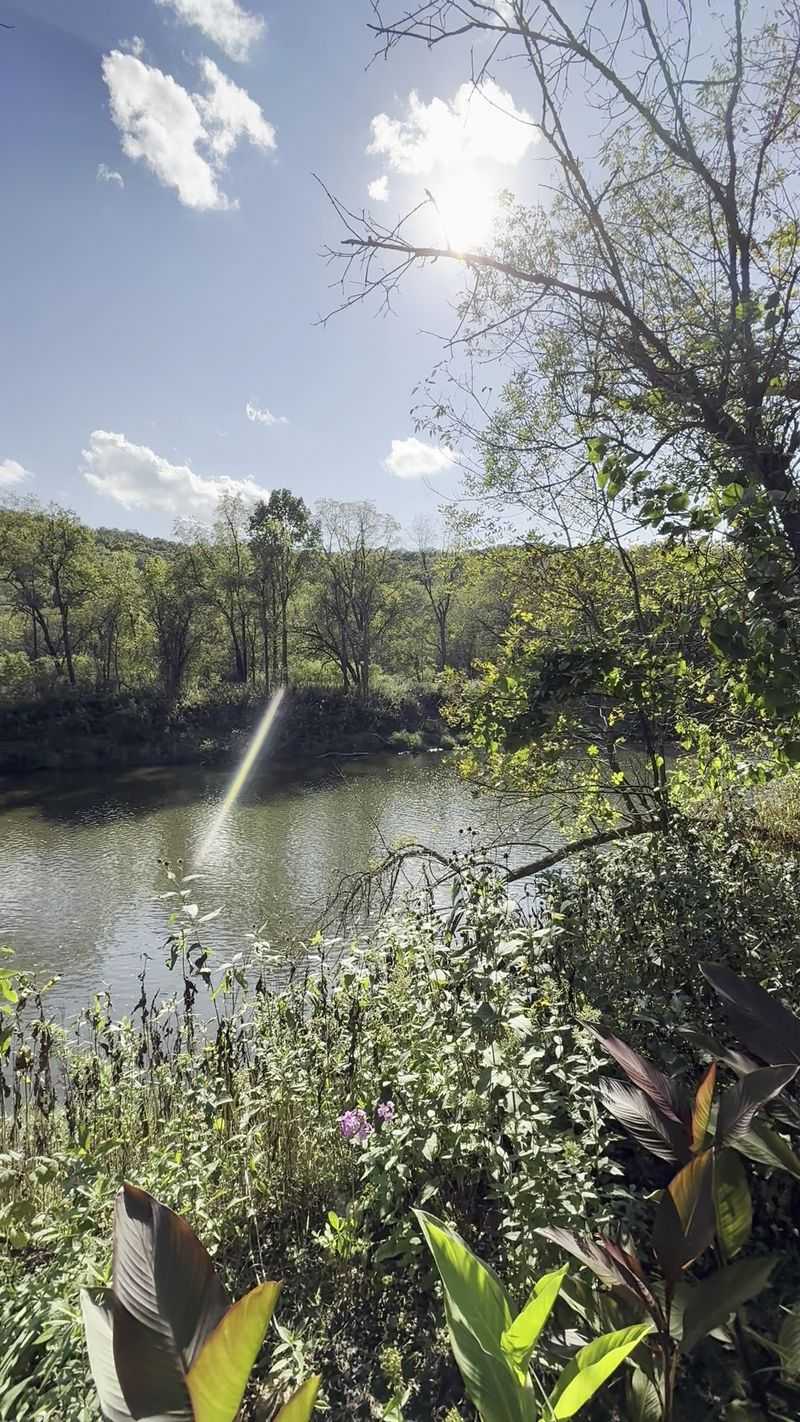
Location matters, and this garden has a good one. It sits right beside the Vermillion River.
The river brings lots of lush vegetation to the surrounding area. That natural greenery blends with the planted beds, so the garden feels connected to the landscape around it.
Many people describe it as a little slice of heaven along the water. The riverside setting adds a calm, open quality that a roadside lot would never have.
Birds are part of the scene too. On spring days, the combination of river and wildlife makes the space feel especially restful.
Despite being next to water, mosquitoes have been surprisingly few at times. That said, bringing bug spray in warmer months is still a sensible move.
The river also makes the drive out feel worthwhile. A garden plus a waterside setting turns a short stop into a small nature break.
Find a bench, settle in, and let the river set the pace for a while.
The Volunteers Who Keep It Going
Behind every well-kept garden is someone with dirt on their gloves. Here, those someones are dedicated volunteers.
The caretakers clearly love what they do. Their time and energy show in every trimmed bed and tidy path.
One caretaker in particular, a friendly woman named RuthAnn, is often mentioned as an owner and caretaker. People who run into her often leave with extra stories about the garden.
She has been spotted preparing the grounds for a wedding, and still taking time to chat. That kind of welcome is not something you can schedule in advance.
Meeting a caretaker is a matter of luck. There is no guided tour on a set timetable, so a conversation feels like a bonus.
Their willingness to share the space with the public is generous. It is, after all, their hard work on display for anyone who stops by.
A polite thank-you goes a long way here. Gardens like this survive because people choose to keep them alive.
Benches, Calm, and Time to Ponder
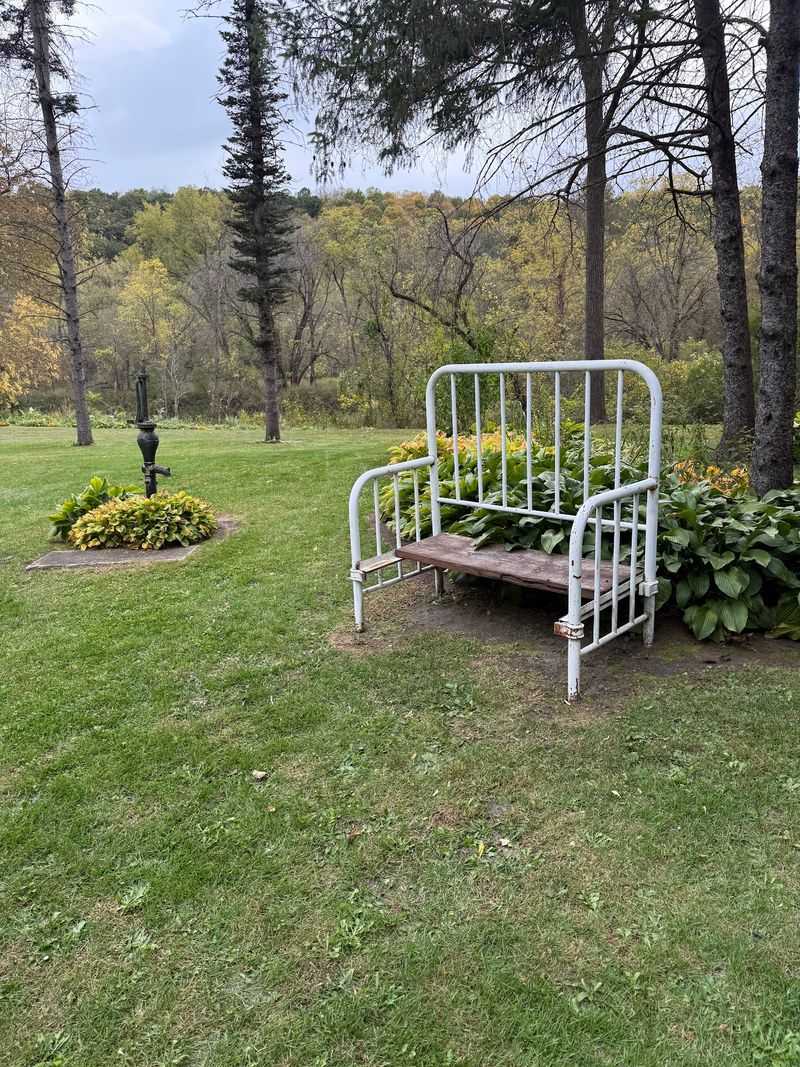
Peace and quiet are in short supply these days, but this garden has a healthy stock.
Several benches are placed throughout the grounds. They make it easy to sit, rest, and take in the details without rushing.
The atmosphere is often described as peaceful, quaint, and unusual. It is the kind of place where some people wish they lived closer so they could come daily to meditate.
Crowds are rarely a problem. On some days, only one or two other parties might be there at the same time.
That low traffic means you can move at your own speed. Nobody is waiting behind you for a photo, and nobody is hurrying you along.
The garden suits couples, solo travelers, and families who appreciate a slow stop. It also works well as a mid-drive break on a scenic tour.
Bring a book or simply bring yourself. Either way, the benches are ready when you are.
Small Size, Big Details
Here is a fair warning: this is not an all-day destination.
About a 100-yard stroll covers the entire garden. It is small by any standard, and that is part of its character.
What it lacks in size, it makes up for in detail. There are lots of things to ponder in each section, from stone placement to the plants tucked around them.
Most people describe it as a great little spot to stop and explore. It pairs nicely with a broader drive through the area.
Opinions are mostly glowing, though not everyone falls in love. A few people find it interesting rather than amazing, which is fair for such a compact site.
Setting expectations helps. Arrive looking for craftsmanship and calm, not a sprawling botanical park.
Short visits can still leave long impressions, especially when every few steps reveal something new.
Hours and Timing Your Trip
Good news for planners: the schedule is simple.
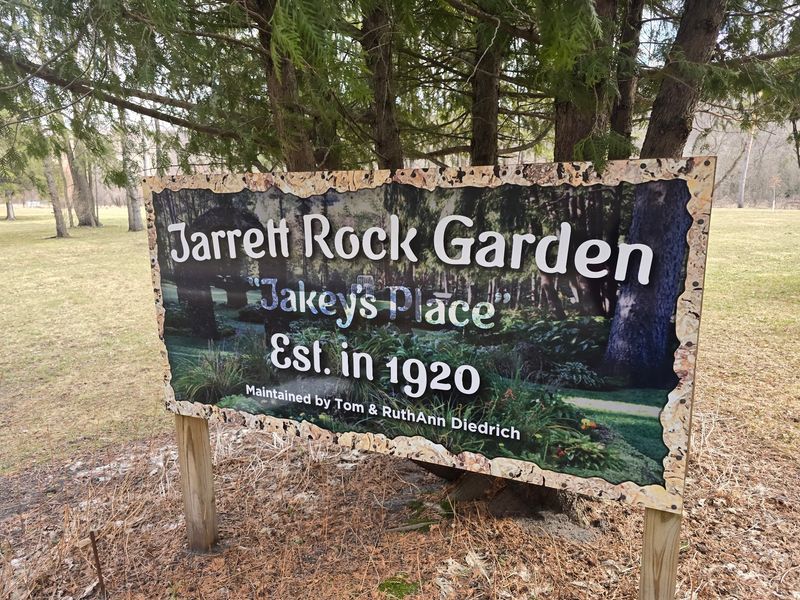
The garden is open every day of the week from 8 AM to 5 PM. That includes weekends, so it fits easily into a Saturday or Sunday drive.
Summer is the favorite season. Warmer months bring the flowers into bloom, and the garden is at its fullest then.
Early spring visits can be chilly, and the beds may look sparse. Even so, people who stop by in cooler weather often plan a return trip for summer.
No admission prices appear in the available information. It is wise to check ahead locally if that matters for your plans.
Since the site is small, an hour or less is usually plenty. Arriving earlier in the day leaves room to explore nearby countryside afterward.
Pick a clear day, and the drive becomes as enjoyable as the destination itself.
A Soft Verdict on a Forgotten Spot
So, is it worth the trip? For the right traveler, the answer is a cheerful yes.
The garden holds a 4.8-star standing on Google Maps, which reflects how warmly people respond to it. That is impressive for such a small, low-key site.
Its appeal comes from a mix of history, handwork, and care. Century-old stone sculptures, riverside greenery, and friendly volunteers make a memorable combination.
Crafters will admire the stonework. Vintage fans will enjoy the old homestead story, and rock hounds will want to study every piece.
It is not a place for thrill seekers or anyone hoping for big attractions. It is a place for slowing down and noticing small things.
Pair it with a scenic drive through the Millville area for a relaxed day. Pack some patience, a camera, and maybe a few questions for a caretaker.
Some places shout for attention. This one simply waits by the river, ready for whoever remembers to look.
Share this story