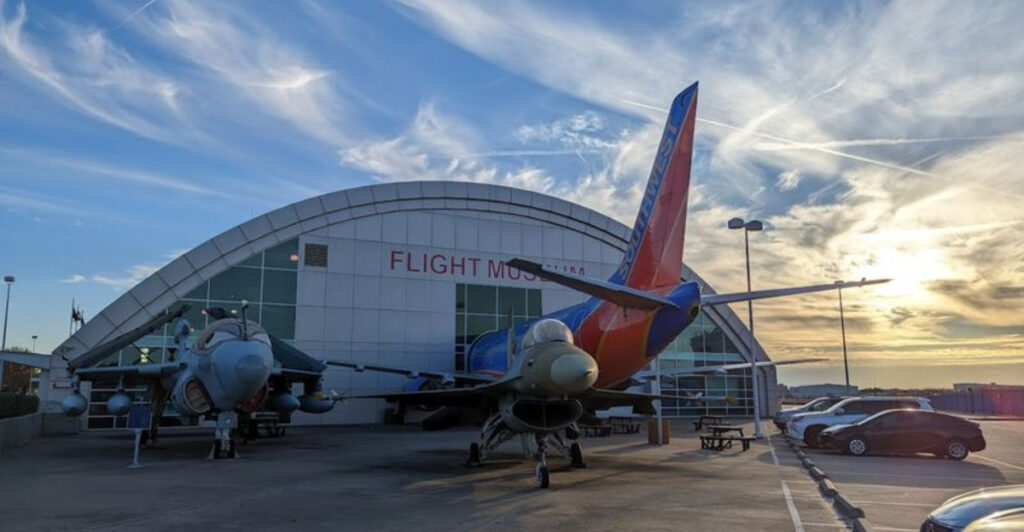
Right next to Love Field Airport in Dallas sits a treasure trove of aviation history that most people drive past without a second glance. The Frontiers of Flight Museum houses some of the most remarkable aircraft and space artifacts you’ll find anywhere in Texas, from full-size fighter jets to actual moon rocks. Whether you’re a hardcore aviation enthusiast or just looking for something cool to do with the kids on a Saturday afternoon, this place delivers way more than you’d expect from its unassuming exterior.
1. Apollo 7 Command Module That Actually Orbited Earth
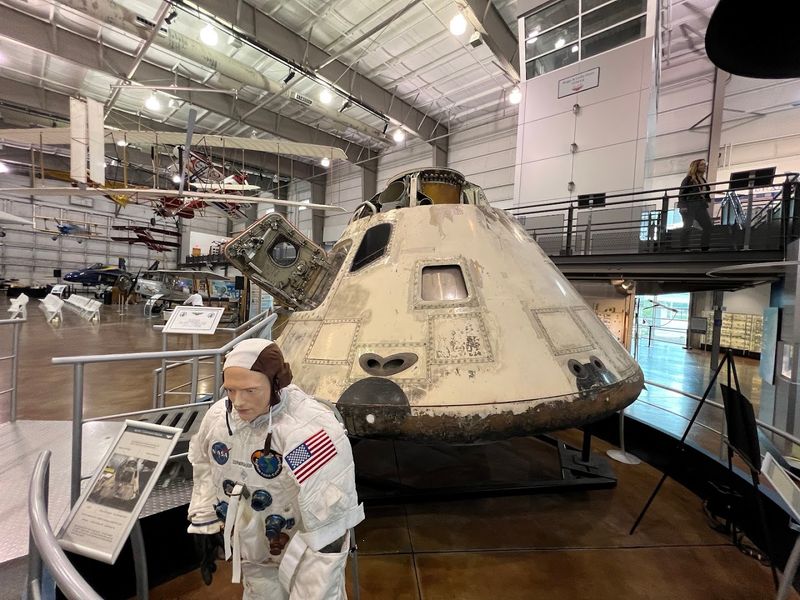
Walking into the museum and coming face-to-face with a real Apollo 7 spacecraft hits differently than seeing it in pictures. This isn’t a replica or a mock-up—it’s the actual command module that carried astronauts around Earth in 1968. The scorch marks from re-entry are still visible on the heat shield, telling the story of three men hurtling back through the atmosphere at thousands of miles per hour.
The Apollo 7 mission was NASA’s first crewed flight after the tragic Apollo 1 fire, making this capsule a symbol of resilience and determination. Commander Wally Schirra, Donn Eisele, and Walter Cunningham spent eleven days inside this cramped space, testing systems that would eventually take humans to the moon. Standing next to it really puts into perspective how small these spacecraft were and how brave those astronauts had to be.
The museum also displays authentic moon rocks nearby, which adds another layer of amazement to the space exhibits. Kids especially love this section because it connects them to something that feels almost impossible—actual pieces of another world. For anyone who grew up watching space launches or dreaming about becoming an astronaut, seeing this capsule in person feels like touching a piece of history that changed humanity forever.
2. Blue Angels F-11 Tiger That Screamed Through Air Shows
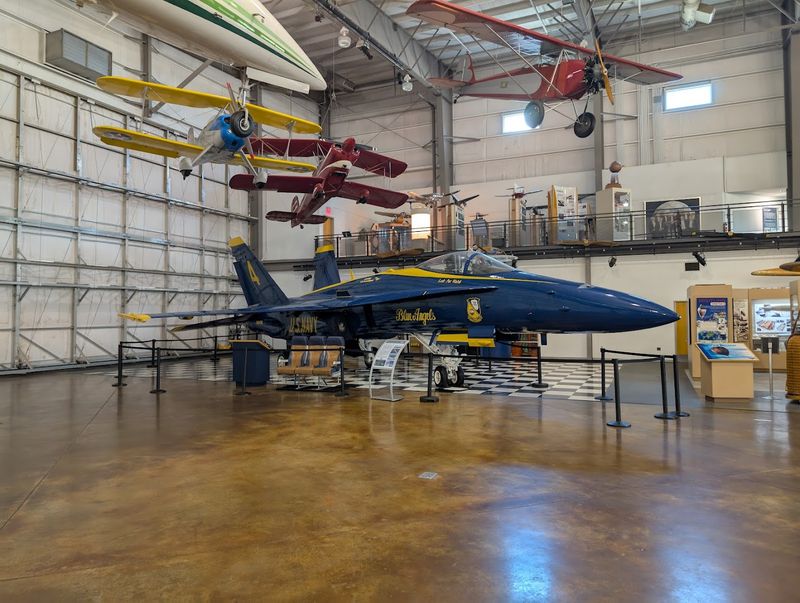
The Blue Angels F-11 Tiger sitting in the main hangar stops visitors in their tracks with its stunning navy blue and gold paint scheme. This supersonic fighter jet served with the Navy’s elite flight demonstration team from 1957 to 1969, thrilling millions of spectators at air shows across America. Getting up close reveals details you’d never notice from the ground—the polished metal skin, the compact cockpit, and the powerful engine that could push this beauty past the speed of sound.
What makes this particular aircraft special is its connection to an era when jet fighters were becoming faster and more sophisticated. The F-11 Tiger could reach speeds over 750 miles per hour and climb to 41,000 feet, which seemed incredible at the time. Pilots who flew these machines were considered the best of the best, combining technical skill with showmanship to execute precise formations just feet apart.
Families often spend extra time around this exhibit because it’s positioned where you can walk completely around it and peek underneath. The museum volunteers, many of whom are aviation experts themselves, love sharing stories about the Blue Angels and how these jets performed their famous diamond formation. It’s one of those aircraft that looks fast even when it’s standing still.
3. Observation Window Overlooking Love Field Runways
Here’s something most aviation museums don’t have—a prime viewing spot where you can watch modern jets take off and land at Love Field Airport while surrounded by historic aircraft. The observation window offers real-time aviation action that keeps plane enthusiasts glued to the glass for hours. Southwest Airlines operates dozens of flights daily from Love Field, so there’s almost always something happening on the runways.
This feature transforms the museum from a static collection into a living demonstration of how far aviation has progressed. You can literally turn from examining a vintage World War II fighter to watching a Boeing 737 roar down the runway seconds later. The contrast between old and new technology becomes incredibly obvious when you experience both simultaneously.
Parents appreciate this spot because restless kids can take a break from exhibits and watch real planes instead. The museum provides some seating near the windows, making it comfortable to hang out and plane-spot. Aviation photographers also love this location because you can capture planes with interesting museum aircraft in the foreground, creating unique compositions you won’t find anywhere else.
On busy travel days, the runway action gets particularly exciting with planes landing and departing every few minutes. It’s like having front-row seats to a continuous air show, except these are working flights carrying actual passengers to destinations across the country.
4. Massive Indoor Hangar With Dozens of Full-Size Aircraft
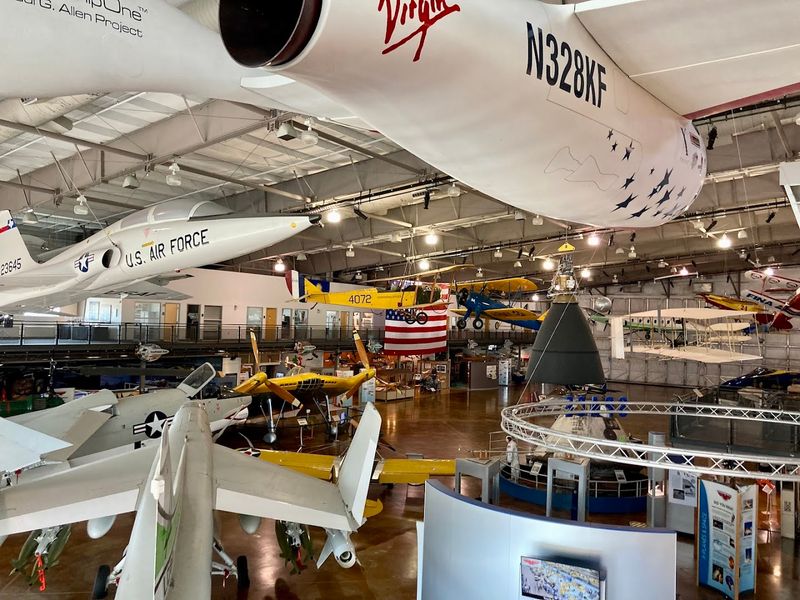
The moment you step into the main hangar, the sheer scale of the collection becomes obvious. Dozens of full-size aircraft fill the enormous space, from tiny early flying machines to massive military helicopters. Unlike outdoor aviation parks where weather damages exhibits, everything here stays in pristine condition under the protective roof.
The lighting design highlights each aircraft beautifully, making them look almost ready to fly again.
What really sets this hangar apart is how accessible everything feels. You can walk right up to most aircraft and examine details that would be impossible to see from behind ropes or barriers at other museums. The propellers, landing gear, cockpit windows, and weapon systems are all within touching distance, though signs politely remind visitors to look without touching.
This proximity helps you appreciate the engineering and craftsmanship that went into building these machines.
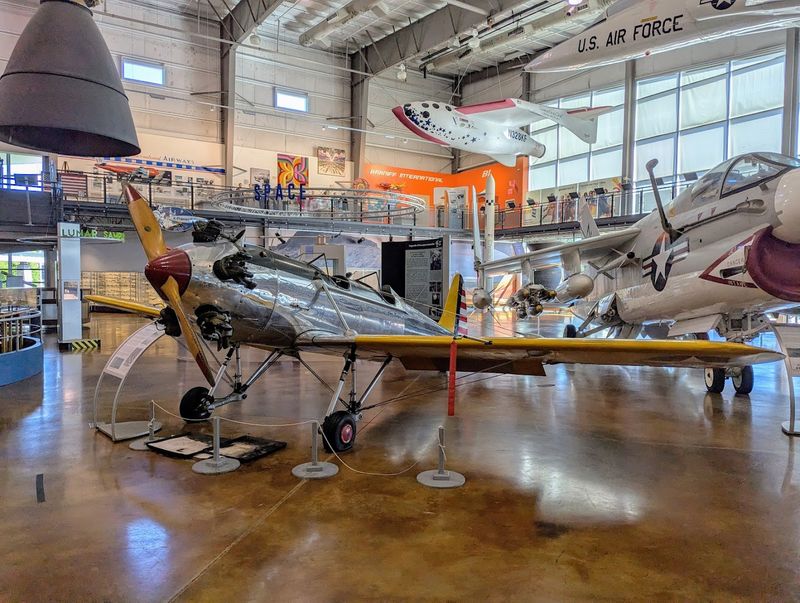
The collection spans the entire history of powered flight, arranged roughly in chronological order so you can trace aviation’s evolution. Early biplanes with fabric wings sit near sleek jet fighters, showing how dramatically aircraft design changed over just a few decades. Military helicopters demonstrate vertical flight technology, while vintage passenger planes remind visitors that air travel wasn’t always the routine experience it is today.
For toddlers and young kids, the hangar provides plenty of open space to roam around safely while parents explore the exhibits at a comfortable pace.
5. Interactive Helicopter Cockpit Experience
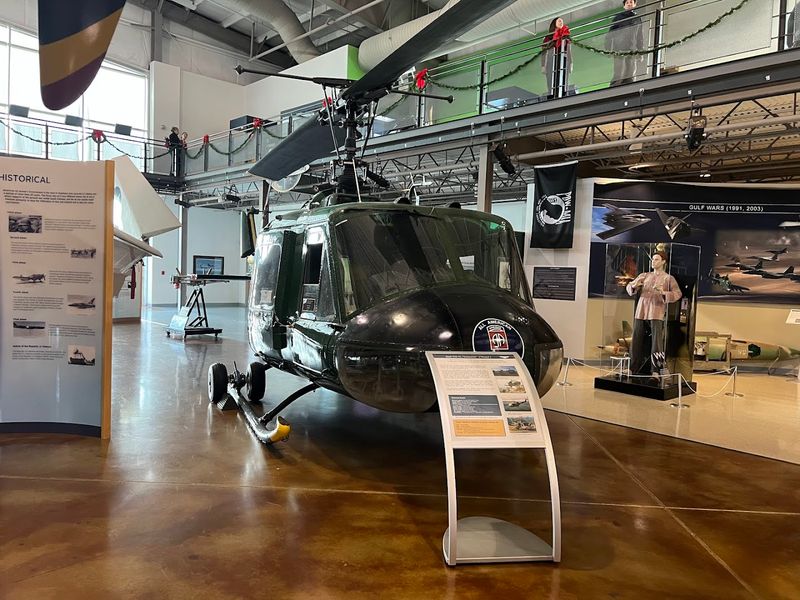
Most museums make you admire aircraft from a distance, but the Frontiers of Flight Museum takes a different approach with certain exhibits. When the museum isn’t crowded, the friendly staff members in red vests will sometimes let visitors climb into one of the helicopter cockpits for a closer look. This hands-on opportunity transforms a regular museum visit into an unforgettable experience, especially for aviation-obsessed kids who dream of becoming pilots.
Sitting in a real helicopter cockpit surrounded by authentic instruments and controls provides insights that photos and descriptions simply cannot convey. The complexity of the control panel becomes immediately apparent when you’re actually in the pilot’s seat, with dozens of gauges, switches, and levers within reach. The cramped quarters also demonstrate the challenging conditions military pilots operated under during combat missions.
The museum volunteers who offer this experience are often retired pilots or aviation professionals themselves, so they can explain what various instruments do and share stories about flying these machines. Their enthusiasm is contagious, and they genuinely enjoy helping visitors connect with aviation history on a personal level. These impromptu guided experiences add tremendous value beyond just reading exhibit plaques.
Teenagers particularly appreciate this interactive element because it feels exclusive and special compared to the standard museum experience. Getting that perfect photo sitting in a helicopter cockpit makes for excellent social media content and creates lasting memories of the visit.
6. Aviation Photography Gallery Featuring Military Photojournalists
Upstairs in a quieter section of the museum, an extraordinary photography exhibit showcases the work of military photojournalists who documented aviation history from unique perspectives. These aren’t the polished promotional images you typically see—they’re raw, powerful photographs captured by people who flew alongside pilots during training missions, combat operations, and test flights. The gallery format allows visitors to slow down and really study the images without the distractions of the larger exhibits downstairs.
Many visitors mention this photography collection as an unexpected highlight of their visit. The images capture moments of tension, triumph, and everyday life in military aviation that you won’t find in history books. Some photographs show pilots preparing for dangerous missions, while others document the camaraderie and humor that helped service members cope with stress.
The human element comes through strongly in these images, reminding viewers that aviation history is ultimately about people, not just machines.
The exhibit rotates periodically, featuring different photographers and themes, which gives repeat visitors new content to discover. Professional photographers and history enthusiasts find particular value in this gallery because it demonstrates how visual storytelling preserves important moments that might otherwise be forgotten. The museum’s decision to dedicate significant space to photography shows their commitment to presenting aviation history from multiple angles.
This quieter gallery space also provides a welcome respite for visitors who need a break from the sensory intensity of the main hangar.
7. Aviation Outfits Throughout History Displayed on GI Joe Figures
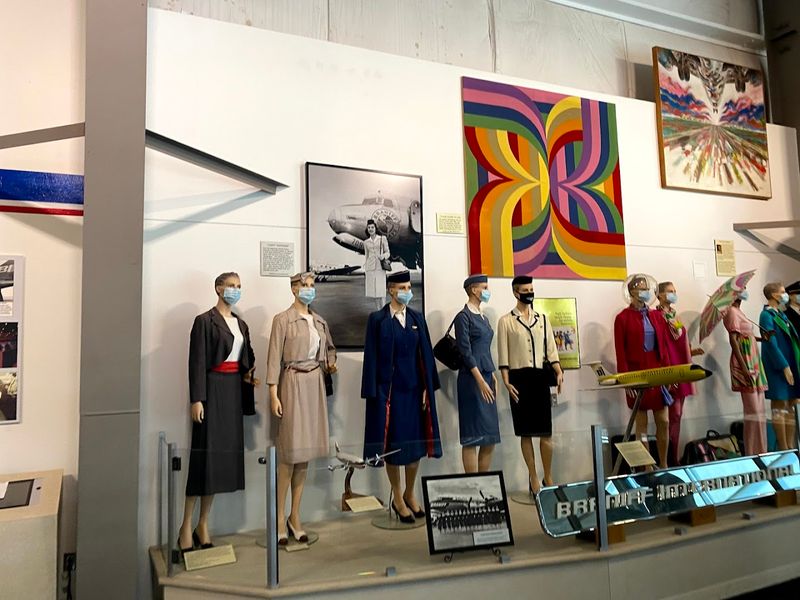
In one of the museum’s most creative exhibits, the evolution of aviation clothing comes to life through meticulously detailed GI Joe figures dressed in period-accurate uniforms. This clever display method makes the progression of flight gear immediately understandable and visually engaging in a way that mannequins or flat photographs couldn’t achieve. From leather jackets and goggles worn by early barnstormers to modern flight suits with integrated technology, each figure tells part of the story of how pilots adapted their clothing to meet changing challenges.
The exhibit demonstrates how aviation uniforms evolved alongside aircraft technology. Early pilots needed heavy leather coats and fur-lined helmets to survive in open cockpits at high altitudes where temperatures dropped below freezing. As enclosed cockpits became standard, uniforms became lighter but incorporated new features like oxygen mask connections and parachute harnesses.
Military flight suits added survival gear, communication equipment, and protective elements for combat situations.
Using GI Joe figures to present this information shows the museum’s willingness to be playful and accessible rather than stuffy and overly serious. Kids who might zone out reading about textile technology and uniform regulations instead get drawn into the exhibit because the presentation method speaks their language. Adult collectors appreciate the attention to detail in the miniature uniforms and accessories.
This exhibit proves that museums can educate effectively while still being fun and creative with their presentation methods.
8. Airplane-Themed Indoor Playground and Sensory Room
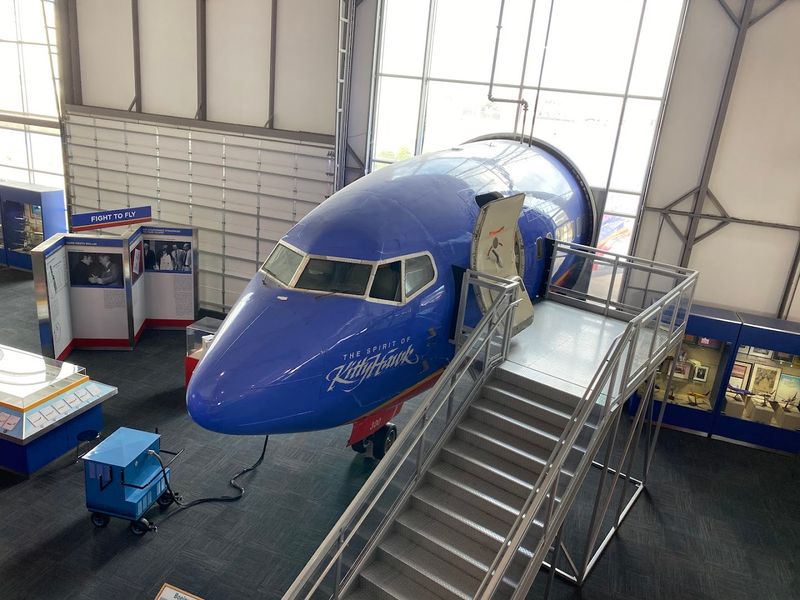
Parents of young children often struggle with museum visits because toddlers have limited patience for exhibits they can’t touch or interact with. The Frontiers of Flight Museum solves this problem brilliantly with a dedicated indoor playground featuring an airplane clubhouse where kids can climb, explore, and burn off energy. This isn’t just a token play area stuck in a corner—it’s a substantial space designed to keep little ones entertained for extended periods while still connecting to the museum’s aviation theme.
The playground allows families with multiple children of different ages to enjoy the museum together without constantly worrying about bored toddlers disrupting other visitors. Older siblings can explore the aircraft exhibits with one parent while younger kids play safely in view of the other parent. This flexibility makes the museum genuinely family-friendly rather than just theoretically appropriate for children.
Adjacent to the playground, the museum provides a quiet sensory room where parents can nurse infants, change diapers, or help overstimulated children decompress in a calm environment. This thoughtful accommodation shows the museum understands the real challenges families face during outings. Having a private, comfortable space for feeding and caring for babies removes a major barrier that keeps some parents from visiting museums altogether.
Multiple reviews specifically mention children staying entertained in the playground for several hours, which gives parents ample time to actually enjoy the exhibits themselves.
9. Convenient Location Right Next to Love Field Airport

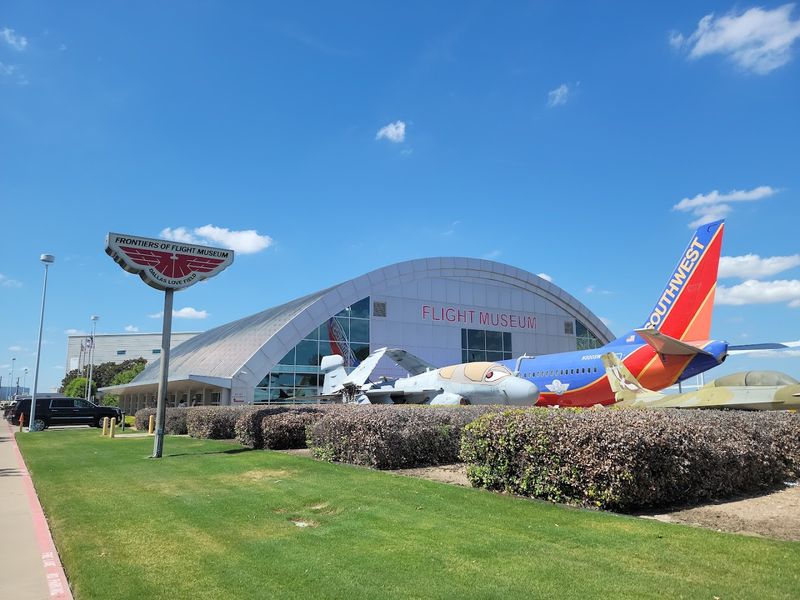
Location matters tremendously when planning a museum visit, and the Frontiers of Flight Museum wins big in this department by sitting right next to Love Field Airport. If you’re flying out of Love Field and have extra time before your flight, you can literally get dropped off at the museum, spend an hour or two exploring, and then head around the corner to catch your plane. This convenience factor makes it easy to squeeze in a cultural experience that might otherwise get skipped during busy travel schedules.
For Dallas locals, the museum’s position near major roads makes it accessible from all parts of the metro area without fighting downtown traffic or searching endlessly for parking. The straightforward location at 6911 Lemmon Avenue means you can find it easily using any GPS system. Seniors particularly appreciate the convenient access, especially with the affordable ten-dollar admission price that makes visiting a budget-friendly activity.
The proximity to an active airport enhances the museum experience by providing constant reminders that aviation remains a vital part of modern life. The sound of jet engines and the sight of planes climbing into the sky connects the historical exhibits inside to the continuing evolution of flight technology. Visitors often comment on how special it feels to examine vintage aircraft while contemporary planes operate just yards away.
This location also makes the museum an ideal destination when you need something interesting to do on short notice without extensive planning.