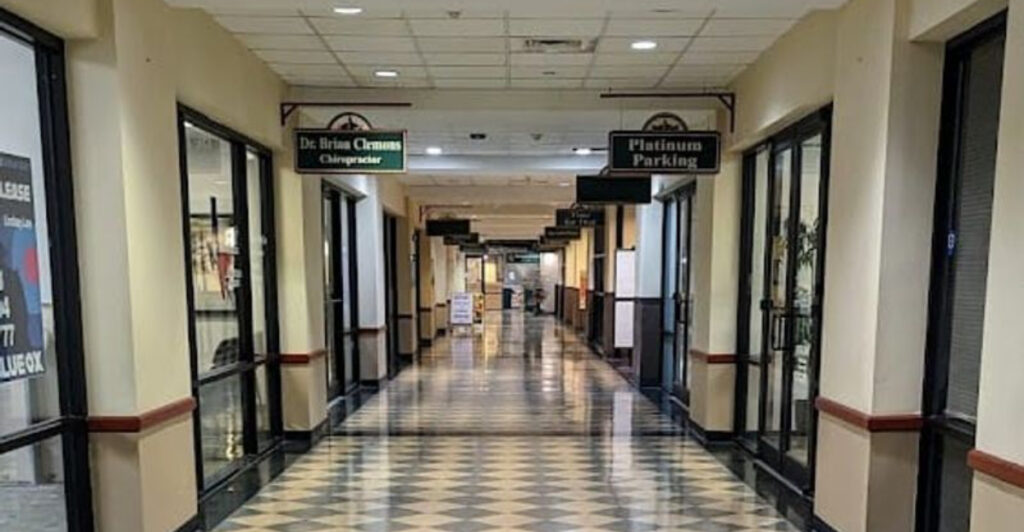
Twenty feet below Houston’s bustling streets lies one of America’s best-kept secrets: a sprawling network of air-conditioned tunnels stretching across more than six miles of downtown real estate. This underground maze connects over 95 city blocks, creating a climate-controlled pedestrian paradise where office workers, tourists, and locals escape the scorching Texas heat. What started as a simple connection between a few buildings has grown into a subterranean city complete with restaurants, shops, and even barbershops—all tucked away where most visitors never think to look.
1. A Climate-Controlled Escape from Texas Heat
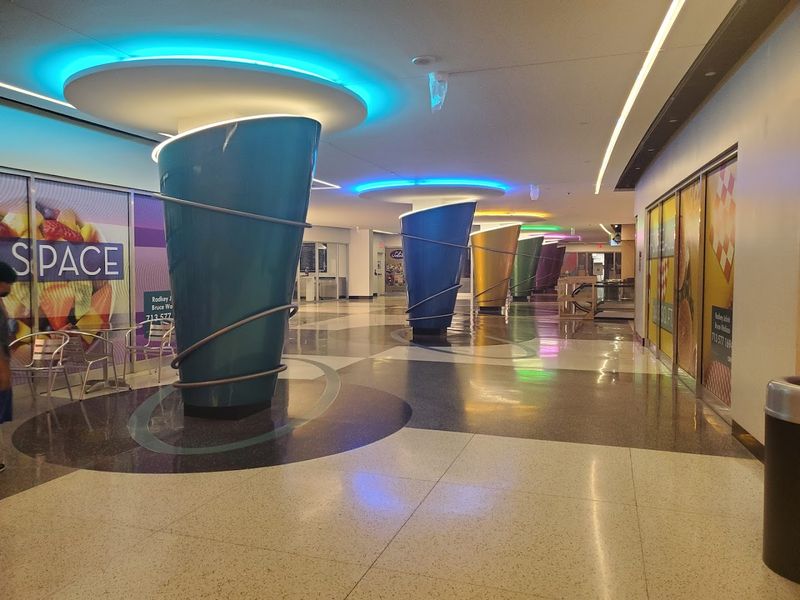
Houston summers don’t mess around. When temperatures regularly climb past 95 degrees with humidity that feels like you’re breathing through a wet blanket, locals know the real secret to survival isn’t just finding shade—it’s going underground.
The tunnel system maintains a comfortable 72 degrees year-round, making it the perfect refuge during those brutal summer months. You’ll see office workers in crisp business attire navigating the corridors without breaking a sweat, grabbing lunch or running errands in complete comfort. International visitors from Australia and Europe consistently rave about this feature, noting they have nothing comparable back home.
Rain or shine, scorching heat or unexpected storms, the tunnels offer consistent protection. One reviewer mentioned using them as a “life saver” during stormy, windy episodes—and anyone who’s experienced a sudden Houston downpour knows exactly what that means.
The climate control isn’t just about comfort either. It’s practical infrastructure that keeps the city’s workforce productive and mobile regardless of weather conditions. During lunch rushes, these corridors transform into bustling thoroughfares filled with people taking advantage of the controlled environment.
For visitors exploring downtown Houston, discovering this underground climate haven often becomes their favorite unexpected find. The contrast between stepping off a sweltering street into cool, refreshing tunnel air creates an instant sense of relief that makes you wonder why more cities haven’t copied this brilliant Texas solution.
2. Six Miles of Underground Exploration
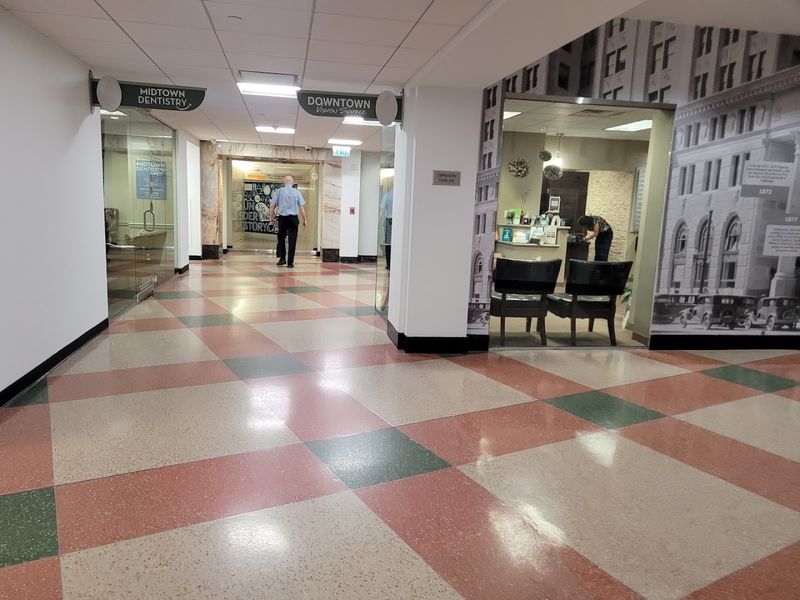
Stretching approximately six to eight miles depending on which route you take, Houston’s tunnel system represents one of the largest pedestrian tunnel networks in the United States. The sheer scale catches first-time visitors completely off guard—many assume it’s just a short connector between a couple buildings.
Wrong. This underground world spans more than 95 city blocks, weaving beneath some of Houston’s most recognizable downtown landmarks. You could literally walk for hours without seeing daylight, moving from one end of the business district to the other entirely underground.
The tunnels connect parking garages, office towers, hotels, and retail spaces into one continuous network. One enthusiastic reviewer managed to rack up over 15,000 steps exploring just three or four different paths in a single visit. Another admitted getting bored trying to walk to the end and having to turn back.
Navigation takes some getting used to. Maps are posted at major intersections, but the tunnels aren’t always clearly marked from street level. Some entrances hide in plain sight—unmarked doorways that lead to escalators descending into this hidden world.
The architecture changes as you move through different sections, reflecting the various buildings and eras of construction. Some passages feel modern and sleek, while others show their age with older tile work and design. This variety adds character to your underground journey, making each section feel distinct rather than monotonous.
3. Dining Options Around Every Corner
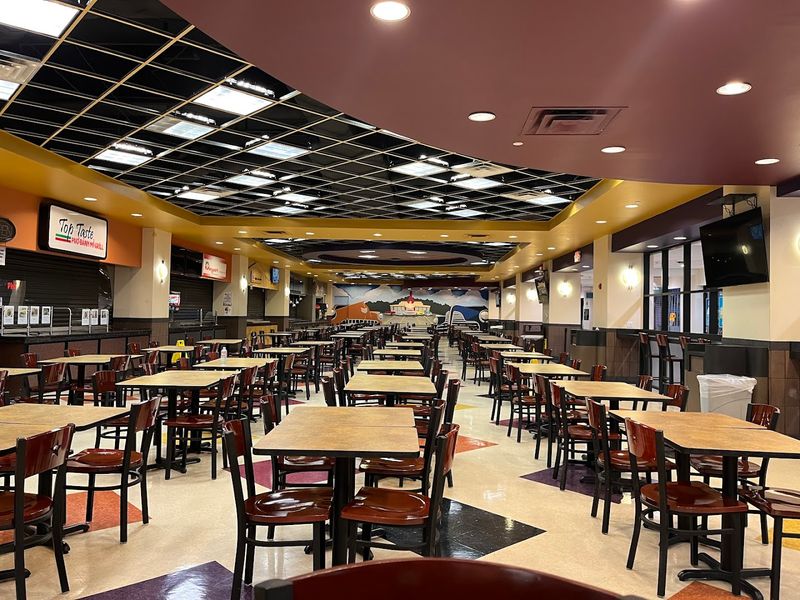
Forget everything you think you know about underground food courts. The Houston tunnel system serves up an impressive variety of dining options that would make many street-level restaurant rows jealous. From quick-grab breakfast spots to sit-down lunch destinations, the food scene down here caters to every craving and schedule.
International flavors dominate the landscape. You’ll find global restaurants representing cuisines from around the world, all competing for the attention of downtown’s hungry workforce. Vietnamese pho shops sit alongside Mexican taquerias, Italian delis, and classic American burger joints.
Most eateries operate on office-worker schedules, opening late morning and closing by mid-afternoon. Some breakfast places only serve for two or three hours before switching over or closing entirely. This means timing matters—show up at 2:30 PM and your options might be limited.
The tunnel dining experience moves fast. These aren’t leisurely meal destinations; they’re designed for efficiency. Order, pay (cards only at many spots), grab your food, and find a seat in one of the common areas equipped with tables and sometimes even TVs.
One unique aspect reviewers mention: some eateries provide restroom access codes with purchase, addressing the tunnel system’s notorious lack of public facilities. Smart diners know to grab lunch at a spot that offers this perk, solving two needs with one transaction.
4. Shopping Beyond the Food Court
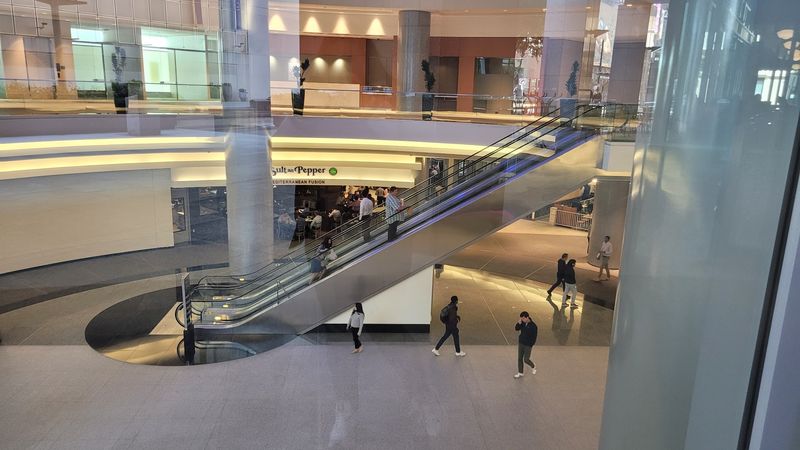
While dining dominates the tunnel landscape today, shopping opportunities still exist for those who know where to look. Newsstands, souvenir shops, and convenience stores serve the daily needs of office workers and curious tourists exploring this underground realm.
The retail scene has definitely changed over the decades. Long-time Houstonians remember when the tunnels hosted a much wider variety of shops—craft stores, clothing boutiques, and specialty retailers that made the underground feel like a proper shopping district. Many of those have disappeared, victims of changing retail trends and the rise of online shopping.
What remains focuses heavily on convenience and necessity. You’ll find places selling quick gifts, Houston memorabilia, magazines, phone accessories, and other grab-and-go items. Some sections still feature fashion shops and service businesses like nail salons and barbershops catering to professionals who want to squeeze errands into their workday.
One reviewer mentioned discovering gyms, ping pong tables, and even movie theaters in certain sections—amenities that go beyond basic retail to create a fuller underground lifestyle. The variety depends heavily on which section you’re exploring, as different building owners have developed their tunnel spaces differently.
Don’t expect a traditional mall experience. The shopping here serves a specific purpose: providing convenient access to goods and services for people who spend their entire workday downtown and prefer not to venture outside between meetings.
5. Weekday Hours and Access Restrictions
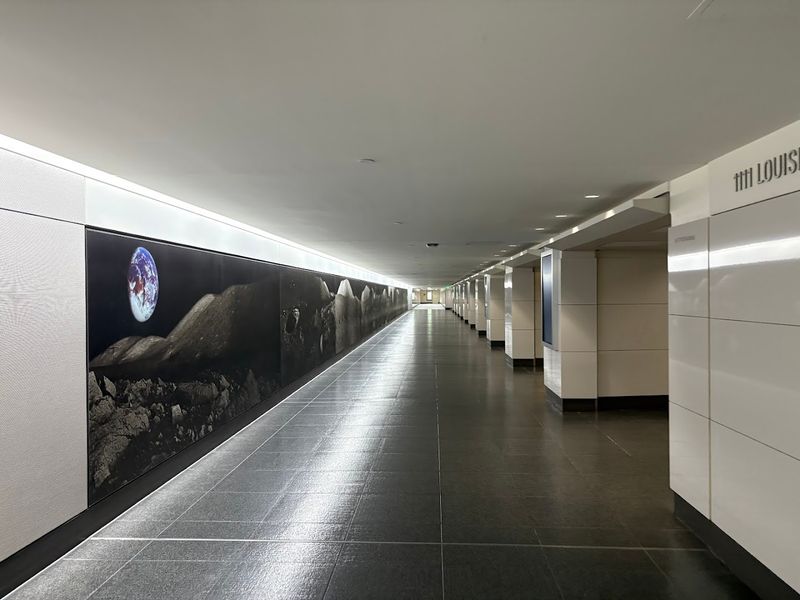
Here’s something that catches tourists by surprise: the Houston tunnel system isn’t a 24/7 operation. These underground passages primarily serve the downtown workforce, which means they follow business hours—strictly.
Monday through Friday, the tunnels typically open at 8 AM and close by 5 PM, though some sections might stay accessible slightly longer. Come Saturday or Sunday, and you’ll find most entrances locked tight. The system essentially shuts down for the weekend, leaving only a ghost town beneath the streets.
This schedule makes perfect sense for security and maintenance but frustrates weekend visitors hoping to explore. Multiple reviewers expressed disappointment at discovering the tunnels closed during their Saturday sightseeing adventures. If you’re planning a visit, weekday mornings through early afternoons offer the best experience.
During off-hours, even on weekdays, the tunnels take on a completely different character. One explorer described the atmosphere outside business hours as “scary” when deserted, with the bustling human beehive of lunchtime replaced by empty corridors and echoing footsteps.
Security presence increases during operating hours but thins out significantly after closing. Cameras monitor the spaces constantly, and one reviewer noted feeling evaluated by the combination of surveillance technology and security personnel. The system clearly prioritizes safety for its primary users—the thousands of office workers who depend on these tunnels daily.
6. The Great Restroom Challenge
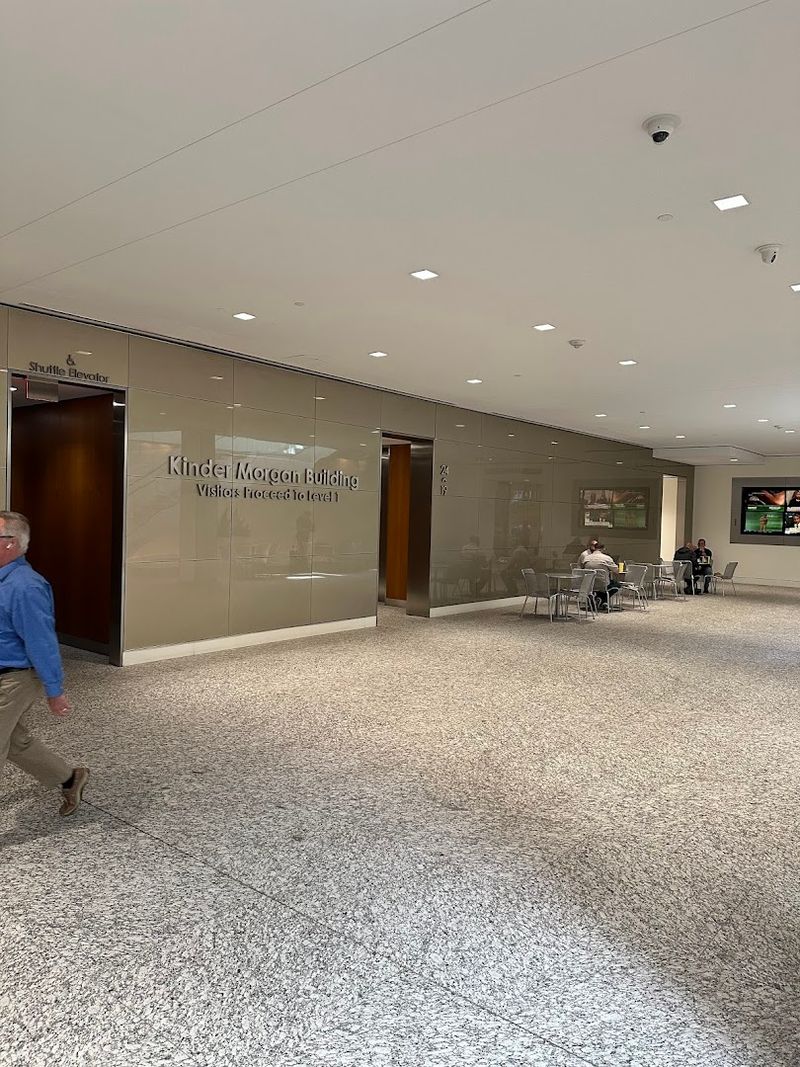
Let’s address the elephant in the tunnel: finding a restroom down here ranks somewhere between challenging and infuriating. This single issue dominates negative reviews, and for good reason—the tunnel system has virtually no public restroom facilities.
The logic behind this deficit makes sense from an infrastructure standpoint. The tunnels primarily serve office workers who have restroom access in their buildings. Why spend money maintaining public facilities when your main users don’t need them?
But for visitors, families, and anyone spending extended time exploring, this creates genuine problems. Multiple reviewers shared stories of desperately searching for relief, eventually begging restaurant staff for access codes or rushing upstairs to plead with building security guards for restroom keys.
Some eateries provide restroom access as a perk with purchase, requiring customers to get a code or key after ordering. This system works if you know about it beforehand and plan your route accordingly. Otherwise, you might find yourself on an unexpected scavenger hunt.
One particularly frustrated reviewer gave the entire tunnel system one star solely because of this issue, describing having to bolt upstairs during lunch to beg for bathroom access. Another family-oriented review politely suggested that providing visitor restrooms would greatly enhance the experience for touring families.
Pro tip from locals: use facilities before descending, and plan your underground time accordingly. This isn’t a place for all-day exploration unless you’ve mapped out your restroom strategy.
7. Navigation and Getting Lost Gracefully
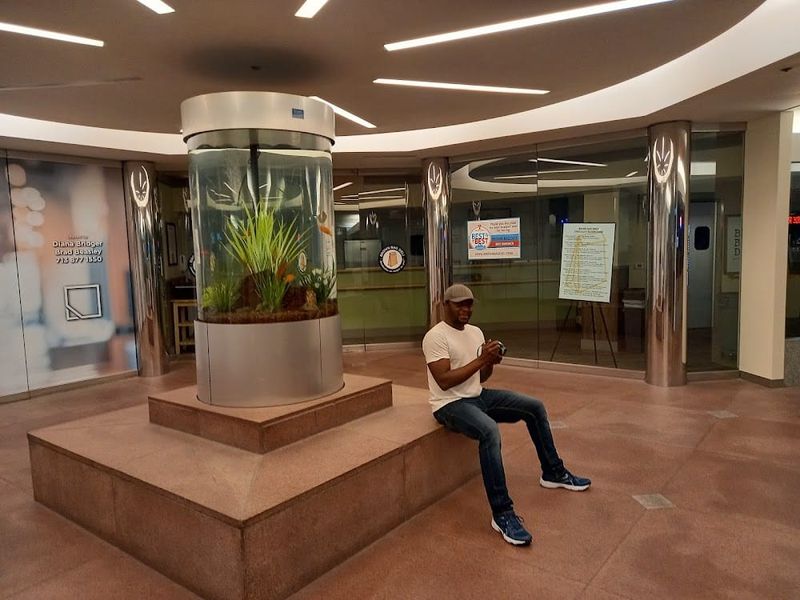
Getting lost in the Houston tunnels isn’t a matter of if—it’s when. Even locals who’ve worked downtown for years occasionally take wrong turns in this underground labyrinth. The good news?
Getting lost down here is part of the adventure.
Directional signage exists throughout the system, but it’s not always as clear as you’d hope. Some signs guide you confidently toward major landmarks, while others leave you scratching your head about which corridor leads where. Adding to the confusion, different sections connect through hotel lobbies, building atriums, and function room corridors that don’t always feel like public throughways.
Maps are posted at major intersections, showing the surrounding tunnel network and building connections. Smart explorers photograph these maps on their phones for reference, though cell service can be spotty in certain sections.
The architecture changing between sections provides helpful navigation clues once you’ve spent time underground. That older tile work might mean you’re in the historic district section, while sleek modern design indicates newer building connections. Learning these visual markers helps orient yourself.
International visitors particularly enjoy the disorientation. Tourists from Italy and Sweden reportedly loved the maze-like quality, finding it completely different from anything in their home countries. The key is allowing extra time and embracing the exploration rather than stressing about efficiency.
One practical tip: keep track of your entry point or you might emerge blocks away from where you started, completely turned around above ground.
8. Safety and Security Underground
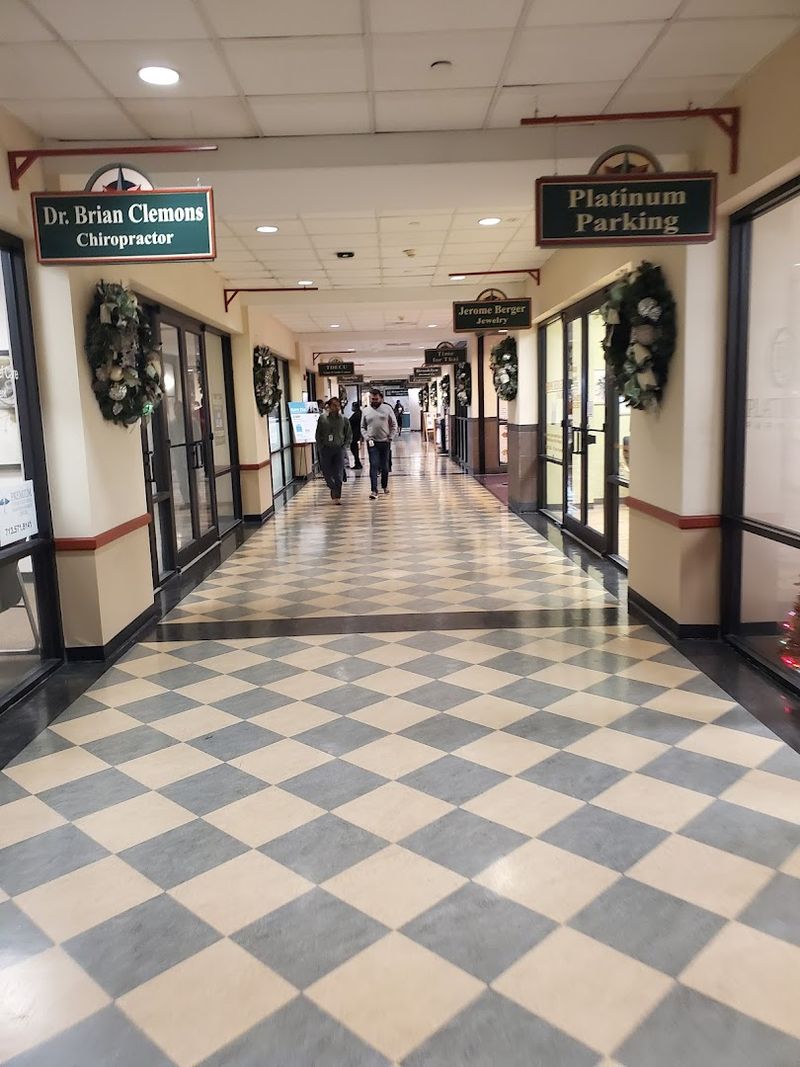
Despite being underground and out of sight, the Houston tunnel system maintains impressive safety standards. Extensive camera coverage monitors the corridors, and security personnel patrol regularly during business hours, creating an environment that reviewers consistently describe as clean, safe, and well-maintained.
One Australian visitor specifically noted feeling safer in the tunnels than at ground level Houston, calling the underground space free of “riff raff” compared to street-level experiences. Multiple reviews emphasize the clean, well-kept atmosphere that persists despite decades of use.
The human beehive effect during business hours provides its own security through sheer numbers. When thousands of office workers flood the tunnels during lunch rushes, the spaces feel vibrant and monitored by the crowd itself. Problems rarely occur when you’re surrounded by professionals on their lunch breaks.
However, timing matters significantly for safety perceptions. Several reviewers recommend having a companion when traveling at night or during sparse hours. The same tunnels that feel bustling at noon can turn eerily empty by 5:30 PM, with deserted corridors replacing the earlier crowds.
The camera systems and security presence continue after hours, but the isolation can feel uncomfortable for solo travelers. One explorer noted their blood pressure shooting up during peak crowd times, then feeling scared during off-hours when the tunnels sat deserted.
For families and tourists, visiting during standard business hours provides the safest, most comfortable experience while still capturing the tunnel system’s unique energy and purpose.
9. Guided Tours and Hidden History
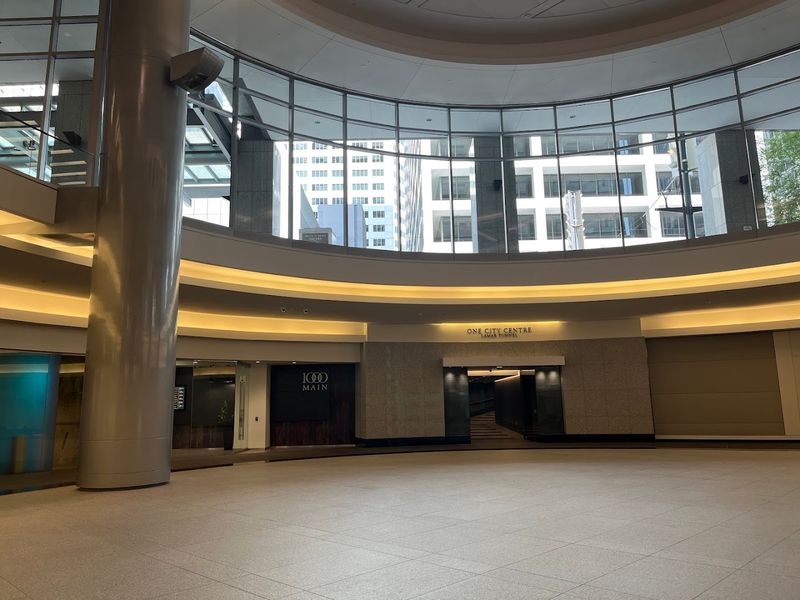
Want to truly understand what you’re seeing underground? Guided tours of the Houston tunnel system reveal layers of history and hidden details that casual explorers completely miss. Multiple five-star reviews specifically praise these tours as “must-do” activities for anyone visiting Houston.
Knowledgeable guides like Diana (mentioned by name in glowing reviews) bring two hours of Houston history to life, sharing stories and facts that surprise even lifelong residents. One local who’d lived in Houston for 20 years discovered aspects of their city they’d never known existed, all because of insights gained during a tunnel tour.
These tours don’t just show you where to walk—they explain why the tunnels exist, how they developed over decades, and which architectural features represent different eras of Houston’s growth. The engineering alone fascinates visitors, with guides explaining how these passages sit 20 feet below street level while supporting the massive buildings above.
The changing architecture between sections tells stories of Houston’s economic booms and building trends. Guides point out details you’d walk right past otherwise: historical markers, artistic elements, and structural features that reveal the tunnel system’s evolution from simple connectors to comprehensive underground infrastructure.
For tourists seeking memorable, off-the-beaten-path experiences, these tours deliver. International visitors particularly appreciate having someone decode this uniquely American infrastructure that has no equivalent in most other countries. The tours typically require advance booking and operate during weekday business hours when the tunnels show their true character.