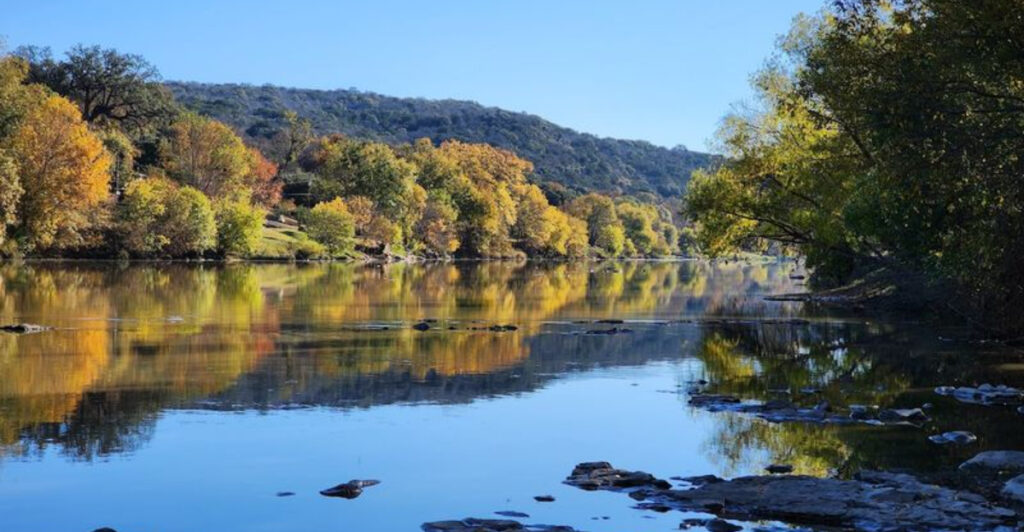
Hidden along the Colorado River about 90 minutes from Austin, Colorado Bend State Park offers something most Texas parks can’t match: genuine wilderness that feels miles away from civilization. This 5,328-acre natural wonderland features the spectacular Gorman Falls, mysterious caves waiting to be explored, and trails that wind through terrain so peaceful you might only spot a few fellow hikers all day. Whether you’re craving a weekend camping trip, a challenging hike, or just a quiet escape from city life, this rustic gem delivers adventure without the crowds.
1. The Journey In Sets the Tone
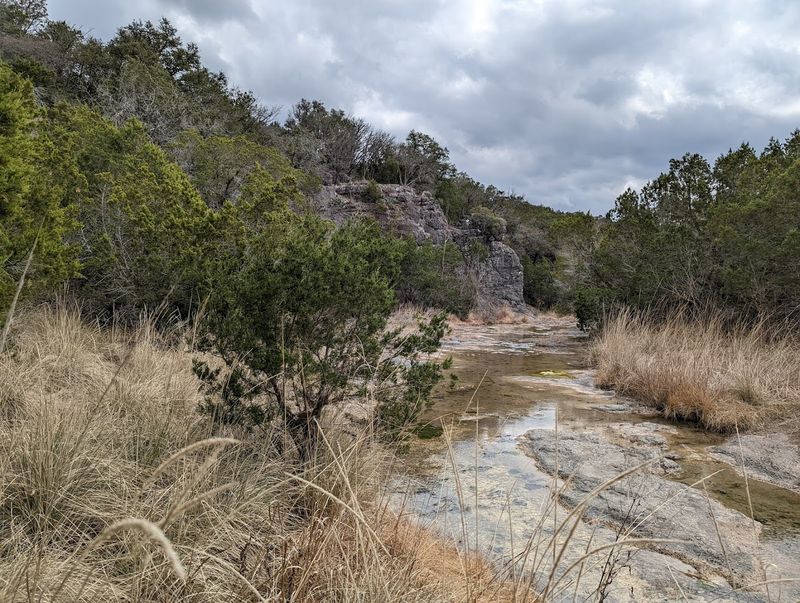
Getting to Colorado Bend isn’t your typical highway exit situation. After leaving the main road, you’ll navigate about six miles of narrow, twisting roads that snake through genuine ranch country. Cattle often wander near the pavement, so keep your speed down and your eyes peeled.
This winding approach isn’t a hassle though. It’s actually part of the park’s charm, building anticipation as civilization fades in your rearview mirror. The curvy drive filters out casual visitors, which means fewer crowds once you arrive.
By the time you reach park headquarters, you’ve already disconnected from the outside world. Cell service disappears somewhere along those curves, and honestly, that’s refreshing. No notifications, no emails, just you and the Texas wilderness.
The rangers at headquarters are genuinely helpful folks who know every trail and campsite by heart. They’ll point you toward the best spots based on what you’re after, whether that’s waterfall views, cave tours, or prime fishing holes. Stop in, grab a map, maybe snag a souvenir from their little store, then head out to explore this hidden corner of Texas that feels wonderfully remote.
2. Gorman Falls Steals Every Camera Roll
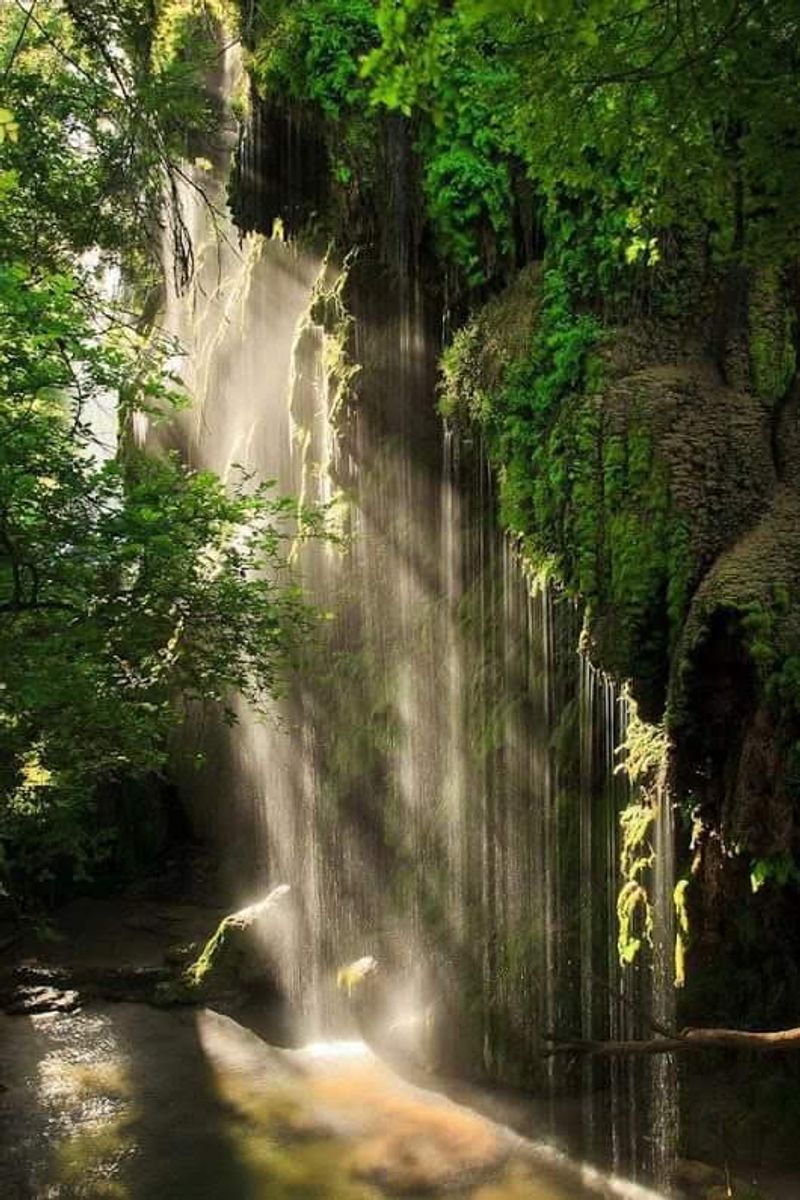
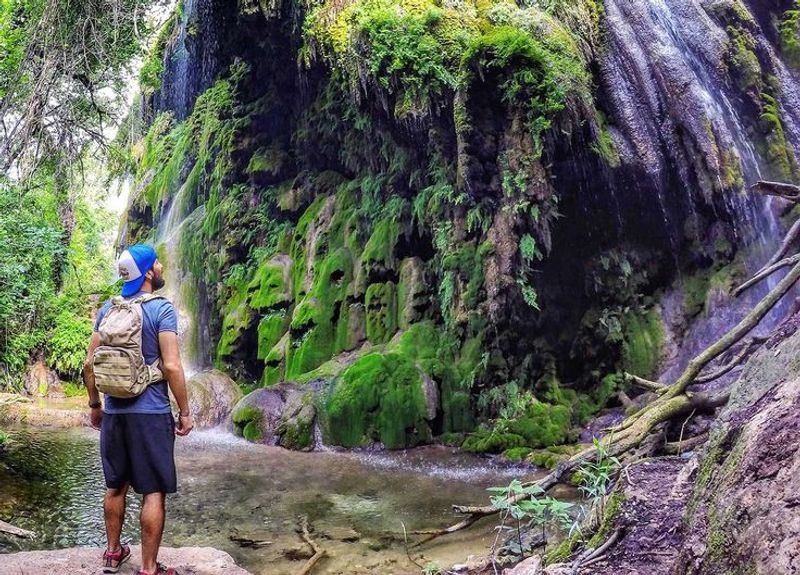
Gorman Falls drops 60 feet down a travertine cliff that looks more like something from a tropical postcard than Central Texas. Fed by spring water year-round, this stunner keeps flowing even during drought when other waterfalls turn into sad trickles. The limestone face stays covered in moss and ferns, creating this almost magical green curtain effect.
Reaching the falls requires a moderately challenging hike that covers about three miles round trip. The trail dips and climbs through rocky terrain, crosses the spring-fed creek multiple times, and eventually leads to a viewing platform where you can snap photos without risking a tumble. Some sections get steep and require holding onto wire railings for balance, so wear proper shoes.
Plan on spending at least two hours for the complete experience. You’ll want time to catch your breath, take in the views, and maybe wade in the cool spring water that feeds the falls. Early morning visits offer the best lighting for photos and fewer fellow hikers.
Even when water levels drop across Texas, Gorman keeps putting on a show. That constant spring flow means you’re pretty much guaranteed a worthwhile view no matter when you visit, though obviously bigger water makes for more dramatic scenery.
3. Cave Systems Worth Exploring Underground
Colorado Bend hides multiple cave systems beneath its rocky surface, and they’re not just holes in the ground. These are legitimate geological features with chambers, formations, and enough mystery to satisfy any underground adventurer. The park offers guided tours that take you safely into these subterranean spaces where temperatures stay cool year-round.
You’ll need to book cave tours in advance because they fill up quickly, especially during peak season. Rangers lead these expeditions and share fascinating details about how these caves formed over thousands of years. They’ll point out interesting rock formations and explain the delicate ecosystems that exist in total darkness.
Wear clothes you don’t mind getting dirty and bring a flashlight even though guides provide lighting. Cave floors can be slippery, muddy, and uneven, so sturdy shoes with good traction are non-negotiable. Leave your nice hiking boots at home for this one.
The experience of descending into Texas limestone and seeing what nature carved underground adds a completely different dimension to your park visit. It’s not something you can do at most state parks, which makes Colorado Bend special. These caves stay a consistent temperature, offering relief from summer heat and making them accessible adventures regardless of weather above ground.
4. Camping Options for Every Comfort Level
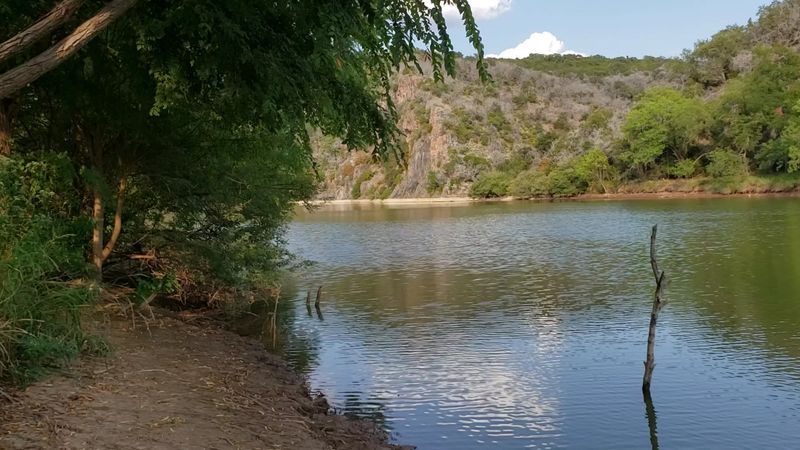
Site 26 gets talked about like it’s the holy grail of camping spots, and for good reason. This walk-in site sits about 100 feet from parking, features one massive tree that provides shade for your entire setup, and backs right up to the river. You’ll need a cart or strong arms to haul your gear, but the privacy and scenery make it worth every step.
Beyond that primo spot, the park offers everything from primitive backpacking sites to group camping areas. Standard campsites come with decent spacing between neighbors, and most have convenient bathroom access within a five-minute walk. The primitive sites take seclusion to another level, sometimes going entire weekdays without seeing another soul.
Group sites work perfectly for fishing trips with friends or family reunions where you want everyone clustered together. Just note that some group areas don’t have water hookups, so plan accordingly. Also, RVs longer than 25 feet face challenges with the sharp turns leading into camping areas.
Night skies here rival anything you’ll find in Texas. With minimal light pollution and clear Hill Country air, stargazing becomes a nightly activity. Bring propane if burn bans are active, which happens frequently during dry spells.
Rangers actively patrol to keep everyone safe from fire hazards.
5. Trail Networks That Never Get Old
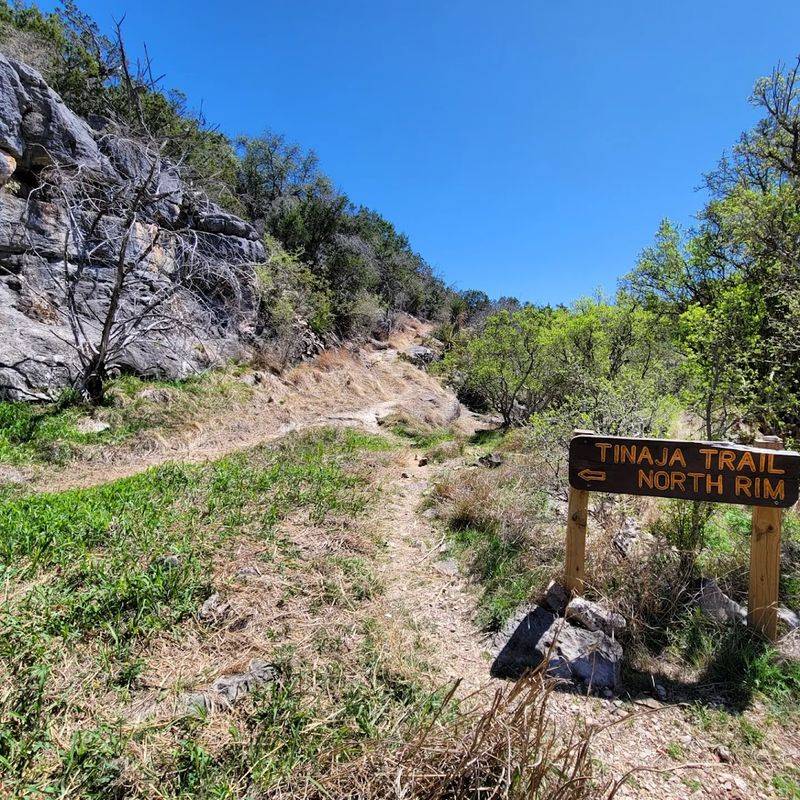
With over 30 miles of trails winding through the park, you could visit multiple times and never repeat the same route. Paths range from flat riverside strolls to moderately challenging climbs that reward you with overlook views. Trail markers stay clear and well-maintained, so getting genuinely lost takes effort.
The River Trail offers relatively easy terrain with gorgeous water views and opportunities to spot wildlife. Armadillos make frequent appearances, shuffling through underbrush without much concern for human observers. Deer, wild turkeys, and countless bird species call this park home, so keep your eyes open and camera ready.
Most trails feature enough shade to make warm-weather hiking manageable, though you’ll still want to carry plenty of water. Rocky sections require attention to foot placement, especially after rain when limestone gets slippery. The terrain stays mostly flat compared to other Hill Country parks, but rocks and roots keep things interesting underfoot.
Trail overlapping means you can customize your hike length on the fly. Start with a short loop, then extend if you’re feeling energetic or cut it short if legs start complaining. This flexibility makes the park accessible for various fitness levels while still offering challenges for experienced hikers who want to rack up serious mileage through beautiful Texas wilderness.
6. Colorado River Access and Water Activities
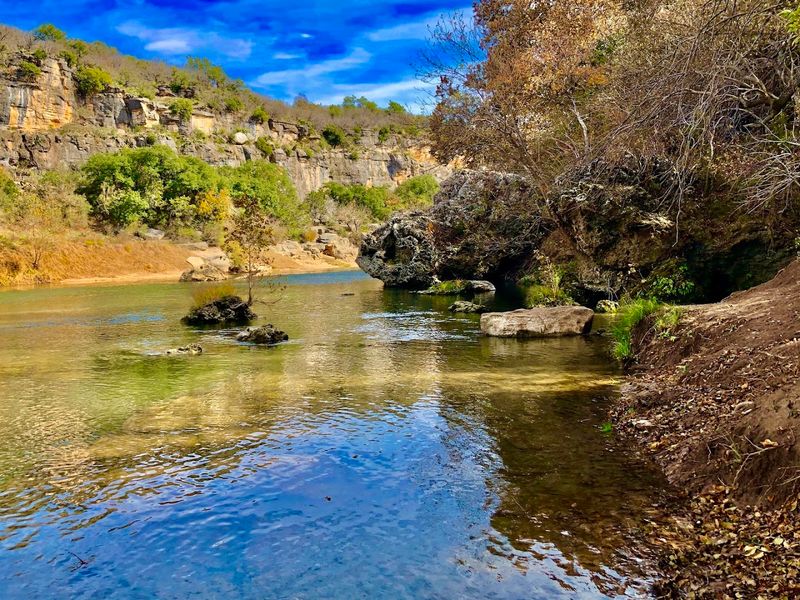
The Colorado River forms the park’s eastern boundary, providing miles of waterfront for fishing, paddleboarding, and general riverside relaxation. Water levels fluctuate with rainfall and dam releases, but access points remain usable throughout most of the year. Some shoreline areas show debris from past floods, though rangers work continuously on cleanup efforts.
Fishing enthusiasts find decent spots along the river, especially near group camping areas that sit right on the water. Catfish, bass, and sunfish populate these stretches, making for productive afternoons with a rod and reel. You’ll need a valid Texas fishing license, and normal state regulations apply.
Paddleboarding and kayaking work well when water levels cooperate. The current stays manageable in most sections, though always check with rangers about current conditions before launching. Spring-fed tributaries entering the main river create interesting channels worth exploring if you’ve got time and energy.
Swimming isn’t officially designated in the river itself, but the spring-fed pools offer refreshing alternatives. After hiking in Texas heat, dunking into cool spring water feels absolutely amazing. These natural swimming holes maintain consistent temperatures year-round, fed by underground springs that keep water flowing regardless of drought conditions affecting the main river.
Just respect posted signs and ask rangers about current swimming access.
7. Spring-Fed Swimming Holes Beat the Heat
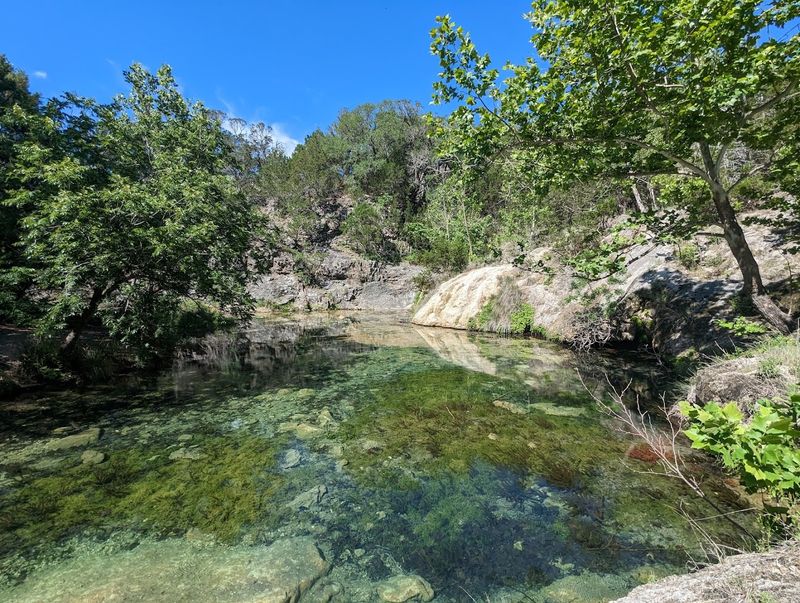
Natural springs bubble up throughout the park, creating swimming holes that stay refreshingly cool even when summer temperatures climb past 100 degrees. These aren’t your typical murky Texas swimming spots. Spring water stays clear and maintains consistent temperatures year-round, making them equally appealing in July and January.
The main spring pool sees the most traffic but still never feels overcrowded thanks to the park’s remote location. Water depth varies across different sections, accommodating both confident swimmers and those who prefer to wade. Limestone rocks provide natural seating areas where you can rest between dips.
You’ll encounter these springs while hiking to Gorman Falls, crossing the creek multiple times as you follow the trail upstream. Each crossing offers opportunities to cool your feet or take a quick splash break. The creek stays shallow in most spots, perfect for dogs who need to cool down too.
Swimming in spring water after a long hike ranks among life’s simple pleasures. Your overheated body thanks you immediately as cool water washes away trail dust and fatigue. Bring water shoes because limestone rocks can be sharp, and the footing gets slippery near spring sources where algae grows.
These natural pools offer something chlorinated hotel pools never can: genuine connection with Texas geology and hydrology in their purest forms.
8. Wildlife Encounters Happen Constantly
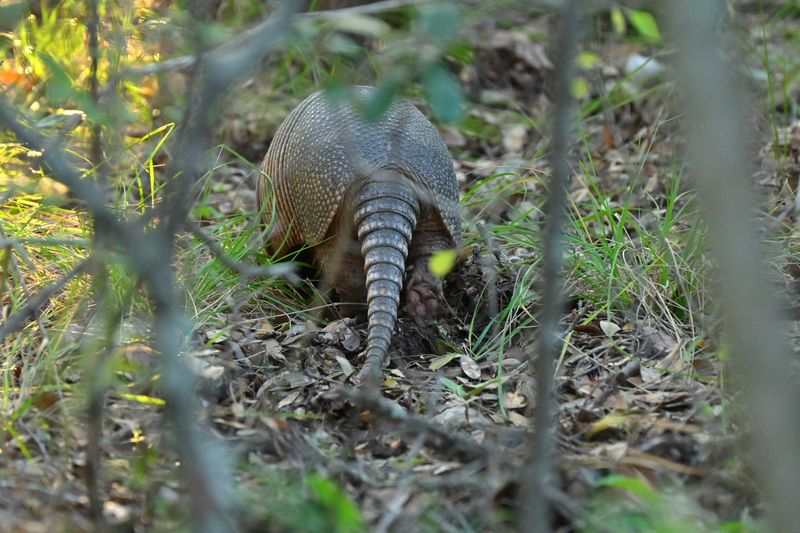
Armadillos own this park, appearing so frequently that spotting one becomes expected rather than exciting. These armored critters shuffle through campsites and cross trails without much concern for human presence. They’re surprisingly noisy for their size, rustling through leaf litter like tiny bulldozers searching for insects.
White-tailed deer browse throughout the park, especially during early morning and evening hours. Does with fawns stay cautious but visible, while bucks tend toward more secretive behavior except during rut season. Wild turkeys strut across trails in groups, occasionally stopping traffic as they take their sweet time crossing.
Bird watchers bring binoculars for good reason. The variety of species using this habitat as home or migration stopover keeps life lists growing. Hawks circle overhead, woodpeckers hammer away on dead trees, and songbirds fill morning air with competing melodies.
Smaller mammals like raccoons, possums, and foxes make appearances too, though usually after dark when most hikers have returned to camp. Keep food secured because these opportunistic feeders quickly learn which campers leave easy meals accessible. The park’s relative isolation and diverse habitats support wildlife populations that struggle in more developed areas, making every walk potentially productive for nature observation.
Bring a camera with good zoom and practice patience. Wildlife operates on its own schedule here.
9. Perfect Day Trip Distance from Austin
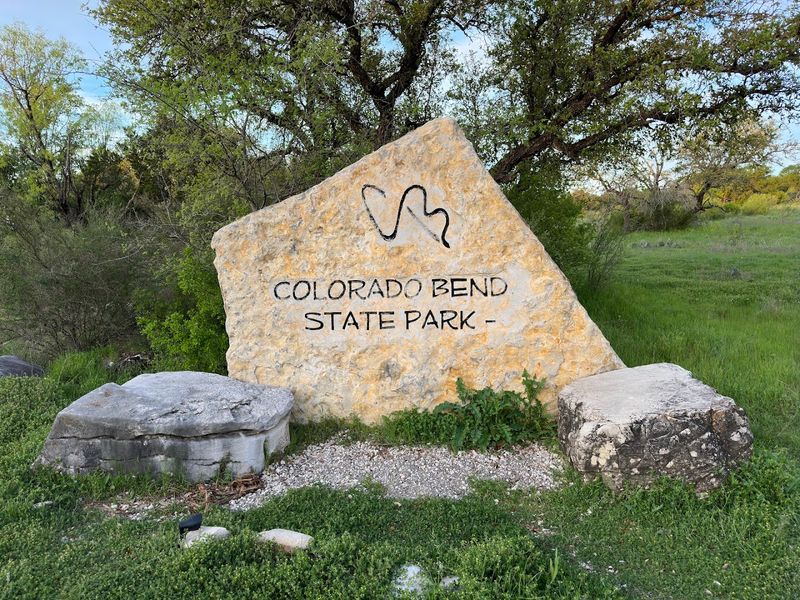
Located roughly 90 minutes from Austin, Colorado Bend occupies that sweet spot where it feels genuinely remote without requiring a full day just to reach. You can leave the city after breakfast, arrive before lunch, and still have most of the day for exploring. The drive itself offers nice Hill Country scenery as you leave urban sprawl behind.
Day passes run just five dollars per person, making this an affordable escape when you need nature without breaking the budget. That low entry fee gets you access to all trails, river areas, and facilities for the entire day. Parking stays free once you’re inside.
Most visitors from Austin tackle the Gorman Falls hike as their primary objective, spending four to five hours total in the park. That timeframe allows for the hike, some waterfall appreciation, maybe a spring water dip, and still gets you home before dark. Longer visits obviously let you explore more trails or try different activities.
The park opens at 6 AM daily, perfect for early birds who want to beat heat and crowds. Arriving right at opening gives you first pick of parking spots and ensures cooler temperatures for hiking. Late afternoon visits work too, especially in summer when you can hike during golden hour and catch sunset colors over the river before heading back to civilization and cell service.