Ready to turn a casual beach stroll into a small treasure hunt? New York’s shorelines hide weathered pieces of sea glass that catch the light in the most satisfying way. With the right timing, a bit of patience, and a sharp eye, you can spot those frosted gems nestled among pebbles and shells.
It’s a simple, calming activity that turns an ordinary walk into something memorable. Each find feels like a tiny reward from the tide. Here are 9 local spots where your chances of discovering sea glass are better than you might expect.
1. Steppingstone Park Beach (Great Neck, Long Island)
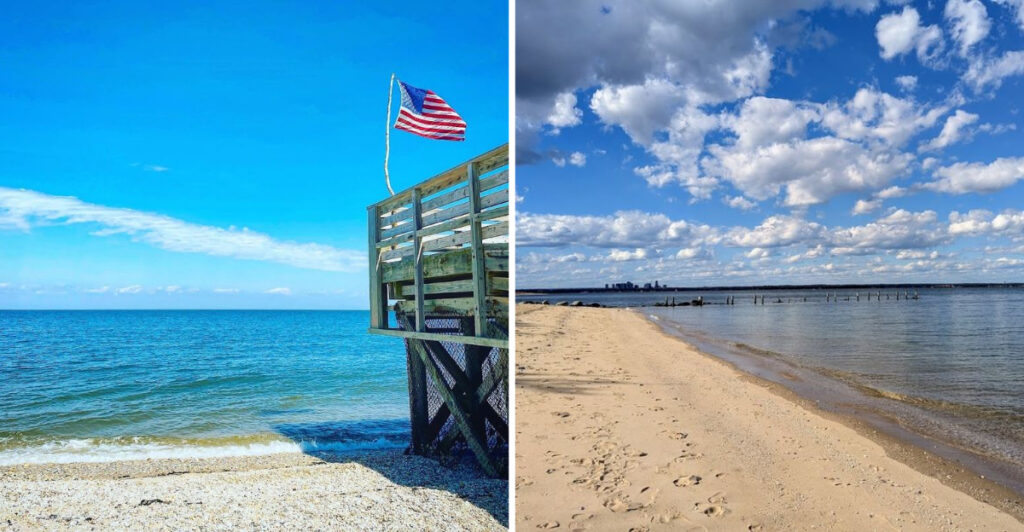
The first thing you notice here is how calm the water feels compared to ocean beaches, and that is exactly what helps sea glass settle. Rocky pockets and small tide shifts nudge pieces into crevices where they linger. Walk slowly, keep the sun at your back, and colors begin to whisper from between the pebbles.
Early mornings reward patience, especially after wind kicks up overnight and rearranges the stone fields. Drift lines near the mid tide zone can hide small, frosted shards that blend with shells. A lightweight mesh bag keeps hands free while you scan and stoop.
Start near the more textured sections instead of pure sand, since glass prefers friction and company. You are not chasing volume here, you are reading patterns that the Sound writes along the shore. Let your eyes drift side to side rather than staring straight down.
If you hear the gentle clink of stones as waves withdraw, that soundtrack means movement and sorting. Look for slight color blooms where gray pebbles suddenly break with milk glass or olive green. Tiny cobalt specks appear rarely, but when the light angles low, they announce themselves.
Keep expectations flexible and you will leave happier, even on lean days. This beach is about quiet wins and mindful pacing. Give yourself an hour to circle back across the same fifty yards, because fresh pieces appear the second time once your vision tunes in.
2. Sands Point Preserve Beach (Sands Point, Long Island)
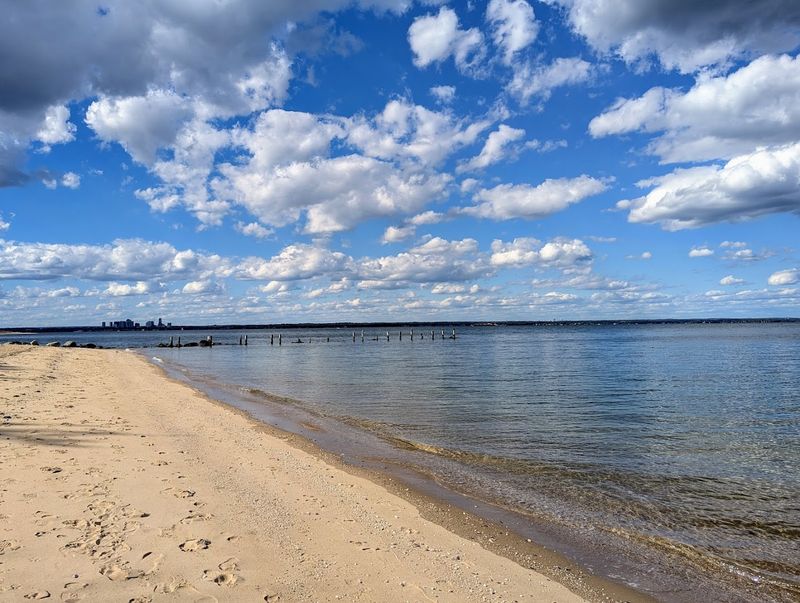
Here, scenic bluffs and hints of old estates frame a shoreline that feels quietly rugged. The pebbly edge near the waterline acts like a sieve, catching small frosted fragments when tides shift. Move in short sections and let the texture guide you.
Focus along narrow shelves where waves drop their load before slipping back. You will spot milk glass first, then greens hiding beside mussel shells. Bend often and change viewing angles, because glare can disguise perfect finds.
Timing matters more than distance covered. After choppy afternoons or a rain squall, fresh paths appear in the pebble beds. Walk the same strip twice and you will swear the beach refilled itself beneath your feet.
Bring thin gloves if the stones feel cold, and a small pouch to protect delicate pieces. Most treasures here are modest in size but beautifully worn. Let your fingers confirm what your eyes suspect, since touch quickly separates glass from quartz.
What makes this spot work is the steady choreography of Sound currents and stony micro pockets. Relax into the rhythm and you will start noticing subtle color pops you missed before. Leave space for serendipity, because the best piece often appears just as you are ready to head back.
3. Sunken Meadow State Park Beach (Kings Park, Long Island)
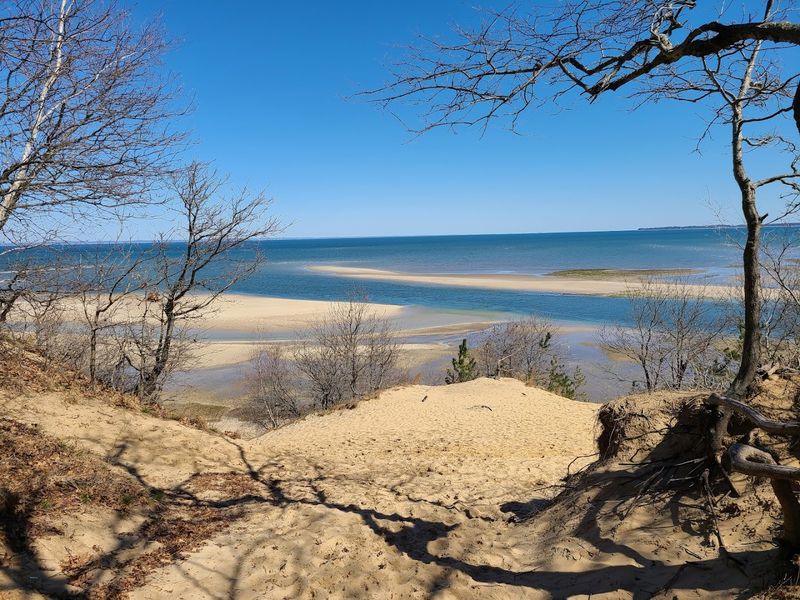
With miles of shoreline to roam, Sunken Meadow rewards methodical explorers. Its blend of sand and gravel means you can move quickly until the texture shifts to promising patches. When your feet crunch lightly, you are in the zone where glass settles.
Start near quieter sections away from main access points, then trace sinuous drift lines. Whites dominate, with olive and amber flashes appearing after windy evenings. If a section feels picked over, circle back later as the breeze keeps the conveyor belt running.
Use a slow zigzag across the mid tide band, pausing wherever pebbles cluster. The boardwalk may call for a scenic break, but the real action lives in small curves of the shoreline. Sun glare can be tricky, so tilt your head until frosted edges glow.
Carry a soft cloth to wipe finds and gauge true color. Finished glass should feel silky, not sharp, and sit comfortably in your palm. If you practice selective keeping, your pocket fills with quality over quantity.
Patience pays here because this beach is generous in cycles. Some days are all about subtle milk glass, other days surprise you with aqua or a charming bottle bottom. Keep moving with curiosity and you will leave with a satisfying handful and a clear head.
4. Wildwood State Park Beach (Wading River, Long Island)
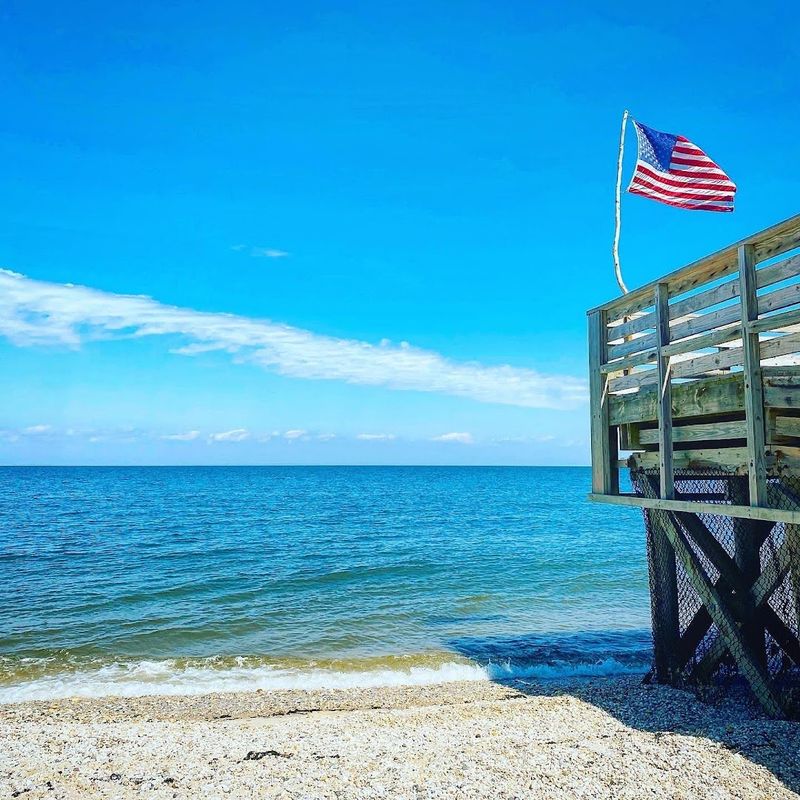
Wildwood sits on a bluff above the Sound, and that elevation feeds interesting drift lines below. Rocky patches collect tangled deposits where color hides among twigs and shell grit. After a storm, fresh layers unwrap and reward slow scanning.
Begin where the slope eases toward the water and stones feel mixed rather than uniform. Greens and browns show up first, but the occasional icy blue adds a thrill. Work with the grain of the deposit, not against it, moving a few inches at a time.
When waves murmur across pebbles, listen for the thin clatter that signals sorting. Glass rides that edge and comes to rest just beyond the last pull. Squat low and let raking light lift shapes out of the gray.
Bring a small brush or even a gloved hand to nudge aside kelp strands. You want finished, frosted pieces that feel soft and beachworn. Anything sharp probably needs more time, so leave it for future hunters or the sea to refine.
The park’s scale means you can reset your luck by walking ten minutes to a quieter pocket. Give yourself permission to linger where your instincts say stay. By the time you climb back up the bluff, you will likely have a pocket story worth telling.
5. Crescent Beach (Glen Cove, Long Island)
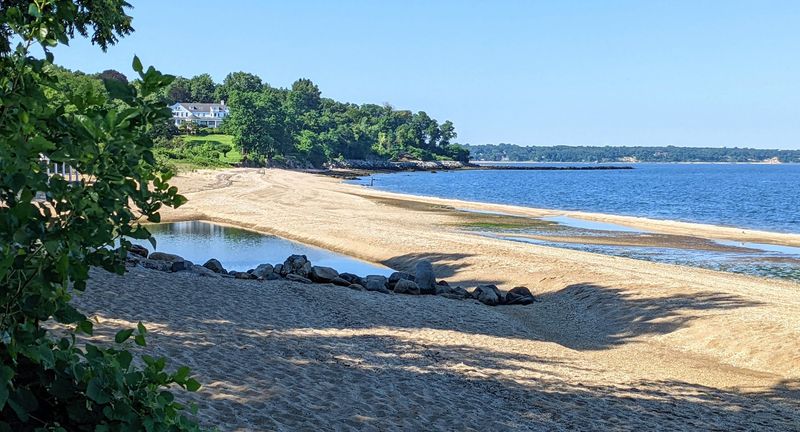
Different from busier stretches, Crescent Beach invites a slow, careful sweep along Hempstead Harbor. Mixed sand and stone create tiny pockets where shards pause between tides. Work the curving edge where the swash line kinks and leaves miniature deltas of grit.
Angle yourself so the sun skims across the ground, turning flat glass into little beacons. Whites and greens show first, then softer browns, with the occasional pastel surprise. You will find more by crouching frequently and scanning in short arcs.
After breezy afternoons, return the next morning and revisit familiar seams. Harbor energy is gentle, but it still nudges new bits into yesterday’s footprints. Stick to sections where the pebbles chatter as water retreats, because that texture sorts out the keepers.
Travel light and pocket a small magnifier if you enjoy admiring frost and edges. Rounded, matte pieces feel smooth, while sharper angles usually need more time in the tumble. Choose what feels finished to the touch and leave the rest for the sea to polish.
There is a relaxed charm here that rewards patience over pace. You do not need to cover the entire beach, just thirty yards with intent. A second pass often reveals cobalt or pale aqua that somehow hid in plain sight on your first lap.
6. Orient Beach State Park (Orient, North Fork, Long Island)
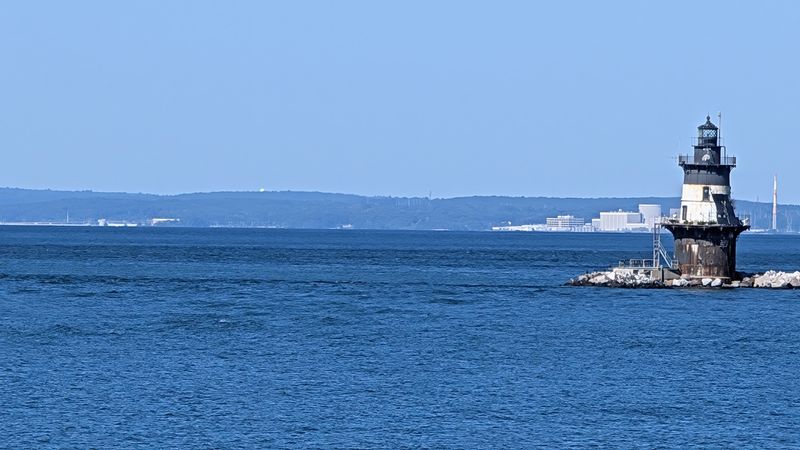
At the far end of the North Fork, Orient rewards those who savor big horizons and tiny details. Long, natural stretches invite a relaxed pace where steady currents do the sorting. Hunt the wrack and the pebbly fringes hugging the water’s edge.
This is a place for timing, not rushing. Low tide exposes more of the textured carpet that holds glass. Whites, soft greens, and occasional aqua often appear where shells concentrate.
Work in short grids by choosing a landmark, then sweeping a rectangle before moving on. The beach keeps recycling small treasures as waves shift their mind. If traffic passes you by, smile and stay the course, because patience changes outcomes.
Carry water, sunscreen, and a small container with tissue to protect delicate finds. Feel for that smooth, matte finish that says sea tumbled and kind to the fingers. Skip pieces with shine or sharpness so the shoreline keeps maturing them.
What draws people back is the park’s gentle wildness and the way color surprises you after minutes of gray. Keep scanning from low to high, then double back at a different angle. The second pass here is often where a cobalt wink chooses to say hello.
7. Caumsett State Historic Park Preserve Beach (Lloyd Harbor, Long Island)
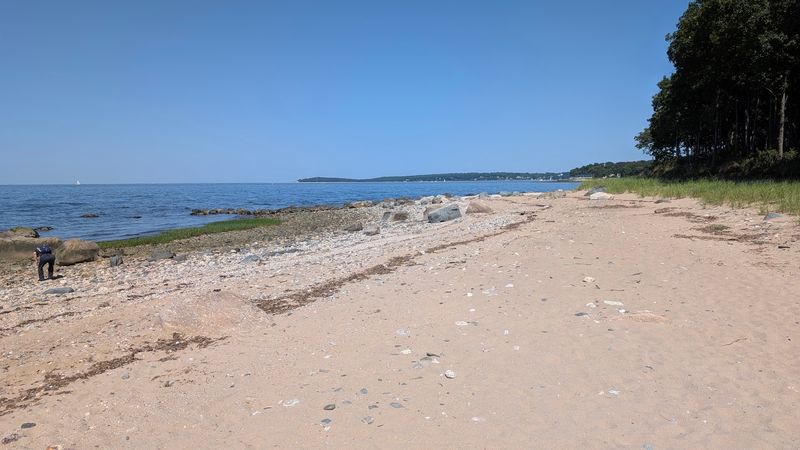
Peaceful and slightly tucked away, Caumsett offers a rugged ribbon of shoreline that favors careful eyes. Stones and shells mix into natural catch points that trap small glass. Take your time, keep steps short, and read the textures like a map.
Early or late light helps transform subtle pieces from invisible to obvious. Whites and bottle greens appear first, with occasional amber tucked near mussel clusters. Slide your gaze laterally so frosted edges sparkle for a second.
It is a great place to practice the three pass method. First, a quick sweep to find the loudest colors. Second, a crouched scan to find camouflaged keeps. Third, the reverse walk, which often unveils the day’s favorite.
Bring a small pouch and resist overfilling so pieces do not scratch each other. Keep what feels truly finished, then leave the rest to mature. Gloves help on chilly days when wet stones numb your fingers.
Because the preserve stays quieter, you can settle into a rhythm without pressure. Let the tide decide your pace and enjoy the meditative search. The walk back always feels lighter when a few frosted gems clink gently in your pocket.
8. Robert Moses State Park Beach (Fire Island, Long Island)
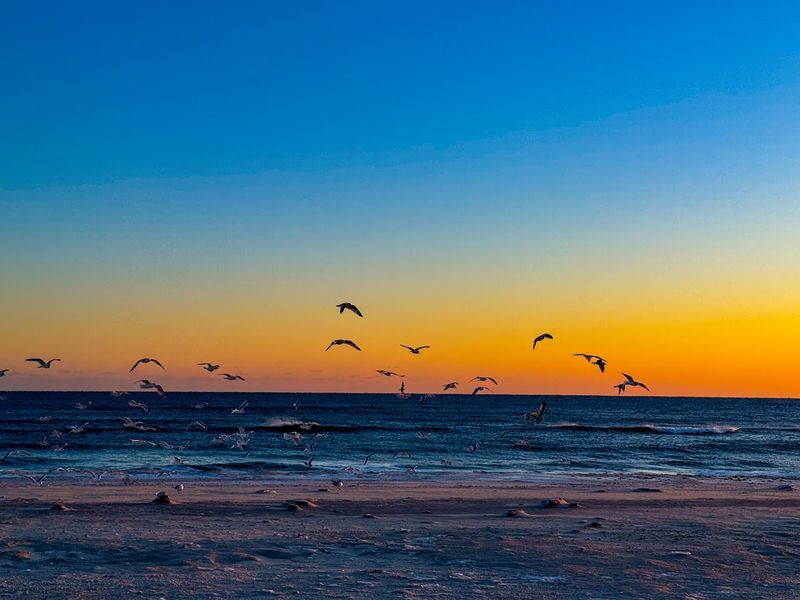
Known for big sky and long horizons, Robert Moses also hides surprises if you know where to linger. The main swaths are sandy, so target pebble interruptions and shell ridges. Those textured seams are where the ocean leaves tiny gifts.
Choose less trafficked sections and walk the mid tide band where new deposits settle. Whites dominate, with brown and olive showing after energetic surf. Low sun angles are your friend when glare flattens everything at midday.
When you hear shell fragments ticking in the wash, pause and scan carefully. Sea glass often nestles just beyond the last foam line. Walk a slow S pattern to cover more ground without losing focus. Pack light, protect finds in a small tin or cloth wrap, and keep hands free. Favor frosted, rounded pieces that feel soft as river stones. Leave fresh shards for the sea to work its magic.
This beach rewards persistence over speed, especially after breezy nights. Even if the first quarter mile feels empty, the next curve can flip the story. Stick with it and you might head home with a subtle handful and a salty grin.
9. Sea Cliff Beach (Sea Cliff, Long Island)
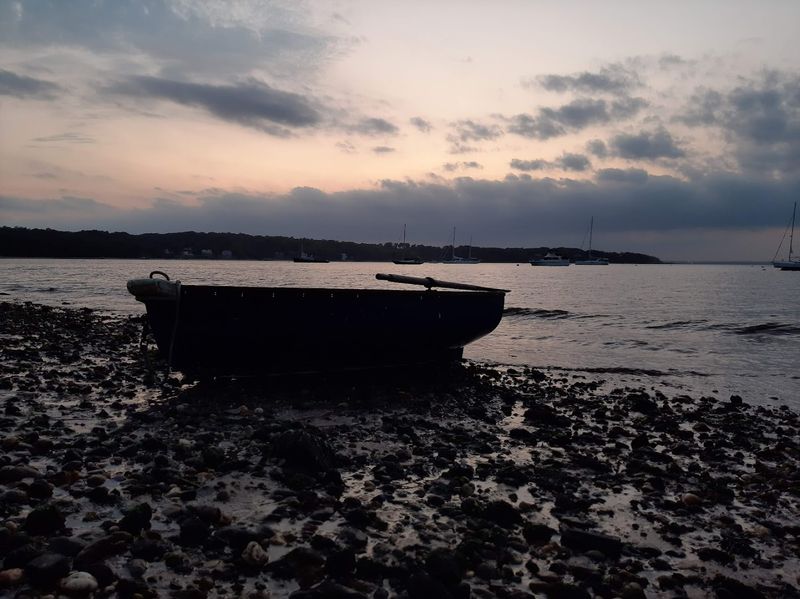
Nestled against a harbor backdrop, Sea Cliff Beach delivers a pebbly canvas that rewards steady scanning. The gentle, harbor facing water lets glass settle instead of sprinting away. Work the narrow bands where pebbles tighten into clusters.
Start with a casual sweep to warm up your eyes, then slow down where shell grit collects. Whites, greens, and the occasional soft blue appear when sunlight hits at an angle. Keep your steps small and your gaze playful.
If a section feels promising, give it a patient second pass. Turning around changes the reflection and reveals shapes you missed. Squatting to eye level with the stones turns camo into color. Carry a small pouch and a microfiber square to dry and admire your finds.
Finished glass looks velvety, not glossy, and feels kind in the hand. Anything too sharp returns to the shore for more tumbling. What makes this spot special is its quiet, unrushed energy. You can hear the soft clink of pebbles and know sorting is happening. Leave with a few frosted treasures and the simple joy of a search well played.
Share this story