Somewhere past the end of the pavement in southern Colorado, a pack of wolves and wolf-dogs is waiting to howl back at you. No, that is not a figure of speech. Tour groups here can howl together, and the animals often answer.
The place runs off-grid, on a long dirt road, with a small crew that lives simply so the animals can live well. It is a nonprofit refuge for wolves and wolf-dogs that need a lifelong home, and it doubles as one of the most hands-on classrooms in the state. Folks drive hours for a chance at a wolf greeting, a lesson in wildlife and sustainability, and a quiet afternoon far from the I-70 crush.
Keep reading for the road conditions, the open days, the volunteer setup, and the one tip every first-timer should know before heading out.
1. A Refuge Off County Road 634
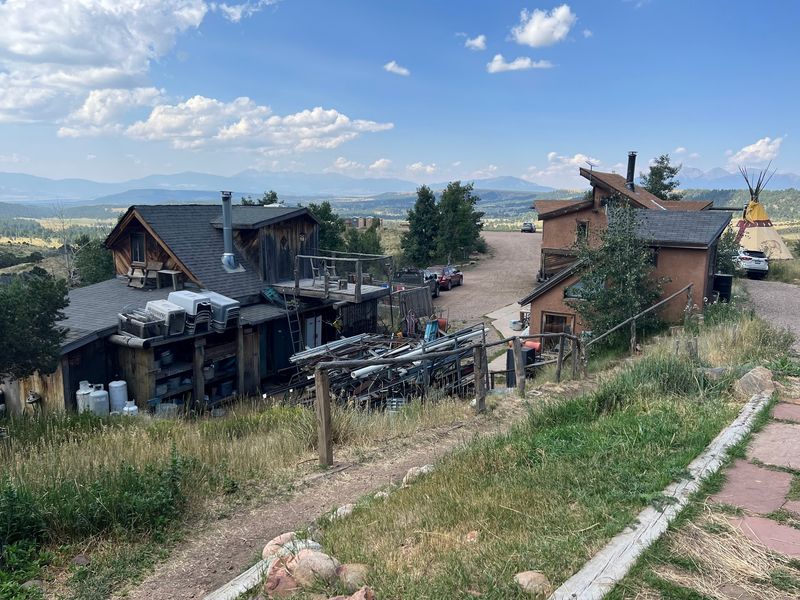
Mission: Wolf sits at 13388 Co Rd 634, Westcliffe, CO 81252, in the mountains of southern Colorado. It is a nonprofit wolf sanctuary that cares for rescued wolves and wolf-dogs.
Westcliffe itself is a small town in the Wet Mountain Valley, and the sanctuary lies well beyond it. Expect a long drive on dirt once the pavement ends.
The mission blends two goals. One is giving captive-born wolves and wolf-dogs a safe home for life. The other is teaching people why wolves matter in the wild.
That second goal shows up everywhere. The sanctuary carries the motto “Education vs. Extinction,” and the crew takes it seriously on every tour.
Many Front Range residents have never heard of it. That is part of the appeal, since the setting stays quiet even on open days.
The place earns a 4.7-star average from nearly 300 people who have made the trip. Not bad for a spot most GPS units treat as a suggestion.
2. Roots Reaching Back Decades
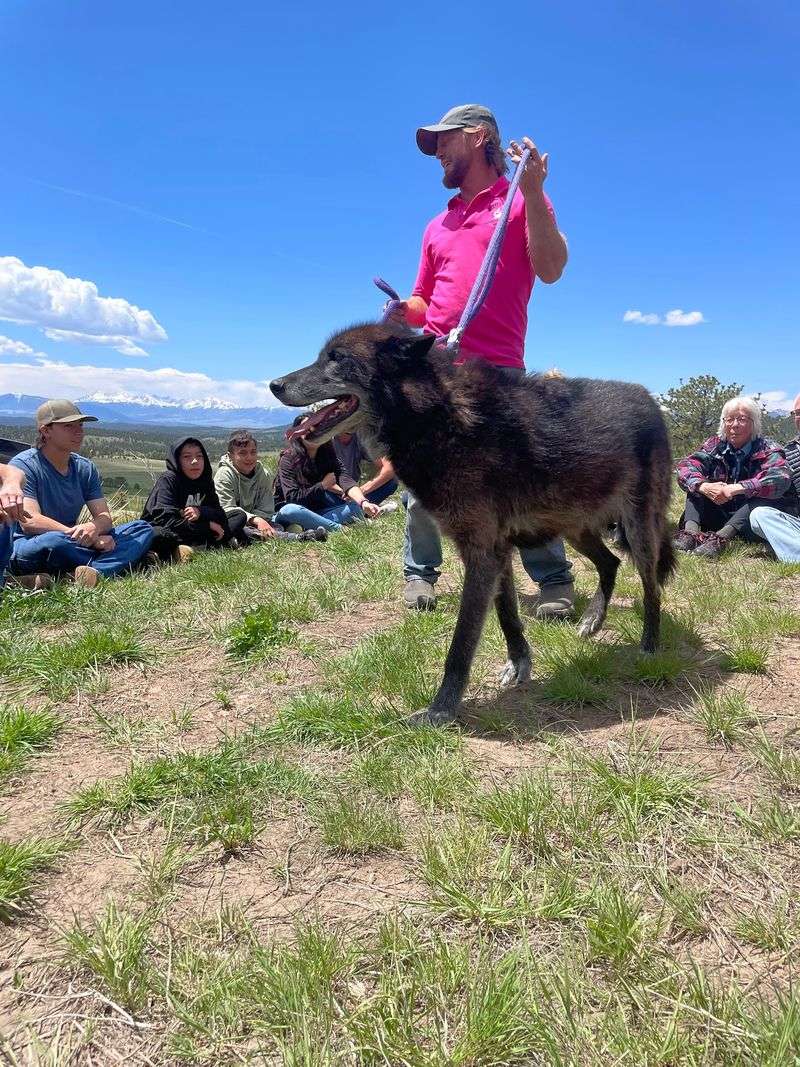
Long before social media made wolves trendy, this organization was already on the road. Its team traveled with ambassador wolves to share wolf education with communities like Colorado Springs back in the early 1990s.
Some people who met the wolves at those events still remember them. Decades later, those same folks are glad to see the sanctuary still going strong.
That staying power says a lot. Running an off-grid animal refuge is hard work, and doing it for this many years takes a steady crew and a steady purpose.
Kent is one of the names that comes up again and again. He is known as knowledgeable, passionate, and calm around the animals, and he helps lead the place along with Tracey and a rotating team.
The roots are deep, and the branches keep growing. Each new volunteer adds another chapter to a Colorado story that started long before most of today’s visitors were born.
3. Thirteen Miles Of Dirt
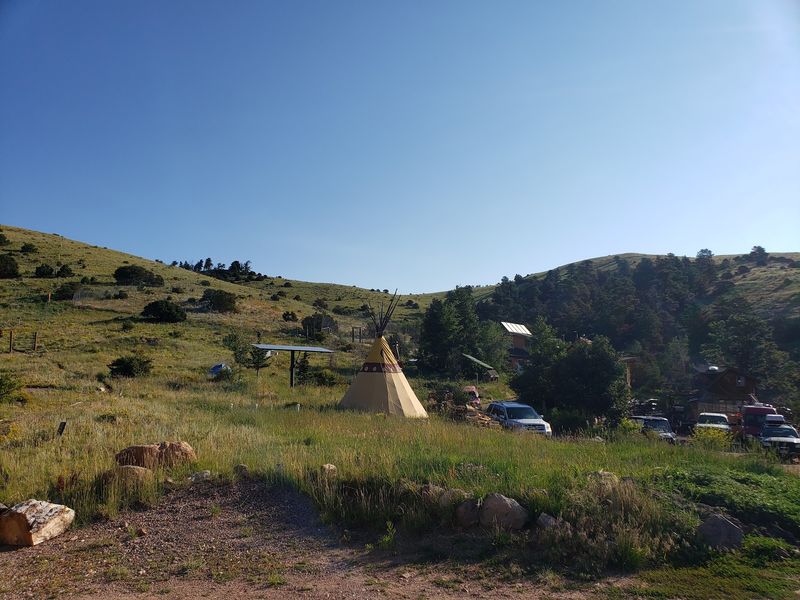
Here comes the part nobody puts on a postcard. The final stretch to the sanctuary is more than 13 miles of unmaintained dirt road.
Most cars make it fine in dry weather. Still, plenty of drivers wish they had brought a 4×4 instead of a small sedan.
Rain can turn the last section rough. Some guests have parked and walked the end of the route, which turns out to be a manageable hike.
Winter may make things trickier. Check the weather before leaving and give yourself extra time.
People regularly drive three hours each way to get here. The common verdict is that the bumpy road is worth every jolt.
A few practical moves help:
Fill the tank in town before heading out. Download directions ahead of time, since cell service out here is unreliable at best.
Consider the road part of the adventure. By the time you arrive, the city will feel very far behind you, which is exactly the point.
4. Life Without The Grid

Forget the Wi-Fi password. The sanctuary is off-grid, and the people who live and work there do so without many modern comforts, often without cell service.
That choice is intentional. The crew describes it as living with nature rather than simply beside it.
The property runs as a self-sustaining operation. A greenhouse is part of the grounds, and tours often walk past it while explaining how the place keeps itself running.
Sustainability is a recurring lesson here. Guests leave with ideas about resources, waste, and simple living alongside their wolf facts.
For families, that can be an eye-opener. Kids who have never gone a day without a screen get to see a working community that runs on effort instead of outlets.
Nobody expects you to move in. But a few hours here might make your own home feel a little overstuffed, in the best way.
5. Wolves And Wolf-Dogs With Pasts
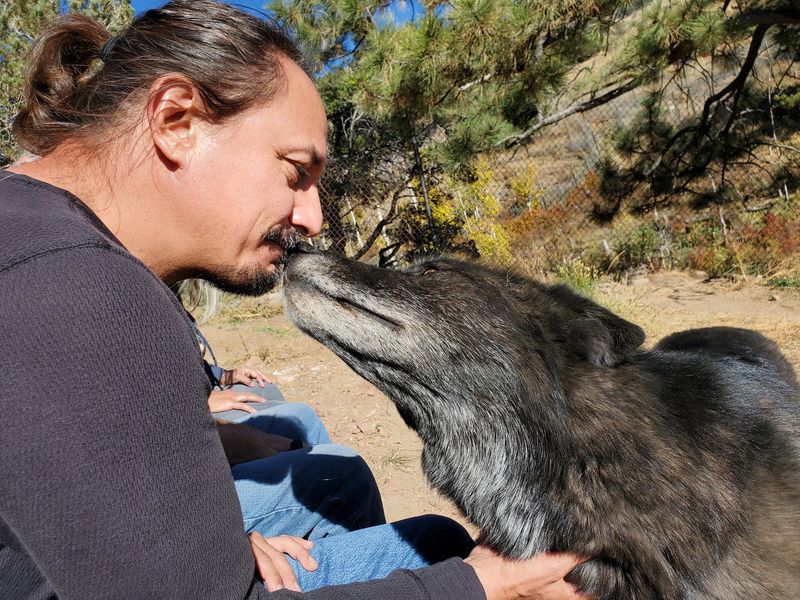
Every resident here has a backstory, and not all of them started in the wild. The sanctuary is home to both wolves and wolf-dogs that needed somewhere safe to land.
Wolf-dogs in particular often end up in tough spots. They can be hard to keep as pets, and a place like this offers them a lifelong home with people who understand them.
Guides share those stories during tours. Learning why an animal arrived adds weight to every glance across the fence.
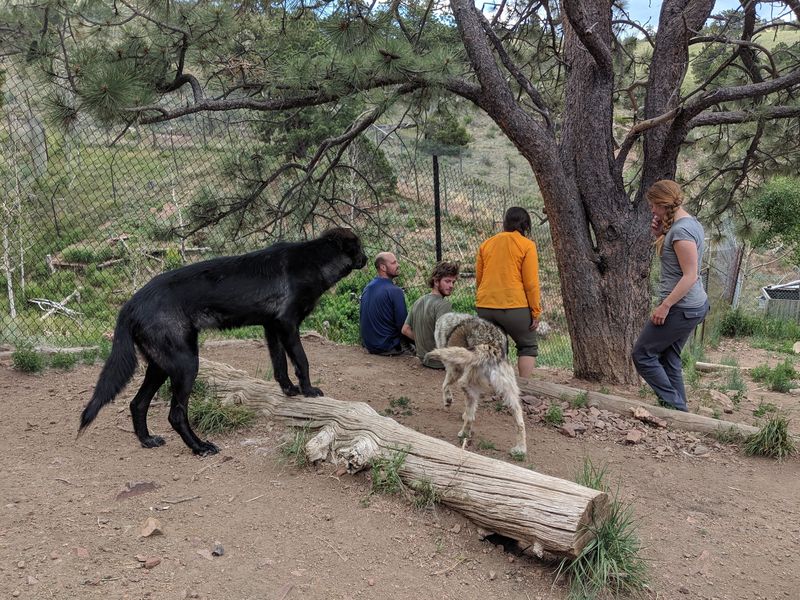
Groups typically visit several enclosures. One group, for example, saw three enclosures and met five wolves and wolf-dogs in a single visit.
The care shows. The team works hard to keep the animals comfortable and well looked after, and that effort is clear even to first-timers.
Names matter here too. A big wolf named Nashira is one resident some guests have met up close.
Each animal is treated as an individual, not an exhibit. That respect is the thread running through every story you will hear.
6. A Tour That Teaches
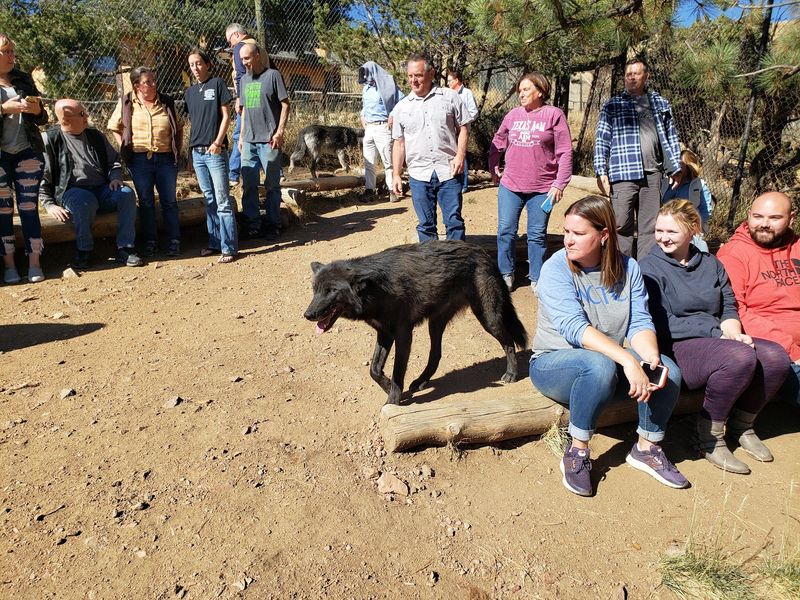
Ready for homework you will actually enjoy? Tours here lean heavily on education, and it is the theme people bring up most after leaving.
Guides cover wolf behavior, care, and the role wolves play as guardians of the ecosystem. The crew is knowledgeable, friendly, and good at keeping things fun.
Repeat guests say they learn something new every single time. That is a strong sign the content goes deeper than a standard animal talk.
Some tours include a separate wolf talk with a staff member. That segment can come before a closer encounter with one of the ambassador animals.
Families with tweens and teens find it holds their interest. Plan on spending at least a couple of hours to take it all in.
Bring questions. The staff seems happiest when curiosity takes the conversation somewhere unexpected.
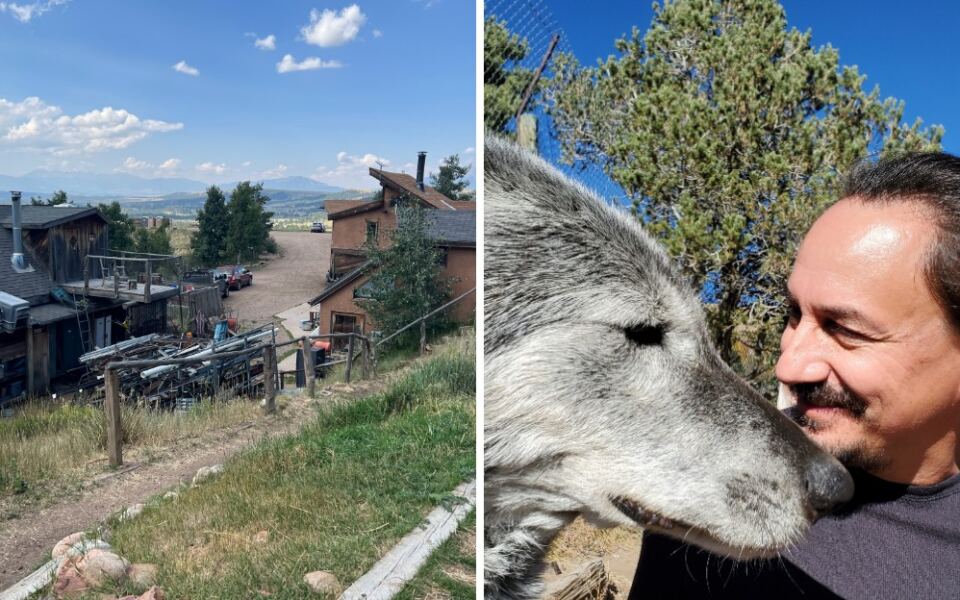
7. The Famous Wolf Kiss
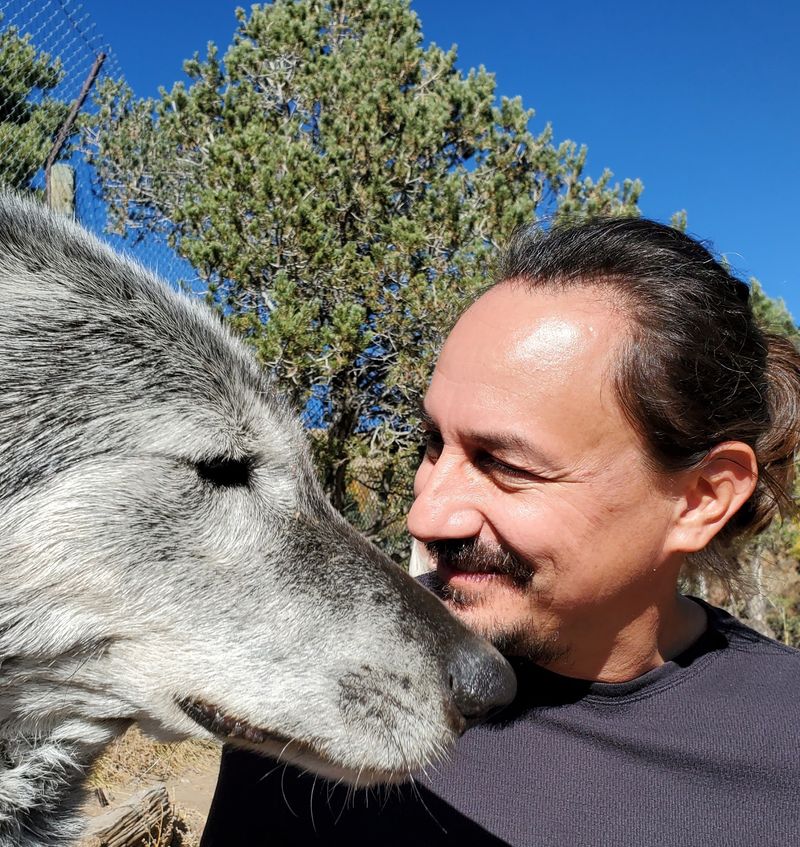
Here is a sentence you will not hear at most attractions: if you do not want a wolf to lick your teeth, do not go into the enclosure.
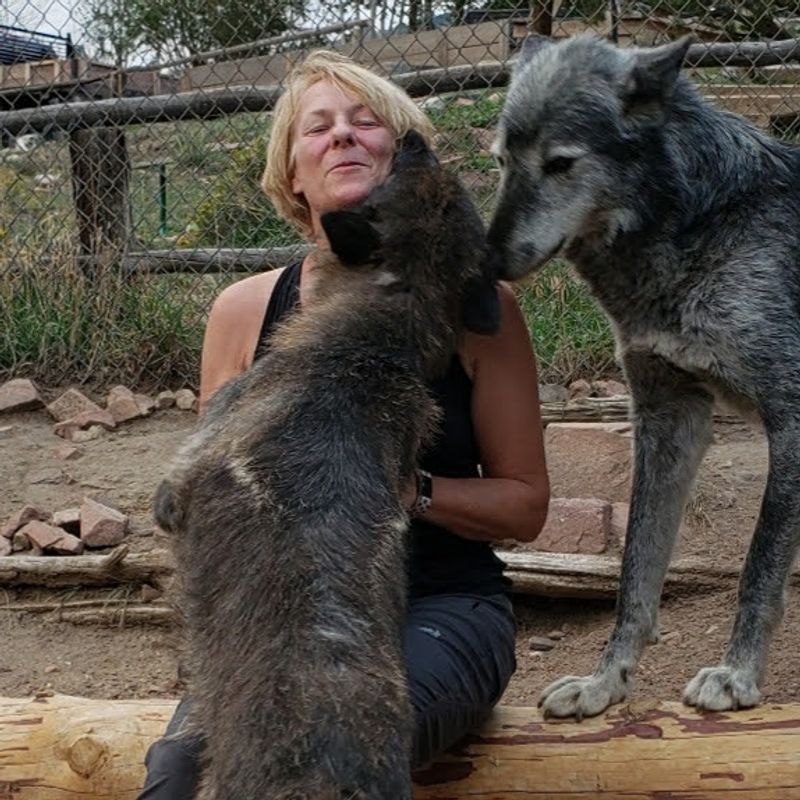
That is real advice from the crew. Some ambassador wolves greet guests face to face, and a wolf kiss is the highlight many people talk about for years.
These meetings are not guaranteed. With some luck, and the right animal on the right day, you may get the chance.
Staff guide every step. Guests learn that showing respect tends to be returned by the animals.
A fun fact pops up often after these encounters. Wolf breath, according to the guides, is surprisingly better than most human breath.
For longtime wolf fans, this moment can be a childhood dream come true. Some still think about it almost every day afterward.
Just remember to smile with your mouth closed if teeth-brushing is not on your wish list.
8. Howling Back And Forth
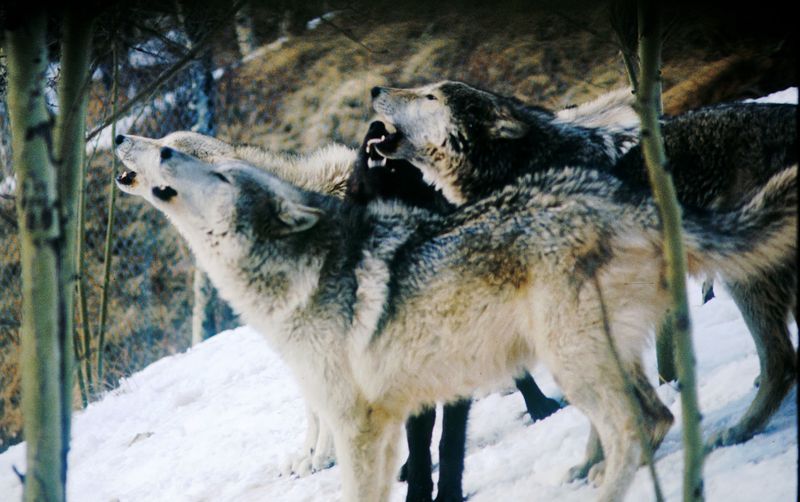
At some point on many tours, the guide asks the whole group to howl. Then the wolves answer.
Out here, far from traffic and town, the quiet is nearly total. So when the pack joins in, it carries across the property.
Kids love it. Adults tend to love it even more, though they are less likely to admit it.
Volunteers who stay overnight sometimes catch the wolves singing after dark. It is a moment a lot of people name as their favorite.
The group howl is more than a party trick. It opens a conversation about how wolves communicate and why their calls matter to the pack.
Warm up your vocal cords on the drive in. The wolves are not grading performance, so nobody needs to hit the high note.
9. Roll Up Your Sleeves
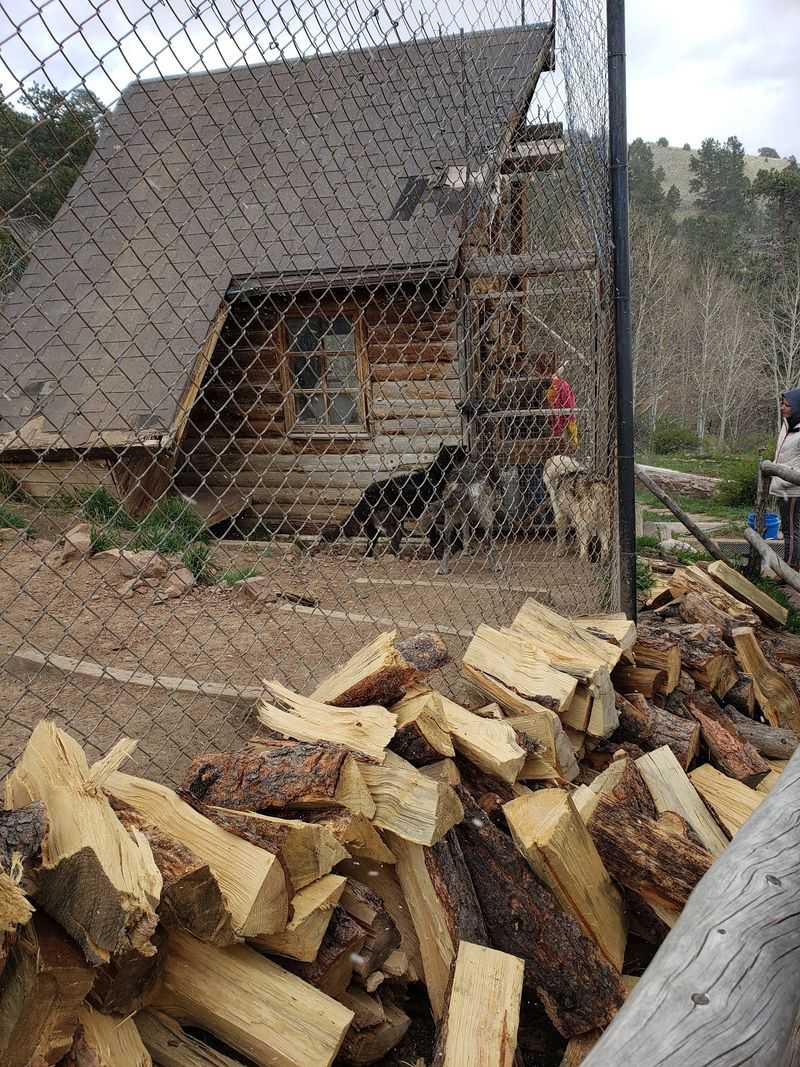
Volunteering is the topic people mention most, by a wide margin. There is always work for the willing.
Tasks are real and physical. Volunteers haul hay, chop wood, and pull big thorny weeds on the mountainside that can get into the wolves’ paws.
Food prep is part of it too. Some volunteers help process animals to feed the pack, which is about as hands-on as wildlife care gets.
The sanctuary takes volunteers on both short and longer stints. Some come for a summer, others for a weekend, and details are on the website.
The community is open to anyone from anywhere. The main rule is simple: respect the wolves.
Hard work often comes with a reward. Volunteers learn a great deal and might even get a wolf encounter along the way.
Families have made it a group project, with kids pitching in alongside parents. Pack your work gloves and your patience.
10. School Trips And Family Days
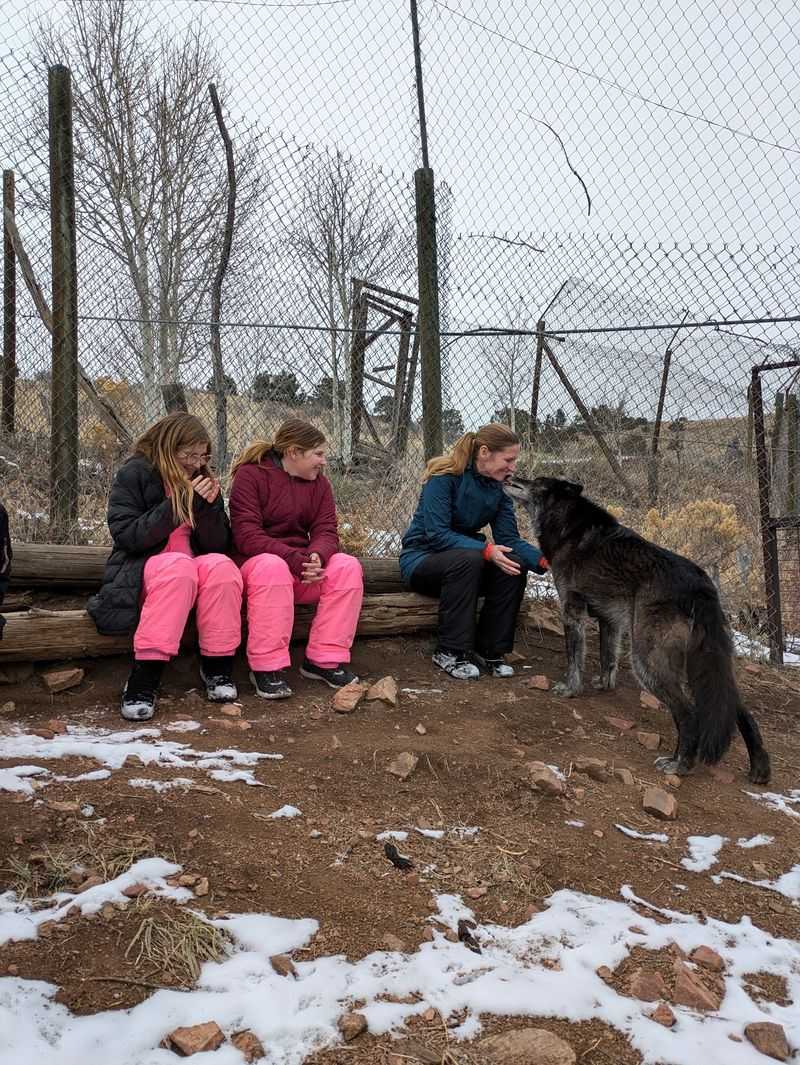
Teachers have figured out what kids already know: wolves beat textbooks. School groups come here and stay captivated from start to finish.
The hands-on approach is the big draw. Students learn about wildlife, ecosystems, and sustainability in a setting they will not forget.
Parents bringing kids aged around 11 to 14 report that the lessons hold attention well. That age range seems to hit a sweet spot.
One small gripe has come up over the years. Some families wished for clearer details on what to expect before arriving.
The fix is easy. Check the website ahead of time and plan around the open days.
For households watching costs, this can be a budget-friendly outing compared with pricier attractions. Donations and support are encouraged, so give what you can.
Kids may leave wanting to volunteer. Consider yourself warned.
11. Scenery Worth The Detour
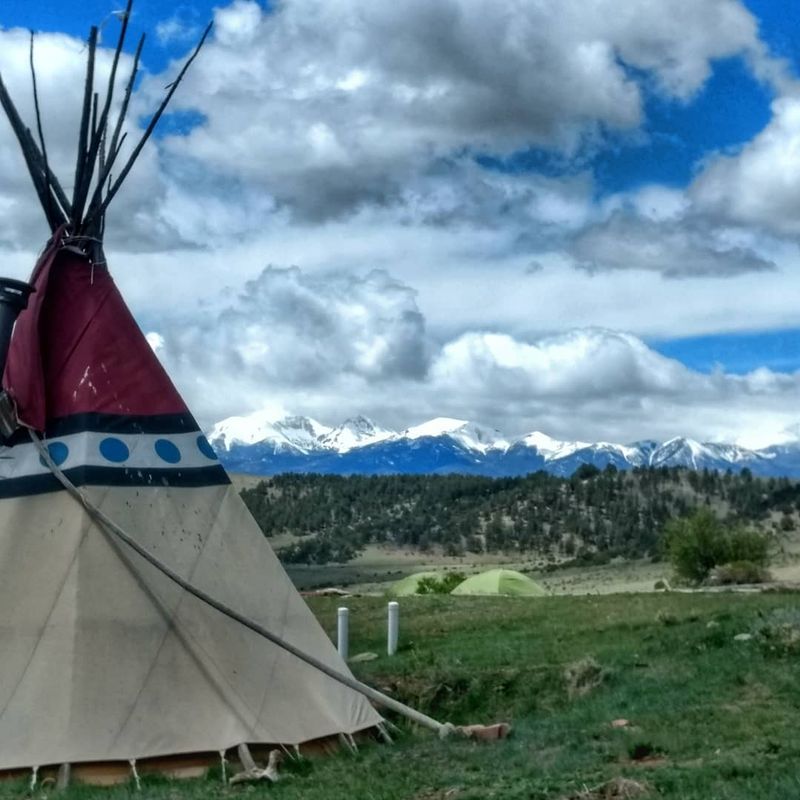
Even without the wolves, the location would justify the drive. The sanctuary sits in a striking corner of southern Colorado.
Mountains surround the property, and wildlife is common in the area. It feels truly off the beaten path.
Many people describe the views as breathtaking, and they list them right next to the animals as a reason to come.
The quiet is part of the experience. There are no crowds, no gift-shop chaos, and no lines snaking around the parking lot.
For Front Range residents tired of busy trailheads, that is a welcome change. The setting gives you room to slow down.
Bring a camera and charge it fully before you leave home. Charging options are not something to count on here.
Leave time to just sit and look around. The wolves will not mind the pause.
12. Open Days, Feeding Days, And Fine Print
Timing is everything at a place this remote. Listed hours are Tuesday and Saturday from 9 AM to 5 PM, with the sanctuary closed other days.
Hours can shift, so check the website before setting out. Nobody wants to drive 13 miles of dirt to a locked gate.
Feeding days have historically drawn interest. Some families have found Wednesdays and Saturdays to be feeding days, though schedules may have changed since.
Plan on at least a couple of hours on site. Many groups stay longer once the tour gets rolling.
The grounds are described as semi-wheelchair accessible. Call ahead if mobility is a concern.
A gift shop is on the property. Purchases help support the animals.
Sponsorship is another option. You can sponsor an individual wolf, and many first-timers do exactly that.
Pack water, snacks, and layers. Mountain weather has its own calendar.
13. Why The Trip Sticks
Some outings fade by Monday. Time spent here tends to linger for years.
The mix is hard to find elsewhere. Rescued wolves and wolf-dogs, a dedicated off-grid crew, and lessons that change how people see wildlife all share the same mountainside.
The drive is rough, and the hours are limited. Still, nearly everyone who makes the trek says it was worth it, and many come back again and again.
For Colorado residents, it may be one of the most meaningful day trips available. It costs little more than gas and a donation, and the crowds stay small.
Go as a guest or go as a volunteer. Either way, you will learn something, help a good cause, and possibly get your teeth inspected by a wolf.
Check the website, gas up the car, and head south. The pack is ready to howl back.
Share this story