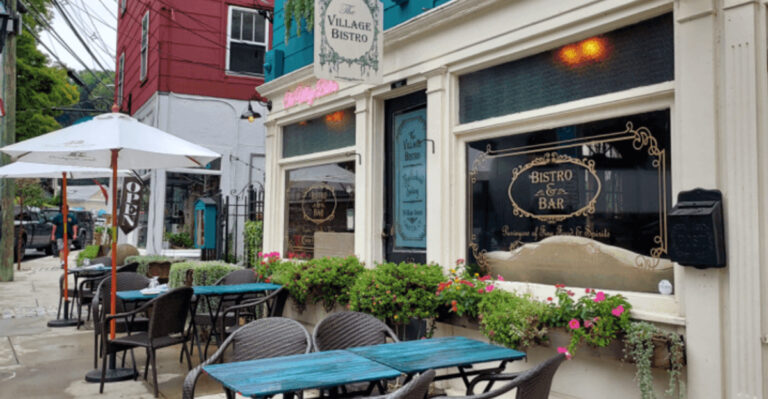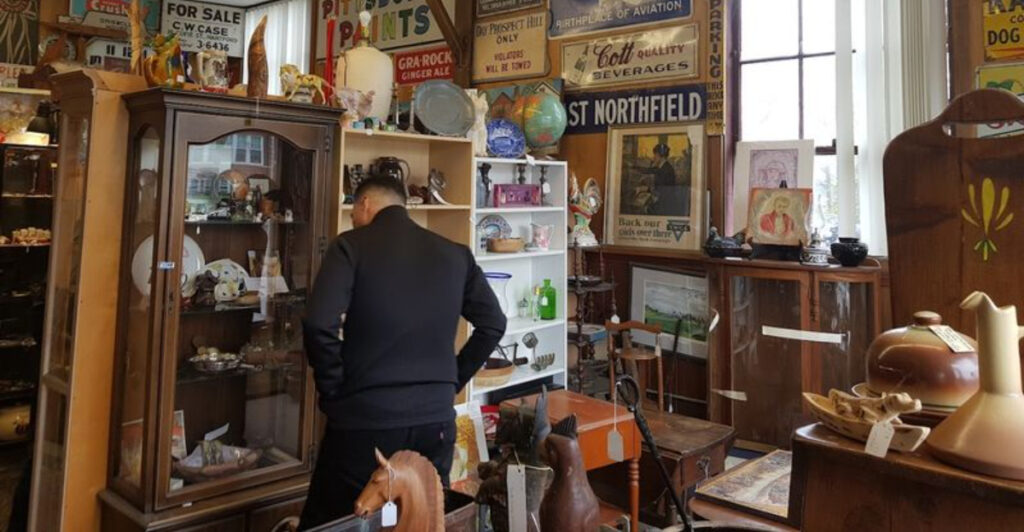
Step inside Clinton Antique Center and you will feel that instant spark only true treasure hunts deliver. From the outside, it seems modest, but one step in and the place unfolds into a massive maze of memories, stories, and irresistible finds.
Friendly owners, fair prices, and a rotating mix from dozens of dealers make every visit feel brand new. If you love the thrill of discovery, this Clinton shoreline icon will steal your heart and fill your trunk.
1. The Hidden Warehouse Behind the Door
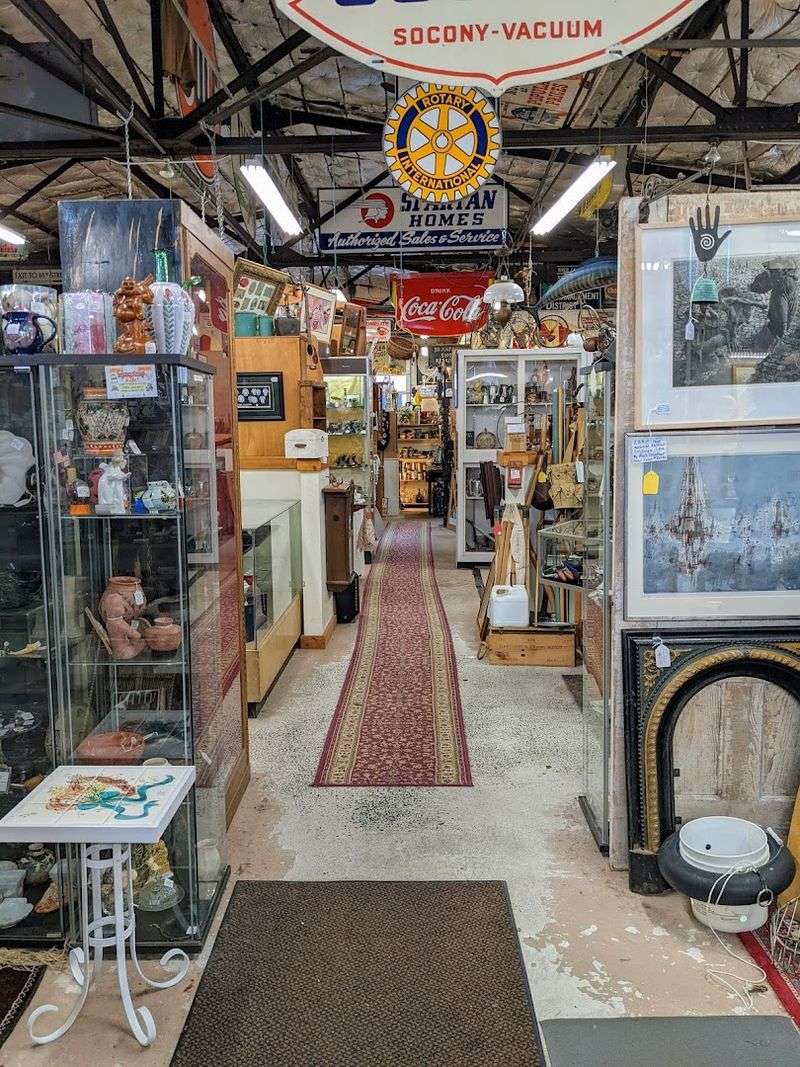
From the sidewalk, Clinton Antique Center looks like a modest storefront, almost easy to miss during a breezy shoreline stroll.
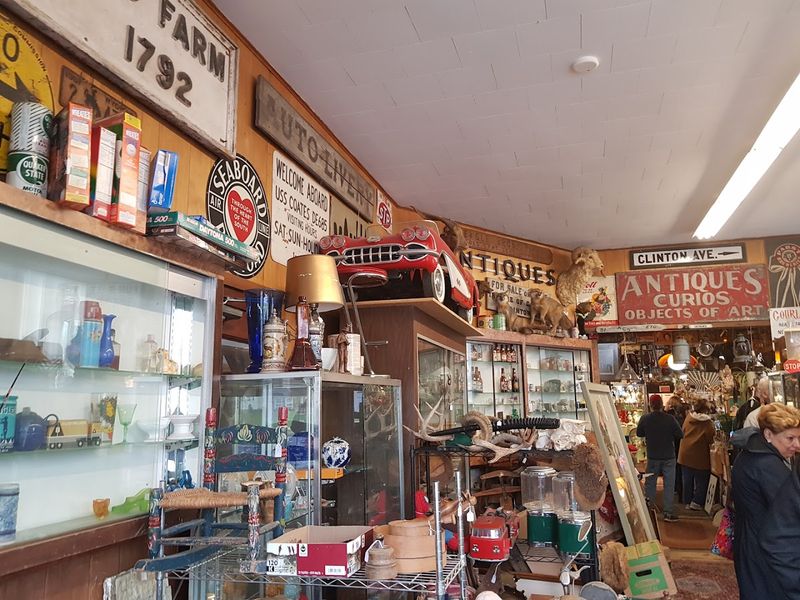
Step through the door and the space opens into a soaring warehouse that seems to keep unfolding, booth after booth.
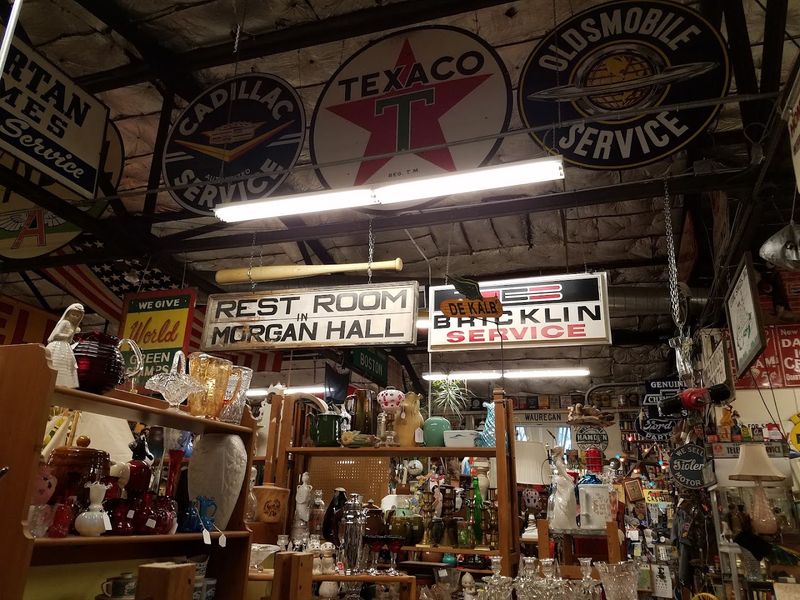
Your eyes need a moment to adjust, because treasures hang from rafters and perch on shelves at every angle.
It feels like discovering a secret passage, and that thrill sets the tone for the hunt ahead.
Move slowly, glance up, and peek behind larger pieces, because the layout rewards curiosity.
Several dealers curate mini worlds that flow together, so you might pivot from nautical maps to Deco sconces in a single step.
The scale means you can browse an hour and still miss a crate of vintage tools under a farm table.
Bring a tote, wear comfortable shoes, and give yourself permission to wander, double back, and linger longer than planned.
That is where the magic truly begins.
2. How to Plan Your Visit and Beat the Crowds
Clinton Antique Center runs on a friendly, steady rhythm: open 10 AM to 5 PM Thursday through Tuesday, closed on Wednesdays.
If you can swing a morning arrival, you get space to breathe and an early shot at fresh dealer restocks.
Afternoons invite a livelier buzz, which is perfect when you want serendipity and overheard tips from other treasure hunters.
Either way, plan at least ninety minutes, because rabbit holes appear exactly when you think you are done.
Bring a small tape measure, painter’s tape for noting dimensions, and cash for booths that price to move.
The store accepts cards, but a few vendors light up when you offer green bills.
Snap photos of tags and booth numbers, since looping back is easy to mis-time in such a sprawling layout.
Most of all, hydrate, park patience at the door, and enjoy the unhurried pace that makes this Clinton spot such a restorative hunt.
3. Navigating Booths and Cases Like a Pro
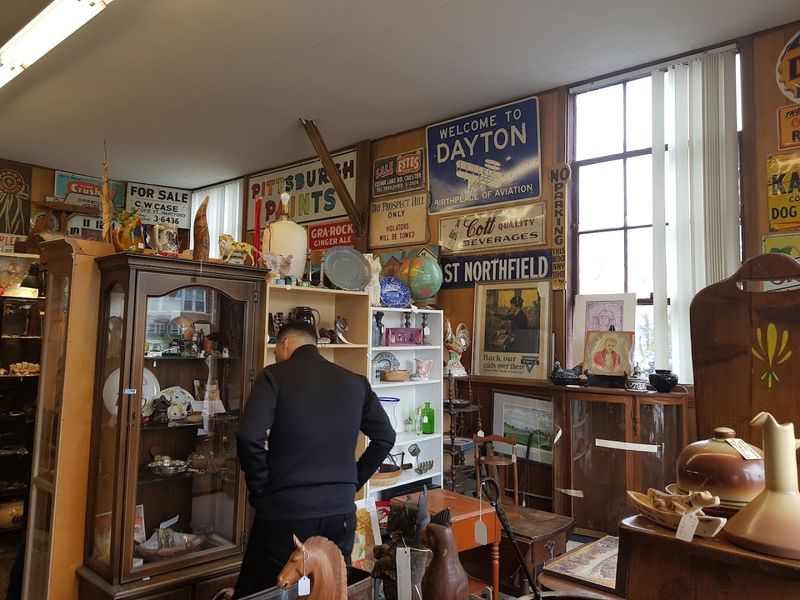
The sheer volume can lull you into speed browsing, but slowing down changes everything.
Start with a clockwise loop, then reverse, because sightlines flip and new details jump out.
Peer into glass cases and scan the undersides of furniture for maker marks or shop notes.
Many vendors label eras and origins clearly, so you can trace a path from Victorian curios to mid century teak without losing your bearings.
Check low shelves and look high.
When you spot something special, get the booth number immediately, then ask the front desk if the dealer is open to a small discount.
The staff know their floor and will happily point you toward similar finds if your first choice sells.
Use your phone flashlight, read every price card, and keep notes.
By the time you exit, your route will look like an elegant maze, and you will have learned how to see more by seeing less.
Small habits prevent classic regret of walking away too soon.
4. Vintage Signs and Advertising Finds
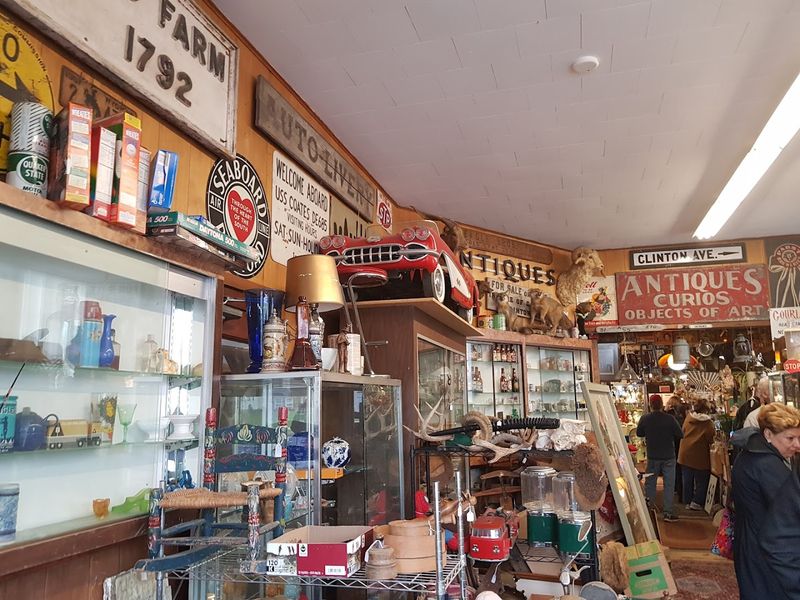
If antique advertising sings to you, this place is a chorus.
Porcelain gas station signs, soda crates, oil tins, and neon letters pop from corners like bright exclamation points.
Some show honest wear that adds story rather than grime, the kind of patina collectors crave.
You will notice not every display piece is for sale, but the tagged selection is strong, and new arrivals cycle in often.
Look for local Connecticut brands, because regional graphics spark conversations and connect your find to the shoreline story.
Check edges for chips, note mounting holes, and ask about provenance if the graphics feel unusual.
Prices range from approachable shelf sitters to statement pieces that anchor a room, so decide where your wall space and budget meet.
If you are traveling, measure your trunk opening before you go.
The staff can offer packing tips, and they know which dealers are most flexible when you pair a sign with a companion piece.
5. Mid century Furniture and Lighting
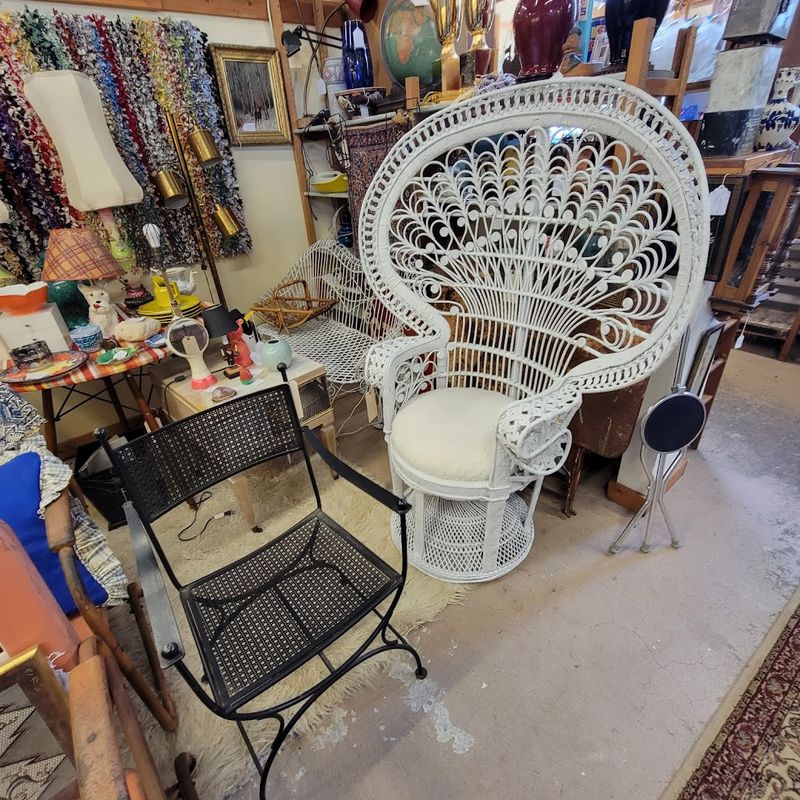
Mid century pieces tend to move quickly here, and for good reason.
Teak credenzas, Danish chairs, and wrought iron bar carts appear in tidy vignettes that help you imagine a finished room.
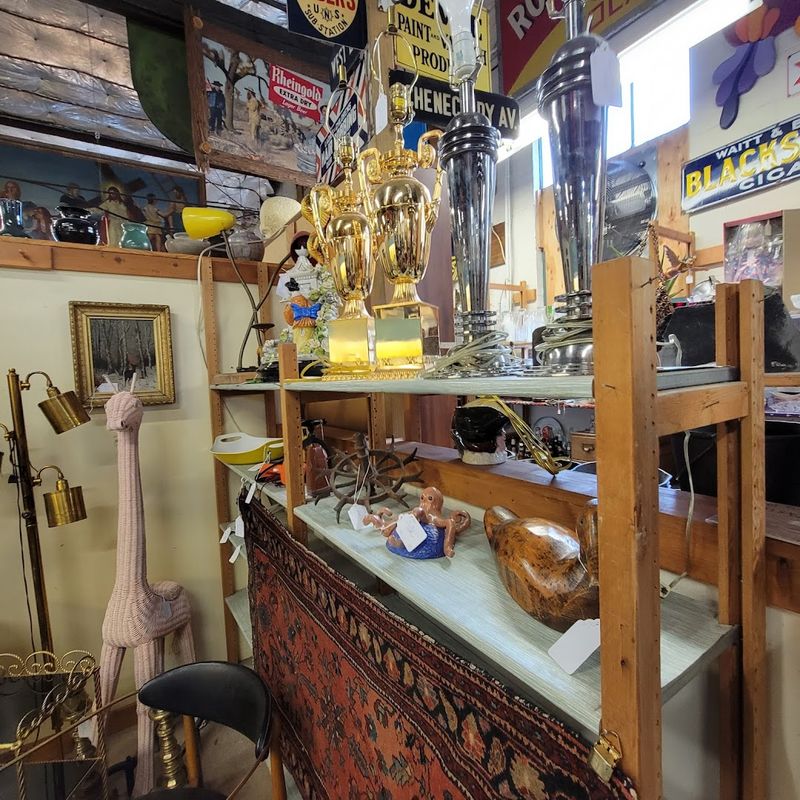
Lamps line the aisles in friendly clusters, from atomic fiberglass shades to brass pharmacy styles.
Examine joints, check drawers for smooth travel, and photograph any maker labels before the excitement rushes you past the details.
Measure elevators and doorways at home so surprises do not spoil delivery day.
If you fall for a larger piece, ask the front about holds or short-term storage while you arrange a vehicle.
Many locals swear by a quick rental van, which saves both time and upholstery.
Light fixtures often have newer rewiring, but always ask, and budget for a professional check if you are uncertain.
When a chair fits your back and the price feels fair, do not hesitate, because the next lap might be too late.
6. Jewelry, Watches, and Small Luxuries
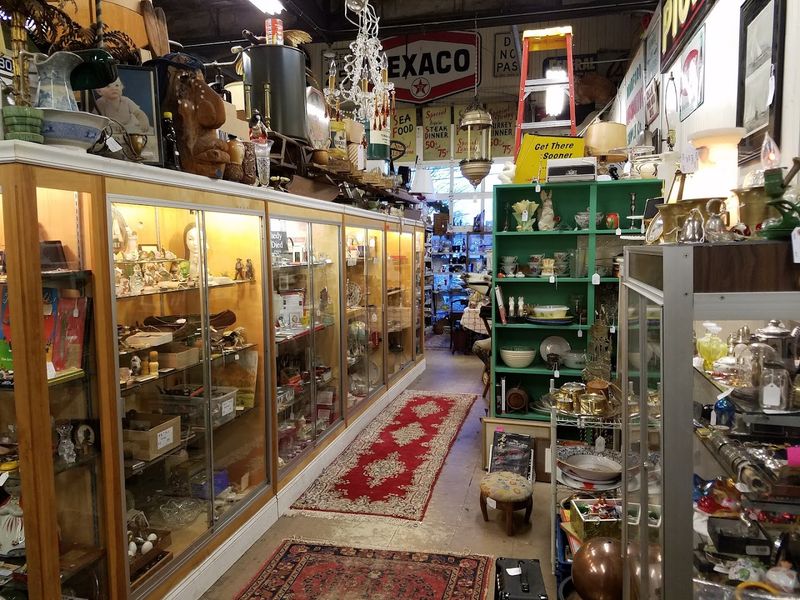
The jewelry cases glitter with personality, not just stones.
Victorian lockets, Art Deco bracelets, sterling cuffs, and jaunty charm bracelets tell stories you can wear.
You will see both antique and contemporary pieces, often mixed to inspire playful layering.
If a ring makes your heart jump, ask for a tray and try it in natural light near the front windows.
Bring a loupe if you have one, or borrow the counter magnifier.
Sizing can vary wildly, so bring a small ring sizer or a strip of paper and a pen.
Check clasps, test watch winders gently, and ask whether stones have been tested or are sold as estate.
Prices are generally friendly, and there is room to negotiate respectfully, especially if you bundle a few finds.
Jewelry travels well, so it is the perfect souvenir when you visit by train, bike, or a full car.
Ask about repair referrals in Clinton and nearby shoreline towns.
7. Records, Comics, and Pop Culture Corners
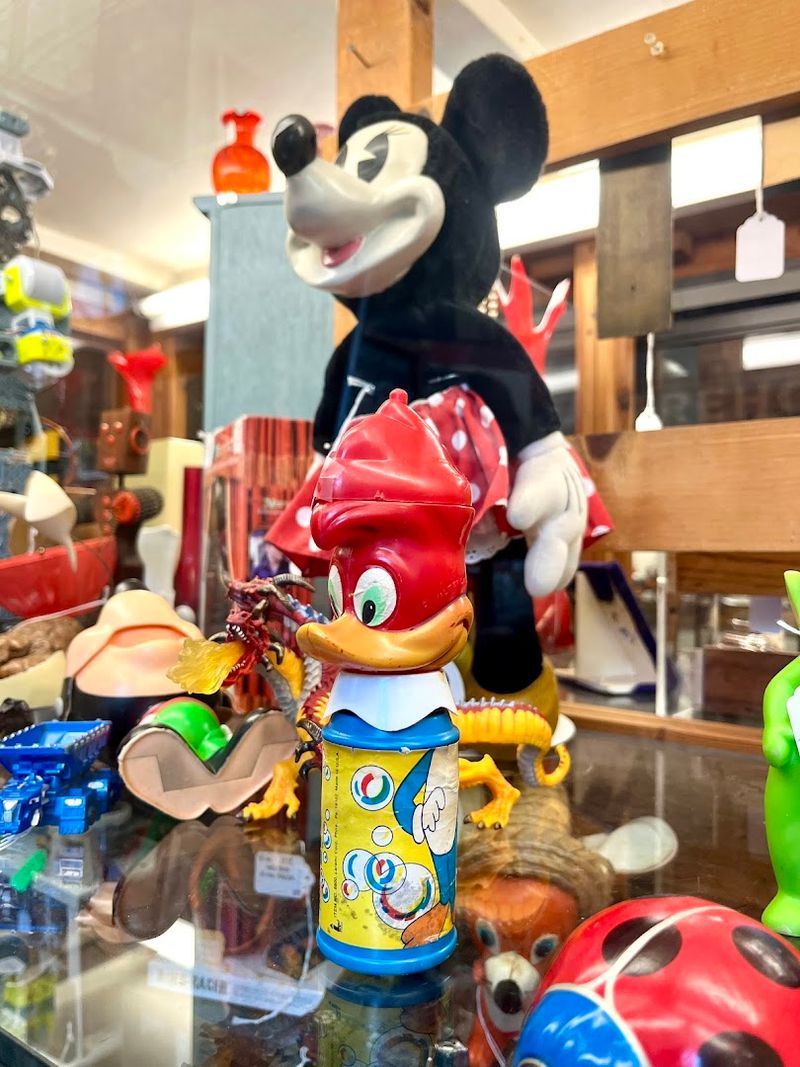
Collectors of pop culture will feel right at home.
Flip through bins of vinyl that range from classic rock to jazz pressings and Connecticut bands you forgot you loved.
Nearby, long boxes of comics and trading cards sit beside toys and lunchboxes, a compact memory lane.
Condition varies, but sleeves and boards are common, and staff can point you to the cleanest runs.
You might even spot sealed surprises tucked behind the front rows.
Look for hype stickers, first press matrix numbers, and newsstand versus direct editions in the comic bins.
If you buy a stack, ask for a little bundle price.
Many titles are fairly priced already, so the fun is in curation, building a theme or chasing one artist across eras.
Tuck records upright in your tote, and plan a celebratory listen at home, because nothing beats placing the needle after a glorious dig.
Ask about the latest drop days when dealers refresh media.
8. Books, Ephemera, and Paper Trails
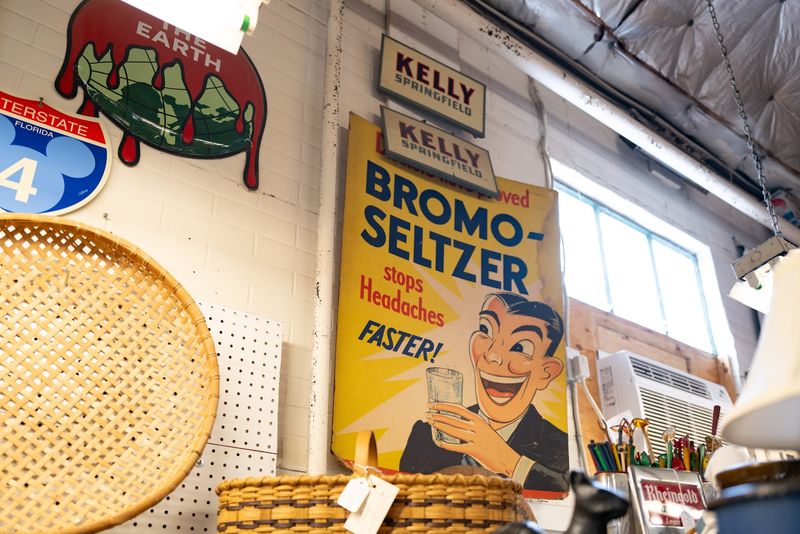
Paper lovers, prepare for delight.
First editions, local histories, WPA guides, postcards, and maps nest in tidy stacks that reward gentle hands.
You can follow Connecticut shoreline stories through ferry timetables and clam shack menus, then detour into travel posters and botanical prints.
Open covers carefully, check spines, and breathe in that whisper of linen and ink that takes you someplace slower.
Ask the desk about the booth with the rare dust jackets and maritime charts.
Ephemera pricing stays reasonable, which makes building a theme easy.
Choose a town, a decade, or a color palette, and let the paper guide your wall or scrapbook.
Some dealers carry protective sleeves and archival tape, but bring your own if you are picky.
When a postcard caption makes you laugh out loud, buy it on the spot.
Small, sincere joy is the best measure of value in this corner.
It all packs flat, so traveling light still leaves room for stories.
9. Tools, Military, and Industrial Oddities
There is always a corner that feels part workshop, part history lab.
Antique hand planes, brass calipers, enamel basins, and machinist chests share space with field gear and patches.
If military pieces call to you, scan for clear unit markings and provenance notes, then ask politely before handling.
Prices reflect authenticity and condition, yet this store has a reputation for fair deals, especially when you respect the story.
Estate toolboxes sometimes hide surprises under the first tray, so remove layers carefully.
Bring gloves, check blades for cracks, and verify that adjustable parts move smoothly.
If you collect for display, look for maker stamps that present well on a shelf.
If you collect for use, ask about rust treatment options available in town.
Either way, you are buying more than metal, you are holding craft that still wants to work.
Local regulars share advice freely at the counter.
Listen and you will learn restoration shortcuts that save time.
10. Glass, China, and Tabletop Treasures
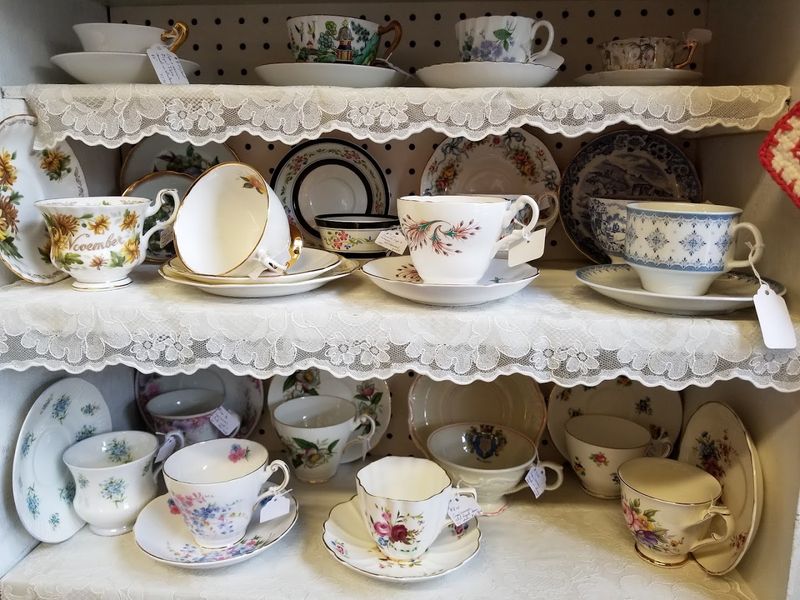
China cabinets and open shelves sparkle here, a whole constellation of cups, saucers, serving pieces, and elegant barware.
Depression glass sits beside Fiestaware and delicate transferware, with price points for first apartments and seasoned collectors.
Hold pieces up to the light to find makers and lovely imperfections that read as charm.
When you set two plates together, do the tiny wobble test and listen for a clean ring.
Look for pairs, because matching can be surprisingly rare here.
Ask where the most complete sets live, because stock rotates as weddings and holidays approach.
Decanters and cocktail glasses make excellent gifts, and the staff knows which stoppers match which bottles.
If you are mailing items, request double boxing advice before you pay.
Tape the booth number in your notebook, then celebrate by planning a themed dinner.
Nothing validates a find like using it around a table with people you love.
Wrap your treasures in store newsprint before heading to the car.
11. Friendly Owners, Fair Prices, and Negotiation Tips
Part of the charm is the people.
The brothers who run Clinton Antique Center keep the vibe upbeat, helpful, and refreshingly unpretentious.
Regulars praise how they remember collecting quirks and point out new arrivals that fit your lane.
You feel like a neighbor within minutes, which makes questions easier and haggling feel more like a friendly chat than a standoff.
Staff happily share directions to categories you might miss.
Prices lean fair, and dealers often entertain respectful offers, especially if you are buying multiple items.
Lead with kindness, mention your plan for the piece, and ask whether there is any flexibility today.
Sometimes the answer is no, and that is fine, because the next booth might deliver a perfect yes.
Either way, you leave feeling heard, which is priceless in a store this full and this beloved.
If a tag reads firm, respect it and circle back next trip.
Goodwill travels fast here, and it seems to find its way back.
12. Practical Tips: Parking, Hours, and Shoreline Extras
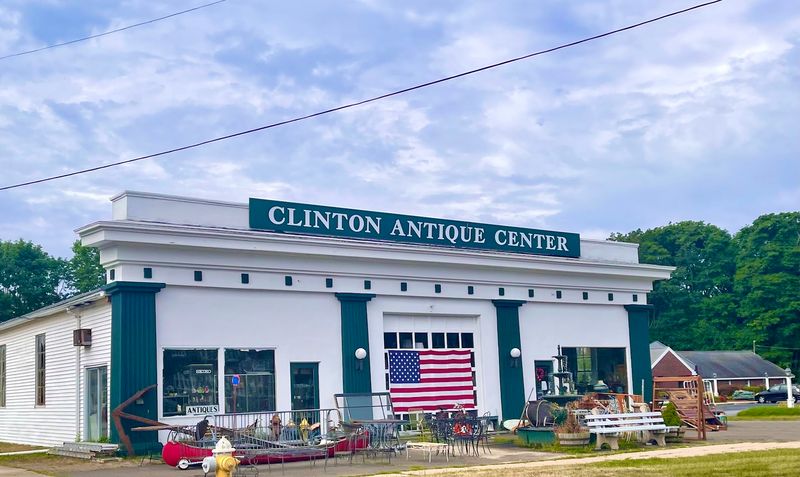
Set your navigation to 78 E Main St, Clinton, CT 06413, then take a breath as you approach the shoreline traffic.
Parking is tight but doable if you arrive near opening, and there is usually a spot with a short walk.
The store is closed on Wednesdays, open 10 AM to 5 PM all other days.
Call +1 860-669-3839 or peek at their website for any seasonal updates before you drive.
Save room in your schedule for surprises that demand an extra lap.
Make a tiny itinerary for the rest of your day.
Clinton Town Beach, lobster rolls, or an antiques double header with nearby shops turn a browse into a mini vacation.
Snap a photo of your haul out front like everyone does, then share a tip with the desk so the next visitor finds joy faster.
This place earns its 4.7 star reputation because you arrive curious and leave connected.
Bring a friend, because storytelling doubles when you compare finds over dinner.
Share this story