A grateful town once handed a returning Civil War general a fully furnished house as a welcome-home present. That house still stands, and you can tour it. I love that a weekend trip can start with a story like that.
Illinois is full of small places with big surprises. One spot hosted the very first Lincoln-Douglas debate in 1858. Another doubled as the filming location for a famous movie about a weatherman stuck repeating one day.
Those details hooked me fast. Small towns like these make it easy to slow down, stroll a few blocks, and actually notice where you are. River bluffs, brick streets, covered bridges, and quiet country roads do a lot of the work for you.
I picked 11 towns that feel made for unplugging. Each one has a quirk or two that I can’t stop thinking about, and I suspect you’ll feel the same.
1. Galena
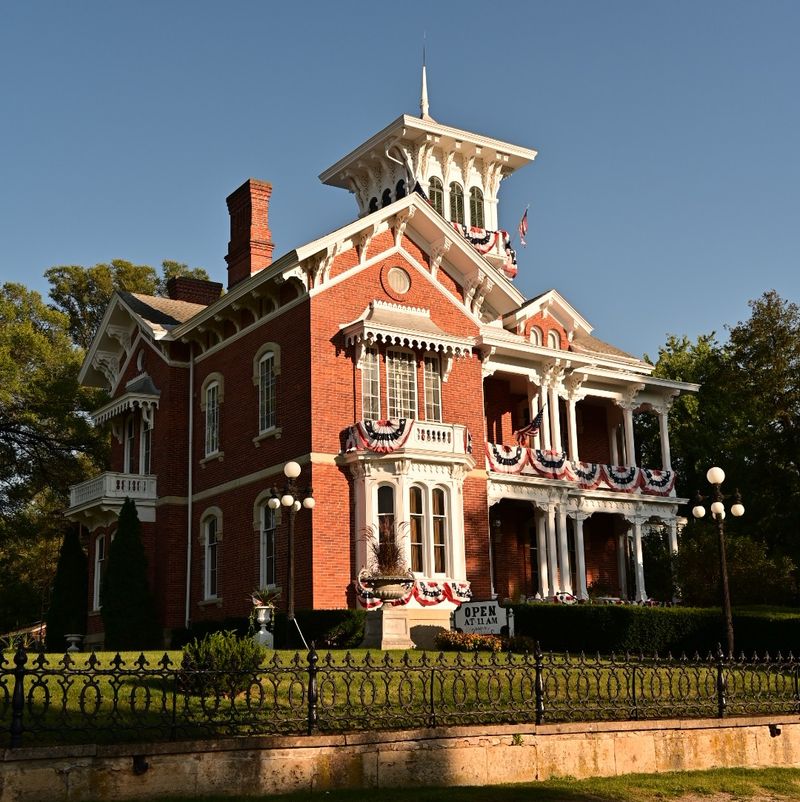
Few towns can say they gave a Civil War general a house, but Galena did exactly that in 1865.
Grateful residents presented Ulysses S. Grant with a furnished brick home after the war, and the Ulysses S. Grant Home is now a state historic site.
That story sets the tone for the whole town. Galena sits in the rolling hills of Jo Daviess County in far northwest Illinois, and its 19th-century Main Street still looks the part.
Plan to spend a slow morning browsing. Main Street is packed with boutique shops, so you can wander from store to store without moving your car once.
The hills are part of the fun, too. Streets climb steeply away from downtown, and several long staircases connect the lower blocks to the neighborhoods above.
Lodging leans historic here. Galena is known for its bed-and-breakfasts, which suits a weekend built around doing very little.
Want a little history with your stroll? The town grew rich in the 1800s from lead mining, and the name Galena actually comes from the mineral form of lead ore.
The Galena River runs right alongside downtown. A short walk along the riverside gives you a different angle on the old brick buildings stacked up the hillside.
Seasons change the mood nicely. Fall brings color to the surrounding hills, while winter turns the old storefronts into a postcard scene.
Getting there is half the charm. The drive from Chicago takes roughly three hours, and the last stretch rolls through farmland and bluffs that make you forget the highway.
Pack comfortable shoes and skip the rigid itinerary. Galena rewards people who wander, linger, and let one more shop or one more staircase decide the afternoon.
2. Grafton
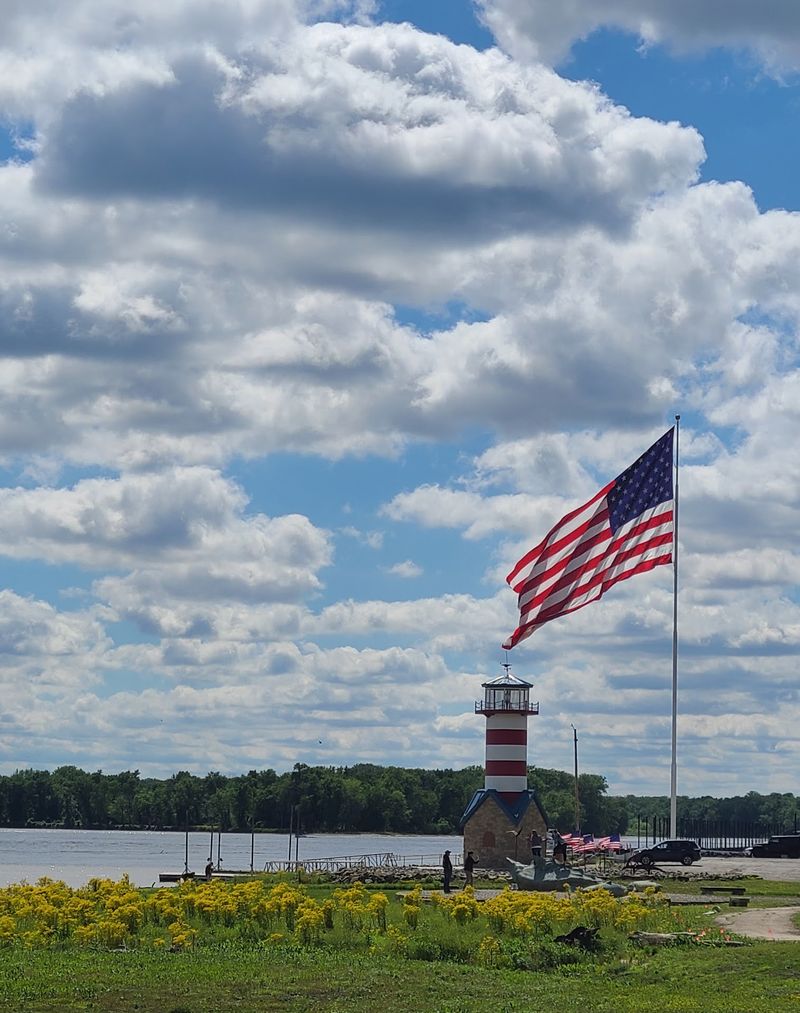
Two big rivers meet at Grafton, and the town seems perfectly happy to let you stare at them for hours. The Illinois River joins the Mississippi right here, along the Great River Road.
Only about 600 people call Grafton home. That small size is the appeal, since the main attraction is wide water, tall limestone bluffs, and an easygoing pace.
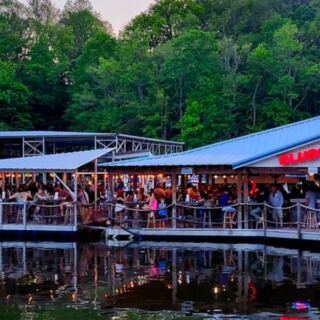
Food comes with a view here. Open-air riverfront dining is a big part of the Grafton experience, so grab a table outside and watch the boats drift past.
Pere Marquette State Park sits just up the road. It’s the largest state park in Illinois, with hiking trails that climb to overlooks above the river valley.
Even the park lodge is a showpiece. It was built in the 1930s, and its massive stone fireplace is worth a peek even if you’re not staying.
Prefer two wheels? The Sam Vadalabene Bike Trail runs along the river between Grafton and Alton, so you can pedal for miles with the bluffs on one side.
Winter brings a surprise visitor. Bald eagles gather along these rivers in the colder months, and spotting one perched in a bare tree never gets old.
The Great River Road itself deserves credit. The drive along the bluffs is one of the prettiest in the region, and it turns a simple arrival into a mini road trip.
Keep your plans loose. Grafton works best when you trade a packed schedule for long lunches, short hikes, and a sunset by the water.
One tip before you go. River towns depend on the weather, so check conditions in spring when high water can affect roads and riverfront spots.
Bring binoculars, a light jacket, and zero urgency. The rivers will handle the entertainment.
3. Woodstock
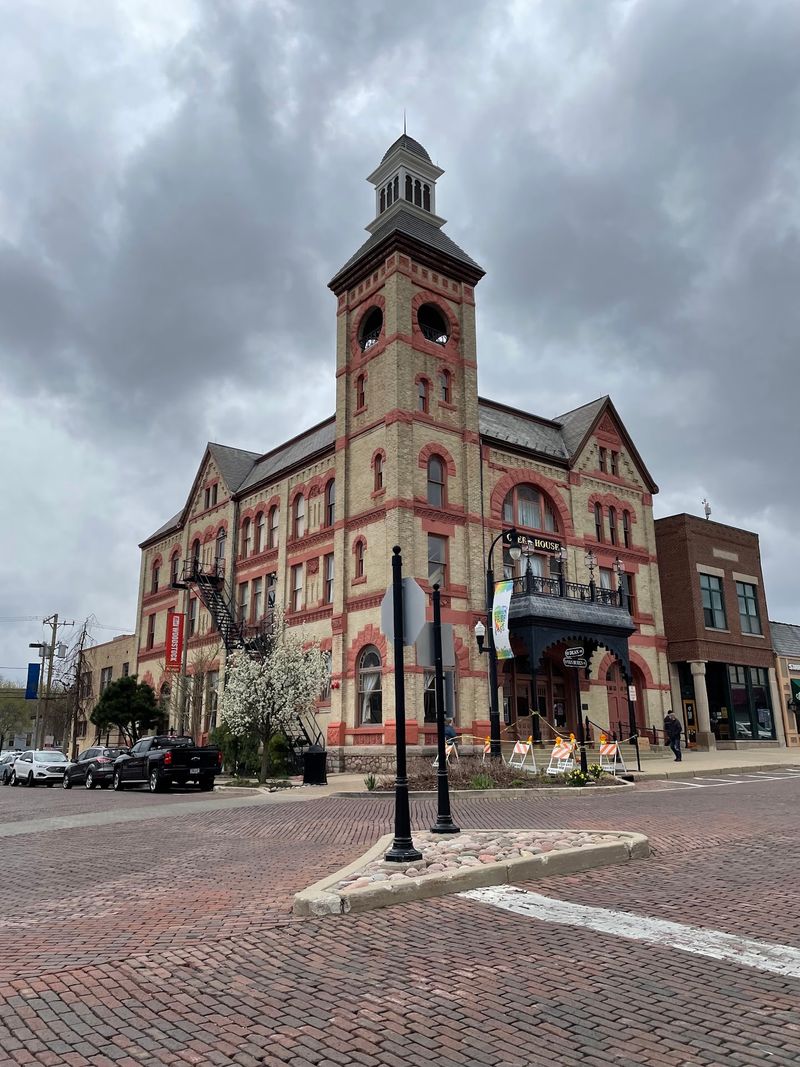
Bill Murray woke up to the same day over and over in Woodstock, and honestly, you might want to repeat your weekend too. The 1993 movie Groundhog Day was filmed right around the town square.
Fans can still hunt down familiar spots. Small plaques mark a few filming locations, and the town even hosts a Groundhog Days celebration each February.
The square itself is the heart of the visit. Woodstock Square is bordered by cobblestone streets and Victorian-era buildings, with a park and bandstand in the middle.
Summer evenings get a soundtrack. Seasonal concerts at the bandstand make it easy to grab a spot on the grass and simply listen.
Across the square stands the Woodstock Opera House, which opened in 1890. Orson Welles performed on its stage as a teenager while attending a nearby school.
Check the schedule before your trip. The opera house still hosts plays, concerts, and other shows, so an evening performance makes a fun weekend anchor.
Book lovers, you’re in luck. Independent bookshops sit near the square, perfect for a lazy hour of browsing before coffee at a local cafe.
Woodstock also serves as the county seat of McHenry County. The old courthouse on the square adds even more historic character to an already handsome downtown.
Getting there from Chicago is simple. The town is about 60 miles northwest of the city, and Metra trains run to Woodstock, so you can leave the car home.
That makes it a smart pick for a short, low-stress getaway. You can arrive Friday night and be strolling the square by Saturday breakfast.
Wear comfy shoes and keep your phone handy. Spotting movie scenes in real life is half the fun, and the other half is not rushing anything.
4. Makanda
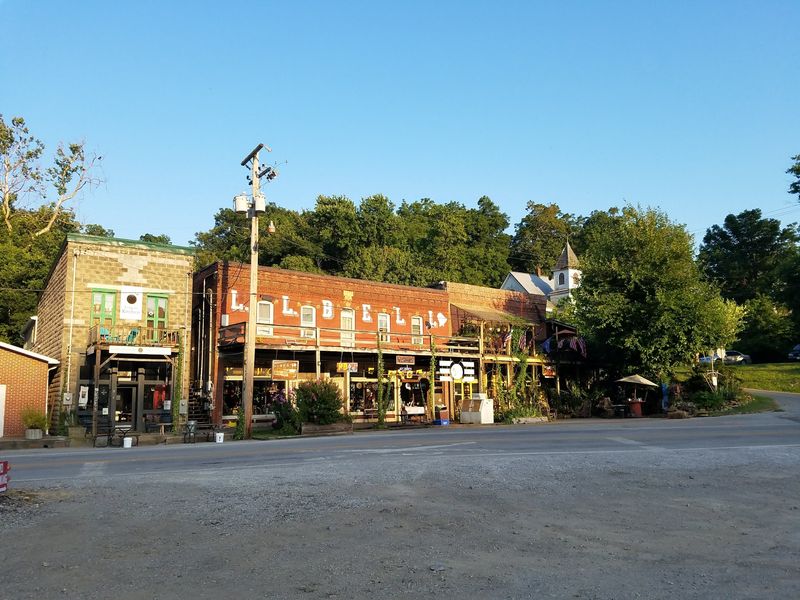
Fewer than 600 people live in Makanda, but the village packs plenty of personality into its tiny boardwalk. It sits in the wooded hills of southern Illinois.
The Makanda Boardwalk is the town’s main attraction. Artisan shops line the raised walkway, offering crafts and art made by local creators.
Shopping here is slow and relaxed. You can browse, chat, and take your time without feeling rushed.
Giant City State Park sits just next door. It’s famous for huge sandstone bluffs that form narrow streets, giving the park its name.
Hiking is the big draw. The Giant City Nature Trail winds through those massive rock walls and offers a fun, easy adventure.
For a wider view, look for the park’s observation tower. It rises above the treetops and gives you a look at the surrounding forest.
Rock climbing is another option for adventurous visitors. Certain areas in the park allow climbing and rappelling, so check the rules before you go.
The Shawnee National Forest stretches across this part of the state. That means more trails, overlooks, and quiet spots are only a short drive away.
Makanda is close to Carbondale, too. You can enjoy the village’s calm pace while still having easy access to more dining and lodging options.
Fall is a lovely time to visit. Changing leaves turn the hills into bright shades of red, orange, and gold.
Spring brings blooming wildflowers and flowing streams. Either season makes the forest feel alive.
Wear sturdy shoes for the trails. Some paths are rocky and uneven, especially near the bluffs.
Makanda is perfect for unplugging. Spend the day hiking, then wind down with a stroll along the boardwalk.
You’ll probably leave with a handmade souvenir. Muddy boots are optional, but highly likely.
5. Nauvoo
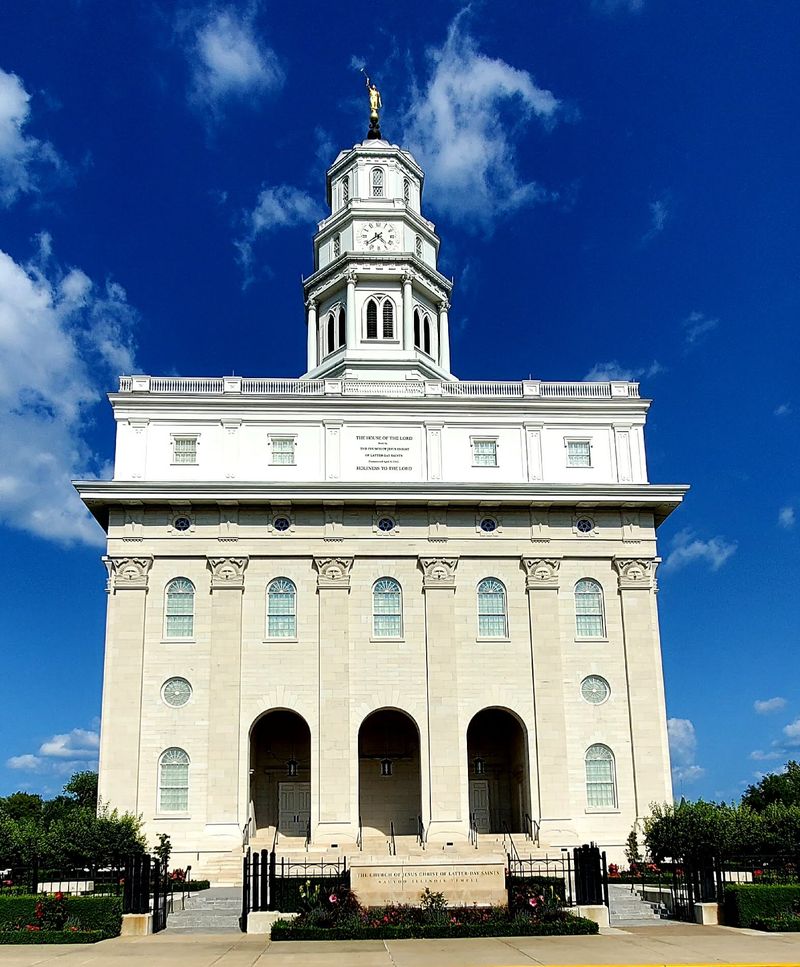
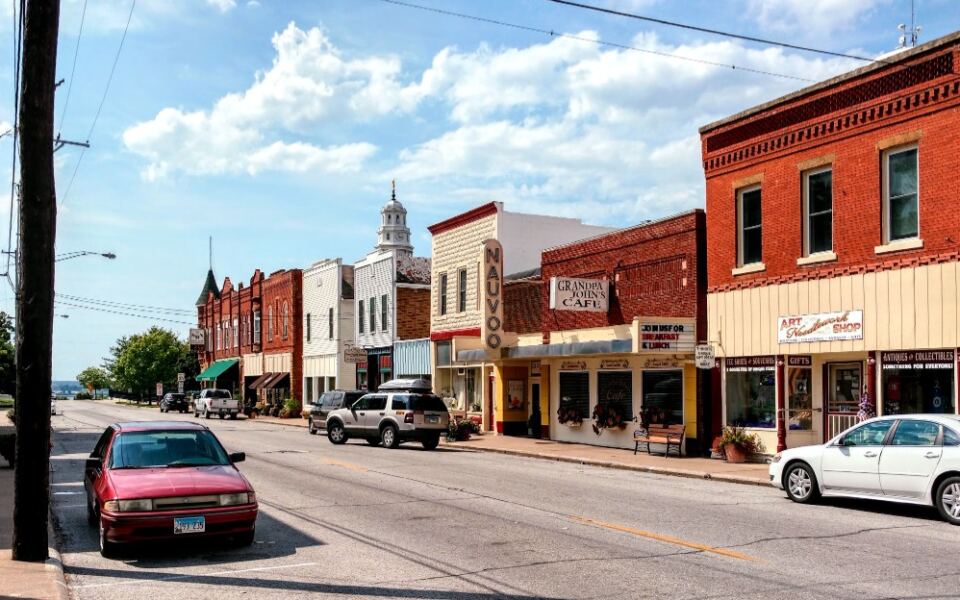
Back in the 1840s, Nauvoo rivaled Chicago in size, which is hard to believe when you see its quiet streets today. Now about 1,000 people live in this river town.
The town sits on bluffs above the Mississippi River. Sunsets over the water are a highlight, so find a spot along the river and enjoy the view.
Nauvoo’s historic district is full of 19th-century buildings. Many have been restored and are open to visitors.
Living-history sites are a big part of the experience. Costumed guides share stories about life in the 1840s and demonstrate old crafts.
You can see blacksmithing, bread making, and other skills from long ago. Many of these sites are free to visit.
Members of the Church of Jesus Christ of Latter-day Saints settled in the existing community of Commerce in 1839 and later renamed it Nauvoo.
Wagon rides are a fun way to see the town. Horse-drawn tours offer a relaxed look at the historic area.
Nauvoo State Park offers another quiet escape. It features a lake, trails, and peaceful spots for picnics.
Quiet rural lanes surround the town. They’re perfect for a slow drive or a peaceful walk.
Summer evenings can include outdoor shows. Check local schedules to see what’s happening during your visit.
Plan to take your time here. There’s a lot to see, but the slow pace is part of the appeal.
Nauvoo is located in western Illinois along the Great River Road. The drive there offers great river views along the way.
Bring a hat and water in summer. You’ll spend plenty of time outdoors exploring.
Nauvoo is a peaceful mix of history and nature. It’s a great place to slow down and learn something new.
6. Geneva
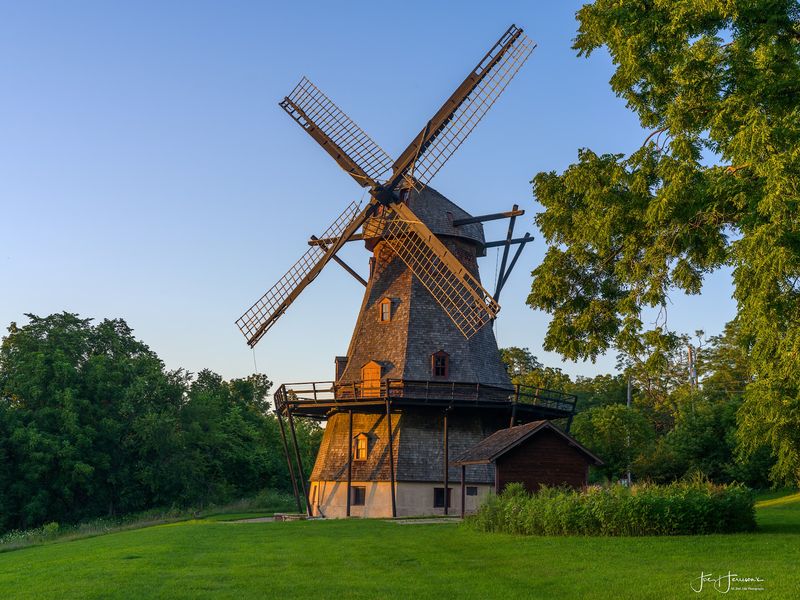
A real Dutch windmill stands along the Fox River in Geneva, which is not something you expect to find in the Illinois suburbs. The Fabyan Windmill dates to the 1800s and was moved here in the early 1900s.
It sits inside the Fabyan Forest Preserve, which also features a Japanese garden. Both make easy, peaceful stops on a slow weekend morning.
The Fox River is the town’s best feature. Paved trails follow the water, so you can walk or bike for miles without dealing with traffic.
Downtown has its own charm. The Third Street historic district is lined with preserved 19th-century storefronts and homes under plenty of shady trees.
Boutique browsing is the main event here. Shops along Third Street invite slow wandering, and you can easily lose an afternoon popping in and out.
Hungry after a long walk? Patio dining is a big part of Geneva’s appeal in summer, so snag an outdoor table and stay a while.
Geneva also leans into its Swedish roots. The town hosts Swedish Days each summer, a festival with a long history in the community.
Island Park offers another quiet spot. It sits right in the Fox River, with walking paths and open green space.
Getting to Geneva is easy, too. The Metra Union Pacific West Line stops in town, which means a train ride can kick off your weekend.
That convenience makes Geneva perfect for a spur-of-the-moment escape. You can leave Chicago after lunch and be on a riverside trail before dinner.
Keep your plans simple. A river walk, a little shopping, and a long patio meal might be the best recipe for doing nothing well.
Toss a light jacket in your bag for evenings. The river breeze can cool things down once the sun drops.
7. Mount Carroll
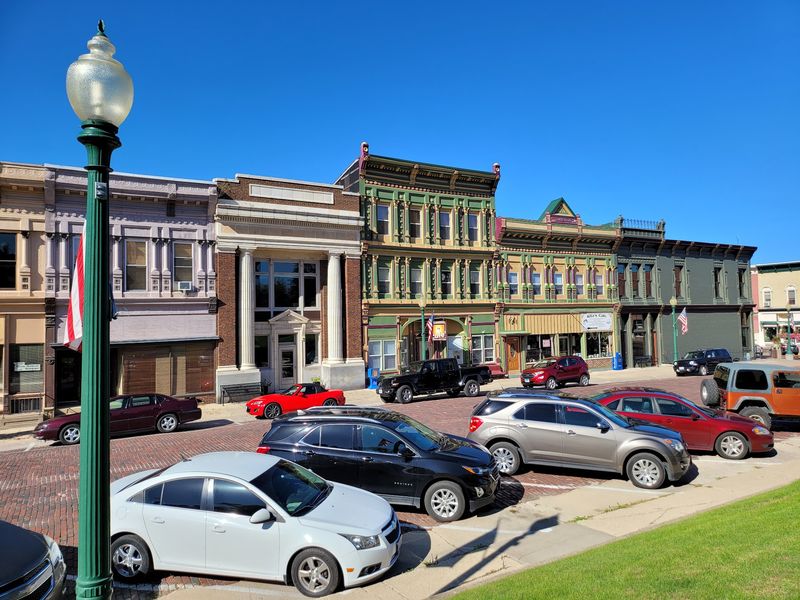
A nickname like New England of the Midwest sets a high bar, and Mount Carroll clears it easily. One look at its elevated brick streets and 19th-century architecture shows why.
About 1,500 people live in this small town in northwest Illinois. The pace is slow, and that’s exactly the point.
Timber Lake Playhouse is the star attraction. This summer theater stages shows in a wooded setting just outside town.
Catching a show is a perfect way to spend an evening. Check the schedule ahead of time, since performances run seasonally.
The downtown historic district is beautiful. The Carroll County Courthouse stands at its center, surrounded by older brick storefronts.
Historic home tours are another highlight. They give you a peek inside the town’s grand 19th-century houses.
Mount Carroll is home to the Campbell Center for Historic Preservation Studies. The center teaches preservation skills, which fits the town perfectly.
Scenic country roads surround the area. Take a slow drive through rolling hills and farmland for a relaxing afternoon.
Mississippi Palisades State Park is a short drive away near Savanna. It offers trails and overlooks with views of the Mississippi River.
Hikers will love the park’s limestone bluffs. Bring water and good shoes for the climb.
Wander downtown at your own pace. Browse the shops and admire the old architecture as you go.
Mount Carroll is perfect for a quiet getaway. You can see a play, take a walk, and enjoy the countryside in one weekend.
Spring and summer are great times to visit. The playhouse season and green hills make the trip extra enjoyable.
Pack a light jacket for evening shows. Nights can get cool, even in summer.
Mount Carroll proves that small towns can feel grand. Its charm sticks with you long after you head home.
8. Long Grove
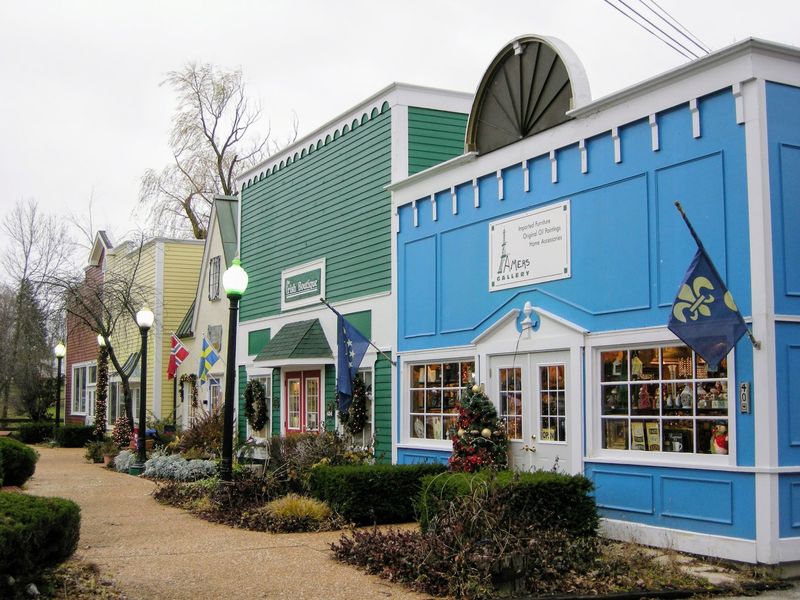
Long Grove’s famous bridge dates to 1906, although its distinctive wooden covering wasn’t added until 1972. The landmark helps set the tone for this village in Lake County, Illinois.
The bridge is small but full of character. It’s a favorite photo spot, so pause for a picture before you head into the village.
Long Grove keeps a rural feel even though it’s not far from Chicago. Historic lanes with cobblestone accents make walking around feel calm and easy.
Sweets are a big deal here. Confectionery shops dot the village, so plan for a sugar stop or two.
Long Grove is very walkable. Pedestrian-friendly paths let you drift from shop to shop without worrying about busy streets.
Lunch can be a lazy affair. Local eateries make it easy to take a break, rest your feet, and plan your next stroll.
Long Grove started as a farming community in the 1800s. Many buildings in the historic downtown reflect that past, giving the village an old-fashioned look.
Festivals are part of the village calendar. Check the schedule before you go, since events can bring extra music, food, and activities.
Quiet mornings are another treat. An early walk through the lanes and across the bridge is a peaceful way to start your day.
Long Grove works well for a short getaway. Its location in the northern suburbs means you can get there quickly without a long drive.
Wear shoes made for walking. Cobblestone accents look great but can be tricky in thin sandals.
Bring a tote bag for shopping. Between candy and small gifts, your hands will fill up fast.
Long Grove celebrates simple pleasures. A sweet treat, a stroll, and a historic bridge can make a weekend feel just right.
Take your time crossing the bridge. It’s a small moment that sums up the whole village.
9. Ottawa
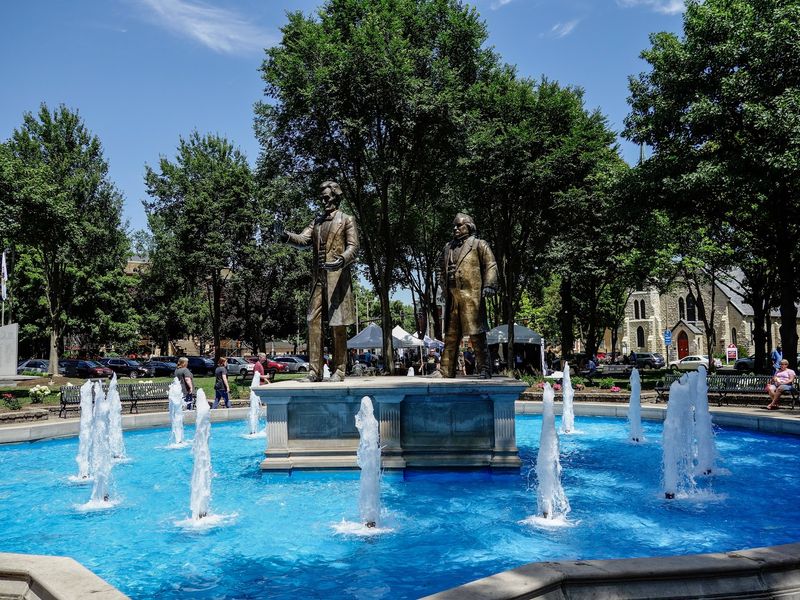
Abraham Lincoln and Stephen Douglas squared off for their very first debate in Ottawa in 1858. Washington Square marks the spot, with statues of both men honoring the event.
That’s a pretty big claim to fame for a small Illinois city. Ottawa sits where the Fox River flows into the Illinois River, giving the town a relaxed riverfront feel.
Downtown is worth a stroll. Colorful murals decorate historic streets, turning a simple walk into a self-guided art tour.
The historic central business district keeps things compact. You can park once, then wander past older buildings, shops, and those painted walls at your own pace.
The biggest draw sits just outside town. Starved Rock State Park is famous for its sandstone canyons, and seasonal waterfalls can appear after rain or snowmelt.
Ottawa makes a smart home base for a park trip. You get small-town comfort at night and canyon trails just a short drive away.
Don’t skip nearby Buffalo Rock State Park. It’s home to the Effigy Tumuli, huge earthwork sculptures shaped like river animals such as a snake and a turtle.
History fans have more to explore in the area. Local heritage parks share stories of the canal era and the town’s role in Illinois history.
Morning is a great time to hike. Cooler temperatures make the canyon trails more pleasant, especially during the hot summer months.
Afternoons can be slower. Head back to town for lunch, a little shopping, and a quiet sit by the river.
Bring sturdy shoes for the trails. Some paths include stairs, and canyon floors can be muddy after wet weather.
Ottawa balances history and nature without trying too hard. You can learn something in the morning and nap by the water by afternoon.
10. Princeton
Wooden covered bridges are rare in Illinois, so Princeton’s Red Covered Bridge feels like a small treasure. Built in 1863, it still spans Big Bureau Creek just north of town.
The historic bridge has been closed to traffic since a truck damaged it in 2023, with restoration work planned through 2027. You can still appreciate its bright red exterior, but don’t plan on driving across it.
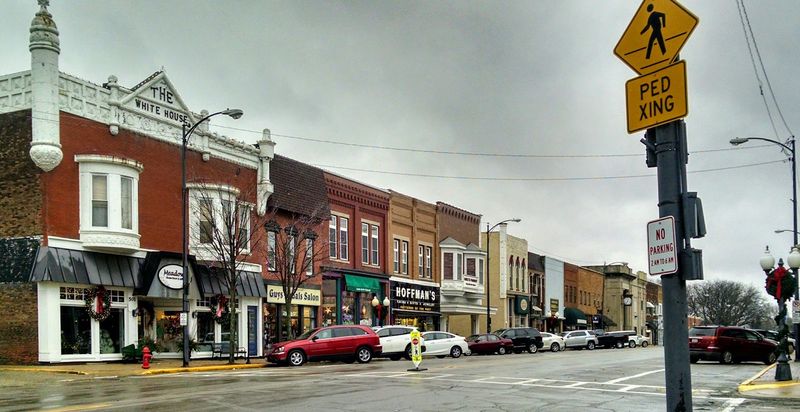
Princeton is home to about 7,500 people. Tree-canopied avenues give the town a classic Midwestern look that fits a slow weekend perfectly.
Shopping comes in two flavors here. Princeton has two separate historic shopping districts, so you get double the browsing.
Antique lovers should clear some time. The town is known for antique emporiums, where you can dig through old treasures for hours.
History runs deep in Princeton. The Owen Lovejoy Homestead was a stop on the Underground Railroad, and it’s now a historic site you can visit.
Lovejoy was an abolitionist and a congressman who was a friend of Abraham Lincoln. His home helped people escaping slavery find shelter on their way north.
Rural scenery surrounds the town. Quiet roads roll past farmland, making a slow country drive a relaxing way to spend a morning.
Princeton also sits close to Interstate 80. That makes it easy to reach from many parts of northern Illinois without a long, tiring trip.
Consider planning your visit around a festival. Princeton hosts the Homestead Festival each September, which brings extra fun to town.
Even without an event, the pace stays gentle. You can browse, eat, visit the bridge, and still have time to sit and read.
Pack light and leave room in your trunk. Antique shopping can fill a trunk faster than you’d think.
Princeton is proof that small towns can hold big stories. Give it a weekend and you’ll see why.
11. Arcola
Raggedy Ann has roots in Arcola, a small town in central Illinois. Her creator, Johnny Gruelle, was born here in 1880.
That fun fact is just the start. Arcola is home to about 2,900 people and serves as a gateway to central Illinois Amish country.
Horse-drawn buggies are a common sight in the area. Slow down on country roads and give them plenty of space as you drive.
Handcrafted woodworking is a highlight. Local shops sell furniture and other wood pieces made by skilled craftspeople.
Arcola also celebrates its broom-making past. The town hosts the Arcola Broom Corn Festival, which honors the crop that once made it famous for brooms.
The countryside here is calm and wide open. Farm fields stretch for miles, and the quiet roads make for a relaxing drive.
Arcola is an easy stop off Interstate 57. That makes it simple to reach from Chicago, Champaign, or southern Illinois.
Plan a slow day exploring the area. Drive the back roads, stop at shops, and enjoy a simpler pace of life.
Nearby Arthur is another Amish country town worth visiting. Together, the two towns make a nice weekend loop through the countryside.
Respect goes a long way here. Many Amish residents prefer not to be photographed, so ask first or keep your camera pointed at the scenery.
Some local businesses may close on Sundays. Plan your shopping for Friday or Saturday so you don’t miss anything.
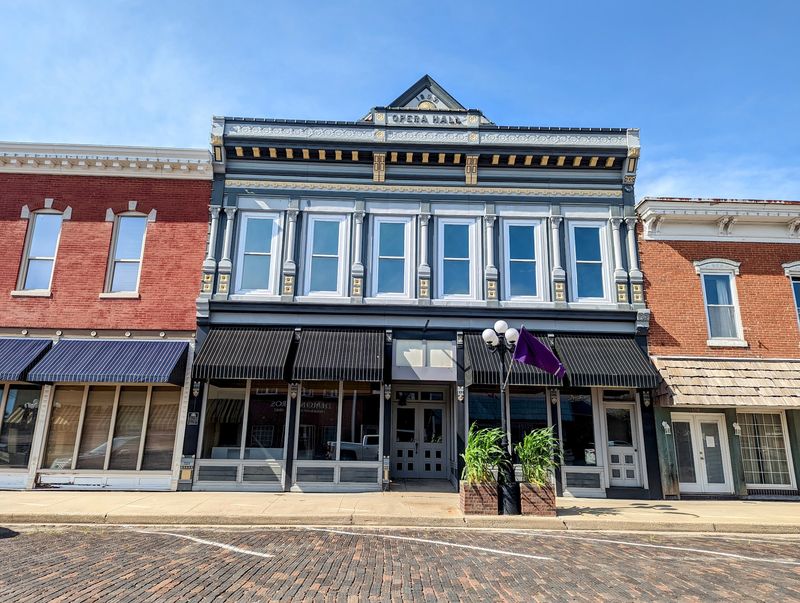
Arcola’s downtown has a classic small-town look. Take a walk and enjoy the older buildings along the main streets.
A trip here feels like hitting pause. With open fields and wide skies, it’s easy to unwind.
Bring cash just in case. Some smaller shops in rural areas may not accept cards.
Share this story