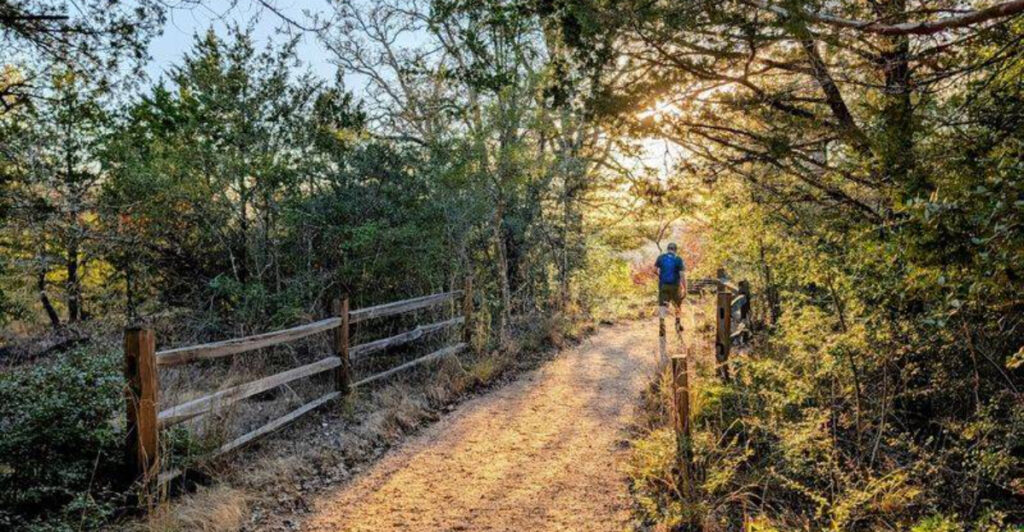
Texas is famous for its wide-open spaces and natural beauty, but some of the state’s most incredible parks fly completely under the radar. While everyone flocks to the same popular spots, dozens of stunning parks sit quietly waiting to be explored by adventurous travelers who want something different. These hidden gems offer dramatic canyons, crystal-clear rivers, ancient rock formations, and wildlife encounters without the massive crowds you’ll find at better-known destinations.
1. Caprock Canyons State Park and Trailway
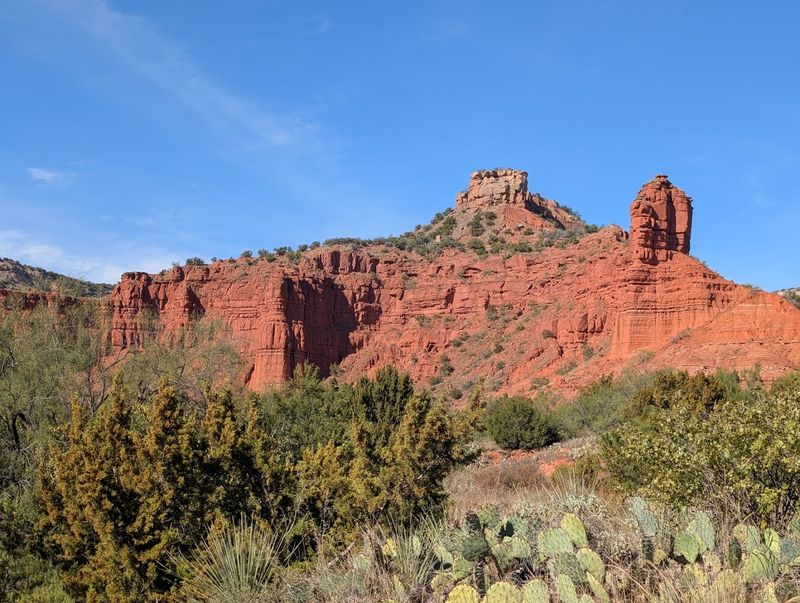
Most people think you need to leave Texas to see dramatic canyon landscapes, but Caprock Canyons proves them wrong every single time. Tucked away in the panhandle near Quitaque, this park showcases stunning red rock formations that glow like fire during sunset. The layers of ancient rock tell stories millions of years old, and the trails wind through landscapes that feel like another planet entirely.
What makes this place truly special is the official Texas State Bison Herd that roams freely through the canyons. Spotting these massive creatures in their natural habitat is an unforgettable experience that connects you to Texas history in a profound way. The herd descended from the few bison that survived near-extinction in the late 1800s, making every sighting meaningful.
The Trailway portion stretches for 64 miles along an old railroad bed, perfect for hiking, mountain biking, or horseback riding. You can explore at your own pace without feeling rushed or crowded by other visitors. The trail passes through tunnels and over bridges that add extra adventure to your journey.
Camping here means sleeping under some of the darkest skies in Texas, where stars practically explode across the night canvas. The lack of light pollution makes stargazing absolutely spectacular, and you might even catch the Milky Way stretching overhead. Fall and spring offer the most comfortable temperatures, though each season brings its own unique beauty.
The park sits about two hours southeast of Amarillo, making it accessible yet remote enough to feel like a true escape. Pack plenty of water since the panhandle climate can be surprisingly harsh, and weather changes quickly in canyon country. This hidden treasure deserves way more attention than it currently receives from Texas travelers.
2. Palmetto State Park
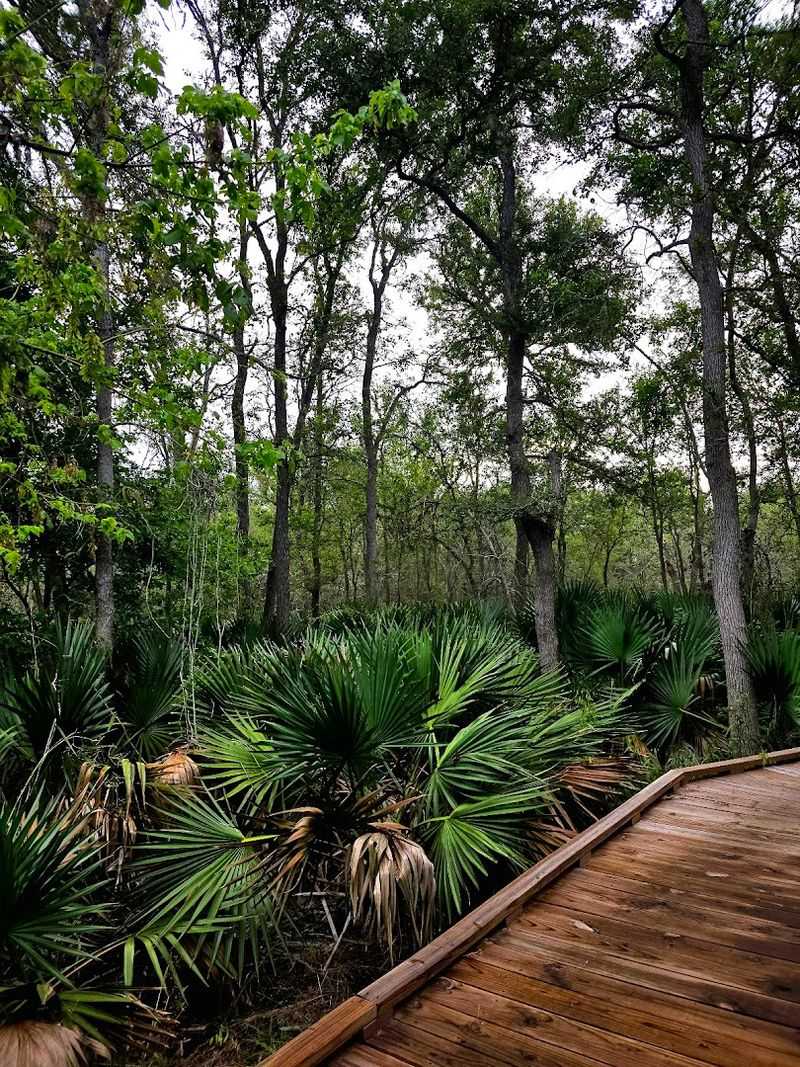
Walking into Palmetto State Park feels like accidentally stepping into Louisiana or even Florida instead of Central Texas. The San Marcos River created a unique microclimate here that supports dwarf palmetto plants, which are extremely rare this far west. Thick stands of these tropical-looking plants line the trails and create an otherworldly atmosphere you simply won’t find anywhere else in the region.
The park’s swampy landscape stays green and lush even during Texas summers when everything else turns brown and crispy. Spanish moss drapes from towering trees, and the humid air feels completely different from typical Texas weather. It’s like discovering a secret jungle that nobody told you existed just 30 miles south of Luling.
Hiking trails meander through this botanical oddity, with boardwalks crossing over wetland areas where you might spot turtles, frogs, and water birds. The Palmetto Trail takes you deep into the heart of the swamp where the vegetation grows thickest. Bird-watchers absolutely love this park because migrating species stop here to rest during their long journeys.
Camping spots nestle among the trees, offering shade and a genuinely unique outdoor experience. The park also features screened shelters that protect you from bugs while still letting you enjoy the natural surroundings. Fishing in the San Marcos River can be productive, especially for bass and catfish.
Summer brings intense heat and humidity, so spring and fall visits tend to be more comfortable for extended exploration. The park gets surprisingly few visitors considering how unusual and beautiful it is, which means you’ll often have trails practically to yourself. Photographers find endless inspiration in the moody, atmospheric landscapes that change with every shift in light and weather conditions.
3. McKinney Roughs Nature Park
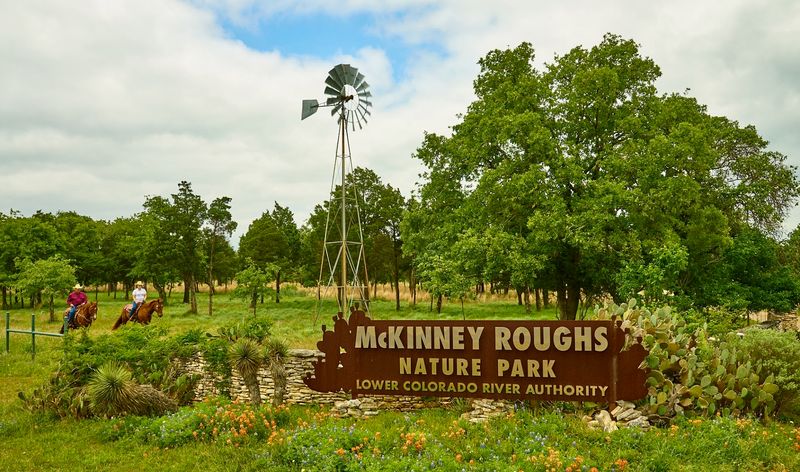
Just 13 miles from downtown Austin, McKinney Roughs offers 1,100 acres of protected wilderness that most locals have never even heard about. The Colorado River carved out dramatic bluffs here, creating elevation changes that are genuinely rare in this part of Texas. Four distinct ecosystems converge in this single park, which means the landscape constantly changes as you explore different trails.
The trail system includes over 18 miles of paths ranging from easy riverside walks to challenging climbs up steep bluffs. Reaching the overlooks rewards you with sweeping views of the river valley that stretch for miles in every direction. On clear days, you can see the Austin skyline in the distance, which creates an interesting contrast between wilderness and city.
Spring wildflowers transform the park into a colorful wonderland, with bluebonnets, Indian paintbrush, and dozens of other species carpeting the hillsides. The diversity of plant life attracts an equally diverse array of wildlife, including deer, armadillos, and numerous bird species. Early morning visits often yield the best wildlife sightings when animals are most active.
The Lower Colorado River Authority manages this park as an outdoor education center, which means facilities are well-maintained and thoughtfully designed. Camping options include both primitive sites and platform tent sites with more amenities. The park also offers guided nature programs and night hikes that help visitors understand the ecosystems better.
Mountain bikers appreciate the technical trails that wind through the rocky terrain, offering challenges without requiring long drives to Hill Country. The proximity to Austin makes this perfect for quick escapes when you need nature therapy but can’t take a whole weekend trip. Despite being so close to a major city, the park maintains a peaceful, remote feeling that helps you completely disconnect from urban stress.
4. Mission Tejas State Park
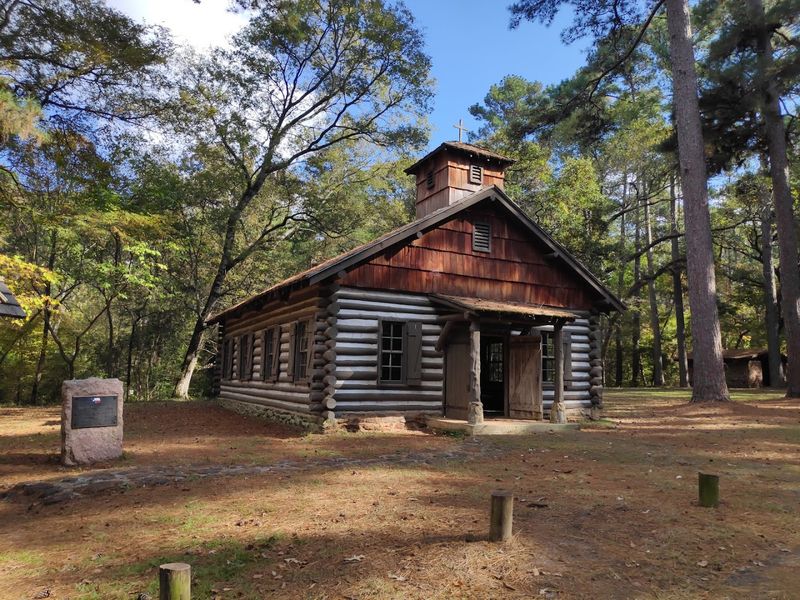
Deep in the Piney Woods of East Texas sits a park where Spanish colonial history meets towering forest landscapes. Mission Tejas commemorates the site of the first Spanish mission established in East Texas back in 1690, though the current structure is a 1930s replica. The park transports you to a completely different Texas than most people imagine, with dense pine forests replacing the expected prairie and desert scenery.
Massive loblolly pines create a canopy overhead that filters sunlight into beautiful golden beams throughout the day. The forest floor stays relatively clear, making hiking pleasant and allowing you to spot woodland creatures more easily. This environment feels more like Arkansas or Louisiana than typical Texas, which surprises first-time visitors every single time.
The Rice Family Log Home, built in 1828, stands as one of the oldest structures in East Texas still on its original site. Exploring these historical buildings adds educational depth to your outdoor adventure, especially for kids learning Texas history. The interpretive signs explain how Spanish missionaries and early settlers lived in this challenging frontier environment.
Hiking trails wind through the forest, offering peaceful walks under the pines where birdsong provides the soundtrack. The park stays relatively cool even during summer thanks to the shade from all those trees. Fall brings stunning color changes as hardwood trees scattered among the pines turn brilliant shades of red, orange, and gold.
Camping here means falling asleep to the sounds of the forest instead of typical Texas night noises. The park sits near the historic El Camino Real, the old Spanish road that connected missions across Texas and into Mexico. Located between Crockett and Alto, the park sees far fewer visitors than it deserves, making it perfect for people seeking solitude and a genuine connection with both nature and history in a uniquely East Texas setting.
5. Bastrop State Park
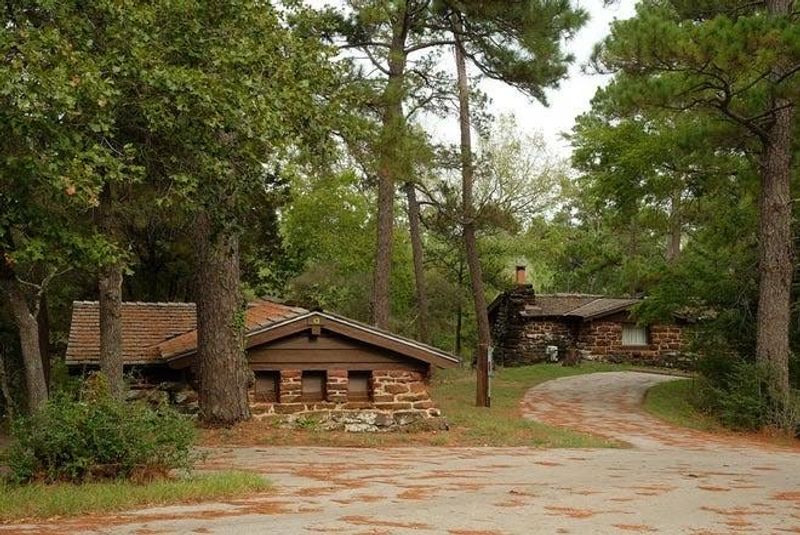
Bastrop State Park protects one of the most unique pine forests in the entire state, a biological island of loblolly pines separated from East Texas forests by over 100 miles. Scientists still debate exactly how these trees ended up here, making the forest itself a fascinating natural mystery. The park suffered devastating wildfires in 2011 that burned thousands of acres, but the recovery has been remarkable and the forest is coming back stronger than ever.
The Civilian Conservation Corps built incredible stone and timber structures here during the 1930s that still stand today as beautiful examples of park architecture. These historic cabins and the park refectory showcase craftsmanship that modern construction rarely matches. Staying in one of these cabins feels like stepping back in time to a simpler era of American recreation.
Over nine miles of trails weave through the recovering forest, where young pines grow alongside survivors from the fire. The contrast between burned snags and new growth tells a powerful story about nature’s resilience. Wildlife has returned in abundance, with deer, wild turkeys, and numerous bird species thriving in the regenerating habitat.
The park connects to Buescher State Park via a scenic nine-mile trail that’s perfect for hiking or mountain biking. This connection creates extended adventure opportunities for people who want longer outdoor experiences. The trail passes through varied landscapes that showcase different stages of forest recovery.
Swimming in the park pool offers relief during hot Texas summers when the pine-shaded trails still feel warm. The park sits just 30 miles east of Austin, making it incredibly accessible for quick getaways or weekend camping trips. Despite this convenient location, Bastrop remains surprisingly quiet compared to parks closer to the city, giving you space to enjoy nature without fighting crowds for campsites or trail access.
6. Seminole Canyon State Park and Historic Site
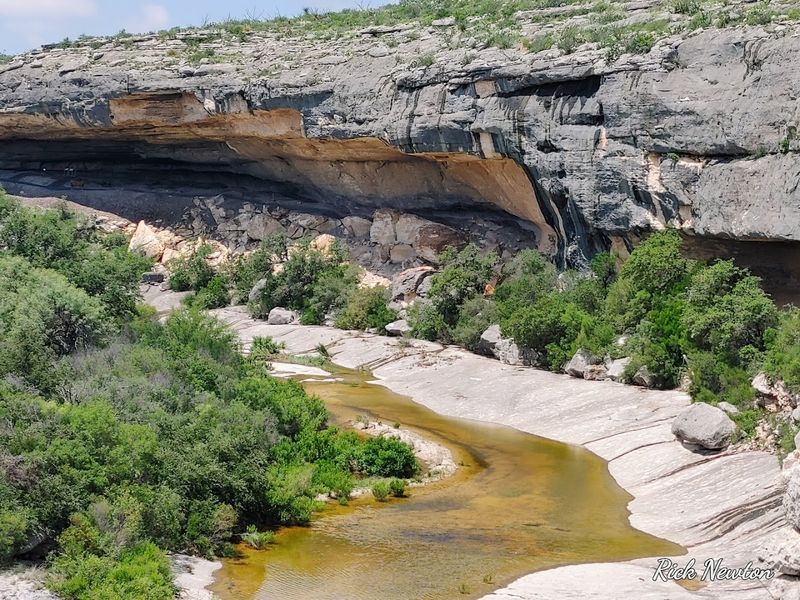
Ancient rock art covering canyon walls makes Seminole Canyon one of the most archaeologically significant sites in North America. The Fate Bell Shelter contains pictographs created by prehistoric people over 4,000 years ago, with images so well-preserved they still show incredible detail and color. Seeing these ancient artworks in person creates an emotional connection to people who lived here millennia before European contact.
The canyon landscape itself is breathtakingly rugged, with limestone cliffs dropping dramatically into the Rio Grande drainage. Desert plants like sotol, lechuguilla, and prickly pear cactus cling to rocky slopes that seem too harsh for anything to survive. Yet this stark environment supported human communities for thousands of years, and wildlife still thrives here today.
Guided tours led by knowledgeable park rangers take you down into the canyon to view the rock art up close. These tours are the only way to access the most significant pictograph sites, which protects these irreplaceable cultural treasures from damage. The hike down is moderately challenging, but absolutely worth the effort for anyone interested in archaeology or ancient history.
The park sits in the Chihuahuan Desert near the Amistad Reservoir, creating opportunities for fishing and water recreation in addition to hiking. The desert environment means hot summers and mild winters, with spring and fall offering the most comfortable exploration conditions. Wildflowers can be spectacular after winter rains, painting the desert in unexpected colors.
Camping under the vast desert sky reveals stars in incredible clarity thanks to minimal light pollution. The silence here runs deep, broken only by wind and occasional bird calls. Located near Del Rio in far West Texas, the park’s remote location keeps visitor numbers low, which means you can experience these ancient sites without feeling rushed or crowded by tour groups.
7. Garner State Park
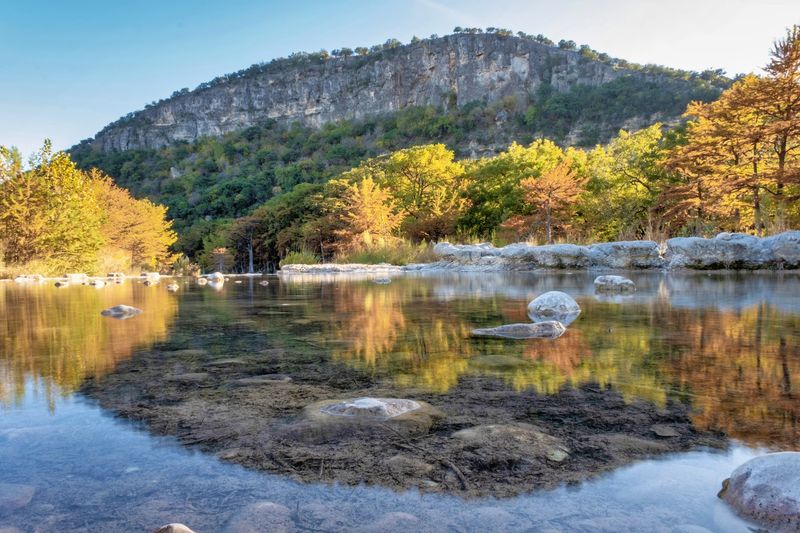
Crystal-clear water flowing over smooth limestone creates the magic of the Frio River at Garner State Park. This Hill Country treasure has actually gained popularity in recent years, but it still deserves mention because many Texans remain unaware of its spectacular beauty. The river stays refreshingly cool even during brutal summer heat, fed by springs that maintain consistent temperatures year-round.
Old Baldy, a prominent limestone hill, towers over the park and offers panoramic views for hikers willing to make the steep climb. The trail switchbacks up the rocky slope, gaining elevation quickly but rewarding you with vistas that stretch across miles of Hill Country. Sunset from the summit paints the landscape in colors that cameras never quite capture accurately.
The park became famous for its summer dances held in the pavilion, a tradition dating back decades that continues today. Live music and dancing under the stars create a unique social atmosphere you won’t find at most state parks. This combination of natural beauty and community gathering makes Garner genuinely special beyond just its physical features.
Tubing down the Frio ranks among Texas’s most beloved summer activities, with the gentle current carrying you past cypress trees and limestone outcroppings. The river stays shallow enough for families with children but deep enough in spots for swimming and diving. Water quality remains excellent because the springs provide constant fresh flow.
Camping reservations fill up months in advance during peak summer season, which shows how popular this park has become. However, spring and fall visits offer equally beautiful weather with far fewer crowds competing for river access. Located near Concan in the western Hill Country, Garner sits about 90 minutes from San Antonio, making it accessible for weekend escapes when you need to cool off and recharge in nature’s swimming pool.
8. Pedernales Falls State Park
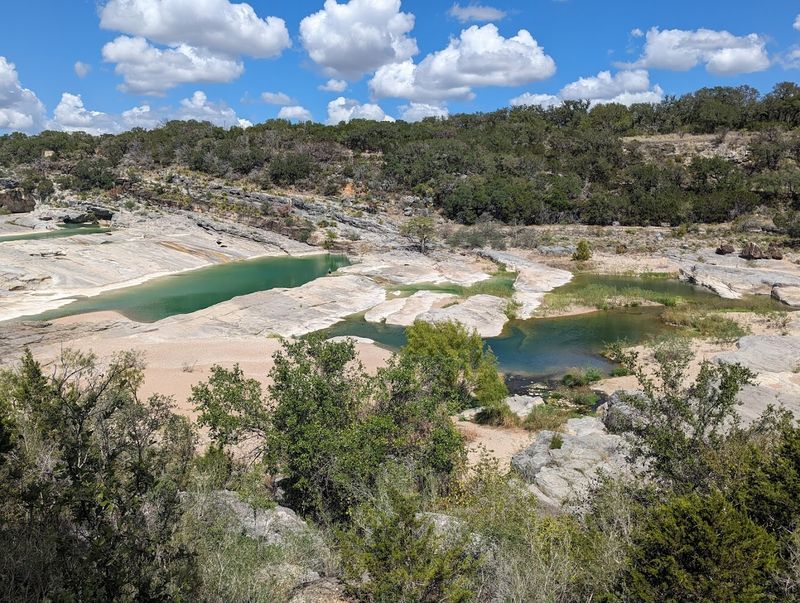
The Pedernales River created a stunning series of stepped waterfalls as it carved through layers of limestone over thousands of years. During normal flow, water cascades gently over these natural stair-steps, creating beautiful pools and small rapids. After heavy rains, the falls transform into a raging torrent that demonstrates the raw power of Texas Hill Country flash floods.
Hiking trails totaling nearly 20 miles wind through varied terrain ranging from riverside paths to upland oak forests. The Wolf Mountain Trail climbs to higher elevations where views open up across the surrounding hills. Spring wildflowers blanket the meadows with bluebonnets, Indian paintbrush, and countless other species creating natural gardens.
Swimming in the river offers relief during hot months, though you need to respect the water’s power and watch for sudden rises. The park posts warning systems because the river can rise dramatically within minutes during upstream storms. Many visitors prefer wading in the calmer pools rather than swimming in the main current.
Wildlife viewing opportunities abound, with white-tailed deer, armadillos, and numerous bird species calling the park home. The golden-cheeked warbler, an endangered species, nests in the park’s juniper-oak woodlands during breeding season. Early morning walks often yield the best chances for spotting animals before heat and human activity send them into hiding.
The park sits just an hour west of Austin near Johnson City, making it popular with locals seeking quick nature escapes. Despite this accessibility, the park’s size means you can find solitude on less-traveled trails even on busy weekends. Camping options include both primitive sites and areas with water and electricity for those wanting more comfort.
Fall brings some of the most pleasant weather, with cooler temperatures and changing foliage creating perfect conditions for extended hiking. The park’s dramatic geological features and diverse ecosystems pack remarkable variety into a relatively compact area that keeps bringing visitors back repeatedly.
9. Enchanted Rock State Natural Area
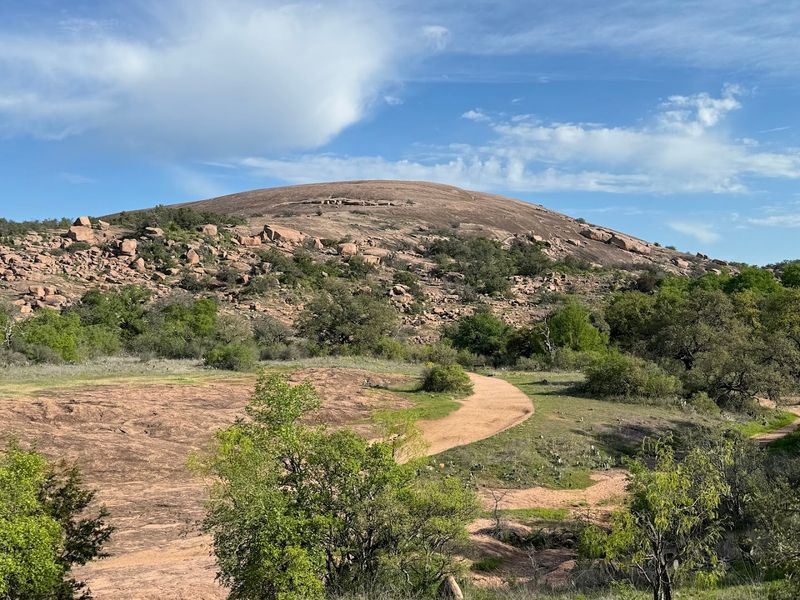
A massive pink granite dome rising 425 feet above the surrounding landscape creates one of Texas’s most iconic natural landmarks. Enchanted Rock has gained significant popularity in recent years, requiring reservations during peak times, but many Texans still haven’t experienced this geological wonder. The dome formed over a billion years ago, making it one of the oldest exposed rock formations in North America.
Climbing to the summit challenges your legs and lungs but rewards you with 360-degree views that stretch for miles across the Hill Country. The granite surface can be slippery, especially after rain, so proper footwear makes the ascent much safer and more enjoyable. Reaching the top creates a genuine sense of accomplishment that makes the effort worthwhile.
The rock got its name from Native American legends about supernatural phenomena occurring here, and the dome does make strange creaking sounds as it expands and contracts with temperature changes. These sounds, combined with the rock’s imposing presence, created an atmosphere of mystery for indigenous peoples. Modern visitors still feel the special energy of this place, whether you attribute it to geology or something more mystical.
Technical rock climbing routes on the dome’s steeper faces attract climbers from across the state and beyond. The park also offers less-challenging trails that loop around the base and explore surrounding areas. Vernal pools on top of the dome support unique plant and animal species adapted to these harsh, temporary water sources.
Night sky programs take advantage of the park’s relatively dark skies for stargazing and astronomy education. Camping in the primitive backcountry sites lets you experience the rock’s presence during different times of day. Located near Fredericksburg in the central Hill Country, the park requires advance reservations during busy periods, so plan ahead to avoid disappointment when you arrive at the gate.
10. Palo Duro Canyon State Park
Often called the “Grand Canyon of Texas,” Palo Duro Canyon stretches 120 miles long and plunges 800 feet deep into the Caprock Escarpment. The Prairie Dog Town Fork of the Red River carved this spectacular gorge over millions of years, exposing rock layers that tell geological stories spanning 250 million years. The canyon’s size and dramatic beauty genuinely rival better-known Western canyons, yet it remains surprisingly underappreciated outside of Texas.
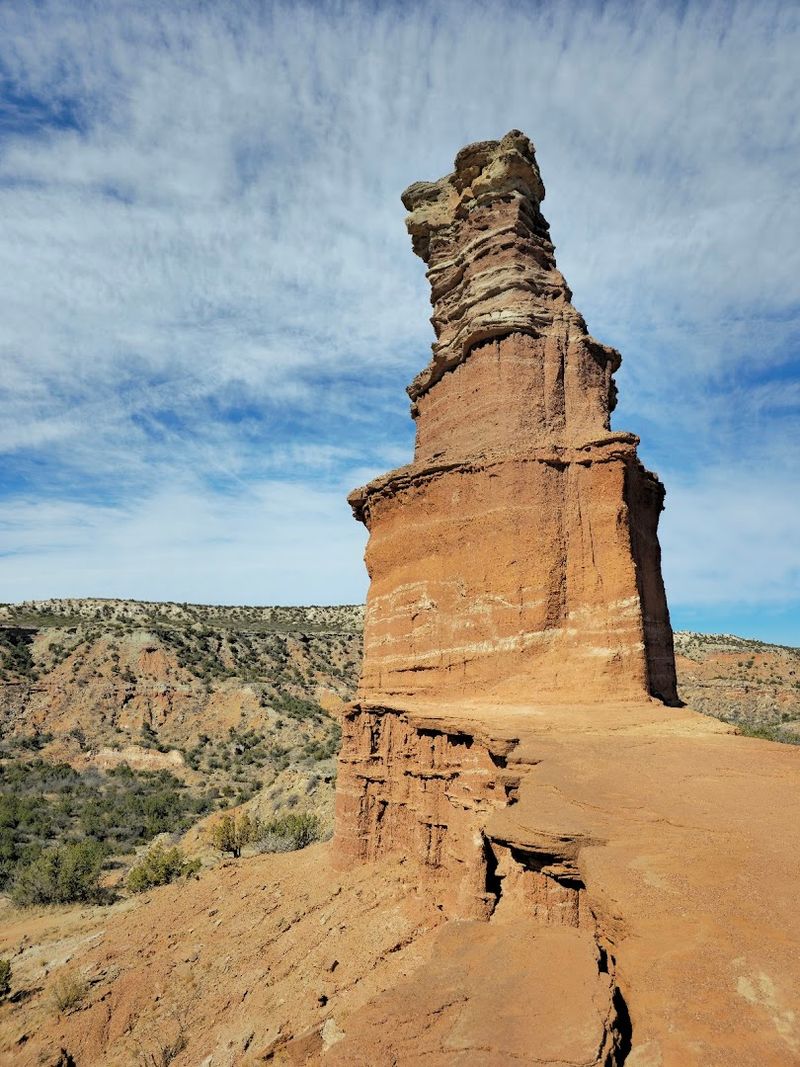
The multicolored rock layers create a painter’s palette of reds, oranges, yellows, and purples that shift with changing light throughout the day. Sunrise and sunset transform the canyon into a glowing masterpiece that photographers dream about capturing. The Lighthouse, a distinctive rock formation, serves as the park’s most famous landmark and makes for an excellent hiking destination.
Over 30 miles of trails offer everything from easy canyon floor walks to challenging rim hikes with serious elevation gain. Mountain bikers love the trails that wind through the canyon, though summer heat can make midday riding brutal. Horseback riding is also popular, with opportunities to explore the canyon the way early settlers and Native Americans did.
The canyon has hosted human inhabitants for over 12,000 years, with Apache, Comanche, and Kiowa peoples living here before European settlement. The outdoor musical drama “TEXAS” performs in the canyon’s amphitheater during summer months, combining entertainment with spectacular natural scenery. This show has become a panhandle tradition that adds cultural depth to the natural experience.
Camping in the canyon puts you right in the heart of the landscape, with sites ranging from primitive to full hookups. Wildlife including mule deer, roadrunners, and wild turkeys frequently visit campsites. Located just south of Amarillo, the park sees decent visitation from locals but remains largely unknown to Texans from other regions who could easily make the drive for an unforgettable weekend adventure.
11. Dinosaur Valley State Park
Real dinosaur footprints preserved in limestone riverbeds make this park an absolute wonderland for kids and adults fascinated by prehistoric life. The Paluxy River exposed these 113-million-year-old tracks when water levels drop, showing exactly where massive sauropods and theropods walked during the Cretaceous Period. Seeing actual dinosaur footprints in their original location creates a connection to deep time that museum displays simply cannot match.
The park contains some of the best-preserved dinosaur tracks in the world, with prints from multiple species visible during dry conditions. Acrocanthosaurus, a fearsome carnivore, left three-toed tracks showing where it stalked along ancient shorelines. Sauropod tracks show the massive round footprints of long-necked plant-eaters that weighed many tons.
Beyond the dinosaur tracks, the park offers excellent outdoor recreation along the Paluxy River. Swimming holes provide relief during Texas summers, with clear water flowing over limestone bedrock. The river stays shallow enough for families with young children but offers deeper spots for swimming and diving.
Hiking trails wind through the park’s 1,500 acres, passing through varied terrain that includes river bottoms and upland areas. The trails connect to the dinosaur track sites, though water levels determine visibility of the prints. Spring and fall typically offer the best track viewing when the river runs lower.
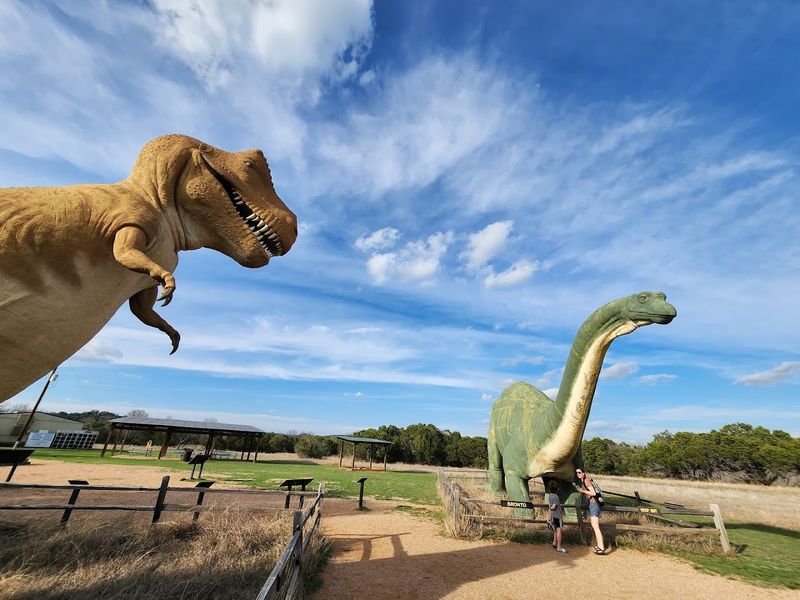
Life-size dinosaur models near the park entrance delight children and make great photo opportunities. These fiberglass replicas were originally created for the 1964 World’s Fair before finding a permanent home here. The park’s combination of genuine fossils and educational displays makes it perfect for families wanting to mix learning with outdoor adventure.
Located near Glen Rose, about 90 minutes southwest of Fort Worth, the park attracts families but remains less crowded than many Dallas-Fort Worth area parks. Camping facilities include sites with water and electricity plus primitive areas for more adventurous visitors seeking quieter experiences.
12. Guadalupe River State Park
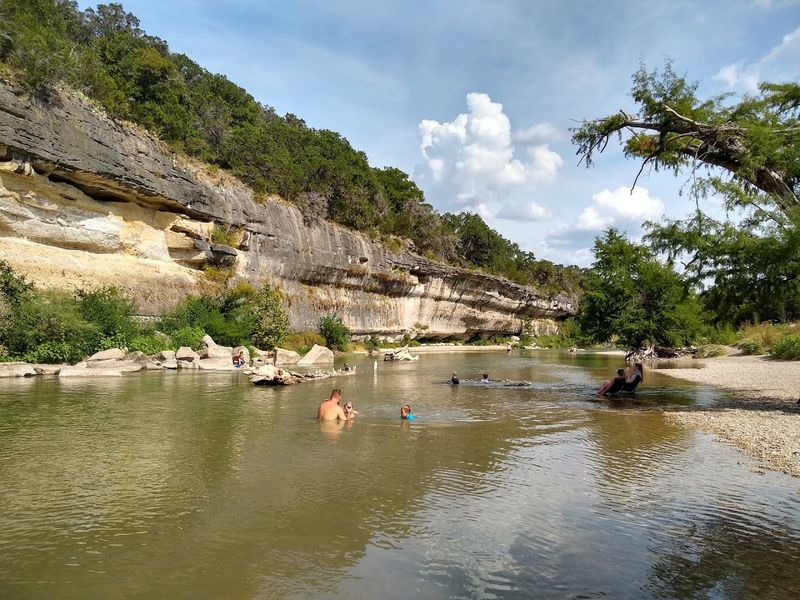
The Guadalupe River flows clear and cool through this Hill Country park, creating one of the most beautiful river settings in Texas. Massive bald cypress trees line the banks, their roots creating natural sculptures in the limestone riverbed. The river maintains excellent water quality thanks to spring-fed flow that keeps temperatures refreshing even during the hottest summer days.
Four miles of river frontage give you plenty of space to find your own perfect swimming hole or fishing spot. The river supports healthy populations of bass, catfish, and the native Guadalupe bass found nowhere else on Earth. Fly fishing enthusiasts particularly appreciate the clear water and challenging conditions that test their skills.
The park protects diverse habitats ranging from river bottom to upland oak forests and steep limestone bluffs. Nearly 13 miles of trails let you explore these different ecosystems, with paths suitable for all skill levels. The Bluff Spur Trail climbs to overlooks where you can see the river winding through the canyon below.
Honey Creek State Natural Area adjoins the park, offering guided tours on weekends that showcase a pristine Hill Country watershed. These tours require reservations but provide access to areas normally closed to the public. The natural area protects endangered golden-cheeked warblers and other sensitive species in their native habitat.
Tubing is popular here though less crowded than the Comal or San Marcos Rivers, making for a more peaceful float. The park’s location between San Antonio and Austin makes it accessible but it somehow avoids the intense crowds of nearby river destinations. Spring wildflowers transform the park into a colorful wonderland, with bluebonnets and other species carpeting open areas.
Camping options include riverside sites where you fall asleep to the sound of flowing water. The park also offers screened shelters that protect from bugs while keeping you close to nature. Fall brings comfortable temperatures perfect for hiking and enjoying the river without summer’s intense heat and peak-season crowds.