Every February, some of the best bird dogs in America compete for a title on one patch of West Tennessee farmland. The prize has been chased there for more than a century, and the stars of the show are wild bobwhite quail.
Those little birds have had a rough few decades across the South. Their numbers dropped hard as old fields, brushy edges, and weedy fence rows slowly disappeared.
I like how one historic estate treats quail as a research project instead of a memory. Scientists, land managers, and a foundation work together on more than 18,000 acres to bring that whistle back.
I believe this story matters to anyone who loves Tennessee’s countryside, from backyard birders to hunters. So how does a famous dog contest turn into a quail comeback plan?
A Boston Shovel Fortune Ended Up Protecting Tennessee Bird Country
Shovels paid for a lot of this story. Hobart Ames came from the Massachusetts family behind the Ames Shovel Company, and he bought this West Tennessee land in the early 1900s.
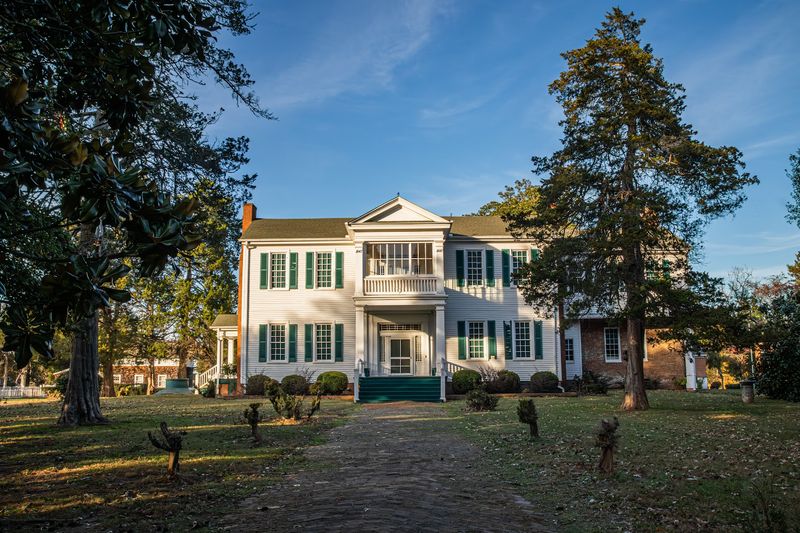
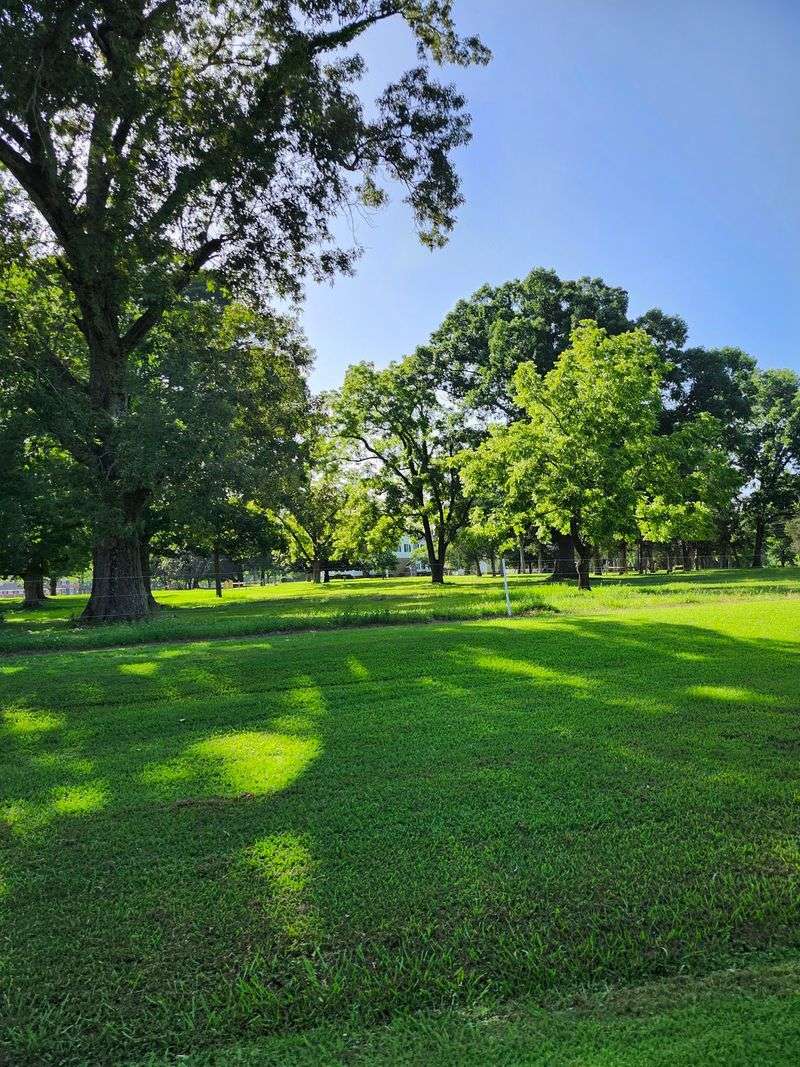
Today the property is known as Ames Plantation, and it covers roughly 18,400 acres near Grand Junction. That’s bigger than plenty of small towns, with woods, fields, creeks, and farm ground all mixed together.
After Hobart’s passing, his wife Julia Colony Ames set up a plan for the land’s future. Her will created the Hobart Ames Foundation in 1950, with the University of Tennessee named as the beneficiary.
That choice shaped everything you’ll read about below. Instead of being split into lots, the estate stayed whole and became a place for research, education, and careful land care.
I can’t imagine a better outcome for a giant chunk of rural Tennessee. Big, connected landscapes are exactly what wildlife like bobwhite quail need to bounce back.
The Ames Plantation Office is the working hub for all of this. Think of it as mission control for a farm, a forest, and a long-running conservation experiment, all rolled into one.
Bird Dogs Have Been Chasing a Championship Here Since 1915
Few sporting events can claim more than 100 years at the same address. The National Championship for pointing bird dogs has been held at Ames Plantation since 1915.
Hobart Ames was a big fan of field trials, and he served as president of the national field trial association. Hosting the contest on his own land made the estate famous among dog lovers everywhere.
The event happens each February, when the fields are open and the weather is cool. Dogs run long heats while judges and a gallery follow along on horseback.
Those heats test stamina, not just speed. A champion has to find wild birds, hold a steady point, and keep going across big country for hours.
Notice the word wild in that sentence. A contest like this only works if the land holds plenty of real quail, which gives everyone a strong reason to care about habitat.
That’s the clever twist in this story. A famous dog competition ended up giving a fragile bird species a loyal fan club, and Tennessee wildlife came out ahead. Good luck finding a better partnership between sport and science.
The Little Bird With the Big Whistle Needs Messy Ground
Bob-white! That two-note whistle gives the northern bobwhite its name, and older Tennesseans often remember hearing it near farm fields. It’s a cheerful sound, short and bright.
Over the past several decades, bobwhite numbers have dropped sharply across much of their range. Tennessee has felt that loss too, especially as farms and forests changed.
So what happened? Quail need a mix of grasses, weeds, bare ground, and brushy cover, and modern landscapes often lack that patchwork.
Tidy lawns and thick, closed-in woods look nice to people. To a quail, they offer little food, few hiding spots, and poor places to raise chicks.
Chicks also depend on insects in their first weeks of life. Open, weedy areas with plenty of bugs act like a buffet for tiny birds that can’t fly far yet.
That’s why the work at Ames Plantation focuses on ground-level details. Raising quail in pens isn’t the main answer when the land itself can’t support wild birds.
I like that the approach starts with soil and plants instead of shortcuts. Fix the home, and the birds have a real shot at sticking around for good.
Fire, Weeds, and Field Edges Are the Secret Recipe
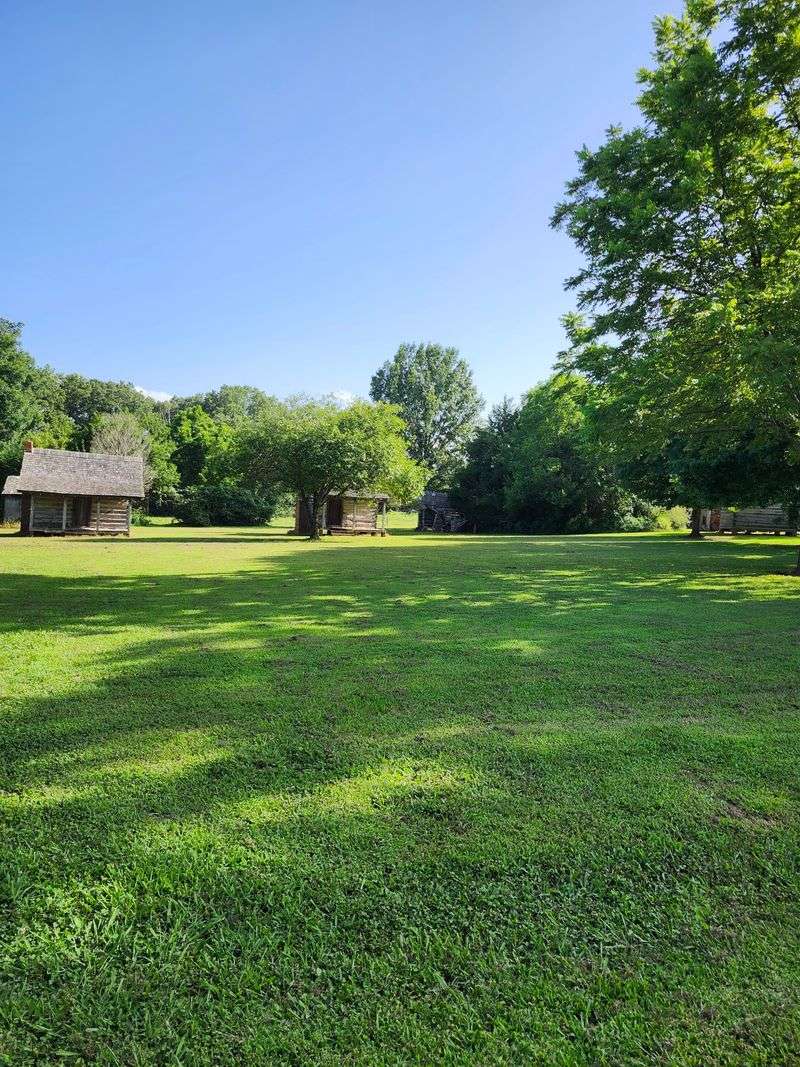
Setting the woods on fire on purpose sounds wild. On Ames Plantation, carefully planned burns are one of the tools used to keep habitat healthy for quail and other wildlife.
Prescribed fire clears out thick leaf litter and woody growth. Fresh green plants and seeds pop up afterward, giving birds food and open space to move.
Land managers also pay close attention to field edges. Brushy borders give quail a quick place to duck when a hawk circles overhead.
Native grasses matter too, since many grow in clumps with open ground between them. That layout lets quail walk easily underneath while staying hidden from above.
Forestry plays a role across the property as well. Thinning crowded stands of trees lets sunlight reach the ground, and sunlight means more plants for birds to use.
None of this happens in one season. Habitat work is a long game, and the size of the estate lets managers test ideas on a large scale.
Here’s a practical takeaway for Tennessee landowners. Leaving a weedy strip along a field edge might look messy, but quail will see it as prime real estate.
Scientists Treat the Whole Estate Like a Giant Outdoor Classroom
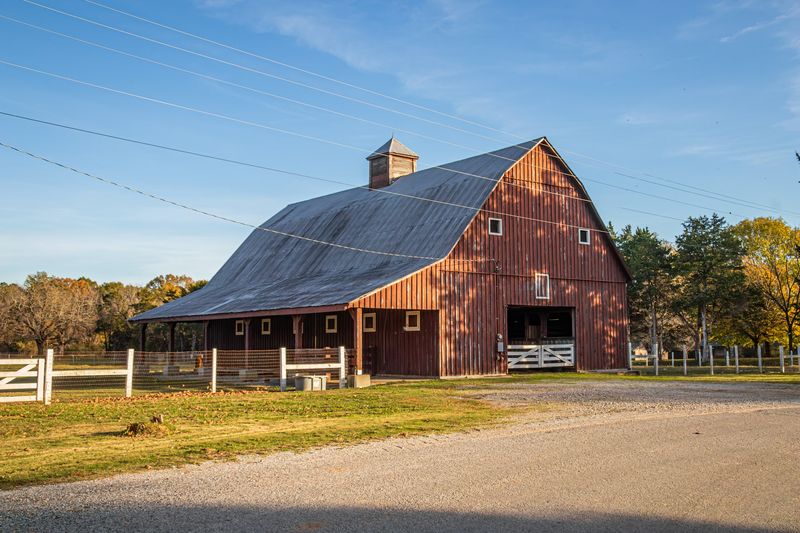
Research is the heartbeat of this place. The Hobart Ames Foundation partners with University of Tennessee AgResearch to study the land and its history.
That partnership covers far more than birds. Projects have looked at farming, forestry, cattle, wildlife, and archaeology, all on the same connected property.
Quail studies fit neatly into that mix. Researchers can track how habitat choices affect bird numbers, then share what works with farmers and landowners across Tennessee.
Education is a big part of the mission too. The estate supports learning for students and the public, turning real field data into lessons people can actually use.
I believe that’s the smartest piece of the whole puzzle. One property can only hold so many quail, but good advice can spread across thousands of farms.
The setup also gives research time to breathe. Wildlife trends often take years to show up, and a stable estate lets scientists follow changes long enough to trust the results.
So when you hear about bobwhites recovering in parts of the state, places like this deserve some credit. Quiet data collection doesn’t make headlines, yet it moves the needle.
An 1847 Manor House Still Anchors the Story
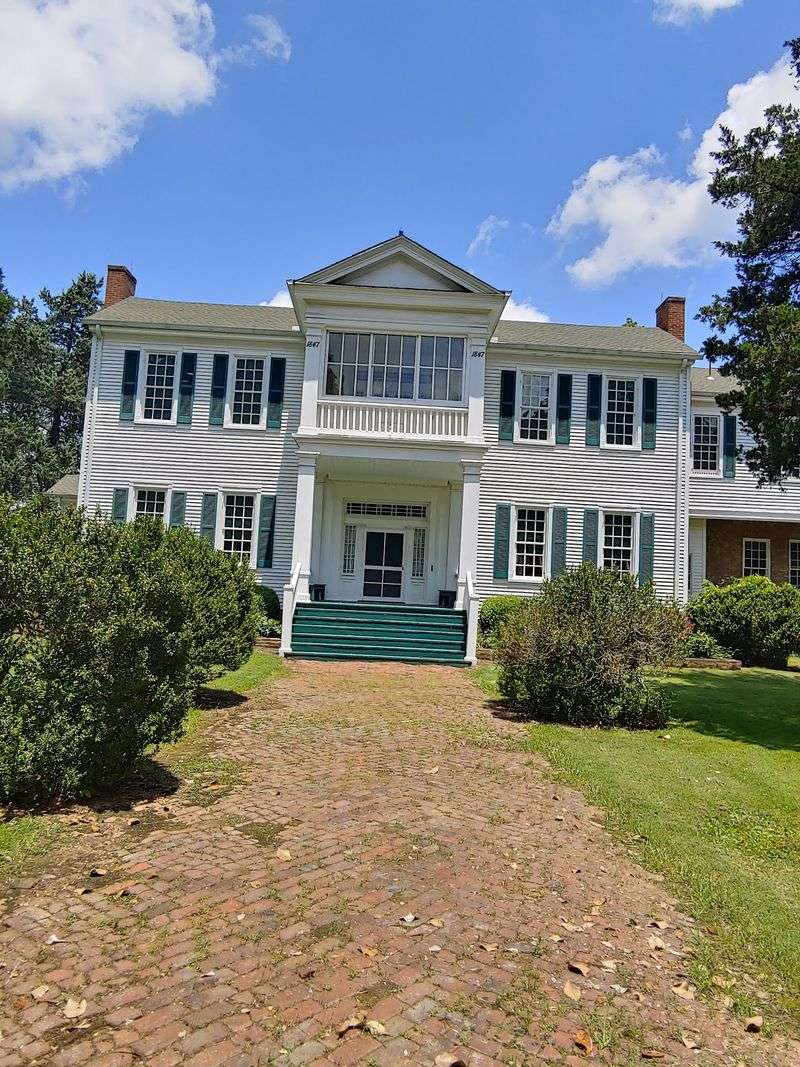
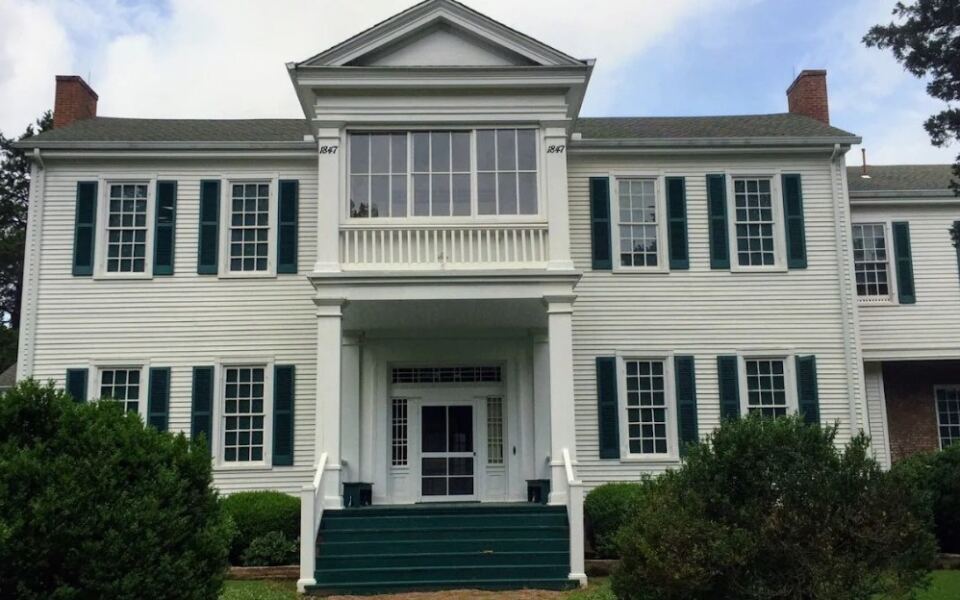
Built in 1847, the Ames Manor House is the oldest showpiece on the property. John W. Jones constructed it long before the Ames family ever arrived.
The home has watched almost two centuries of change in West Tennessee. Cotton farming, field trials, and modern research have all unfolded within sight of its front door.
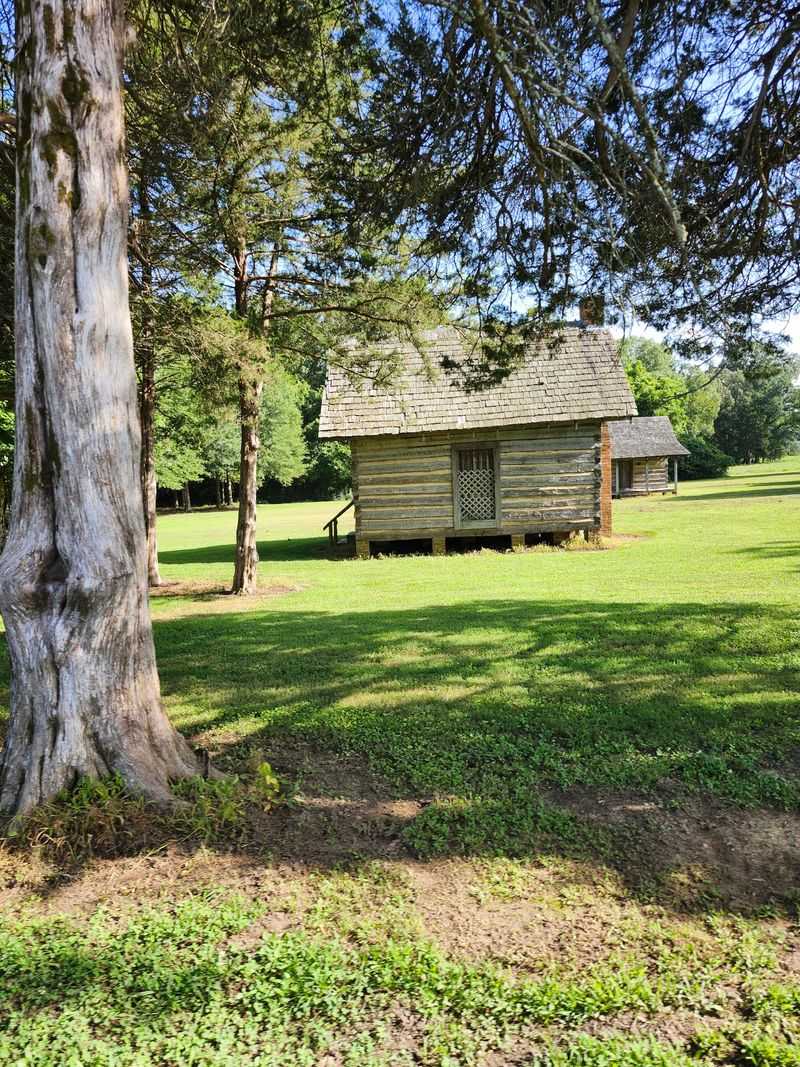
History here includes hard chapters too. Archaeologists working on the estate have studied sites connected to enslaved people who lived and worked on the land.
I like that the research doesn’t skip the uncomfortable parts. A full picture of the past helps visitors understand who truly built and shaped these acres.
The manor has long been tied to the National Championship as a gathering spot. Dog handlers and fans have connected there, giving the house a lively role in sporting history.
According to Ames Plantation’s official website, manor house tours are offered for a nominal fee on the fourth Thursday of each month from March through October. Schedules can change, so contact the plantation office before planning a trip around it.
Old houses and quail might seem unrelated. Both show how careful stewardship can carry something fragile safely into the future. That’s a pretty good legacy for one property.
Thousands of Acres Have Become Wolf River State Forest
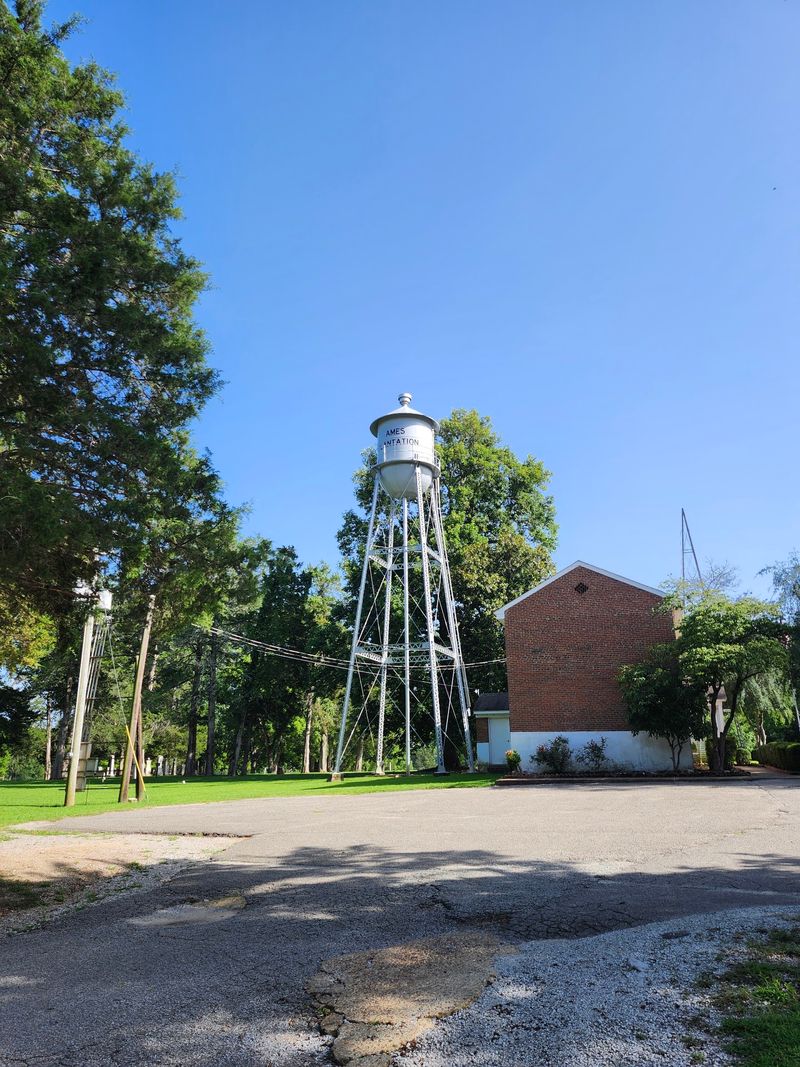
Big news landed in 2024. In December 2024, Tennessee announced the establishment of Wolf River State Forest on approximately 5,477 acres formerly belonging to Ames Plantation.
That’s a huge chunk of land set aside for the long haul. Protection on that scale keeps woods and open areas connected, which matters a lot for wildlife.
The Hobart Ames Foundation and the University of Tennessee remain key players in caring for the larger estate. A state forest adds another layer of public commitment to the land’s future.
Why should quail fans care? Forests managed with thinning and fire can include the open, sunny patches that bobwhites rely on.
Healthy forests also support deer, turkeys, songbirds, and pollinators. Good habitat rarely helps just one species, and that ripple effect is the best part.
I can’t imagine a better neighbor for a long-running research program. Scientists get even more room to study how forestry and wildlife work together.
Wolf River State Forest now allows visitors to enjoy activities including hiking, hunting, and wildlife viewing, with access restricted to foot traffic and designated parking areas.
Plan Ahead Before You Point Your GPS This Way
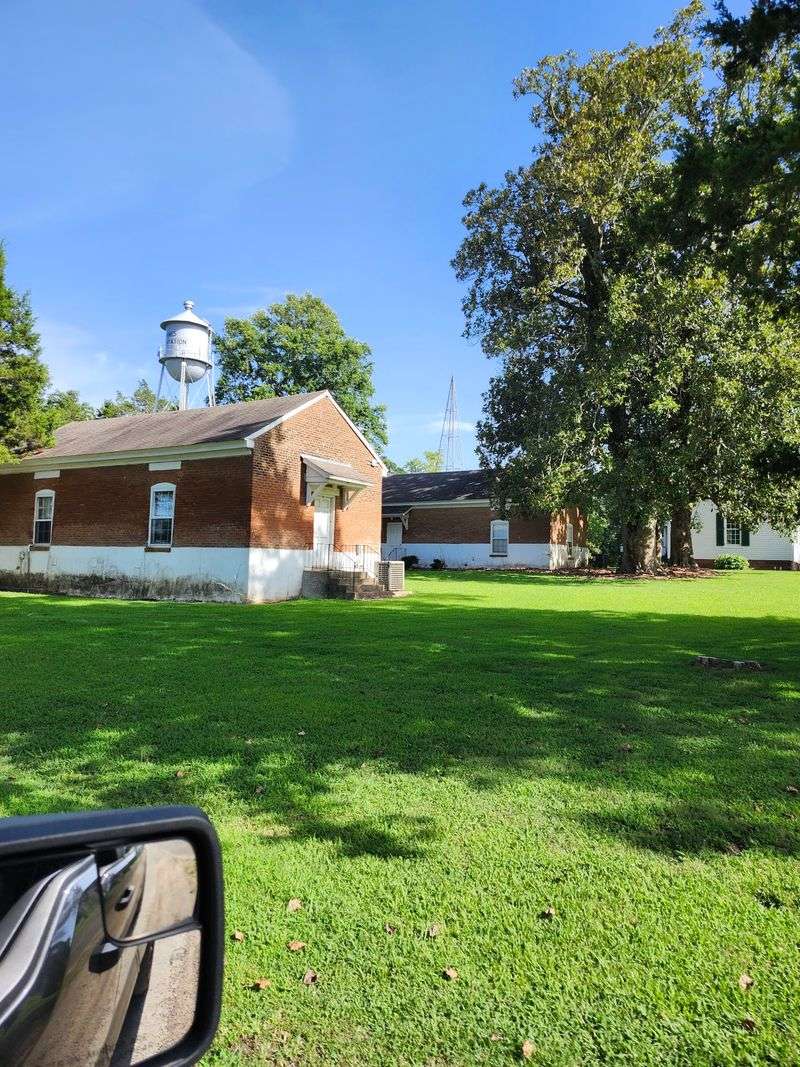
Visitors should know one key detail right away. The Ames Plantation Office isn’t a drop-in attraction, and the property is generally open only for business, research, or scheduled events.
Your best bet is calling or checking official channels before you go. Event dates, tours, and access rules can shift from year to year.
The National Championship in February is the most famous reason people make the trip. Spectators have traditionally followed the action, though checking current rules first is smart.
The estate also hosted a popular Heritage Festival for many years, with crafts and old-time skills on display.
Respect matters out here. Active research plots, working farm ground, and wildlife habitat all need visitors to stay where they’re allowed.
I like that the limits exist for a good reason. Every quiet field is doing a job, even when nobody’s watching. Bring patience and good boots if you’re invited out.
Dog Lovers Can Keep the Fun Going Right in Town
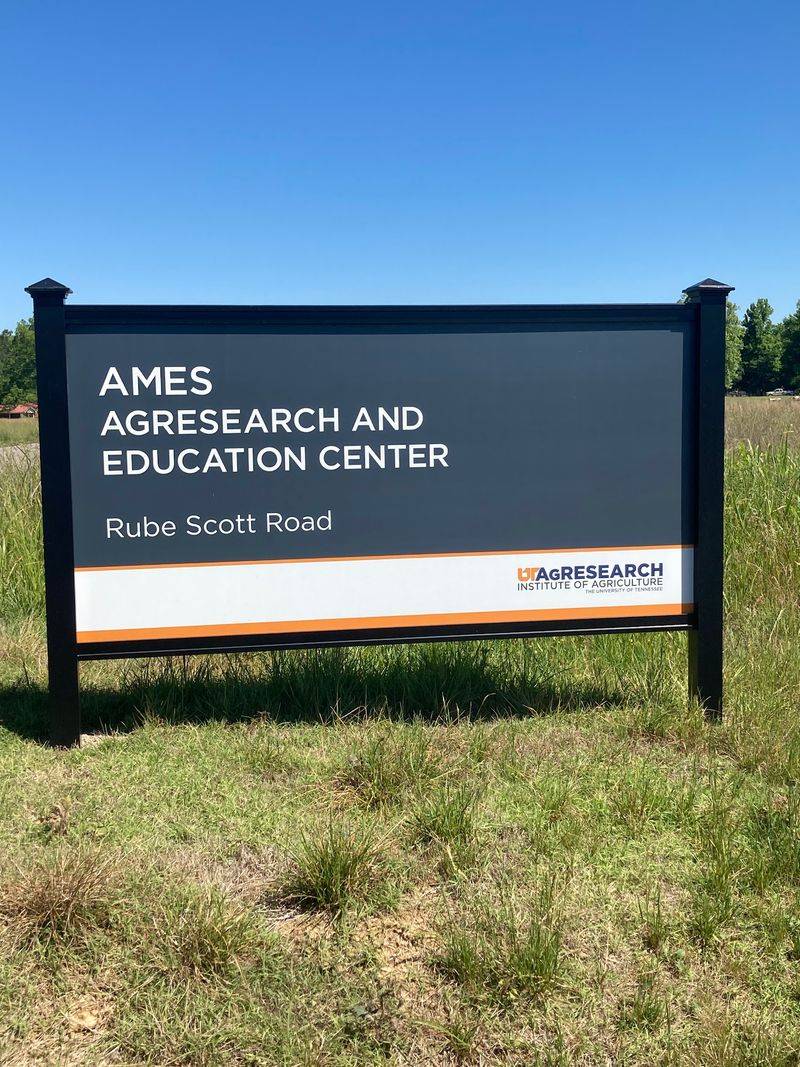
Grand Junction proudly calls itself the Bird Dog Capital of the World. The title makes sense when a famous championship runs just down the road.
The National Bird Dog Museum sits in town and celebrates pointing breeds, retrievers, and the people who trained them. It also houses the Field Trial Hall of Fame.
Paintings, photos, trophies, and stories fill the exhibits. Even folks who’ve never owned a hunting dog can appreciate the loyalty and skill on display.
That museum pairs nicely with the quail story. Bird dogs, wild birds, and healthy land are basically one big team in this corner of Tennessee.
The small-town setting adds to the charm. Grand Junction is quiet, rural, and easy to explore without traffic headaches. Bring a camera for the countryside views.
Check the museum’s hours before visiting, since small attractions often keep limited schedules. A quick call can save you a long drive with a disappointed dog fan in the back seat.
I believe this whole area proves conservation doesn’t have to feel stuffy. Sometimes it starts with a dog, a whistle, and a field full of second chances.
Share this story