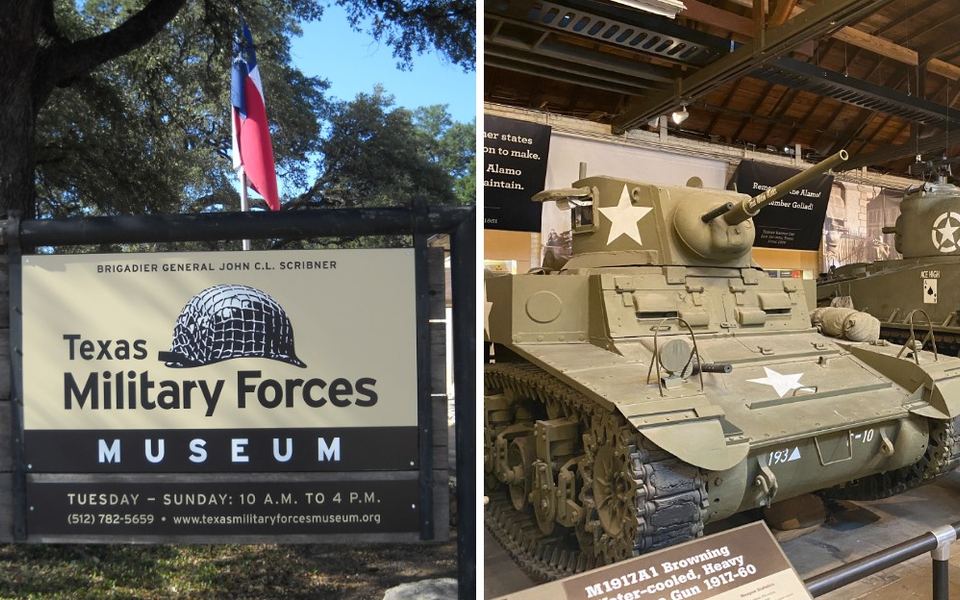
Hidden inside an active military installation in Austin, one of Texas’s most impressive military museums offers an incredible experience without charging a single dollar for admission. The Texas Military Forces Museum is packed with historic tanks, aircraft, artillery, and fascinating exhibits that bring generations of military history to life.
Housed in a massive 45,000-square-foot building, the museum features approximately 26,000 square feet of indoor exhibits. Outside, visitors can explore even more impressive displays, including armored vehicles, helicopters, and other military equipment. From towering machines to carefully preserved artifacts, there’s something remarkable around nearly every corner.
What makes this attraction even more unusual is its location inside Camp Mabry, an active military installation. Visitors must go through a security check and present acceptable identification before entering, adding an unexpected twist to the experience. Once inside, they’ll discover an extraordinary collection that tells the stories of Texas soldiers and their contributions throughout history.
Whether you’re fascinated by military vehicles, interested in Texas history, or searching for an affordable family outing, this museum is worth considering. With free admission, enormous exhibits, and centuries of history to explore, it’s hard to believe such an impressive attraction remains relatively overlooked.
1. A Free Ticket To Centuries Of Lone Star Service
Free admission sounds like a typo when you see the scale of the Texas Military Forces Museum. The museum sits at Camp Mabry in Austin, and it doesn’t charge a cent to enter.
That price tag makes it one of the easiest yes answers for a family outing. Families can enjoy the museum without paying admission, although adult visitors must meet Camp Mabry’s identification and security requirements.
The museum focuses on the story of Texas soldiers and the Texas National Guard. Exhibits trace that service from the early days of Texas all the way to modern times. Broader American military history fits into the picture too.
You’ll find uniforms, weapons, equipment, and personal stories tied to the people who served. The displays aim to honor them with care and respect.
Hours run from 10 a.m. to 4 p.m., seven days a week. That schedule leaves plenty of room for a weekday stop or a lazy weekend plan.
Plan for at least an hour, though history fans can easily stay much longer. A free museum that rewards a slow pace? That’s a rare combination worth putting on your calendar soon.
2. Your ID Is The Real Admission Ticket Here
Getting in comes with one small twist. The museum sits on an active military post, so every adult visitor checks in at the gate first.
Bring a REAL ID-compliant identification card or U.S. passport, along with your vehicle information and proof of insurance if driving. After registration, you’ll receive a pass that lets you drive onto the post. The process includes safety steps, so give yourself a few extra minutes.
Here’s a helpful tip. The full address is 3038 W 35th St, Austin, TX 78703, but you should use the main entrance near Maintenance Drive and W 35th Street.
Some map apps point drivers toward a north entrance. Visitors can’t be admitted there, which means a frustrating detour if you trust your phone too much.
Driving yourself makes the visit simplest. Rideshare drivers can come onto the post too, but they’ll need to show ID at the gate as well. Let your driver know ahead of time so nobody gets surprised.
Once you’re through, the check-in becomes part of the fun. Not many museum trips start with a pass from a soldier at the gate, after all.
3. Tanks Everywhere You Turn, Seriously
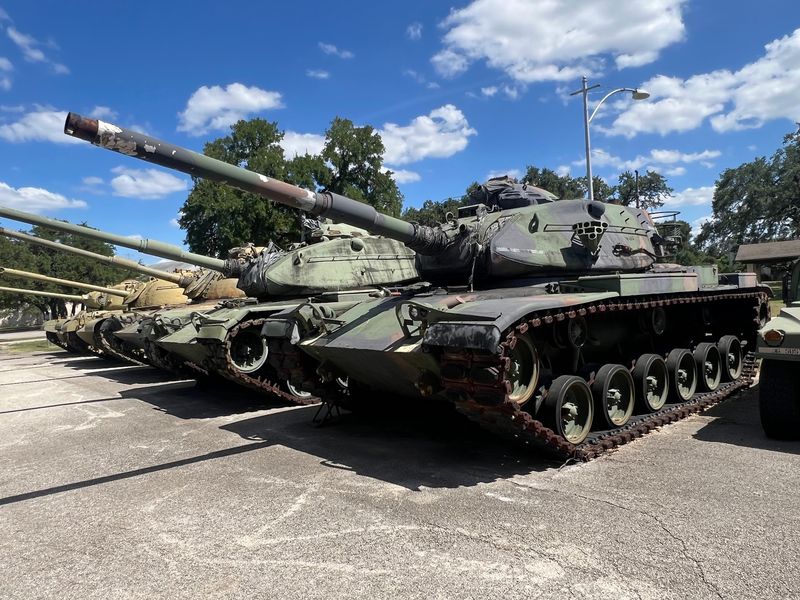
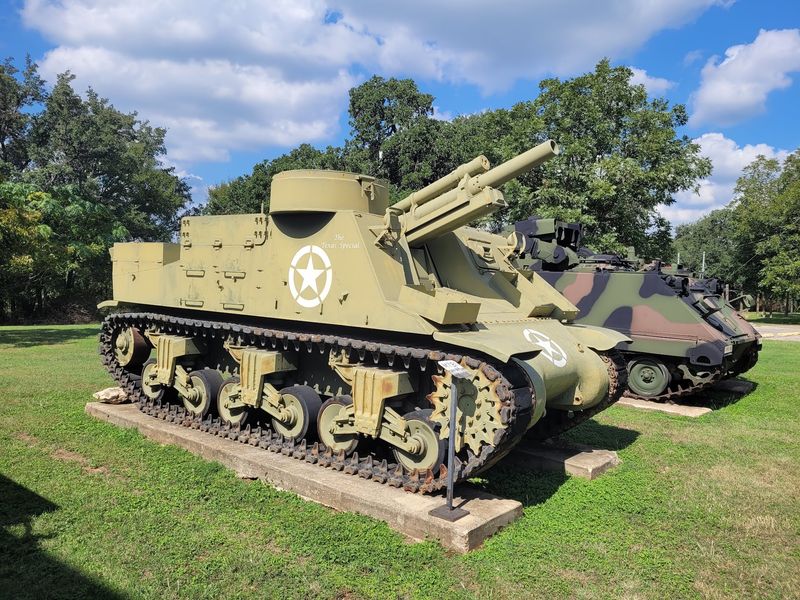
Tank lovers, brace yourselves. The collection of military vehicles here ranks among the museum’s biggest draws, and it’s easy to see why.
Armored vehicles sit both inside the building and outdoors on the grounds. You can get close to famous names like the Patton and the Abrams. Seeing them up close shows just how massive these machines really are.
Photos never quite capture the size. A tank looks manageable on a screen, but standing beside one changes your whole sense of scale.
Beyond tanks, the lineup includes artillery pieces, trucks, and other heavy equipment. Each one carries a piece of the story of Texas troops and the gear they relied on.
Kids tend to light up the second they spot the treads and big guns. Adults usually do the same, just a little more quietly.
Bring a phone with plenty of storage space. Between the angles, the details, and the group shots, you’ll probably snap more pictures than you planned. Don’t rush past the plaques either, since they explain what each vehicle did and when it served.
4. Helicopters And Aircraft Wait Outside Too
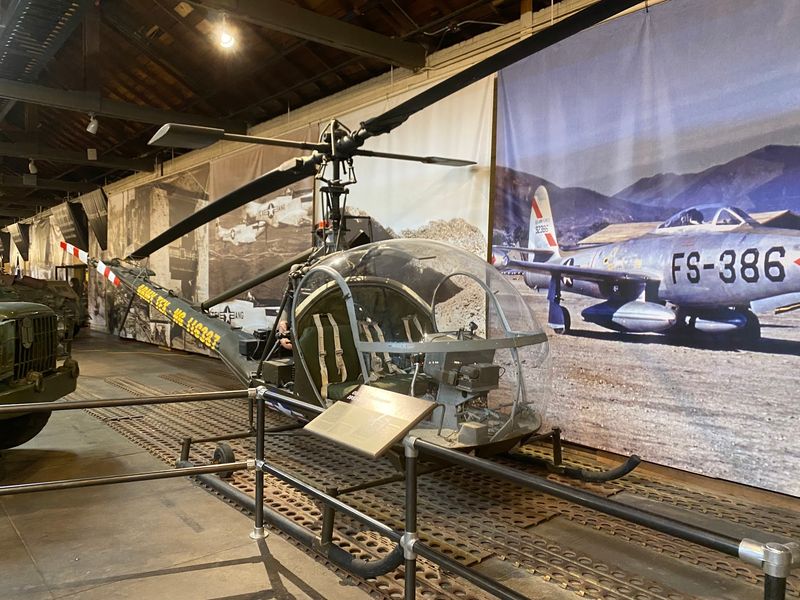
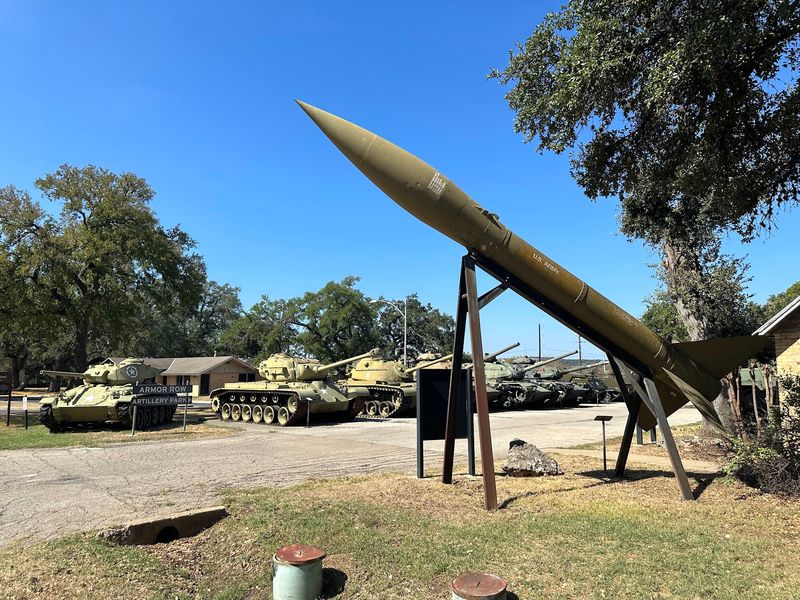
Not everything here rolls on treads. Military aircraft and helicopters share the outdoor spaces, giving the collection a whole new dimension.
Helicopters sit on the grounds east of the museum building. They’re a great reason to step back outside after finishing the indoor exhibits.
Aviation fans will appreciate the variety. Rotors, cockpits, and fuselages look completely different from ground vehicles, and the contrast keeps the visit interesting.
I like how the outdoor area makes the museum feel almost twice as big. Just when you think you’ve seen it all, another row of equipment appears across the lawn.
Texas summers get famously hot, so plan your outdoor time wisely. Earlier hours usually feel more comfortable than the middle of the afternoon.
Pack water, sunscreen, and a hat if you visit during warmer months. Comfortable shoes help too, because the grounds of Camp Mabry cover a lot of space.
Little ones may need a shade break between stops. Give them one, then point them toward the next helicopter. That usually restores everyone’s energy pretty fast.
5. Inside, The Story Stretches Way Back
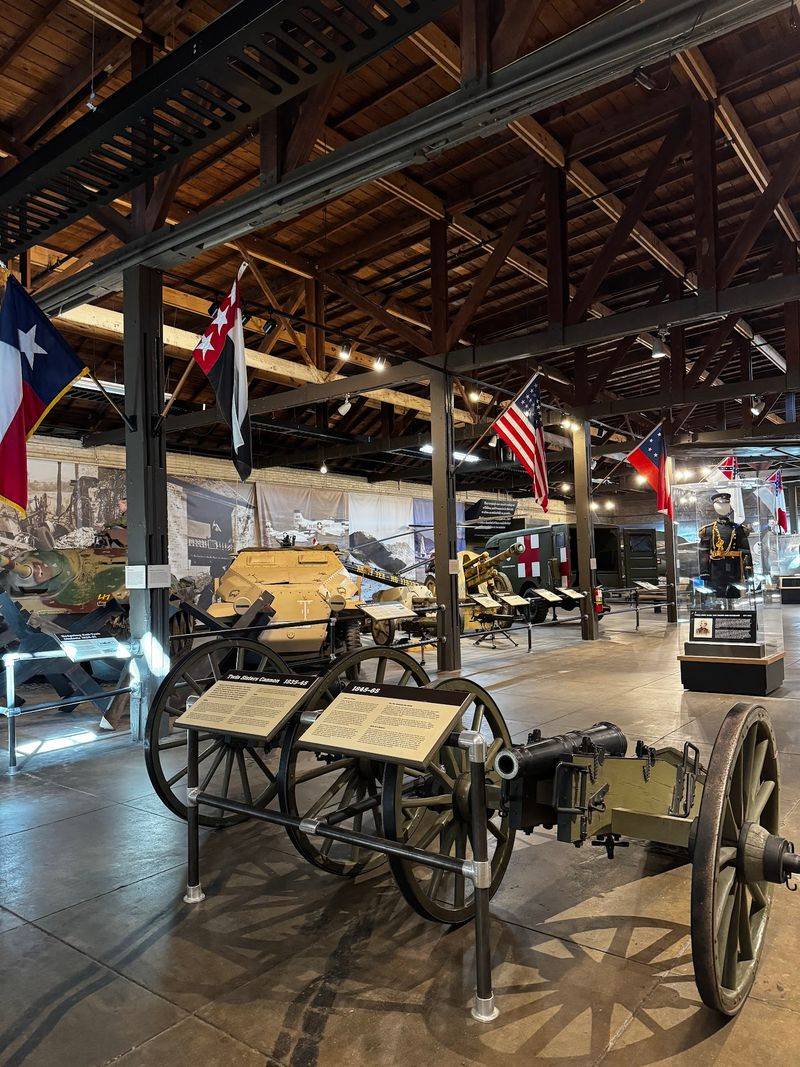
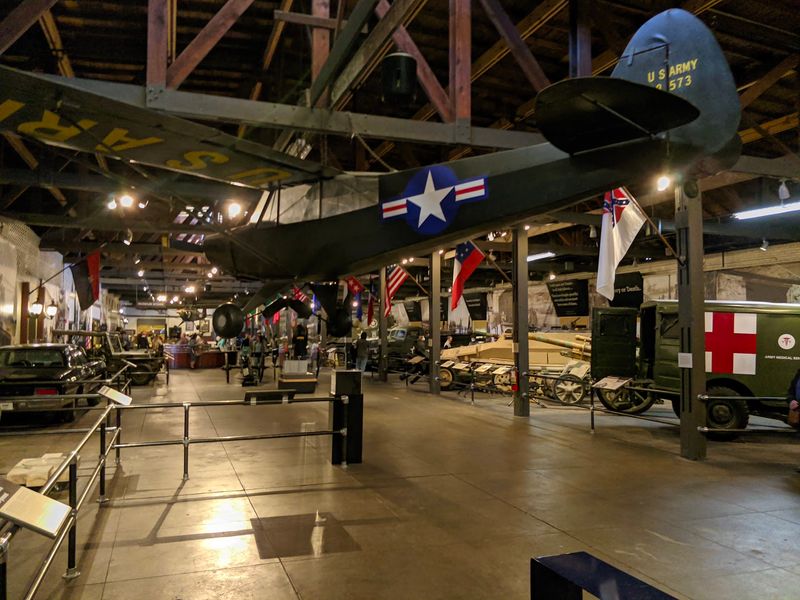
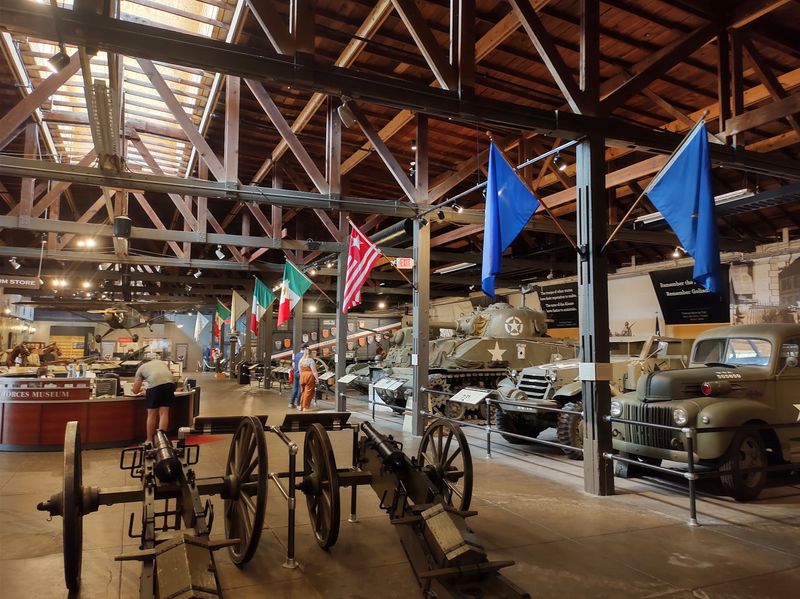
About 26,000 square feet of indoor exhibit space waits inside the main building. That’s a lot of room for stories, and the museum fills it well.
Exhibits cover conflicts involving Texas, from the Texas Revolution through the Civil War, World War I, World War II, and beyond. Uniforms, firearms, and equipment from different eras fill the cases.
Written context sits beside many of the displays. Reading even a few plaques turns a cool object into a real human story.
The layout isn’t strictly chronological. Some visitors might prefer a timeline, but wandering between eras can make surprising connections easier to spot.
A smart approach is picking one era that interests you most. Start there, then branch out as curiosity pulls you along.
Here’s a practical tip. The building can feel chilly inside, especially in cooler months, so a light jacket might come in handy.
Families with homeschoolers or school-age kids will find plenty of teaching moments here. The amount of detail could easily fuel a whole week of history lessons back home.
6. Tiny Scenes With Big Stories
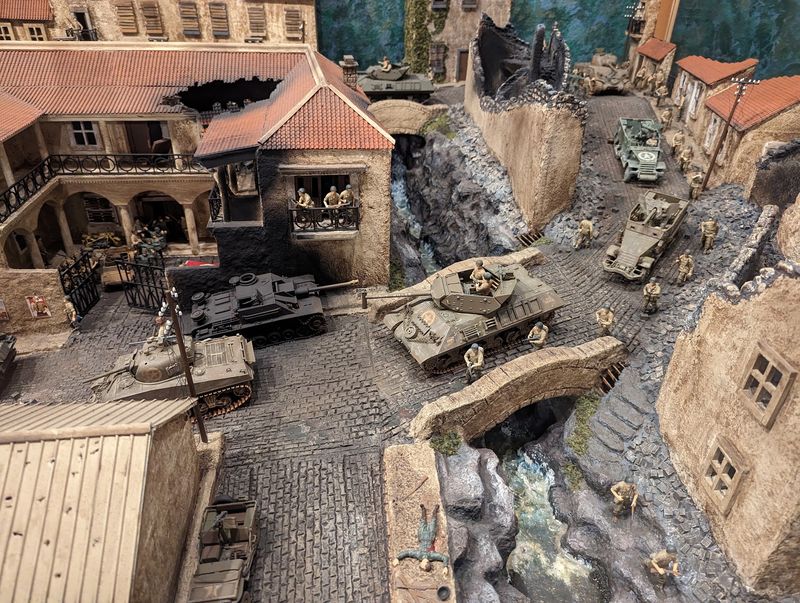
Some of the most memorable displays come in miniature. Detailed dioramas recreate historic scenes in small scale, packing a lot of action into a little space.
These models reward patient eyes. Lean in close, and you’ll notice tiny figures, vehicles, and terrain arranged with surprising care.
Dioramas work like freeze-frames of history. They help you picture how soldiers moved and where equipment was placed during important moments.
Kids often enjoy these scenes as much as the giant tanks. Spotting small details turns into a fun game, almost like a three-dimensional search puzzle.
Try asking younger visitors to find one specific thing in each scene. A vehicle, a flag, or a single figure can keep them focused and curious.
Adults get something out of them too. A full-size tank shows power, but a diorama shows how all the pieces fit together on the ground.
Take your time at each one. These displays are easy to pass quickly, yet they often explain a story more clearly than a wall of text ever could.
7. Kids Get Their Own Mission
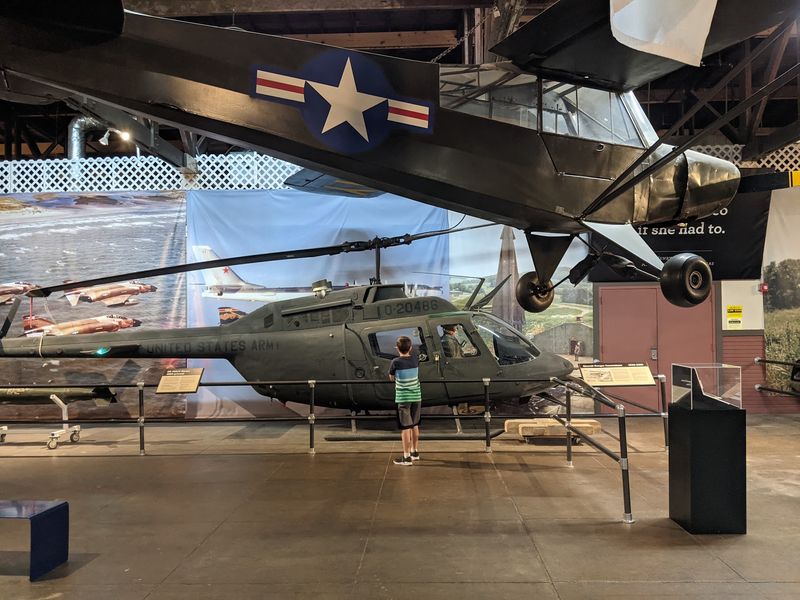
Bored kids at a museum? Not likely here. The Texas Military Forces Museum offers a scavenger hunt that turns the visit into a mission.
Kids search the exhibits for specific items, which keeps them moving and paying attention. It also sneaks in a little learning without anyone calling it homework.
Groups of preteens have stayed engaged here for close to two hours. That’s impressive for any museum, let alone a free one.
The outdoor vehicles add another layer of excitement. Big machines naturally grab young attention, and they give kids space to burn off some energy.
Follow posted rules and staff guidance around the displays. Respecting the equipment keeps it in good shape for the next family that comes along.
Restrooms are available at the museum, which every parent will appreciate. A quick break can make the difference between a happy visit and a cranky one.
For homeschool families, this spot fits nicely into a Texas history unit. Bring a notebook, collect a few facts, and let the kids lead part of the tour.
8. Catch The Living History Show If You Can
Static displays are great, but motion brings history to life. Camp Mabry hosts living history events tied to the museum, including weapon demonstrations and battle reenactments.
These events let visitors see equipment in action instead of behind ropes. The sounds and movement add an energy that plaques simply can’t deliver.
Schedules vary, so check the museum’s announcements before you go. Planning around an event day can turn a solid visit into an unforgettable one.
Reenactors and volunteers often wear period uniforms. Their work helps connect modern visitors with what soldiers in Texas experienced across different eras.
Loud moments may startle small children. A heads-up before a demonstration helps little ones enjoy the show instead of covering their ears in surprise.
Arrive early on event days if possible. Gate check-in still applies, and you won’t want to miss the opening action while waiting in line.
Even without a scheduled event, the museum delivers plenty. Still, if your dates line up with a demonstration, consider it a bonus round you shouldn’t skip.
9. Friendly Volunteers Make The Stories Stick
Knowledge walks the halls here in the form of helpful staff and volunteers. Many of them know the collection deeply and enjoy sharing it.
Got a question about a strange-looking weapon or an old uniform? Ask. You’ll often walk away with a story that never made it onto a sign.
The staff tends to help without hovering. That balance lets you explore at your own pace while still having experts nearby.
I can’t imagine a better way to learn history than from people who clearly care about it. Their enthusiasm makes the whole place feel more personal.
A gift shop sits on-site too, though it’s modest. Grab a small souvenir if something catches your eye, but the real treasure is the collection itself.
The Texas Military Forces Museum works for history buffs and casual visitors alike. It honors the men and women who served with clear respect.
So grab your ID, pick a free afternoon, and head over. Steel giants, tiny dioramas, and generations of stories are waiting, and the price is still exactly zero.
Share this story