Some holiday traditions involve a crowded mall and a long line for a photo. Others involve a mountain road, a guide who knows every animal by name, and a hungry goat waiting for a treat from your open hand.
High in the North Carolina mountains near Banner Elk, a working farm has quietly become a favorite outing for families, couples, and anyone who wants a calmer kind of seasonal fun. The herd here leans more fuzzy than antlered, and that turns out to be part of the charm.
Alpacas, llamas, goats, pigs, a donkey, and a crew of loyal farm dogs all share the hillside. Keep reading to learn where it is, what the guided tour covers, which animals steal the show, and the one planning step that can make or break your trip.
A Hilltop Farm Above Banner Elk
Tucked into the High Country, Apple Hill Farm: Tickets Required sits at 400 Apple Hill Rd, Banner Elk, NC 28604, in the United States.
Banner Elk is a small Avery County mountain town that many North Carolinians already know for its ski slopes and cool summers. The farm adds a different reason to make the drive.
It operates as a working animal farm that opens its gates to small guided groups. That is where the second half of the name comes in, since a ticket is required for the experience.
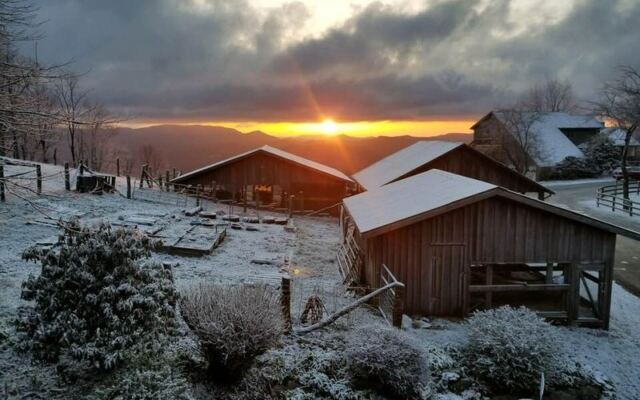
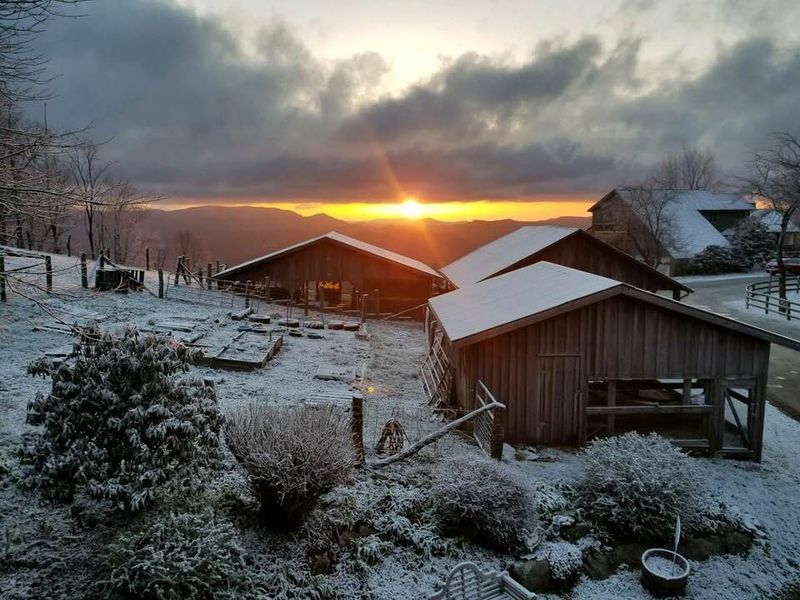
The farm sits high up on a hill, so the trip ends with a climb to a property surrounded by mountain ridges. Many guests arrive for the animals and leave talking just as much about the scenery.
Families from Charlotte, the Triad, and the Triangle can turn this into a weekend outing paired with time in Boone or Blowing Rock. Locals in the area also treat it as a reliable spot to bring visiting relatives.
Getting there is simple enough with a map app. Planning ahead, as later sections show, is the part that takes a little more care.
Woolly Stars Instead of Antlers
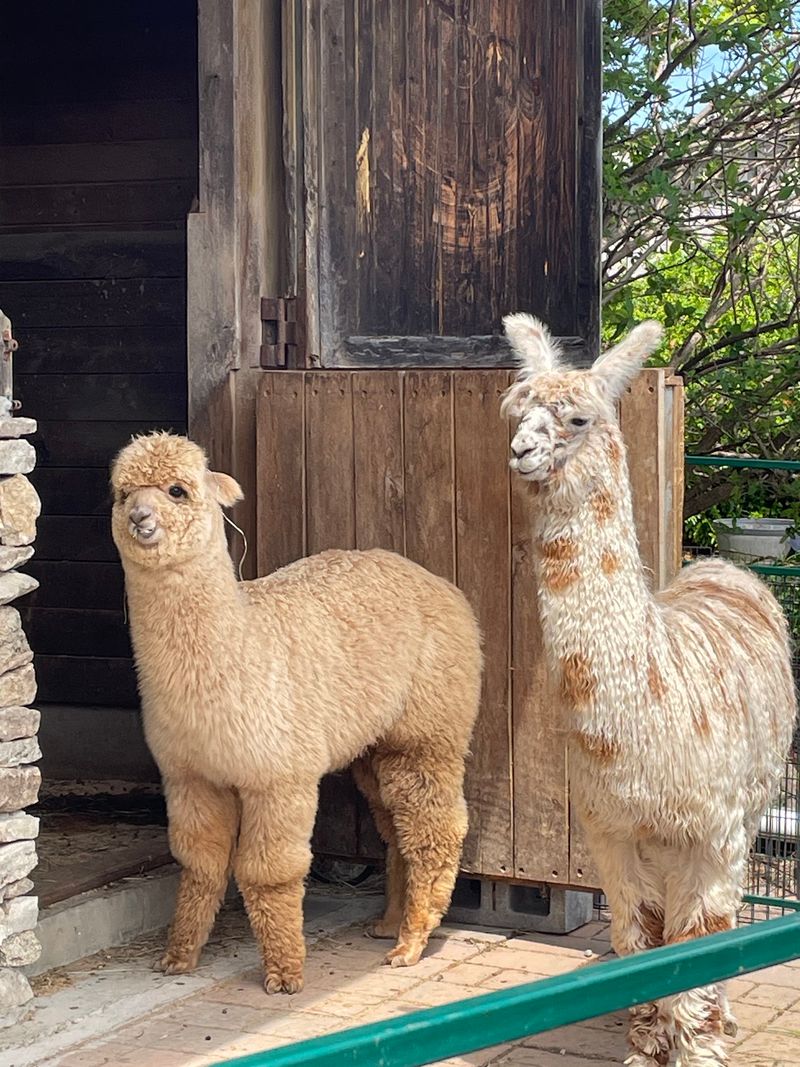
Santa may claim the reindeer, but this hillside belongs to a different kind of herd.
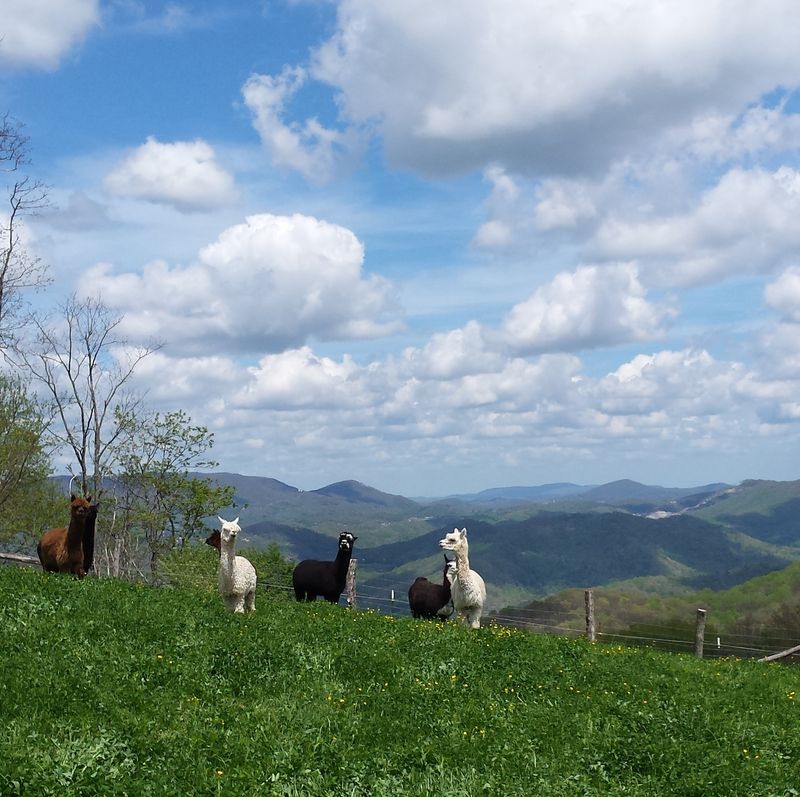
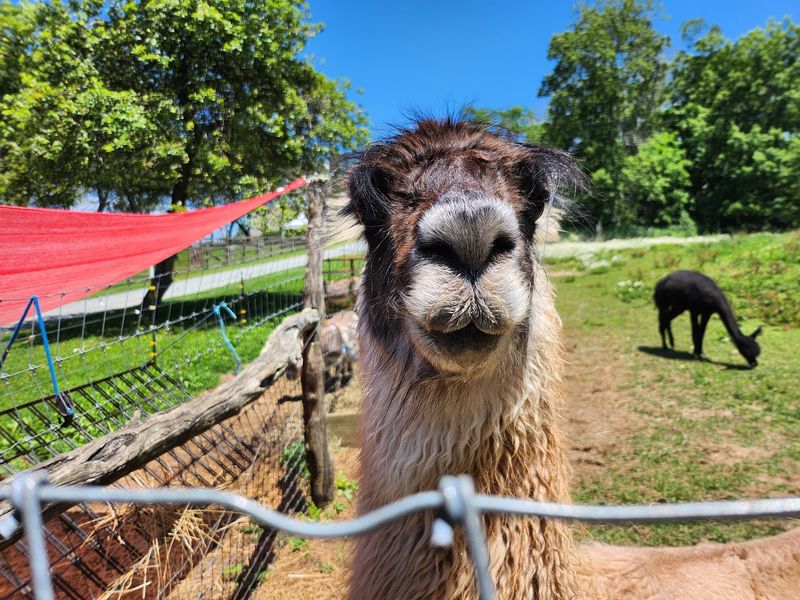
Alpacas are the headline residents, and they easily get the most attention from guests. Llamas share the pastures with them, and the guides explain how the two animals differ.
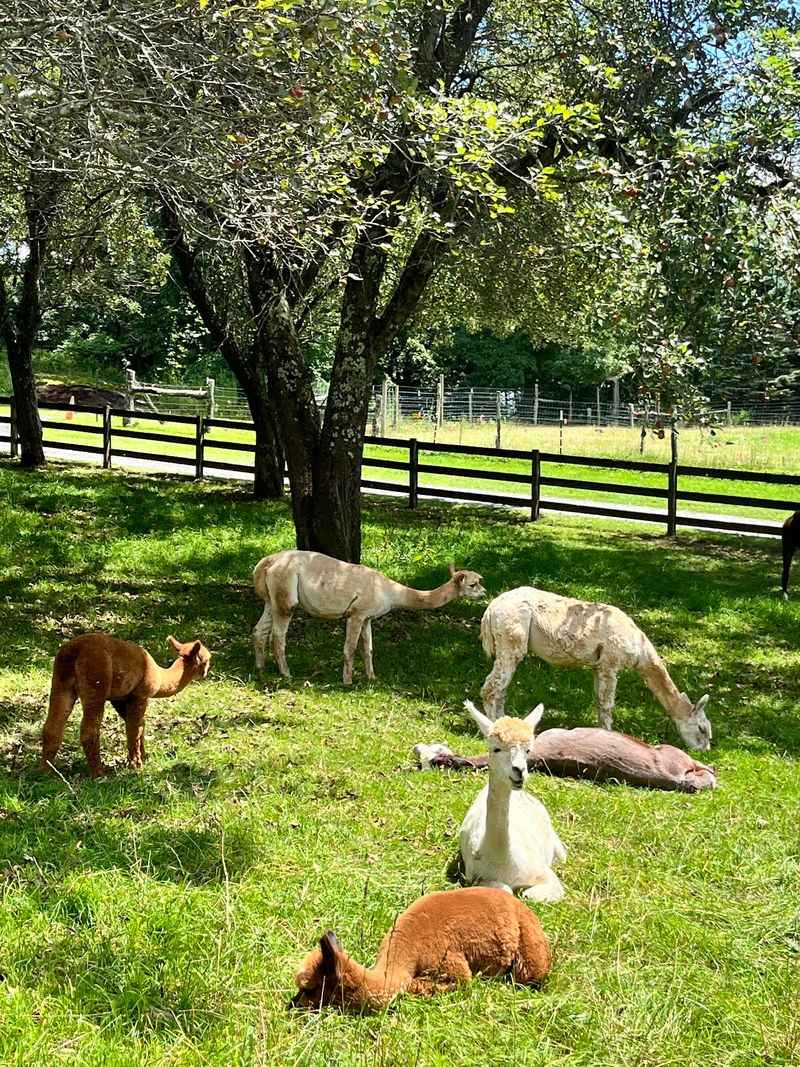
Counting heads can be a fun game here. One recent group tallied roughly 15 llamas and alpacas during a single tour, along with a similar number of goats.
The guides go beyond cute facts. They talk about how the animals are cared for and the useful roles they play on a farm, which gives the visit real substance for curious kids and adults alike.
Some of the alpacas and llamas act friendly, while others keep a polite distance. That mix of personalities makes the stories behind each animal more interesting to hear.
So while no sleigh team waits in the barn, the festive spirit of meeting a herd up close is very much alive. Plenty of holiday-season trips end up centered on these fluffy celebrities.
And if a child asks where the reindeer are, the alpacas usually win the argument within minutes.
An Hour With a Guide Who Knows Every Name
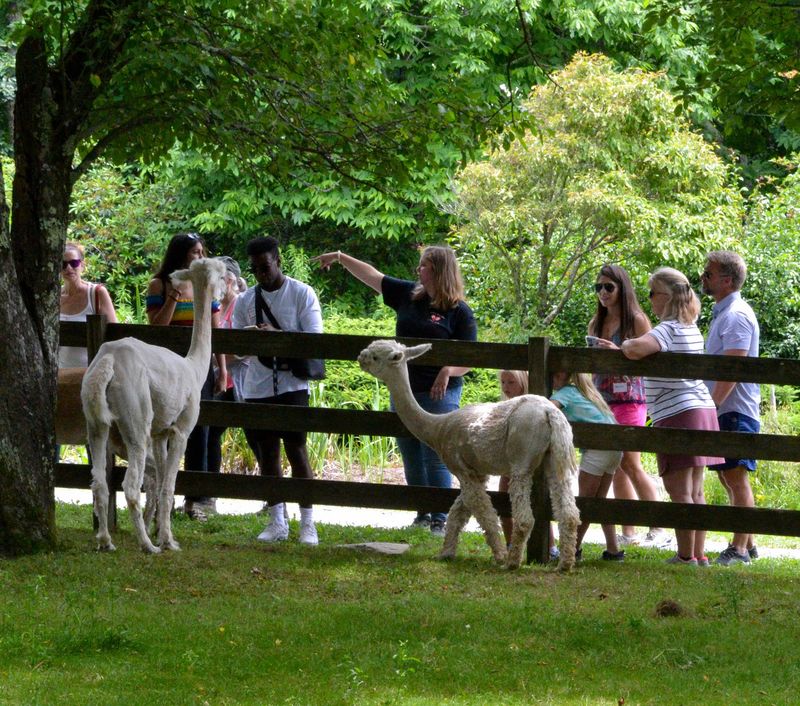
Forget wandering with a paper map. Every visit here is built around a live, guided walk.
Tours generally run about an hour. Groups stay small, with a maximum of around 15 people, so questions get answered and nobody gets lost in a crowd.
Guides at the farm are known for being friendly and well informed. They share each animal’s personality, fun facts, and the story of how certain residents came to live here, including some rescues.
Names like Tyler and Emily come up often among happy guests. Both are praised for keeping the walk relaxed and personal rather than stiff or scripted.
The pace tends to be unhurried. A few guests feel the tour could move a bit faster, but most enjoy the extra time for petting, photos, and silly questions.
Not every tour lands perfectly, and the farm has publicly said it takes guest feedback seriously. That kind of response suggests a team that cares about consistency.
For travelers who prefer a real person over a recorded audio tour, this format may be the main reason to book. The animals provide the wow, and the guides provide the context.
Treat Time With the Goat Crowd
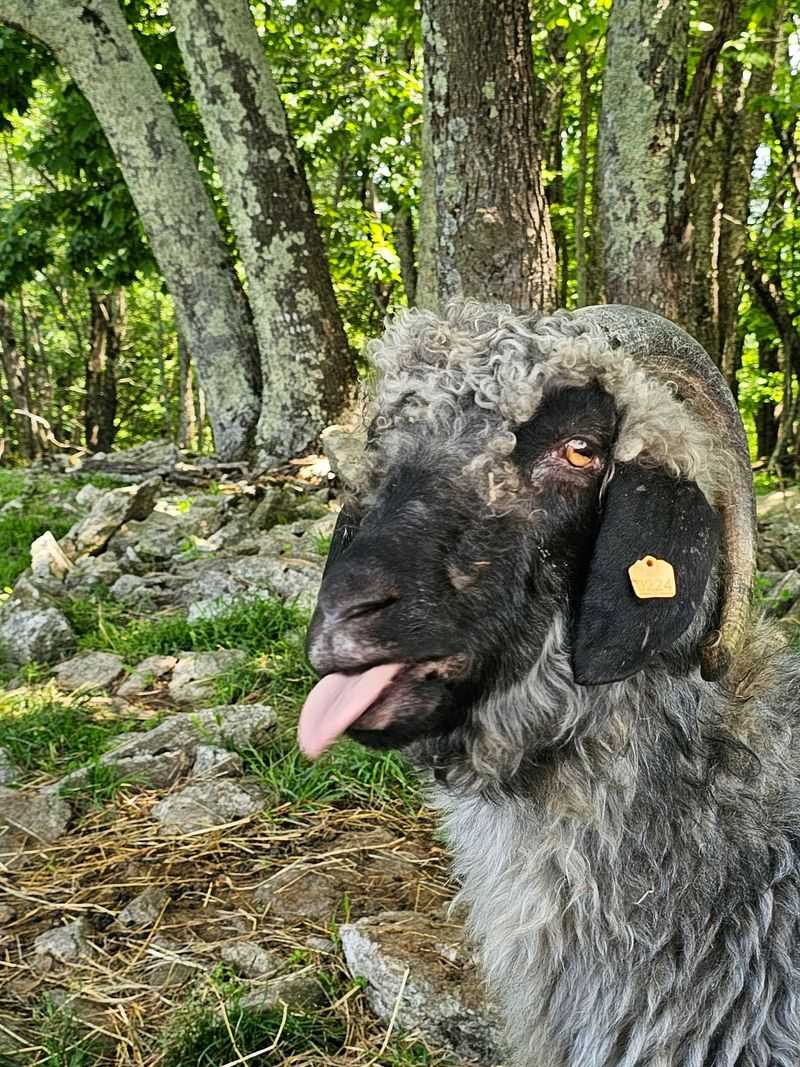
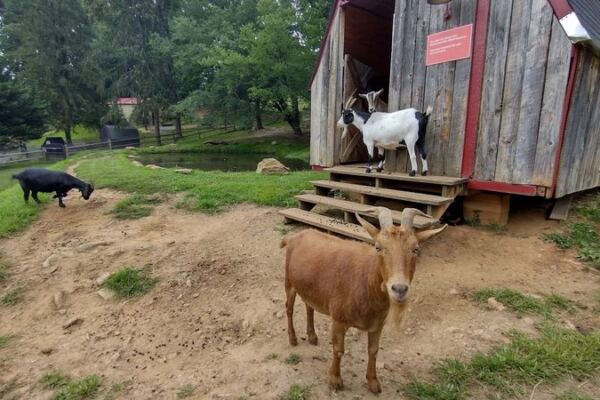
Goats have a reputation for knowing exactly when snacks are coming, and the ones here are no exception.
Hand-feeding the goats is one of the most talked-about moments of the tour. Kids often get the chance to offer treats themselves, which can turn a shy child into a fan in seconds.
The goats are plentiful, so there is usually plenty of attention to go around. Their eagerness might have something to do with those treats, and they seem to make that connection fast.
Petting is part of the fun as well. Guests can reach the goats and, on many tours, a horse along the way.
A small note for planning expectations: tours do not typically go inside every animal enclosure. Some animals are best enjoyed from the fence line rather than up close.
That setup still leaves room for plenty of hands-on moments. For many families, the goat feeding stop becomes the photo that ends up on the fridge.
Bring patience, a steady hand, and maybe a sense of humor. The goats are polite, mostly, but they are definitely not shy about lunch.
Guardians With Four Paws
The welcome committee here often arrives on four legs before any human says hello.
Farm dogs are a big part of the experience. Several guests mention being greeted by the dogs right at the start, which sets a cheerful tone for the whole tour.
Working Great Pyrenees help watch over the herd. The guides explain their job, and learning how these big dogs protect the animals adds a practical side to their fluffy appeal.
Then there is Clyde. Known as a retired, very fuzzy older dog, he has earned a loyal fan club and is often called the star of the tour.
Brody is another name that pops up among happy guests. Each dog seems to have its own following, and kids quickly pick favorites.
For dog lovers, this part of the visit can feel like a bonus feature nobody advertised. It also shows how a working farm runs as a team, with dogs, people, and animals all playing a role.
Do keep hands calm and follow the guide’s lead around the working dogs. They are friendly, but they also take their job seriously.
Laverne, Shirley, and the Supporting Cast
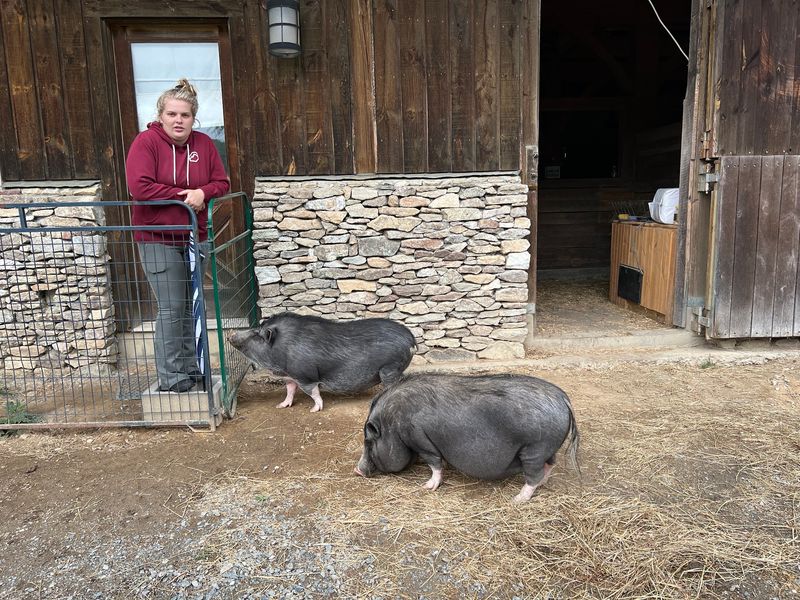
Every great show needs a strong supporting cast, and this farm has one worth meeting.
Beyond the alpacas and goats, the roster includes pigs, a donkey, horses, chickens, sheep, and cows. Depending on the day, guests may see a different mix along the route.
Two pigs named Laverne and Shirley have become minor celebrities. Their names alone tend to get a laugh from adults who remember the old television show.
The donkeys draw plenty of attention too. Many guests leave with as many donkey photos as alpaca photos.
Some residents come with quirks the guides happily explain. One well-known tip among returning guests is to skip petting JJ, an animal whose natural instincts are best admired from a distance.
That variety keeps younger kids engaged from stop to stop. Children between roughly five and ten may get the most out of the tour, though teens and grandparents also enjoy it.
Each animal comes with its own backstory. By the end, it is common to feel like the barnyard is full of characters rather than livestock.
Ridgelines Behind Every Photo
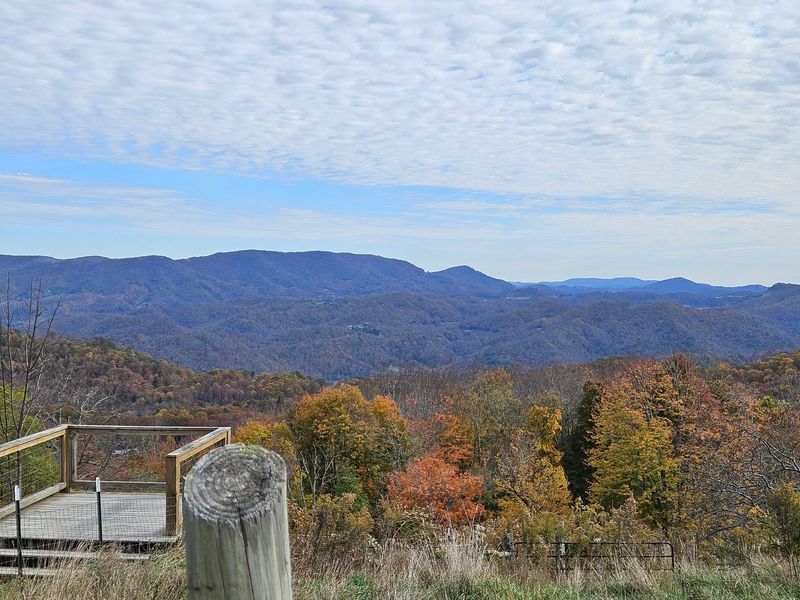
Even a four-year-old on one recent tour stopped to point out the mountains, and that says a lot.
The farm sits high on its hill, giving it wide views of the surrounding High Country. Many guests rank the scenery right alongside the animals as a highlight.
Photo opportunities are everywhere. An alpaca in front of rolling ridges makes for the kind of picture that gets plenty of attention on a holiday card.
The overall mood tends to be calm and laid-back. Couples describe the visit as peaceful, and some admit they did not want to leave.
That relaxed atmosphere suits a pre-Christmas trip especially well. It offers a break from busy shopping weekends without requiring a long hike or a full-day commitment.
Weather in the mountains can change quickly, especially in the colder months. Checking the forecast and dressing in layers is a smart move for any season.
The views also give grown-ups something to enjoy while kids are busy with the goats. Everyone in the group seems to find a reason to linger at the fence line.
Shearing Days and Barn Quilt Brushes
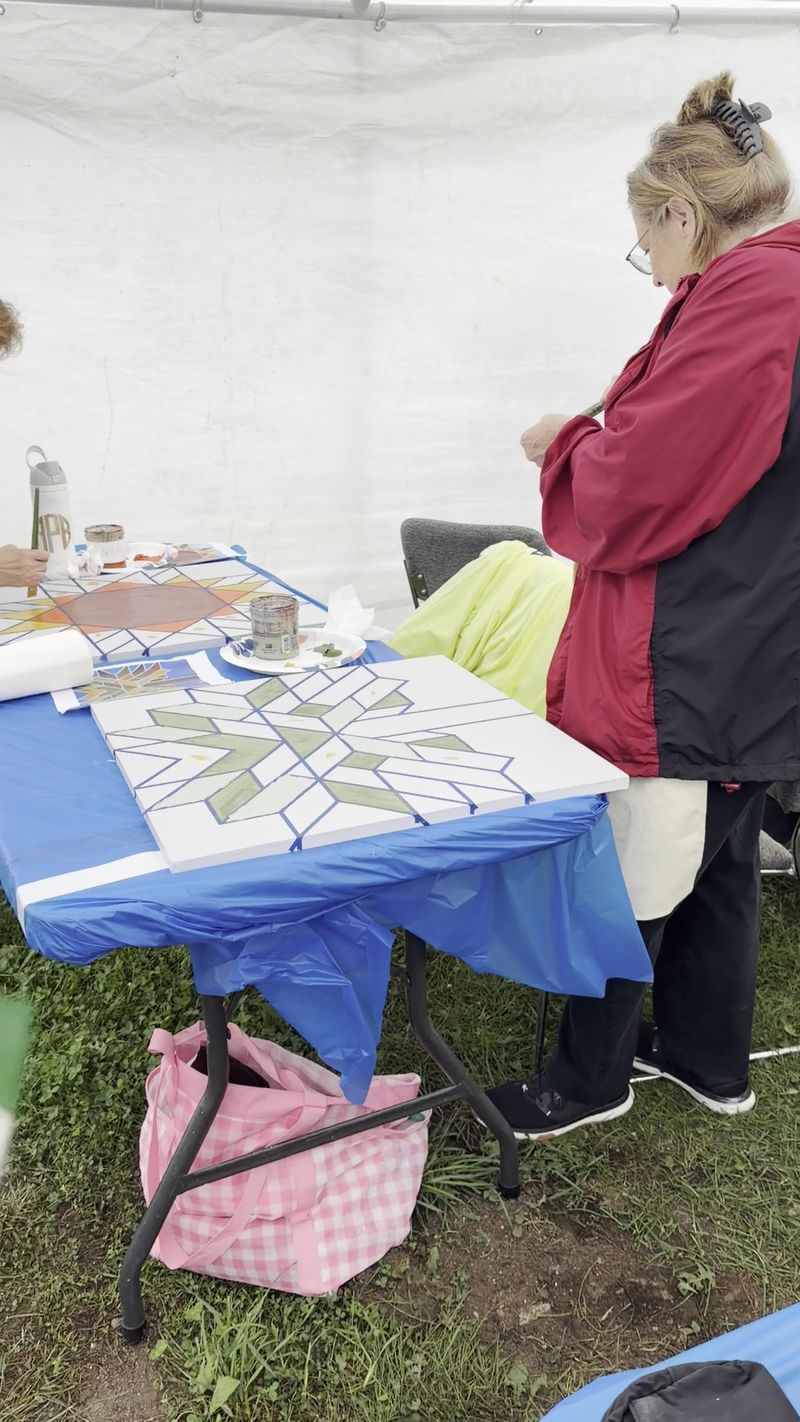
Standard tours are only part of the calendar, and the special events may surprise first-time guests.
The farm hosts an alpaca shearing event that draws a crowd. Weavers have joined in, working with alpaca fiber so guests can see how fleece becomes something useful.
Families describe the shearing day as both fun and educational. It offers a closer look at why these animals matter on a working farm.
Creative types have another option. A once-a-month wooden barn quilt painting class lets participants design and paint their own piece to take home.
Artist Ken McNeill has led the class, and attendees praise how easy he makes the process. The instructor even helps mix paints to land on just the right color.
The setting adds to the charm. Painters often have llamas, alpacas, and goats watching from nearby pastures while they work.
Groups spanning several generations have enjoyed the class together, including one family with a 95-year-old mom. Check the farm’s website for upcoming dates, since special events can fill quickly and schedules may shift.
A Farm Store Stocked From the Pasture
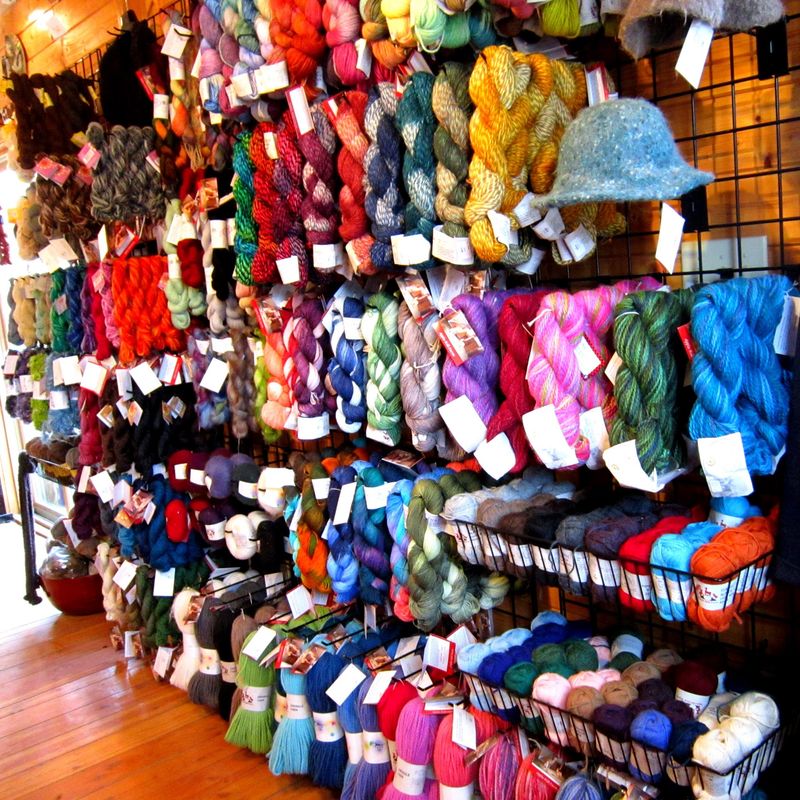
Holiday shopping lists have a way of shrinking at the end of this tour.
Every walk wraps up near the on-site gift shop. Its shelves feature products made from the farm’s own animals, especially alpaca fiber items.
Alpaca socks are a popular pick, and guests often praise their softness. They make an easy stocking stuffer for anyone who spends winter in the mountains.
Small alpaca fur stuffed animals are another favorite. Kids tend to leave clutching one as a souvenir of the herd they just met.
Shoppers also find other farm goods and gifts. The selection changes, so it is worth browsing even on a repeat visit.
One practical note: the shop can run a bit warm on some days. Shorter browsing trips may be more comfortable in peak summer.
Buying here also connects back to the animals. Guests often feel their spending helps feed and care for the herd, including the rescues.
That makes a pre-Christmas visit doubly handy. You get a memorable outing and a few thoughtful gifts with a real North Carolina story behind them.
Reservations, Hours, and Holiday Timing
Here is the one step that trips people up: showing up without a reservation.
Tickets are required, and tours must be booked in advance. Some families have missed out entirely because they waited too long, so locking in a spot early is the safest plan.
The farm lists hours of 10 AM to 4 PM, seven days a week. Tour times fall within that window, so booking ahead helps match a slot to your travel day.
Ticket prices are not listed here. The farm’s website, applehillfarmnc.com, is the best place to check current rates and available tour times.
Plan for about an hour on the tour itself. Add extra time for the gift shop, photos, and lingering with the goats.
Holiday weekends in the High Country can get busy. Weekday visits in late November and December may offer more open spots, though availability is never guaranteed.
Mountain roads deserve respect in winter. Checking conditions before the drive is wise, and the farm can confirm any schedule changes tied to weather.
Why the High Country Herd Earns a Spot on Your List
Sometimes the best seasonal memory is not the biggest one, just the most genuine.
This Banner Elk farm delivers a small-group, hands-on outing that many guests call a highlight of their mountain trip. The animals appear well cared for, and the staff seem as excited about them as the guests are.
It suits young families, teens, couples, and multigenerational groups. Kids roughly five to ten may get the biggest thrill, though plenty of grown-ups return every year.
Expect alpacas and llamas rather than a sleigh team. Expect goats with big appetites, dogs with fan clubs, and pigs with sitcom names.
Expect views that make the climb worthwhile. And expect a guide who turns facts into stories.
The trade-offs are minor. You will need to plan ahead, and you may admire a few animals from the fence rather than up close.
For North Carolinians hunting a pre-Christmas outing that feels local, calm, and a little bit different, this hillside makes a strong case. Book the tour, pack a jacket, and let the goats handle the rest.
Share this story