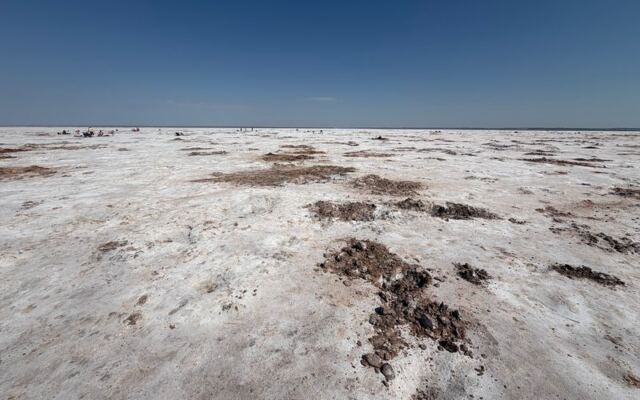
Somewhere in northwest Oklahoma, families kneel on a wide white flat and pull sharp, glassy crystals out of red mud with their bare hands. Nobody charges them a dime to do it.
The crystals have a dark hourglass shape trapped inside, and they are a true point of pride for anyone tired of hearing that Oklahoma is just flat prairie. Read on to learn where this place is, what to pack, and how to make the most of a free day of treasure hunting.
1. A Salt Flat Hiding Near Jet
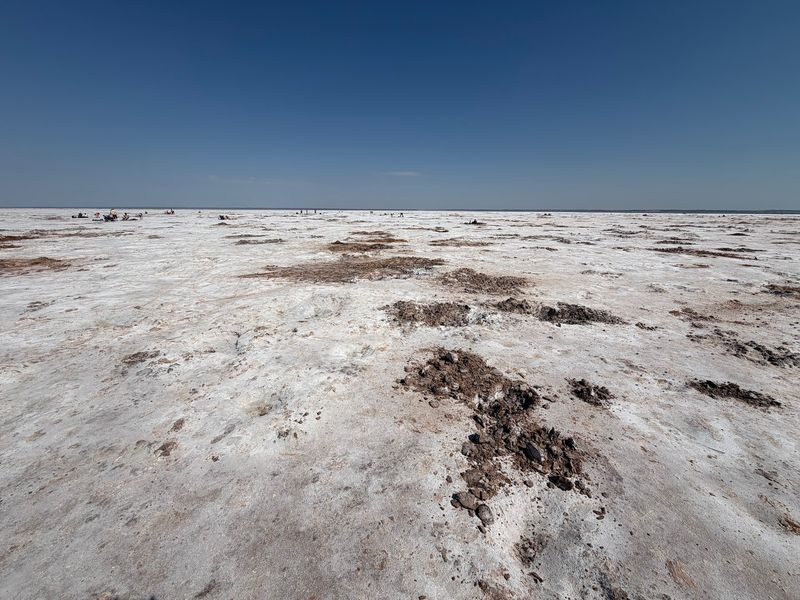
Tucked into northwest Oklahoma, the Salt Plains National Wildlife Refuge sits at Jet, OK 73749, United States. It is a sprawling refuge where open salt flats meet marshes, trails, and a large lake.
The refuge is known for two big draws. One is bird watching, and the other is digging for hourglass selenite crystals on the flats.
Many families come for the crystals and stay to explore everything else. Trails, a boardwalk, a visitor center, and an auto tour route all share the same landscape.
Getting there takes some effort. The refuge is a bit of a drive from the nearest towns, and some folks call it well worth the 20-mile-plus trip off the main roads.
A few small towns sit along the outskirts of the refuge. That makes it a doable day trip for Oklahoma families who want a weekend outing without a big price tag.
Best of all, the crystal digging and the trails are free. That kind of value is hard to beat anywhere in the state, so it is no surprise this spot draws so many return trips.
2. Nearly a Century of Protected Ground
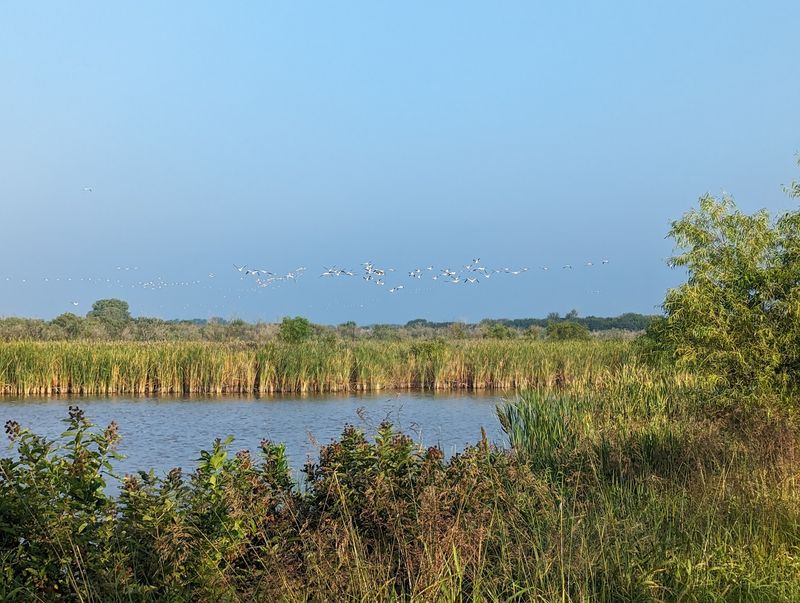
Back in 1930, this stretch of land was set aside as a refuge. That makes it a veteran among wildlife destinations in Oklahoma, with close to a hundred years of history behind it.
The goal from the start was to give migratory birds and other wildlife a safe place to rest. That mission still shapes the refuge today.
Over the decades, the refuge has grown into a place where people can observe nature up close. Trails and overlooks make it easy to explore without disturbing the animals.
The crystal digging area adds a twist that few refuges anywhere can offer. Treasure hunting and wildlife watching share the same ground here.
Park rangers are part of the story too. They are known for being knowledgeable and helpful, and they can point diggers in the right direction on the flats.
The refuge is managed by the U.S. Fish and Wildlife Service.
Their website, fws.gov/refuge/salt_plains, is the best place to check current details before heading out, since conditions and openings may change.
3. The Hourglass Inside the Crystal
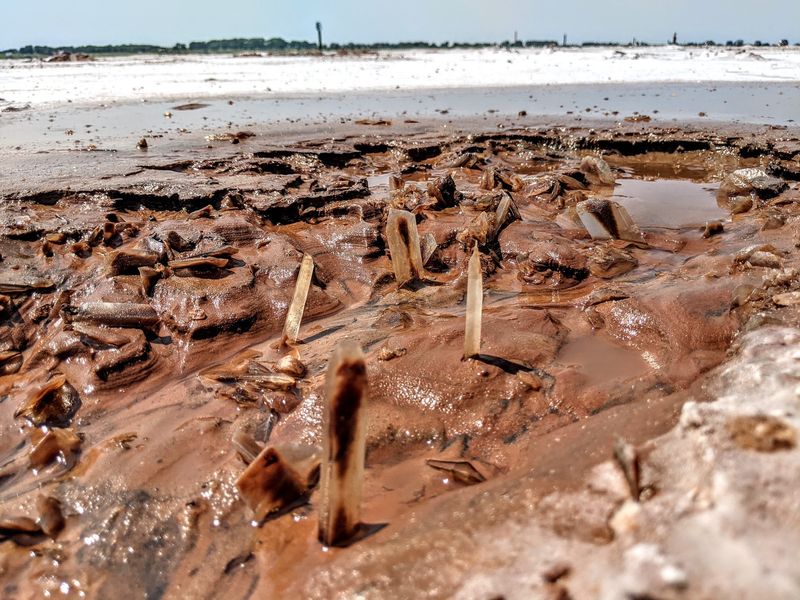
Hold one of these crystals up to the light and a dark hourglass shape appears inside. That is the signature of the hourglass selenite found at the Salt Plains.
Finding them is easier than many expect. Plenty of diggers walk away with tons of beautiful pieces after very little effort.
Some lucky hunters even find clusters, where several crystals have grown together. Those make prized souvenirs for kids and adults alike.
Size depends a lot on timing. Late in the season, the crystals tend to run small, often around one to two inches long.
Families who want bigger finds often plan to come back at the start of the season. Opening day draws a crowd, and the mood among diggers is known for being respectful and courteous.
The crystals are flat, so they can hide easily in the dirt. Many sit pretty close to the surface, which keeps the hunt fun for small hands that lose patience fast.
That mix of easy finds and the chance at something special is what keeps people digging for hours.
4. Digging Tricks That Actually Work
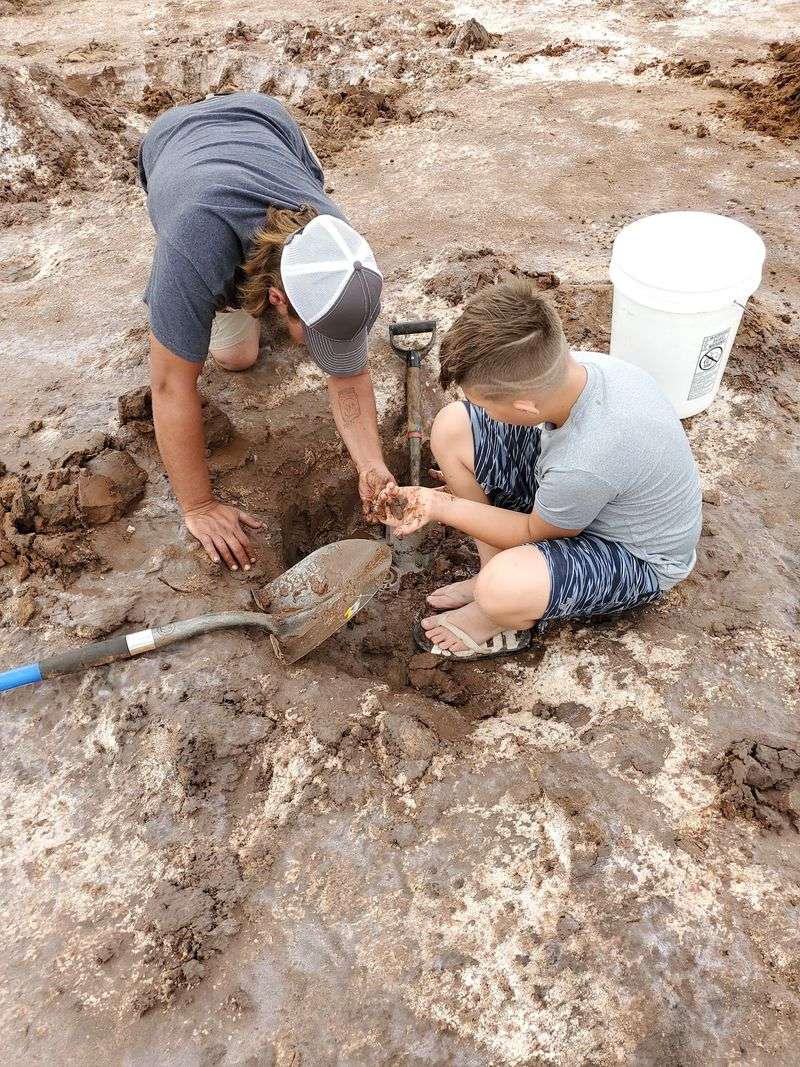
A shovel is your best friend out on the flats. One handy trick is to push it into the ground and notice where it meets resistance.
When the shovel does not break through easily, crystals may be waiting below. Loosen that area carefully and sift through the dirt with your hands.
Water is the other secret weapon. Diggers bring plenty of it to wet the holes, which helps reveal the crystals, and to rinse their finds.
Watch for points and edges poking out as you dig. Since the crystals are flat, they can slip past a fast scoop.
Some families pack three different sizes of shovels and a bucket for their haul. That setup lets everyone, big or small, join in.
The digging area is wide open, which is part of the appeal. It may not suit very young children or anyone a little clumsy, so keep a close eye on little ones.
Treasure hunters sometimes stay much longer than planned. One bird hunter famously ended up digging for two full days instead.
5. Boardwalks, Trails, and a Scenic Loop
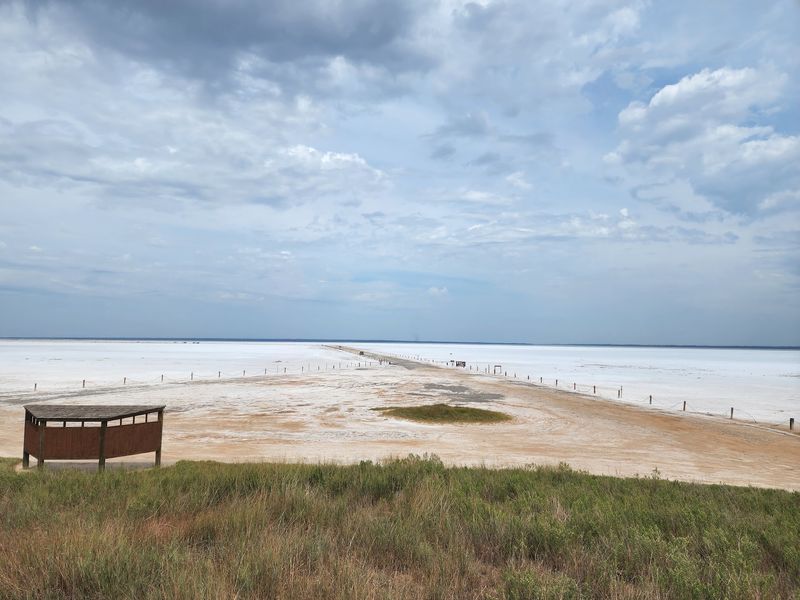
Crystals get the headlines, but the other side of the refuge deserves a few hours too. Trails and overlooks there are free to explore.
The Big Marsh boardwalk is a popular first stop. Big Marsh Overlook is a favorite place for photos.
Sandpiper Nature Trail offers a short, well-maintained walk. It works nicely as a cool-down after a morning of digging.
For a drive, the Harold F. Miller Auto Tour Route winds through the refuge.
Deer often show up along the way.
A smart day plan might look like this:
Start at the Big Marsh boardwalk, then stop by the visitor center. Next, take the auto tour, and finish with a couple of hours on the salt flats.
The marshes are not always wet, depending on the time of year. Even in drier months, the trails still make a pleasant nature walk, and an armadillo sighting is not out of the question.
6. Who Shows Up at Sunrise
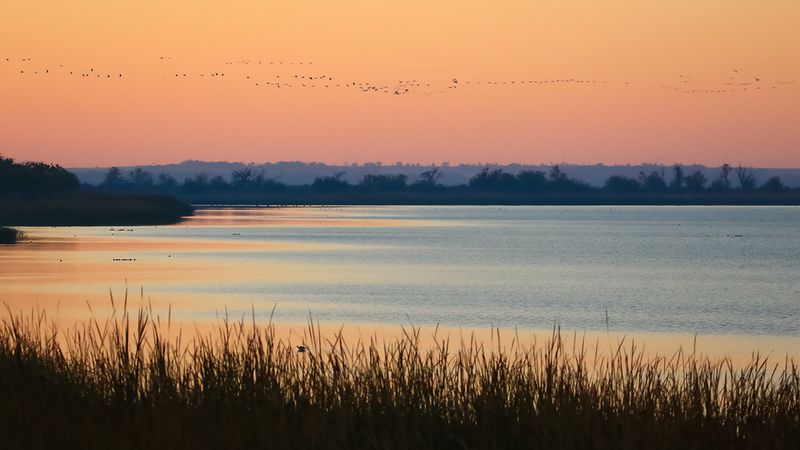
Timing is everything for wildlife here. Different animals come out at different hours, so a single visit only tells part of the story.
Early morning, right as the sun comes up, is the best window for most birds. Bird watchers keep an eye out for sandhill cranes and bald eagles.
Warm afternoons bring a different crowd. Between about 1 and 4 p.m., turtles and snakes appear in impressive numbers.
Evenings belong to the deer. Around 8 p.m., sightings can be more frequent here than almost anywhere else.
The lake is large and stretches to the horizon. That wide setting makes the refuge a strong pick for wildlife photographers.
Families who love animals can easily build a full day around these patterns. Plan for a sunrise walk, a midday dig, and an evening drive on the auto tour route.
7. Your Salt Plains Survival Kit
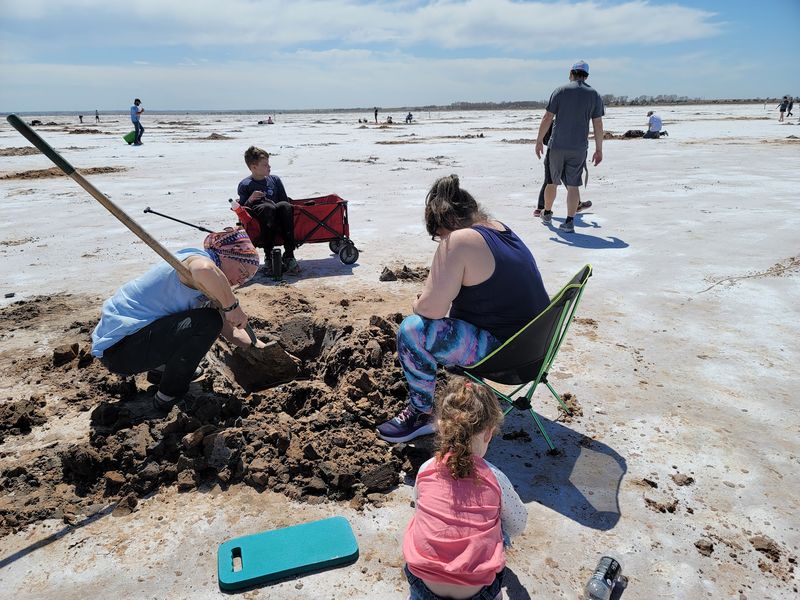
Fair warning: the crystals are sharp. Some diggers have nicked their fingers within minutes, so gloves are a smart idea.
The red soil is stubborn too. Wear clothes you do not mind ruining, because stains may never wash out.
Facilities are very limited. There is a basic pit toilet about a mile before the dig area, with no running water and nowhere nearby to buy food or drinks.
Here is a handy packing list:
Food, plenty of water, a cooler, sunscreen, and bug spray. Add towels, a change of clothes and shoes, a shovel, a bucket, and something to sit or kneel on.
Shade matters on hot days. Chairs with shade covers, a tied-on hat, and an umbrella all help, and heavy gear will not blow away in the wind.
Expect salt to follow you home. It tends to end up all over the inside of the car.
8. Planning the Trip and Why It Pays Off
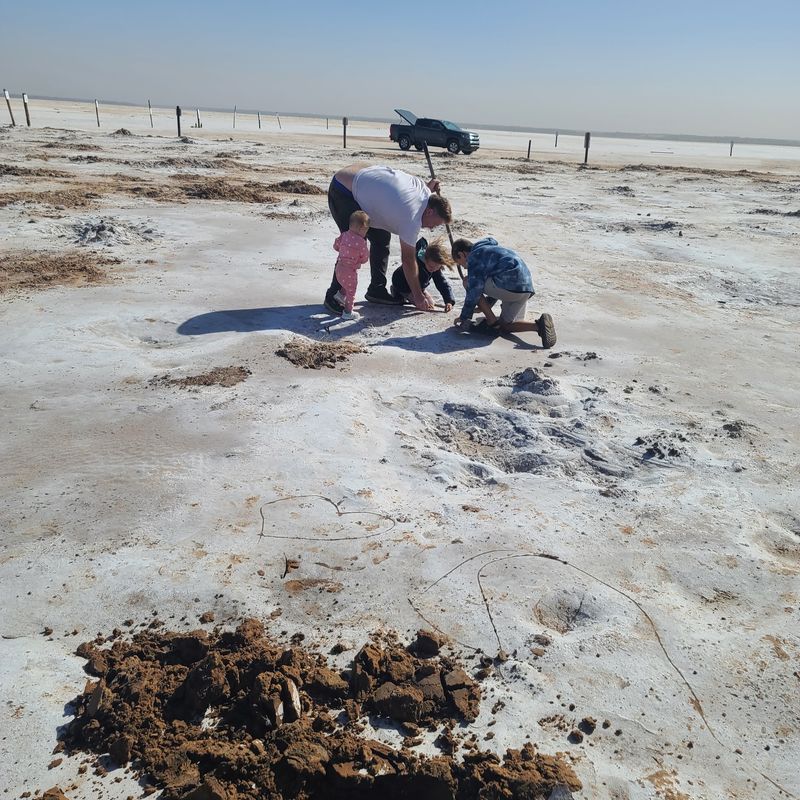
Bumpy roads are part of the adventure. Roads into parts of the refuge are dirt and gravel, so expect dust and some rough patches.
The good news is that a sedan can usually handle the last mile. Small cars have made the trip just fine.
Spring is the time to aim for. Families who want the best crystals often plan for the start of the digging season, so check the official refuge website for current dates and hours before driving.
Services can shift unexpectedly. During the October 2025 federal government shutdown, restroom facilities were closed, so it pays to confirm what is open.
Nearby Salt Plains State Park offers cabins for anyone who wants to stretch the outing into a weekend. That turns a long drive into a relaxed getaway.
With a 4.7-star reputation across hundreds of opinions, this refuge earns its praise. Free digging, peaceful trails, and wildlife at every hour make a strong case for marking your calendar now and grabbing a shovel when spring arrives.
Share this story