Texas is huge, and even locals who have lived here their whole lives often stick to the same familiar spots. Sure, you know about Austin and Houston, maybe San Antonio if you’ve done the River Walk thing. But spread across this massive state are natural wonders, historic treasures, and quirky towns that most Texans have never experienced firsthand.
These places aren’t just postcard material—they’re the kind of spots that make you rethink what Texas really has to offer beyond barbecue and rodeos.
1. Big Bend National Park
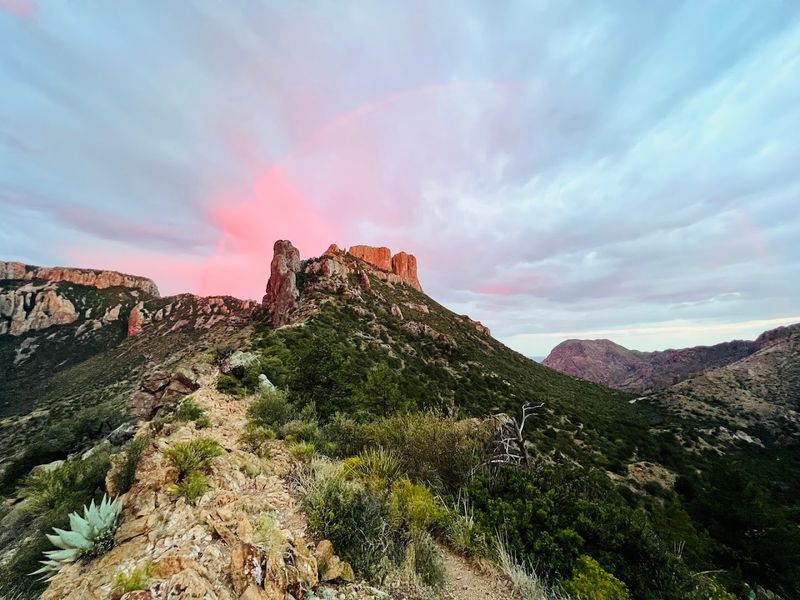
Way out in far West Texas, where cell service becomes a distant memory and the nearest grocery store is an hour away, Big Bend sits like a secret the state has been keeping. This park covers over 800,000 acres of Chihuahuan Desert, mountains that scrape the sky, and the Rio Grande carving its way through limestone canyons. Most Texans have heard of it, but the drive keeps them away—it’s five hours from El Paso and seven from San Antonio.
Once you arrive, though, the isolation becomes the whole point. You can hike trails where you won’t see another person all day, soak in natural hot springs along the river, or camp under some of the darkest skies in North America. The stars out here don’t just twinkle; they absolutely dominate the night, so thick you can barely pick out familiar constellations.
Spring and fall are prime visiting seasons because summer temperatures regularly hit 110 degrees, and that’s not exactly comfortable hiking weather. Winter brings cooler days perfect for exploring the Chisos Mountains or paddling the river. Wildlife sightings include roadrunners, javelinas, and if you’re incredibly lucky, a mountain lion in the distance.
The park has three distinct sections: the mountains, the desert, and the river. Each offers completely different experiences, from technical climbs to easy riverside strolls. You could spend a week here and still not see everything, which is probably why most Texans just keep saying “someday” instead of actually making the trip.
Pack extra water, download maps before you lose signal, and don’t expect luxury. Big Bend rewards those who come prepared and leave expectations of convenience at home.
2. Natural Bridge Caverns
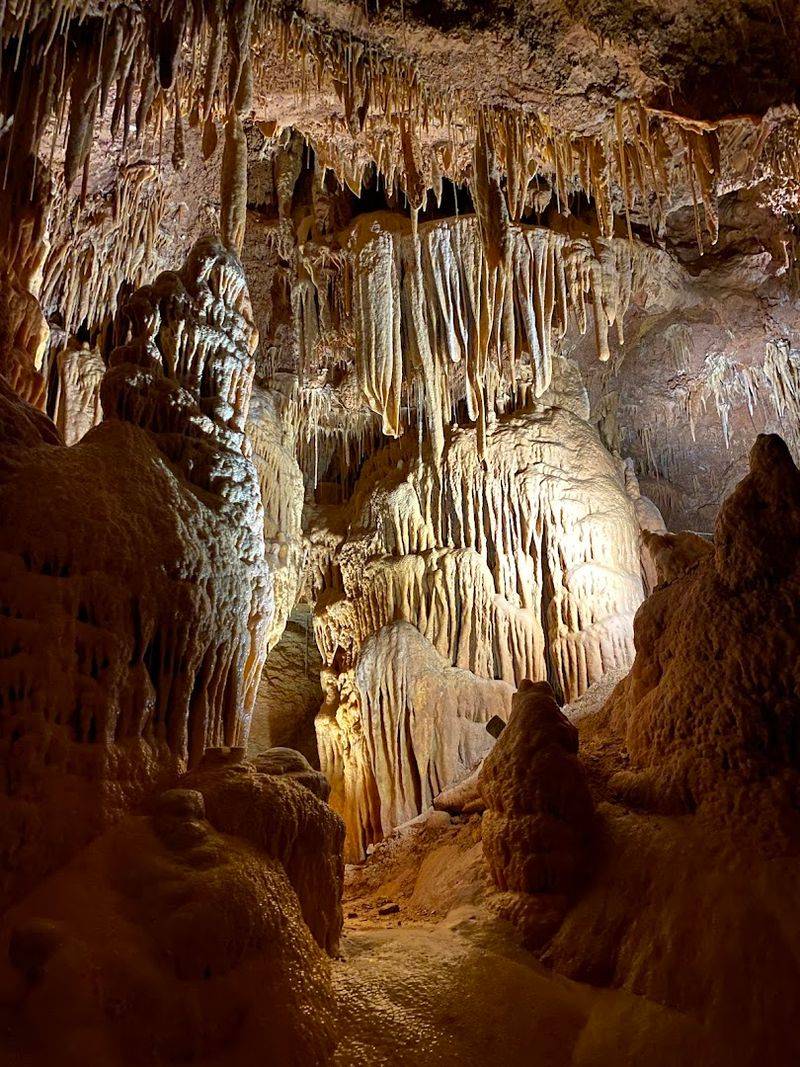
Just north of San Antonio, beneath rolling Hill Country ranchland, lies a hidden world that formed over millions of years. Natural Bridge Caverns got its name from the 60-foot limestone bridge spanning the entrance, but that’s just the beginning. The cavern system stretches deep underground, filled with formations that look like something from a fantasy movie—towering columns, delicate soda straws, and flowstones that shimmer when light hits them just right.
Tours take you down into chambers so vast they could swallow a football field, with temperatures staying a constant 70 degrees year-round. That means it’s the perfect escape when Texas summer heat becomes unbearable outside. The formations grew incredibly slowly, sometimes just an inch every hundred years, which makes you appreciate the patience of geology.
Beyond the main cavern tour, adventurous visitors can book the Hidden Passages experience, crawling through undeveloped sections with only headlamps for light. There’s also a canopy challenge course above ground and a maze for kids, though honestly, the caves steal the show. These aren’t sanitized, Disneyfied attractions—they’re real geological features with mud, moisture, and that earthy cave smell.
The caverns were discovered in 1960 by four college students exploring a sinkhole, which eventually led to the development of the commercial tours we have today. Before that, the caves sat undisturbed for millennia, slowly building their underground architecture drop by drop.
Wear comfortable shoes with good grip because the paths can be slick. Bring a light jacket even in summer since the temperature drop is noticeable. And leave the claustrophobia at home—some passages get cozy, though never dangerously tight on the standard tours.
3. Marfa, Texas
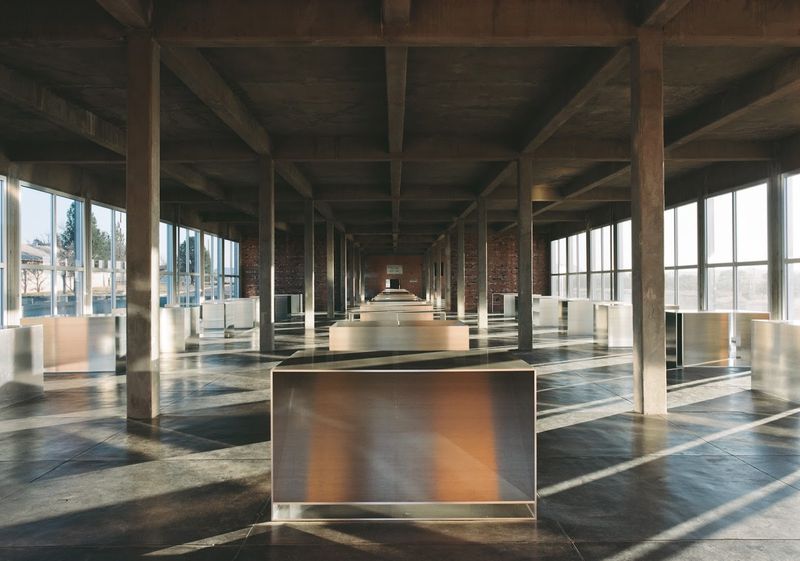
Out in the high desert of West Texas, population 1,600, sits one of the strangest little towns in America. Marfa started as a railroad water stop and became an Army training base during World War II. Then in the 1970s, minimalist artist Donald Judd showed up, bought a bunch of buildings, and turned this dusty outpost into an unlikely art destination.
Now it’s where ranchers in pickup trucks share coffee shops with gallery owners from New York.
The famous Marfa lights have been spooking people for over a century—mysterious glowing orbs that appear in the distance at night with no clear explanation. Scientists blame car headlights and atmospheric conditions, but locals prefer the mystery. There’s even an official viewing area where you can pull over and watch for them, though sightings aren’t guaranteed.
Downtown Marfa feels frozen somewhere between 1950 and tomorrow. You’ll find contemporary art installations next to old adobe buildings, a fancy food truck scene that rivals Austin, and the Prada Marfa installation—a fake designer store permanently installed in the middle of nowhere as a pop art statement. It’s never been open and never will be, which somehow makes perfect sense here.
Hotel options range from restored vintage motor courts to boutique properties that charge Brooklyn prices. The town gets packed during art events and holiday weekends, so book ahead. Summer days are scorching but nights cool down fast in the high desert elevation.
Marfa isn’t for everyone. If you need constant entertainment and familiar chain restaurants, you’ll be disappointed. But if you appreciate weirdness, art, huge skies, and the feeling of being genuinely far from everything, this place will get under your skin in the best way.
4. Caddo Lake State Park
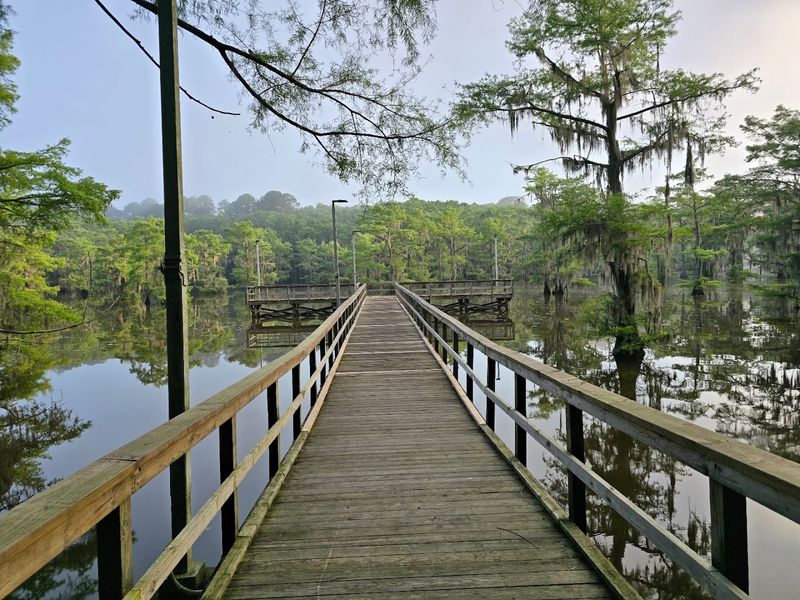
Up in Northeast Texas, right on the Louisiana border, Caddo Lake feels like it belongs in a different state entirely. Bald cypress trees rise from dark water, their trunks swollen at the base, draped in Spanish moss that hangs like ghostly curtains. This is Texas swampland, complete with alligators, and it’s nothing like the desert or prairie most people picture.
The lake is actually a maze of bayous, sloughs, and ponds covering about 25,000 acres, making it one of the largest natural lakes in the South. Paddle through the cypress forest in a kayak or canoe, and you’ll quickly lose your sense of direction—everything looks the same, beautiful and slightly eerie. The park rents boats if you don’t have your own, and guided tours are available for those who’d rather not get lost.
Fishing here is legendary among those who know. Largemouth bass hide under the cypress knees, and crappie run thick in spring. The lake holds the state record for several fish species, which tells you something about the ecosystem’s health.
Early mornings, when mist hangs low over the water, are magical for fishing or just drifting quietly.
Wildlife watching is exceptional—great blue herons stalk the shallows, wood ducks nest in tree cavities, and yes, alligators sun themselves on logs. They’re generally shy and not aggressive, but keep your distance and don’t do anything stupid like trying to feed them. The park also has hiking trails and camping if you want to extend your visit beyond a day trip.
Bring bug spray because mosquitoes consider this paradise. Visit in spring or fall for the best weather and fewer insects. Download a map or GPS track before heading out on the water—cell service is spotty and getting lost isn’t fun when the sun starts setting.
5. Palo Duro Canyon State Park
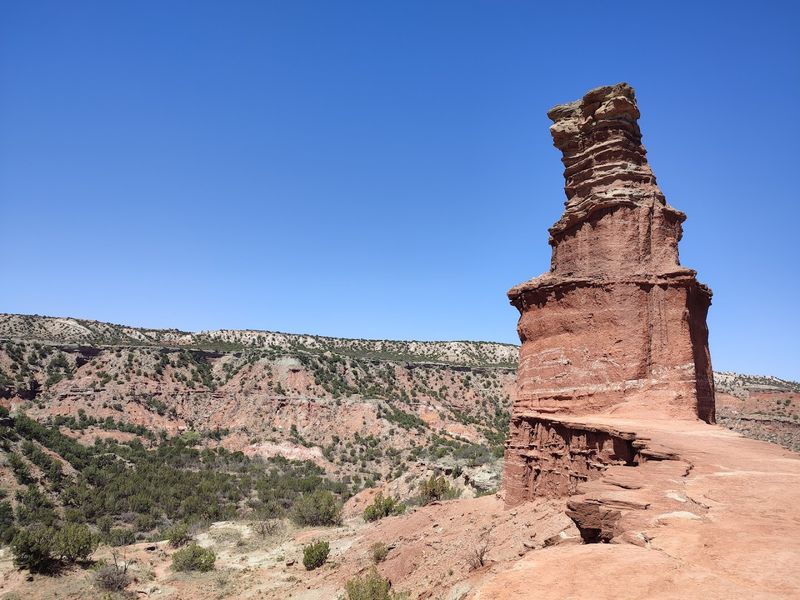
Most people think Texas is flat, especially up in the Panhandle. Then you reach the edge of Palo Duro Canyon and the earth just drops away—800 feet down into a gash of red rock, juniper trees, and geological history stretching back 250 million years. This is the second-largest canyon system in the United States, trailing only the Grand Canyon, yet somehow it stays off most tourists’ radar.
The canyon floor is where the real adventure happens. You can drive down a winding road to the bottom, then hike, bike, or ride horses through trails that wind past towering rock formations with names like the Lighthouse and the Capitol Peak. The rock layers tell stories of ancient seas, swamps, and deserts that covered this area long before humans showed up.
Colors shift from deep red to pale pink depending on the time of day and the angle of the sun.
Summer brings the Texas Outdoor Musical, a kitschy but beloved production that tells the story of Panhandle settlers with singing, dancing, and a surprisingly good barbecue dinner beforehand. It’s been running since 1966, which means it’s outlasted most Broadway shows. Performances happen in a natural amphitheater carved into the canyon wall, adding drama to the already dramatic setting.
Camping options include developed sites with water and electricity or primitive backcountry spots for those seeking solitude. Mornings in the canyon are cool and quiet, with wildlife like roadrunners, deer, and the occasional bobcat making appearances. By afternoon, especially in summer, temperatures climb fast, so start hikes early.
The canyon is only 25 miles from Amarillo, making it an easy day trip, though spending a night lets you catch sunset and sunrise when the light transforms the rocks into something almost unreal.
6. Galveston Island Historic Pleasure Pier
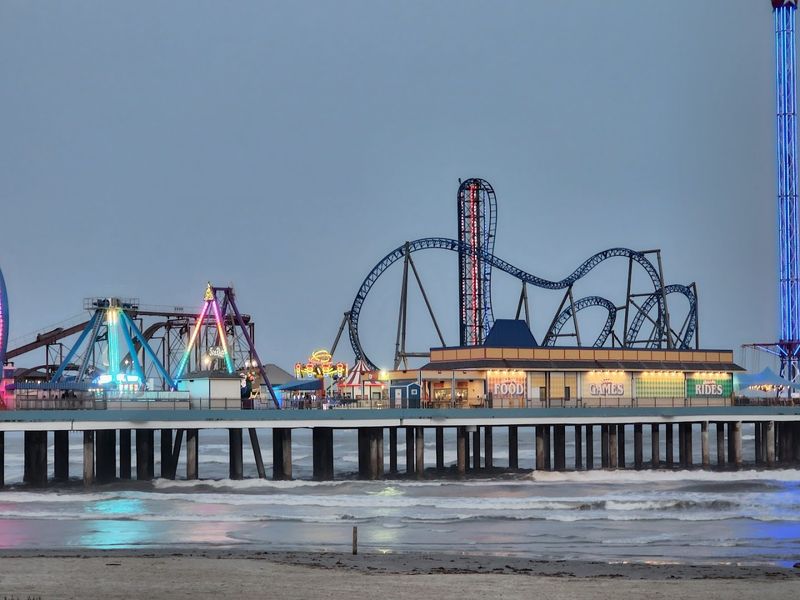
Galveston Island has been Texas’s beach getaway since before air conditioning made the rest of the state bearable in summer. The Historic Pleasure Pier juts out over the Gulf of Mexico, loaded with rides, games, and that slightly sticky carnival atmosphere that somehow feels exactly right for a coastal amusement park. It’s not fancy, and it doesn’t pretend to be—this is pure nostalgic fun with a side of saltwater breeze.
The pier opened in 2012, built on the same spot where the original Pleasure Pier operated from 1943 until Hurricane Carla destroyed it in 1961. Rides include a Ferris wheel that gives you views clear down the coast, a wooden roller coaster that rattles your bones just enough to feel thrilling, and classic carnival attractions that kids beg to ride repeatedly. Everything sits over the water, which adds a unique element—you’re basically riding coasters above the Gulf.
Beyond the rides, the pier has midway games where you can win oversized stuffed animals, food stands serving funnel cakes and corn dogs, and a restaurant at the end if you want to sit down for seafood. The whole place lights up at night, reflecting off the water and creating that timeless boardwalk aesthetic that cameras love.
Galveston itself deserves more time than just the pier. The historic Strand district has preserved Victorian buildings, shops, and restaurants. The beach stretches for miles, though the water is brown from sediment—don’t expect Caribbean clarity.
Still, it’s warm, swimmable, and close enough for a weekend escape from Houston or other inland cities.
Visit on weekdays if possible to avoid the biggest crowds. Summers are hot and humid, as you’d expect on the Gulf Coast. Parking near the pier costs money, so factor that into your budget.
And bring sunscreen—the Texas sun doesn’t mess around, especially with the reflection off the water.
7. Guadalupe Mountains National Park
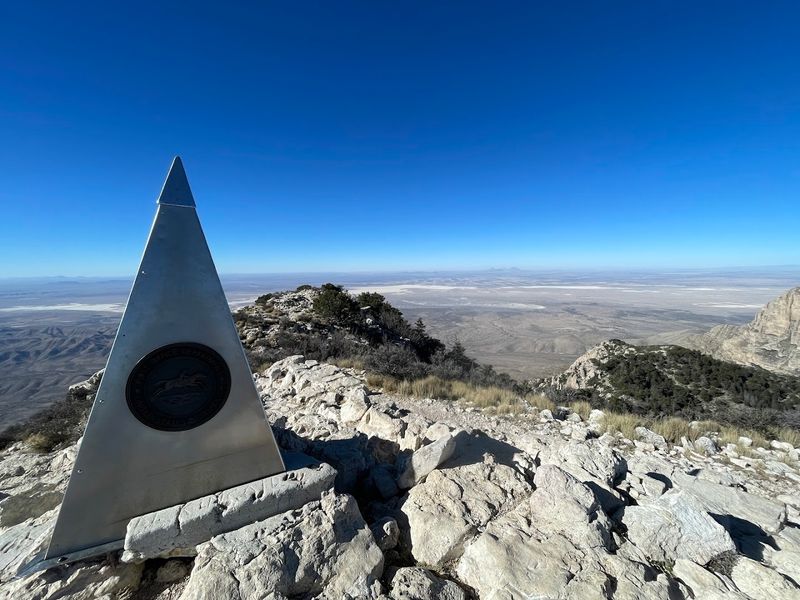
Texas’s highest point isn’t some rolling hill or prairie mound—it’s Guadalupe Peak, an 8,751-foot mountain that towers over the surrounding desert in Far West Texas. The Guadalupe Mountains National Park protects this ancient reef that formed underwater about 265 million years ago when the area was covered by a tropical sea. Now it’s exposed rock, desert plants, and some of the most challenging hiking in the state.
The trail to Guadalupe Peak’s summit is a lung-burner, gaining over 3,000 feet of elevation in about four miles. It’s not technically difficult, but the altitude, exposure, and relentless uphill grind make it a serious undertaking. At the top, you’ll find a metal pyramid monument and views that stretch into New Mexico and across the salt flats below.
On clear days, you can see for a hundred miles, which makes the effort feel worthwhile.
Not every visitor tackles the peak. McKittrick Canyon offers an easier option, especially in fall when the maples turn colors—a rare sight in Texas. The canyon has a spring-fed stream, shade from the desert sun, and significantly less elevation gain.
It’s where people go when they want the park experience without the punishment.
Camping is primitive here, with no hookups or showers. The nearest town with services is miles away, so come prepared with food, water, and supplies. Wildlife includes elk, mule deer, and mountain lions, though the cats stay hidden.
Rattlesnakes are common in warmer months, so watch where you step and make noise on the trail.
The park sees far fewer visitors than Big Bend despite being equally impressive. That means more solitude, easier parking, and trails where you might not see another person all day. Visit in spring or fall when temperatures are moderate—summer heat makes hiking dangerous, and winter brings ice to higher elevations.
8. Hamilton Pool Preserve
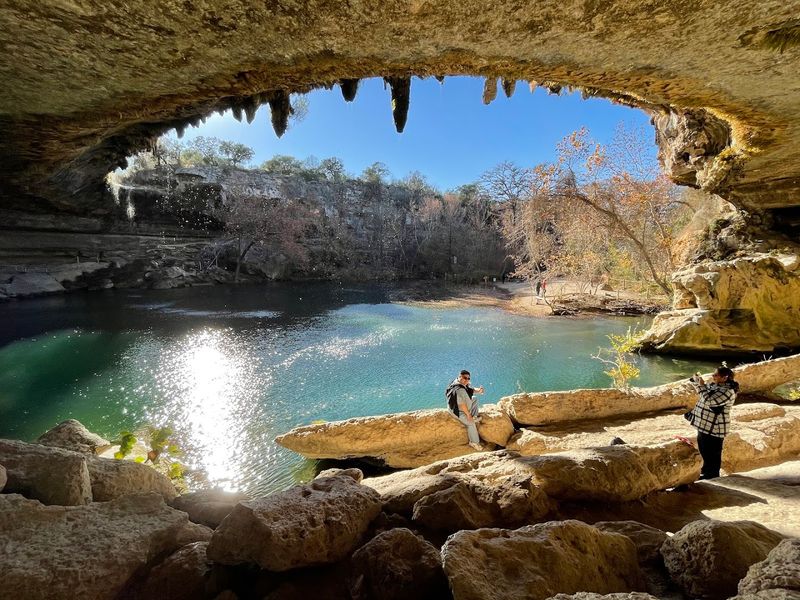
About an hour west of Austin, hidden down a steep trail through Hill Country woods, Hamilton Pool looks like something from a fantasy novel. A 50-foot waterfall spills over a limestone overhang into a jade-green pool surrounded by a natural grotto. The collapsed dome ceiling creates a half-cave effect, with stalactites still clinging to the remaining rock and moss covering everything in sight.
It’s stunning, which is exactly why it’s now so popular that reservations are required.
The pool formed thousands of years ago when the dome of an underground river collapsed, exposing the water below and creating this geological accident that’s now one of Texas’s most photographed natural features. Swimming is allowed when bacteria levels are safe, though the water stays cold year-round since it’s fed by underground springs. Even when swimming is closed, the hike down and the views make the visit worthwhile.
Getting there requires advance planning. Travis County Parks implemented a reservation system because the preserve was being loved to death—too many visitors were damaging the ecosystem and creating traffic nightmares on the narrow roads leading in. Now you book a time slot online, show up during your window, and you’re guaranteed entry.
It’s a hassle, but it beats the old days of driving out and finding the parking lot full.
The trail down to the pool is short but steep, with stairs and uneven terrain that can be slippery when wet. Wear shoes with good traction, not flip-flops. Bring drinking water because the hike back up in Texas heat will remind you that you’re not as young as you used to be.
No glass containers are allowed, and alcohol is prohibited.
Visit in spring when wildflowers bloom along the trail, or after heavy rains when the waterfall flows strongest. Summer crowds are intense despite the reservation system, so weekday mornings offer the most peaceful experience.
9. Texas State Railroad
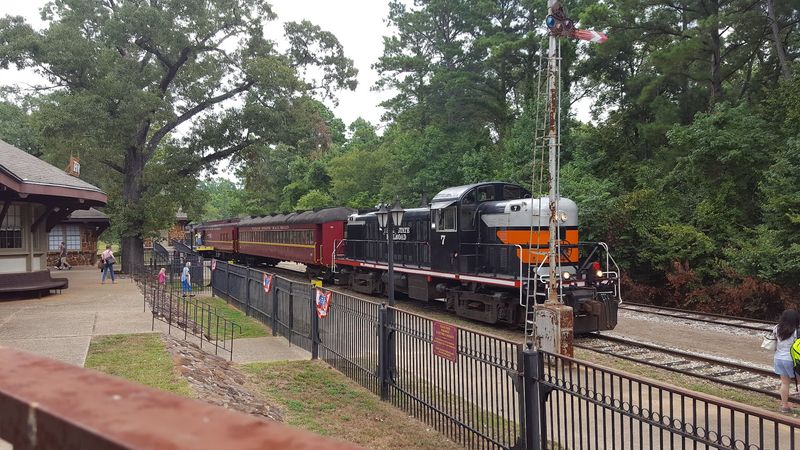
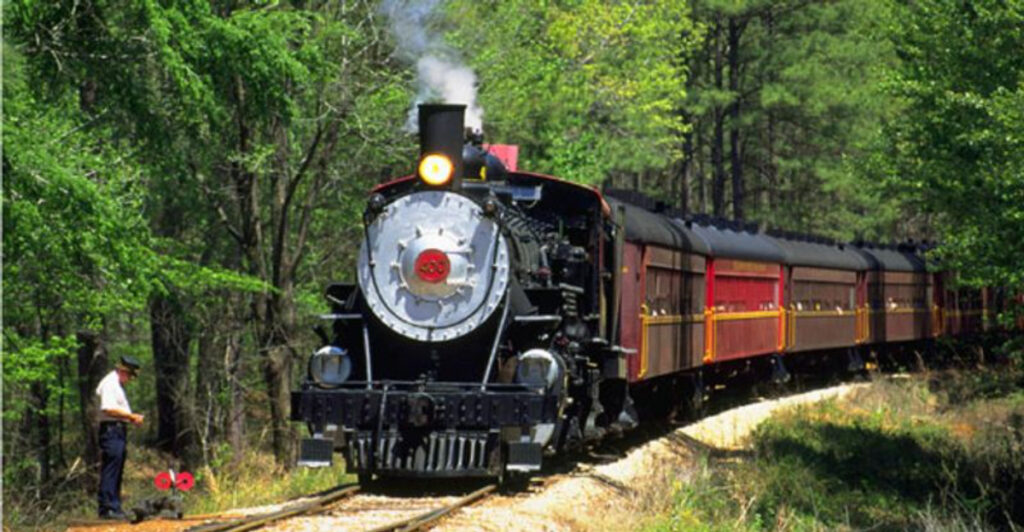
Between the small East Texas towns of Palestine and Rusk, a piece of railroad history still operates like it’s 1896. The Texas State Railroad runs vintage steam and diesel locomotives through 25 miles of pine forest, offering a four-hour round trip that feels like time travel. This isn’t a theme park ride—it’s an actual historic railway that once served the prison system and now carries tourists who want to experience train travel the old-fashioned way.
The journey takes you across 24 bridges, through deep woods where deer occasionally watch from the tree line, and past landscapes that haven’t changed much in over a century. Passengers ride in restored coaches with big windows perfect for watching the scenery roll by at a relaxing 20 miles per hour. There’s no Wi-Fi, no screens, just the rhythmic clack of wheels on rails and conversations with strangers in the next seat.
Special events throughout the year add themed elements—a Polar Express ride at Christmas complete with hot chocolate and Santa, murder mystery dinners where actors perform while you eat and roll through the darkness, and Day Out with Thomas events that thrill young train enthusiasts. The regular scenic rides, though, need no gimmicks. The experience itself is the attraction.
Both depot towns have small parks and museums worth exploring before or after your ride. Palestine has a charming downtown with antique shops and local restaurants. Rusk is smaller but has the railroad museum with exhibits on the line’s history.
You can board at either end, though most people start in Palestine.
First-class tickets get you climate-controlled cars, wider seats, and included refreshments. Coach tickets are cheaper and perfectly comfortable. Book ahead for special events since they sell out.
And bring a camera—the photo opportunities, especially when the steam engine is running, are fantastic.
10. Hueco Tanks State Park and Historic Site
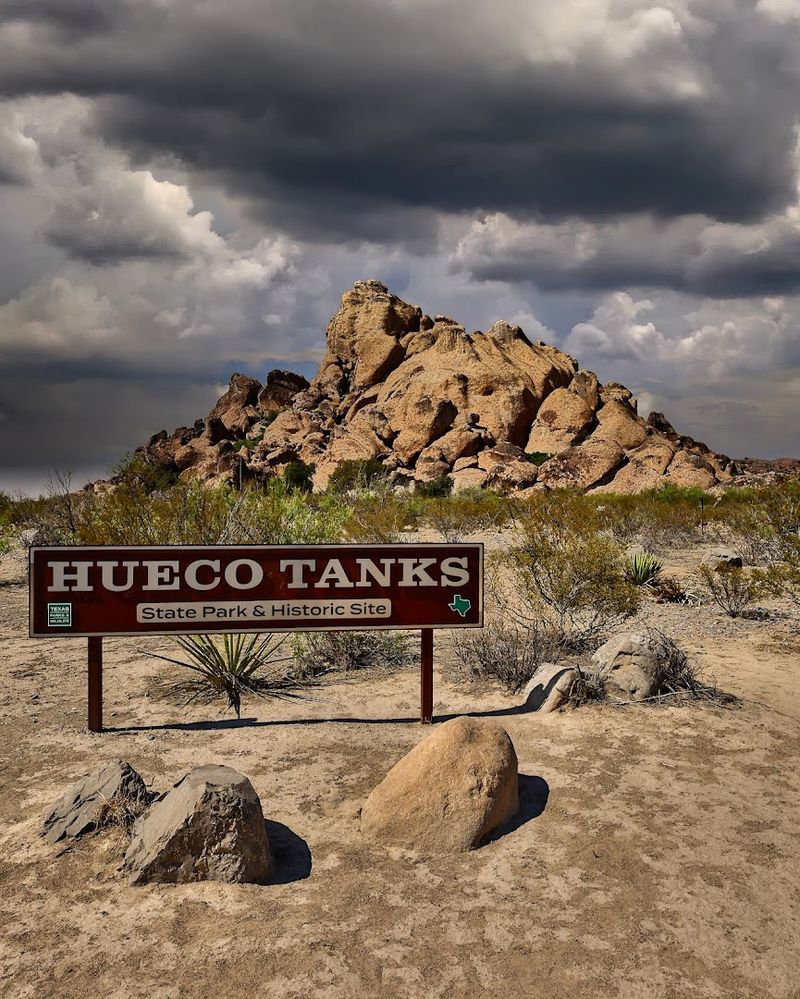
Just east of El Paso, massive granite and syenite boulders rise from the Chihuahuan Desert floor like something dropped by giants. Hueco Tanks gets its name from the natural rock basins—huecos—that collect and hold rainwater, making this a critical water source for humans and animals for thousands of years. Native peoples left behind over 3,000 pictographs on the rock faces, some dating back more than 4,000 years, making this one of the most significant rock art sites in North America.
Today, the park is famous for two things: ancient history and world-class bouldering. Rock climbers travel internationally to tackle the unique problems here, where the rock formations create overhangs, cracks, and challenges that built the reputation of climbers like John Sherman, who developed many of the routes. If you’re not into climbing, guided tours take you to see the pictographs, including masks, handprints, and animal figures painted by people long before Europeans arrived.
Access is limited to protect both the rock art and the fragile desert ecosystem. Only a certain number of daily visitors are allowed, and some areas require guided tours. The self-guided area lets you explore, boulder (with proper permits), and hike without a ranger, but the best pictographs are in restricted zones.
Book tours in advance, especially during peak season from October through April.
Wildlife includes desert species adapted to extreme conditions—lizards, roadrunners, jackrabbits, and the occasional coyote. Birds use the water-filled huecos, especially during dry periods when other sources disappear. Early morning and late afternoon bring the most animal activity and the best light for photography.
Bring all the water you’ll need because there’s none available in the park. Summers are brutally hot, with temperatures over 100 degrees common. Spring and fall offer ideal conditions for hiking and climbing.
Camping is available but basic, with no hookups or modern facilities.
11. San Antonio Missions National Historical Park
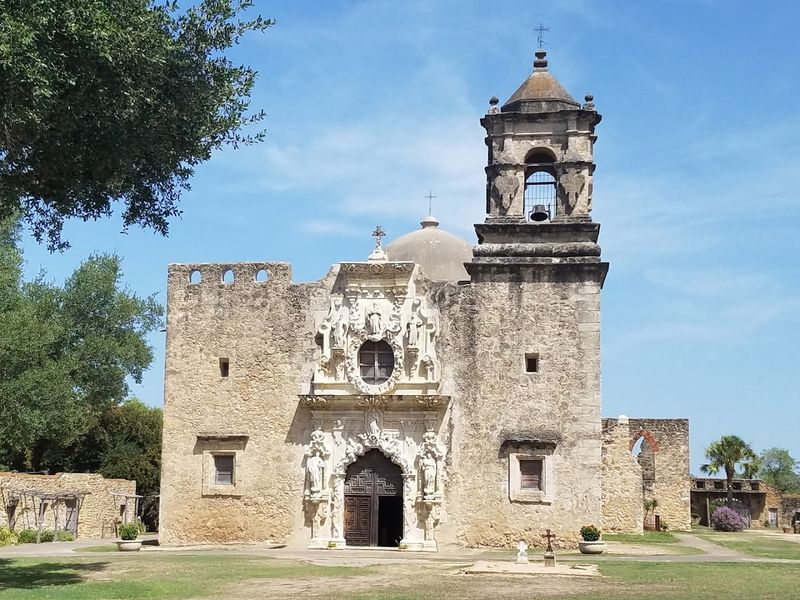
Everyone knows the Alamo, but most people miss the four other Spanish colonial missions scattered along the San Antonio River just south of downtown. These missions—Concepción, San José, San Juan, and Espada—form a National Historical Park that tells the story of Spain’s colonization efforts in the 1700s. Unlike the Alamo, which is now surrounded by the city, these missions still have open space around them, giving you a better sense of what life was like 300 years ago.
Mission San José is the crown jewel, nicknamed the “Queen of the Missions” for its elaborate stone carvings and well-preserved church. The famous Rose Window, carved from a single piece of limestone, shows the level of craftsmanship that went into these structures. You can walk through the old living quarters, see the granary where food was stored, and explore the defensive walls that protected the community from raids.
The missions weren’t just churches—they were entire self-sustaining communities where Spanish priests worked to convert Native peoples to Christianity and Spanish culture. Each mission had fields, workshops, and living areas. The acequia system, an irrigation network built by mission residents, still functions today, making it one of the oldest continuously operating water systems in the country.
A bike trail connects all four missions, following the river for about eight miles. It’s a pleasant ride through neighborhoods and parks, with interpretive signs explaining the history along the way. You can also drive between them, though parking can be tight on busy weekends.
Each mission has a different character and state of preservation, making it worthwhile to visit all four if you have time.
Admission is free, which makes this one of the best values in Texas tourism. The missions still serve as active Catholic parishes, so be respectful during services. Visit in spring when wildflowers bloom along the river, or in fall when temperatures drop from summer’s intensity.
12. Bastrop State Park
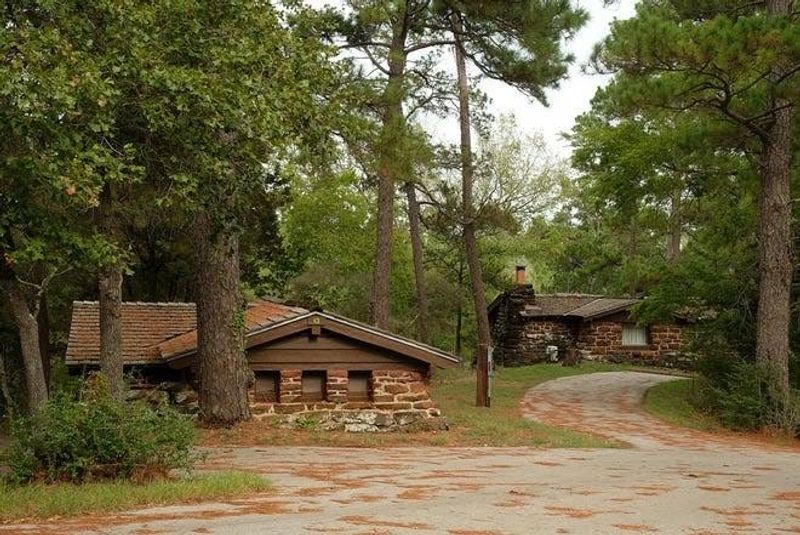
Central Texas is mostly oak trees, cedar, and scrubby brush—except for one strange pocket near Bastrop where towering loblolly pines grow like they’re lost. Scientists call it the “Lost Pines” ecosystem, a remnant from when the climate was different and pine forests covered more of Texas. Now this isolated stand exists about 100 miles from the nearest similar forest, surrounded by completely different vegetation.
Bastrop State Park protects a chunk of these pines and offers a surprising amount of outdoor recreation for a park so close to Austin. Hiking trails wind through the forest, including the challenging 8.5-mile Lost Pines Trail that loops through remote sections where you might forget you’re just 30 miles from the state capital. The pines create a canopy that provides actual shade, a luxury in Texas where many trails bake under full sun.
The park suffered devastating losses during the 2011 Bastrop County Complex Fire, which burned over 96% of the forest. Walking through today, you’ll see both the recovery and the scars—young pines growing up between blackened trunks, wildflowers thriving in the newly opened understory, and wildlife adapting to the changed landscape. It’s a living lesson in forest ecology and resilience.
Camping options include sites with water and electricity, screened shelters, and historic cabins built by the Civilian Conservation Corps during the 1930s. The cabins have stone fireplaces, sleeping areas, and that rustic charm that makes you feel like you’re roughing it even though you have a roof and electricity. They book up fast, especially during fall and spring, so reserve well ahead.
The park’s swimming pool is a throwback to a different era, built in the 1930s and still operating during summer months. It’s nothing fancy, just a simple pool where families cool off after hiking. The park also has a nine-hole golf course, one of the few in the state park system, if you’re into that sort of thing.
13. Enchanted Rock State Natural Area
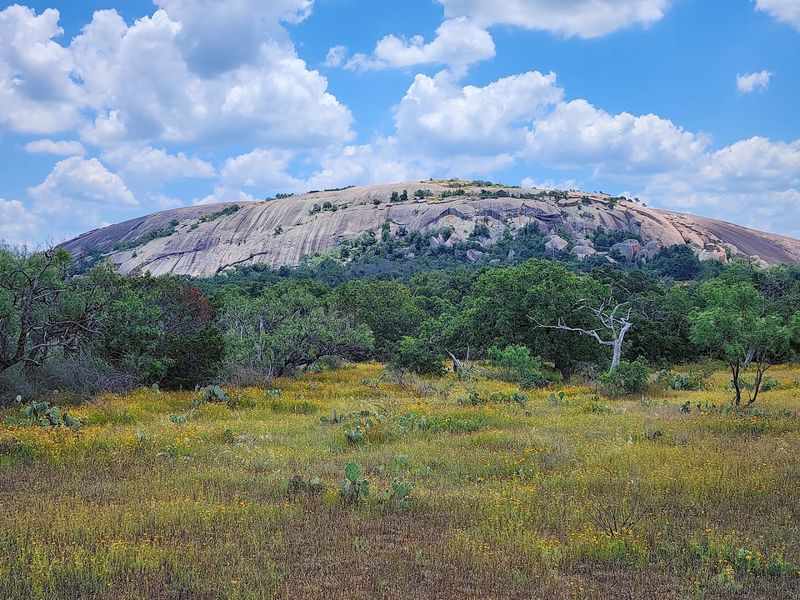
Rising dramatically above the surrounding Hill Country, Enchanted Rock doesn’t look like anything else in Texas. The massive pink granite dome stretches skyward, visible for miles, and has drawn people in for centuries—from Native American tribes to modern-day hikers chasing one of the best views in the state. There’s something about it that feels different the moment you arrive, like the landscape itself is asking you to slow down and pay attention.
The climb to the summit is what most visitors come for. It’s not a traditional trail the entire way—more like a steady, exposed walk up smooth rock that seems to go on forever. The incline can be challenging, especially in the heat, but the payoff is immediate once you reach the top.
Sweeping 360-degree views reveal rolling hills, distant ridgelines, and a quiet sense of space that’s hard to find elsewhere in Texas.
Beyond the main dome, the park offers more to explore than many expect. Miles of hiking trails wind through the surrounding terrain, leading to smaller rock formations, hidden caves, and quieter areas where you can escape the crowds. Rock climbers are drawn to the area for its unique routes, while campers stay overnight to experience the park after the day visitors leave.
At night, Enchanted Rock becomes something else entirely. With minimal light pollution, the sky fills with stars, making it a favorite for stargazers and photographers. On certain evenings, the granite itself seems to hold onto the day’s warmth, radiating heat back into the cool air.
Stories and legends have always surrounded the rock, with early visitors claiming to hear creaking or whispering sounds as temperatures shift the stone. Whether you believe the folklore or not, the atmosphere adds to the experience. Enchanted Rock isn’t just a hike—it’s a place that feels bigger, quieter, and more memorable than expected.
14. Padre Island National Seashore
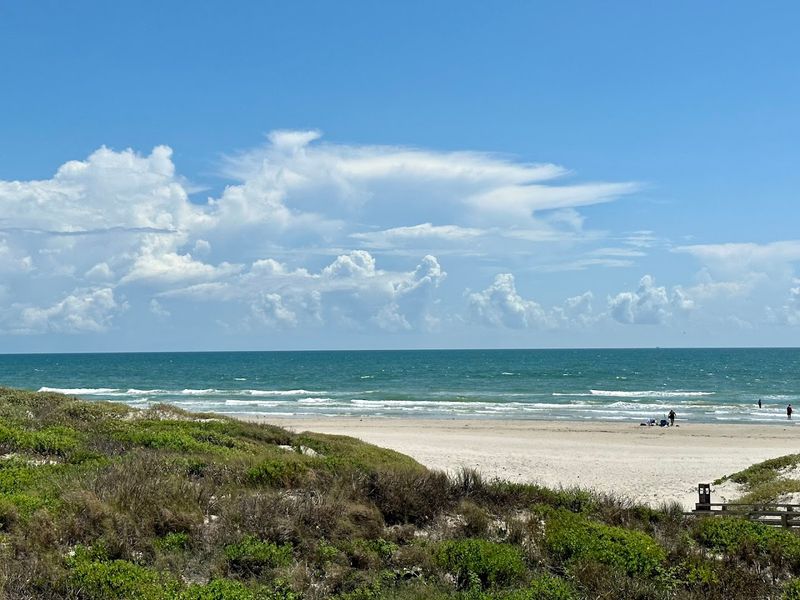
While South Padre Island gets all the spring break attention, the national seashore preserves 70 miles of barrier island in its natural state—no hotels, no condos, just beach, dunes, and the Gulf of Mexico stretching to the horizon. This is the longest undeveloped barrier island in the world, and driving down the beach with nothing but sand and water in sight makes you realize how rare truly empty coastline has become.
The northern end near the visitor center is easily accessible with paved roads and facilities. Most visitors stop here, swim, collect shells, and leave happy. But if you have four-wheel drive, you can continue south on the beach for miles, camping wherever you find a good spot above the high tide line.
The further you go, the fewer people you see, until it’s just you, the birds, and the occasional coyote trotting along the dunes.
Sea turtle nesting happens here every summer, with Kemp’s ridley turtles—the most endangered sea turtle species—coming ashore to lay eggs. The park runs a recovery program, and if you visit during nesting season, you might witness a release of hatchlings making their first scramble to the ocean. It’s one of those wildlife moments that reminds you why conservation matters.
Fishing is excellent, with surf anglers pulling in redfish, speckled trout, and sharks from the beach. No license is required for saltwater fishing from shore in Texas, so grab a rod and try your luck. The water isn’t clear—sediment from the Mississippi and other rivers clouds the Gulf along the Texas coast—but it’s warm and swimmable.
Watch for jellyfish, especially Portuguese man-o-wars, which wash up periodically and pack a painful sting.
Bring everything you need because there are no stores or restaurants inside the park. The nearest town is Corpus Christi, about a 30-minute drive. Camping is primitive, with no hookups, though there are restrooms near the visitor center.
Summers are hot and humid with intense sun, so sunscreen isn’t optional—it’s survival gear.
15. Greater Third Ward, Houston
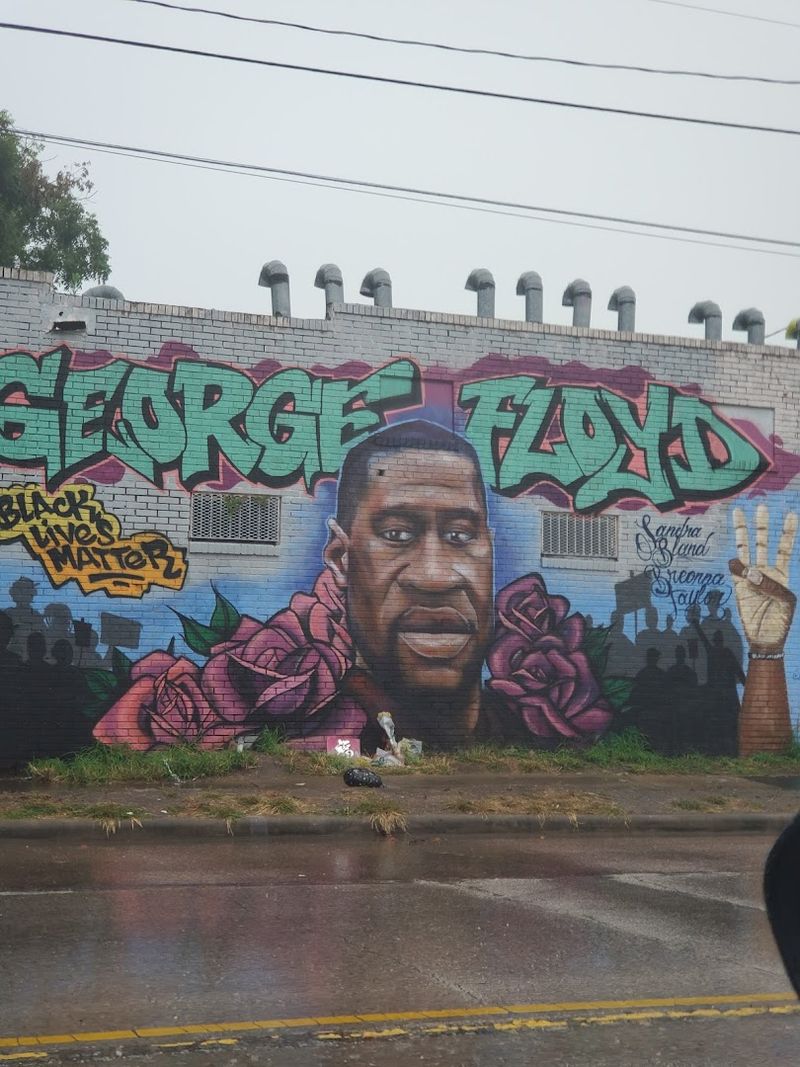
Houston’s Third Ward doesn’t make it onto most tourist maps, but this historically African American neighborhood has shaped the city’s culture, music, and identity for over a century. Freedmen settled here after the Civil War, building churches, schools, and businesses that became the foundation of Black Houston. Today it’s a neighborhood in transition, where longtime residents, students from nearby Texas Southern University, and newcomers navigate rapid change together.
Emancipation Park sits at the heart of the community, purchased by formerly enslaved people in 1872 to create a space for Juneteenth celebrations. It’s the oldest park in Houston specifically created by and for African Americans, and it remains a gathering place for festivals, family reunions, and everyday life. The recent renovation upgraded facilities while preserving the park’s historic significance.
The area has produced remarkable cultural figures—Beyoncé grew up in the Third Ward, as did George Foreman and numerous musicians who shaped Houston’s hip-hop scene. Project Row Houses, an art and community project, transformed abandoned shotgun houses into galleries and social programs, showing how art can drive neighborhood revitalization. Walking through the installations gives you insight into both the area’s struggles and its creative resilience.
Soul food restaurants serve the kind of cooking that’s been passed down through generations—fried chicken, collard greens, cornbread, and peach cobbler that tastes like somebody’s grandmother made it. These aren’t trendy spots chasing food bloggers; they’re neighborhood institutions where locals have been eating for decades. The food is rich, unapologetic, and deeply connected to Southern Black culinary traditions.
Visiting the Third Ward means engaging with a living community, not a museum. It’s not without challenges—poverty, gentrification pressures, and displacement are real issues residents face. But it’s also full of pride, history, and culture that many Texans overlook because it doesn’t fit the typical tourism narrative.
Go with respect, support local businesses, and recognize you’re experiencing a neighborhood that’s been central to Texas history even when that history was ignored.