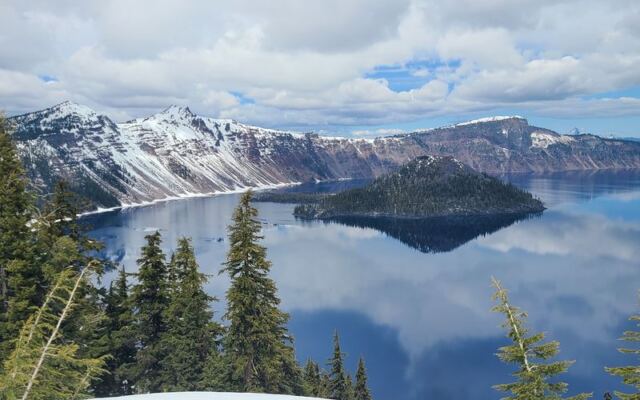
Deep in the Oregon Cascades, a volcano collapsed long ago and left behind a bowl that filled with the deepest lake in the country. Each winter, up to 15 feet of snow buries the rim, and park rangers lead free snowshoe walks so people can explore it on foot. Snow often lingers well into spring, so the white season is a big part of the story here.
Keep reading to learn about the trails, the tours, the closures to know about, and the smartest ways to plan a trip.
Oregon’s Only National Park
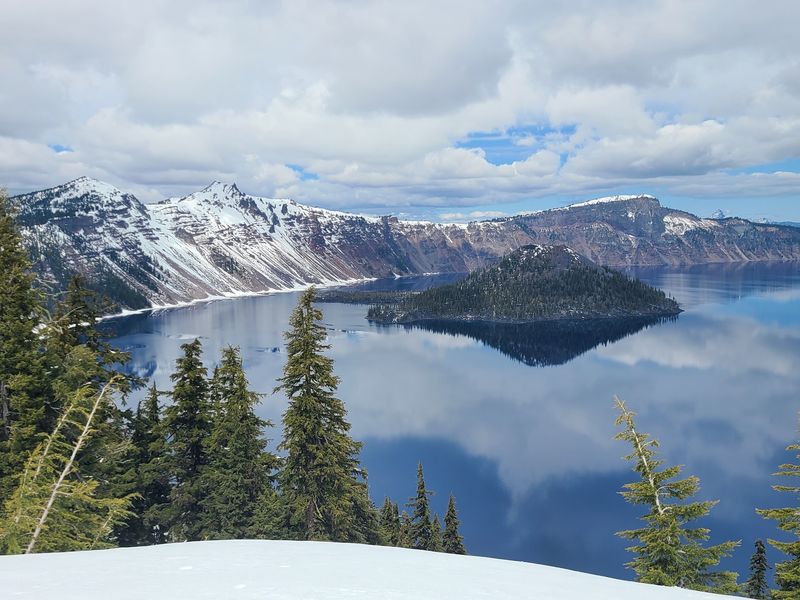
Oregon has just one national park, and it happens to hold the deepest lake in America. Crater Lake National Park sits in Oregon, United States, and covers a sprawling 183,224 acres.
The park is open 24 hours a day, every day of the week. That means sunrise and sundown at the rim are both fair game for anyone willing to set an alarm or stay late.
At its heart is a caldera lake, ringed by steep walls and dotted with striking geologic features. A historic lodge also sits near the edge, adding a touch of old-school charm to the wild setting.
The park earns a 4.9-star score from more than 16,000 people, which says a lot about how hard it is to leave disappointed. Many call it a must for any bucket list.
It is a bit out of the way, and the drive takes planning. Still, the general feeling is that every mile on the road pays off once the lake comes into view.
For Oregon locals, this is a homegrown treasure worth protecting and revisiting. For out-of-state travelers, it is the kind of stop that turns a road trip into a story worth retelling.
A Volcano That Caved In
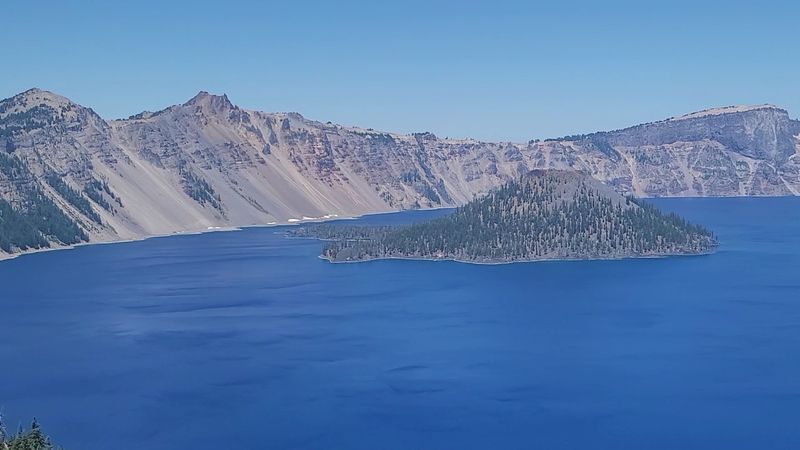
Long before anyone hiked here, a mountain blew its top and then collapsed into itself. The giant hole it left behind became a caldera, and over time, it filled with water to form the lake seen today.
The scale is hard to wrap the mind around. Standing at the rim, many people find themselves wondering just how powerful that eruption must have been.
The best place to start is the visitor center near the rim. A short 20-minute film there breaks down how the lake formed, step by step.
Plenty of travelers say watching it first made the view far more meaningful. Knowing the backstory turns a pretty lake into a geology lesson with a jaw-dropping payoff.
The Rim Visitor Center is one of the most talked-about spots in the whole park. Signs around the area also help explain what happened here and why the water sits so still and deep.
Kids especially tend to connect with the volcano story. A collapsed mountain is a lot more exciting than a textbook diagram, after all.
Give the film your attention before heading out to the overlooks, and the rest of the day will make a lot more sense.
Snowshoes, Rangers, and a Very Long Winter
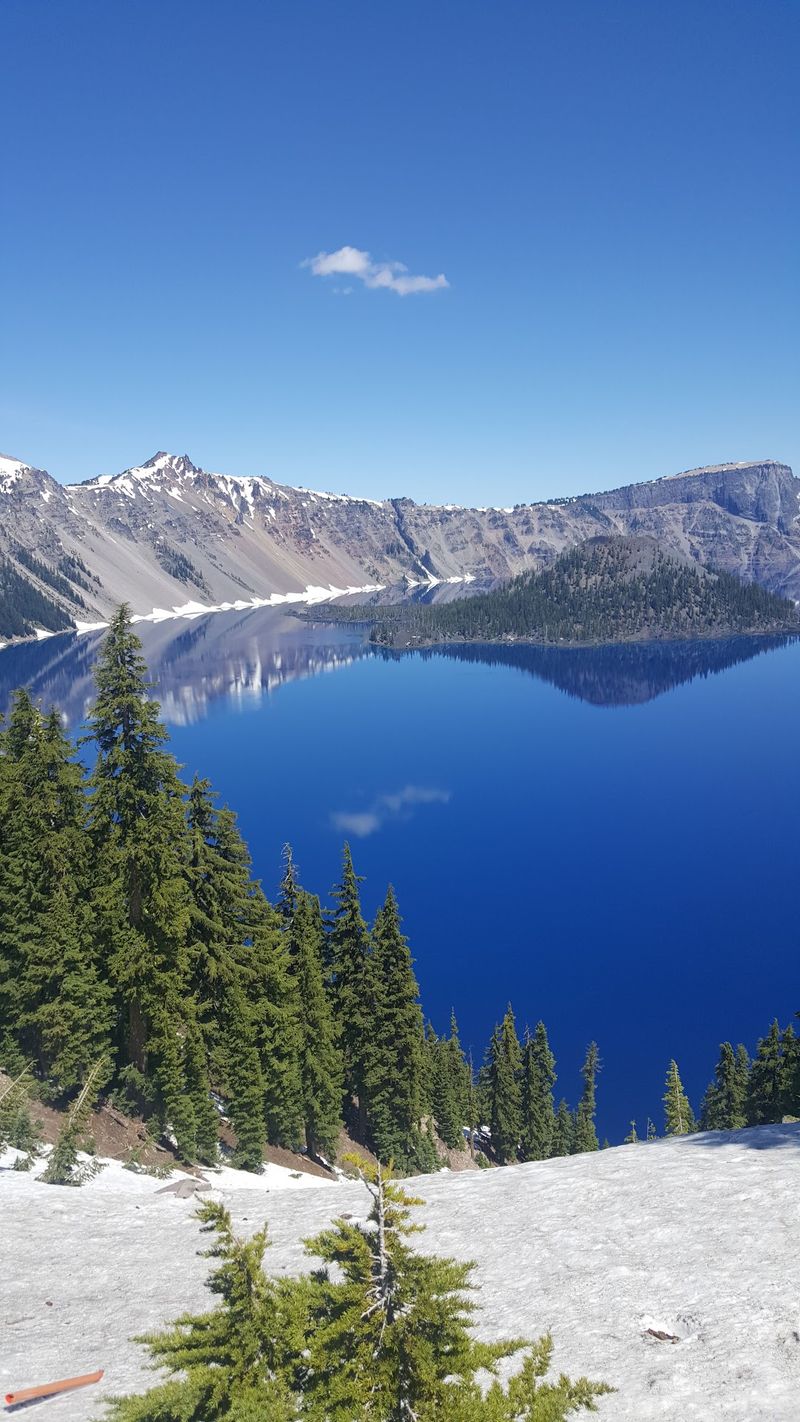
Winter does not tiptoe into this park. Up to 15 feet of snow can wrap the rim each year, turning the area into a deep white landscape.
Rather than closing the fun down, rangers lead free snowshoe walks along the rim. These guided outings give people a chance to explore the high country at a slower, steadier pace.
The snow sticks around for a long time, too. It often hangs on through April and into May, and patches can still be spotted in early June.
Spring travelers sometimes arrive expecting summer roads and find a winter scene instead. A group of motorcyclists once planned to circle the whole lake, only to find the road still closed by snow.
They enjoyed the view and the snow anyway. That is a pretty good attitude to pack for this park.
Snow is actually one of the most mentioned topics among people who have been here. For many, seeing white drifts in June becomes a favorite memory rather than a letdown.
Bring layers, check road conditions before leaving, and treat a snowy visit as a bonus season, not a backup plan.
Thirty-Three Miles of Rim Drive
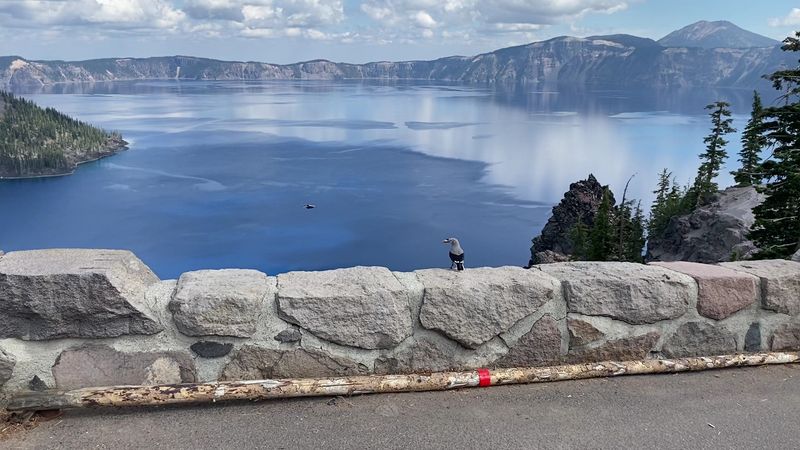
Some roads get you somewhere. Rim Drive is the destination itself.
The road loops around the entire lake for 33 miles, with pullouts and viewpoints scattered along the way. Each stop shows the caldera from a slightly different angle.
Just driving the loop can take half a day once the stops add up. Many people suggest setting aside the better part of a day to enjoy it without rushing.
Here is the catch for now. A good chunk of the east side of the road has been closed for roadwork, so a full loop has not been possible lately.
A Medford family who made the roughly hour-long trip for a day at the rim ran into exactly that. They still called the drive worth it for the views alone.
Construction near the wildflower trail has also kicked up noise and dust at times. That can affect people with allergies, so plan accordingly.
Even with sections closed, there is plenty to see from the open stretch. Pull over often, take your time, and the shortened route will still feel full.
Trails Worth Lacing Up For
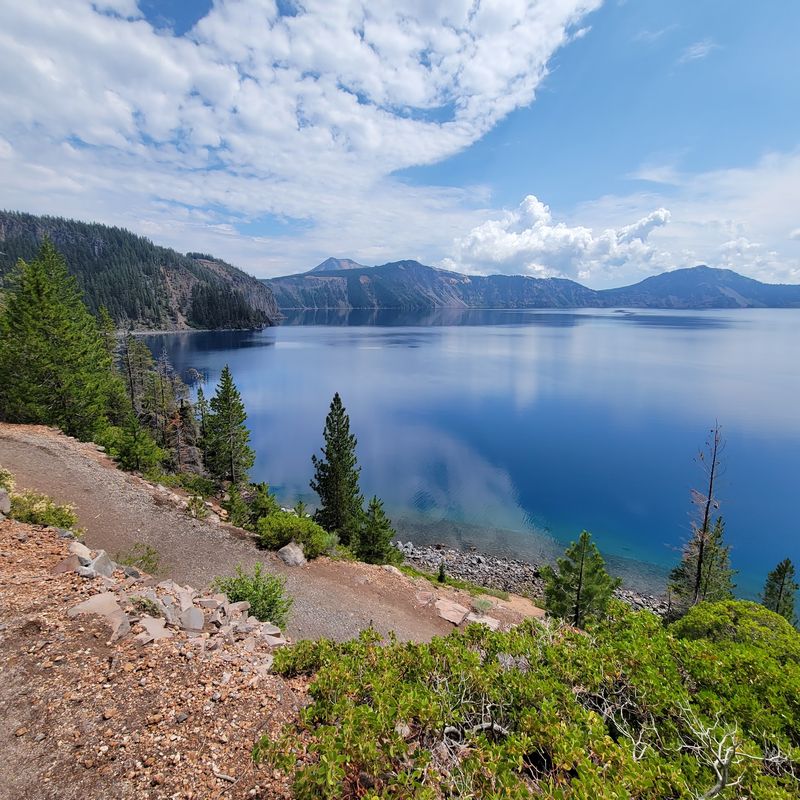
Good news for casual walkers: many of the best views need no lengthy hike. Most stops are easy to reach right from the road.
For those who want a little more, the Discovery Point Trail is an easy 2.2 miles. Parts of it even run along the road, and it delivers some of the finest views in the park.
Godfrey Glen is another easy option at 1.1 miles. It is a relaxed pick for families or anyone easing into the day.
Watchman Peak is a bit more of a workout, with a semi-challenging climb to a lookout tower. It is a favorite at sunset, though it has very little shade.
Garfield Peak is the morning star. Hikers often call its views the best of the whole day, and early starts beat the summer heat.
The Pinnacles trail is short but dusty and sits close to an edge. With part of the rim road closed, some suggest saving it for another trip.
Trails here can be steep, so watch every step. A sturdy pair of shoes is a small price for views this big.
The Trolley Tour and a Clever Ranger Program
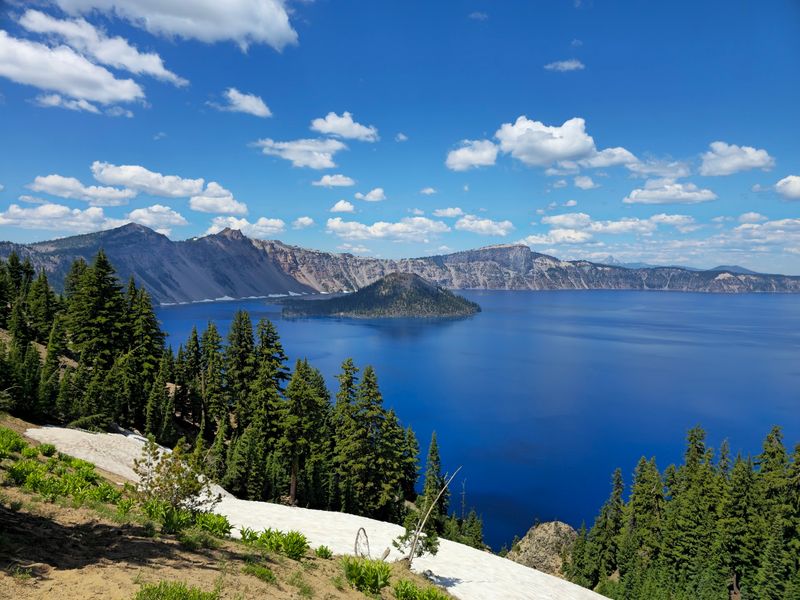
Sometimes the best way to see a place is to let someone else do the driving. The trolley tour is one of the most recommended ways to take in the lake.
Tours last about two hours and cost $44 per adult. People regularly describe them as fun, informative, and well worth the price.
Guides share the stories behind the landmarks as the trolley moves around the rim. That background makes each viewpoint feel less like a photo stop and more like a chapter.
Rangers have also added something new. Since lake access is closed for trail work, a roughly 45-minute ranger program now shows what the old boat tours were like.
Families say the program changed how they saw the rest of the park. After learning the names and history of different spots, the drive around the lake felt completely different.
Kids can also join the Junior Ranger program, which is a big hit with younger explorers. It turns learning into a mini mission.
Book a trolley seat, catch a ranger talk, and the lake starts telling its own story.
Wizard Island on Pause
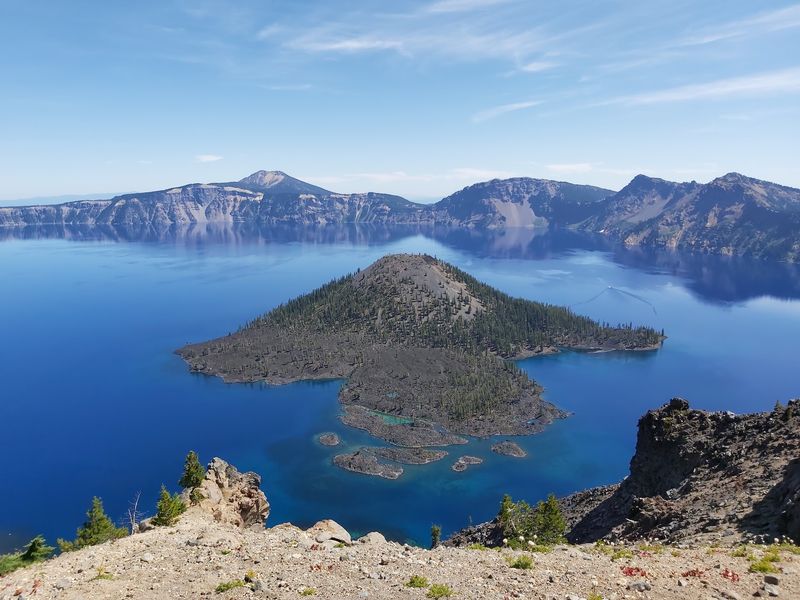
Out in the water sits Wizard Island, one of the most recognizable sights in the park. Getting close to it, however, is off the table for a while.
The Cleetwood Cove Trail is the only route down to the water. It is closed for improvement work, and there is no lake access until 2029.
Boat tours that started from the bottom of that trail are paused as well. They are not running in 2026 or 2027 because of the rehab project.
That news disappoints some people at first. Still, many find the lake feels calm and undisturbed without boats on it, which has its own appeal.
Wizard Island remains easy to admire from the rim. Overlooks around the caldera give clear views of it, and Watchman Peak is a popular place to see it from above.
This is also a preservation story worth caring about. The work being done now keeps a beloved trail safe and usable for the next generation of Oregon families.
A few years of patience means a better path to the water. Until then, the island makes a fine subject for photos from up top.
Lodge Rooms, Campsites, and Ice Cream Stops
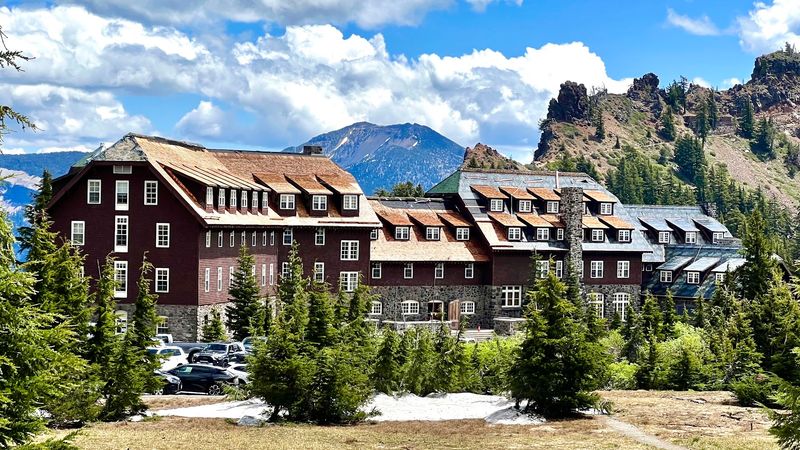
A long day at the rim calls for a place to rest. The park offers a historic lodge, campgrounds, and a few handy services.
The lodge sits near the edge of the lake and has basic food options during summer. Some guests book lakeside rooms for the view, though fog can roll in and hide everything.
One guest joked about paying extra for a lakeside room only to see nothing but fog. They still called the park magnificent rain or shine.
Mazama Campground works well for tents and vans. Travelers with campervans have enjoyed staying there between days of exploring.
Nearby Mazama Village has Annie’s, a popular stop for ice cream after hiking. A spigot there lets people refill water bottles, and Pacific Crest Trail hikers often stop by to pick up mail.
At the rim, a cafe offers coffee and snacks, and a gift shop sells souvenirs. These small comforts help a full day go smoothly.
Wildlife adds a surprise or two. Bald eagles and local deer are sometimes spotted around the park, so keep an eye out between bites of that cone.
Smart Timing and a Fair Verdict
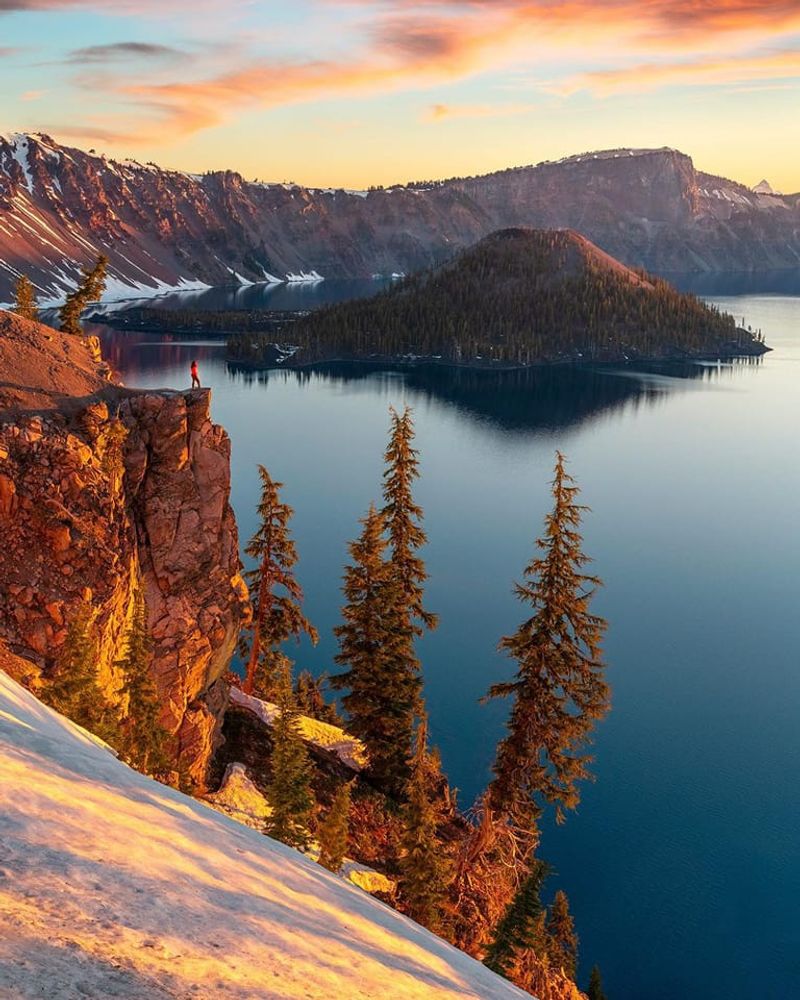
Timing can make or break a trip here. A few simple choices help a lot.
Weekdays tend to be less crowded, and summer crowds stay reasonable when people arrive early. Sunny days show off the lake’s color best, so check the forecast before driving up.
Sunrise and sundown at the rim are both popular for photos. One traveler arrived just before dark for evening shots, then came back in the morning for sunrise.
Summer can bring smoky air during fire season. Those with breathing concerns may want to check air conditions before heading out.
Getting there takes effort. Medford sits about an hour or so away, making it a doable day trip for southern Oregon residents.
Out-of-state guests often build it into a larger route, such as a drive between California and the redwoods. It fits nicely into a road trip but deserves more than a quick stop.
With closures in place, the park is not running at full speed right now. Yet the views, trails, ranger programs, and winter snowshoe walks keep it high on the list, and the lake will be waiting whenever you are ready.
Share this story