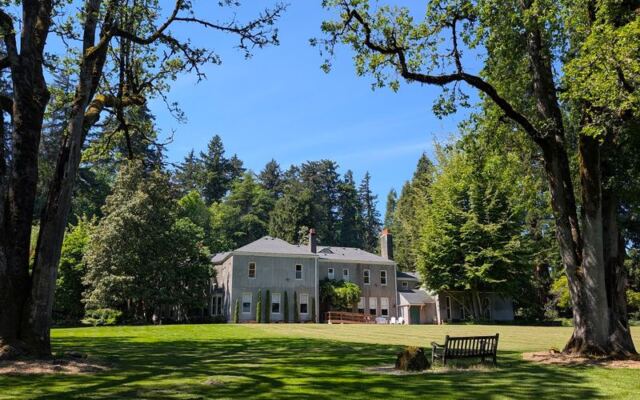
Some of the best places in Portland do not have a ticket booth, a gift shop, or a big sign out front. Tucked into a quiet neighborhood near Lake Oswego, there is a historic estate garden that opens its gates to anyone on weekdays and asks for nothing more than respect and an optional donation. Its paths wind past century-old trees, towering redwoods, rhododendrons, and plants both familiar and unusual.
Then the trail bends and the Willamette River appears far below a high bluff. A long-ago gift made all of this public, and that promise still shapes the place today. Keep reading to learn its story, what to look for in each season, and the house rules worth knowing before you go.
A Bluff-Top Estate on Military Lane
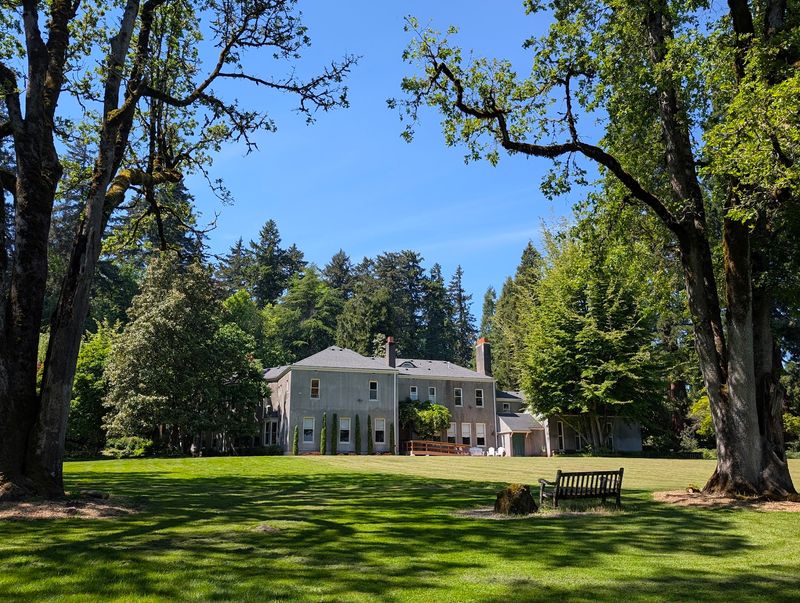
The GPS will tell you to turn into what looks like a private driveway, and the GPS is right. Elk Rock Garden sits at 11800 S Military Ln, Portland, OR 97219, in the United States, tucked away in a residential pocket close to Lake Oswego.
Many first-timers admit it took a little searching to find. That hidden quality is part of the charm, since the garden feels removed from the city even though houses sit all around it.
The grounds spread across a high bluff above the Willamette River. They are laid out in a classic English style, with stone paths, hedges, and shrubs framing the walk.
Here is the headline detail that makes budget-minded Oregonians smile. There is no admission charge to walk the grounds, and donations are welcome rather than required.
A small parking lot and a visitor center greet arrivals near the entrance. From there, a network of paths leads off in several directions, each one inviting a slow, unhurried walk.
The place is technically a private garden that opens to the public. That arrangement comes with a few rules, and the rest of this story explains why they exist and how to enjoy the visit fully.
The Promise Behind the Gates
Gardens rarely come with strings attached, but this one came with a condition that still benefits the public. Decades ago, the estate was given to a religious organization with the stipulation that its English gardens be open to the public.
That is why the garden is also known as the Bishop’s Close. Ownership rests with the Episcopal Diocese of Oregon, while the community gets to enjoy the grounds on weekdays.
The old mansion still stands on the property. It is not open to the public, so the experience focuses entirely on the gardens and trails outside.
Plenty of people walk away grateful that the estate was opened up all those years ago. For locals who care about keeping familiar Oregon places alive, the arrangement feels like a small preservation success story.
A few years back, news reports noted the estate had been listed for sale, which made some regulars worry about the future. The gardens have continued to welcome walkers on weekdays, and many people now visit with a fresh appreciation for that access.
Knowing this backstory changes the walk a little. Every path feels a bit like a gift that someone chose to share.
Willamette Views From the High Bluff
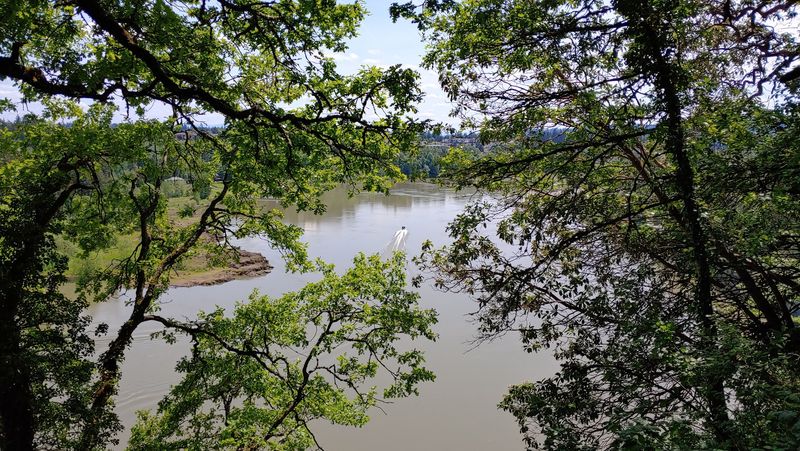
River views top the list of things people mention after a visit, and for good reason. The garden perches on a high bluff, so the Willamette River appears through gaps in the trees again and again.
Meandering pathways lead to overlooks where the water stretches out below. Some trails run along the edge and flank the river, giving a steady sense of height and openness.
The trees frame many of these views rather than blocking them. It is a tree-lined look at the river, more of a series of windows than one giant panorama.
Weather changes the scene in fun ways. One rainy winter walk ended with a rainbow appearing over the river, which is about the best reward anyone could ask for after a soggy hour on the trails.
These overlooks make a natural pause point during a stroll. Bring a little patience, linger a minute, and the river tends to steal the show.
Giants Among the Paths
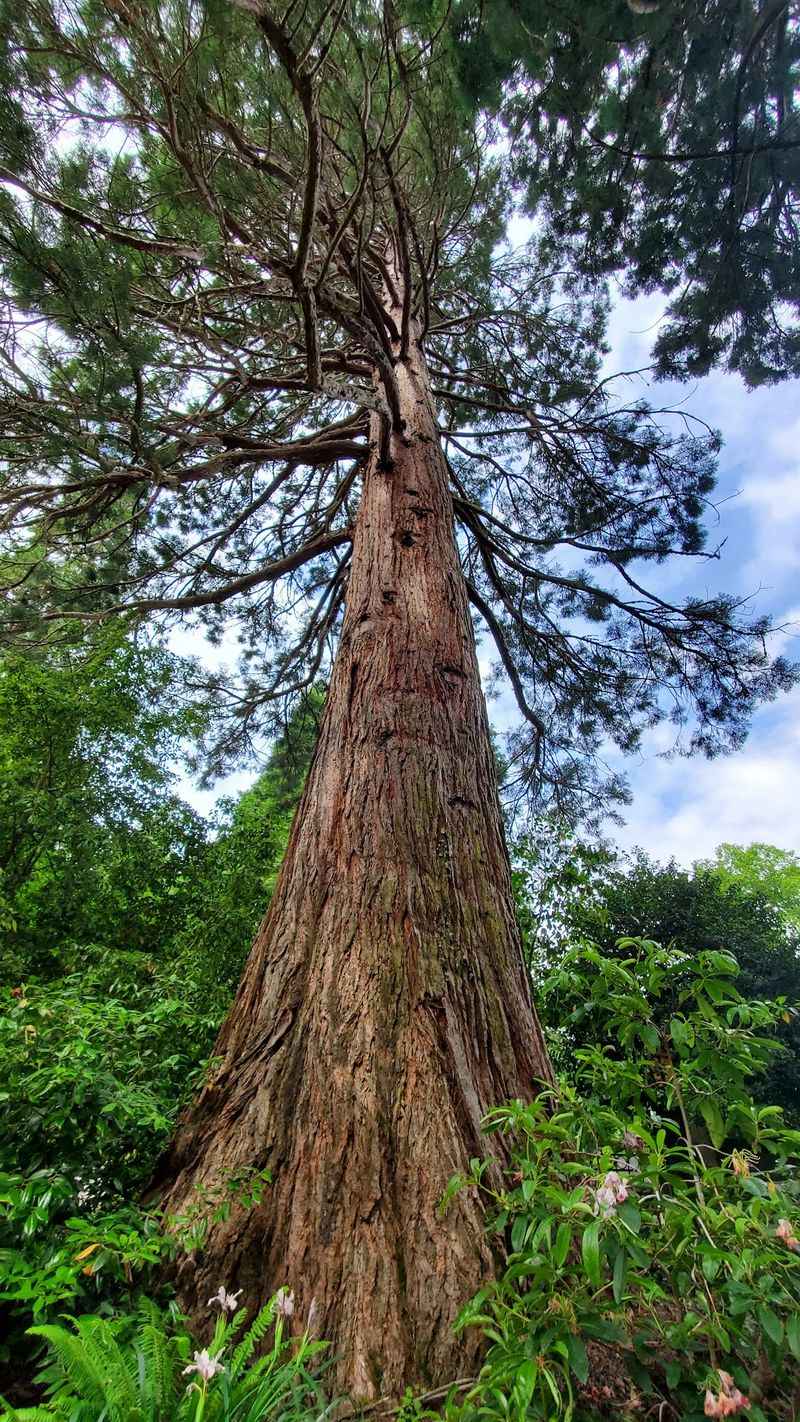
Look up. Some of the most memorable residents of this garden are its huge, old trees, many of them around a century in age.
Towering redwoods rise along parts of the walk. Their size makes the paths below feel even more tucked away from the neighborhood just beyond the property line.
These trees anchor the whole landscape. While flowers come and go with the seasons, the old giants stay put and give the garden a steady backbone throughout the year.
For tree lovers, the variety is a treat. Familiar species stand near more unusual ones, so even a casual stroll turns into a bit of a botanical scavenger hunt.
The global mix of plantings is part of what makes the garden special. Plants from far-flung places share space here, letting walkers travel the world’s flora without leaving Portland.
Bring a plant identification app if curiosity strikes. Otherwise, simply enjoying the scale of these trunks is a perfectly good plan.
Rhododendrons, Hellebores, and Flowering Shrubs
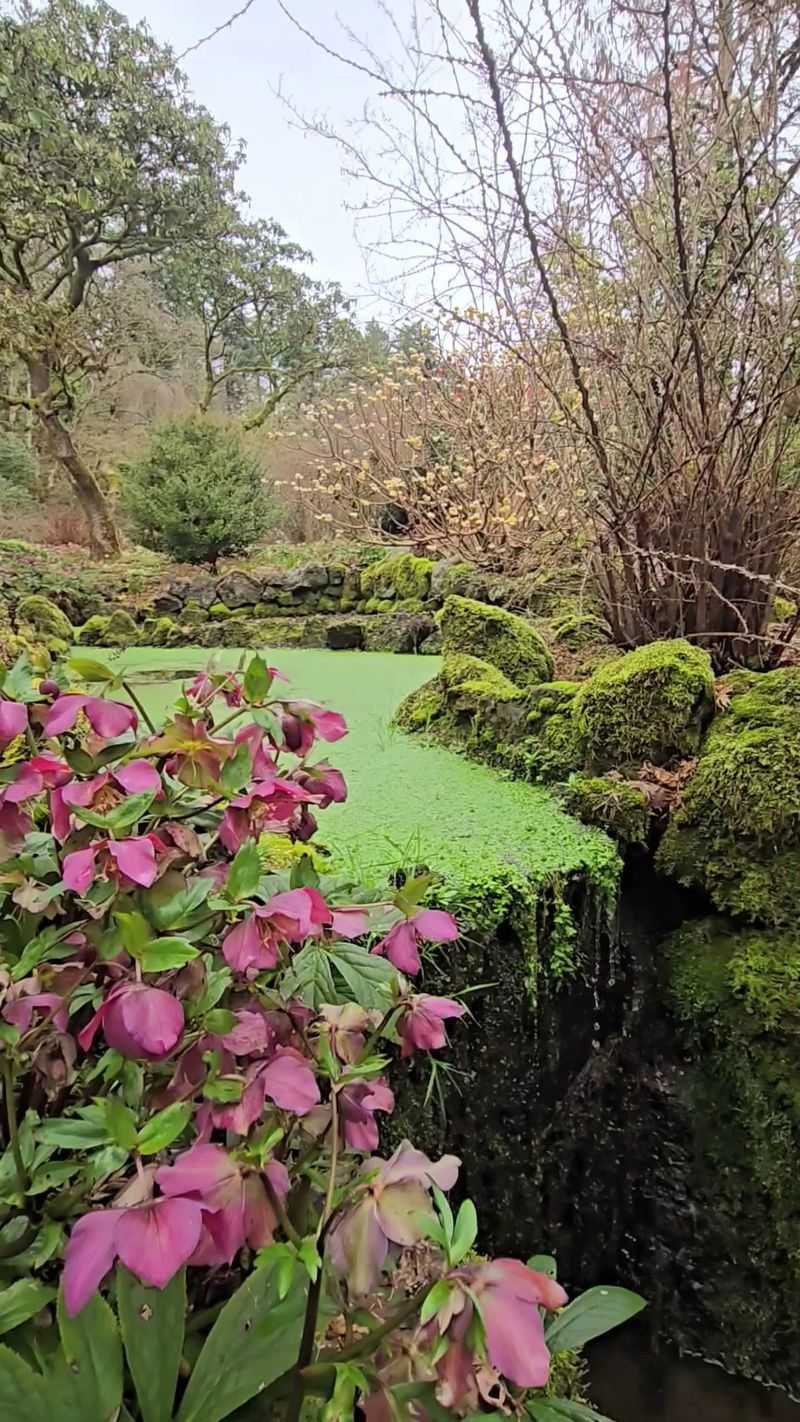
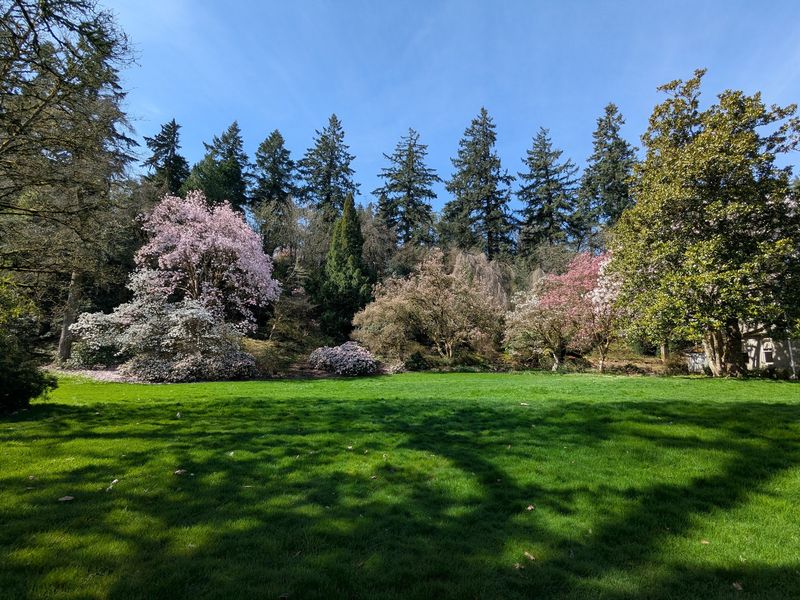
Spring here is a color party, and the rhododendrons are the guests of honor. Their colorful blooms are a highlight of the season, joined by a rotating cast of seasonal flowers.
Hellebores earn mentions too. These hardy bloomers add interest to the beds and give flower fans another reason to slow down.
Well-established flowering bushes and shrubs fill out the landscape. Some walkers notice ones they somehow missed on earlier trips, simply because they arrived at a different point in the bloom cycle.
That timing matters more than anything. The gap between spring blooms and summer flowering can reveal a completely different look, and weather shifts that schedule a little each year.
So there is always something new to discover. It comes not from fresh plantings but from catching the garden in a new moment.
Many first-time visitors leave already planning a spring return. That is a pretty strong vote for the flower beds.
Autumn’s Quiet Showstopper
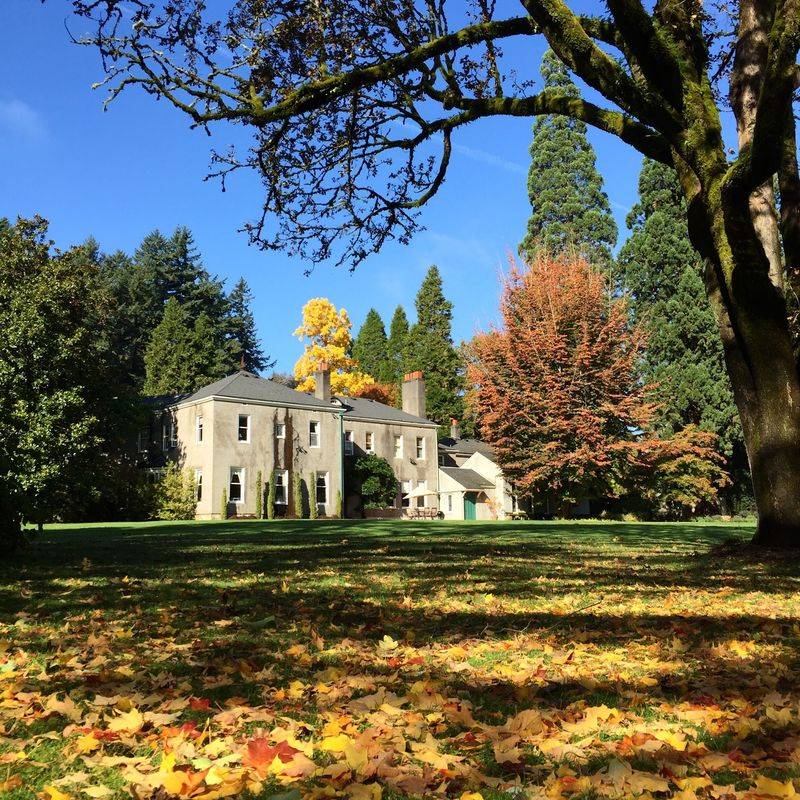
Spring gets the headlines, but fall might be the garden’s secret weapon. Autumn colors here are often described as spectacular, with the leaves putting on a strong seasonal show.
The meandering paths pair especially well with fall foliage. Bright trees line routes that open onto views of the Willamette below.
Flower lovers should set expectations, though. By autumn, most blooms have faded, and only a limited number of flowers remain.
That tradeoff works for many people. Fewer flowers, more foliage, and often fewer people on the trails make for a calm walk.
A Monday visit in fall can mean sharing the grounds with only a couple of others. That kind of elbow room is rare at popular Portland green spaces.
Leaf peepers, take note. This is a no-cost way to catch fall color without driving far out of town.
Winter Walks and Rainy-Day Surprises
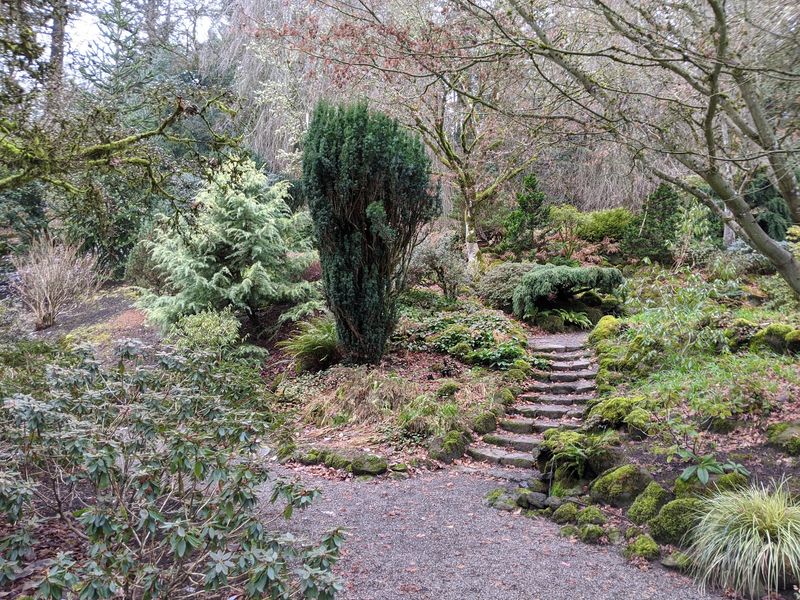
Rain gear and a willingness to get a little damp can unlock one of the garden’s most private moods. Winter visits are quiet, sometimes so quiet that a group has the place nearly to itself.
One rainy Christmas Eve walk lasted about an hour with almost no one else around. The grounds turned out larger than expected, with clean trails winding along and above the river.
Wildlife can make a cameo. A salamander on the trail and a rainbow over the Willamette were the bonus features of that wet afternoon.
Evergreens and the old trees keep the landscape interesting even when flowers are scarce. The structure of an English garden, with hedges and stone paths, still holds its shape in the off-season.
Remember the schedule, since the garden keeps weekday hours only. Holiday timing can affect plans, so it helps to confirm on the official website before heading out.
A gray day here is far from a wasted one. It may just be the most peaceful version of the garden.
A Web of Winding Trails
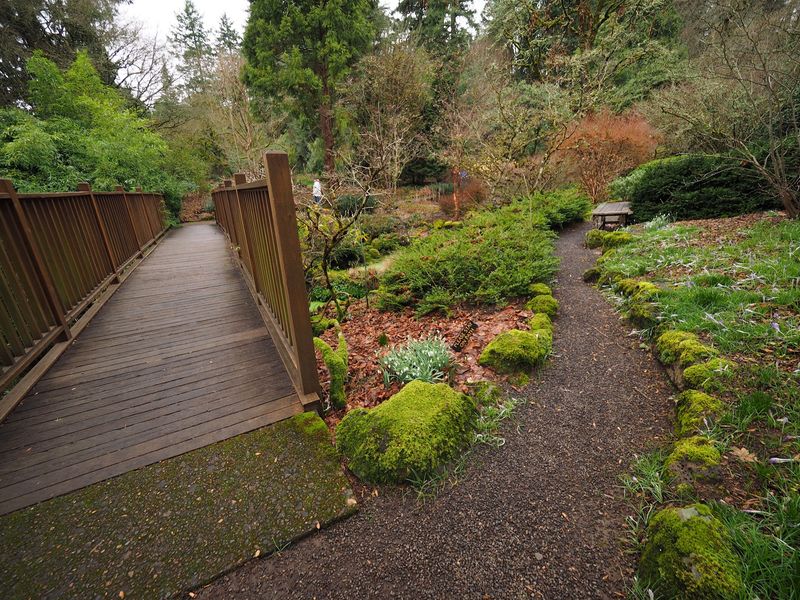
Trails come up almost as often as the river views, and the network is more intricate than first-timers expect. Paths branch and wind through the grounds, rewarding anyone who likes to wander without a strict route.
Most trails are well maintained and in good shape. A few spots could use some repairs, so keep an eye on the ground.
Stairs deserve attention too. Some steps can be tricky, and careful footing is wise, especially after rain.
Comfortable walking shoes make sense here. The terrain sits on a bluff, so expect some changes in level rather than a flat loop.
Getting slightly turned around is half the fun. The paths reconnect, and the property, while bigger than it looks, is easy to explore in about an hour.
Treat it like a stroll, not a workout. The trails are designed for lingering, which suits the garden’s personality perfectly.
Peace and Quiet by Design
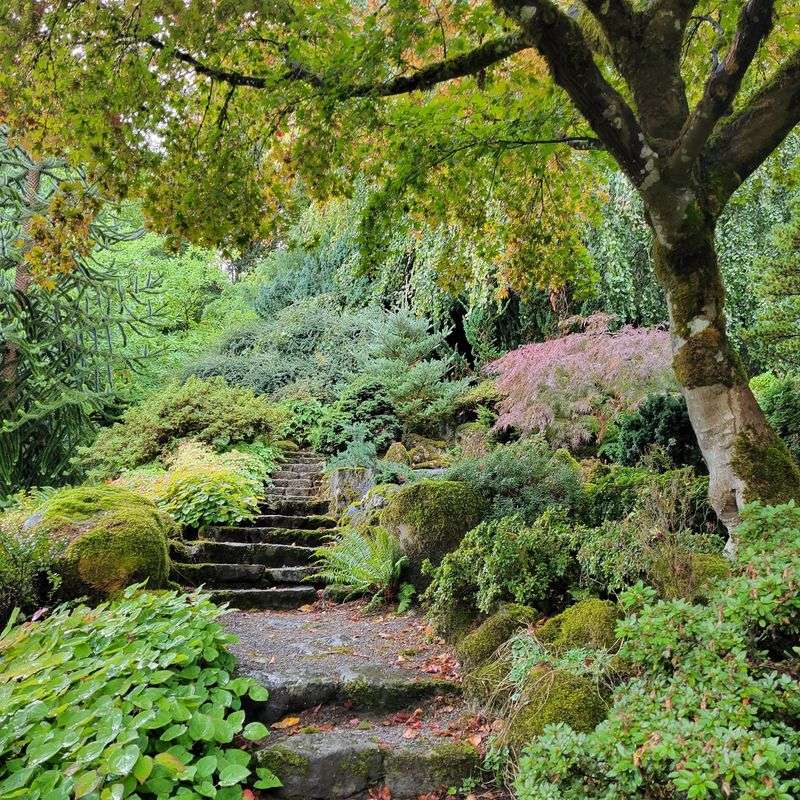
Some places are quiet by accident, and some are quiet on purpose. This garden falls firmly into the second group, with a peaceful atmosphere that comes up again and again.
It feels miles away from everything, even though it sits inside a residential area. That contrast surprises many people on their first trip.
The garden is meant for contemplative walking. It is a spot to collect thoughts, chat softly with a friend, or simply wander among the plants.
Weekday-only hours help keep crowds down. Many walks happen with just a handful of other people scattered across the grounds.
Plant enthusiasts will feel especially at home. Anyone who wants a low-key outing rather than a lively park day will likely enjoy it most.
Leave the big plans at home. Here, slowing down is the main activity.
House Rules Worth Knowing
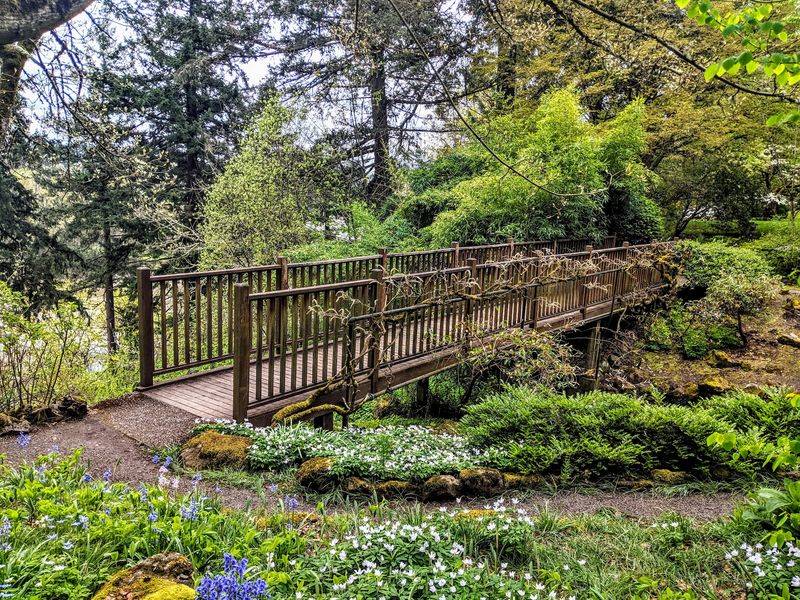
A few rules catch newcomers off guard, so here is the cheat sheet. The garden is intended for peaceful walks, and the guidelines protect that purpose.
Dogs are not allowed. Plan to leave four-legged friends at home.
Picnicking, food, and drinks are off the table. Sunbathing and games on the large lawn are also not permitted.
Professional photography and weddings are not allowed either. Casual walkers are welcome, but staged shoots belong somewhere else.
Some people find the rules a bit strict at first. Many end up appreciating them, since they keep the garden calm and well cared for.
Following the rules is a simple way to help keep this free access going. Respect is the real price of admission.
The People Who Keep It Growing
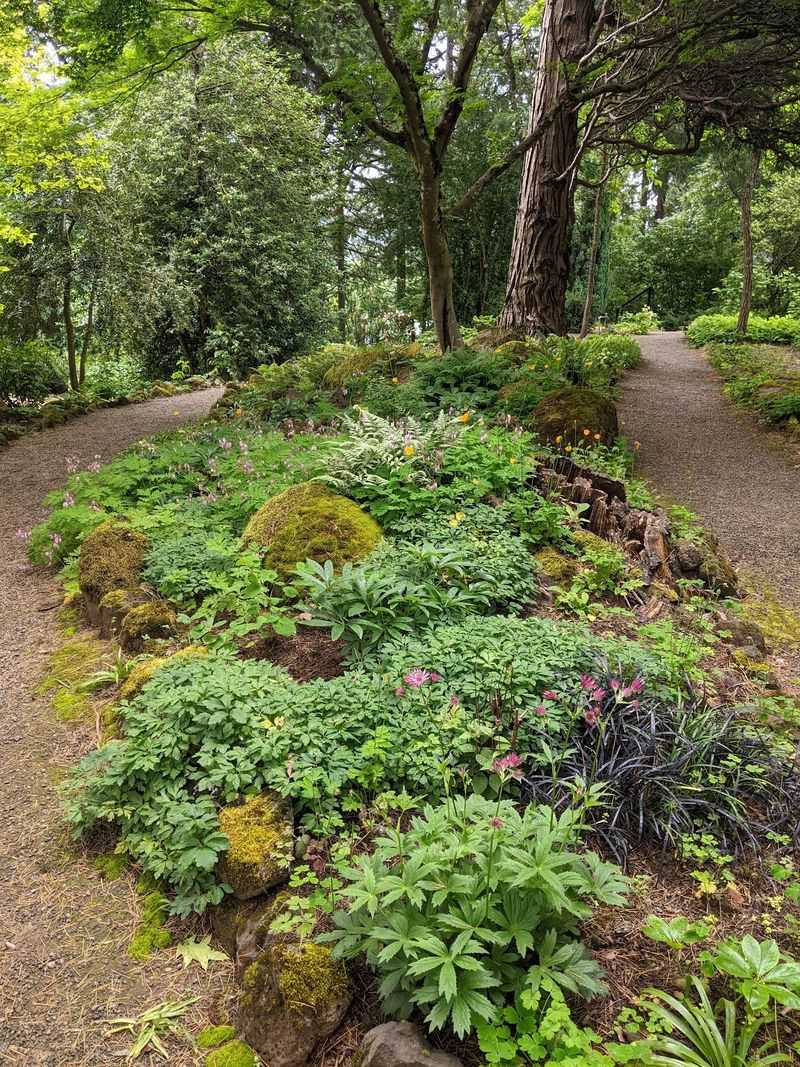
Behind every well-kept path is someone with dirt on their gloves. The gardeners here have a reputation for being friendly and knowledgeable.
Their work shows in the clean trails and healthy plantings. Keeping a hillside estate garden in shape takes steady care across every season.
A garden this size does not maintain itself on goodwill alone. That is where donations come in.
There is no entry fee, but contributions are encouraged. Plenty of people urge others to leave something if they can.
Even a small amount helps support upkeep. For Oregonians who want beloved local places to stick around, it is a direct and practical way to pitch in.
Free to enter does not mean free to run. A few dollars in the donation box goes a long way toward keeping it that way.
Hours, Parking, and Practical Notes
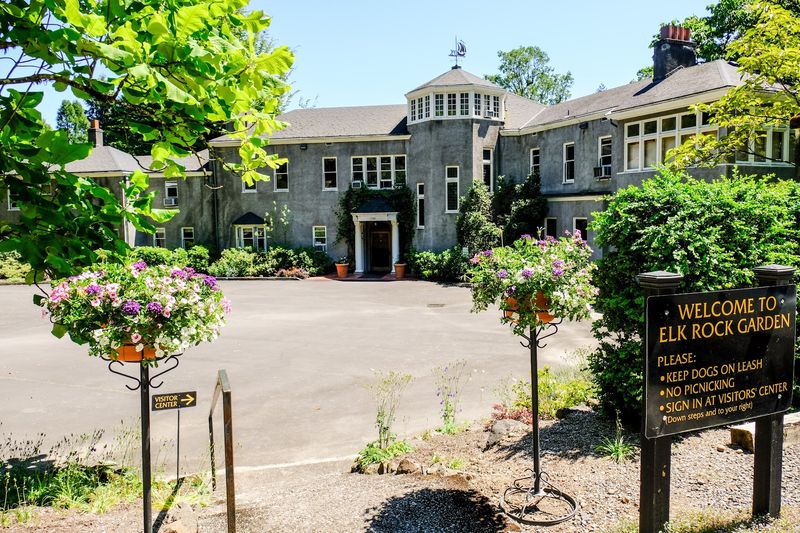
Timing is everything here, and the calendar is simple. The garden is open Monday through Friday from 8 AM to 5 PM, and it is closed on Saturday and Sunday.
Weekend explorers will need a new plan. A weekday afternoon or a lunch break escape works nicely.
Parking is limited to a small lot. It can be a challenge when full, especially for drivers of larger vehicles.
Weekday afternoons often have open spaces. Arriving with a little flexibility helps.
There are no restrooms and no water fountain on site. Plan a stop beforehand and bring water to keep in the car.
The official website, elkrockgarden.org, is the best place to check updates. A quick look before leaving can save a wasted trip.
A Free Escape Worth Protecting
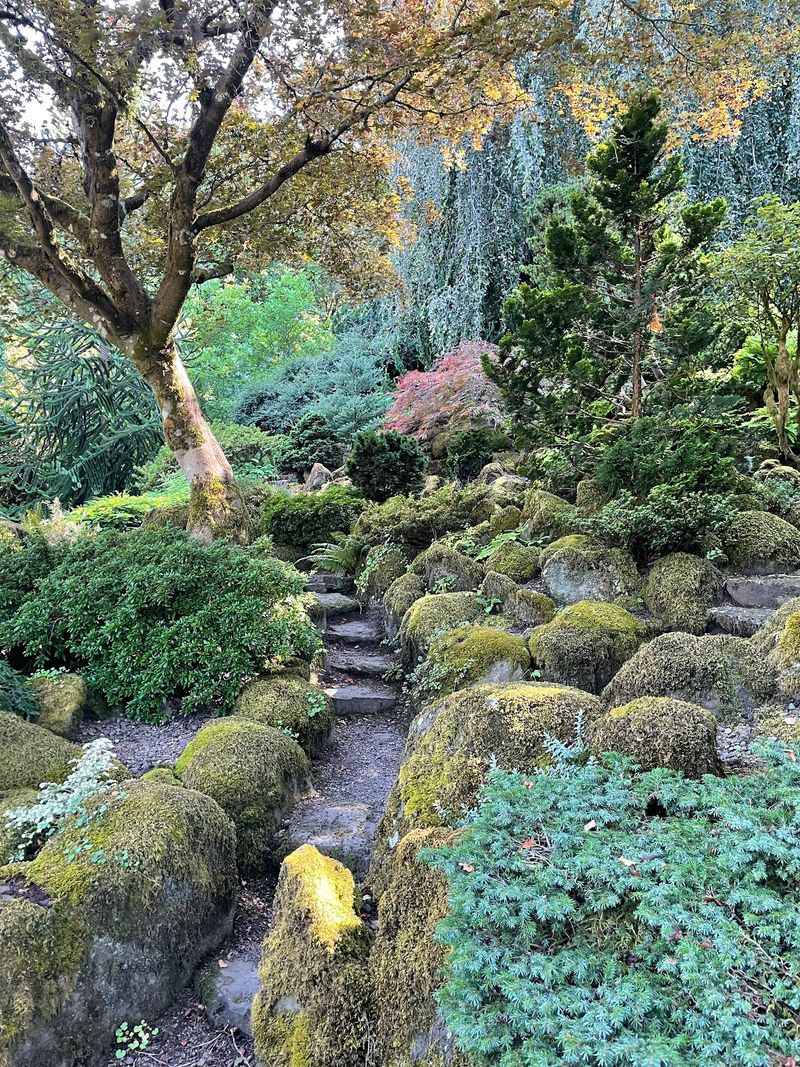
Cheap outings are hard to find, and ones this lovely are even rarer. Elk Rock Garden offers century-old trees, colorful blooms, and river views for the cost of a parking spot and maybe a donation.
It holds a strong 4.8-star standing across more than 400 opinions online. That kind of steady affection says a lot about how people feel after a walk here.
The rules are strict, the parking is tight, and the weekends are off-limits. None of that seems to stop people from returning again and again in different seasons.
Spring brings rhododendrons, fall brings color, and winter brings solitude. Each visit shows a slightly different side.
Most of all, this is a familiar Portland place that survives thanks to an old promise and present-day care. Visit gently, donate if possible, and help keep the gates open for whoever comes next.
Share this story