Somewhere past the pavement near Camp Verde, a group of strangers tips their heads back and howls, and a wolf named Luna howls right back. Nobody in the circle is a biologist. Most of them drove up from the Valley that morning, a little nervous about the bumpy road and wondering whether a wolf would even notice them.
By the end of the visit, some have collected wolf kisses, a few have hugged a pack member, and nearly all of them leave talking about the guides who know each animal like family. This spot is not a zoo, and it is not a drive-through photo stop. It is a small nonprofit refuge on land its keepers treat as sacred, with a few rules worth knowing before you book.
Here is what the experience involves, what it costs, and how to find the place without assuming your map app has given up on you.
1. A Hidden Refuge Outside Camp Verde
Few road trips in central Arizona end with a wolf choosing to greet you, yet that is the whole point of this one.
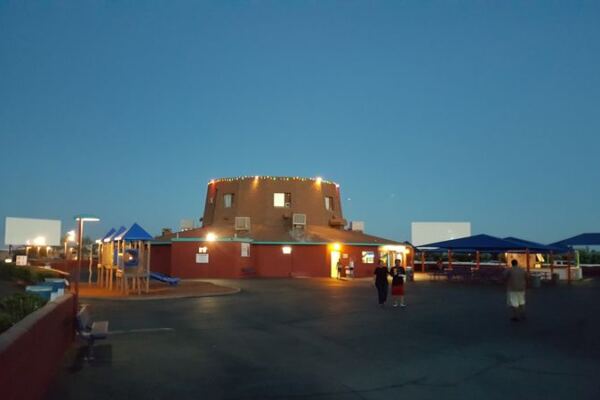
Sedona Wolf Sanctuary sits at 1350 Reay Rd, Camp Verde, AZ 86322, in the United States. Despite the Sedona name, the property is tucked into the countryside around Camp Verde, a manageable drive for Phoenix residents heading north on a weekend.
The sanctuary is a small refuge for rescued wolves. It operates as a 501(c)(3) nonprofit, which shapes everything from how visits run to how the place hopes to grow.
Officially, it is listed as a tourist attraction. In practice, it works more like a guided encounter, where small groups spend time inside the wolves’ world with caretakers who know each animal by name.
The property has earned a 4.9-star standing across roughly 800 public impressions. That kind of consistency is rare for any attraction, let alone one at the end of a rough rural road.
Wolves get the headline, of course. Still, the land itself, the medicine wheels, and the teaching that happens along the way all play a part in why people drive out here.
So the first lesson is simple: this place is not in Sedona proper, and that small detail matters a lot once you start following directions.
2. Why These Wolves Needed a Home
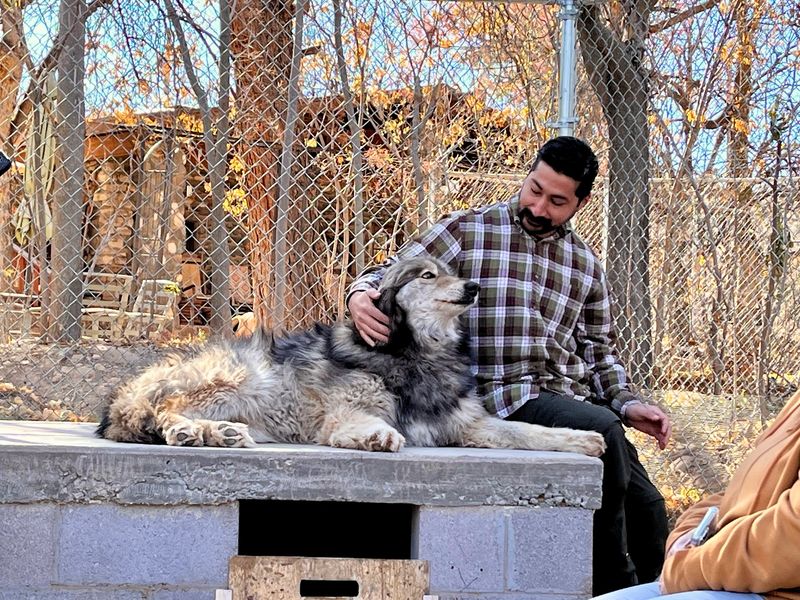
Every wolf here arrived with a backstory, and the guides are happy to share those chapters.
The sanctuary exists to give rescued wolves a stable, caring place to live. Staff explain why the refuge is needed, why it sits where it does, and how sensitive wolves are to change in their surroundings.
That last point often surprises guests. Wolves are intelligent animals, and the guides spend real time on how routine, trust, and pack structure affect their well-being.
The care shows in how relaxed the animals appear. Groups often notice that the wolves roam freely during visits, approaching whoever they choose rather than performing on cue.
There is a bigger goal on the horizon too. The sanctuary is currently at capacity, and it hopes to purchase adjacent land so it can take in more wolves in the future.
For Arizona taxpayers, there is a practical angle worth checking. The state offers a tax credit for donations to certain qualifying charitable organizations, and supporters point to this sanctuary as one option, so confirm eligibility with a tax professional before giving.
A visit, in other words, is more than a fun outing. Your booking helps keep the lights on for animals that have nowhere else to go.
3. Meet Luna, Thor and the Rest of the Pack
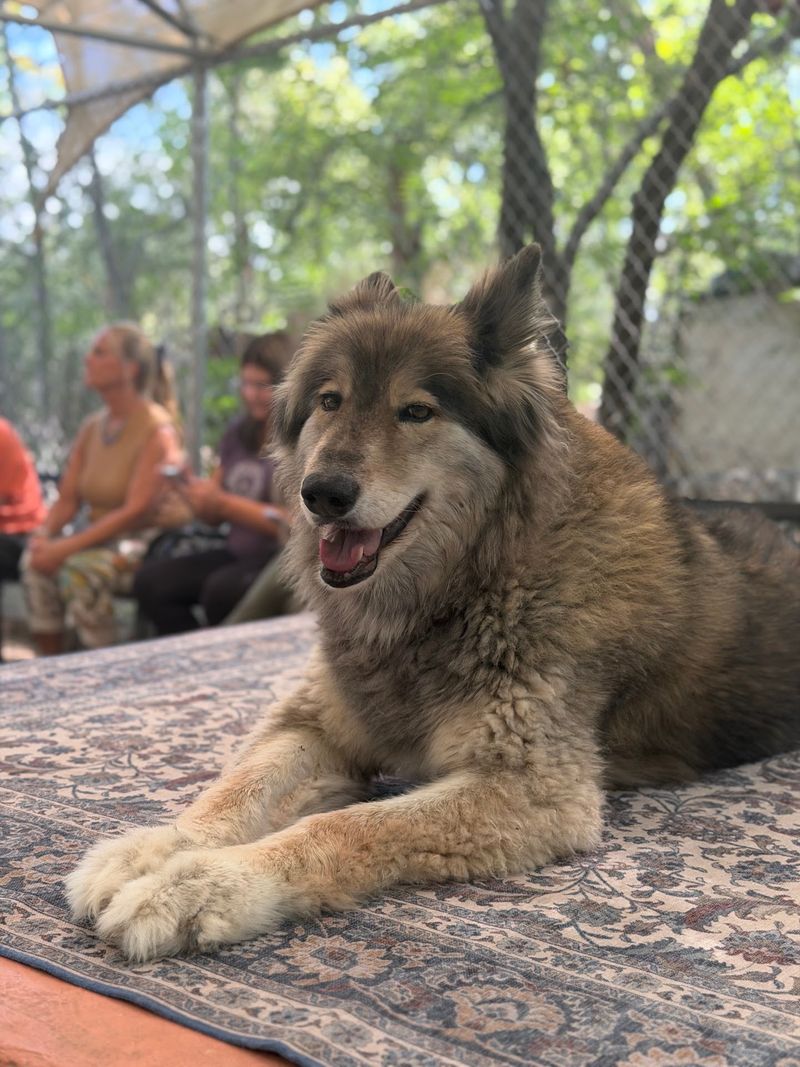
Learning names comes fast at this sanctuary, because each wolf has a personality that refuses to blend in.
The pack has included Larka, described by guests as the pack leader, along with Luna, Thor, Spirit, Kodiak, and a wolf whose name sounds like Yiva or Eva. Each one looks and acts differently.
Some are playful and curious. Others hang back, watching the group before deciding whether anyone is worth a closer look.
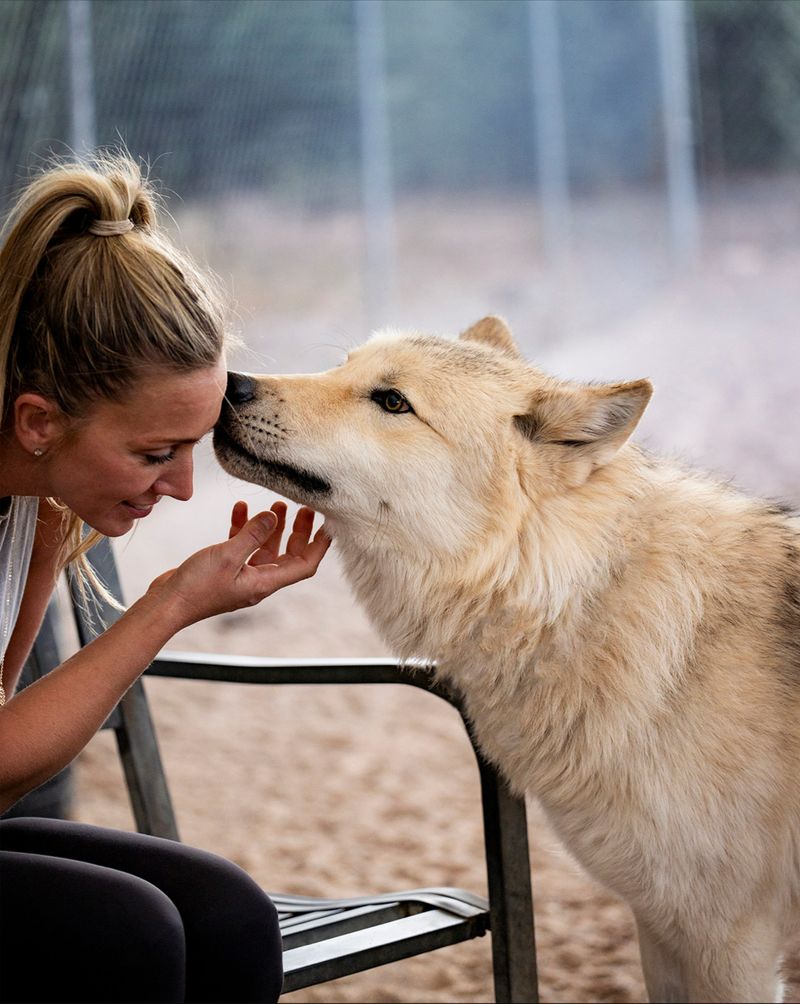
Luna has a reputation as a social butterfly with a voice. She is the wolf most often linked to group howls, and she has been known to walk straight up to a guest and offer face licks.
Spirit and Thor also hand out their share of wolf kisses. Picking a favorite is a common struggle, and many people simply give up and love them all equally.
The guides frame each wolf as an individual, not a mascot. They explain how to approach every animal respectfully, since what one wolf enjoys, another may not.
Pack lineups can change over time, so the names you meet may differ. Either way, expect to leave with a new favorite and a strong opinion about who runs the show.
4. The Howl That Gets an Answer
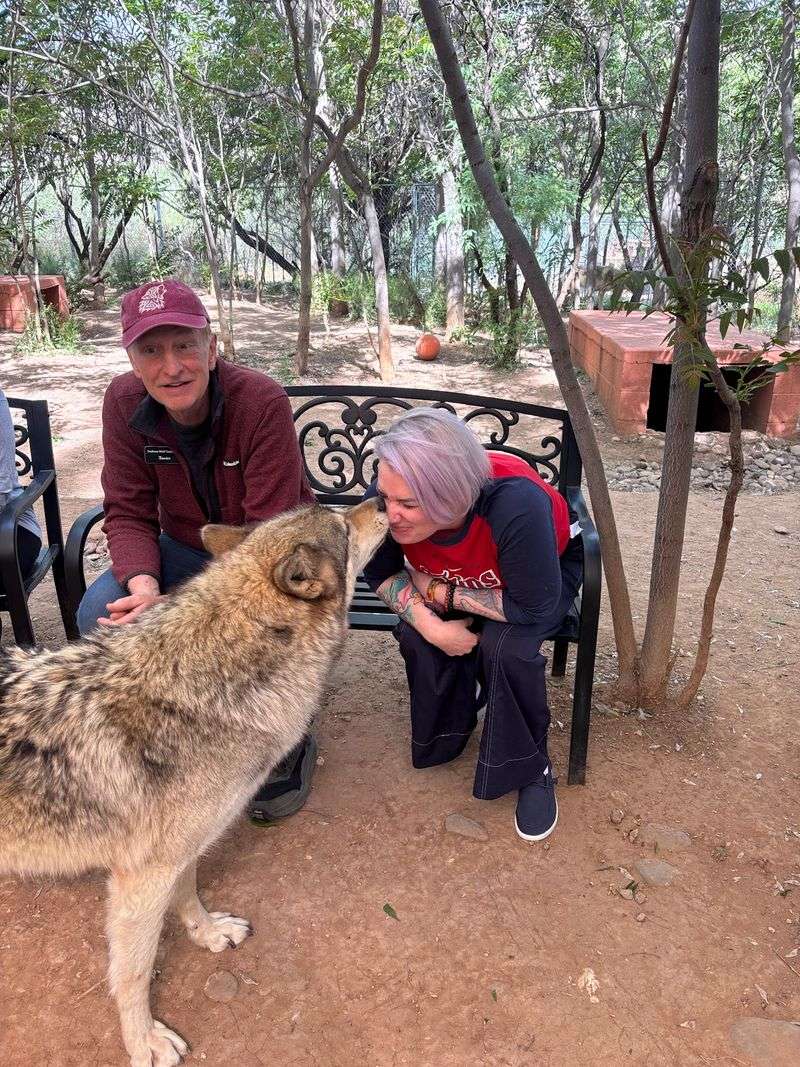
Here is the moment everyone secretly hopes for: a human starts a howl, and a wolf joins in.
Howling with the wolves is one of the most talked-about parts of the visit. Luna in particular has led sessions where the group lifts its voice and the pack responds.
It is not a staged show, so nothing is guaranteed. Wolves howl when they feel like it, and the guides respect that.
When it does happen, the experience tends to hit people hard. Grown adults who arrived skeptical often leave describing it as uplifting, even a little emotional.
The guides use these moments to explain why wolves howl at all. Communication within a pack, staying connected, and marking presence all come up in the conversation.
Shy about your howling skills? Nobody is grading. The wolves seem far more interested in joining a chorus than judging its quality.
Consider it the rare group activity where sounding a bit ridiculous is the entire assignment, and the payoff is a reply from a real wolf.
5. Wolf Kisses, Hugs and Hands-On Time
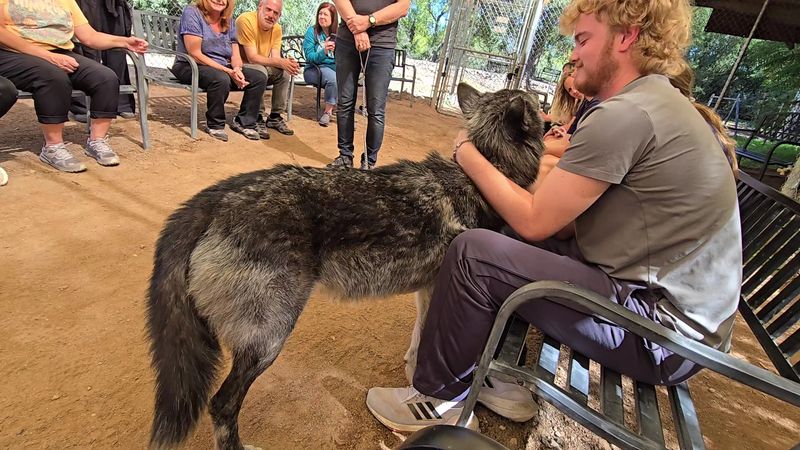
Plenty of places let you look at wolves through a fence. Very few let a wolf decide to lick your face.
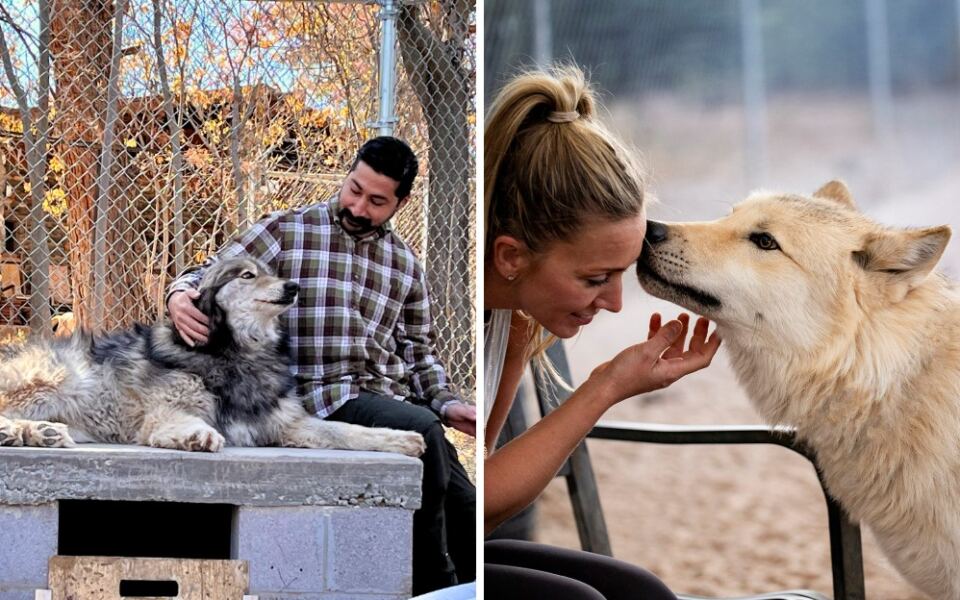
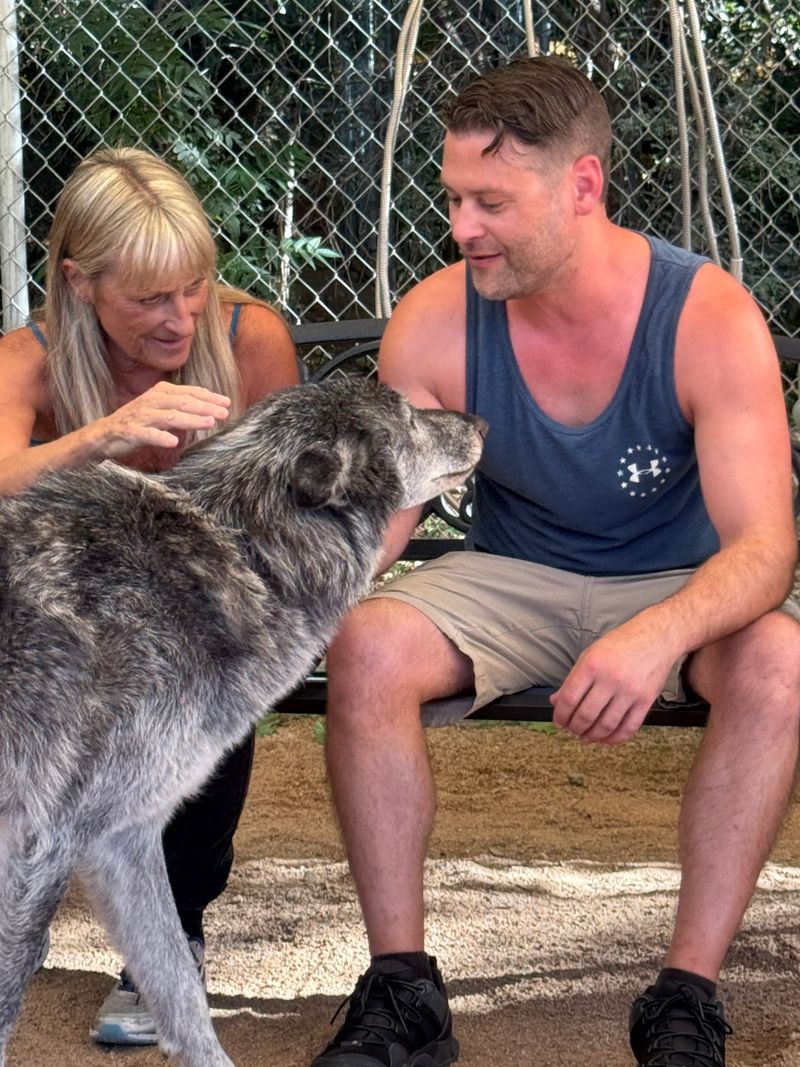
Hands-on interaction is the core of this visit. Guests get to pet the wolves and spend time up close, with the animals choosing how much contact they want.
That choice matters. Some wolves wander between people, sampling the crowd, while others pick a favorite or two and stick around.
Wolf kisses are a frequent highlight. In some cases a wolf has allowed a full hug, though that level of closeness depends entirely on the animal and the moment.
Guides coach the group on how to behave. They explain how to be respectful of each wolf, which helps the whole encounter feel organic rather than forced.
Guests regularly say they felt safe and at ease. The wolves also seem relaxed, which says a lot about the trust built between them and their caretakers.
One small heads-up: some guests wished for even more time with the pack. Go in expecting a guided program with teaching built in, not nonstop cuddles.
6. Guides Who Run With the Pack
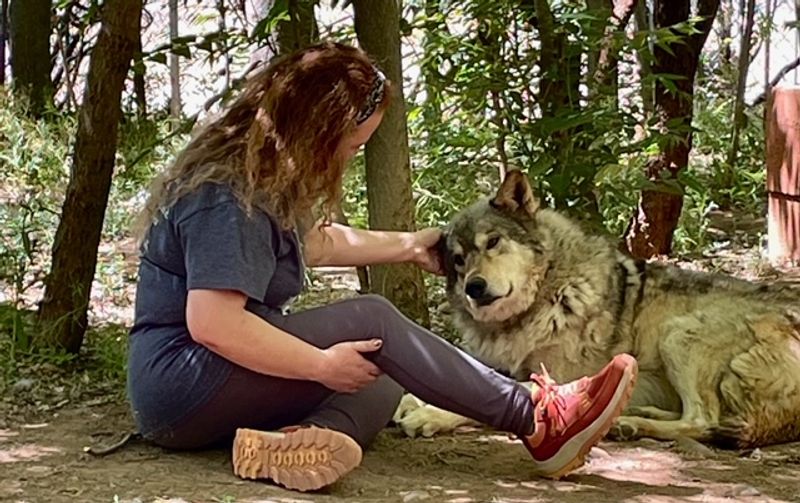
Ask anyone who has gone, and the guides come up almost as often as the wolves.
Caretakers such as Cynthia, Xavier, Kurt, and Andrew have led recent groups. Names rotate, but the reputation for knowledge and warmth stays steady.
The teaching goes deep. Topics range from wolf biology and pack dynamics to mating and the full life cycle, plus common misconceptions people carry about wolves.
Patience is a theme. Guides answer question after question, tell stories about each animal, and keep the wolves comfortable while guests learn.
What stands out most is the bond. The wolves appear to treat their caretakers as pack members, and that mutual respect is visible throughout the visit.
Guides also keep the energy light. Some bring bubbly humor that puts nervous first-timers at ease within minutes.
Bonus perk: staff can recommend a nearby café for lunch afterward. It is a small touch, but useful after a morning that tends to leave people hungry and chatty.
7. Sacred Ground and Medicine Wheels
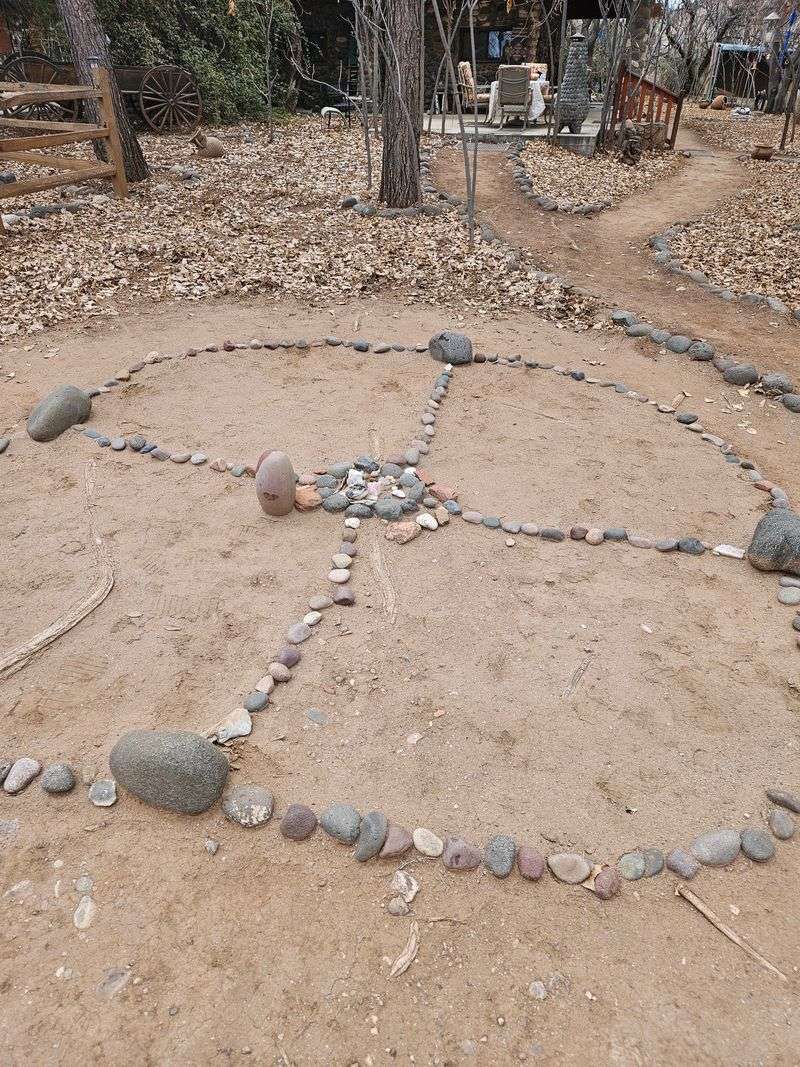
Wolves draw the crowd, but the land quietly steals a share of the spotlight.
The sanctuary honors the native land it stands on. Guides share history and rituals tied to the property, which many guests did not expect going in.
Medicine wheels are part of the grounds. They come up often as a meaningful addition, giving the visit a reflective layer beyond animal encounters.
Mindfulness is woven into the program. Some groups describe a strong spiritual tone, with guides blending calm, intention, and connection alongside wolf facts.
That approach will not be everyone’s priority, and that is fine. Even practical-minded guests tend to appreciate the peaceful pace it brings.
Many people say they felt unusually calm on the property. Whether that comes from the land, the wolves, or simply unplugging for a few hours is up to you.
Treat the space with care, follow the guides’ lead, and the sacred side of this sanctuary may turn out to be the part you remember longest.
8. Who This Adventure Fits Best
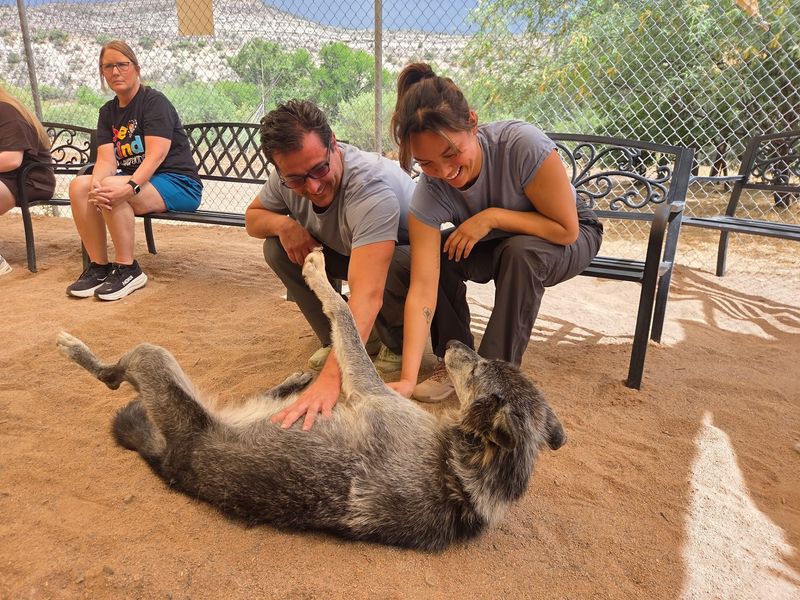
Animal lovers, obviously. Yet the guest list here is broader than you might think.
Couples celebrate milestones at the sanctuary, including birthdays and even babymoons. Families with adult children come together, and solo travelers fit in easily.
There is one firm rule: participants must be 18 or older. One parent waited two full years past a planned 16th birthday so her wolf-obsessed daughter could finally go.
So if you have younger kids, this is a trip to save for later. Some parents leave already planning a return once their children come of age.
Dog owners, especially those with huskies, malamutes, or shepherd mixes, tend to fall hard for the experience. Watching wild relatives of their pets up close is a real treat.
Curious skeptics also do well. The educational side gives plenty to chew on even if the spiritual elements are not your thing.
Bottom line: adults who want to do something instead of just watching will feel right at home with this pack.
9. Reservations, Cost and Hours
No walk-ins here. The sanctuary runs by reservation only, so booking ahead is step one.
The experience costs about $150 per person for roughly three hours. Around two of those hours are spent interacting with the wolves, with the rest devoted to learning and the setting.
That is not pocket change, but it funds a nonprofit caring for rescued animals. Confirm current rates on the official website before you go, since prices can shift.
Hours are listed as 9 AM to 5 PM, seven days a week. Your actual time slot depends on your reservation.
Booking is straightforward. After you reserve, the sanctuary sends detailed check-in instructions, directions, and rules ahead of time.
Read those instructions closely. They are the key to finding the property and knowing what to expect on arrival.
Photos are handled for you, too. Staff take pictures during the visit, so you can stay present with the wolves instead of juggling your phone.
10. The Rough Road In
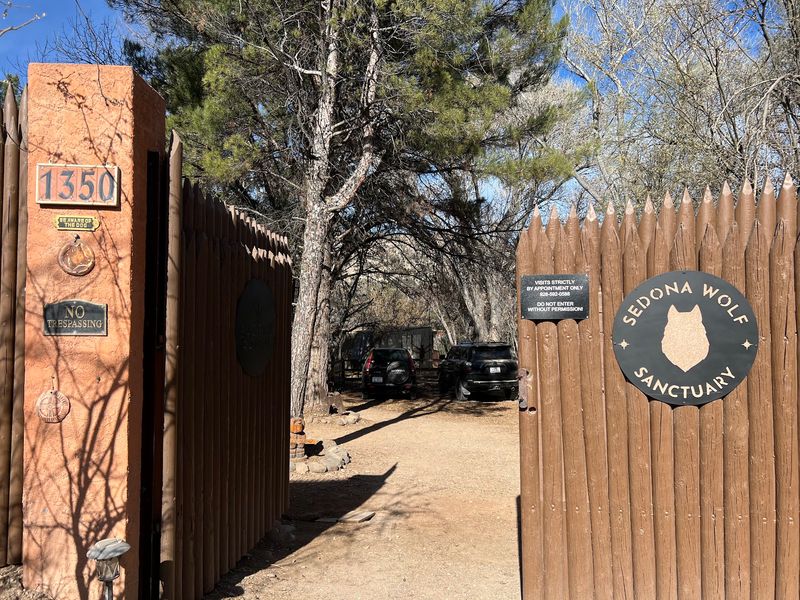
Your map app may start acting confused near the end. Relax, that is part of the journey.
The final stretch to the sanctuary leaves the main road for a rural, primitive route. Guests describe it as bumpy, rough, and occasionally confusing.
Signage is limited, so some first-timers wonder whether their navigation has gone off the rails. Many arrive convinced they took a wrong turn, only to find they were right on track.
The fix is simple. Use the directions the sanctuary sends after booking rather than relying only on a phone map.
Give yourself extra time so you are not rushing down a washboard road to make your slot. A vehicle with decent clearance may make the ride more comfortable.
From Phoenix, the trip north toward Camp Verde fits easily into a weekend morning. From Tucson, it becomes a longer day, so plan an early start.
Bumps aside, almost everyone agrees the drive is worth it. A few rattled teeth seem a fair trade for a wolf saying hello.
11. A Soft Verdict From the Den
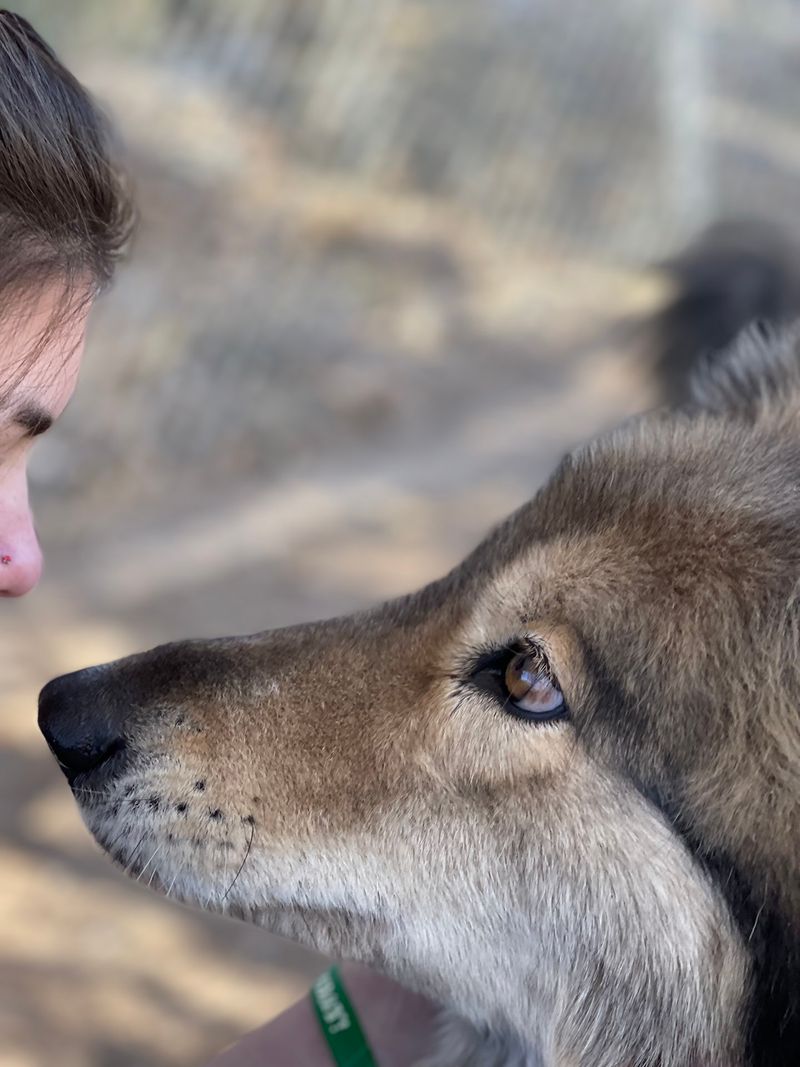
Some outings fade by Monday. A morning with this pack tends to stick around much longer.
Sedona Wolf Sanctuary offers something hard to find anywhere in Arizona: real, respectful time with rescued wolves, guided by caretakers they trust. Add the howling, the teaching, and the sacred land, and the visit becomes a full experience.
It does ask a few things of you. Book ahead, be at least 18, budget around $150, and accept a rough road as the price of admission.
In return, you may get a wolf kiss, a pack chorus, or simply a few calm hours away from the Valley’s pace. Nothing is promised, since the wolves set the terms.
That honesty is part of the charm. The animals come first here, and guests are welcome visitors in their world.
For locals hunting for something truly hands-on and a little unexpected, this refuge earns a spot on the weekend list.
Just warm up your vocal cords before you go. Luna might be waiting to hear what you have got.
Share this story