The best New Jersey trail days do not always start with a steep climb or muddy boots. Sometimes they start with cedar-colored water at Atsion, a salt breeze at Sandy Hook, or a boardwalk over marshland where the egrets look like they are posing on purpose.
That is the magic of the Garden State’s accessible trails: they do not ask visitors to “earn” the view the hard way.
Across the Shore, the Pine Barrens, the Meadowlands, and the northern rail-trail corridors, New Jersey has built up a surprisingly strong collection of routes with paved paths, boardwalks, packed surfaces, and visitor centers that make planning easier.
Some are fully wheelchair-friendly; others have accessible sections worth targeting carefully. Either way, these are trails where the scenery shows up quickly, the logistics are manageable, and the reward is not hidden three miles past a rock scramble.
1. Atsion Recreation Area Trail
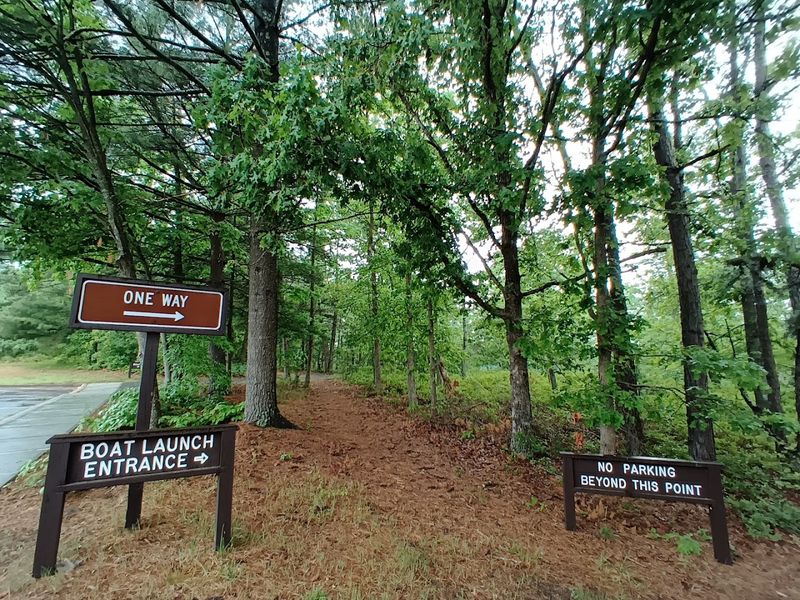
The water at Atsion Lake has that classic Pine Barrens tint, dark and tea-colored, like someone steeped the whole shoreline in cedar and sunlight. That alone makes the trail feel different from most New Jersey walks.
Located in Shamong within Wharton State Forest, Atsion Recreation Area gives visitors an easy way into the Pinelands without asking them to navigate deep sand or backwoods guesswork.
The accessible trail experience here is best built around the recreation area, lakefront, historic village surroundings, and the easier interpretive paths near the main facilities.
Expect pitch pine, scrubby oak, Atlantic white cedar, dragonflies in warm weather, and lake views that feel moodier than a typical beach day. Summer weekends can get busy because Atsion is also a swimming and picnic destination, so morning visits are the smarter move if parking and quieter paths matter.
Bring snacks, water, and a little patience if you are visiting during peak season, since the lake draws families, paddlers, and beachgoers. The practical win is that you can build a relaxed half-day around the trail, lakefront, picnic area, and historic village without driving between stops.
Atsion earns its place because it makes the Pine Barrens feel close, calm, and genuinely reachable.
2. Brendan T. Byrne State Forest — Pakim Pond Accessible Trail
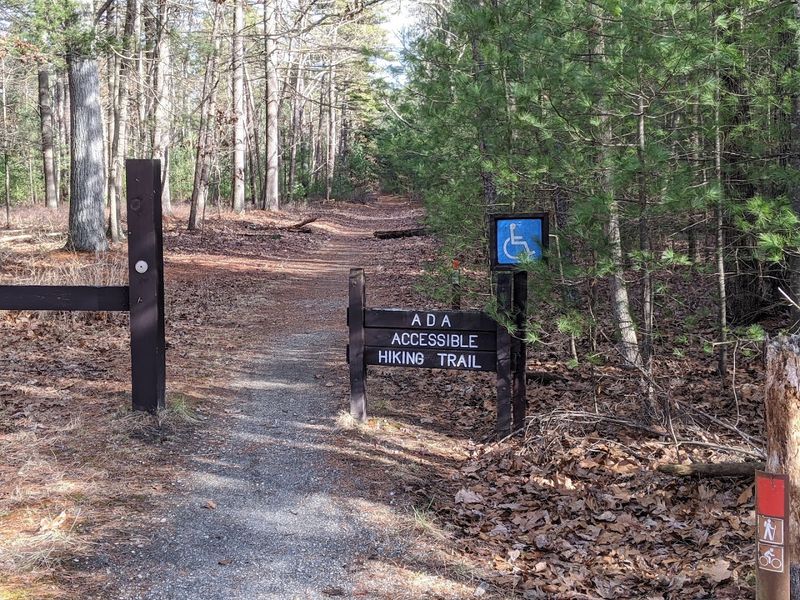
Pakim Pond is the kind of place where the Pine Barrens slow everything down. The water sits still under the trees, the forest smells faintly resinous after rain, and the whole scene feels much farther from Route 72 than it actually is.
Brendan T. Byrne State Forest has miles of trails, but Pakim Pond is the smarter target for an accessible-minded visit because it gives you the park’s personality without requiring a long, sandy backwoods route.
The pond area is peaceful, scenic, and easy to understand once you arrive, which matters when you are planning for wheelchairs, walkers, strollers, or mixed-ability groups.
The mood here is quiet rather than dramatic: pine woods, tea-colored water, picnic tables, birds moving through the trees, and that soft, sandy Pine Barrens light.
It is a good choice for families because some visitors can wander farther while others stay closer to the pond and still feel like they got the real experience. The area is best in spring, fall, or a mild summer morning, when bugs and heat are less bossy.
Bring binoculars if you like birding, and check current park conditions before heading out after heavy rain. Pakim Pond earned its spot because it delivers a true Pine Barrens escape without making accessibility feel like an afterthought.
3. Pemberton Lake Preserve Accessible Trail
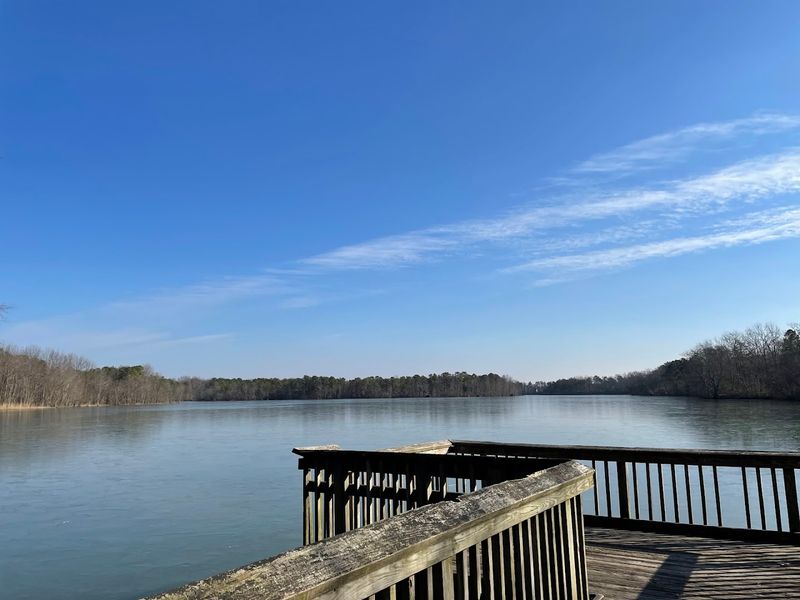
A newer accessible trail always has a little extra sparkle, and Pemberton Lake has that “finally, this exists” energy. The route was designed to improve access around the lake so people using wheelchairs, walkers, and other mobility aids could enjoy a flatter, more stable path through a pretty Burlington County landscape.
This is one of the best entries on the list for readers who want something manageable, scenic, and refreshingly low-pressure. The trail follows Pemberton Lake closely enough that the water stays part of the walk, not just a thing you glimpse through trees.
That matters. A lake trail feels different when you can pause, watch ripples move across the surface, and let the route unfold at an easy pace.
Because the path is relatively short, it works beautifully for a casual outing rather than an all-day expedition. It is also a strong choice for caregivers, families with strollers, and anyone rebuilding confidence outdoors after an injury or long break.
The out-and-back design keeps navigation simple, and the lakefront setting gives the route more payoff than its modest distance suggests. Go on a clear morning if you want the best light on the water and fewer people on the path.
Pemberton Lake earned its place because it gives Burlington County a thoughtfully designed accessible nature walk with water views almost immediately.
4. Duke Farms Accessible Trails
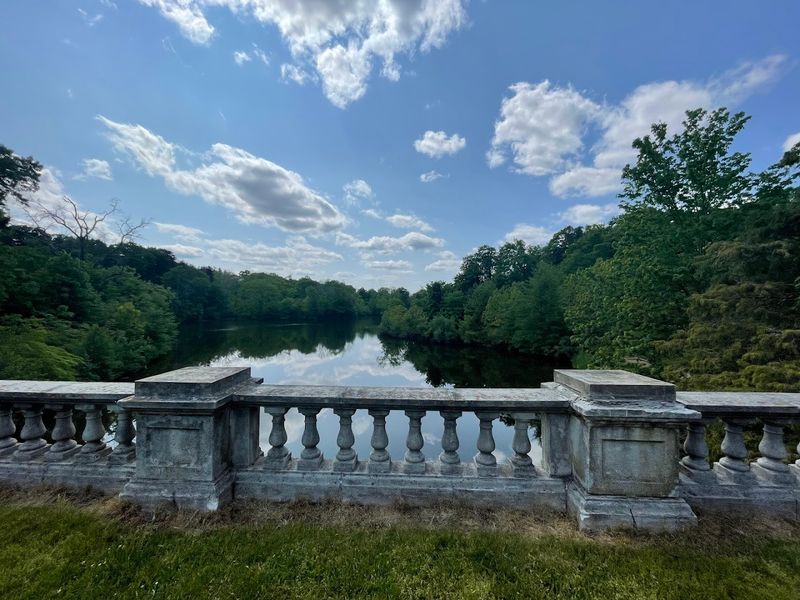
Duke Farms does not do “small stroll” energy. This Hillsborough estate spreads across a huge restored landscape of meadows, lakes, woodlands, old estate roads, gardens, and habitat projects, which means an accessible visit here can feel like a choose-your-own-adventure.
The paved lanes are the most reliable choice for wheelchair users, while the broader property includes a mix of surfaces, so it is worth checking route conditions before you go. Start at the Farm Barn Orientation Center, get oriented, and decide how much distance makes sense that day.
The Orchid Range is a highlight if it is open and part of your plan; it adds color, warmth, and a “wait, this is in New Jersey?” moment to the outing. Duke Farms is also one of the rare outdoor destinations where accessibility planning feels built into the experience rather than tacked on later.
The vibe is polished but not stiff. You will see cyclists, families, birders, garden lovers, and people who came for a peaceful loop and accidentally stayed half the day.
Because the property is large, do not try to wing it from the parking lot. Look at the map, choose a realistic loop or destination, and treat it like a gentle campus adventure.
Duke Farms earned its spot because it pairs serious accessibility infrastructure with the scale and variety of a full-day destination.
5. Sandy Hook Multi-Use Pathway
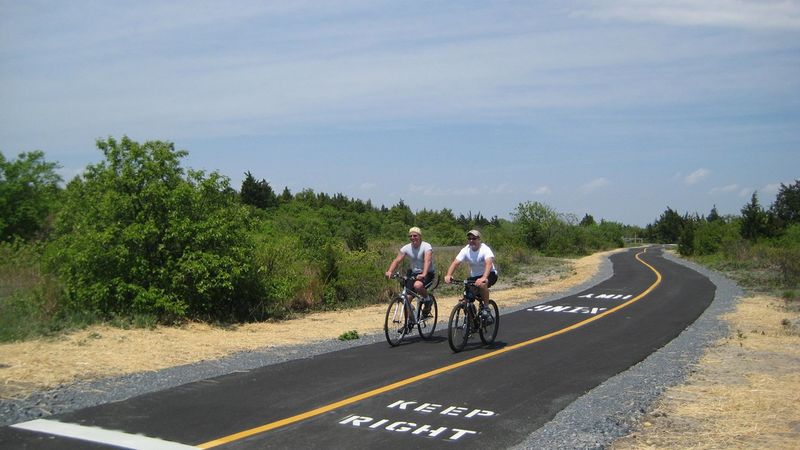
Salt air changes the whole personality of a paved trail. At Sandy Hook, the Multi-Use Pathway gives you ocean breeze, bay views, military history, beach access, lighthouse scenery, and a skyline tease all in one long, smooth corridor.
This is one of New Jersey’s most satisfying accessible routes because the scenery keeps changing. One stretch feels beachy and wide open, another leans historic near Fort Hancock, and then suddenly the New York skyline appears in the distance like a bonus postcard.
The paved pathway is shared by walkers, cyclists, skaters, and beachgoers, so the best experience comes from choosing your timing carefully. Summer brings beach traffic, fees, cyclists, and crowded parking lots, which makes spring, fall, and early mornings the easier call for a relaxed outing.
Wind can also be a factor on the peninsula, so layers help even when the forecast looks friendly inland. Instead of assuming you need to tackle the whole route, pick a specific parking lot and segment that fits your group’s energy level.
Fort Hancock, the lighthouse area, and the observation spots give the outing a sense of history as well as scenery. Sandy Hook earned its place because few wheelchair-friendly trails in New Jersey offer this much coast, history, and open-sky drama in one ride or walk.
6. Cape May Point State Park Duck Pond / Lighthouse Trail
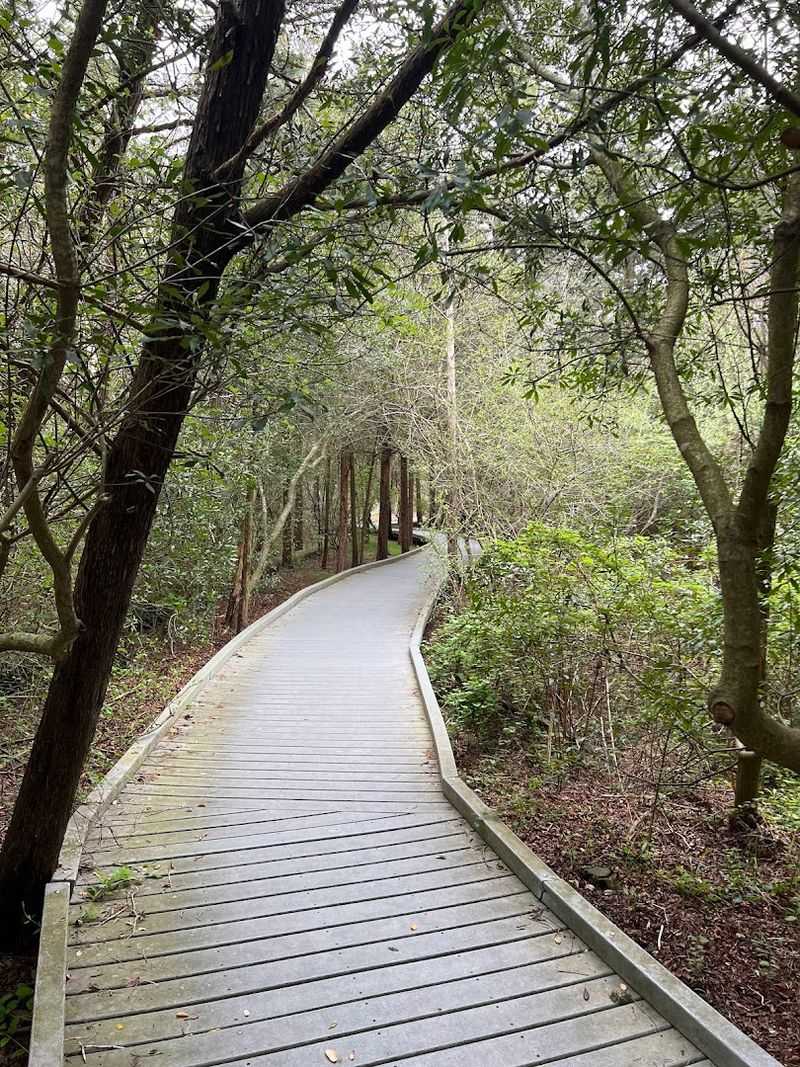
Cape May Point is famous for birds, but the Duck Pond Trail makes sure you do not need expert-level patience or a rugged trail setup to enjoy them.
This short accessible boardwalk route leads visitors toward pond views where wading birds, ducks, muskrats, osprey, and the occasional surprise wildlife sighting can turn a simple half-mile into a mini safari.
The trail starts near the parking area, which keeps the logistics refreshingly simple. You can arrive, get onto the boardwalk, and be looking over freshwater habitat within minutes.
The lighthouse gives the whole visit a strong sense of place, even if climbing it is not part of the plan. This is also a good trail for mixed groups because more mobile visitors can connect to other park trails while wheelchair users still get one of the park’s signature experiences.
Go during spring or fall migration if you want the highest birding payoff, but do not overlook quiet winter mornings, when ducks can gather on the ponds and the park feels wonderfully hushed. Bring binoculars, sun protection, and a little extra time, because Cape May Point has a way of turning “just a quick stop” into a longer look.
Duck Pond earned its spot because it turns Cape May’s legendary birding into a short, accessible, view-rich outing.
7. Flat Rock Brook Nature Center Accessible Trail
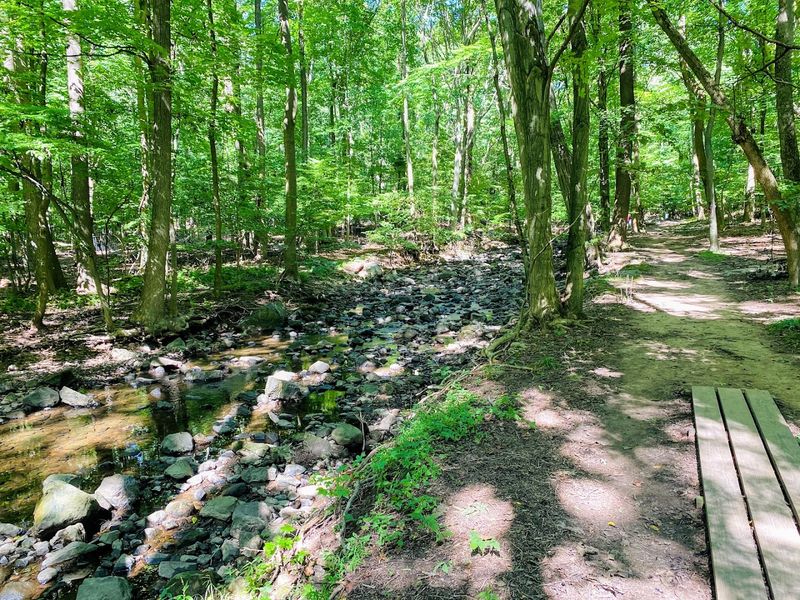
In Englewood, just a couple of miles from the George Washington Bridge, Flat Rock Brook feels like a small act of rebellion against the idea that North Jersey is all traffic and tight parking.
The nature center protects a forested pocket with streams, wetlands, a pond, meadows, and leafy trails that make the city feel farther away than it is.
This is the entry to approach with a little planning, because not every trail at Flat Rock Brook is going to work for every wheelchair user. Wooded preserves can include natural surfaces, slopes, roots, and changing conditions after storms.
The accessible draw is the improved streamside experience and the chance to enjoy a real forested setting in Bergen County without driving deep into the Highlands. Call ahead if surface conditions or exact route details are important for your visit, especially after wet weather.
What makes Flat Rock Brook special is its neighborhood-meets-wildness character. You are in Englewood, but the trail system quickly shifts into birdsong, water, and leafy shade.
It is especially appealing for readers who want a shorter nature escape near dense North Jersey communities rather than a full expedition. The nature center programming also adds value for families who want more than a path.
Flat Rock Brook earned its place because it gives Bergen County visitors a rare pocket of accessible woodland calm close to the city.
8. The Preserve at Mannington Meadows Accessible Trail
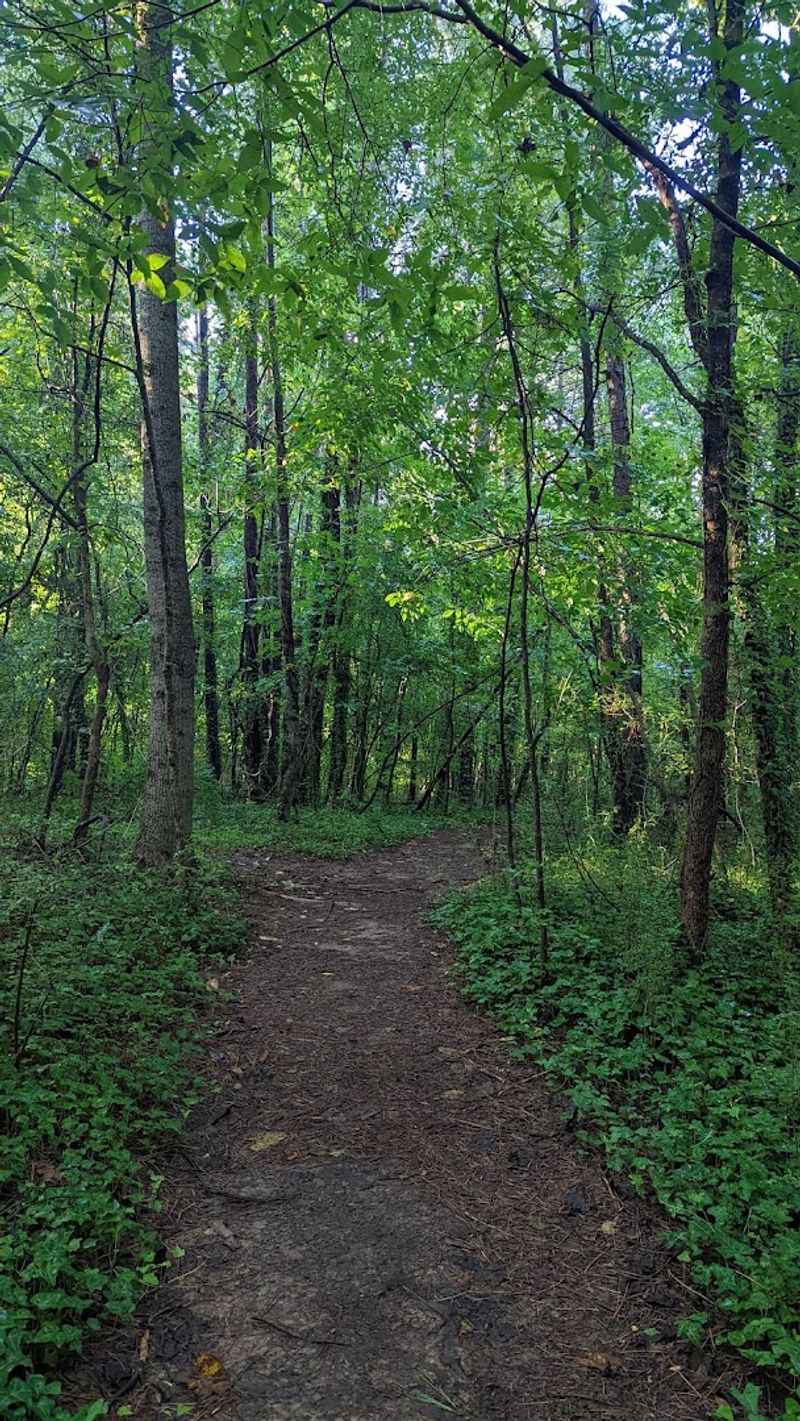
Salem County does quiet better than almost anywhere in New Jersey, and Mannington Meadows is proof. This landscape is not flashy in the boardwalk-and-lighthouse sense; it is low, wet, open, and alive.
The area sits within a broad wetlands and tidal-water landscape in the Delaware Bay watershed, where marsh, farm fields, wild rice, and migratory birds create a completely different kind of trail experience.
For an accessible-trail roundup, this is the birding wild card: less famous than Cape May, less polished than Duke Farms, but deeply rewarding for visitors who love marsh views and open skies.
Because public-facing accessibility details can be thinner here than at state or county parks, readers should plan conservatively, check current access points, and verify trail conditions before making the drive. That is especially important in wetland settings, where surfaces and water levels can change quickly.
The mood is slow and watchful. Bring binoculars, go in the cooler parts of the day, and expect the payoff to be movement in the reeds, birds lifting from the marsh, and that wide Salem County horizon that makes everything feel farther away.
This is not the pick for playgrounds, cafés, or a packed itinerary. It is the pick for silence, habitat, and patient looking.
Mannington Meadows earned its place because it offers one of South Jersey’s most quietly powerful wetland landscapes for accessible-minded nature lovers.
9. Cheesequake State Park Multi-Use Trail
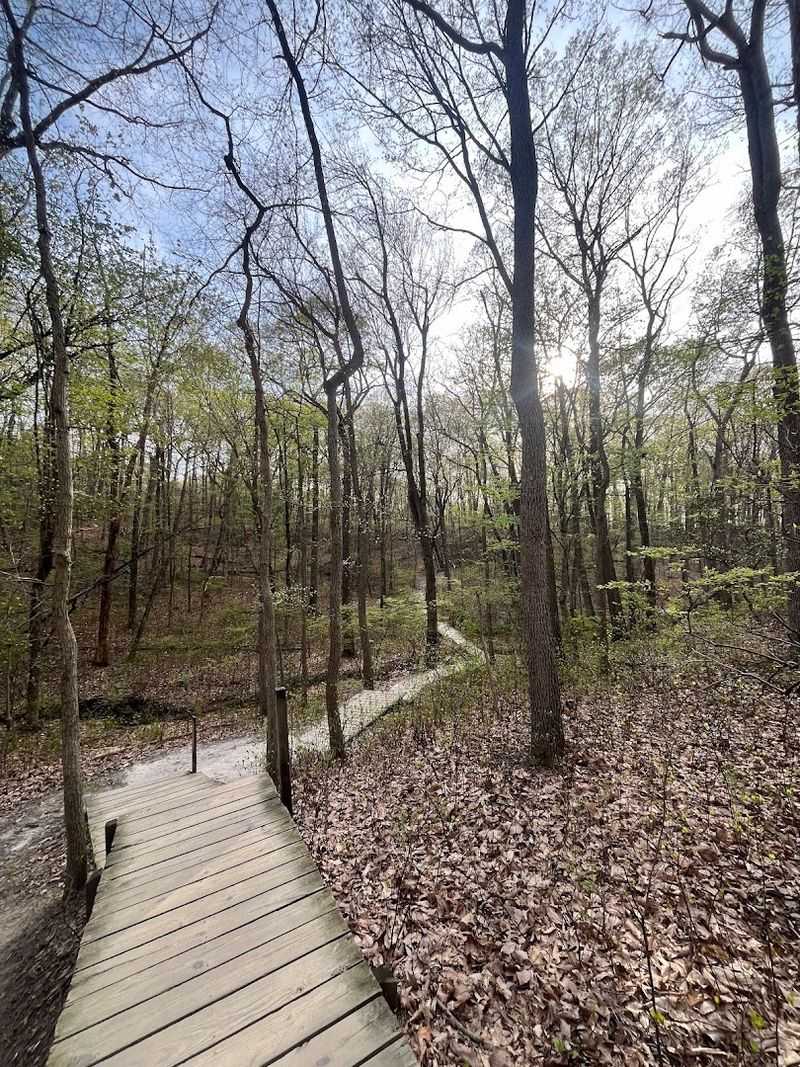
Cheesequake may have the most entertaining name in the New Jersey park system, but the landscape is the real surprise.
This Middlesex County park sits where northern and southern New Jersey ecosystems overlap, so visitors can move from salt marsh to freshwater marsh, woods, swamp, and upland forest in a relatively compact area.
The park has multiple trails of varying difficulty, and the accessible-minded approach is to target the easier multi-use areas and confirm current conditions before going. Do not assume every Cheesequake trail is wheelchair-friendly just because the park is approachable.
Some routes include roots, slopes, boardwalks, or natural surfaces that may not work for every mobility device, especially after rain. The park’s appeal is that even a shorter outing can feel ecologically rich.
Marsh views, wooded stretches, interpretive signs, picnic areas, and wildlife watching give the day variety without requiring a long backcountry route. Cheesequake also works well for groups with different energy levels.
Some visitors can take on more rugged trails while others stick to easier segments and still feel like they saw the park’s personality. Summer weekends can fill quickly, particularly with beach and picnic traffic, so early arrival is worth it.
Cheesequake earned its place because it packs an unusual number of New Jersey habitats into one accessible-minded day trip.
10. West Essex Trail
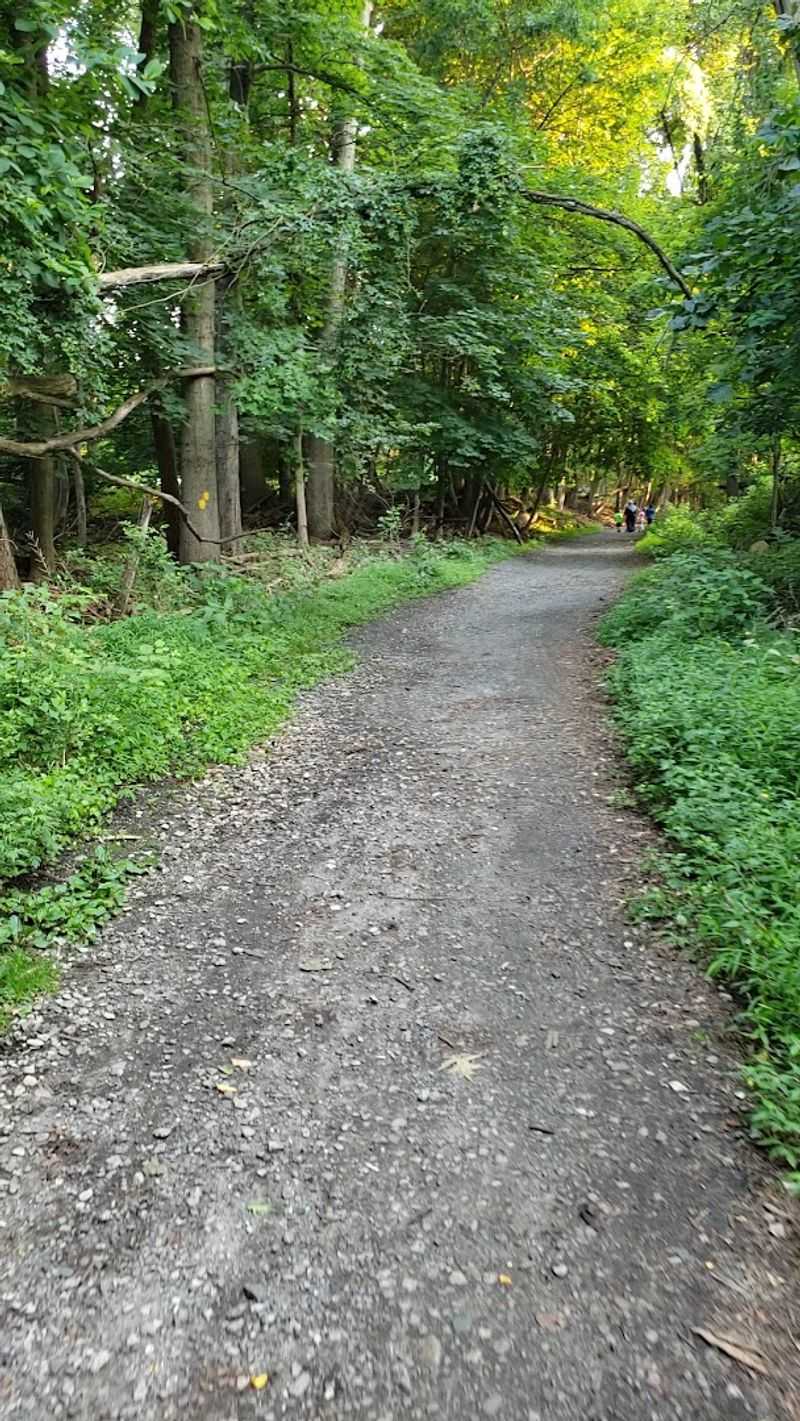
A rail trail has a different rhythm from a forest loop. It is straighter, flatter, more practical, and somehow calming because the route knows exactly where it is going.
The West Essex Trail follows a former railroad corridor through suburban Essex County, giving locals a green, mostly level route that feels more useful than showy. For wheelchair users, this one requires a realistic note: gravel and cinder are not the same as smooth pavement.
Trail conditions can vary by section, and some users may need all-terrain tires, power-assist equipment, or a careful choice of access point depending on the day and personal comfort. Still, the old railroad grade is the reason it belongs in the conversation.
It offers a shaded corridor through communities like Little Falls, Cedar Grove, and Verona, with trees creating a welcome buffer from surrounding neighborhoods. The charm here is not wilderness.
It is convenience, repeatability, and the satisfying feeling of moving through connected towns without being stuck on sidewalks. It is a good pick for locals who want dependable outdoor time rather than a once-a-year destination.
Parking at nearby parks or street access points can vary, so choose your starting spot before leaving home. West Essex Trail earned its place because it turns old rail infrastructure into an everyday accessible route with real North Jersey usefulness.
11. DeKorte Environmental Center Trails
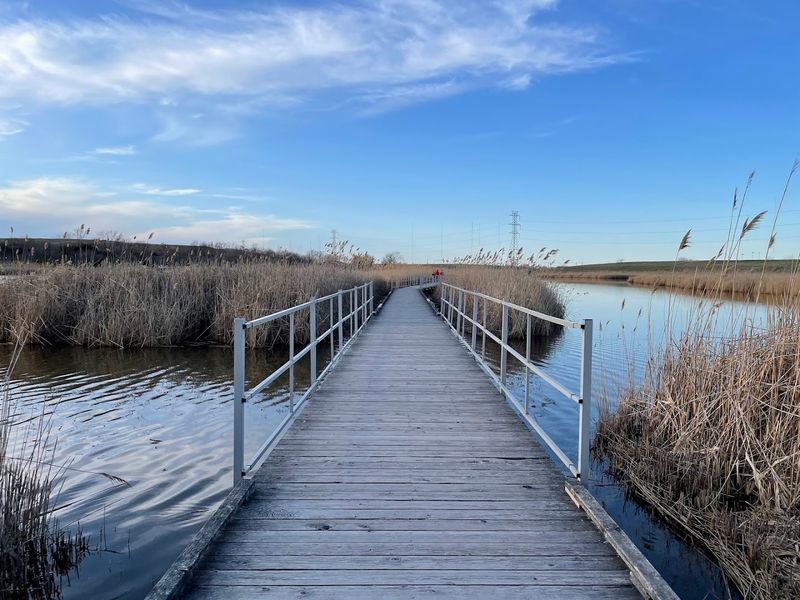
The Meadowlands can look almost unreal at DeKorte: reeds, tidal pools, birds, landfill-born hills, and the Manhattan skyline all sharing the same frame. Located at Richard W.
DeKorte Park in Lyndhurst, this is one of the best places in New Jersey to remind yourself that “industrial” and “wild” are not always opposites.
The Marsh Discovery Trail is the signature accessible-minded experience, with boardwalk-style access over marsh habitat, bird blinds, seating areas, and big open views across the water.
DeKorte is especially strong for visitors who want wildlife without a long drive. Herons, egrets, ducks, shorebirds, raptors, and skyline photos can all be part of the same visit, depending on the season and timing.
For accessibility, the boardwalk-style route is the main draw, though visitors should still check current conditions before going because weather, repairs, or closures can affect trail access. The terrain feels open and exposed, so sun protection matters in warm months, while wind can be sharp in colder seasons.
The reward is immediate: you do not need to travel far down the path before the marsh opens up around you. It is also a fun pick for photographers because the skyline backdrop makes even a casual birding walk feel cinematic.
DeKorte earned its place because it delivers one of New Jersey’s most distinctive accessible nature views, complete with birds in front and skyscrapers behind.
12. Forsythe National Wildlife Refuge Trail and Boardwalk
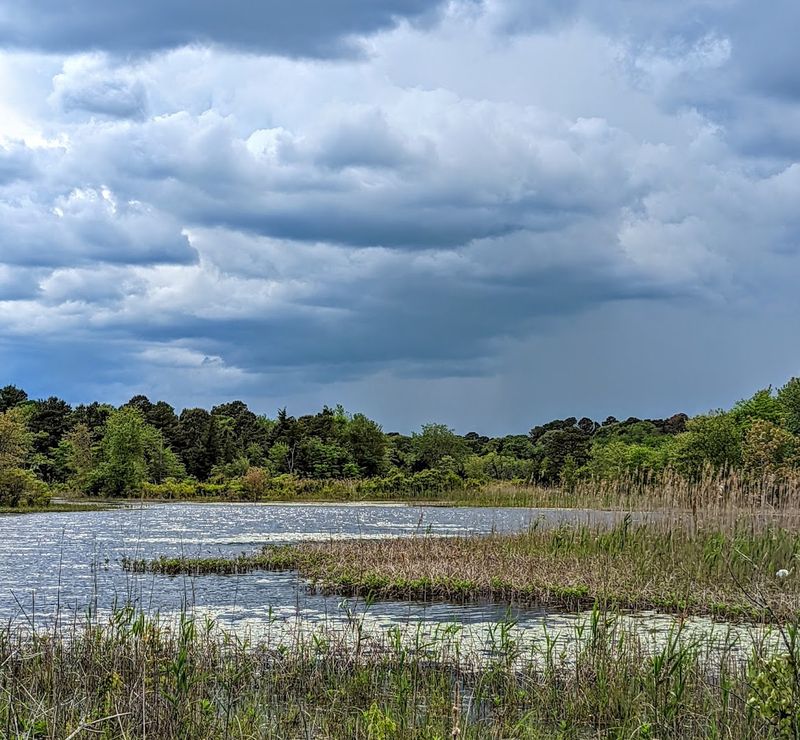
Forsythe is where South Jersey birding gets serious without becoming intimidating. The Edwin B.
Forsythe National Wildlife Refuge protects a huge sweep of coastal habitat, with salt marsh, forest edges, impoundments, and migration routes that make it one of the state’s great wildlife destinations. The accessible trail options are the reason it belongs here, especially for visitors who want a real refuge experience without committing to rough terrain.
Akers Woodland Trail, Leeds Eco-Trail, and Cedar Bonnet Island Trail each offer a different way to experience the refuge, so readers can choose based on location, distance, and comfort level.
The headquarters area also pairs naturally with the famous wildlife drive, making it possible to combine short accessible trail time with a broader birding loop by car.
The vibe here is all about patience and payoff. One minute the marsh looks still; the next, something lifts, dives, calls, or flashes white against the grass.
Spring and fall migration are prime time, but winter can be excellent for waterfowl and raptors. Bring binoculars, water, and a hat, because open marsh light can be bright even on cooler days.
Accessibility is strongest when visitors choose the named accessible trails rather than assuming every path at the refuge will fit their needs. Forsythe earned its place because it gives wheelchair users and mixed-ability groups a front-row seat to one of New Jersey’s great bird highways.
13. D&R Canal State Park Towpath
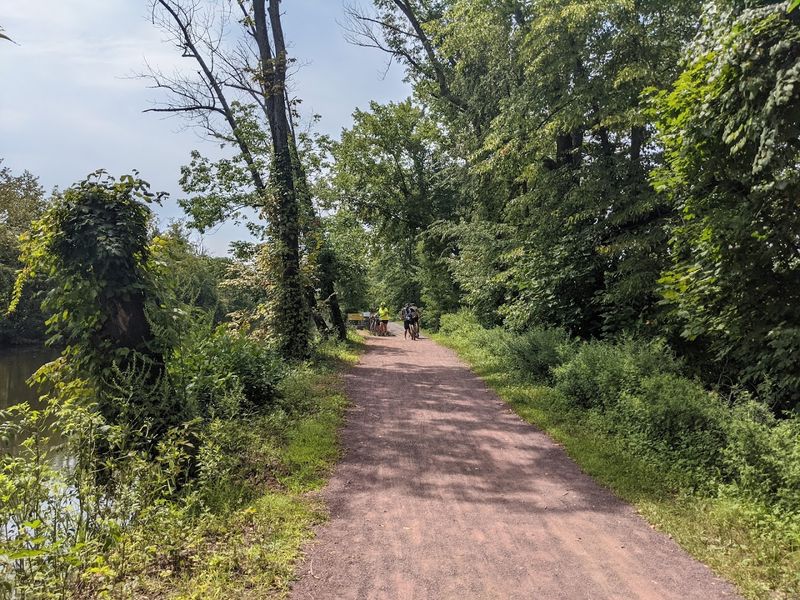
The D&R Canal Towpath is not just a trail; it is a long, level thread through Central Jersey history. The Delaware and Raritan Canal once moved goods between the Delaware River and the Raritan River, and today the canal and towpath form one of the state’s most beloved recreational corridors.
For accessible use, the key is choosing the right section. The full corridor is long, and surfaces can vary, but many stretches are flat and packed enough to be practical for wheelchair users with the right equipment and conditions.
Princeton-area sections are especially popular because visitors can pair a canal outing with coffee, lunch, or a campus stroll nearby.
The scenery is steady and calming: canal water on one side, trees overhead, stone bridges, turtles on logs, cyclists passing by, and the occasional historic structure reminding you this was once a working transportation route.
Surface conditions can change after storms, and packed stone may be easier for some chairs than others, so a shorter test segment is smart before planning a bigger outing. The towpath is ideal for people who like flat miles, water beside them, and towns within reach.
D&R Canal Towpath earned its place because it offers accessible-minded visitors a historic, scenic corridor they can enjoy in small pieces or ambitious stretches.
14. Cattus Island County Park Trails
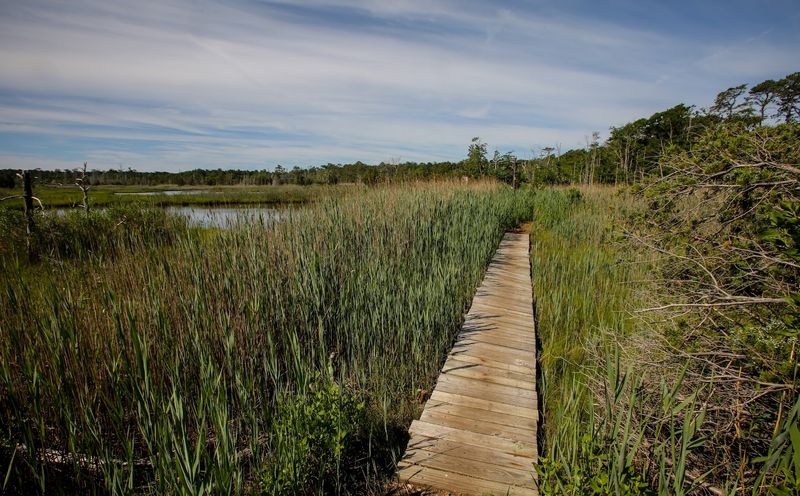
Cattus Island has that Barnegat Bay softness: pine needles, salt-marsh views, breezy openings, and water that appears like a reward after the trees.
This Ocean County park offers a broad coastal habitat experience, but the standout for accessibility is the ADA boardwalk, which gives visitors a defined, manageable route into the park’s marshy beauty without needing to gamble on sandy or rooty trail sections.
Start at the nature center if it is open, because the exhibits add context to the marsh, bay, and wildlife outside. Then use the boardwalk as the main event, especially if wheelchair access is the priority.
The broader trail network is lovely, but wheelchair users should treat it as variable and focus first on the boardwalk and nearby facilities. The park’s bay views make it a favorite for locals, and the setting feels quieter than many Shore destinations because it is more about habitat than beach-town bustle.
Birders should bring binoculars, families should leave extra time for the nature center, and everyone should expect a relaxed coastal pace. Parking is usually more straightforward than at major beach spots, though summer still brings more visitors.
Cattus Island earned its place because its ADA boardwalk opens up a peaceful slice of Barnegat Bay habitat without the chaos of a beach-town boardwalk.
15. Manasquan Reservoir Trail
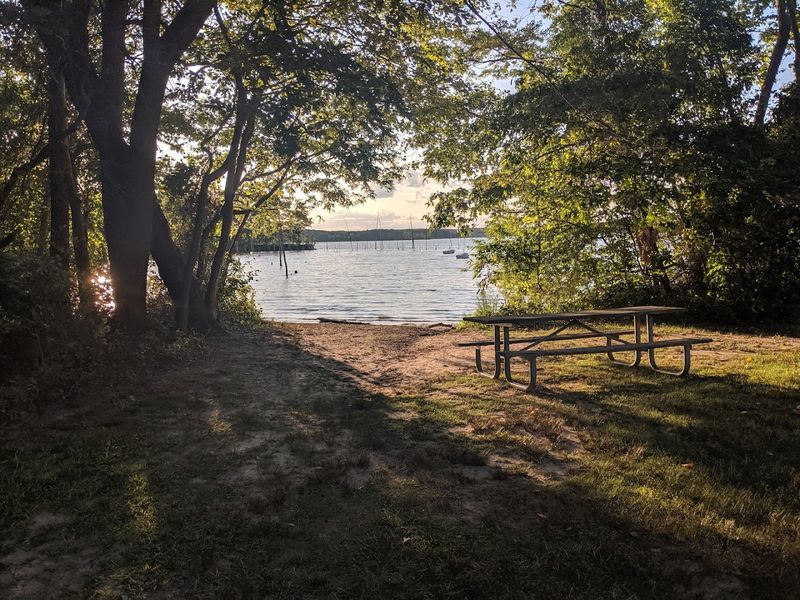
The Manasquan Reservoir is one of those Monmouth County places that seems to be doing five jobs at once and somehow handling them all. It is a water source, a wildlife area, a boating spot, a fishing destination, and a trail hub wrapped around a broad reservoir landscape.
For accessible-minded visitors, the Environmental Center side is the best place to start because it offers inclusive design features, nearby facilities, and a more controlled introduction to the site than simply setting out on the full perimeter trail.
The Braille Trail is especially notable because it was designed with visitors with visual impairments in mind, using tactile and audio elements that make the experience feel more thoughtful than a standard path with a sign at the entrance.
Wheelchair users should be selective about routes. The full reservoir trail is long and multi-use, and while much of the area is relatively gentle, surfaces and conditions can vary.
The reward is the setting: wetlands, wooded edges, reservoir views, turtles, birds, and the feeling of being outdoors without being far from practical amenities. It is also a good pick for mixed-ability groups because some people can explore farther while others stay near the Environmental Center.
Manasquan Reservoir earned its place because it combines inclusive design, water views, and one of Central Jersey’s most dependable outdoor settings.
Share this story