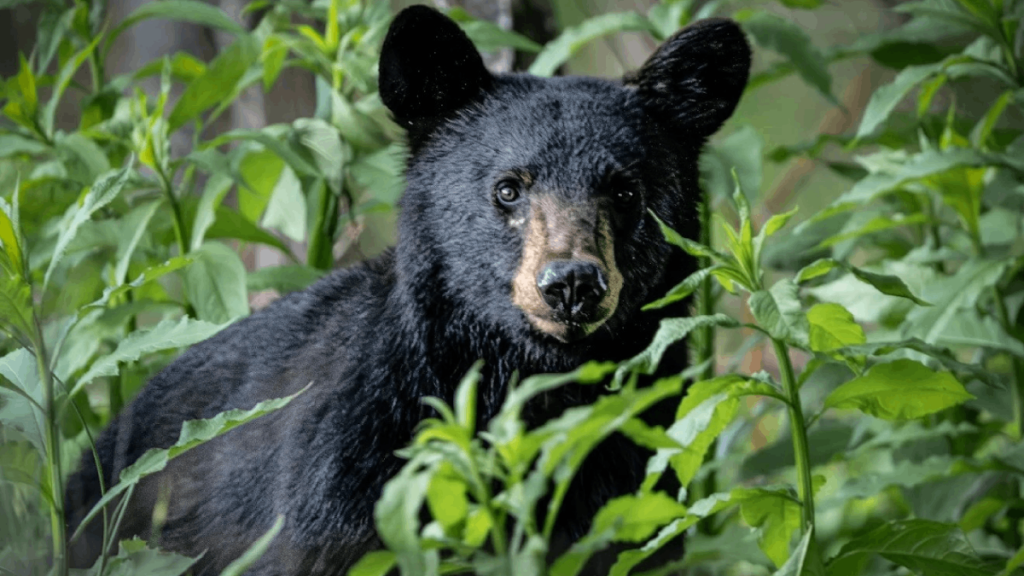
Spring in Tennessee is when black bears start stirring again, hungry, curious, and ready to roam after spending the colder months tucked away in winter rest. From late March through May, these powerful animals begin leaving their dens in search of fresh greens, grubs, and just about anything else they can find to help rebuild their strength.
And if you know where to look, while still following basic safety rules, Tennessee has some truly incredible places where you can spot these wild neighbors in their natural habitat without having to leave your car or wander far from a well-marked trail.
1. Cades Cove — Great Smoky Mountains National Park
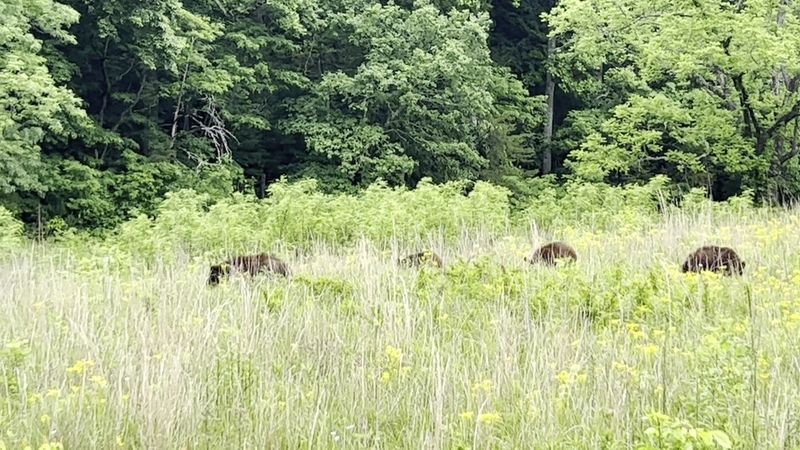
Every wildlife watcher in Tennessee knows Cades Cove by name, and for good reason. This 11-mile one-way loop winds through open meadows, old homesteads, and forest edges where black bears love to graze on fresh spring clover and dandelions. The National Park Service officially lists Cades Cove as a prime wildlife-viewing area, and you can often spot bears from the comfort of your vehicle.
What makes Cades Cove so reliable is the mix of habitats packed into one scenic drive. Bears wander out into the open fields early in the morning or late in the afternoon, making them far easier to see than in dense forest. You might catch a sow with cubs tumbling behind her, or a lone bear flipping over logs in search of insects.
Traffic can crawl during peak spring weekends, but that slow pace actually works in your favor. It gives everyone time to scan the tree line and pull over safely when a bear appears. Just remember to stay in your car and give bears plenty of space—park rangers are serious about enforcing wildlife distance rules.
The loop opens at sunrise and is best visited early, before the tour buses arrive. Bring binoculars, a camera with a zoom lens, and patience. Not every trip guarantees a sighting, but Cades Cove offers some of the best odds in the entire Southeast.
If you plan to hike any of the side trails, make noise and travel in groups. Bears are more active in spring, which means they are also more likely to be surprised by quiet hikers. Cades Cove is beautiful, wild, and full of life—just the way Tennessee bear country should be.
2. Roaring Fork Motor Nature Trail — Gatlinburg
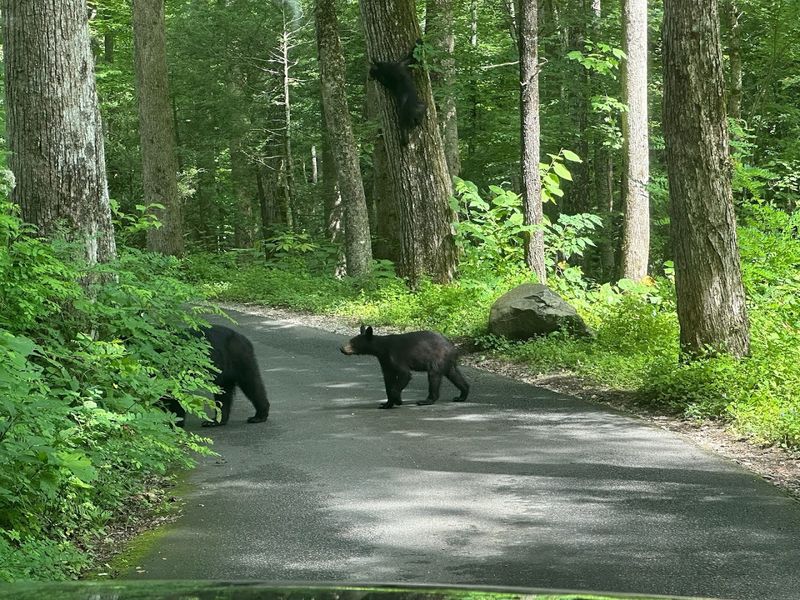
Roaring Fork feels like driving through a tunnel of green, especially in late April when the canopy fills in and wildflowers carpet the forest floor. This narrow, one-way road just outside Gatlinburg takes you deep into black bear habitat, and the National Park Service specifically mentions that bears are often spotted along this route. The slow speed limit and tight turns mean you are never rushing past a potential sighting.
What sets Roaring Fork apart is the intimacy of the experience. You are surrounded by old-growth forest, rushing streams, and historic cabins, all packed into a short drive that takes about an hour if you do not stop. But you will stop—everyone does—because the scenery is stunning and the wildlife is active.
Spring is when bears emerge hungry and focused on rebuilding fat reserves. They forage along the roadside, flip rocks, and strip bark looking for insects. Because the road is so narrow, you get closer views than on wider park roads, though that also means you need to be extra cautious about blocking traffic or getting too close.
Park in designated pullouts if you spot a bear, and never leave your vehicle. Rangers patrol regularly and will shut down the road if visitors crowd a bear or cause a jam. Respect goes a long way here, and it keeps the road open for everyone.
Roaring Fork closes in winter, so confirm it is open before you make the trip. The road typically reopens in late March or early April, just as bears start moving around. Pair this drive with a visit to the Rainbow Falls trailhead at the top, and you’ve got a full morning of Smokies magic without the Cades Cove crowds.
3. Sugarlands Area — Great Smoky Mountains
Sugarlands sits right at the doorstep of Gatlinburg, making it one of the easiest bear-watching zones to access in the entire park. Great Smoky Mountains National Park reports roughly 1,900 black bears living within its boundaries, one of the densest populations in the country. That means bears roam every elevation, from the lowest valleys to the highest ridges, and Sugarlands sits smack in the middle of prime habitat.
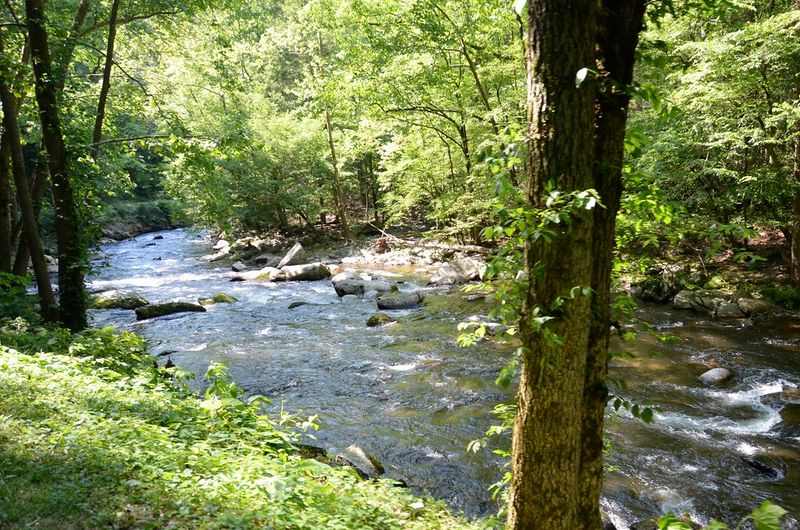
Drive slowly along Little River Road or park at the Sugarlands Visitor Center and scan the surrounding slopes. Bears often appear near the picnic areas, along the riverbanks, or crossing the road between foraging spots. Spring brings them down to lower elevations where tender greens sprout first, so this area lights up with activity.
Because Sugarlands is so accessible, it also attracts crowds. That can be a good thing—more eyes mean more sightings get reported quickly. But it also means you need to follow park rules closely.
Never approach a bear, never offer food, and always keep at least 50 yards of distance. Rangers do not hesitate to issue citations to anyone who puts themselves or a bear at risk.
If you are new to bear watching, Sugarlands is a great starting point. The visitor center offers maps, safety tips, and real-time reports on recent sightings. Staff can point you toward trails or overlooks where bears have been active that week.
Combine a Sugarlands visit with a hike to Laurel Falls or Cataract Falls, both short enough for families but still wild enough to feel like real backcountry. Just remember to make noise, carry bear spray if you are comfortable using it, and never hike alone at dawn or dusk when bears are most active.
4. Elkmont — Great Smoky Mountains
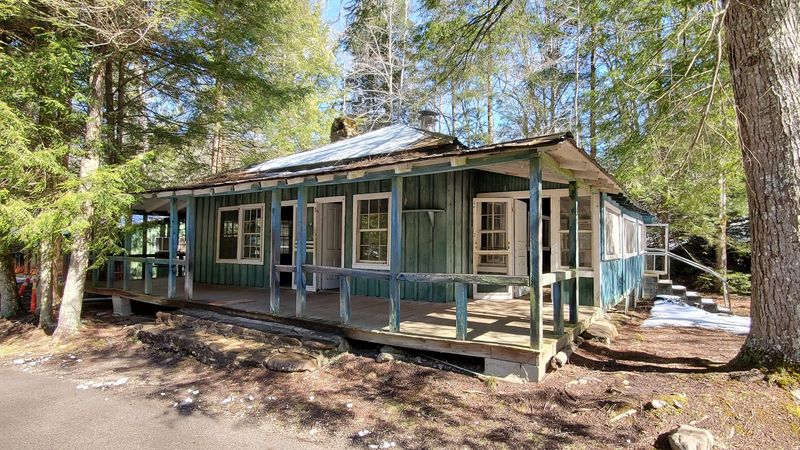
Elkmont does not get the same hype as Cades Cove, but that is part of its charm. This historic area along Little River Road offers a quieter bear-watching experience with fewer tour buses and more elbow room. The combination of river corridors, old-growth forest, and abandoned cabins creates the kind of varied habitat black bears love, especially in spring when water sources and fresh vegetation draw them out of the high country.
Sightings here are less predictable than at Cades Cove, but you are still deep inside core bear territory. The Smokies support bears throughout the park, and Elkmont sits in a zone where animals move freely between elevations. You might spot a bear crossing the road near the campground, foraging along the riverbank, or climbing a tree to escape a perceived threat.
Little River Road itself is a scenic drive worth taking slowly. Pull over at any of the marked turnouts and scan the forest edges and riverbanks. Early morning and late afternoon offer the best light and the highest bear activity.
If you are camping at Elkmont Campground, store all food and scented items in bear-proof lockers—this is serious bear country, and they know how to work a cooler.
The area also offers access to popular trails like Laurel Falls and Jakes Creek, both of which pass through bear habitat. Make noise on the trail, hike in groups, and keep kids close. Bears are generally shy, but a surprised bear is an unpredictable bear.
Elkmont shines for visitors who want a more relaxed pace and a chance to explore without fighting crowds. Bring a picnic, pack your patience, and keep your camera ready. You never know when a black bear might wander into view.
5. Cherokee National Forest — East Tennessee
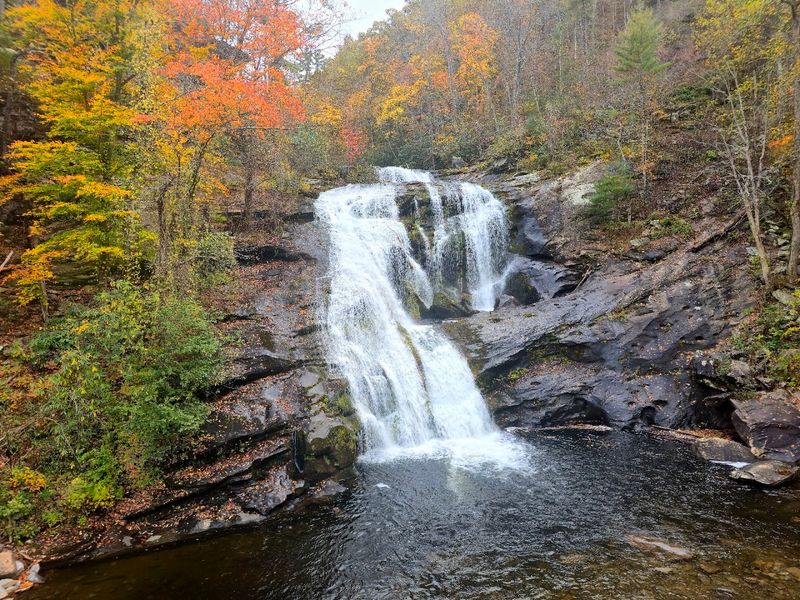
Cherokee National Forest sprawls across East Tennessee like a wild, green blanket, covering more than 650,000 acres of mountains, rivers, and ridges. According to the Tennessee Wildlife Resources Agency, the creation of both Great Smoky Mountains National Park and Cherokee National Forest played a major role in protecting the state’s black bear populations, especially in the mountainous eastern counties.
Today, this forest is real bear country, and it offers a more rugged, less touristy experience than the national park.
Unlike the Smokies, Cherokee National Forest does not have dedicated wildlife-viewing loops or visitor centers packed with tourists. You are more likely to encounter bears while hiking remote trails, camping in backcountry sites, or driving forest service roads that wind deep into the mountains. That makes this option better suited for experienced outdoors enthusiasts who are comfortable navigating less-developed areas.
Spring is an excellent time to explore Cherokee because bears are on the move, streams are running high, and wildflowers blanket the forest floor. Popular areas like the Bald River Falls area, Tellico Plains, and the Ocoee River corridor all offer access to bear habitat. Just remember that you are entering their home, not a zoo.
Always carry a map, let someone know your plans, and follow Leave No Trace principles. Store food properly, make noise on the trail, and never approach a bear for a photo. Cherokee National Forest is managed for multiple uses, including hunting, so be aware of seasonal closures and wear bright colors during fall.
If you want to see Tennessee bears in a truly wild setting, Cherokee National Forest delivers. It is not as convenient as Cades Cove, but it is every bit as authentic. Pack your sense of adventure and respect for the land, and you will be rewarded with solitude, beauty, and maybe a black bear sighting you will never forget.
6. South Cherokee WMA — Southeast Tennessee
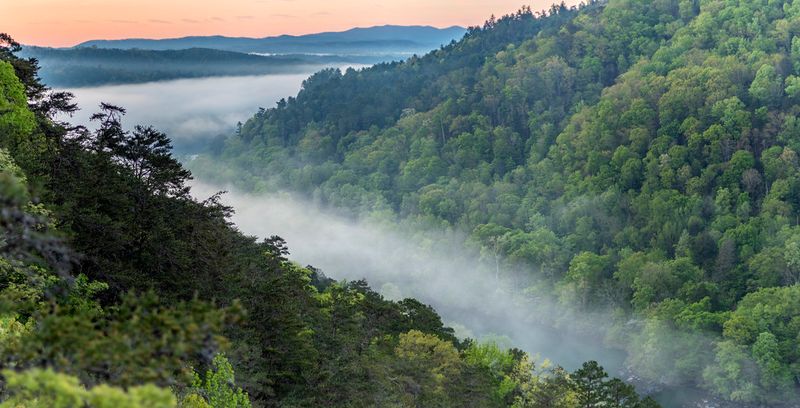
South Cherokee Wildlife Management Area is not a place you stumble upon by accident. Managed by the Tennessee Wildlife Resources Agency, this rugged chunk of public land sits in the heart of bear country and sees far fewer visitors than the Smokies. TWRA references bear reserves and bear-season rules for South Cherokee, confirming its importance as habitat for one of Tennessee’s most iconic animals.
If you are serious about seeing bears in a less-traveled setting, this is where you go.
South Cherokee WMA is working land, managed for wildlife conservation, hunting, and habitat restoration. That means it is not set up for casual sightseeing. You will not find paved loop roads or interpretive signs pointing out bear dens.
What you will find is wild, unmanicured forest where black bears live, feed, and raise cubs without constant human interference.
Spring is prime time for bear activity here, just as it is everywhere else in East Tennessee. Bears emerge from winter dens hungry and focused on replenishing body fat. They forage on new greens, insects, and carrion, often moving through the same valleys and ridges that hikers and hunters use.
If you plan to visit, study a map, bring a GPS, and know the WMA rules before you arrive.
Hiking in South Cherokee requires preparation. Trails are often unmarked or poorly maintained, and cell service is spotty at best. Carry bear spray, make noise, and never hike alone.
This is not a place for beginners, but for those who know what they are doing, it offers a rare chance to experience Tennessee bear habitat in its rawest form.
Respect the land, follow TWRA regulations, and remember that you are a guest in a managed wildlife area. South Cherokee WMA is not easy, but it is real, and that is exactly what makes it special.
7. North Cherokee WMA — Northeast Tennessee
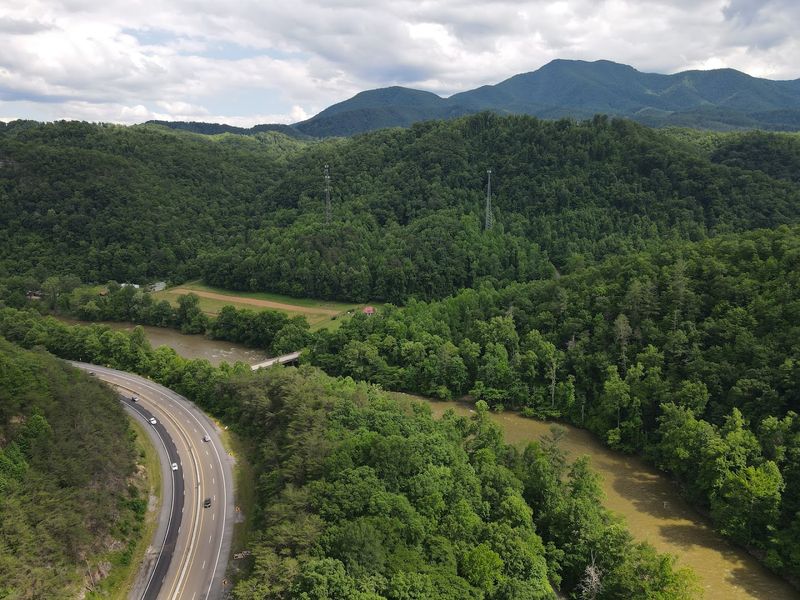
North Cherokee Wildlife Management Area sits in the rugged northeast corner of Tennessee, tucked into the folds of Cherokee National Forest. Like its southern counterpart, this WMA is managed by TWRA and represents legitimate mountain bear habitat. It is less touristy than Cades Cove or Roaring Fork, making it a solid choice for experienced hikers, wildlife watchers, and hunters who are familiar with WMA rules and backcountry travel.
Bears here live in steep, forested terrain that challenges even seasoned outdoors enthusiasts. The area is remote, the trails are tough, and the infrastructure is minimal. That is exactly what keeps the crowds away and the wildlife wild.
If you are looking for a place where you can hike for hours without seeing another person, North Cherokee WMA delivers.
Spring brings bears down from higher elevations as they search for food after months of dormancy. You might spot them along ridge lines, near water sources, or in areas where early greens sprout first. Because the terrain is so rugged, sightings are never guaranteed, but the possibility is always there, and that is part of the thrill.
Before you visit, check TWRA regulations and seasonal closures. Some areas may be restricted during hunting seasons, and you will want to wear bright colors and make noise if you hike during those times. Carry a map, a compass or GPS, and enough supplies for an unexpected night out.
Cell service is unreliable, and help is not just around the corner.
North Cherokee WMA is not for everyone, but for those who crave solitude and authentic wilderness, it is a gem. You will work harder for a bear sighting here than you would at Cades Cove, but the reward is an experience that feels genuinely wild.
Respect the land, prepare properly, and you will leave with a deeper appreciation for Tennessee’s black bears and the mountains they call home.