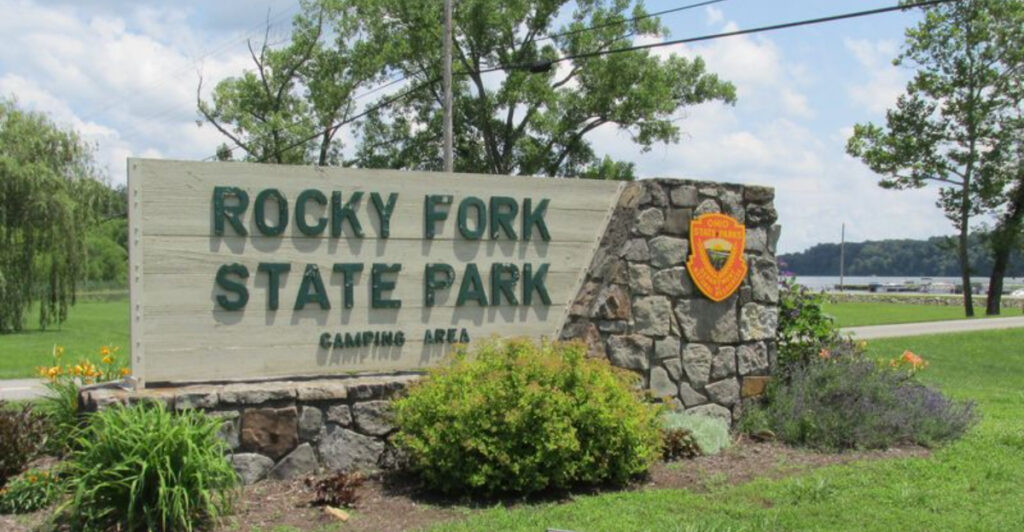
Tucked into the Unaka Mountains, Rocky Fork State Park feels like Tennessee’s wild heartbeat. Crystal creeks, cliffy vistas, and fern-draped trails pull you in from the very first footbridge.
You will find serenity here, plus just enough challenge to make every view feel earned. Ready to trade noise for water song and step into 10,000 acres of unfiltered beauty?
1. Untamed First Impressions
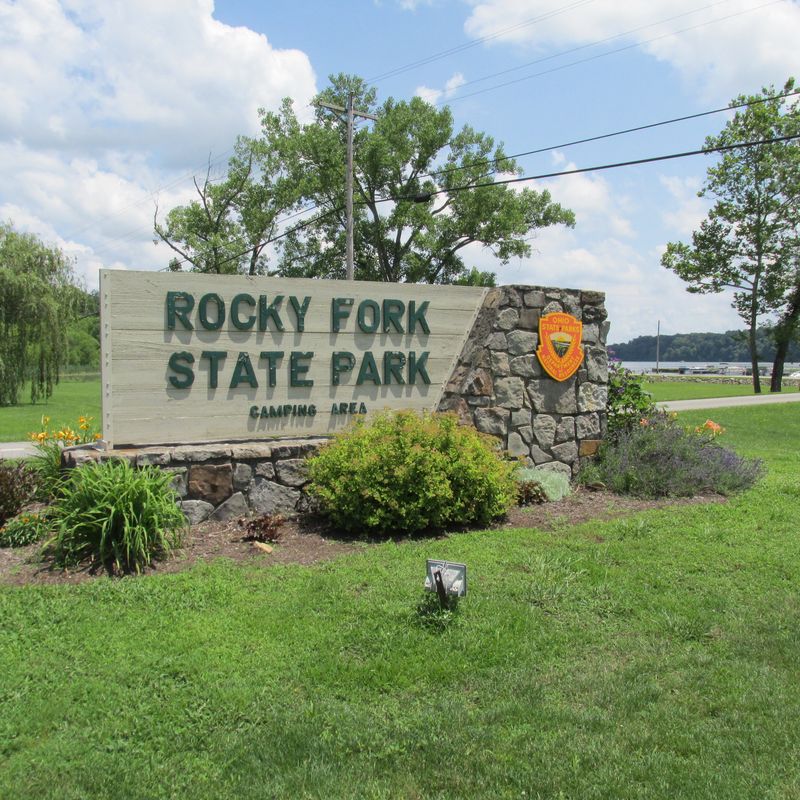
Hidden in the Unaka Mountains, Rocky Fork State Park feels like a secret you stumble upon after a winding, creek-hugging drive. The moment boots hit the gravel, cool air and rushing water hush the world to a whisper.
White quartz boulders glow beside ferny banks, and every bend reveals another photogenic cascade. You are not just visiting a park, you are stepping into a living Appalachian classroom.
Trails thread old-growth pockets, rhododendron tunnels, and Civil War history.
What surprises most first-timers is the scale. Nearly 10,000 acres unfurl from the valley to ridgetop cliffs, yet the main valley trail is gentle enough for families.
There is no flashy visitor center at the trailhead, so come prepared and embrace the simplicity. Rangers are helpful, programming is thoughtful, and solitude is easy to find on weekdays.
If Tennessee has a rainforest, this creek-laced gorge is it, sparkling, serene, and wildly addictive.
2. Getting There, Hours, Essentials
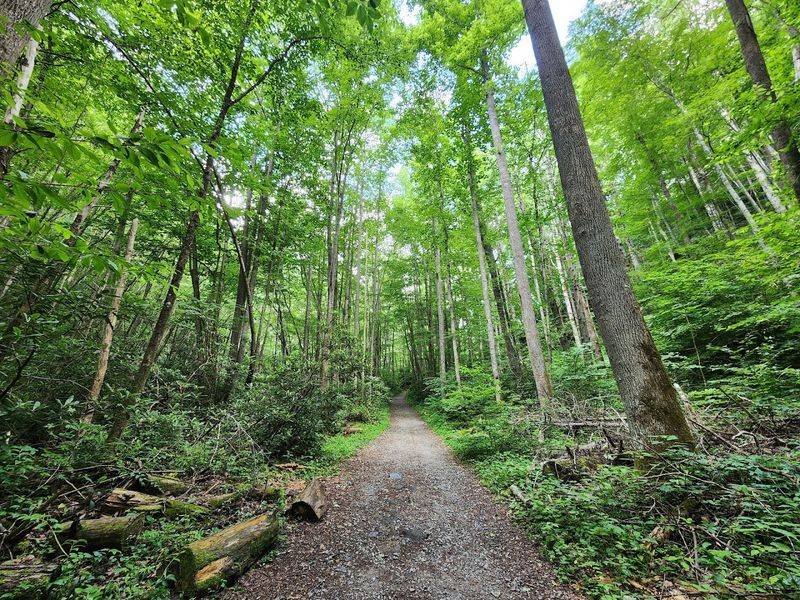
Reaching Rocky Fork is refreshingly simple once you exit I-26 at Flag Pond. Follow the signs, not your phone, and the road will shadow a clear mountain creek all the way to the main lot.
The official address is 501 Rocky Fork Rd, Flag Pond, TN 37657, and hours typically run 8 AM to 4:30 PM daily. There is parking, but services are minimal at the trailhead.
Think self-reliant, not resort.
Bring water, snacks, and a small first aid kit, plus trekking poles if knees appreciate help on rocky grades. Cell signal is spotty, so download the park map and let someone know your plan.
Dogs are welcome on leash, and families will find plenty of pull-offs to dip toes. Restrooms may be limited, and there is no big gift shop here.
For passport stamps or souvenirs, ask rangers where to go after your hike.
3. Flint Creek Trail
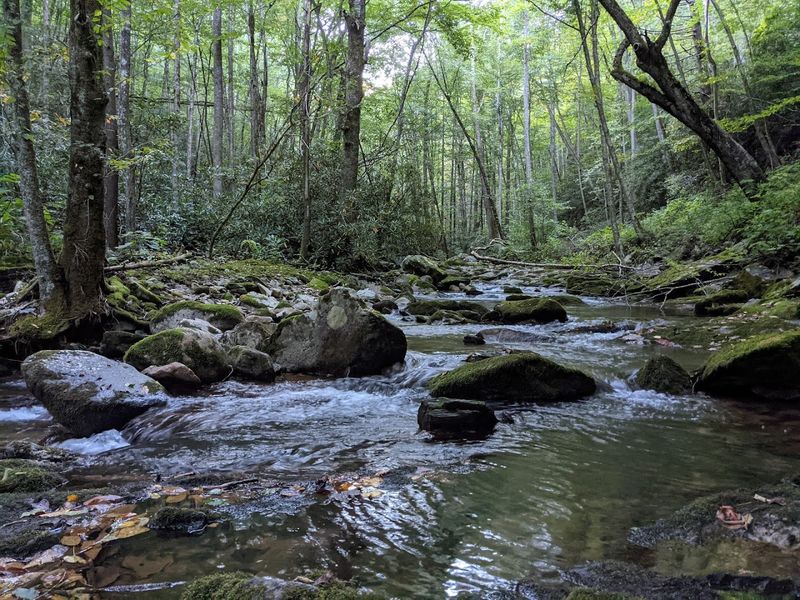
When you want an easy, soul-calming start, pick the Flint Creek Trail. It rolls gently beside glassy pools and riffles, threading footbridges and mossy banks scented with hemlock.
You will pass pocket waterfalls, shallow wades, and sunlit clearings perfect for snacks or kid breaks. The soundtrack is constant water and birdsong, and it feels like a guided meditation you can walk.
Reviews call it serene, simple, and surprisingly photogenic.
Plan a relaxed out-and-back, turning around whenever time or legs decide. Wear shoes that can handle slick rock, and consider water sandals for playful creek moments.
In summer, seek shade in rhododendron tunnels and scan for wildflowers tucked into the spray zone. In fall, leaves glow gold and amber, transforming photos without filters.
Winter brings crystal air and open views. Whatever the season, you will finish refreshed, clearer, and hungry for the park’s steeper challenges.
4. Whitehouse Cliffs Viewpoint
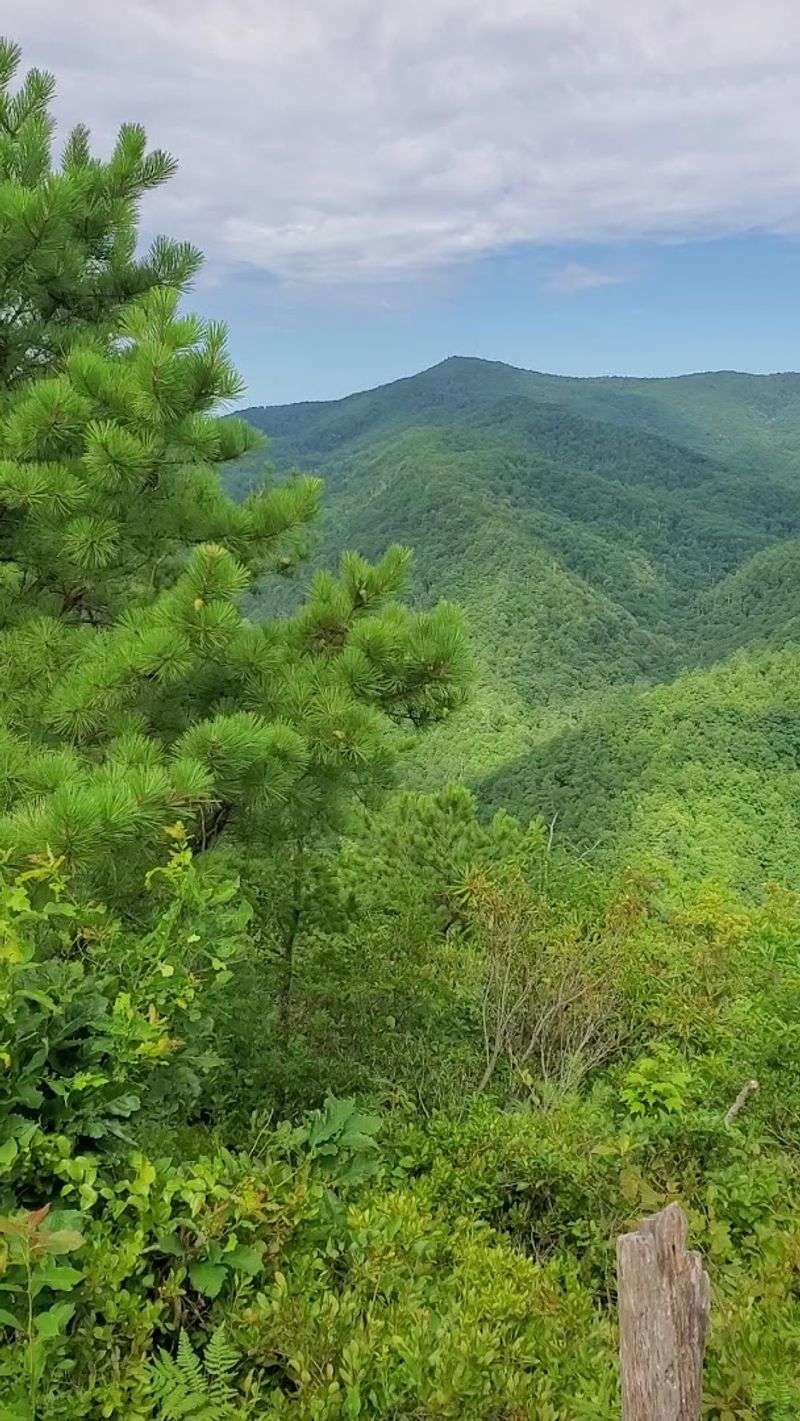
Ready for a heart thumper with brag-worthy payoff, tackle the Whitehouse Cliffs. The climb is short but steep, weaving through switchbacks, roots, and rocks before topping out on a dramatic perch.
On a clear day you can see a quilt of valleys and ridgelines that make every step feel justified. Reviews insist the summit is worth it, and I agree wholeheartedly.
Bring patience, water, and grippy soles.
Start early for cooler temps and open parking, or aim for golden hour when the mountains blush. Stay back from edges, keep kids close, and mind loose gravel.
The wind can whip suddenly, so layer light and stash a warm hat. Photographers should pack a wide lens and a cloth to wipe spray or fog.
After descending, soak feet in the creek like a local. That hot-cold contrast turns tired calves into happy hikers again.
5. Waterfalls, Pools, and Play
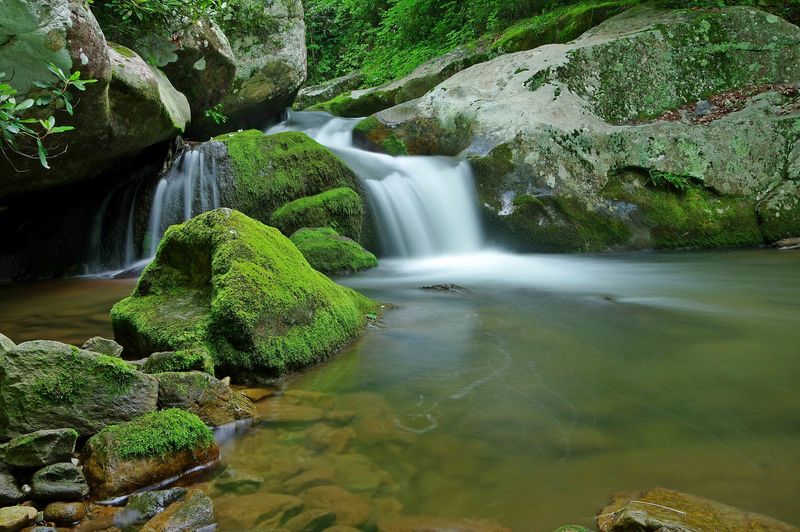
The park’s creek is the star, sliding over shelves into crystalline pools that beg for a cautious splash. Several pull-offs allow safe access to water where kids can skip stones and adults can soak trail-weary feet.
Wear water shoes and watch for glass or discarded fishing hooks, as a few reviewers noted. Sunlight plates the shallows in silver and teal, a color show worthy of lingering.
Bring a towel and a thermos for lingering comfort.
Always respect currents, depth, and cold shock. Even in summer, mountain water bites, and boulders can be slick like soap.
Step deliberately, keep dogs leashed, and never leave trash behind. If you find a tangle of monofilament, pack it out as a kindness to wildlife.
On hot days, plan your hike so creek time becomes the cool finale. Nothing resets a busy brain faster than shin-deep water and patient rushing sound.
6. Wildflowers, Fireflies, and Glow
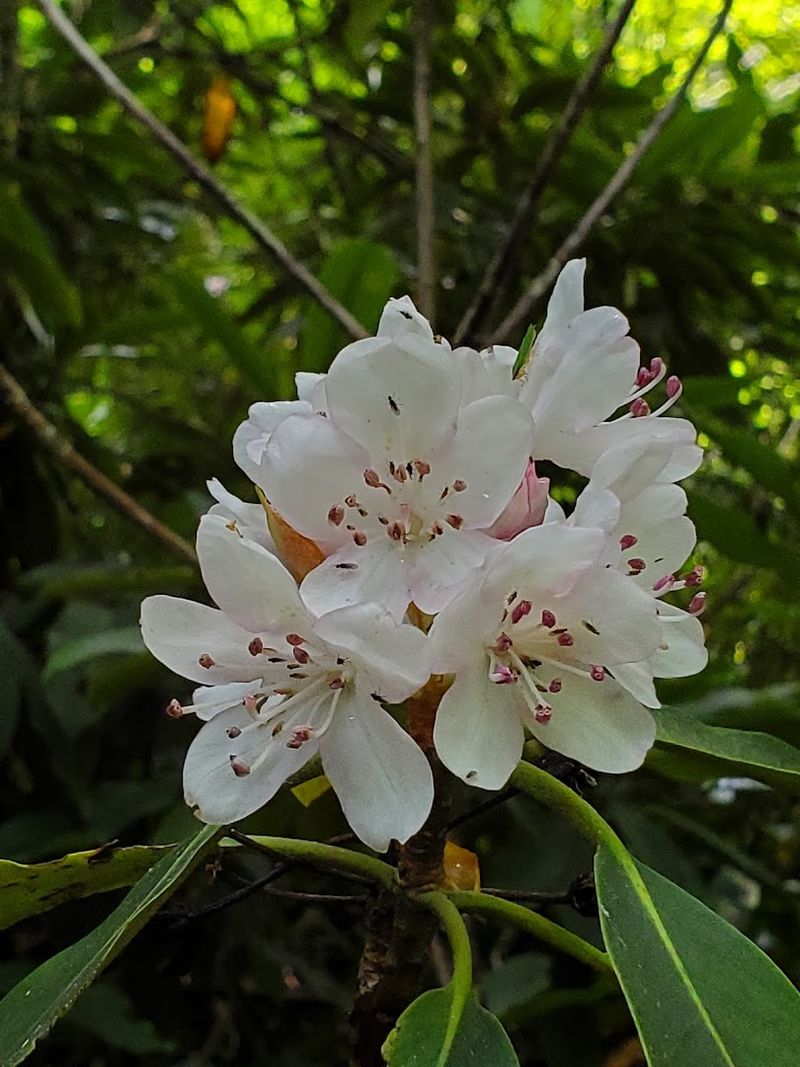
Rocky Fork is a botany and bioluminescence buffet if you time it right. Spring drips with trillium, foamflower, and violets, while rhododendron and mountain laurel build glossy tunnels by early summer.
After warm, still days in late spring, you might notice fireflies stitching green-gold constellations over the creek. Some nights even reveal rare glow worms along damp banks.
Move slowly, dim headlamps, and let darkness do the storytelling.
Photograph blooms respectfully. Stay on durable surfaces, do not trample soft seeps, and avoid picking anything.
For night magic, arrive before dusk to settle in and give your eyes time to adjust. Turn off white lights and use a red filter when moving.
Keep voices low so others can savor the hush. When the show ends, pack out every crumb and tip your hat to the rangers whose programs open doors to this glowing world.
7. Seasons, Weather, and Best Times
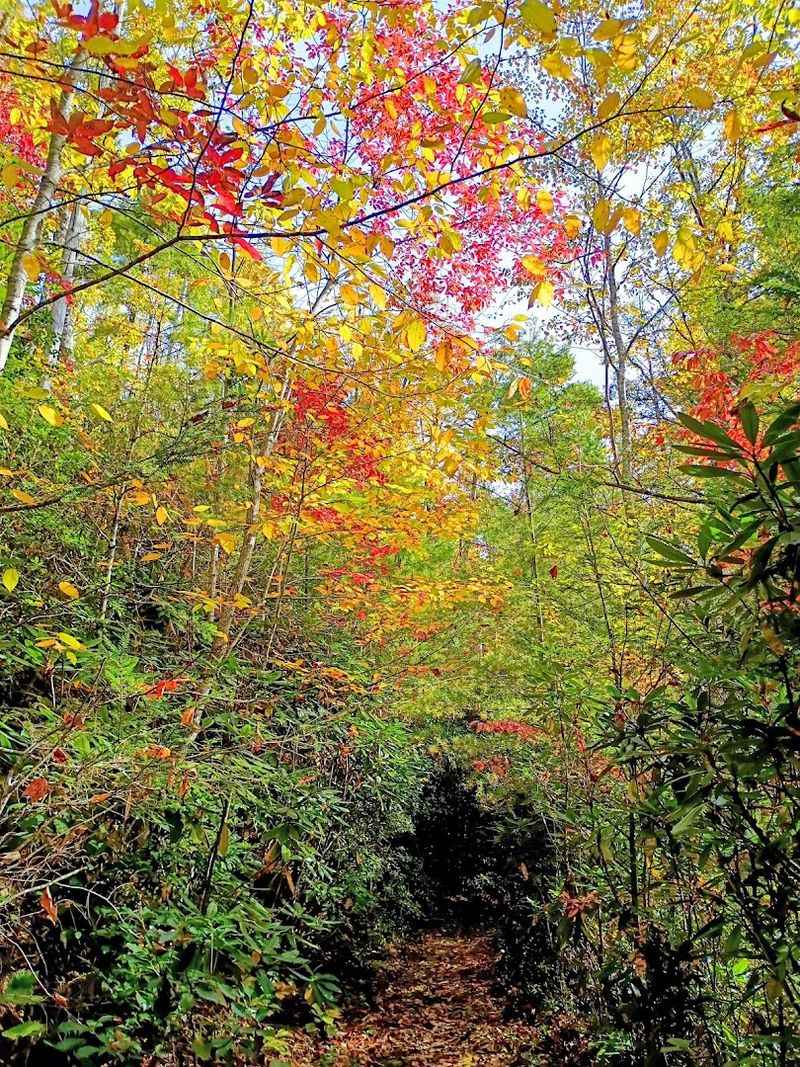
There is no wrong season here, only different moods. Spring runs bright and musical with snowmelt, flowers, and amphibian activity.
Summer offers shade-laced trails and creek relief during steamy afternoons, though afternoon storms can flash through quickly. Fall paints the valley in gold, russet, and crimson, then crunches underfoot like toast.
Winter sharpens views, quiets crowds, and rewards with icy lace on boulders and bridges.
Start hikes early to claim parking and cooler air. Check the forecast and remember mountain weather shifts faster than your notifications.
Pack a light rain shell, warm layer, and dry socks year round. Short daylight in winter means turning around earlier than you think.
In leaf season, weekdays feel gentler and photo friendly. No matter when you go, the creek is your metronome, the cliffs your compass, and the rolling trail an invitation you will gladly accept.
8. Family Fun and Easy Wins
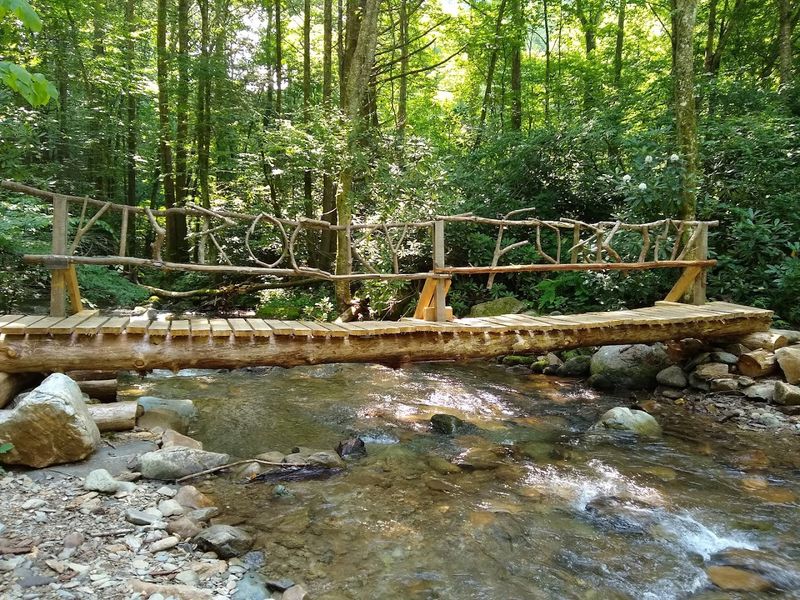
Bringing kids or new hikers. Rocky Fork makes it simple to win the day.
Start on the road-like main trail that parallels the creek and stack tiny adventures. Spot salamanders in seeps, count footbridges, toss leaves in current races, and name boulders after superheroes.
Keep snacks within easy reach, set a turnaround time, and celebrate progress rather than distance. The park’s calm vibe helps everyone relax.
Safety wise, teach three golden rules. Stones are slippery, water is cold, and edges demand respect.
Closed-toe shoes beat flip-flops every time. Sun shirts and light fleece handle quick weather flips.
Pack a small trash bag so kids can lead a five-minute cleanup and earn trail hero status. End with a picnic near the creek and a promise to return for Whitehouse Cliffs when legs are ready.
Those traditions turn first visits into lifelong memories.
9. Backcountry Feel, Close To I-26
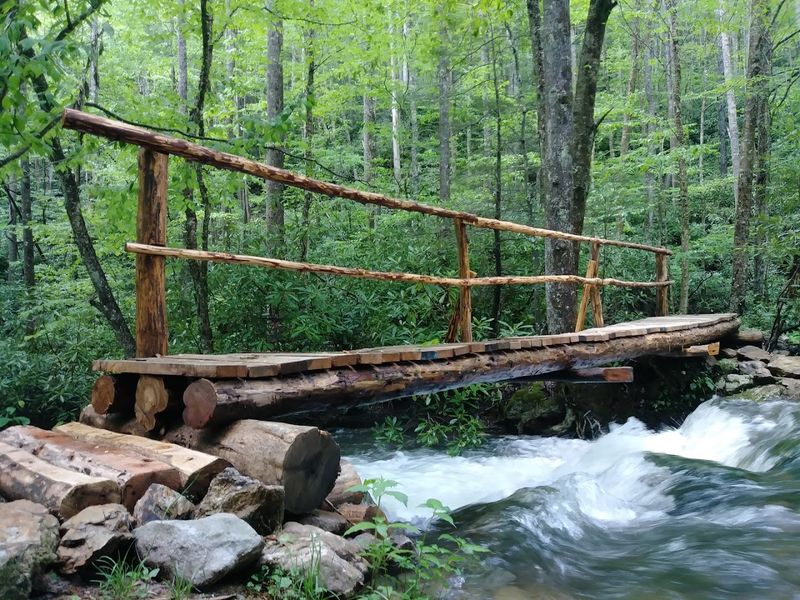
What shocks many visitors is how wild the park feels minutes from I-26. Step away from the lot and you are wrapped in hemlock shade, creek music, and a hush that swallows highway noise.
Long loops and quieter side paths deliver real solitude, especially on weekdays or winter mornings. You can hike seven miles without repeating views, then be back to the interstate before the coffee cools.
It is the definition of accessible wild.
Embrace minimal infrastructure. There is no oversized welcome center at the main trailhead, so navigation and snacks are on you.
Download maps, carry a small repair kit, and treat footbridges with care after storms. If you crave ranger insight, check the website for programs before you go.
A little prep amplifies freedom out here. The reward is a genuine backcountry vibe without a logistics marathon.
10. Trail Ethics, Safety, and Respect
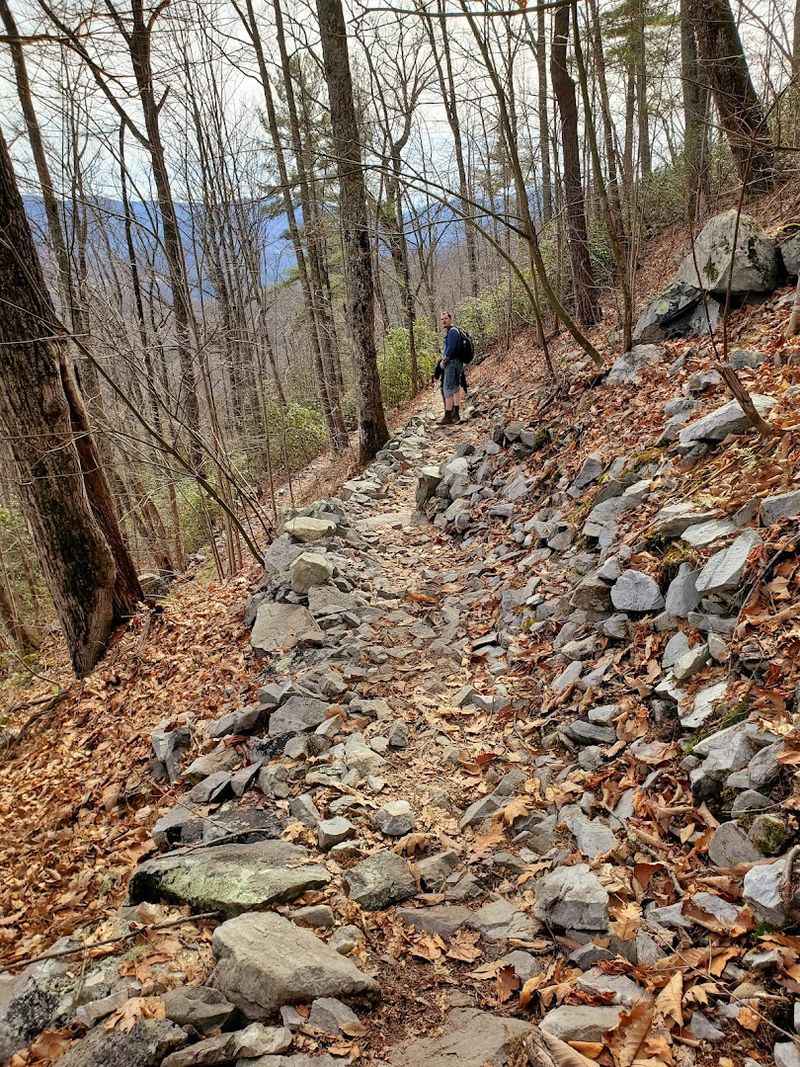
Rocky Fork’s beauty stays wild when we treat it like a home we love. Pack out every wrapper, fruit peel, and fishing line.
Stay on marked paths so plants keep their foothold, and resist carving new cutoffs on switchbacks. Yield to uphill hikers, keep dogs leashed, and step aside for faster folks with a smile.
Music belongs to headphones, not speakers, because the creek already wrote the soundtrack.
Weather changes quickly and water is hypnotic, so attention matters. Carry a printed map or downloaded layer, a whistle, headlamp, and enough layers to sit comfortably if plans change.
Tell a friend your route and return time. In cold months, stash a thermos and dry socks.
If you spot trail damage, glass, or hazards, tell a ranger or volunteer. Respectful choices stack up, and the payoff is simple.
The park remains pristine for whoever arrives tomorrow.