One Tennessee town was chartered in 1779. That means it was a town 17 years before Tennessee was even a state.
Places with that kind of history tend to stick in your memory. Then you go back after a few years, and the traffic is heavier, the shops are new, and the quiet corner you loved has a line out the door. I find that both exciting and a little bittersweet.
The towns on this list are not ruined. Far from it. Most of them are changing because so many people fell for them at the same time, which is kind of the ultimate compliment.
I love a place with a story, and every one of these spots has a big one. So which towns still feel like home to the folks who grew up there, and which ones have quietly turned into something new?
1. Gatlinburg
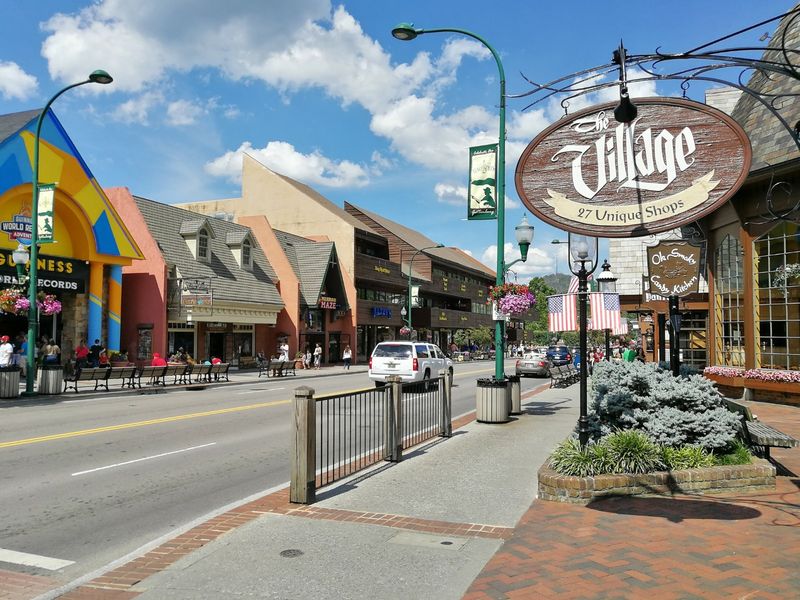
A town with about 3,900 full-time residents can host crowds that look more like a big city on a summer weekend. Gatlinburg pulls off that trick year after year.
The reason is simple geography. The town sits right at the doorstep of Great Smoky Mountains National Park, one of the most visited national parks in the country.
Longtime residents remember a smaller, slower Parkway. Today that main strip is packed with attractions, candy shops, mini golf, and places to grab a quick bite.
High above it, the Gatlinburg SkyBridge stretches across a mountain gorge. When it opened in 2019, it was billed as the longest pedestrian suspension bridge in North America.
That kind of headline changes how a town feels. You get more visitors, more buses, and more cars inching along the Parkway at peak times.
So what can you do about it? Try visiting on a weekday or outside the summer and October leaf seasons.
Early mornings help too. You can stroll the Parkway before the crowds wake up and actually hear the creek that runs through town.
The Gatlinburg Space Needle is another landmark that has stood watch for decades. It gives you a wide view of the town and the ridges around it.
Here’s a smart move if the downtown buzz feels like too much. Head a short drive into the national park, where trails and overlooks feel worlds away.
The Roaring Fork Motor Nature Trail is a favorite option for a slower pace. You’ll see old cabins, mossy rocks, and streams without fighting for sidewalk space.
Gatlinburg may not feel like the sleepy mountain stop it once was. Still, the mountains behind it haven’t gone anywhere, and they’re the real reason people keep coming back.
2. Franklin
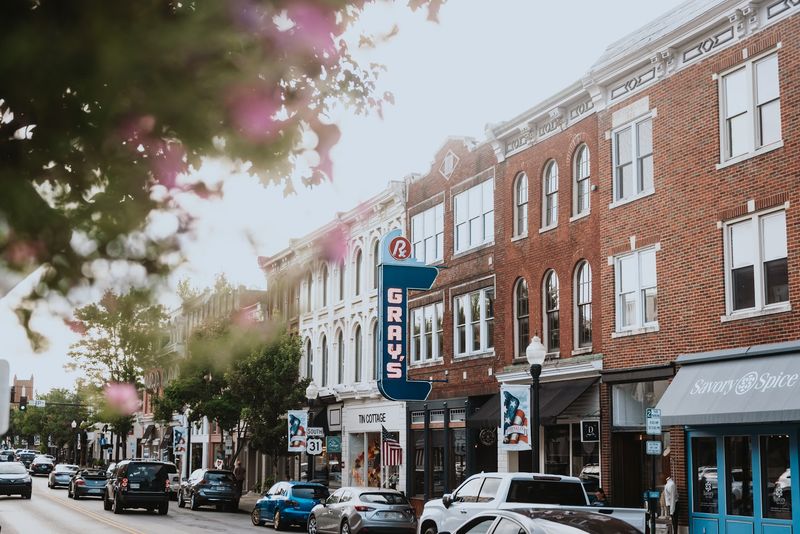
Brick storefronts, a classic theater sign, and Civil War history around the corner sound like a recipe for a sleepy town. Franklin got discovered instead.
Sitting just south of Nashville, this Williamson County seat has seen huge growth in recent decades. New neighborhoods and shopping centers now ring the older parts of town.
Downtown still anchors the whole picture. The historic Main Street district is lined with shops, restaurants, and buildings that look straight out of an old postcard.
The Franklin Theatre is one of the stars of that strip. It first opened in 1937 and was later restored, so you can still catch shows there today.
History runs deep here, too. The Battle of Franklin was fought in 1864, and it remains one of the most important chapters in the town’s story.
You can learn about it at sites like the Carter House and Carnton. Both help explain what happened and why the town takes preservation so seriously.
Longtime residents notice how much busier the roads have become. Rush hour in Franklin can feel nothing like the small farm town of years past.
Want a smoother visit? Park once downtown and explore on foot instead of circling the blocks looking for a closer spot.
The Factory at Franklin is another fun stop. It’s a group of old industrial buildings turned into shops, food spots, and event spaces.
Spring and fall are lovely times to wander the streets. The weather is easier, and big community events often fill the calendar.
Franklin doesn’t feel like a quiet country crossroads anymore, and that’s okay. It’s a Tennessee town that grew up while keeping its historic heart in plain view.
3. Pigeon Forge
Around 6,000 people call Pigeon Forge home year-round. On a busy day, it can feel like a few million more showed up for the party.
The town sits in the foothills of the Great Smoky Mountains. Its name comes from the Little Pigeon River and an old iron forge that once operated nearby.
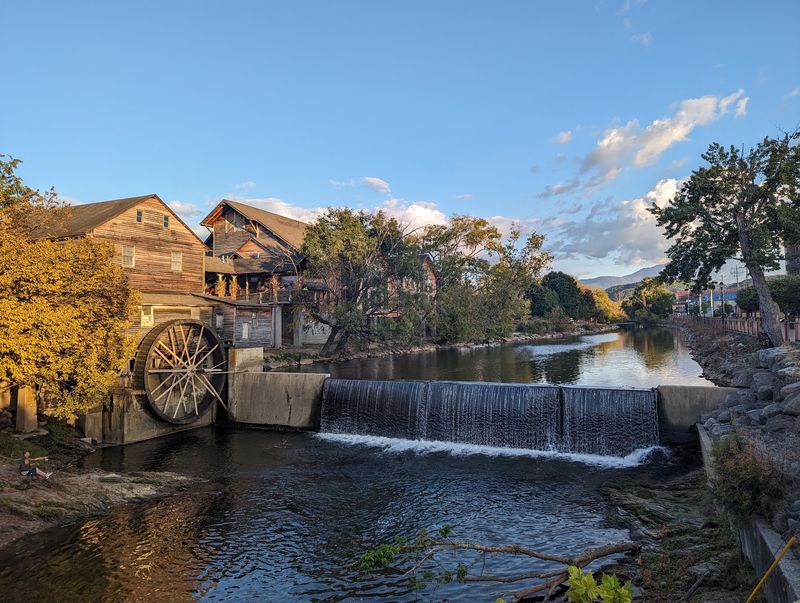
The Old Mill still stands along the river as a nod to those early days. It’s one of the few spots in town where the past feels close enough to touch.
Then there’s Dollywood, the theme park tied to Dolly Parton, a Sevier County native. Its rides, shows, and seasonal festivals draw huge crowds through much of the year.
The Parkway tells the rest of the story. Dinner shows, go-kart tracks, museums, and attractions line the road, each trying to grab your attention.
The Island in Pigeon Forge adds even more. Its giant Ferris wheel and shops have become a big part of the town’s modern look.
Folks who remember quieter decades often say the place feels like a different town now. Fields and small motels gave way to bright signs and big buildings.
So how do you enjoy it without losing your patience? Use the back roads when you can, since they often save time compared to the Parkway.
The Pigeon Forge Greenway is another nice escape. It follows the river and gives you a calmer way to stretch your legs.
Timing matters too. Holiday seasons look dazzling, but they also bring some of the heaviest traffic of the year.
Pigeon Forge has traded sleepy for spectacular. If you go in expecting a big, loud, fun vacation town, you’ll probably leave smiling.
4. Townsend
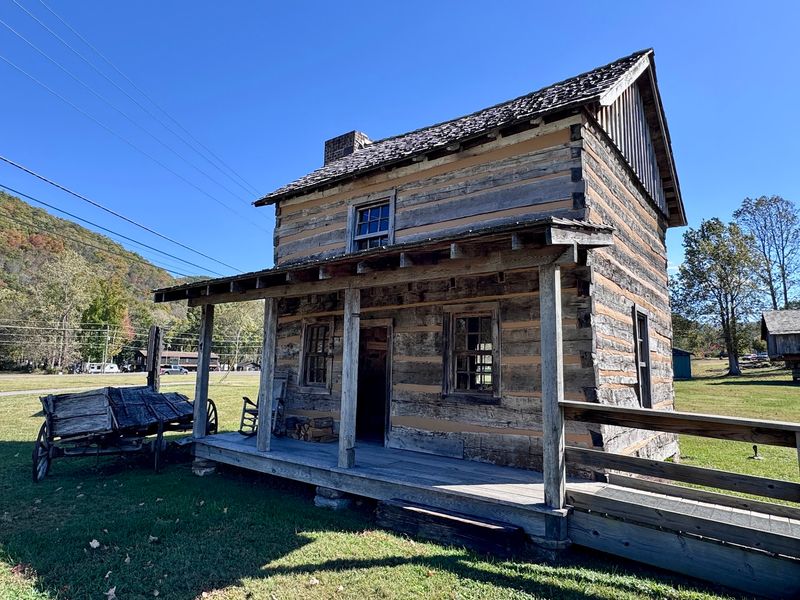
Calling yourself the Peaceful Side of the Smokies is a bold promise. Townsend has used that nickname for years, and people clearly took notice.
Fewer than 600 people live in this little mountain community. It sits in Tuckaleechee Cove, a green valley along the Little River.
For a long time, Townsend was the calm alternative to its busier neighbors. You came here for river tubing, slow drives, and long views of the ridges.
That quiet reputation became its own attraction. As more visitors looked for an escape from Parkway traffic, more of them found their way here.
The town is a gateway to Cades Cove, one of the most popular areas in Great Smoky Mountains National Park. Visitors traveling to Cades Cove often pass through Townsend, but the 11-mile Cades Cove Loop Road is located inside Great Smoky Mountains National Park, south of town.
Tuckaleechee Caverns is another draw. The underground cave tours let you see rock formations and a waterfall deep beneath the cove.
So yes, Townsend gets busier than it used to. Rental cabins and new businesses have popped up as more people discover the area. Still, it remains far calmer than many Smoky Mountain towns.
You won’t find a long strip of flashy attractions here.
Want the best of it? Get on the river early in summer, before the tubing crowds hit the water.
The Townsend bike path is a great choice for a relaxed afternoon. It lets you roll past fields and mountain views without dealing with traffic.
Cades Cove also has special vehicle-free times during certain seasons. Check the park schedule before you go if you’d like to bike the loop.
Townsend may feel a little more crowded than it once did. Even so, it still earns that peaceful nickname more often than not.
5. Jonesborough
Jonesborough was a town before Tennessee was a state. It was chartered in 1779, which earns it the title of Tennessee’s oldest town.
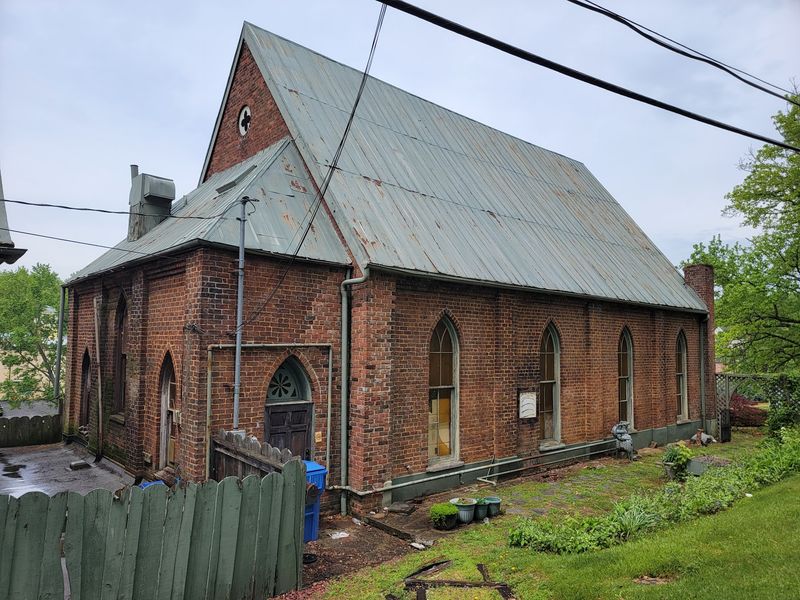
Walk down Main Street and you’ll see why that history matters. Brick buildings from the 1700s and 1800s line the road in a well-preserved district.
Fewer than 6,000 people live here. That small size makes the town’s big October weekend feel even bigger.
The National Storytelling Festival started here in 1973. Today it draws storytellers and listeners from across the country to big tents downtown.
The International Storytelling Center sits right on Main Street too. It hosts storytelling programs through much of the year, not just during the festival.
For longtime residents, that fame is a mixed blessing. Festival weekend can turn a quiet historic town into a packed and lively scene.
New shops, restaurants, and visitors have changed the daily rhythm a bit. Some folks miss the days when the town felt like a secret.
Here’s a tip if you want the calmer version. Visit on a weekday outside festival season and explore the historic streets at your own pace.
Look closely at the buildings as you go. Many have markers or details that hint at their age and past uses.
The Chester Inn is one fun example. This historic building on Main Street dates back to the late 1700s and now houses a museum.
Storytelling makes sense in a town this old. Practically every corner seems to have a tale of its own.
Jonesborough may not feel as hidden away as it once did. Then again, a town this full of stories was always going to attract an audience.
6. Bell Buckle
Few towns throw a party for a soda and a snack cake. Bell Buckle does exactly that with its RC Cola and MoonPie Festival.
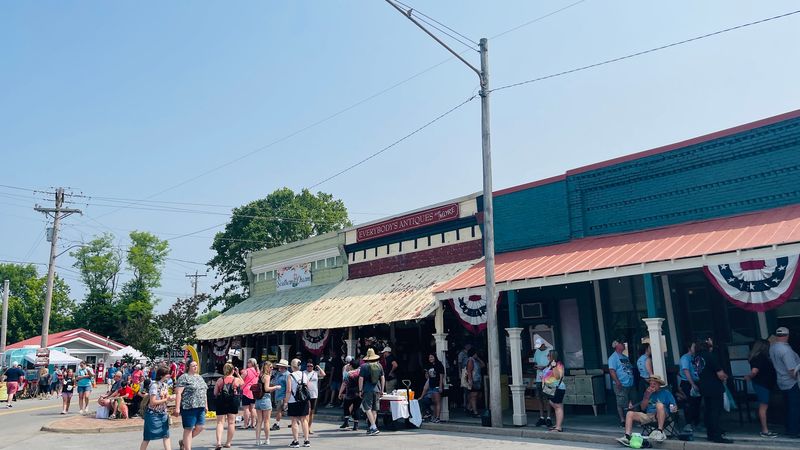
The town is tiny, with roughly 400 to 500 residents in Bedford County. Its heart is a short row of 19th-century storefronts facing the railroad tracks.
Bell Buckle grew up as a railroad town. Those tracks still run right past the old main street, giving it a classic small-town look.
The festival brings a huge crowd for one day each June. Visitors come for the parade, music, games, and plenty of MoonPies.
That one-day surge shows how much attention this little town gets. For folks who live here, the contrast between festival day and a regular Tuesday is huge.
The Webb School is another big part of local life. This private school has been in Bell Buckle since 1886 and adds a steady sense of tradition.
Antique shops and small stores fill the old buildings downtown. Browsing them is one of the most popular ways to spend an afternoon here.
As word spreads, more day-trippers find their way to the strip. Weekends can feel livelier than locals might remember from years back.
So when should you go? If you love a crowd and silly fun, festival day is your moment.
For a slower visit, pick a weekday. You’ll have more room to wander, chat, and take photos of the storefronts.
Bring cash just in case for small shops, and wear comfy shoes. The main strip is short, but you’ll want to linger.
Bell Buckle hasn’t lost its charm by any stretch. It’s just sharing that charm with a lot more people than it used to.
7. Lynchburg
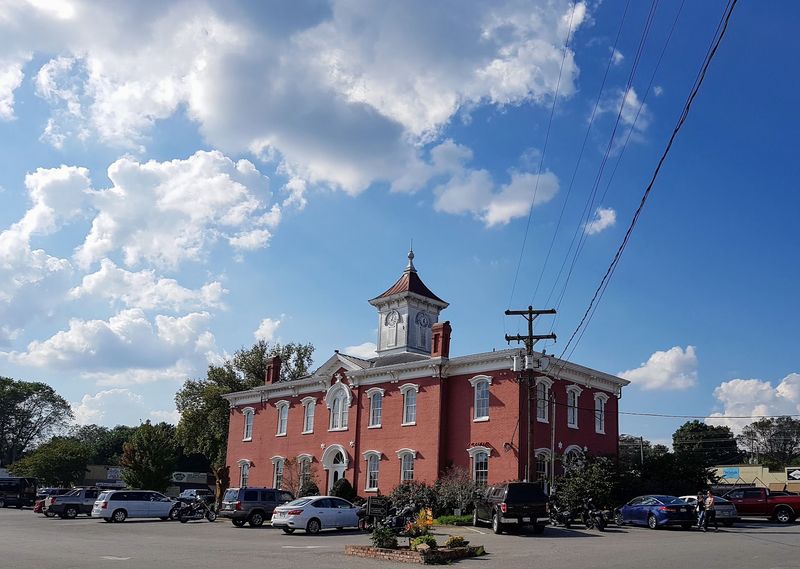
A small town with a world-famous name can lead a funny double life. Lynchburg is a quiet Moore County community that welcomes visitors from far beyond Tennessee.
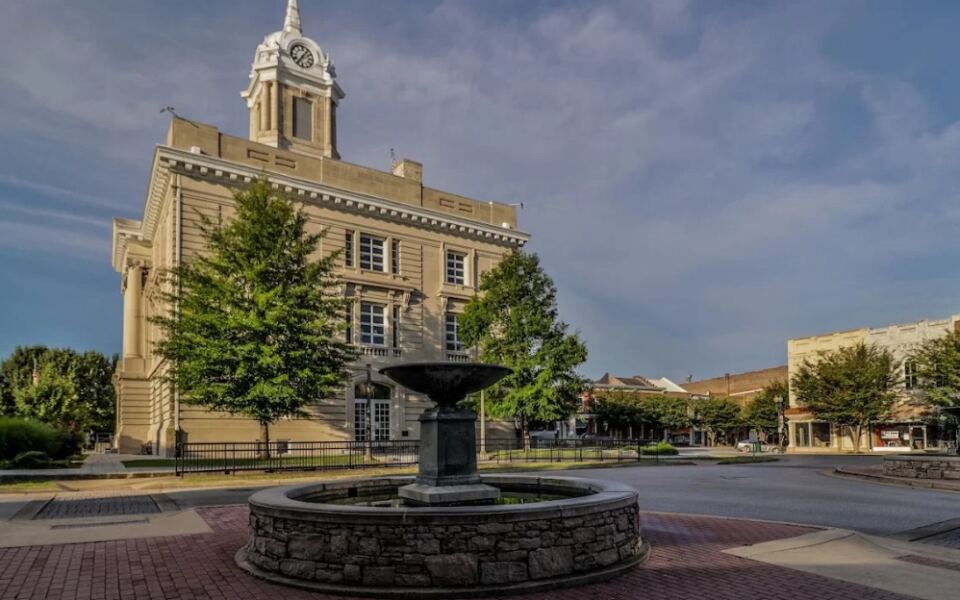
The town centers on a traditional square. In the middle stands the historic Moore County courthouse, a red brick building that anchors the scene.
Shops ring that square, selling gifts, snacks, and souvenirs. On a busy day, the sidewalks fill with tour groups and road-trippers.
Moore County is one of the smallest counties in the state by land area. Lynchburg and Moore County operate under a consolidated metropolitan government.
That small size makes the visitor traffic stand out. Many longtime residents remember a square that served mostly neighbors, not travelers.
Today the mix is different. Some storefronts focus on visitors, while others still carry the feel of an old county seat.
Want to enjoy Lynchburg at its best? Go early in the day, before the larger tour crowds arrive on the square.
Take time to look at the courthouse up close. It’s the kind of landmark that makes a town square feel like a real gathering place.
Wander the side streets too. Old homes and quiet lanes show a calmer side of town that many visitors skip.
The surrounding countryside is pretty in its own right. Rolling hills and farmland make the drive in feel like part of the trip.
Lynchburg may feel busier than it once did, especially on weekends. Still, the square and courthouse keep its small-town identity front and center.
It’s a place where a tiny community and a big reputation share the same few blocks. Somehow, they manage to make it work.
8. Leipers Fork
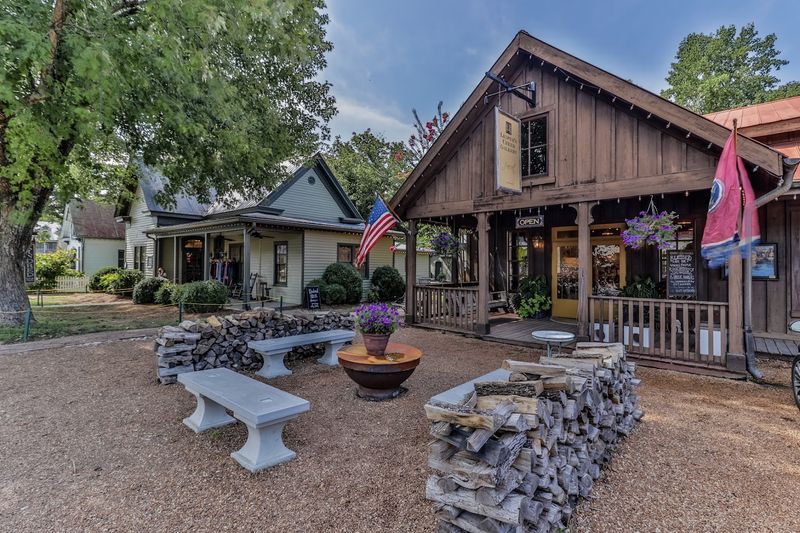
Leipers Fork is technically a village of about 650 people. Lately, it gets talked about like the coolest small town in Middle Tennessee.
The community sits near the Natchez Trace Parkway, a scenic route that winds through the countryside. Rolling hills and farmland surround its small village core.
That rustic look is part of the draw. Old wooden buildings house galleries, shops, and places to grab a meal.
The area also has a rural preservation focus. That effort aims to protect the open land and country character around the village.
Even so, more people keep finding it. Day-trippers from Nashville and Franklin often make the drive for a slow afternoon in the country.
Weekends can bring a steady stream of cars along the main road. For longtime residents, that’s a big shift from the quiet farm days.
Land values and newcomers have changed the picture as well. The village feels more polished than it once did in some spots.
So how do you visit kindly? Drive slowly, park thoughtfully, and remember that people actually live and farm here.
A weekday visit is a smart choice if you want breathing room. You’ll have an easier time browsing the galleries and shops.
Pair your trip with a drive on the Natchez Trace Parkway. The route is known for its peaceful, commercial-free scenery.
Spring and fall are especially lovely on those country roads. Green fields or bright leaves make the whole drive feel like a painting.
Leipers Fork may not be the sleepy crossroads it used to be. Still, those hills and that village core keep its country soul easy to spot.
9. Tellico Plains
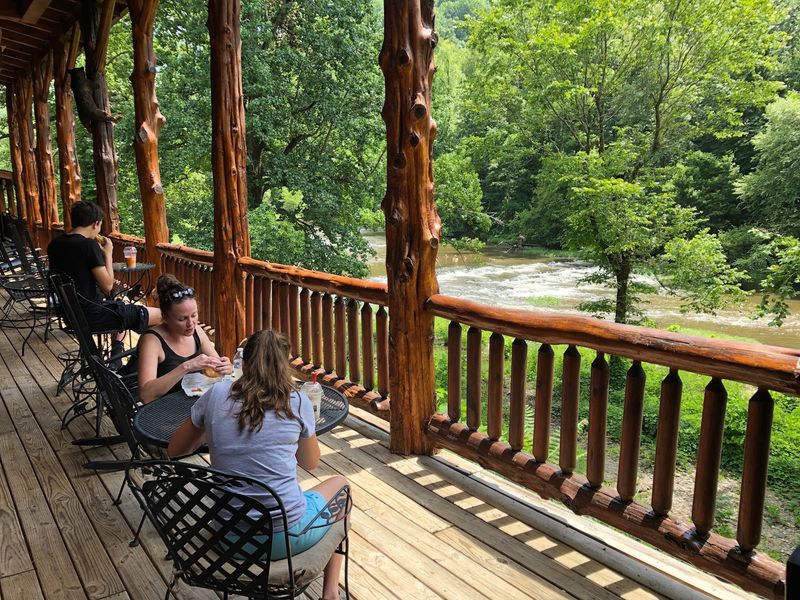
One road changed the story of this little mountain town. Tellico Plains became the Tennessee gateway to the Cherohala Skyway, and the riders followed.
The town has fewer than 900 residents in Monroe County. It’s built around a traditional town square with a small-town pace.
The Cherohala Skyway opened in 1996 and climbs into the mountains toward North Carolina. Its curves and long views made it a favorite for motorcycle and sports car drivers.
That popularity brought new traffic to Tellico Plains. On nice weekends, the town square can feel like a pit stop before the big ride.
Longtime residents have seen the change over the years. A quiet mountain town now hosts visitors gearing up for a famous drive.
The scenery explains the hype. The Skyway passes through the Cherokee National Forest and offers wide overlooks along the way.
Bald River Falls is another nearby favorite. You can see the waterfall from a bridge along the road, which makes it an easy stop.
Planning a trip? Fill your gas tank in town before heading up the Skyway, since services are limited once you climb.
Watch the weather too. Fog and cold temps can roll in at higher elevations, even when town feels mild.
Fall color season is a showstopper here. It’s also one of the busiest times, so an early start helps.
Take a few minutes to wander the square before you go. Small shops and local spots give you a feel for the town beyond the road.
Tellico Plains may feel busier than before. Still, it’s a sweet little mountain stop with one heck of a front porch view.
10. Columbia
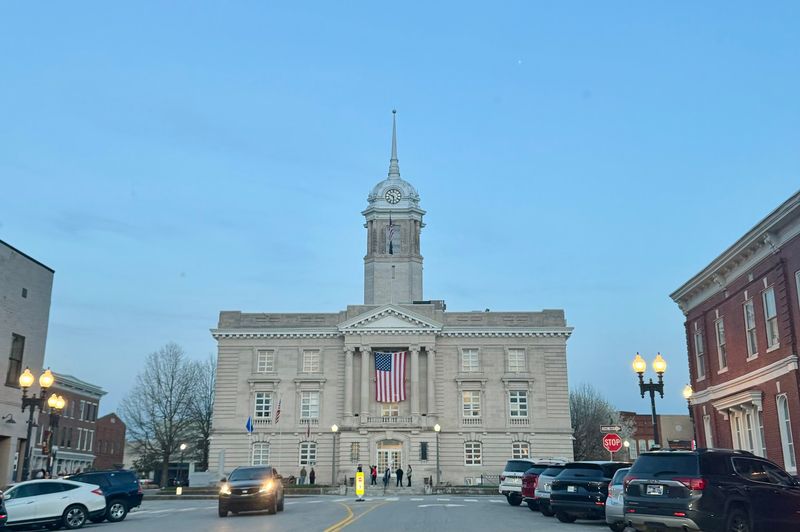
Mules get their own festival here, and the town takes it seriously. Columbia calls itself the Mule Capital of the World and celebrates with Mule Day each spring.
This Middle Tennessee town has a historic downtown built around a classic courthouse square. Brick storefronts line the streets, giving it a strong sense of place.
Columbia is also home to the James K. Polk Home. It’s the only surviving residence of the 11th president besides the White House.
For years, the town felt far removed from the Nashville area buzz. That has changed as growth spreads south and more people move into the region.
Downtown has seen fresh energy from that growth. New shops and restaurants have opened in historic buildings around the square.
Longtime residents notice the difference. Busier streets and new faces make the town feel livelier than it once was.
Mule Day itself has deep roots. The celebration dates back to the 1800s, when mule markets were a big deal in this part of Tennessee.
Today it features a parade, competitions, and plenty of fun for families. It’s one of the busiest weekends of the year in town.
Want a calmer visit? Skip festival weekend and spend a slow day around the square and the Polk Home.
The courthouse square is great for a walk. You can browse shops, grab a bite, and admire the old architecture.
Bring a little curiosity about history too. Columbia packs more stories into its downtown than you might expect.
Columbia may not feel like the same quiet county seat anymore. With mules, a president, and a busy square, though, it still knows exactly who it is.
Share this story