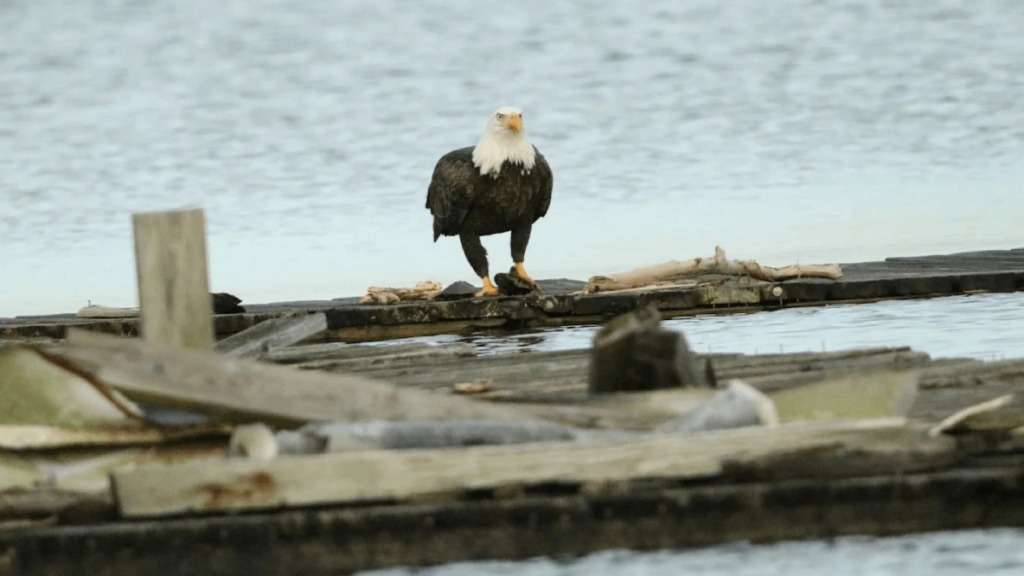
Tucked away in the northwest corner of Tennessee, Reelfoot Lake State Park offers something you won’t find just anywhere—a front-row seat to one of nature’s most magnificent spectacles. Every winter, bald eagles by the dozens migrate to this shallow, cypress-filled lake to fish and roost, turning the park into a birdwatcher’s paradise.
Whether you’re an experienced birder with binoculars at the ready or just someone who loves spotting wildlife from your car window, Reelfoot delivers an unforgettable experience that rivals any eagle-watching destination in the Southeast.
A Tennessee State Park Where Bald Eagles Steal the Show
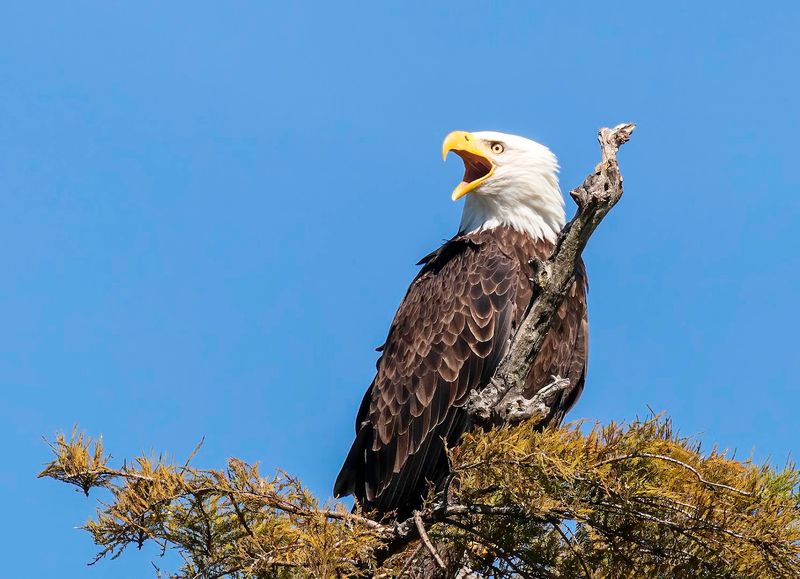
Every January and February, something remarkable happens at Reelfoot Lake. Bald eagles arrive in numbers that can take your breath away—sometimes ten or more gathered in a single field or perched along the water’s edge. Park visitors have spotted them soaring overhead, diving for fish, and resting in the gnarled branches of ancient cypress trees that rise from the lake’s shallow waters.
What makes this park stand out is how accessible the experience is. You don’t need specialized equipment or a guide to catch a glimpse of America’s national bird here. Many visitors report seeing eagles from the comfort of their own vehicles as they cruise along well-maintained gravel roads that wind through prime eagle habitat.
The park’s location along the Mississippi Flyway makes it a natural stopover for migrating raptors seeking food and shelter.
The staff at Reelfoot Lake State Park have made eagle-watching a priority, offering guided tours and educational programs that help visitors understand these magnificent birds. Seasonal interpreters lead pontoon tours and bus excursions specifically timed to maximize eagle sightings. Rangers share fascinating details about eagle behavior, nesting habits, and conservation efforts that have brought these birds back from the brink of extinction.
Visitors consistently praise not just the eagles themselves, but the knowledgeable staff who enhance every visit with their expertise and genuine enthusiasm for the natural world.
Why Reelfoot Lake Is Such a Special Eagle-Watching Spot
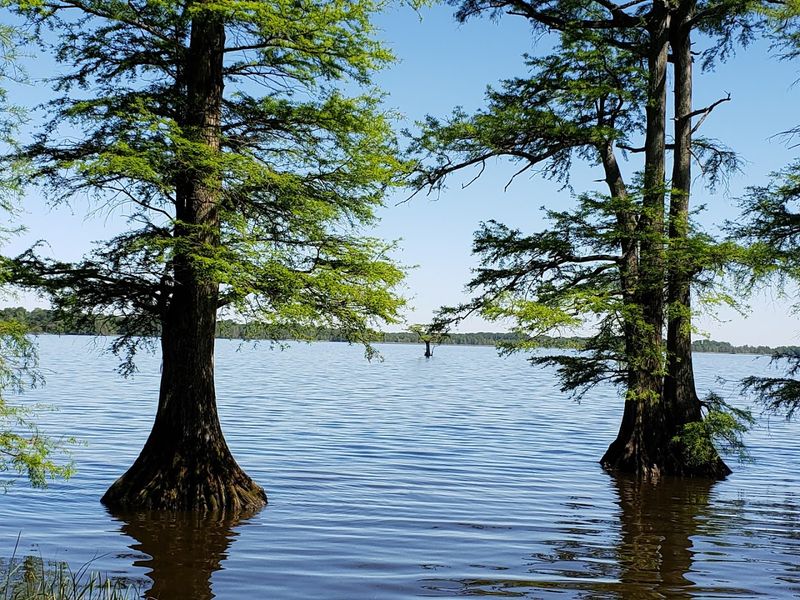
The secret to Reelfoot’s eagle appeal lies beneath the water’s surface. This shallow lake—formed by earthquakes in 1811-1812 that actually made the Mississippi River run backwards for three days—creates ideal hunting conditions for bald eagles. The average depth hovers around five feet, allowing fish to swim close to the surface where eagles can easily spot and snatch them.
Cypress trees and aquatic plants provide perfect perching spots for eagles to survey their next meal. The lake supports a thriving fish population that becomes a winter buffet for these skilled hunters. Visitors have watched eagles plunge talons-first into the water, emerging with fish gripped firmly in their grasp before returning to a favorite tree to feast.
Geography plays a crucial role too. Reelfoot sits along the Mississippi Flyway, one of four major North American migration routes for birds traveling between breeding and wintering grounds. This positioning makes the lake a natural rest stop for eagles moving south from colder regions, and many choose to spend the entire winter here rather than continuing their journey.
The park’s remote location in West Tennessee means less human disturbance than you’d find at more developed areas. Eagles appreciate the quiet, and the lack of large-scale development around the lake has preserved the pristine habitat these birds require.
Combined with abundant food sources and protected nesting areas, Reelfoot offers everything a wintering eagle could want in a temporary home.
The Best Time to See Bald Eagles at Reelfoot Lake
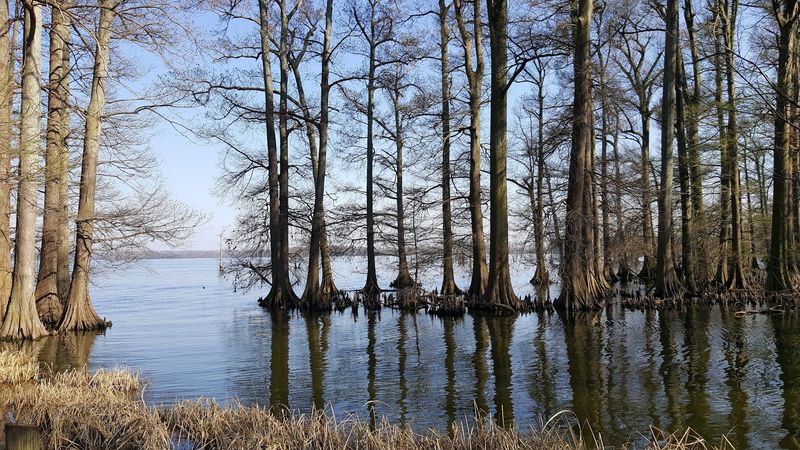
Mark your calendar for January and February if you want to maximize your eagle encounters. These two months represent peak season at Reelfoot Lake, when eagle numbers reach their highest concentrations. Cold weather up north drives these birds southward in search of open water and accessible food sources, and Reelfoot’s relatively mild winters keep the lake from freezing solid.
Early morning hours offer the best viewing opportunities. Eagles are most active during the first few hours after sunrise when they hunt for breakfast. Many photographers and serious birdwatchers arrive at the park before dawn to position themselves along prime viewing areas before the action begins.
The soft morning light also creates stunning photography conditions with golden hues reflecting off the water.
Late afternoon provides another excellent window for eagle activity. As temperatures drop and light fades, eagles often make final hunting runs before settling into roosting trees for the night. Some visitors report seeing multiple eagles gathered in single trees during this evening congregation, creating memorable silhouettes against colorful sunset skies.
Weather conditions matter more than you might think. Cloudy, overcast days can actually improve viewing because eagles tend to be more active when it’s not bright and sunny. Rainy conditions might keep you in your car, but eagles still need to eat, so don’t let drizzle discourage you from making the trip.
The park remains open year-round with hours from 8 AM to 4:30 PM daily, though eagle numbers drop significantly outside the winter months.
Where to Look for Eagles Around the Lake
Grassy Island Wildlife Drive ranks as one of the most popular eagle-spotting routes in the park. This self-guided driving loop takes you through prime eagle habitat on well-maintained gravel roads where you can watch for birds without ever leaving your vehicle. Visitors rave about seeing eagles perched in trees just yards from their cars, and the route allows you to drive slowly and stop whenever you spot activity.
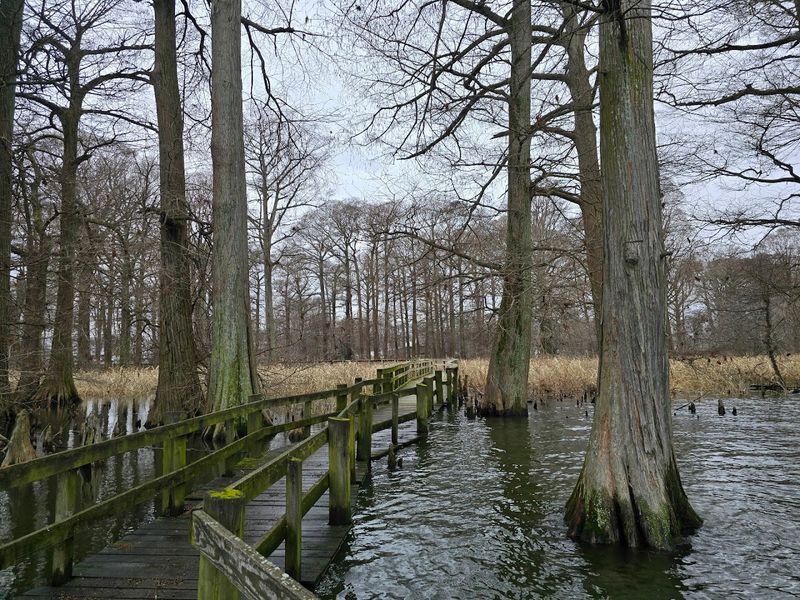
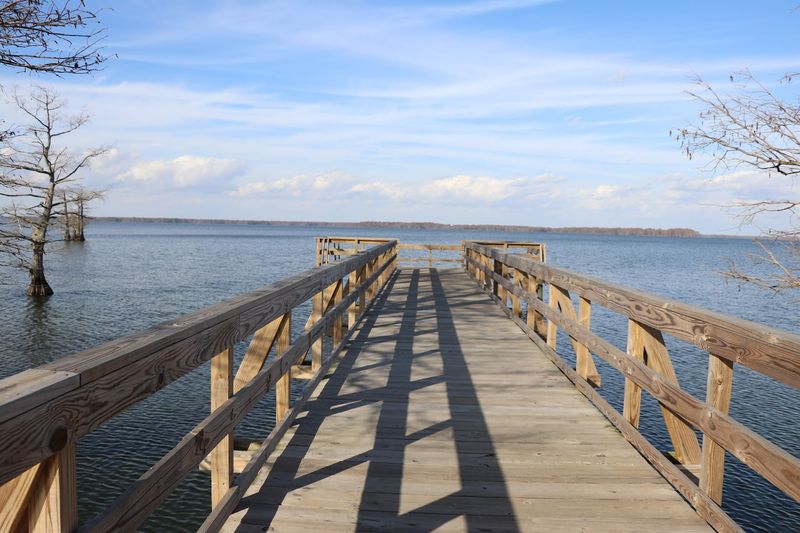
The boardwalk near the visitor center offers a completely different perspective. This elevated wooden walkway extends out over the lake, weaving between cypress knees and giving you an up-close look at the unique ecosystem. Eagles frequently hunt in the waters visible from the boardwalk, and the structure provides a stable footing for photographers trying to capture that perfect shot.
Fields around the lake attract eagles who’ve already caught their breakfast. Multiple visitors have reported seeing ten or more eagles at once feeding in open areas, a spectacular sight that demonstrates just how many birds winter at Reelfoot. These agricultural fields adjacent to the park boundaries become unofficial viewing areas where eagles gather to rest and digest their meals.
The visitor center staff can point you toward current hot spots based on recent sightings. Eagle locations shift throughout the season depending on food availability and weather patterns, so checking in with rangers before you start exploring can save you time and increase your chances of memorable encounters.
What Makes This West Tennessee Landscape So Unique

Reelfoot Lake shouldn’t exist—at least not according to normal geological processes. The New Madrid earthquakes of 1811-1812 were so powerful that they literally reshaped the landscape, creating depressions that filled with water from the Mississippi River. These weren’t ordinary tremors; they rank among the most powerful earthquakes ever recorded in North America, and their effects are still visible more than two centuries later.
Walking the trails or floating on a pontoon tour reveals a landscape unlike anywhere else in Tennessee. Bald cypress trees rise from the water itself, their distinctive “knees” breaking the surface like wooden sculptures. These knees are actually specialized root structures that help the trees breathe in waterlogged soil.
The effect creates an otherworldly forest where water and land blend together in ways that seem almost prehistoric.
Aquatic plants thrive in the shallow conditions, creating a rich ecosystem that supports everything from tiny minnows to massive catfish. This abundance of life attracts not just eagles, but pelicans, herons, ducks, and countless other bird species. Some visitors have spotted American white pelicans—birds with nine-foot wingspans—sharing the lake with eagles during migration periods.
The landscape changes dramatically with the seasons. Winter reveals the skeletal beauty of bare cypress trees standing in dark water, creating stark contrasts that photographers love. Summer transforms the same scene into a lush green canopy where the lake almost disappears beneath vegetation.
This constant transformation keeps the park visually interesting no matter when you visit.
Tips for Planning an Eagle-Watching Visit
Bring binoculars even if you think you won’t need them. While Reelfoot offers plenty of close-up eagle encounters, binoculars let you observe behavior and details you’d miss with naked eyes alone. A spotting scope takes things even further for serious birders, though it’s not essential for a rewarding visit.
Many visitors manage perfectly well with just their smartphone cameras, especially when eagles perch relatively close to viewing areas.
Dress in layers because West Tennessee winter weather can be unpredictable. Morning temperatures might start below freezing, then warm considerably by afternoon. The park’s location means you’ll likely be near water, where conditions feel cooler and windier than inland areas.
Comfortable walking shoes matter too, even if you plan to stay mostly in your vehicle, since the best photo opportunities often require short walks to viewing platforms or pulloffs.
Stop at the visitor center before exploring the rest of the park. The staff there can tell you where eagles have been spotted most recently and which areas are currently accessible. They maintain a small museum with exhibits about the lake’s earthquake origins and displays featuring injured birds that serve as educational ambassadors.
Clean restrooms and maps are available, plus a gift shop with field guides and eagle-themed souvenirs.
Consider booking a guided tour for your first visit. The park offers pontoon boat excursions and bus tours led by knowledgeable interpreters who know exactly where to look and what to look for. These tours fill up quickly during peak season, so call ahead to reserve your spot.
Why Reelfoot Lake Belongs on Every Birdwatcher’s Bucket List

Some places deliver exactly what they promise, and Reelfoot Lake exceeds expectations. The combination of reliable eagle sightings, accessible viewing opportunities, and a genuinely unique landscape creates an experience that stays with you long after you’ve returned home.
Unlike destinations where wildlife viewing requires extensive hiking or specialized knowledge, Reelfoot welcomes everyone from serious ornithologists to families just looking for a fun outdoor adventure.
The park’s dedication to conservation education sets it apart from typical tourist attractions. Rangers don’t just show you birds; they explain the decades-long recovery effort that brought bald eagles back from endangered status to thriving populations. You’ll learn about DDT’s devastating effects, the legal protections that saved the species, and ongoing monitoring efforts that ensure eagles continue to flourish.
This context transforms a simple sighting into a conservation success story you’re witnessing firsthand.
Beyond eagles, the park offers encounters with an impressive variety of wildlife. Visitors regularly spot deer, raccoons, hawks, owls, and, during certain seasons, those spectacular white pelicans. The aviary and reptile viewing building near the office lets you see species up close that you might miss in the wild.
Some lucky visitors have even experienced the famous jumping carp—invasive fish that literally leap into boats, creating unforgettable moments.
With premium lakeside cabins, well-maintained campgrounds, and nearby restaurants serving fresh-caught fish, Reelfoot makes it easy to extend your visit beyond a day trip. The 4.7-star rating reflects consistent quality across all aspects of the park experience, from cleanliness to staff friendliness to the natural beauty that draws visitors back year after year.