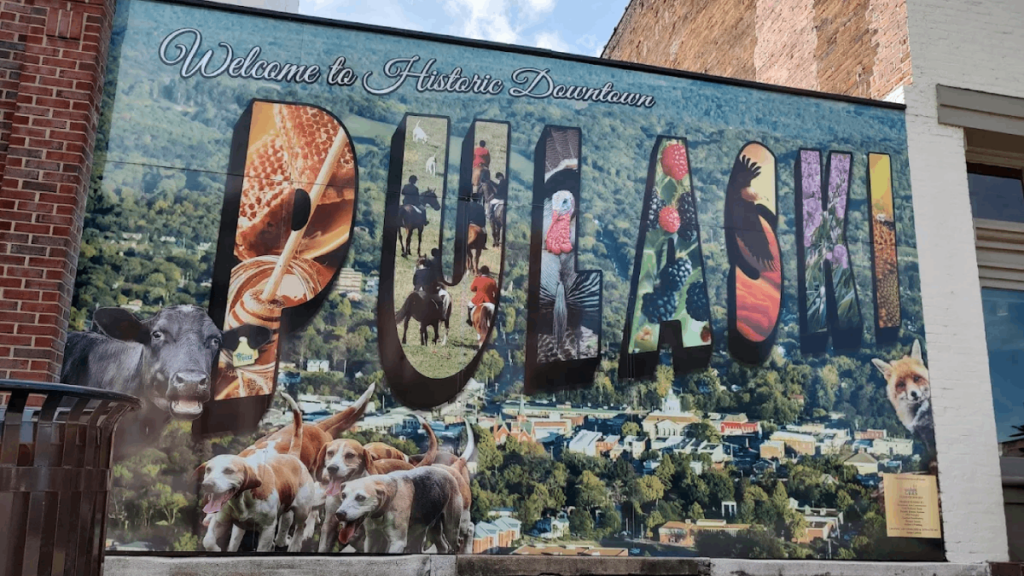
Tennessee has always been a place where history lives on through its small towns and friendly faces. While the world rushes forward with technology and constant change, certain Tennessee communities have managed to hold onto something special from the past. These towns offer charming main streets, historic buildings, local shops, and that slower pace of life that reminds us what really matters.
If you’re looking to step back in time and experience authentic Tennessee heritage, these ten towns will transport you to simpler days.
1. Jonesborough
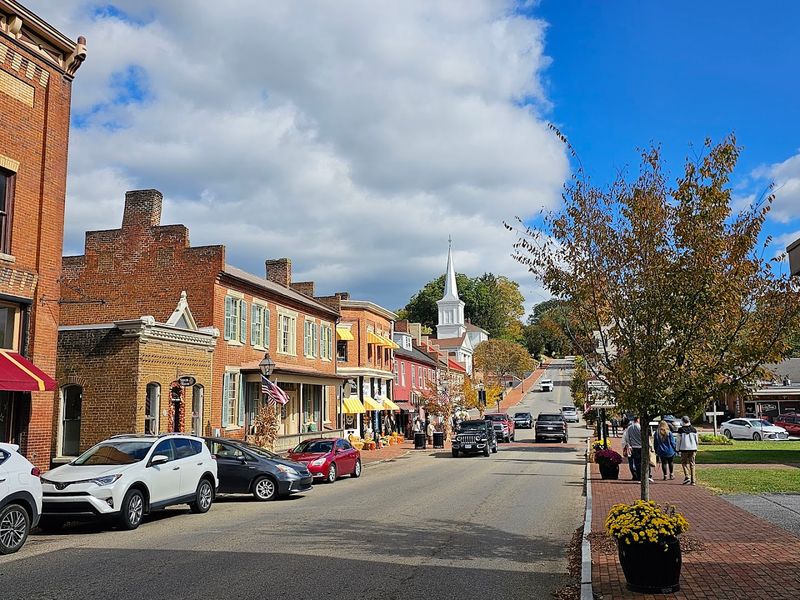
Walking down Main Street in Jonesborough feels like opening a time capsule from the 1700s. As Tennessee’s oldest town, this gem has protected its heritage with care, keeping the original brick buildings, wooden porches, and historic storefronts intact. The Chester Inn stands as a proud reminder of when travelers arrived by horse and carriage instead of car.
Storytelling runs deep here, and it’s not just a hobby—it’s part of the town’s identity. Every October, thousands gather for the National Storytelling Festival, where tales are shared just like they were centuries ago. The tradition honors the way communities used to connect before screens took over our lives.
Antique shops line the streets, offering treasures from bygone eras. You can browse old photographs, vintage furniture, and handmade crafts that remind you of your grandparents’ attic. Local restaurants serve home-cooked meals in buildings that have fed hungry visitors for generations.
The courthouse square maintains its 18th-century charm, complete with historical markers explaining the town’s role in Tennessee’s early days. Churches with tall steeples still ring their bells on Sunday mornings, creating a soundtrack that hasn’t changed in two hundred years.
What makes Jonesborough truly special is how residents have refused to let progress erase their past. Modern conveniences exist, but they don’t overshadow the town’s historical soul. It’s a place where handshakes still matter, neighbors know each other by name, and the pace of life allows you to actually notice the world around you.
2. Bell Buckle
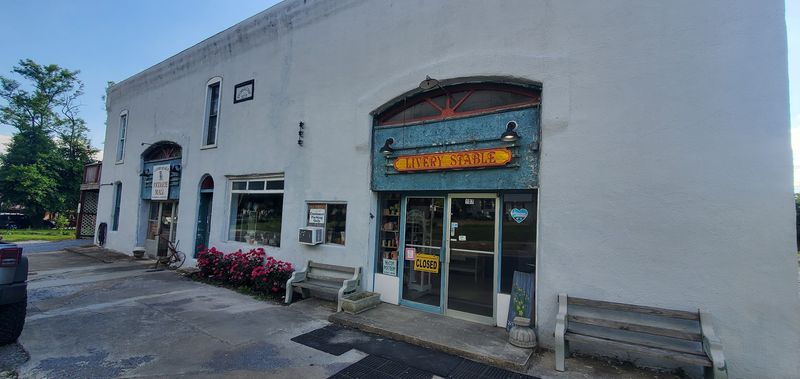
Bell Buckle proves that great things come in tiny packages. This railroad town barely spans a few blocks, but those blocks pack more nostalgia than towns ten times its size. The train tracks still run through the center of town, just like they did when the community first formed around the depot.
RC Cola and MoonPies aren’t just snacks here—they’re cultural icons. The annual RC Cola and MoonPie Festival celebrates these Southern staples every June, drawing crowds who remember when a nickel could buy both. It’s the kind of simple pleasure that defined childhood for generations of Tennesseans.
Antique stores fill the old storefronts, each one bursting with vintage signs, retro toys, and furniture from decades past. You’ll find everything from cast-iron skillets to vinyl records, all displayed in buildings that look exactly like they did when your great-grandparents shopped there. The proprietors often share stories about the items, adding personal history to every purchase.
The Bell Buckle Cafe serves breakfast and lunch in a restored building where locals gather to catch up on town news. Conversations happen face-to-face instead of through text messages, and everyone seems to know everyone else’s business—in the best small-town way possible.
Festivals happen throughout the year, bringing the community together for music, crafts, and celebrations that feel refreshingly old-fashioned. There’s no corporate sponsorship or flashy advertising, just genuine people enjoying simple traditions.
Bell Buckle reminds us that happiness doesn’t require much—just good company, good food, and a place that values its roots.
3. Granville
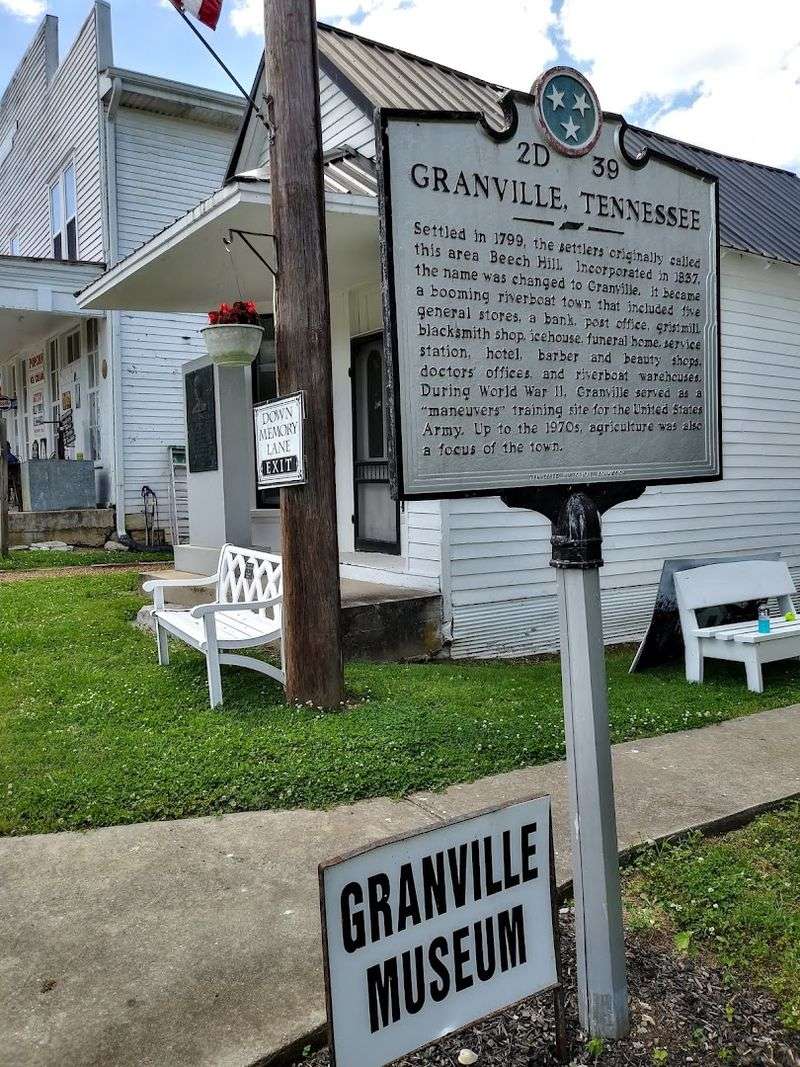
Granville sits along the Cumberland River like a painting from another century. This tiny community has mastered the art of preservation, keeping its country-store energy alive while the modern world rushes past. When you arrive, you immediately notice the absence of chain stores, fast-food restaurants, and commercial development that plague most towns.
The old-time music scene thrives here in ways it has vanished elsewhere. Local musicians gather regularly to play fiddles, banjos, and guitars, performing songs passed down through generations. It’s not a staged performance for tourists—it’s real mountain music played by people who learned it from their grandparents.
Small museums scattered throughout town preserve artifacts and stories from Granville’s past. You’ll discover tools, photographs, and household items that show how families lived before electricity and running water became standard. The exhibits aren’t fancy, but they’re authentic, curated by locals who actually remember using some of these items.
The riverside location provides stunning natural beauty that complements the historic architecture. Old buildings reflect in the water, creating scenes that photographers dream about capturing. Fishing, hiking, and simply sitting by the river remain popular activities, just as they were a hundred years ago.
What sets Granville apart is its commitment to staying small and authentic. There’s no push to attract massive tourism or build modern developments. The community understands that its value lies in what it has refused to become.
Walking these streets, you experience Tennessee as your ancestors knew it—quiet, beautiful, and refreshingly uncomplicated.
4. Leiper’s Fork
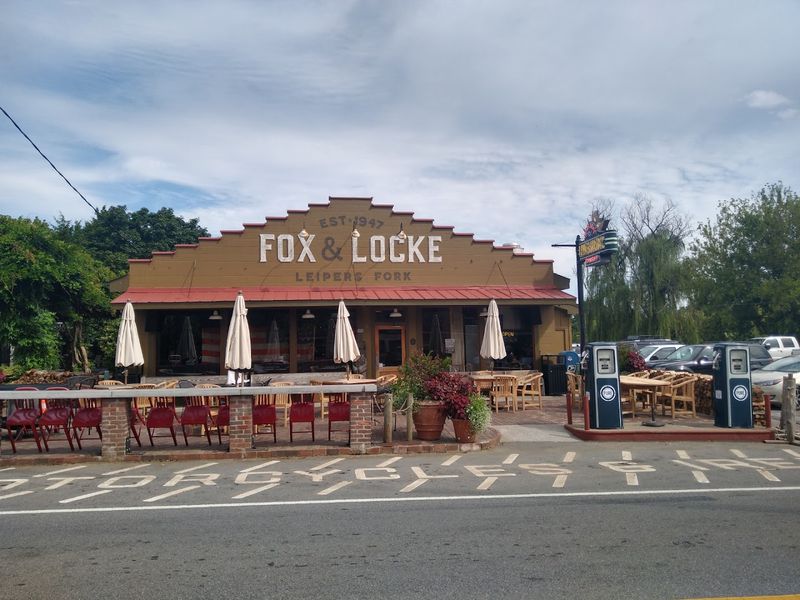
Artists and musicians have discovered what locals always knew—Leiper’s Fork captures Tennessee’s soul better than almost anywhere else. Old buildings that once housed general stores and blacksmith shops now hold art galleries and music venues, blending preservation with creativity.
Vintage trucks parked along the street aren’t there for decoration—people actually drive them. The front-porch culture remains strong, with residents and visitors alike sitting outside to chat, play music, or simply watch the world go by. It’s the kind of community interaction that social media promised but never delivered.
Live music happens spontaneously here, not just during scheduled events. You might hear a guitar being strummed from a shop doorway or catch an impromptu jam session at the country store. The music feels genuine because it is—these aren’t hired entertainers, just people who love playing and sharing their talent.
The village has strict rules about development and signage, which explains why it still looks like the 1950s. No neon signs, no big-box stores, no corporate chains. Every business operates in a historic building, and new construction must match the existing architectural style.
Breakfast at the local cafe means sitting elbow-to-elbow with farmers, artists, and families who’ve lived here for generations. Conversations flow easily, and strangers become friends over coffee and biscuits. Leiper’s Fork proves you don’t have to sacrifice charm for convenience—sometimes the old ways work better than anything new technology can offer.
5. Dandridge
Dandridge earned its place in history as Tennessee’s second-oldest town, and it wears that distinction proudly. The downtown area centers around a courthouse that has witnessed nearly two and a half centuries of Tennessee life. Streets radiate from this central square in a pattern that hasn’t changed since the 1700s, creating a layout that feels both organized and intimate.
Douglas Lake adds natural beauty to the historic setting, with water views visible from many points downtown. The lake didn’t exist when Dandridge was founded, but it has blended seamlessly into the town’s identity. Fishing boats and sailboats replace the steamboats that once traveled the French Broad River, yet the connection to water remains constant.
Old homes line residential streets, their architecture spanning from Federal to Victorian styles. Many families have owned the same houses for multiple generations, creating a continuity that’s increasingly rare. Front porches remain active social spaces where neighbors talk in the evenings, maintaining traditions that defined Southern life for centuries.
Local shops occupy buildings that have served the community for over a hundred years. You won’t find identical franchises here—each business has its own character, often reflecting the personality of its owner. The pace is unhurried, with shopkeepers willing to spend time chatting rather than rushing you through a transaction.
Dandridge avoided the fate of many small towns by refusing to abandon its core. While others built new commercial strips on the outskirts, Dandridge invested in preserving its historic center. The result is a town that feels rooted in place and time, offering a glimpse of Tennessee before everything became standardized and corporate.
6. Collierville
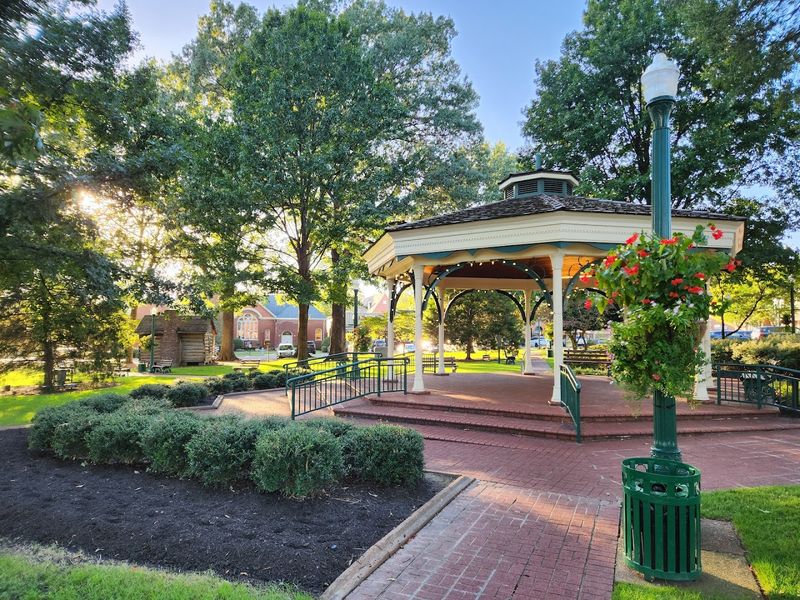
Collierville’s town square earned a spot on the National Register of Historic Places, and one visit explains why. The gazebo stands at the center of everything, hosting concerts, festivals, and community gatherings just as it has for generations. Children play around it while parents shop at nearby boutiques, creating scenes that could have happened in 1920 or 2020.
Main Street businesses occupy beautifully maintained historic buildings, their facades restored to original glory. Antique shops offer treasures from every era, while boutiques blend vintage charm with contemporary style. The architecture tells the story of Collierville’s growth from a railroad town to a thriving community, with each building representing a different chapter.
What makes this square special is how it remains the true heart of town. While many communities abandoned their historic centers for suburban sprawl, Collierville invested in keeping its downtown vibrant and relevant. Restaurants serve lunch crowds of locals, not just tourists, proving the square still functions as a gathering place.
Seasonal decorations transform the square throughout the year, from spring flowers to Christmas lights. These celebrations bring the community together in ways that shopping malls never could. There’s a genuine sense of pride in maintaining traditions, whether it’s the Fourth of July parade or the fall festival.
The shops change hands occasionally, but new owners respect the historic character of their buildings. You won’t see modern glass-and-steel construction disrupting the Victorian and early-twentieth-century architecture.
Collierville understands that its past is its greatest asset, and protecting that heritage ensures a future where people still want to gather, shop, and celebrate together on this timeless square.
7. Paris
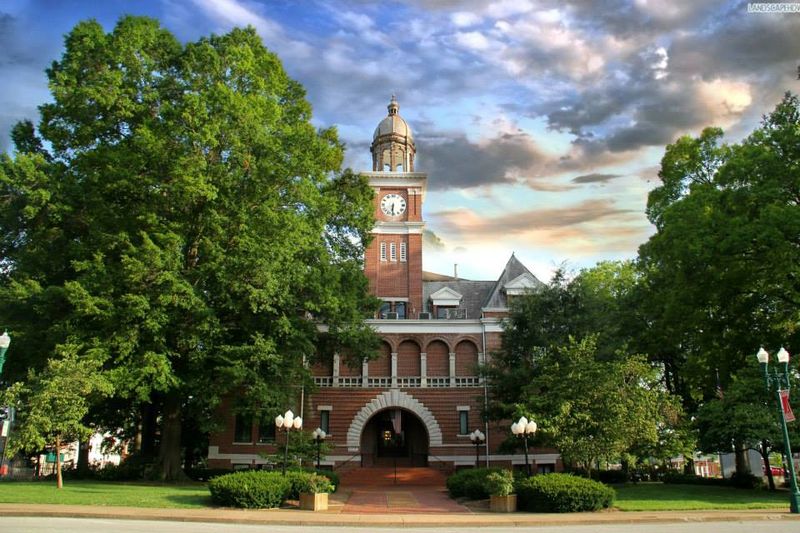
Paris brings classic West Tennessee charm to life through its well-preserved downtown and friendly atmosphere. The town square feels like it was designed for Saturday afternoons—people strolling between shops, stopping to chat with neighbors, and enjoying the kind of unhurried pace that modern life rarely allows. It’s not a tourist recreation of the past; it’s simply how Paris has always operated.
Antique stores line the streets, each specializing in different eras and styles. You might find farm implements from the 1800s in one shop, mid-century furniture in another, and vintage clothing in a third. The owners are often collectors themselves, happy to discuss the history behind their merchandise and share stories about items’ previous owners.
Local restaurants serve Southern cooking that tastes like your grandmother’s kitchen. Fried chicken, mashed potatoes, green beans cooked with bacon—these aren’t trendy menu items, just good food prepared the way West Tennessee families have cooked for generations. The dining rooms fill with regulars who have their favorite tables and know the servers by name.
The courthouse anchors the square with its imposing presence and classical architecture. It’s still a working government building, not just a historical monument, which keeps the square feeling alive rather than museumlike. Lawyers, clerks, and citizens conduct business in the same building their great-grandparents used.
Paris proves that small-town Tennessee doesn’t have to choose between honoring its past and serving present needs. The town functions perfectly well without massive development or corporate chains. Life here follows rhythms established long ago—church on Sunday, high school football on Friday nights, and community events that bring everyone together regardless of background or beliefs.
8. Greeneville
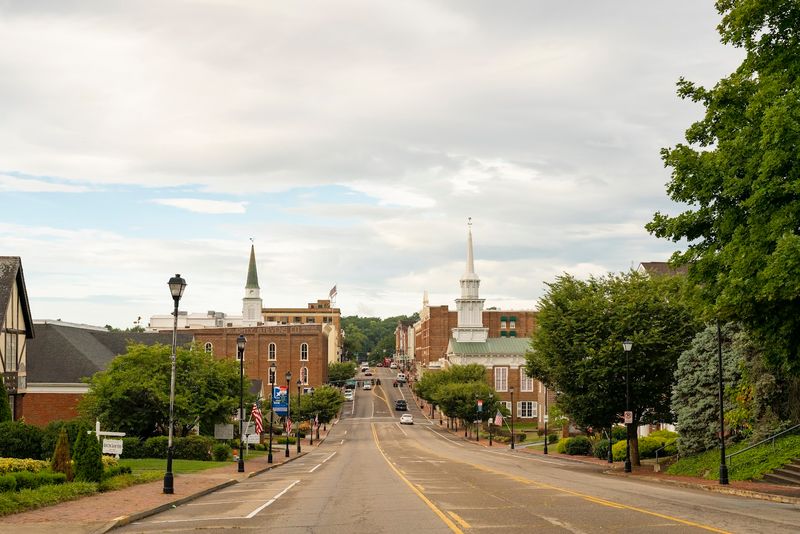
Andrew Johnson’s hometown carries Tennessee’s frontier and presidential history in every brick and board. Greeneville’s downtown transports visitors to the early days of American independence, when Tennessee was still considered the western frontier. The buildings here aren’t reproductions—they’re the actual structures where history happened, carefully maintained by generations who understood their importance.
Historic churches dot the landscape, their steeples pointing skyward just as they did when congregations gathered by horse and buggy. Some of these buildings have held services continuously for over two hundred years, making them living links to Tennessee’s religious heritage. The architecture reflects various periods, from simple log construction to ornate Victorian design.
Old homes showcase how wealthy families lived in the 18th and 19th centuries. Wide porches, tall ceilings, and detailed woodwork demonstrate craftsmanship that modern construction rarely matches. Many remain private residences, though some operate as museums or bed-and-breakfasts, allowing visitors to experience historic living firsthand.
The downtown area maintains its original street layout and building placement, creating an authentic historical environment rather than a sanitized tourist attraction. You can stand where Andrew Johnson stood, walk streets he walked, and see landscapes that haven’t changed dramatically in two centuries. That continuity makes history tangible in ways textbooks never achieve.
Local pride in Greeneville’s heritage runs deep, evident in how carefully the community preserves its historic assets. Restoration projects use period-appropriate materials and techniques, ensuring authenticity over convenience.
This commitment means Greeneville will continue showing future generations what early Tennessee looked, felt, and sounded like—a gift that becomes more valuable as time passes and fewer authentic historic towns survive intact.
9. Pulaski
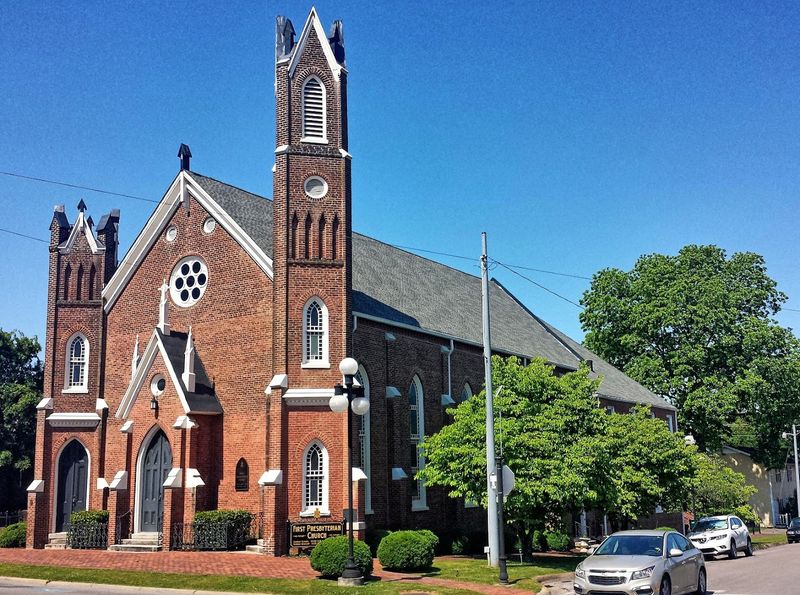
Courthouse squares define Middle Tennessee’s small-town character, and Pulaski’s delivers that experience perfectly. The brick buildings surrounding the square have housed businesses for over a century, their facades largely unchanged despite the passage of time. Modern updates hide behind historic exteriors, allowing the square to function in contemporary life while maintaining its vintage appearance.
Local shops operate at a pace that encourages browsing rather than rushing. Owners take time to greet customers, offer recommendations, and share community news. This personal service has become rare in an age of self-checkout and online shopping, making it feel both nostalgic and refreshingly human.
The slower rhythm of life in Pulaski isn’t laziness—it’s intentional. People here value relationships over transactions, quality over speed, and community over convenience. That philosophy shows in how business gets conducted, how neighbors interact, and how the town approaches growth and development.
Historic markers throughout downtown explain Pulaski’s role in Tennessee history, good and bad. The town doesn’t hide from difficult chapters, instead choosing to acknowledge the past honestly while working toward a better future. This maturity and willingness to confront history add depth to the visitor experience.
The courthouse itself remains an active center of county government, ensuring the square stays relevant rather than becoming a historical curiosity. Farmers still come to town on certain days, lawyers conduct business, and citizens handle official matters in the same building their ancestors used. This continuity of purpose gives Pulaski authenticity that themed developments can never replicate.
The good old days aren’t just a memory here—they’re a living reality that residents work daily to preserve and pass forward.
10. Bolivar
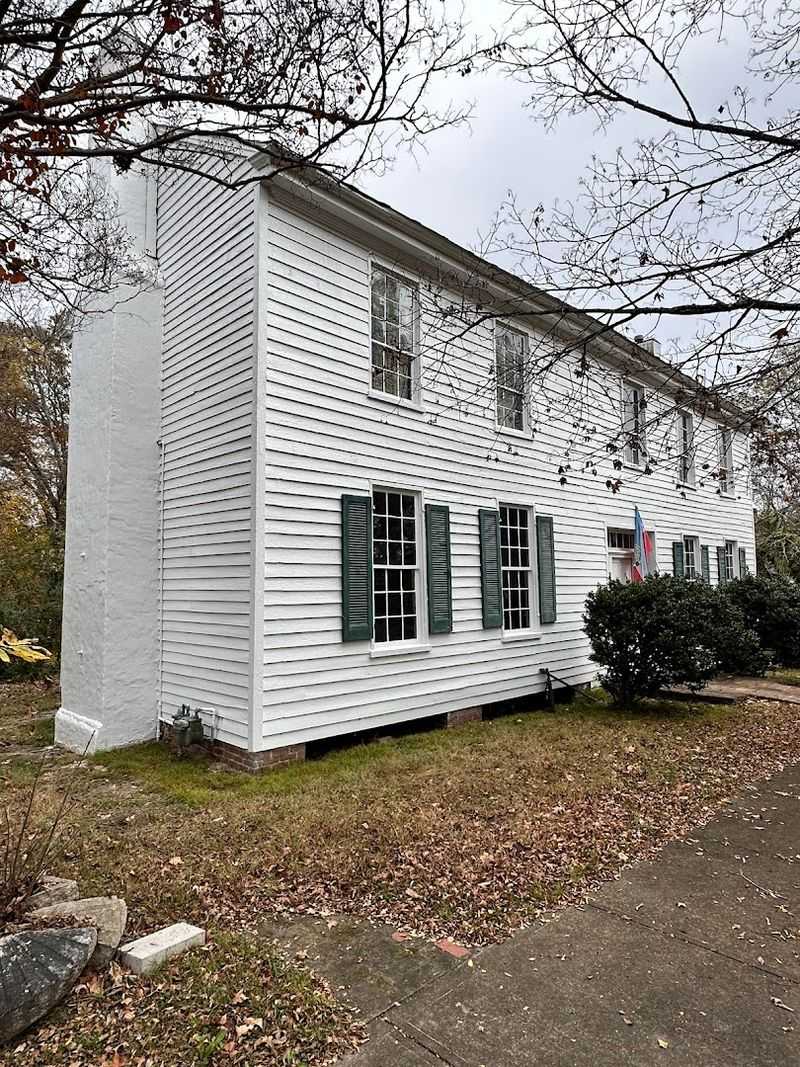
Bolivar’s courthouse square captures West Tennessee’s architectural heritage through buildings that have stood for generations. The square layout follows the traditional pattern of Southern county seats, with the courthouse at the center and commercial buildings radiating outward. This design created natural gathering spaces that still serve the same purpose today—bringing people together for commerce, conversation, and community.
Antique shops fill several buildings around the square, offering everything from Depression-era glassware to Victorian furniture. These aren’t overpriced boutiques catering to tourists—they’re working shops where locals buy and sell, finding treasures and bargains alike. The inventory constantly changes, rewarding regular visitors who check back to see what new items have arrived.
The Pillars mansion stands nearby as a testament to antebellum architecture and lifestyle. This Greek Revival home has survived wars, economic changes, and the passage of time, its massive columns still supporting the portico just as they did when built. Tours reveal how wealthy families lived in the mid-1800s, complete with original furnishings and period details.
Local restaurants around the square serve West Tennessee specialties—barbecue, catfish, and vegetables cooked Southern-style. The menus haven’t changed much over the decades because the recipes work. Why fix what isn’t broken?
Bolivar doesn’t try to be anything other than what it is—a small West Tennessee town that values its history and traditions. The pace is comfortable, the people are genuine, and the atmosphere reflects values that guided previous generations. In a world obsessed with constant change and improvement, Bolivar reminds us that some things are worth keeping exactly as they’ve always been.