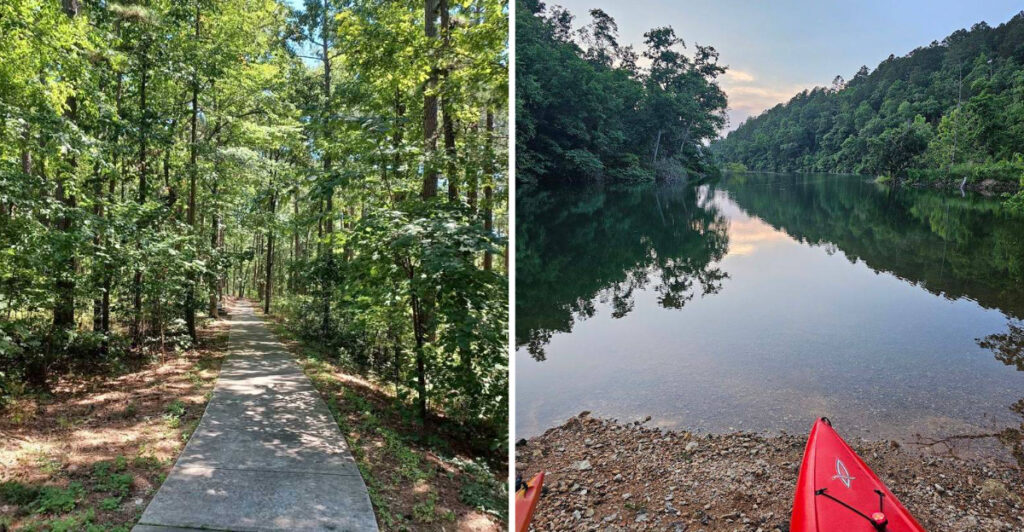
Tucked into the Ozarks, Hobbs State Park–Conservation Area quietly unfolds across more than 12,000 acres of forest, shoreline, and tucked-away hollows. It’s the kind of place that feels expansive yet easy to explore, especially if you love trails that strike the balance between wild and well-marked.
Start your day with a flowing bike ride, spend the afternoon paddling along Beaver Lake, and finish with a ridge-top sunset that feels earned. The variety keeps things interesting without ever feeling crowded. Ready to discover why locals rave about it while so many travelers pass it by?
Visitor Center That Actually Helps You Plan
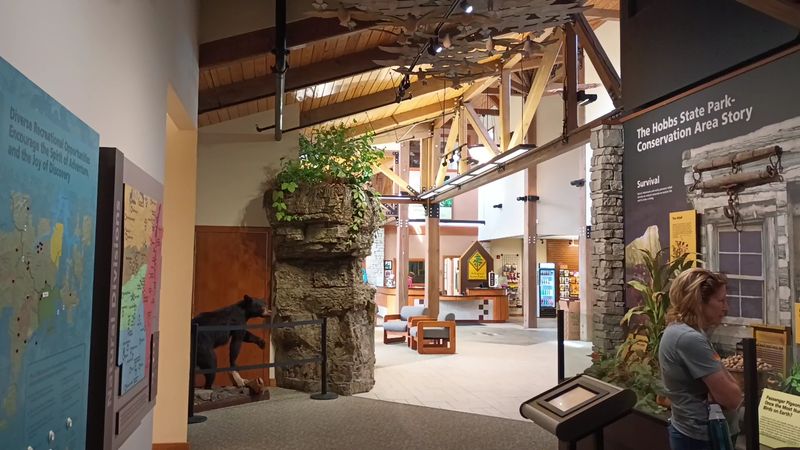
Start here if you like saving time and avoiding wrong turns. The Hobbs visitor center feels modern and welcoming, with wide windows that pull the surrounding woods right into the space. It immediately sets the tone for the day—calm, organized, and quietly encouraging you to explore with purpose.
Staff keep trail advice practical, pointing you toward mileage, surfaces, and lake access that actually match your energy and schedule. Exhibits walk you through Ozark ecology without overwhelming you. You can learn how karst landscapes shape springs, caves, and disappearing streams, then recognize those same patterns once you step outside.
It’s engaging without feeling like a lesson, and both kids and adults tend to linger longer than expected. Wildlife displays and simple storytelling make it easy to connect the dots between map and terrain. What stands out most is clarity.
Maps are easy to follow, weather updates stay current, and rangers flag temporary closures so you do not waste time heading toward a blocked trail. You leave with a plan that feels realistic and flexible, not something you will abandon halfway through the morning.
Before heading out, take a quick lap on the short paths circling the center. They are perfect for testing your footing, stretching out, and settling into a comfortable pace. Snap a photo of trail boards in case cell service drops. Then pick a main objective and a backup—because Hobbs always rewards a little flexibility.
The Trail System That Keeps You Exploring
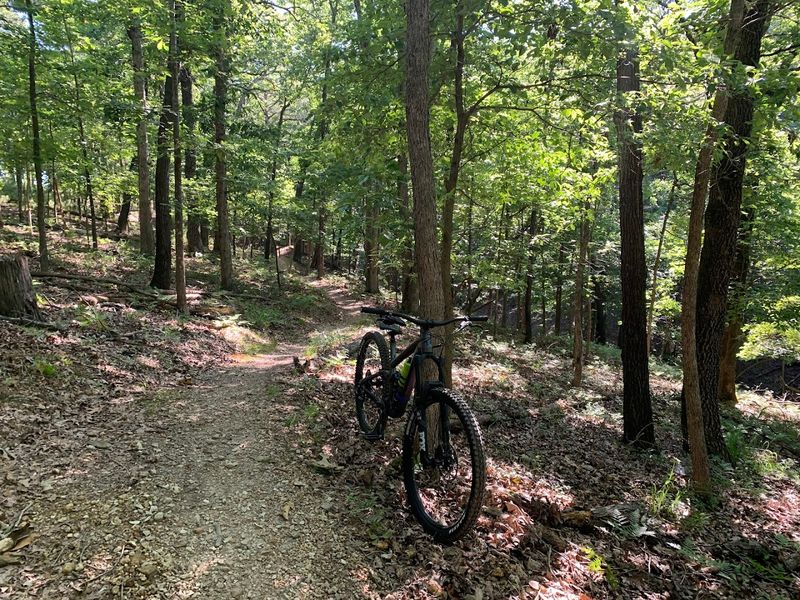
If you want mileage, this is the engine of Hobbs. The Hidden Diversity system strings together loops and connectors that let you build a day exactly how you want it. Surfaces shift from smooth dirt to rockier stretches that keep your attention engaged, making it just as appealing for steady hikers as it is for riders looking for flow.
Trail etiquette matters here because bikers, hikers, and even horses share the space. You will notice a natural rhythm—clear calls, polite passing, and easy pull-offs—that keeps everything moving without feeling crowded. It strikes a rare balance between being social and still offering quiet stretches where you can settle into your own pace.
What makes the network stand out is variety within a single outing. One mile glides under pine cover, the next threads through limestone pockets with sudden glimpses of Beaver Lake. Then you might find yourself on a gentler path like Sinking Stream, where the mood shifts completely.
Here, the trail softens into shade and subtlety, shaped by karst features where water disappears underground and reappears further along. This quieter section rewards slower steps. Birdsong picks up, small details emerge, and the experience becomes less about distance and more about presence.
It’s an ideal reset after a longer loop, giving your legs and your focus a chance to recover. Plan ahead with water and a flexible route, because some stretches commit you once you start. When you finish, it’s not just mileage you remember—it’s how much the terrain kept changing along the way.
Easy Scenic Loops With Big Payoff
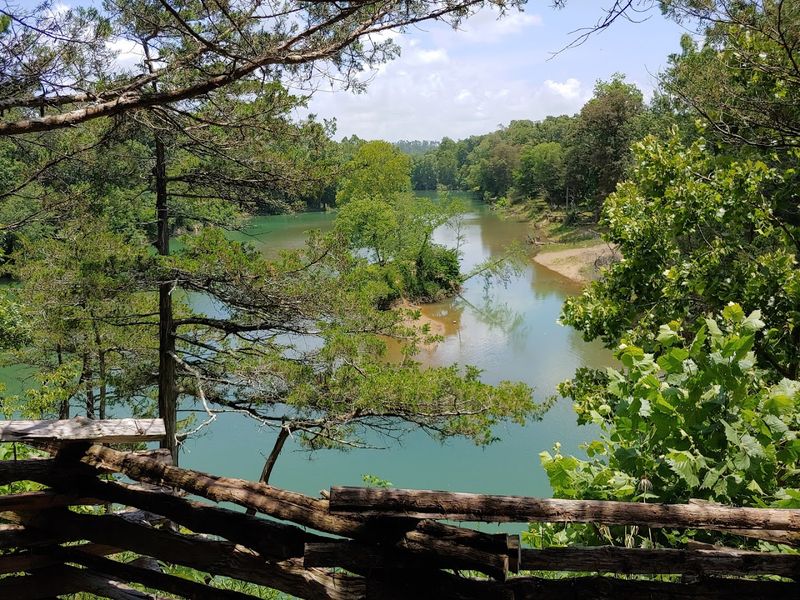
Bashore Ridge is a breather with benefits. The grade stays friendly enough for conversation, yet you still earn wide, satisfying glimpses of Beaver Lake along the way. It’s the loop many locals recommend when you want a scenic return without committing to a tougher route.
The effort feels balanced, never rushed or overly demanding. What makes this trail stand out is how comfortable it feels underfoot. The tread is steady, letting you look up more than down. That means more time scanning for flashes of blue water, layered hills, and shifting light instead of worrying about every step.
It’s a great choice if you’re hiking with friends, bringing a dog, or simply looking for something that feels relaxed but still worthwhile. Midway views arrive naturally, almost like quiet rewards rather than major destinations.
You’ll find yourself pausing without needing a reason, taking in the mix of forest, sky, and water. Ridge breezes can catch you off guard, so a lightweight layer is worth having, especially if you plan to linger at overlooks.
Navigation stays simple, with clear signage and a loop layout that removes guesswork. It’s a reliable option for a shorter outing, a midday break, or even a golden-hour walk. Leave a little extra time for wandering side spurs if something catches your attention. This is Hobbs at its most approachable—easy to enjoy, easy to recommend, and surprisingly memorable for something so relaxed.
Karst Loop For A Real Challenge
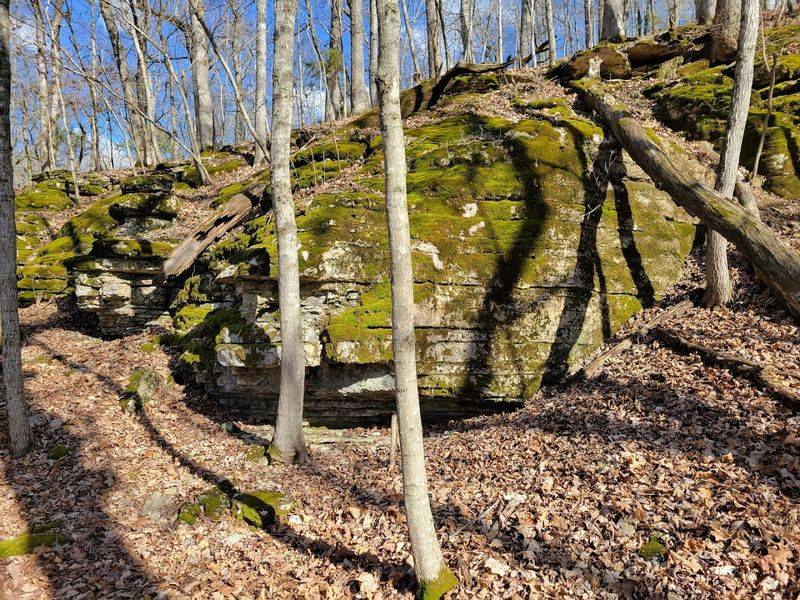
You will hear locals mention Karst with a knowing grin. It is one of those trails that earns respect quickly—beautiful, rugged, and completely honest about what it asks from you. The route twists along Beaver Lake, mixing rocky steps, tight turns, and stretches of exposure that demand your full attention from the first mile.
Hikers tend to enjoy the constant variation underfoot, while more experienced riders treat it as a true skills check. Roots, ledges, and uneven terrain keep you engaged, with moments where momentum matters just as much as control. It never feels punishing for the sake of it, though—it is demanding in a way that sharpens your focus and rewards good decisions.
The views arrive in flashes, especially when the canopy opens just enough. Glints of blue water break through gray limestone and deep green forest, creating that signature Hobbs contrast. It is not a nonstop overlook trail, but the glimpses you do get feel earned, which makes them land harder.
Once you commit, you are in it, so it helps to gauge your group before heading out. This is not the best pick for beginners or younger kids, and there are smoother options nearby if needed. Bring water, light layers, and a steady mindset—shade and lake breezes can shift conditions quickly.
Look for small pull-offs where you can safely pause. Those quick resets help you refocus, adjust your line, and finish the loop feeling accomplished rather than drained.
Beaver Lake For Paddling And Fishing
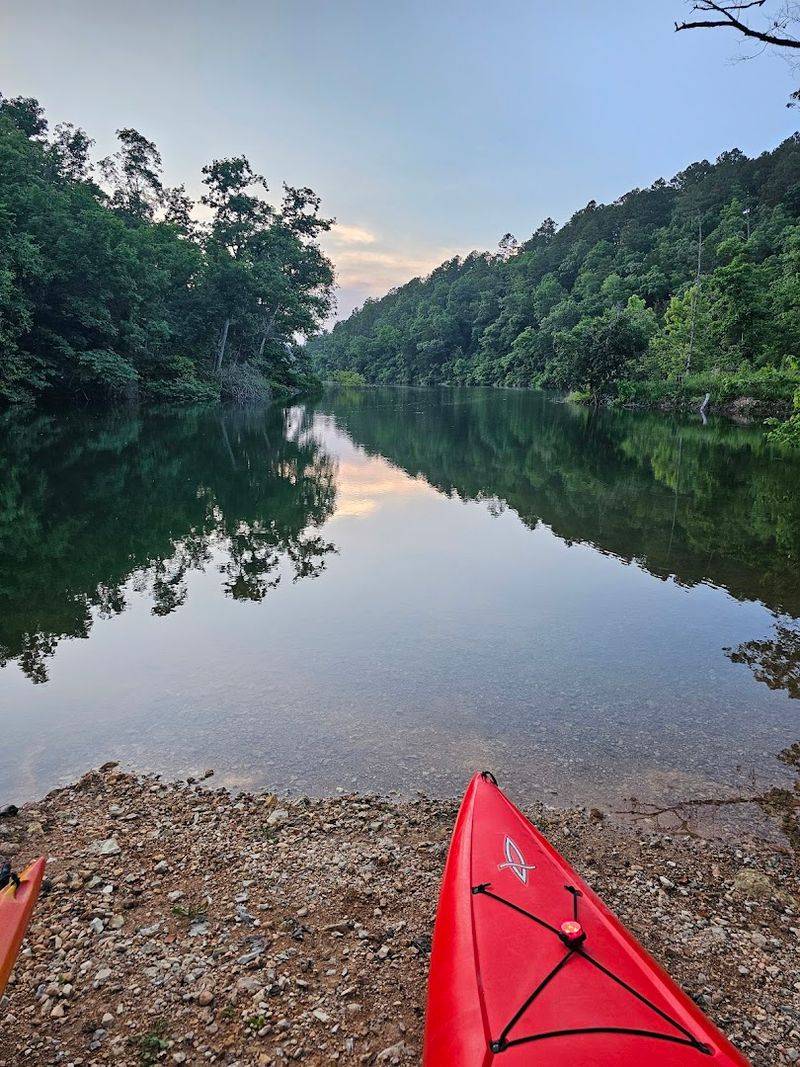
Beaver Lake is the park’s sparkling edge, and it shifts the rhythm of your day the moment you reach it. After miles on the trail, the water feels like a reset. Slip a kayak into a quiet cove or cast a line from a rocky point where the breeze gathers bait.
The clarity catches first-time visitors off guard, especially when sunlight cuts through the surface and reveals just how clean and open it feels. Mornings tend to be the most peaceful, with still water and the occasional call of loons echoing across the coves.
Evenings bring a different kind of beauty, with soft pink and gold light settling over limestone bluffs. You can stay close to shore for protection from wind and still enjoy long, steady glides that feel unhurried and easy. Fishing adds another layer for those who want it.
Some anglers work finesse setups along transitions, while others stick to simple casts and enjoy the quiet. If fishing is not your focus, drifting along the shoreline offers its own reward. Herons move through the shallows, and small inlets create natural spots to pause, stretch, and take in the view.
Guided paddles sometimes run seasonally, including sunset or night outings, so it’s worth checking at the visitor center. Even without a program, short out-and-back routes make it easy to match your comfort level. Bring a dry bag, wear a PFD, and plan for a little extra time—because once you’re out there, it’s hard to rush your way back.
Pigeon Roost Trail And Overnight Camping
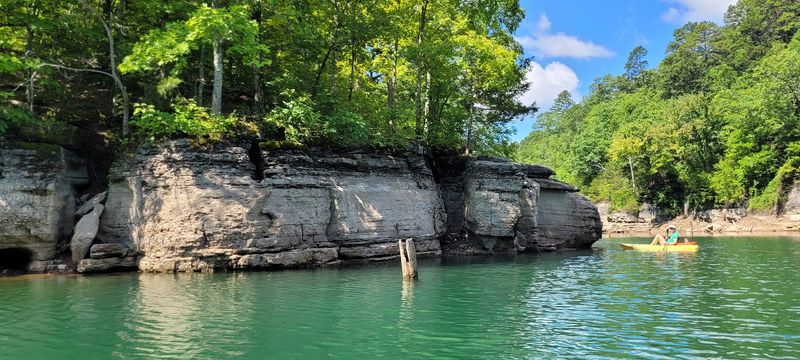
When you want an overnight that feels immersive without requiring a long drive or heavy planning, Pigeon Roost delivers. The loop design makes it easy to adjust mileage based on your group, whether you are testing out your first backpacking setup or just looking for a low-key night in the woods.
Campsites sit quietly off the trail, simple but well placed, keeping the focus on forest, sky, and a slower pace. The trail itself carries that classic Ozark character. Rolling climbs, leaf-covered stretches, and scattered rock keep your steps mindful without feeling punishing.
In fall, the colors layer into deep reds and golds, while spring brings fresh greens and early wildflowers along the edges. It’s never overly dramatic, but it stays consistently engaging from start to finish. What stands out most is the atmosphere.
It is quiet enough to hear owls at night or distant water moving through the hills, yet the trail system remains clear and manageable. You are not navigating a maze, which makes arriving at camp in the evening feel calm instead of rushed.
That balance makes it especially appealing for newer backpackers. A little preparation goes a long way here. Bring a small water filter, check recent conditions at the visitor center, and pack layers for shifting temperatures between afternoon and night.
A reliable headlamp helps once the light fades. By morning, everything slows even further. A warm drink, a short walk toward the shoreline, and the quiet return loop make the entire experience feel complete without ever feeling complicated.
Van Winkle Historic Walk
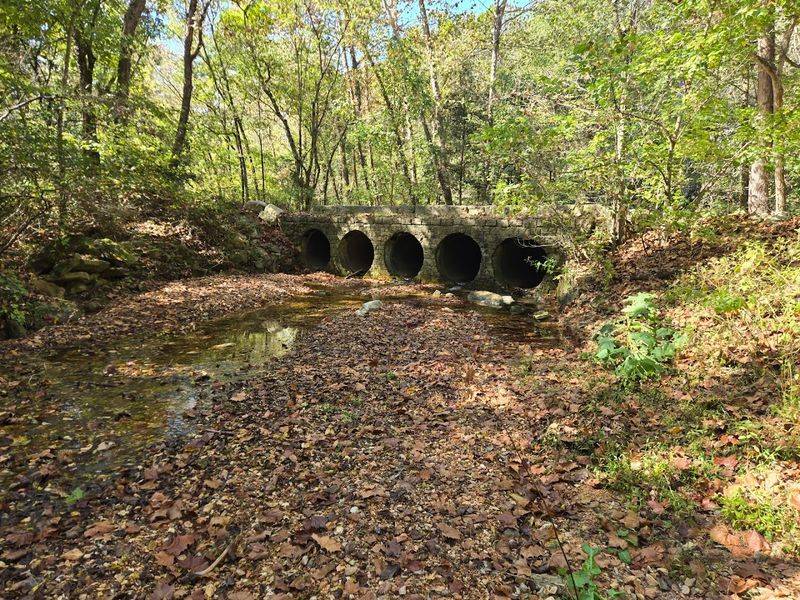
History hides quietly in the hollows at Hobbs, and Van Winkle is the easiest way to step into it. The trail is short, smooth, and lined with interpretive signs that guide you through the story of a once-thriving mill community. You can move at an easy, conversational pace, letting the details unfold without feeling rushed or overwhelmed.
Boardwalks and shaded creekside sections keep the route accessible for most visitors. On warmer days, the canopy offers welcome relief, and the steady sound of water becomes part of the experience. It’s the kind of setting where you naturally slow down, not because you have to, but because the atmosphere invites it.
What makes this walk stand out is how well it connects landscape to history. You begin to understand why industry settled here and how the terrain shaped daily routines. The ruins themselves are subtle but meaningful—stone foundations, scattered remnants, and traces of structure that feel more powerful the longer you look.
When leaves drop in cooler months, sightlines open up and make those connections even clearer. This is a place for small observations. Look for tool marks in old timbers, gentle terracing in the land, or patterns that hint at past work and movement.
It rewards curiosity more than speed. By the time you finish, the rest of the park feels different. The trails carry more context, and the landscape feels layered with stories. It’s a quiet reset before heading back into longer hikes or open viewpoints.
When To Go And How To Plan Your Visit
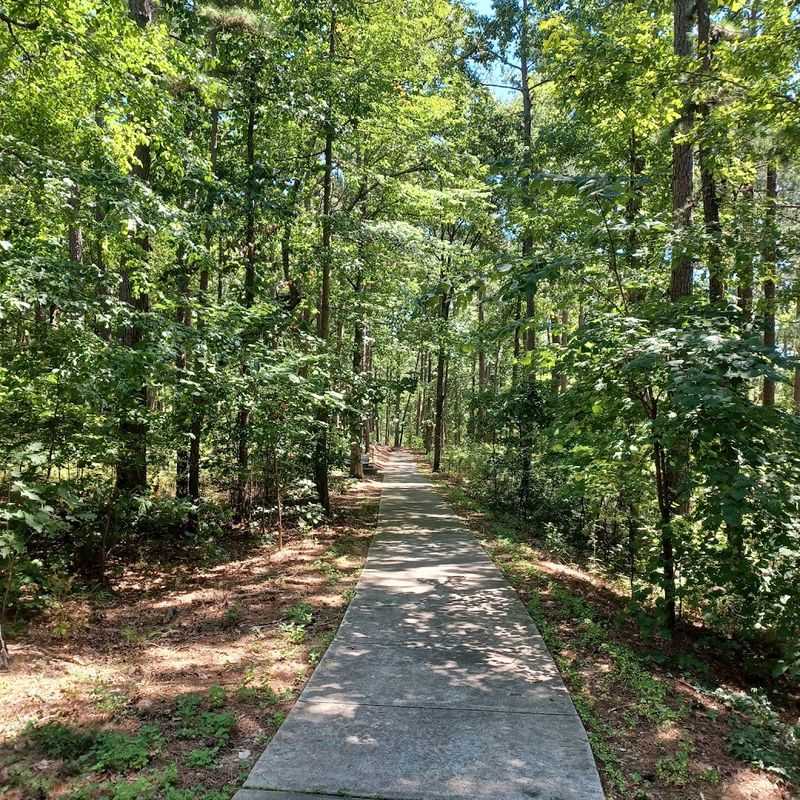
Hobbs runs programs that make the landscape easier to understand once you’re out on the trails. Guided hikes, nature talks, and occasional paddling or night-sky events add context you might miss on your own. The schedule shifts with the seasons, so it’s worth checking ahead online or asking at the visitor center when you arrive.
Even one short program can change how you see the terrain. Timing matters more here than you might expect. Managed hunts, weather patterns, and seasonal events can affect access to certain areas, sometimes with little notice.
Planning around those windows helps you avoid closures and gives you a quieter, more relaxed experience on the trails. A quick check before heading out can save you a lot of backtracking later. Arriving early is one of the simplest ways to improve your visit.
Parking near popular trailheads fills up quickly, especially on weekends. Morning light also makes a difference, both for photos and for comfort, since temperatures tend to rise by midday. In shoulder seasons, a simple kit—layers, water, a map, and a snack—keeps you prepared for changing conditions.
Rangers are one of your best resources here. They offer local insight you will not find on a map, from bird activity to muddy sections after recent rain. The best approach is flexible curiosity. Choose a main trail, keep a backup option in mind, and let the day adjust as you go. That mindset is exactly what Hobbs rewards most.
Why Hobbs Feels Like A Hidden World
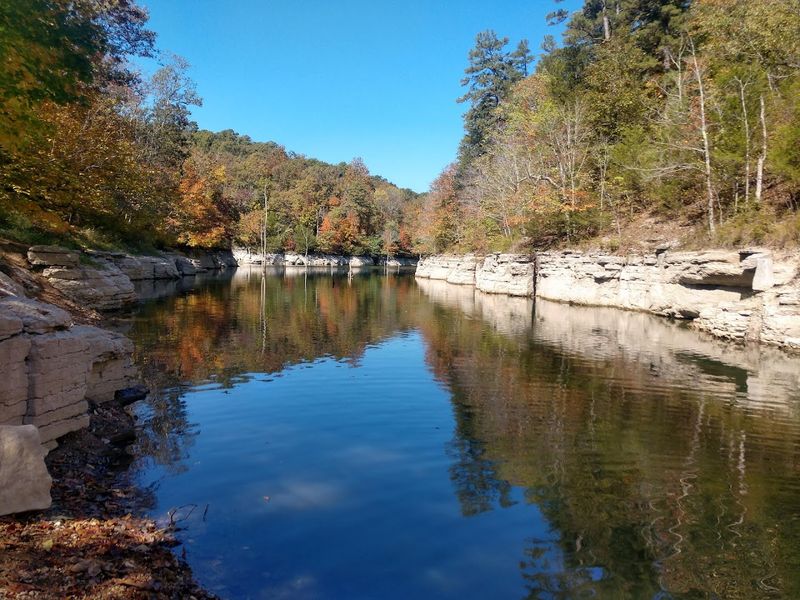
What makes Hobbs feel different is not just its size—it is how easily it disappears around you. Even with more than 12,000 acres, the park never feels crowded or overbuilt. You can spend hours moving through trails, shoreline, and forest without feeling like you are following a crowd.
It creates the sense that you have stumbled into something private, even though it has been there all along. Part of that feeling comes from variety. In a single day, you can move from quiet woods to rocky ridges, from shaded streams to open water.
Each section feels distinct, yet they connect in a way that never breaks the rhythm. You are not just covering distance—you are shifting environments, which keeps the experience fresh without needing to travel far.
There is also a natural quiet here that is hard to find in more popular parks. Sound carries differently. You notice wind, birds, and water more clearly because there is less competing noise. Even on a busier day, it only takes a short walk to feel like you have space again.
By the time you leave, it is not one single moment that stands out—it is the overall feeling. The way the day unfolded, the steady change in scenery, and the sense that you found something a little under the radar. That is what gives Hobbs its pull. It feels less like a stop and more like a place you quietly return to.
Share this story