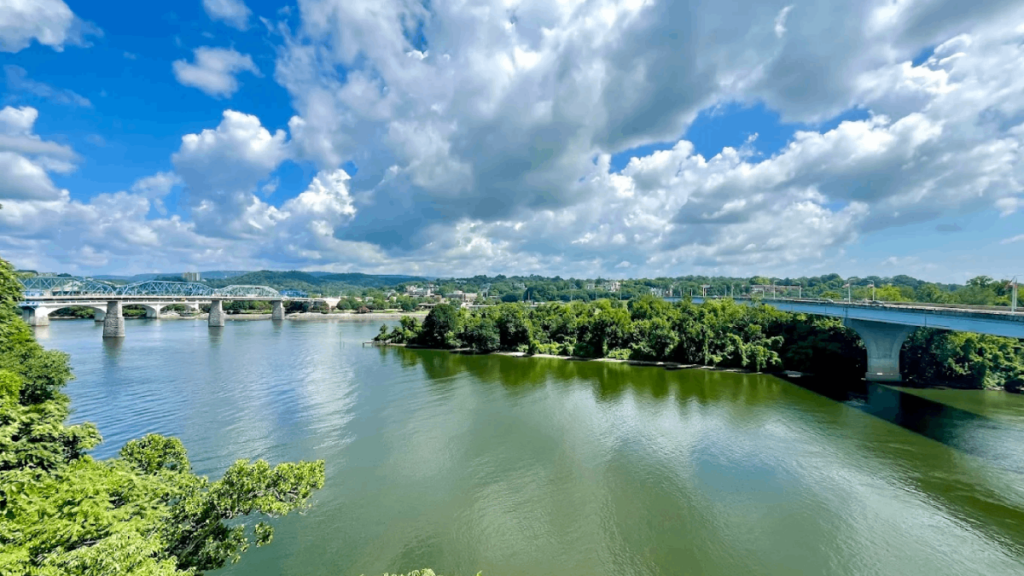
Chattanooga just earned a title no other American city can claim. Nestled along the Tennessee River with the Appalachian Mountains as its backdrop, this southeastern gem became the nation’s first official National Park City.
With more than 70 parks and 35 miles of trails woven throughout neighborhoods and along ridgelines, Chattanooga proves you don’t have to choose between urban energy and outdoor adventure.
Why Everyone’s Talking About This Tennessee City
Something special is happening in Chattanooga, and word is spreading fast. Outdoor enthusiasts, city planners, and travelers alike are buzzing about how this mid-sized Tennessee city cracked the code on balancing urban development with accessible nature. It’s not just about having parks—plenty of cities have those.
What sets Chattanooga apart is how green space flows through every corner of the community, making wilderness feel less like a weekend escape and more like a daily companion.
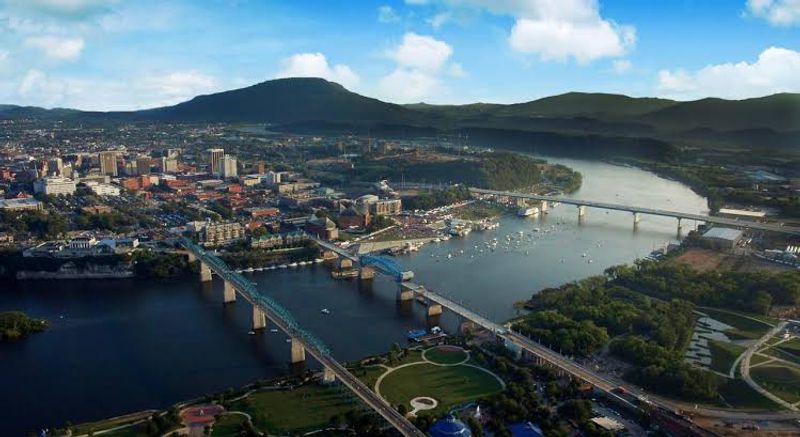
The city sits in a geographic sweet spot where the Tennessee River carves through the Appalachian foothills, creating natural drama that most urban areas can only dream about. Lookout Mountain rises dramatically on the horizon, while riverfront trails connect neighborhoods in ways that make cars feel optional.
What really catches people’s attention is how Chattanooga transformed itself. A few decades ago, this was a struggling industrial town with serious pollution problems. Today, it’s a model for sustainable urban living with clean air, thriving green corridors, and a reputation that attracts young professionals and outdoor brands.
The turnaround story resonates because it proves cities can reinvent themselves without losing their soul.
Local pride runs deep here, and residents will gladly tell you about their favorite hidden trail or secret overlook. That authentic enthusiasm creates an infectious energy that visitors pick up on immediately, making Chattanooga feel less like a destination and more like a discovery you want to share.
The New Title That Put Chattanooga in the Spotlight
Becoming America’s first National Park City wasn’t about winning a contest or paying for a fancy designation. The National Park City Foundation, which started in London, recognizes cities that commit to making nature accessible to everyone while protecting green spaces for future generations. Chattanooga earned this honor in 2020 after demonstrating serious dedication to connecting people with the outdoors right where they live and work.
The title carries weight because it comes with responsibilities. Cities that join the National Park City network pledge to increase green space, improve access to nature, and involve communities in conservation efforts. For Chattanooga, this meant formalizing commitments the city had already been making for years.
The recognition validated what locals already knew—their hometown was doing something remarkable with its natural resources.
What makes this designation different from typical tourism awards is its focus on residents rather than visitors. The National Park City framework measures success by how easily people can reach parks from their homes, how diverse those green spaces are, and whether all neighborhoods benefit equally. It’s about daily quality of life, not just pretty postcards.
Since receiving the title, Chattanooga has used it as a rallying cry for even more ambitious projects. New trail connections are being planned, underserved neighborhoods are getting park upgrades, and the city is actively working to ensure its growth doesn’t come at the expense of the natural features that make it special. The designation isn’t just a badge of honor—it’s a blueprint for the future.
What It Means to Be a ‘National Park City’
The National Park City concept flips traditional thinking about parks on its head. Instead of treating nature as something separate from city life—a place you drive to on weekends—it reimagines the entire city as a living park where green infrastructure is just as important as roads and utilities. Think of it as turning the whole community into a breathable, walkable network of natural spaces that serve everyone.
For a city to earn this status, it needs more than impressive acreage numbers. The framework looks at connectivity, asking whether parks link together through trails and greenways. It examines equity, ensuring all residents can reach quality green space within a short walk.
It considers biodiversity, protecting habitats for wildlife even in urban settings. And it values community engagement, bringing residents into decisions about how natural areas are managed and developed.
In practical terms, being a National Park City means Chattanooga treats its riverfront trails, neighborhood pocket parks, and mountain preserves as interconnected pieces of a larger system. A morning jog might take you from a downtown greenway to a forested hillside without ever losing the thread of continuous green space.
Kids can bike to school through tree-lined corridors. Office workers can spend lunch breaks on riverside paths.
This approach delivers real benefits beyond recreation. Urban forests improve air quality and reduce heat island effects. Connected green spaces support mental health and community cohesion.
Trail networks offer car-free transportation options. The National Park City model recognizes that nature isn’t a luxury amenity—it’s essential infrastructure that makes cities healthier, happier, and more sustainable for everyone who calls them home.
The Parks, Trails, and Green Spaces That Make It Special
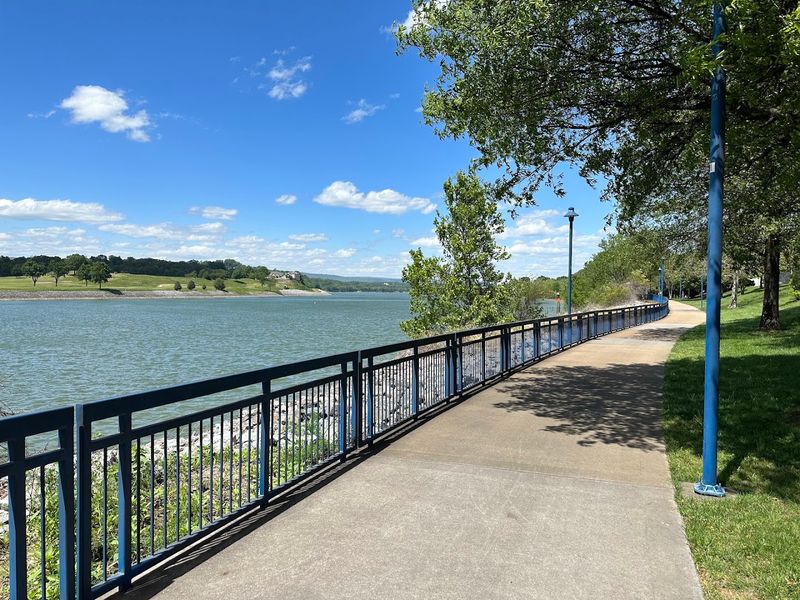
Chattanooga’s outdoor network reads like an embarrassment of riches. The Tennessee Riverwalk stretches for 13 miles along the waterfront, offering paved paths perfect for everything from power walking to leisurely strolls with incredible river and mountain views. This single trail connects downtown to suburbs, stitching neighborhoods together with a green thread that feels more like a natural feature than a constructed amenity.
Head up Lookout Mountain and you’ll find trails that range from easy nature walks to challenging scrambles over rock formations. Sunset Rock offers panoramic views that make the climb worthwhile, while the more secluded trails around Point Park let you explore Civil War history surrounded by old-growth forest. The mountain isn’t just a backdrop—it’s an active playground that locals treat as their backyard.
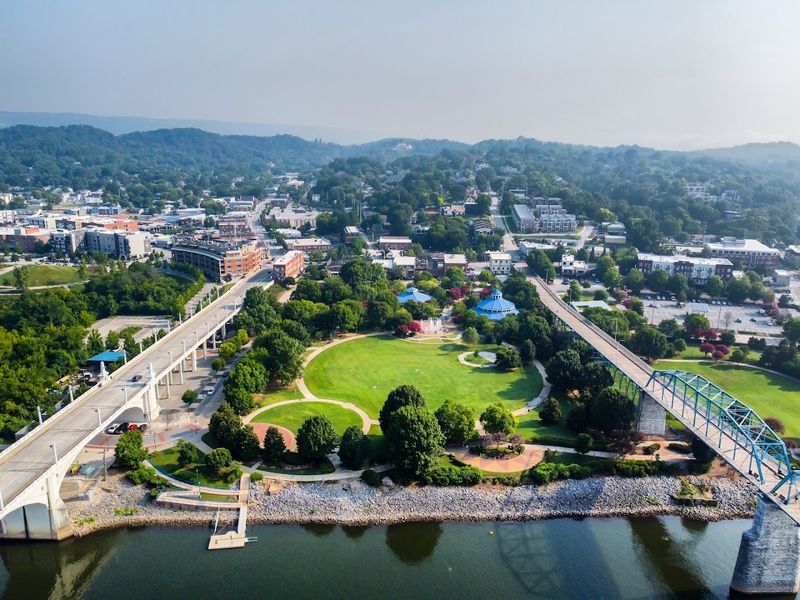
Coolidge Park downtown brings green space right to the urban core with its interactive fountain, vintage carousel, and open lawns that host everything from yoga classes to concerts. Across the river, Renaissance Park showcases native plant gardens and wetland habitats, proving that parks can be both recreational and educational. These aren’t cookie-cutter green rectangles—each space has a distinct character and purpose.
The city keeps adding to its collection. The South Chickamauga Creek Greenway extends the trail network into new neighborhoods. Pocket parks pop up in formerly overlooked areas.
Mountain bike trails on Signal Mountain challenge riders with technical terrain. What’s impressive isn’t just the quantity—though 70-plus parks is nothing to sneeze at—it’s the variety and thoughtful distribution that ensures everyone has access to outdoor experiences that match their interests and abilities.
Where to Go First If You Love the Outdoors
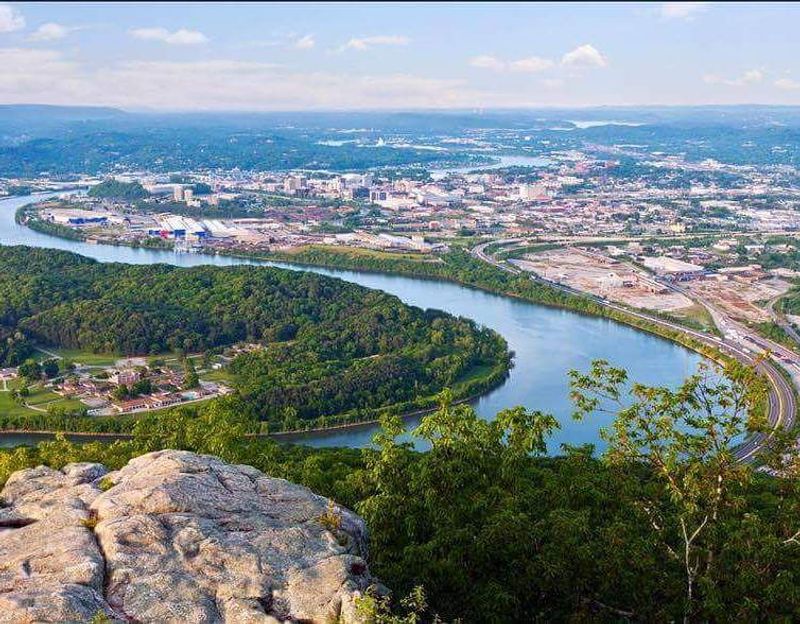
First-time visitors face a delightful dilemma—where to start when you’ve got this much outdoor access? Most locals will point you straight to Lookout Mountain for good reason. The Incline Railway climb alone is worth the trip, and once you’re up top, you can spend hours exploring.
Rock City’s unique rock formations and gardens offer an easy introduction, while Ruby Falls takes you underground to a stunning 145-foot waterfall inside the mountain. These attractions charge admission, but the views and experience justify the cost.
If you prefer free outdoor time, Point Park on Lookout Mountain delivers sweeping valley views and well-maintained trails through historic battlegrounds. The combination of natural beauty and Civil War history creates a uniquely Chattanooga experience. Bring a picnic and plan to linger—the overlooks here are the kind of places where you lose track of time just watching clouds move across the valley below.
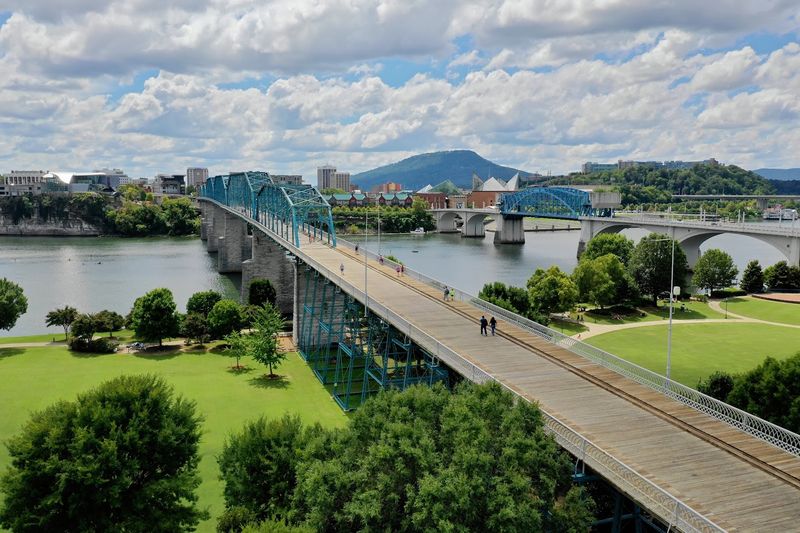
For a more urban outdoor experience, start with the Riverwalk downtown. You can rent bikes or simply walk the paved path, stopping at Coolidge Park to rest or grab food from nearby restaurants. The walking bridge crossing the river connects you to the North Shore neighborhood, where you’ll find craft breweries and cafes with outdoor seating that takes full advantage of the riverside setting.
Serious hikers should head straight to the trails around Signal Mountain or Enterprise South Nature Park, where you’ll find more solitude and challenging terrain. These spots feel genuinely wild despite being minutes from downtown, offering the kind of immersive forest experience that makes you forget you’re in a city at all.
How Chattanooga Blends City Life With Nature
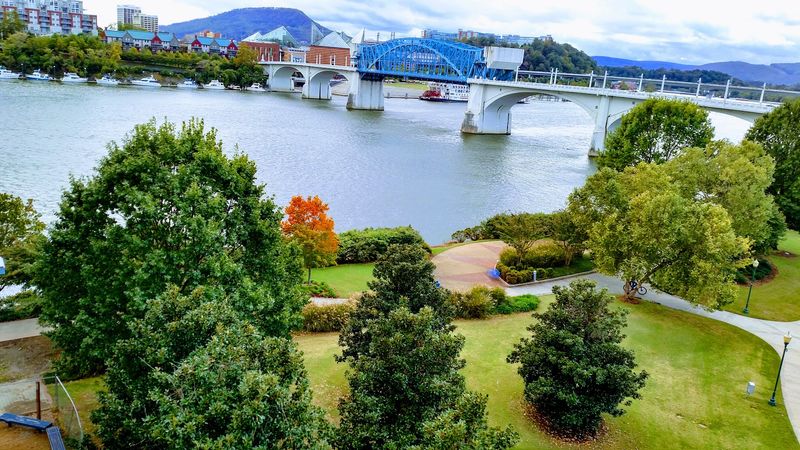
Walk through downtown Chattanooga and you’ll notice something unusual—nature isn’t an afterthought or a decorative feature. It’s woven into the city’s DNA in ways that feel organic rather than forced. Office buildings open onto riverside trails where workers take walking meetings.
Restaurants feature patios that face mountain views instead of parking lots. The architecture seems designed to frame the landscape rather than block it out.
This integration didn’t happen by accident. City planners made deliberate choices to preserve view corridors, protect ridgelines from development, and require green space in new construction projects. The result is a city that breathes differently from typical urban environments.
You can transition from a business meeting to a forest trail in under ten minutes, making outdoor time a realistic part of a daily routine rather than a special occasion.
The entrepreneurial community reflects this outdoor-first mentality. Companies like outdoor retailer Outdoor Voices and rock climbing equipment maker Rock Exotica have chosen Chattanooga as their home base, drawn by the lifestyle and the talent pool of people who prioritize access to nature. Local breweries and coffee shops cater to the pre-hike and post-trail crowd, creating a culture where showing up to brunch in hiking boots is completely normal.
Even the city’s tech sector embraces the outdoor identity. Chattanooga’s famously fast municipal internet service attracts remote workers who can live anywhere—and many choose here specifically because they can kayak before work and mountain bike after. The blend of high-speed connectivity and high-quality trails creates a unique value proposition that traditional cities struggle to match, proving that modern urban life and serious outdoor access aren’t mutually exclusive.
Why This Is a Big Deal for Travelers
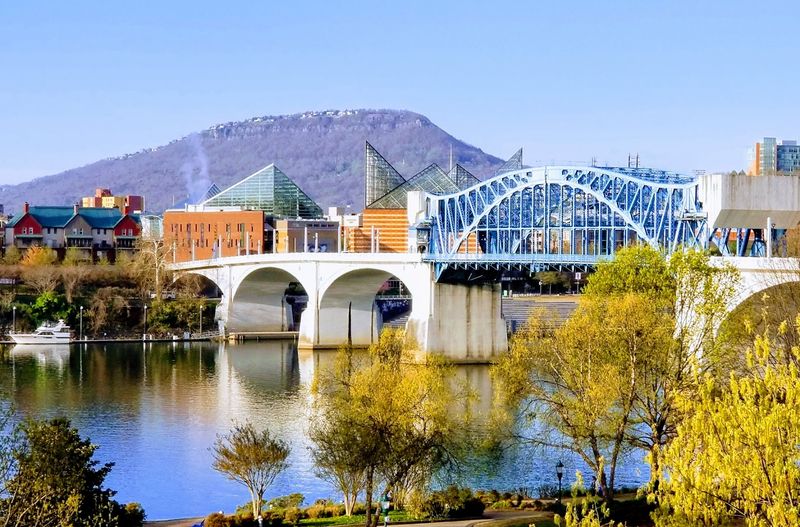
Travelers tired of choosing between city amenities and outdoor adventures finally have an answer to that dilemma. Chattanooga delivers both without compromise, making it ideal for groups with mixed interests. One person can explore art galleries and craft breweries while another tackles mountain trails, and everyone meets back downtown for dinner with stories to share.
This flexibility is rare and valuable, especially for families or friend groups with varying activity levels and interests.
The National Park City designation also signals something important to conscious travelers—this city takes sustainability seriously. Visitors who care about supporting destinations that protect natural resources and invest in community well-being can feel good about spending time and money here. It’s tourism that aligns with values, which matters increasingly to modern travelers who want their trips to have a positive impact.
From a practical standpoint, Chattanooga’s size works in its favor. You’re never stuck in hours of traffic trying to reach trailheads. Lodging options range from downtown hotels within walking distance of restaurants to mountain cabins that offer secluded retreats.
The city is large enough to have excellent food and culture but small enough to navigate easily, eliminating the stress that comes with visiting major metropolitan areas.
Perhaps most importantly, the National Park City framework means Chattanooga will keep getting better. The designation comes with ongoing commitments to expand and improve outdoor access, so return visitors will always find something new. Early adopters who visit now get to experience a city that’s hitting its stride, offering the satisfaction of discovering a destination before it becomes overwhelmingly popular while still enjoying fully developed amenities and infrastructure that make travel comfortable and convenient.