A waterfall hiding behind an old mill, a 77-foot monster roaring in the middle of Paterson, a thin silver ribbon tucked off a quiet forest road—New Jersey likes to make you work just enough to feel clever, but not so much that you regret wearing regular sneakers.
These aren’t all epic backcountry treks with trail blazes, backpack snacks, and a heroic story afterward.
Many of them are the kind of places where you park, wander a little, hear the water before you see it, and suddenly feel like you’ve discovered something you were not supposed to find. That is the charm.
New Jersey’s best short-walk waterfalls come in every personality: loud, moody, historic, woodsy, neighborhood-friendly, and occasionally a little muddy around the edges. Some are perfect for a quick detour.
Others deserve a slow afternoon. All of them prove you do not need a long hike to find a good payoff.
1. Paterson Great Falls
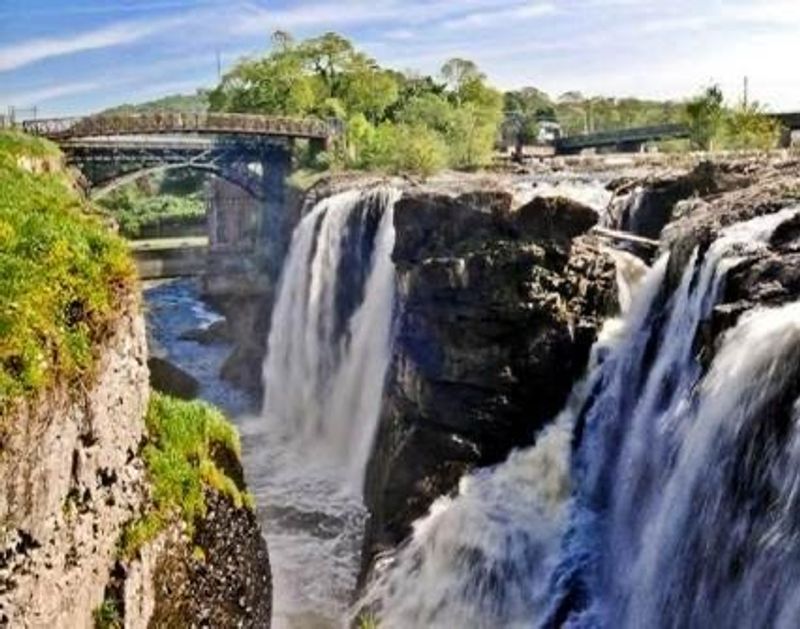
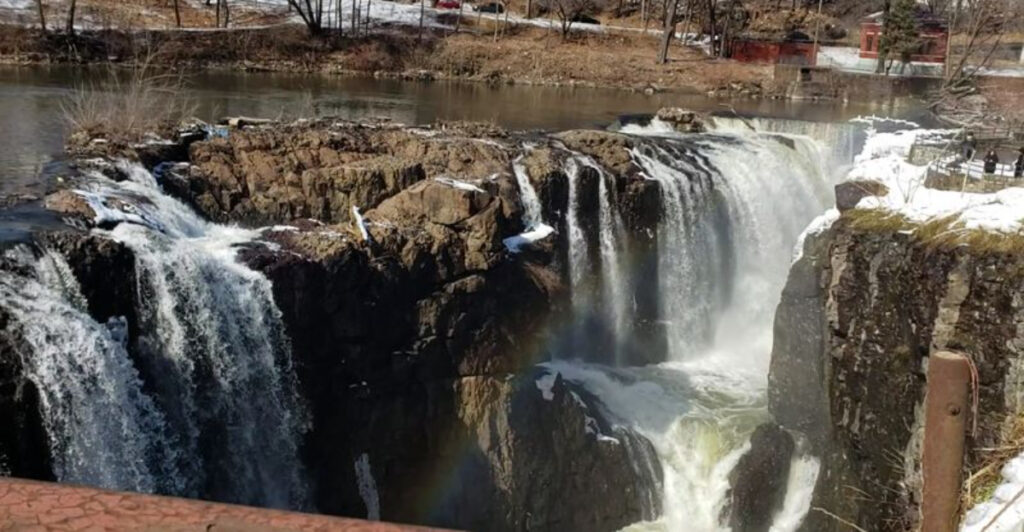
You hear the Passaic River before the full view hits you. It is not a gentle woodland trickle or a polite little cascade; it is a full-throated crash of water dropping through the heart of Paterson, with brick mills, bridges, railings, and city streets all crowding around the drama.
That contrast is exactly why Great Falls belongs at the top of this list. It feels both industrial and wild, like New Jersey refused to choose between history lesson and natural spectacle.
The falls drop 77 feet, and the viewing areas make the visit refreshingly simple. This is more of a walk-and-look stop than a hike, which makes it great for families, out-of-town guests, or anyone who wants a big waterfall moment without disappearing into the woods.
The overlook gives you the classic view, especially after rain when the river turns loud and foamy. There is also a real sense of place here.
Paterson’s mills and waterpower history are baked into the experience, so you are not just looking at a waterfall; you are standing where the river helped shape one of New Jersey’s most important industrial cities. Go earlier in the day if you want easier parking and fewer people at the railings.
Bring a camera, but give yourself a minute to just listen. This one earns it.
2. Buttermilk Falls
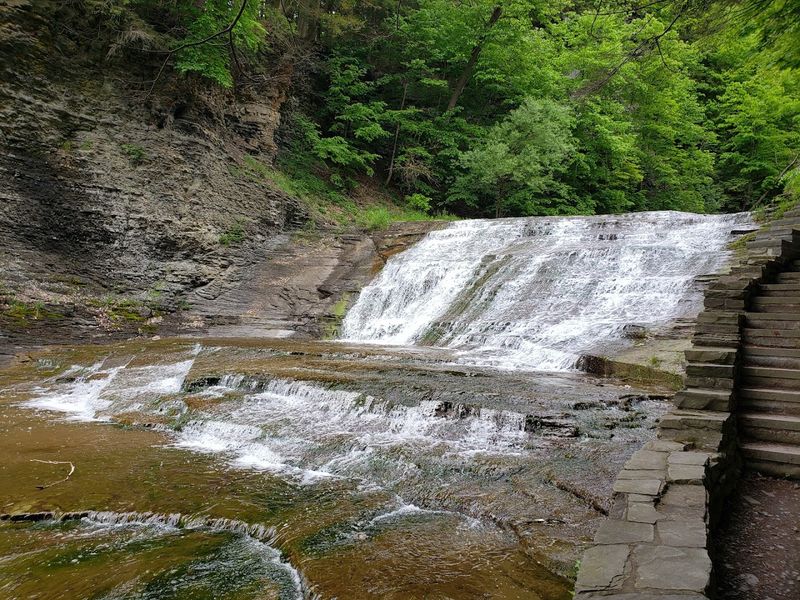
The name sounds soft, but Buttermilk Falls in the Delaware Water Gap knows how to make an entrance. Water pours down a long rocky face in white sheets, dropping through the trees with the kind of confidence that makes people stop talking for a second.
It is often called one of New Jersey’s tallest waterfalls, and unlike many big-payoff nature spots, you do not have to climb for miles to see it. The best part is how quickly the view arrives.
You can park close by, walk over, and there it is: tall, textured, and loud enough after rain to feel almost theatrical. A staircase beside the falls lets you climb for different angles, though even the base view is plenty satisfying.
If you are only in the mood for a short visit, you can keep it easy. If you are feeling ambitious, nearby trails can turn the stop into a longer Delaware Water Gap outing.
This is a waterfall where timing matters. Spring and the days after a good rain usually bring the strongest flow, while dry spells can make it less dramatic.
The road in can feel remote, and cell service is not something to count on, so download directions before you go. Still, the reward-to-effort ratio is excellent.
Buttermilk Falls gives you the grandeur of a real mountain waterfall with the convenience of a roadside secret.
3. Hemlock Falls
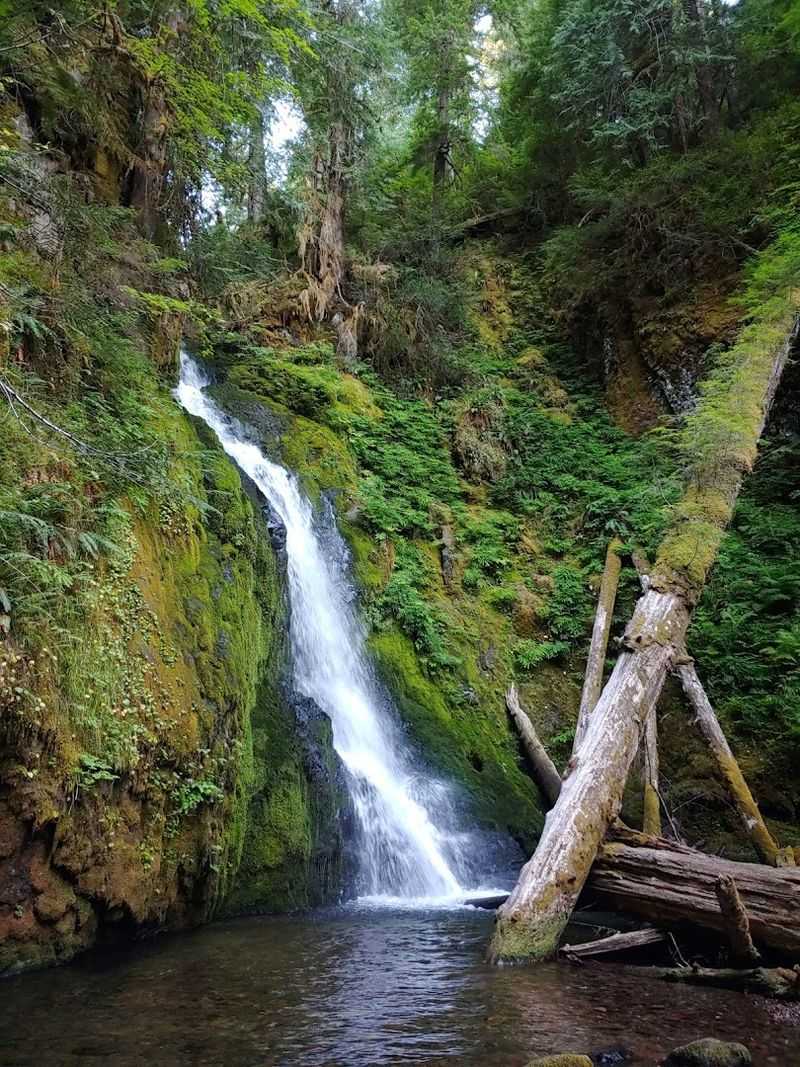
A shady walk, a stone bridge, the sound of water getting louder through the trees—Hemlock Falls is exactly the kind of Essex County escape that makes you forget how close you are to busy roads and neighborhoods.
Located in South Mountain Reservation, it is one of the most beloved easy waterfall walks in North Jersey, and for good reason.
It is accessible, pretty, and just wild enough to feel like a reset. The falls are not enormous, but they have presence.
Water drops over dark rock into a small streambed, framed by woods that look especially good in fall and surprisingly magical in winter when the edges freeze. After a solid rain, the flow picks up and the whole ravine feels brighter and more alive.
During dry stretches, it can be quieter, so manage expectations and go when the weather has done you a favor. What makes Hemlock Falls extra useful is how flexible the visit can be.
You can take a short route in and out if you want the easy version, or stretch the day with trails through South Mountain Reservation. Families like it, casual walkers like it, and locals return because it is simple without being boring.
Parking areas can fill on nice weekends, so earlier is better. This is the waterfall you choose when you want nature, but not a production.
4. MacMillan Falls
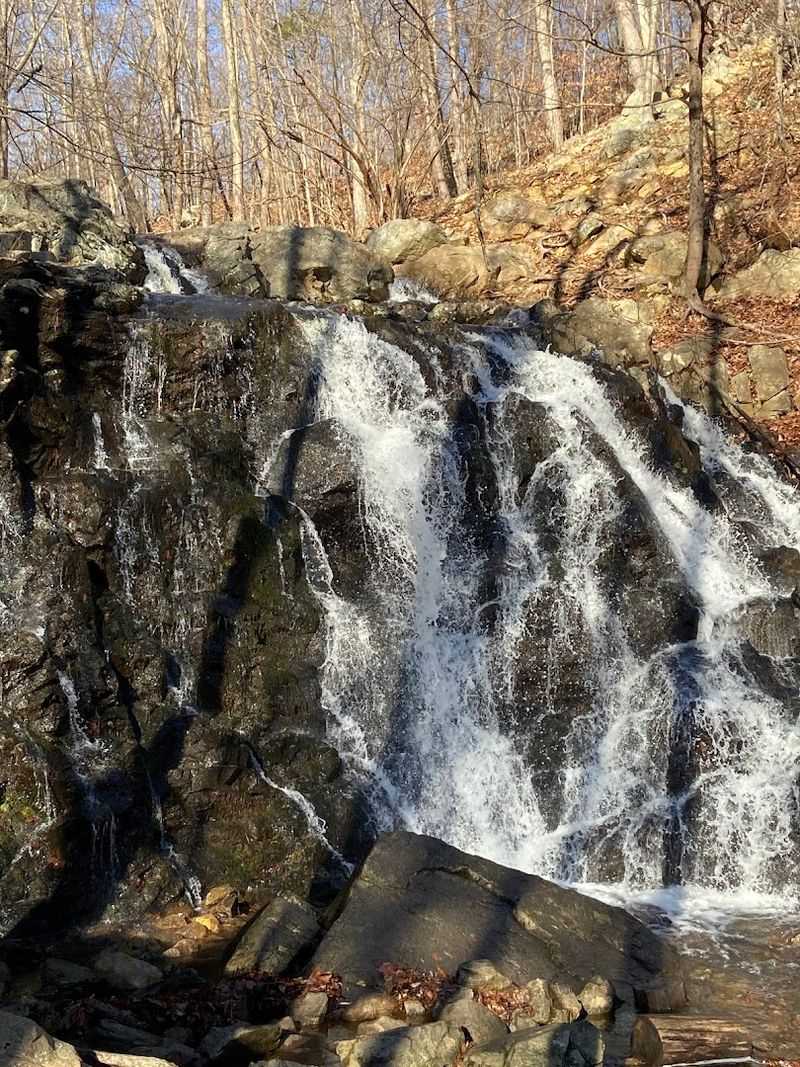
The walk to MacMillan Falls feels like a classic Bergen County compromise: easy enough for a casual morning, pretty enough that it still feels like a real outing.
Found in Ramapo Valley County Reservation, the route passes through a well-loved park landscape of trails, water views, and wooded slopes before reaching the falls.
It is close to suburbia, but the moment the water comes into view, the mood shifts. MacMillan Falls, also known as Ramapo Falls, is not trying to overpower you.
It steps and slides over rock in a way that rewards lingering rather than rushing. In winter, the falls can freeze into sculptural sheets, giving the whole spot a tucked-away, almost northern feel.
In spring, the water tends to have more energy, and the surrounding woods wake up around it. The walk is generally short from the main parking area, though trail choices in Ramapo Valley can turn a quick visit into a longer hike if you let them.
That makes it a good option for mixed groups: some people can aim for the falls, while others continue toward the pond or higher trails. Expect company on nice days because this reservation is popular.
Still, MacMillan Falls earns its spot because it gives Bergen County a true waterfall destination without asking for a rugged trek.
5. Van Campens Glen Falls
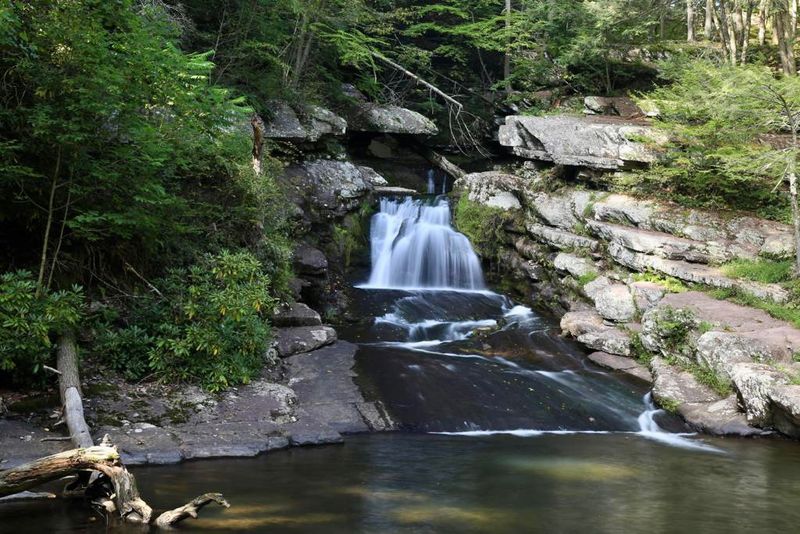
The sound inside Van Campens Glen is not just water falling; it is water moving everywhere. It slides beside the trail, curls around rocks, drops over ledges, and keeps you company through a narrow, green corridor that feels cooler than the outside world.
This is one of the prettiest short waterfall walks in the Delaware Water Gap, especially if you like your scenery layered rather than focused on one big reveal. The falls here are part of the whole experience.
You are following Van Campens Brook through a hemlock ravine, with small cascades and larger drops appearing along the way. The trail can be easy to moderate depending on how far you go and what the conditions are like, but you do not need an all-day hike to enjoy the best parts.
A short out-and-back gives you plenty of water, rock, shade, and that deep-woods feeling the area does so well. This is a spot where good trail manners matter.
Stay on the marked path, skip wading, and watch your footing near wet rock. The brook is part of a protected natural area, and the beauty here depends on people not loving it to death.
Go after rainfall for better flow, but avoid stormy conditions. Van Campens Glen is not flashy in a roadside way; it is immersive, cool, and quietly impressive.
6. Tumbling Waters Falls
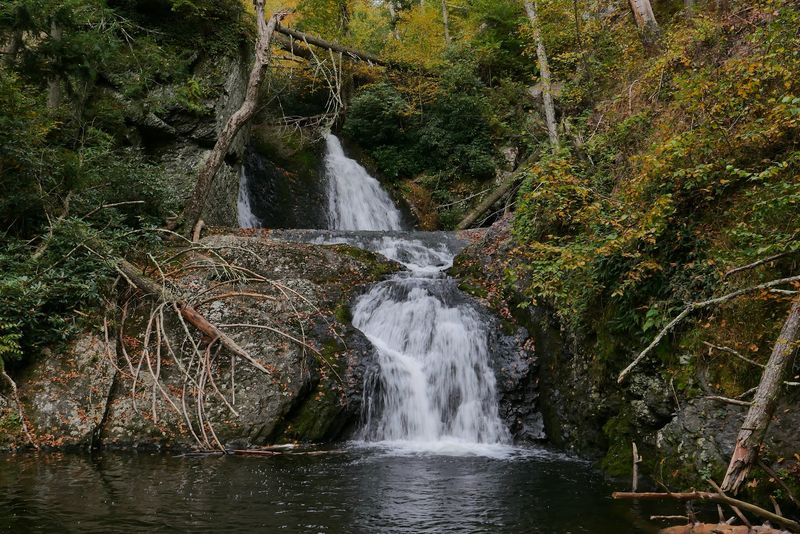
The stairs tell you this is not a lazy sidewalk stroll, but the payoff comes fast enough to keep the grumbling down.
Tumbling Waters Falls sits along the Tumbling Waters Trail at the Pocono Environmental Education Center, just across the Delaware Water Gap region that New Jersey waterfall hunters already treat like an extension of their backyard.
It is a little more effort than some stops on this list, but it still fits the spirit: a manageable walk with a memorable waterfall waiting in a shaded ravine. The trail loops through woods, pond edges, and hemlock cover before dropping toward the falls.
The water appears down in the ravine, where the setting does half the work. It feels enclosed and cool, with the waterfall framed by rock, roots, and deep shade.
This is the kind of place where you naturally lower your voice. Because the route includes uneven ground and stairs, wear actual walking shoes.
It is not difficult in a dramatic way, but it is more trail-like than a paved overlook. The loop also gives you more than just the waterfall, with forest variety and views that make the visit feel fuller.
If you want a short waterfall outing that still feels like you went somewhere, Tumbling Waters is a strong choice. Just do not rush the ravine section; that is the whole point.
7. Schooley’s Mountain Falls
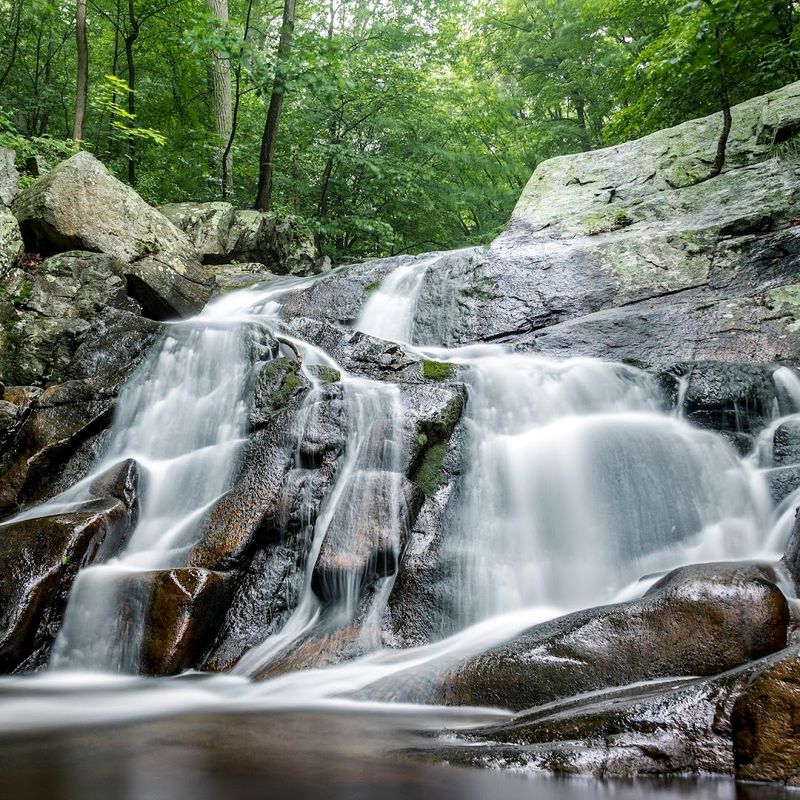
Schooley’s Mountain Falls has a playful streak. The water does not just drop neatly once and call it a day; it tumbles along Electric Brook, slipping through a rocky gorge and giving walkers several little moments to stop, look, and reconsider their plan to “just do a quick loop.”
This Long Valley spot is especially good for families and casual hikers who want a little texture underfoot without committing to a demanding climb.
The waterfall area is the highlight of Schooley’s Mountain County Park, but the park gives you more to work with. There is a lake nearby, wooded trails, boulders, and an overlook if you want to stretch the visit.
The waterfall trail itself can be short, but it has enough rocks and slope to feel interesting. Kids tend to like the boulder-strewn sections, while adults get the satisfaction of a compact hike that actually delivers scenery.
Spring and after-rain visits bring the best water flow, but fall may be the prettiest season overall. The leaves, the brook, and the gorge all work together in a very Morris County way: not overly dramatic, just quietly excellent.
Parking is usually straightforward, though weekends can get busy. Schooley’s Mountain is ideal when you want a waterfall walk with options, not a single-view-and-leave kind of stop.
8. Buttermilk Falls Preserve
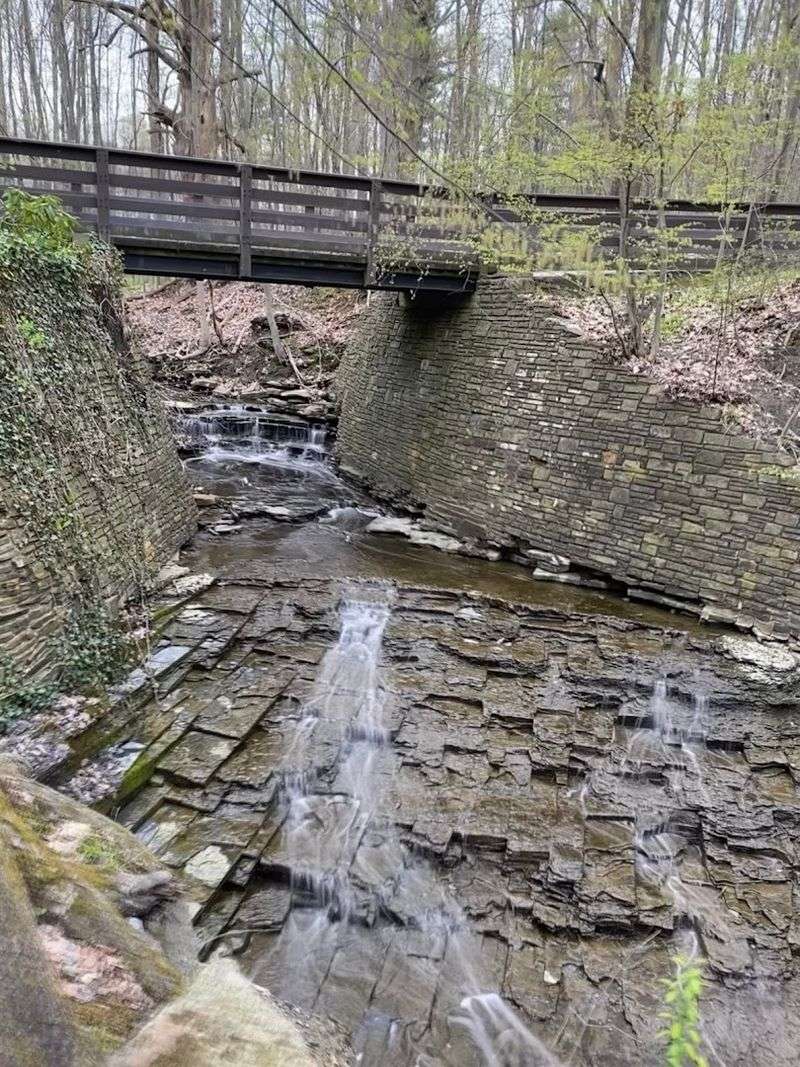
This Buttermilk Falls is the smaller, local cousin of the Delaware Water Gap giant, and it has its own easy charm.
Found around Mendham’s India Brook and Buttermilk Falls Natural Area, it is less about height and more about the intimate feel of a wooded swimming-hole-style spot.
The waterfall drops into a broad pool, which is why people remember it even though it is not one of the state’s tallest. The walk in is short, and the surrounding preserve adds a nice layer of quiet.
You get trees, rustic trails, water, and that tucked-away Morris County feeling where old stone, shade, and stream noise do most of the decorating. It is a good pick for people who want a pretty nature stop without driving all the way to the Delaware Water Gap.
A quick note for planning: this area can be muddy, uneven, and slippery near the falls, so treat it like a natural space rather than a manicured park feature. Swimming rules can vary and are often restricted, so come for the view, not a guaranteed dip.
The best visits happen after rain, when the falls have enough flow to show off but the trail is still manageable. Buttermilk Falls Preserve is not trying to be grand.
It is small, cool, leafy, and easy to love.
9. Stony Brook Falls
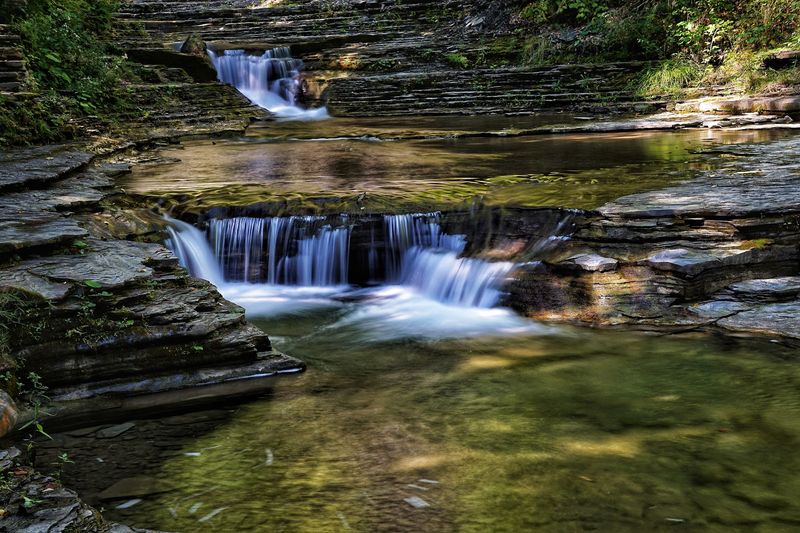
Flat rock ledges make Stony Brook Falls feel almost arranged, as if the stream found a staircase and decided to use every step. Located in Stokes State Forest, this is one of the better short-walk waterfall stops in Sussex County, especially for people who enjoy cascades more than single-drop drama.
The water spreads, slips, and foams over a broad rocky surface, creating a softer, more textured scene. You may also hear it called Stepping Stone Falls, which makes sense once you see the shape of the rock.
There are actually nearby cascades along Stony Brook, so the visit can feel like a little collection rather than one isolated viewpoint. The walk from the day-use area is easy by hiking standards, and it is a nice add-on if you are already exploring Stokes.
This is a waterfall where flow changes the mood completely. After rain, the rock steps come alive and the sound fills the area.
In dry weather, it can be gentler and less showy, though still pleasant. The forest setting is the real bonus: tall trees, mountain air, and plenty of room to extend the day if you want more trail time.
Stony Brook Falls is not a blockbuster. It is the kind of place that rewards people who appreciate small details, moving water, and a walk that does not overcomplicate things.
10. Boonton Falls
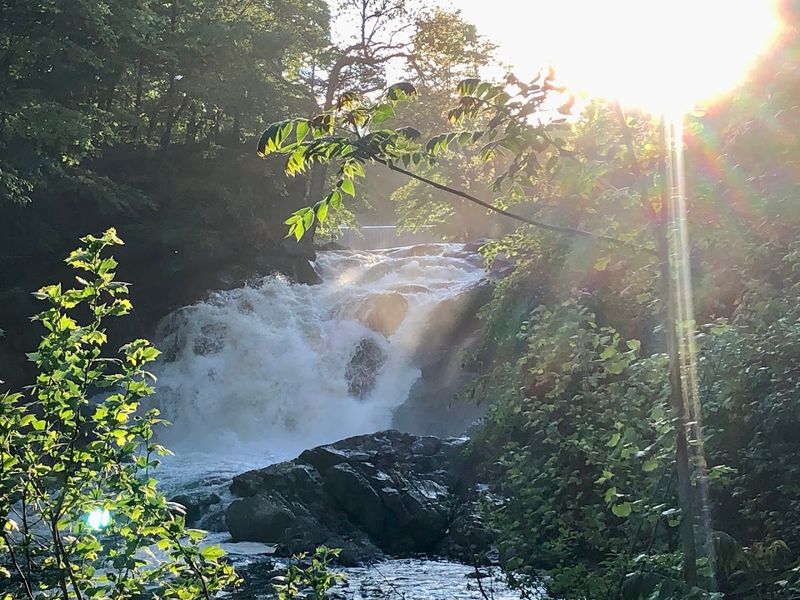
Boonton Falls is hiding in plain sight, which is very on-brand for New Jersey. You start near downtown Boonton, slip into Grace Lord Park, pass a playground and park paths, and then the Rockaway River starts making noise like it has something to prove.
The falls are tucked into a gorge with industrial history all around, giving the place a rugged, old-town edge. The first water feature you see may be the dam, but keep going.
The actual falls are more dramatic from the right viewpoints, where the river drops and churns through rock below. Some paths toward better views can be steep or informal, so this is one of those “short walk, careful feet” places.
Stay back from edges and wet rock, especially when the river is running high. What makes Boonton Falls memorable is the mix: waterfall, gorge, stonework, old iron history, and a charming town close enough for coffee or lunch afterward.
It does not feel remote, but it does feel discovered. That makes it perfect for people who like nature with a side of local character.
Visit in early spring or after rain for the strongest flow, then spend a little time wandering the park instead of treating it like a quick photo stop. Boonton Falls has layers, and the best ones are not visible from the first bench.
11. Seeley’s Pond Waterfall
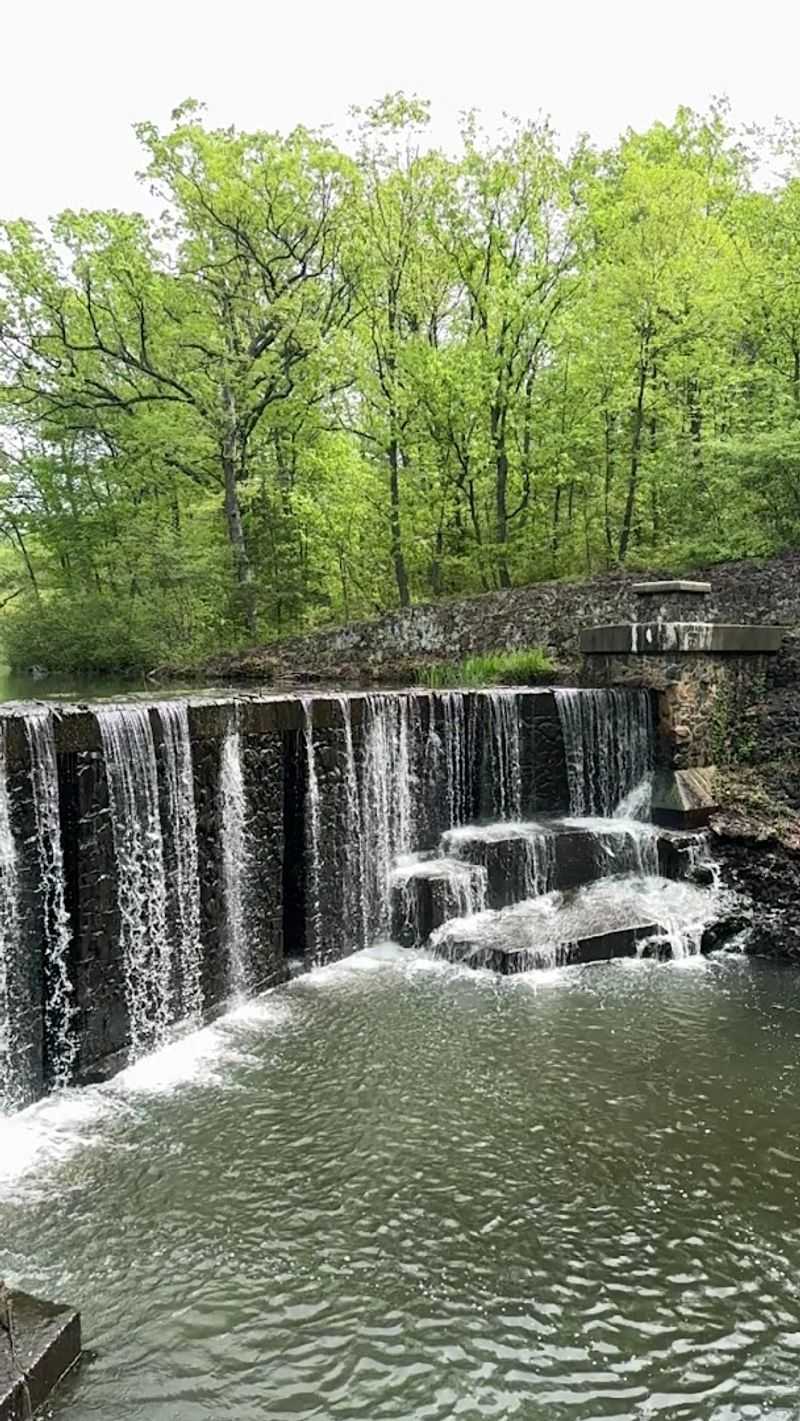
Seeley’s Pond has the relaxed feel of a picnic spot, but the water below the dam adds a little surprise for anyone willing to poke around beyond the obvious view.
Set within Watchung Reservation, the pond was created by damming Blue Brook, and the resulting spillway gives this stop its waterfall moment.
It is not a wilderness plunge, and that is exactly why it works on a short-walk list. The appeal here is gentle and historic.
You get pond views, woods, stonework, and the sense that this corner of the reservation has been used and loved for generations. The water moving over the dam is especially pretty after rain, when the spillway looks fuller and the sound carries through the trees.
It is a nice option for readers who want an easy Union County nature break without navigating a long trail system. Because Watchung Reservation has many paths and access points, it is worth checking a current park map before you go.
The Seeley’s Pond picnic area is the logical anchor, and from there the visit can be as short or as wandering as you want. Bring a snack, take the slow route around the pond, and let the waterfall be part of a broader easy outing.
Seeley’s Pond is not dramatic; it is comfortable, local, and quietly satisfying.
12. Droescher’s Mill Falls
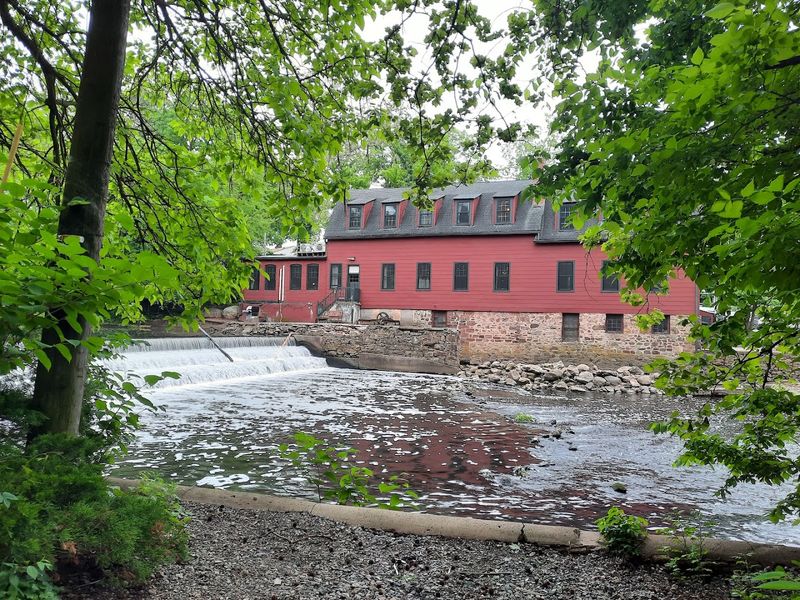
The waterfall at Droescher’s Mill comes with old New Jersey built right into the frame. This Cranford spot sits along the Rahway River, where the historic Williams-Droescher Mill and its dam give the water a pleasing rush.
It is less “deep forest adventure” and more “how did I not know this was here?”—which is a very useful category for a short, easy outing. The walk along the Cranford Heritage Riverwalk is simple and flat enough for most casual visitors.
You can take in the mill, the river, the dam, and the surrounding parkland without needing hiking gear or a half-day plan. The sound of the water adds movement to an already photogenic scene, and the old mill gives the stop a sense of place that a random cascade would not have.
This is a great waterfall choice for people who like history as much as scenery. The mill dates back centuries, and the river still gives the area that working-water feel, even though today’s visit is more about strolling than industry.
Parking and access are generally easier than at remote trailheads, but still pay attention to local signs and private property boundaries around the mill. Droescher’s Mill Falls is not the wildest waterfall on the list.
It is something better for a quick local escape: charming, walkable, and rooted in the town around it.
13. Otter Hole Falls
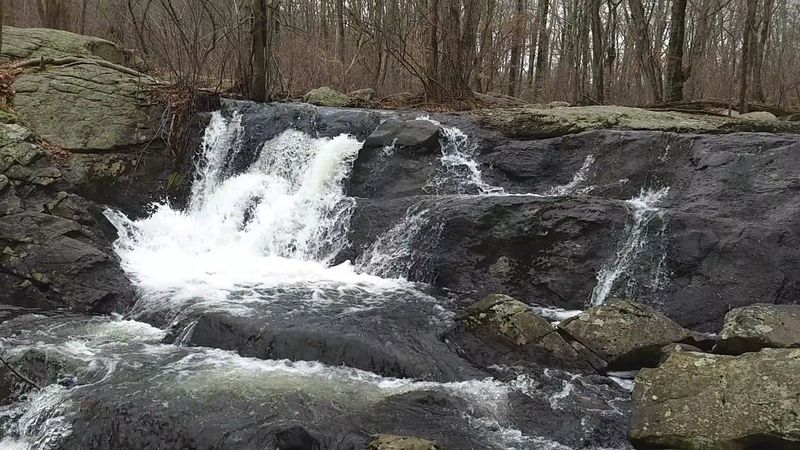
Otter Hole Falls is wonderfully efficient. In a state where some waterfalls make you earn every view with rocks, roots, and confusing turns, this Norvin Green State Forest spot gives you water almost right away.
It sits near the Otter Hole area along Posts Brook, making it one of the easiest waterfall rewards in a park better known for rugged hikes and big viewpoints. The falls are modest but handsome, with water dropping in short tiers through a rocky stream setting.
What makes them special is the contrast with the surrounding forest. Norvin Green can feel wild fast, with steep trails and serious Highlands terrain nearby, but Otter Hole lets you sample that atmosphere without signing up for a long climb.
It is a smart stop for people who want the mood of Norvin Green without the full workout. That said, the area can still be rocky and wet.
Good shoes are worth it, even if you are not going far. If you want to extend the visit, nearby trails can connect you toward other falls and views, but the short version is perfectly valid.
Go after rainfall for more water, or in cooler months when the forest opens up and the streambed is easier to see. Otter Hole Falls feels like a quick hello from a much larger, wilder park.
14. Apshawa Waterfall
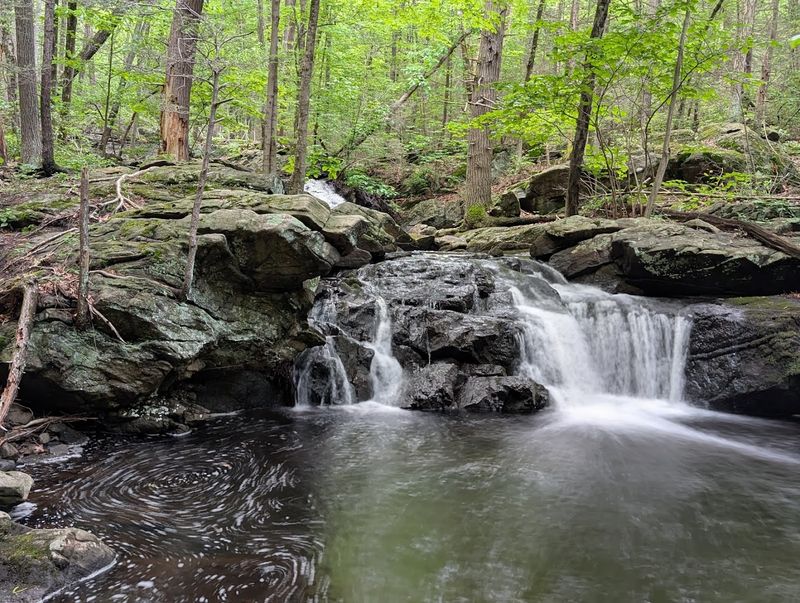
Apshawa Preserve has a little bit of everything: hardwood forest, reservoir views, old water infrastructure, rocky trails, and a brook that knows how to put on a show in the right conditions.
The waterfall along Apshawa Brook is not a roadside stop, but the hike is still manageable enough for readers who want a short-to-moderate adventure without committing to an all-day route.
The appeal here is the variety. You are not walking in just to look at falling water and turn around.
The preserve has blazed trails that move through woods, pass old ruins and water-tank remnants, and give the whole outing a slightly mysterious edge. When the waterfall is flowing well, it feels like a reward tucked into a bigger story.
Apshawa does ask for a little more from you than some places on this list. Expect roots, rocks, seasonal muddy spots, and possibly a small stream crossing depending on the route and recent weather.
Parking can be limited, so earlier visits are smarter on weekends. The best time to go is after rain, when Apshawa Brook has enough energy to make the falls worth the walk.
This is the pick for someone who wants a waterfall outing with texture: not difficult, not polished, and much more interesting than a quick overlook.
Share this story