Texas keeps growing, and with that growth comes more visitors to the usual spots. But right now, before the masses catch on, there are incredible places across the state that still feel like secrets. From ghost town vibes to mountain escapes and coastal surprises, these eleven destinations offer authentic Texas experiences without the elbow-to-elbow crowds you’ll find in Austin or San Antonio.
1. Terlingua
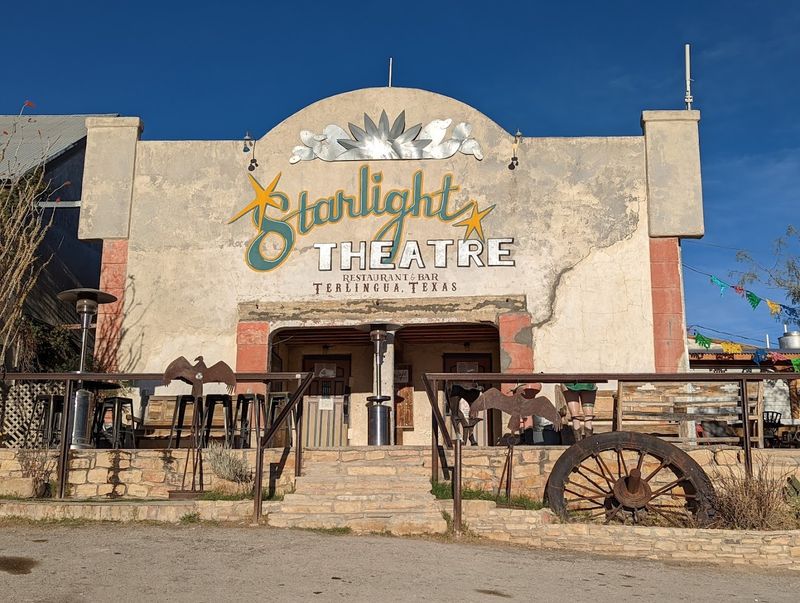
Ghosts don’t pay rent, which explains why Terlingua has so many cool old buildings just sitting there in the desert. This former mining town near Big Bend National Park died out decades ago when the mercury mines closed, but it’s been reborn as one of the quirkiest spots in West Texas. You’ll find artists, river guides, and people who just got tired of city life now calling this place home.
The Starlight Theatre serves up live music and surprisingly good food in a building that looks like it might collapse any second but has been standing since 1930. The annual chili cook-off every November draws thousands, but visit any other time and you’ll have the place mostly to yourself. The ruins of the old Chisos Mining Company make for incredible photos, especially at sunset when the light turns everything orange and purple.
What makes Terlingua special isn’t just the ghost town aesthetic. It’s the genuine community of folks who’ve chosen to live out here, miles from the nearest Walmart. They’re friendly, interesting, and happy to share stories over a cold beer at the porch bar.
Big Bend National Park sits right next door, offering some of the darkest night skies in America. After a day exploring the park’s canyons and hot springs, Terlingua feels like civilization even though it barely qualifies. The lack of light pollution means stars so bright you’ll understand why people drove all this way.
Spring and fall offer perfect weather, while summer turns brutally hot. Winter can surprise you with cold nights, so pack layers. There’s limited cell service, which some consider a feature rather than a bug.
2. McKinney
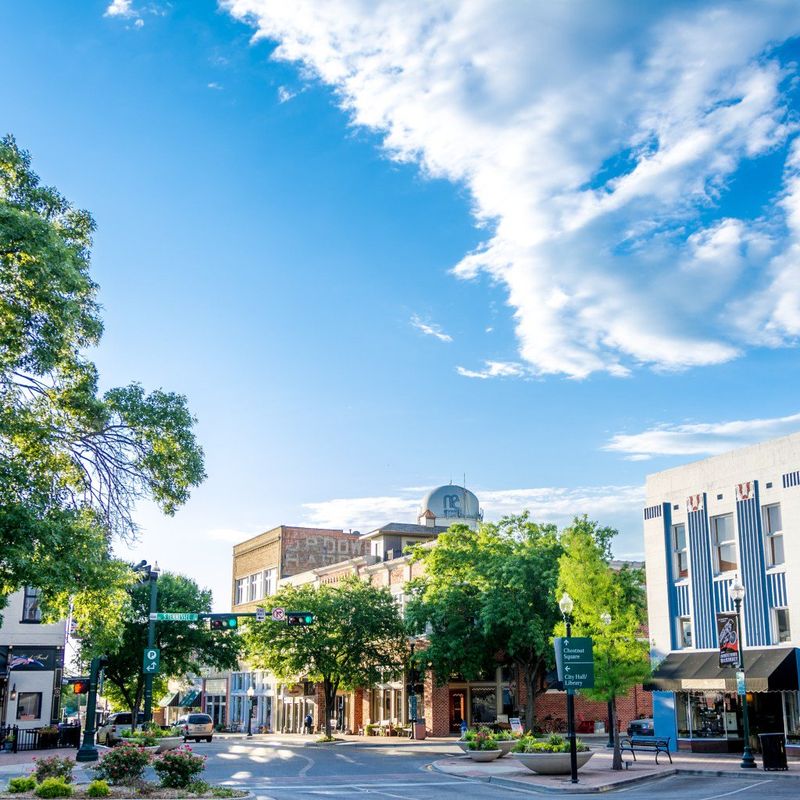
Just thirty miles north of Dallas, McKinney manages to feel like a completely different world. The historic downtown square looks like someone plucked it from a movie set, with beautifully restored buildings housing locally-owned shops, restaurants, and galleries. Unlike many Texas towns that let their downtowns die, McKinney invested heavily in preservation and it shows.
The square hosts festivals almost every weekend during spring and fall, but even on regular days it buzzes with activity. Coffee shops serve actual good espresso, not just truck stop brew. Boutiques sell clothes you won’t find at the mall.
The bookstore stocks titles chosen by people who actually read, not corporate algorithms.
Chestnut Square Heritage Village preserves fourteen historic structures that tell the story of North Texas settlement. You can tour Victorian homes, a one-room schoolhouse, and other buildings dating back to the 1850s. It’s educational without being boring, which is harder to pull off than it sounds.
Food options have exploded recently, with everything from farm-to-table American to authentic international cuisine. The breweries and distilleries crafting local beverages have created a whole scene that didn’t exist five years ago. Yet McKinney hasn’t tipped into pretentious territory, maintaining that small-town friendliness even as it grows.
The city’s proximity to Dallas means you can enjoy big-city amenities when you want them, but retreat to a more relaxed pace at day’s end. Housing costs less than in Dallas proper, attracting young families and creative types. Parks and trails crisscross the area, offering plenty of outdoor recreation.
Visit before everyone else figures out what locals already know: McKinney offers the best of both worlds without the compromises.
3. El Paso
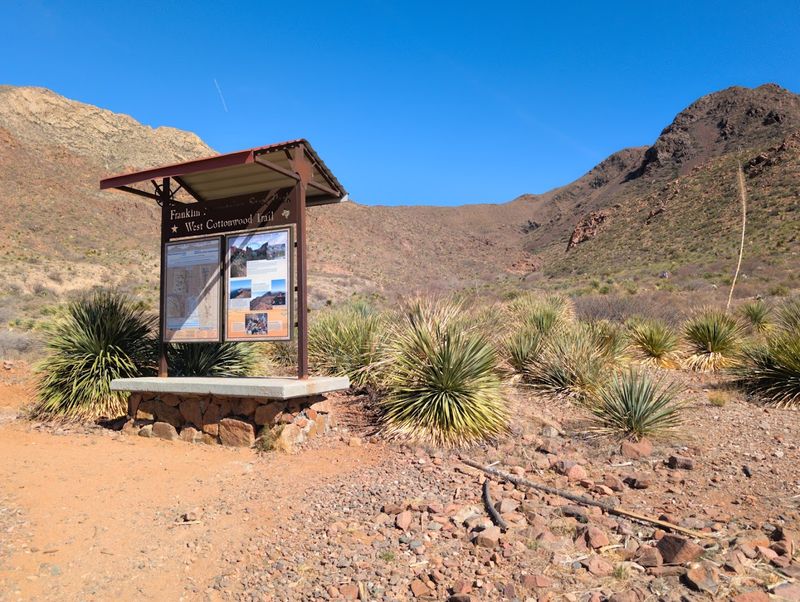
Stuck way out in West Texas, El Paso gets overlooked by travelers who think Texas ends at San Antonio. That’s their loss, because this border city offers a cultural blend you won’t find anywhere else in the state. The Franklin Mountains rise right through the middle of town, creating a dramatic backdrop that reminds you this isn’t flat prairie Texas.
Franklin Mountains State Park gives you legitimate mountain hiking just minutes from downtown. The trails range from easy walks to challenging scrambles, all with views stretching into Mexico and New Mexico. It’s the largest urban park in the United States, which surprises people who assume Texas cities only care about strip malls and highways.
The food scene leans heavily Mexican, but we’re talking authentic border cuisine, not Tex-Mex. Breakfast burritos the size of your forearm cost less than a fancy coffee elsewhere. Tacos come with handmade tortillas and salsas that actually have flavor.
The restaurants in Juárez, just across the border, add even more options if you’ve got your passport handy.
Downtown has been quietly transforming, with renovated historic buildings now housing breweries, galleries, and performance spaces. The El Paso Museum of Art offers free admission and a surprisingly strong collection. Union Plaza hosts concerts and festivals throughout the year, bringing together the diverse communities that make El Paso interesting.
Yes, it’s hot in summer. Really hot. But the low humidity makes it bearable, and winters stay mild enough for outdoor activities year-round.
The cost of living remains reasonable compared to other major Texas cities, and the pace feels more relaxed than Houston or Dallas.
El Paso rewards visitors who take time to explore beyond the highway exits.
4. Brownsville
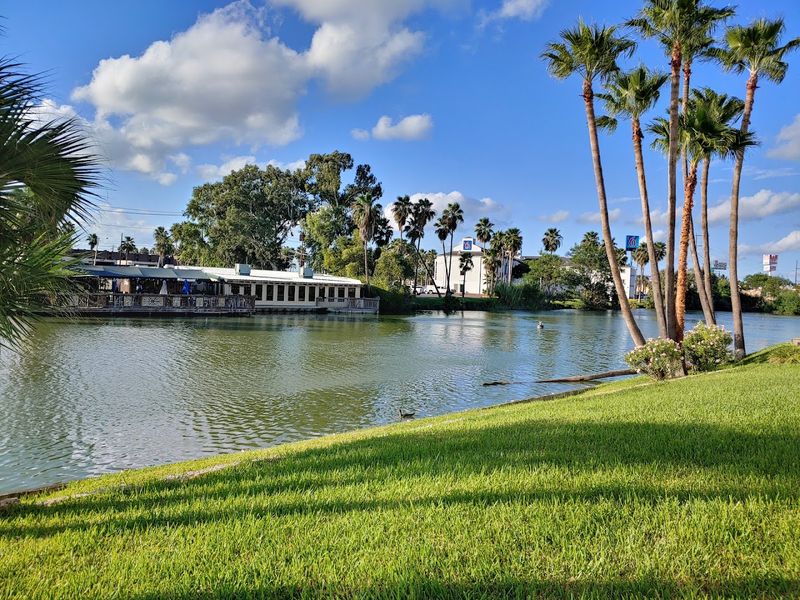
Down at the very tip of Texas, where the Rio Grande finally meets the Gulf of Mexico, Brownsville has been flying under the radar for decades. Most people only know it as a border crossing point, missing the subtropical climate, historic architecture, and unique South Texas culture that make it worth a longer stay.
The weather feels more like Florida than typical Texas, with palm trees lining streets and humidity that keeps everything green year-round. Winter brings thousands of birders chasing rare species that migrate through the area. The World Birding Center’s network of sites around Brownsville offers some of the best birdwatching in North America, with species you won’t see anywhere else in the United States.
Historic downtown preserves buildings from Brownsville’s days as a major port and trading center. The Stillman House Museum, Market Square, and other sites tell stories of border conflicts, commerce, and cultural mixing that shaped the region. Unlike some historic districts that feel frozen in time, Brownsville’s downtown still functions as a living neighborhood.
Palo Alto Battlefield National Historical Park commemorates one of the first battles of the Mexican-American War. The wide-open prairie and interpretive trails help you understand how the conflict unfolded. It’s Texas history that often gets glossed over in school, presented here with context and nuance.
Beach access at nearby South Padre Island means you can combine city exploring with coastal relaxation. The causeway connecting Brownsville to the island offers stunning views across the Laguna Madre. Seafood restaurants serve catches pulled from local waters that same morning.
Brownsville’s affordability and laid-back vibe attract retirees and remote workers looking for something different. Visit before rising real estate prices change the equation.
5. Strawn
Population 653. That’s not a typo. Strawn barely registers on most maps, sitting in Palo Pinto County between Fort Worth and Abilene on a stretch of highway people usually just drive through.
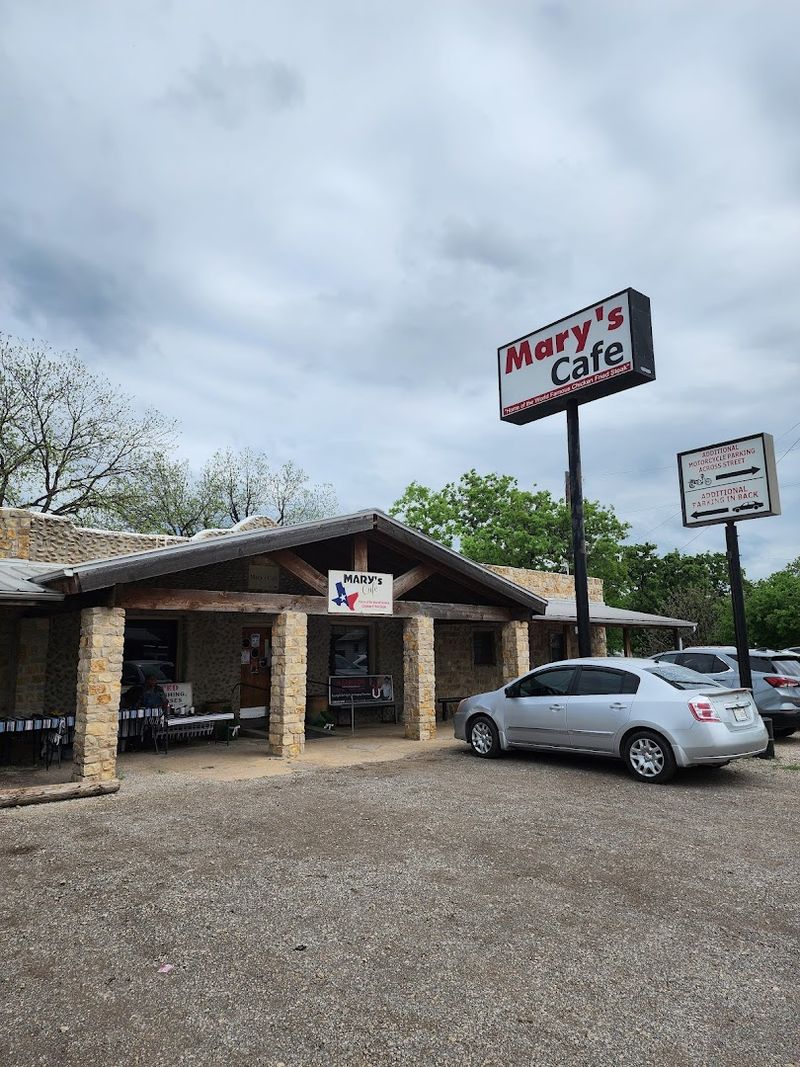
But this tiny town punches way above its weight class thanks to one thing: Mary’s Cafe and its legendary chicken fried steak.
Mary’s has been serving up massive portions since 1945, earning a reputation that brings people from across Texas and beyond. The chicken fried steak hangs off the plate, crispy and golden, smothered in cream gravy that could convert vegetarians. It’s not fancy food, just perfectly executed comfort cooking that reminds you why Texans love this dish so much.
The homemade pies deserve their own paragraph, but we’ll just say you need to save room.
Beyond the food, Strawn offers a glimpse into small-town Texas life that’s rapidly disappearing. The downtown consists of a few blocks of old buildings, some occupied and some not. There’s no pretense here, no tourist traps trying to separate you from your money.
Just genuine folks living their lives in a place that time mostly forgot.
The surrounding countryside rolls with mesquite-covered hills and ranch land stretching to the horizon. It’s pretty in that understated way that characterizes much of rural Texas. Possum Kingdom Lake sits about twenty miles north, offering water recreation if you want to extend your visit beyond a meal stop.
Strawn’s coal mining history shaped the town’s early growth, but those days ended long ago. Now it survives on through-traffic and people making the pilgrimage to Mary’s. The cafe closes on Mondays, so plan accordingly.
Cash is preferred, though they take cards if necessary.
Visit Strawn for the food, stay for the authentic small-town atmosphere that’s increasingly rare in modern Texas.
6. Amarillo
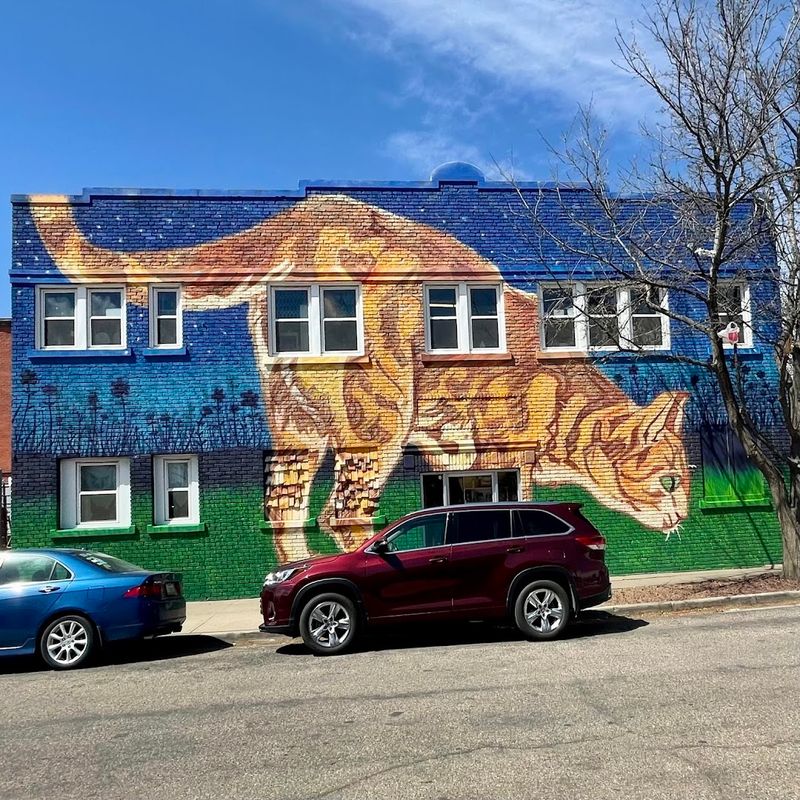
Way up in the Panhandle, Amarillo gets written off as just another flat, windy place to stop for gas on the way to somewhere else. That’s exactly why you should go now, before people realize this city offers genuine Western character and affordability that’s vanished from trendier Texas destinations.
Palo Duro Canyon, the second-largest canyon system in America, sits just twenty-five miles southeast of downtown. The canyon’s layered red rock walls drop 800 feet, creating dramatic landscapes that shock people expecting nothing but flatness. Hiking, camping, and mountain biking trails wind through the canyon floor and up the walls.
The outdoor musical drama “Texas” performs in the canyon amphitheater during summer months, telling the state’s story under the stars.
Route 66 runs right through Amarillo, and the city embraces that heritage without turning it into a tacky tourist trap. The historic district along Sixth Street preserves vintage architecture and hosts locally-owned shops and restaurants. Cadillac Ranch, where ten Cadillacs stand buried nose-down in a field, has become an iconic roadside art installation that visitors cover in spray paint graffiti.
The Big Texan Steak Ranch offers a free 72-ounce steak if you can eat it plus sides in under an hour. Most people fail, but watching the attempts provides entertainment with your reasonably-sized dinner. The restaurant’s over-the-top Western theme commits fully to the bit without winking at the audience.
Amarillo’s small but growing food scene includes excellent barbecue, authentic Mexican food, and farm-to-table restaurants sourcing from Panhandle producers. The craft beer scene has expanded recently, with breweries creating spaces that feel genuinely local rather than following generic trends.
Winter brings cold and wind, no denying that. But spring and fall offer perfect weather for outdoor exploration, and summer heat stays manageable thanks to low humidity.
7. Alpine
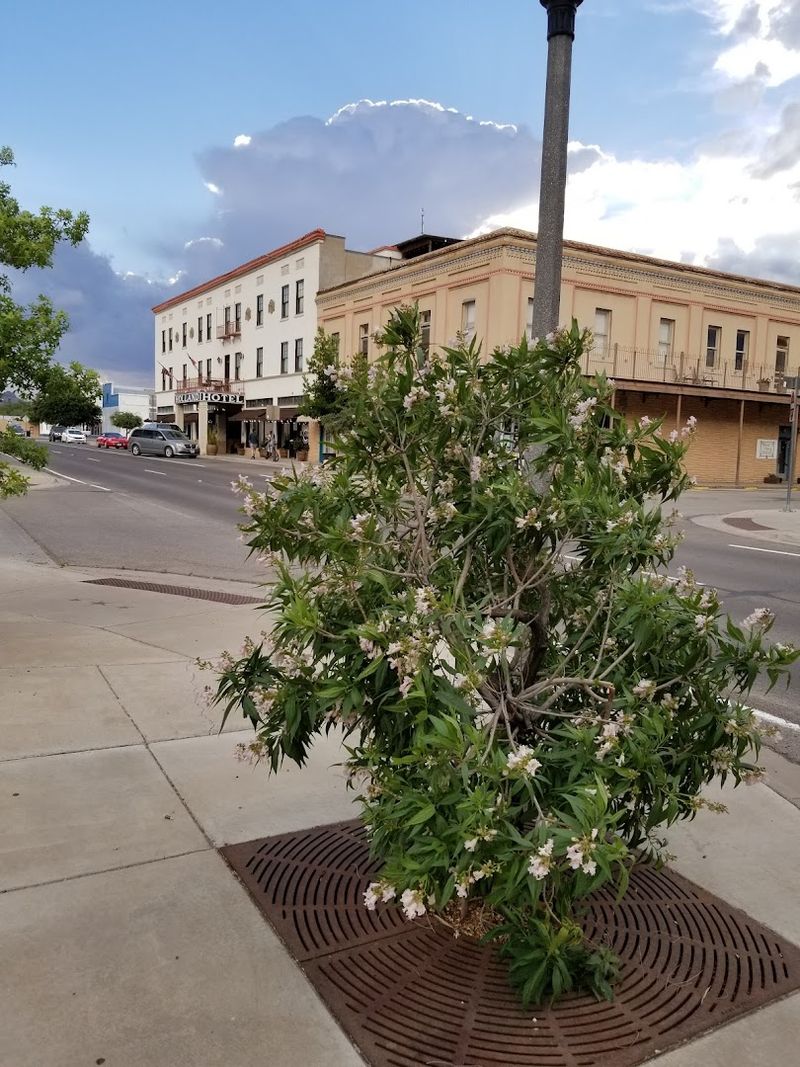
Alpine calls itself the “Gateway to Big Bend,” which undersells what this mountain town offers on its own merits. Sitting at 4,500 feet elevation in the Davis Mountains, Alpine provides cooler temperatures and a college-town atmosphere unusual for Far West Texas. Sul Ross State University brings students, professors, and cultural events that give Alpine energy beyond what you’d expect from a town of 6,000.
The Museum of the Big Bend on the Sul Ross campus houses excellent collections covering regional history, art, and natural history. It’s free and actually interesting, covering everything from ancient peoples to ranching culture to contemporary border issues. The quality rivals museums in much larger cities.
Downtown Alpine has been experiencing a quiet renaissance, with galleries, breweries, and restaurants opening in historic buildings. The Kiowa Gallery showcases work by local and regional artists, much of it inspired by the dramatic landscapes surrounding the town. Breweries like Railroad Blues craft beers suited to the high desert climate, best enjoyed on patios during pleasant evenings.
The night sky here rivals anywhere in Texas for stargazing, with minimal light pollution and high elevation creating crystal-clear views. The McDonald Observatory sits about an hour northwest, offering public programs where astronomers guide you through the cosmos using powerful telescopes. Even without the observatory, just stepping outside Alpine after dark reveals more stars than most people have ever seen.
Alpine serves as an excellent base for exploring the Big Bend region without camping. You get real beds, hot showers, and restaurant meals while still accessing the parks and wilderness areas within an hour or two drive. The town’s elevation means summer temperatures stay more comfortable than down in the desert, though you’ll still want to start hikes early.
Visit Alpine for the combination of outdoor access, cultural amenities, and genuine West Texas character.
8. Frisco
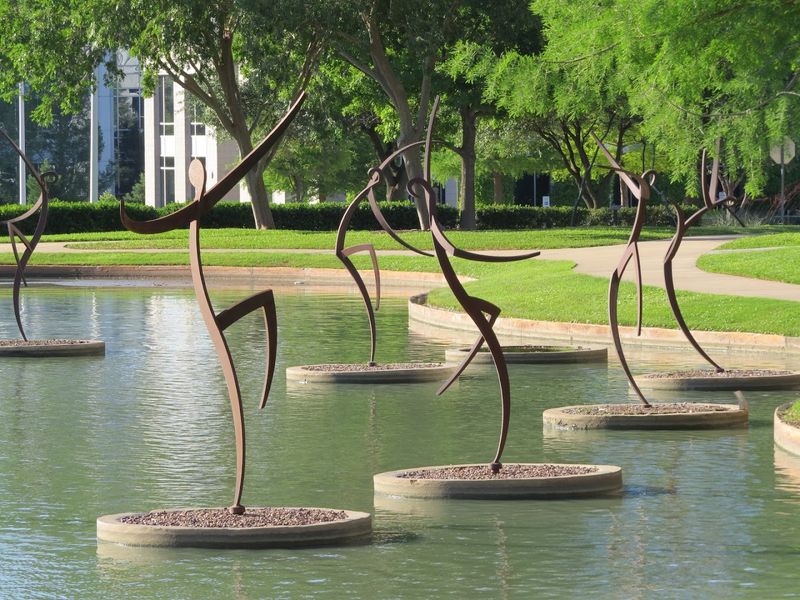
This has been one of the fastest-growing cities in America for the past decade, which might seem to contradict the “before the crowds arrive” premise. But here’s the thing: most people still think of Frisco as just another Dallas suburb, missing the fact that it’s becoming a destination in its own right for sports, entertainment, and family activities.
Sports fans know Frisco as home to multiple professional teams and facilities. The Dallas Cowboys practice facility, FC Dallas soccer stadium, Texas Legends basketball team, and numerous other sports properties have made Frisco a hub for athletic events. The National Soccer Hall of Fame opened here recently, drawing visitors interested in the sport’s history and culture.
The Star in Frisco, the Cowboys’ headquarters and practice facility, includes restaurants, shops, and entertainment venues open to the public. You can watch the team practice during season, grab food at upscale restaurants, or just soak in the football atmosphere. It’s part theme park, part shopping center, part sports complex, executed with the resources only an NFL franchise can muster.
Beyond sports, Frisco has invested heavily in parks, trails, and public spaces that make it genuinely pleasant to explore. The city’s planning has been more thoughtful than typical suburban sprawl, creating walkable districts connected by paths and green spaces. Museums, theaters, and cultural venues provide options beyond shopping and eating.
The dining scene has matured rapidly, with local chefs opening restaurants that serve more than chain food. Breweries and distilleries add to the options for adults looking for evening entertainment. The city attracts young families and professionals who want suburban amenities without sacrificing too much excitement.
Yes, Frisco is growing fast and traffic can be frustrating. But right now it sits in that sweet spot where there’s plenty to do without the congestion and prices of established destinations. Visit before it crosses that line.
9. Nacogdoches
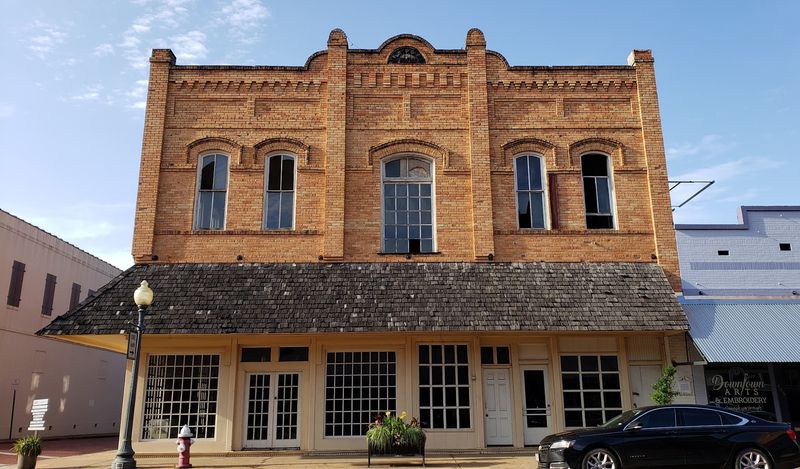
Texas’s oldest town doesn’t shout about its history, which makes Nacogdoches more interesting than places that turn heritage into a marketing gimmick. Founded in 1779, this East Texas town has witnessed Spanish rule, Mexican independence, the Texas Revolution, and everything since, leaving layers of history visible in architecture and culture.
Stephen F. Austin State University gives Nacogdoches a college-town vibe that keeps things lively. The Piney Woods surrounding the city create a landscape that surprises people expecting desert and prairie.
Tall pines, hardwood forests, and genuine green create scenery more like Arkansas or Louisiana than stereotypical Texas.
Downtown Nacogdoches preserves its historic character without feeling like a museum. The Old North Church, built in 1852, still holds services. The Sterne-Hoya House Museum tells the story of one of Texas’s founding families through their preserved home.
Multiple buildings downtown date to the 1800s, housing modern businesses while maintaining period architecture.
Caddo Mounds State Historic Site, just west of town, preserves ceremonial mounds built by Caddo people over 1,000 years ago. The site offers insight into sophisticated Native American cultures that thrived here long before European contact. The visitor center presents this history respectfully and comprehensively.
The Texas Blueberry Festival every June celebrates the region’s crop with food, music, and activities. East Texas cuisine shows up in restaurants serving Southern comfort food with subtle regional variations. Barbecue here leans toward East Texas style, with different woods and techniques than Central Texas methods.
Nacogdoches offers an affordable home base for exploring East Texas’s forests, lakes, and small towns. The pace stays relaxed, the people friendly, and the atmosphere genuine. You won’t find influencers posing for photos, just folks living their lives in Texas’s oldest community.
10. Port Arthur
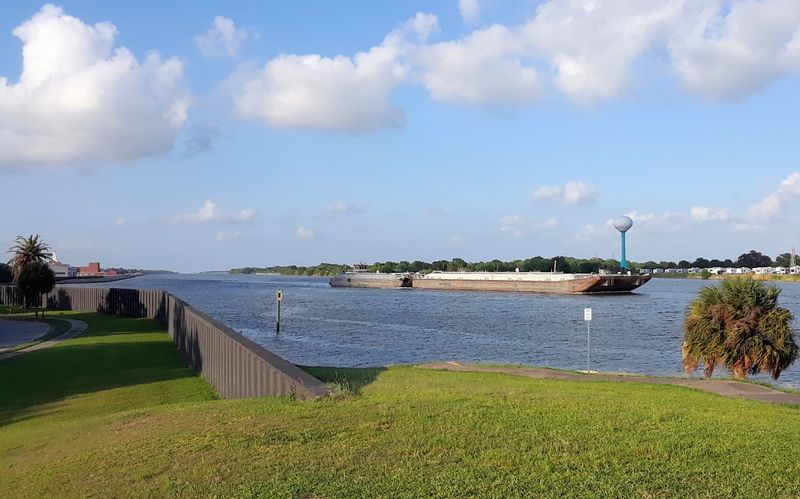
Sitting on the Texas Gulf Coast near the Louisiana border, this working-class city of 55,000 has been written off as just refineries and industrial facilities. That oversimplification ignores the rich cultural heritage, excellent seafood, and authentic character that make Port Arthur worth exploring before gentrification discovers it.
The city’s Cajun and Creole influences show up everywhere, from the food to the music to the way people talk. Restaurants serve gumbo, boudin, and crawfish prepared by people whose grandparents brought these recipes from Louisiana. The seafood comes fresh from local waters, not frozen and shipped from who knows where.
Places like Larry’s French Market and Sartin’s Seafood have been serving the community for decades, earning loyalty through consistent quality rather than trendy marketing.
Janis Joplin grew up in Port Arthur, and the Museum of the Gulf Coast includes extensive exhibits about her life and career. The museum also covers other local musicians, athletes, and historical figures, presenting Port Arthur’s contributions to American culture. It’s more interesting than it sounds, especially if you appreciate 1960s rock and roll.
Sabine Pass Battleground State Historic Site commemorates a small but significant Civil War battle where Confederate forces repelled a Union invasion. The site sits on a peninsula between Sabine Lake and the Gulf, offering views across the water and interpretive displays about the battle and its importance.
Sea Rim State Park, just south of Port Arthur, provides beach access and coastal marshes teeming with birds and wildlife. The beach stays relatively empty compared to more popular Gulf Coast destinations, giving you room to spread out. The marshes offer kayaking and wildlife observation opportunities for people willing to venture off the sand.
Port Arthur’s authenticity and affordability make it appealing for travelers tired of polished tourist experiences.
11. Marathon

Marathon makes Terlingua look like a metropolis. This tiny town of about 400 souls sits in the high desert between Alpine and Big Bend National Park, serving as an outpost of civilization in one of Texas’s most remote regions. The Gage Hotel anchors the town, a beautifully restored 1927 structure that provides luxury accommodations in an unlikely location.
The hotel was built to house cattlemen and travelers when Marathon served as a shipping point for regional ranches. After decades of decline, new owners restored it to glory in the 1980s, adding casitas, a restaurant, and amenities that attract visitors seeking authentic West Texas experiences with comfort. The restaurant serves upscale Southwestern cuisine using local ingredients when possible, creating dishes that honor regional traditions while meeting modern expectations.
Marathon’s artistic community has grown slowly over the years, with galleries and studios occupying old buildings around town. The Front Street Books collective includes a bookstore, gallery, and gathering space that serves as the town’s cultural center. Local artists draw inspiration from the dramatic landscapes surrounding Marathon, creating work that captures the desert’s colors, light, and vast spaces.
The Post Park Historic District preserves buildings from Marathon’s railroad days, including the old train depot and other structures that tell the town’s story. It’s not a formal museum with guided tours, just authentic buildings that have survived because people cared enough to maintain them. Walking around Marathon takes about fifteen minutes, but you’ll want to linger and absorb the atmosphere.
Marathon’s location makes it an excellent base for exploring Big Bend National Park, about forty miles south. You get real beds and good food while accessing the park’s northern trails and attractions. The town’s elevation keeps temperatures slightly cooler than down in the desert, though summer still gets hot.
Visit Marathon for the combination of comfort, culture, and access to some of Texas’s wildest landscapes.
Share this story