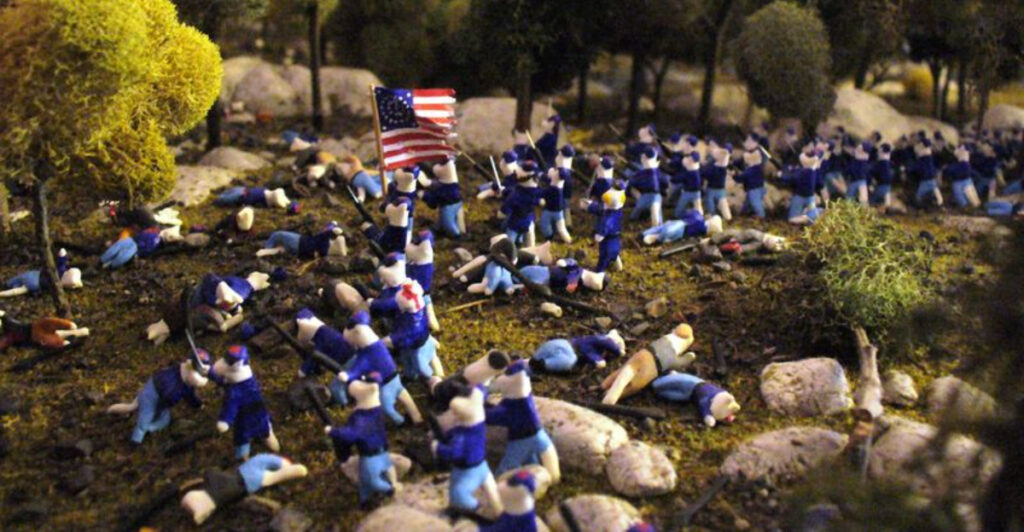
Gettysburg has no shortage of places that take history seriously, but this museum does something unforgettable with that reverence. At Civil War Tails at the Homestead Diorama Museum, handmade cat soldiers stand in for human troops, turning enormous Civil War scenes into something surprisingly moving, approachable, and memorable.
What sounds quirky at first quickly reveals years of research, craftsmanship, and storytelling packed into detailed miniature battlefields inside a historic former orphanage. If you want a Gettysburg stop that feels personal, creative, and genuinely educational, this is the kind of place you will talk about long after the trip ends.
1. A museum concept you will never forget
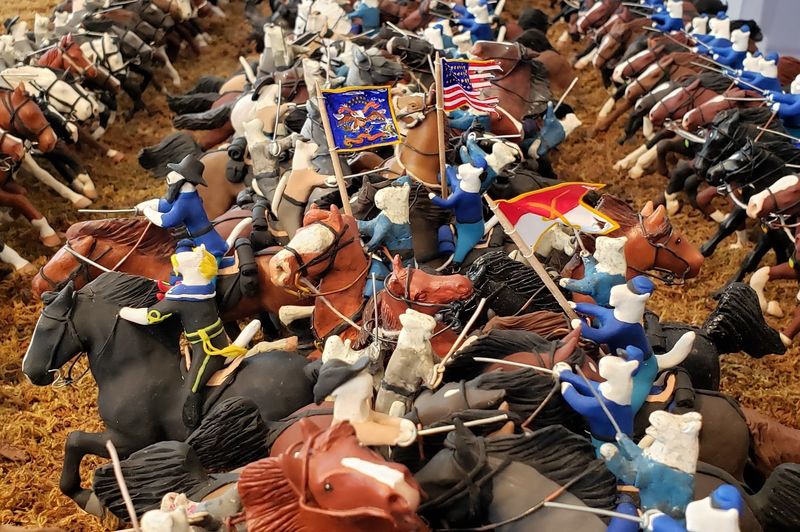
The first thing that grabs you here is the sheer originality of the idea.
Civil War battles are recreated with tiny cat soldiers, but the concept never feels gimmicky once you start looking closely.
Instead, you notice how the playful presentation makes the scale of Gettysburg easier to understand without stripping away the seriousness of the history.
That balance is what makes this museum stand out so strongly in a town filled with major landmarks.
You get something whimsical, yet the exhibits are rooted in careful research, accurate troop placements, and a genuine respect for the people behind the events.
I would call it one of those rare attractions that can charm you instantly, then keep earning your attention the longer you stay.
For anyone worried that cats might make the subject feel silly, the opposite happens.
The unusual lens opens the door, then the storytelling and detail keep you fully invested.
2. The handmade cat soldiers are the real stars
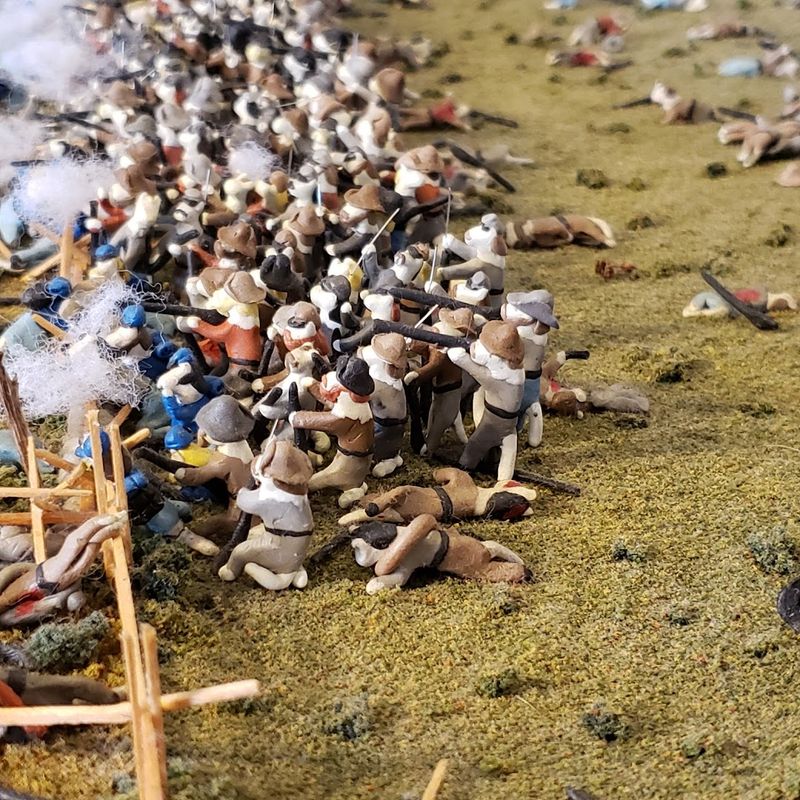
Everywhere you look, the tiny cat figures pull you in with personality and craftsmanship.
These are not mass-produced miniatures tossed into a display case, but hand-sculpted figures that show astonishing variety in posture, uniforms, expressions, flags, and battlefield roles.
Reviews repeatedly mention the care put into each one, and that praise makes perfect sense once you see them up close.
What impressed me most is that the cats are not just cute placeholders.
They represent real regiments, known positions, and specific moments, so the artistry works together with the interpretation rather than distracting from it.
Even the smallest details, from facial hair to battle damage, are designed to echo historical realities in miniature form.
That level of effort gives the museum its emotional center.
You come for the novelty of cat troops, but you stay because each little figure feels like part of a much bigger labor of love.
3. The battle scenes are deeply researched and surprisingly clear
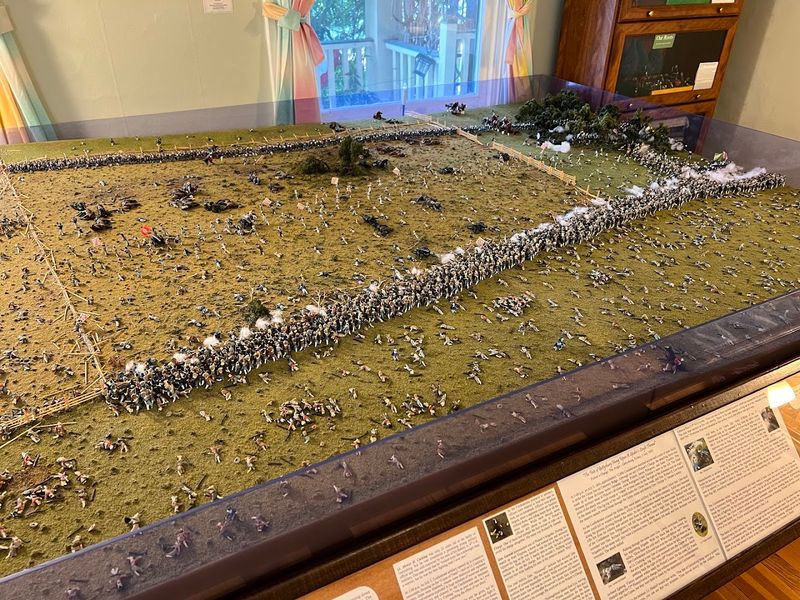
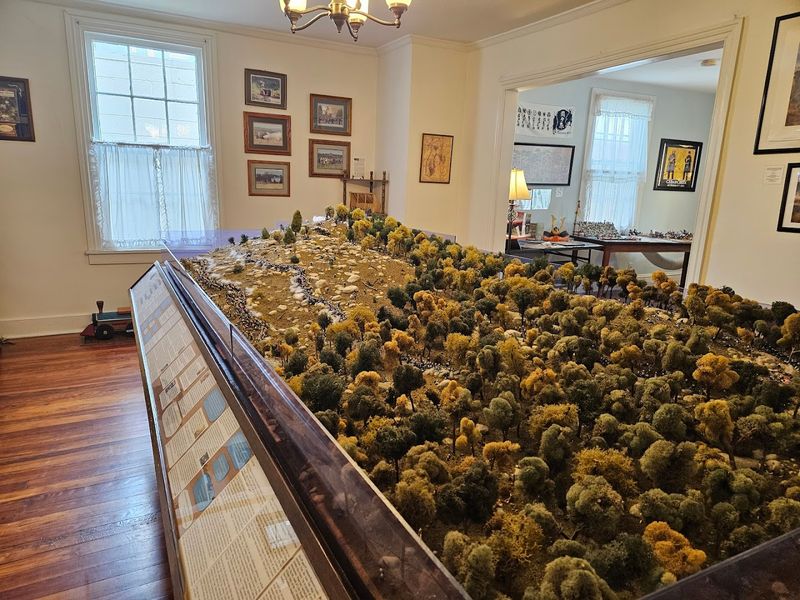
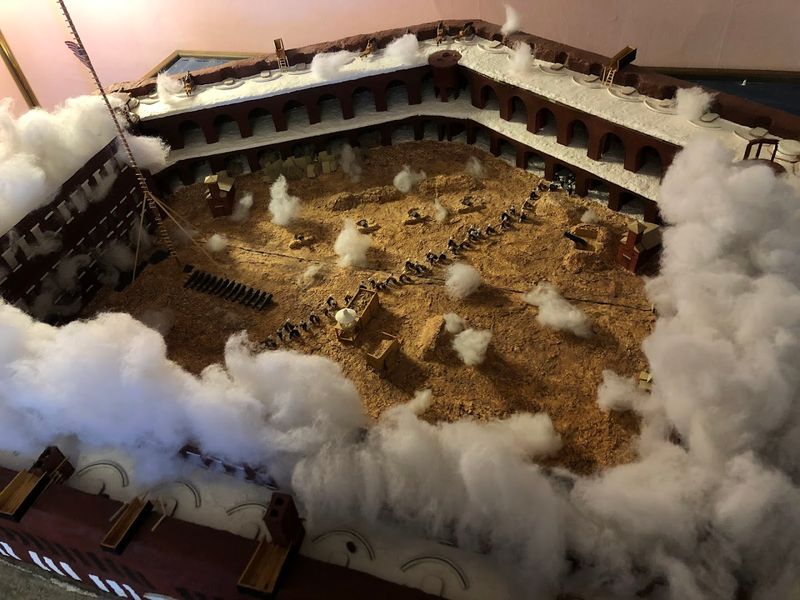
One of the museum’s biggest strengths is how clearly it lays out major Civil War action in miniature form.
Large battle scenes give you a bird’s-eye understanding that can be hard to grasp on a battlefield tour, especially if troop movements and terrain usually blur together for you.
Here, formations, elevations, and turning points suddenly become much easier to follow.
Visitors often mention depictions like Pickett’s Charge and Little Round Top, and those scenes seem to leave a lasting impression.
Because the displays are packed with labeled detail and arranged with precision, you can trace what happened while still appreciating the artistry of the terrain, structures, and troop placement.
It is educational in a way that feels immediate rather than textbook heavy.
I love that the museum does not ask you to choose between accuracy and accessibility.
It manages to be highly detailed while still welcoming visitors who may know little about Gettysburg when they walk in.
4. Its historic home adds another layer of meaning
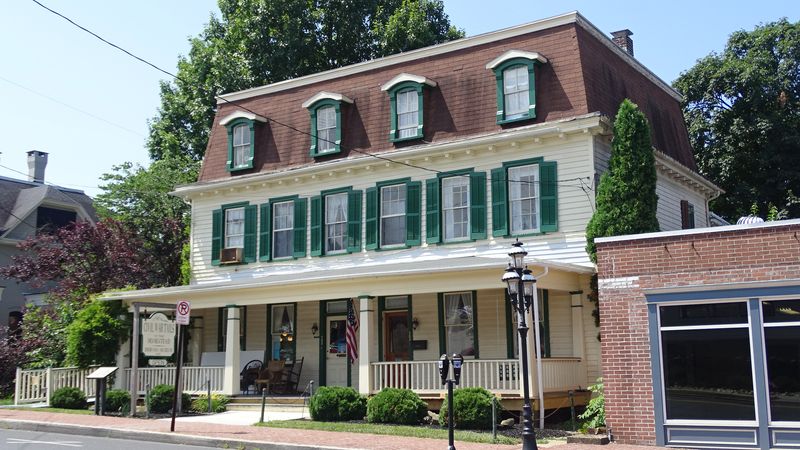
The setting matters here as much as the exhibits themselves.
Civil War Tails is housed in a historic former orphanage on Baltimore Street, which gives the museum a sense of place that feels especially fitting in Gettysburg.
You are not entering a generic attraction space, but a building that already carries its own connection to the town’s layered past.
That atmosphere changes the experience in subtle ways.
The rooms feel intimate rather than overwhelming, which helps you slow down and actually study the scenes in front of you.
Reviews often note how beautiful the building is, and I can see why people remember it as part of the visit instead of just a container for the displays.
In a destination known for sweeping battlefields and grand memorials, this house offers something smaller and more personal.
It makes the museum feel discovered rather than merely visited, like stepping into a carefully kept local treasure with stories in every room.
5. The guided storytelling is a huge part of the charm
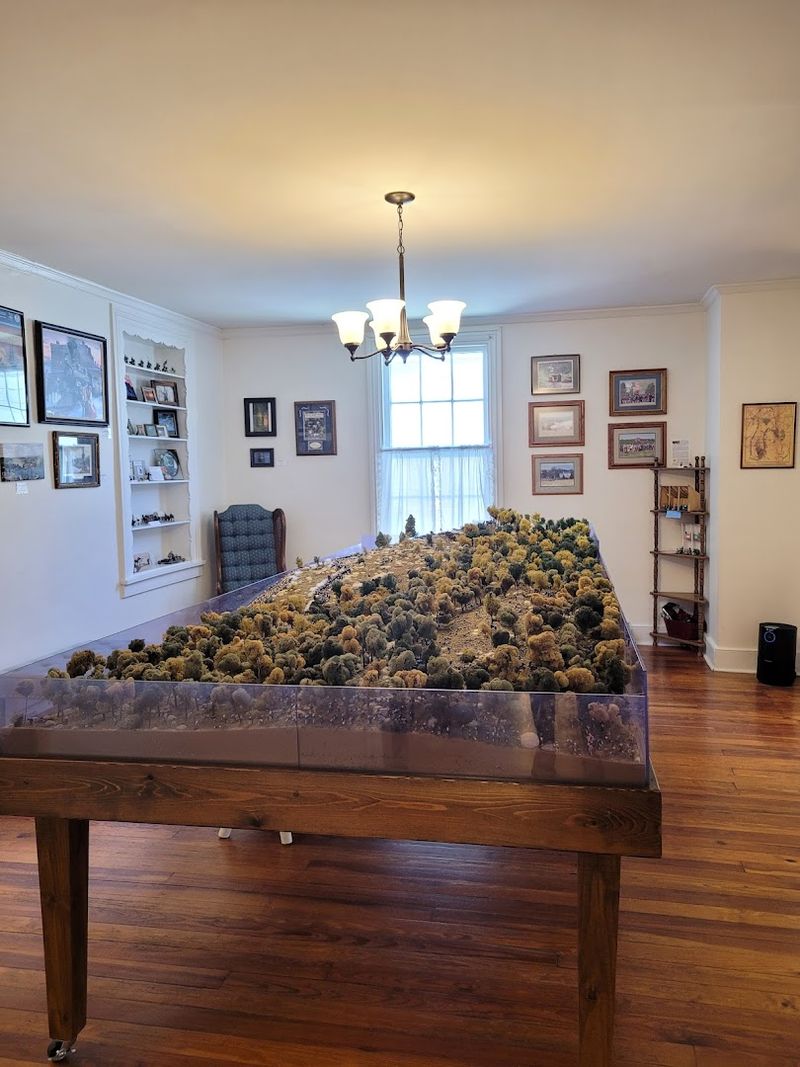
A lot of museums rely on signage alone, but this one seems to shine brightest when the creators or staff are part of your experience.
Review after review mentions being guided through the displays by one of the sisters behind the museum, with stories, context, and little details that make the dioramas come alive.
That personal interaction appears to turn a fun visit into a memorable one.
You are not just staring at models and guessing what matters.
Instead, you can ask questions, hear about specific regiments, learn how scenes were built, and get insights that most self-guided stops never provide.
People consistently describe the staff as kind, knowledgeable, generous with their time, and genuinely excited to share what they have created.
That kind of welcome is hard to fake and impossible to mass produce.
It gives the museum heart, and it helps explain why so many visitors leave feeling like they found one of Gettysburg’s most meaningful experiences.
6. It works for history buffs, cat lovers, and kids alike
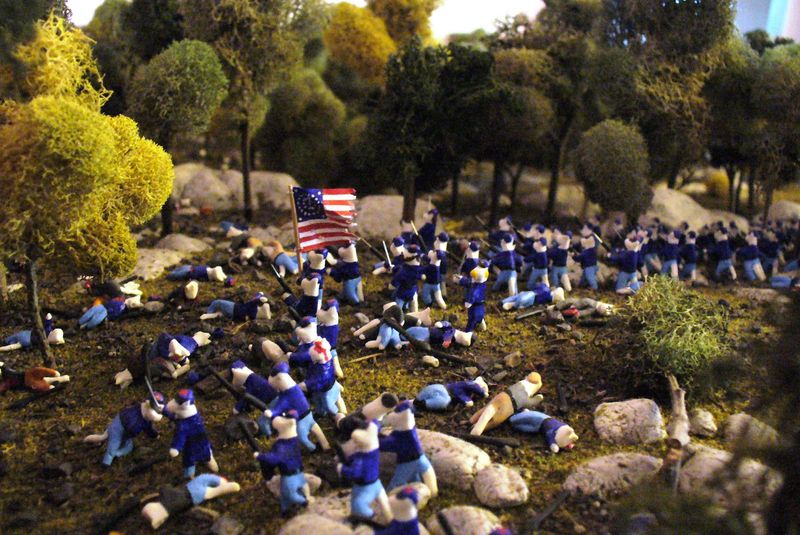
What makes this museum especially appealing is how many different travelers seem to connect with it.
Serious history fans appreciate the research and battlefield precision, cat lovers obviously adore the feline twist, and families mention that kids stay engaged because the displays are visual, playful, and easy to approach.
That is a rare combination in a town where some attractions can feel aimed at only one type of visitor.
The museum’s small scale helps too.
It is manageable for shorter attention spans, yet packed enough with detail that adults can linger and study individual scenes for far longer.
Reviews from parents are particularly telling, because several mention children wanting to come back or being treated with real kindness by the staff.
If you are trying to find one Gettysburg stop that pleases a mixed group, this is a very strong candidate.
It is educational without feeling stiff and charming without sacrificing substance.
7. There is more here than Gettysburg alone
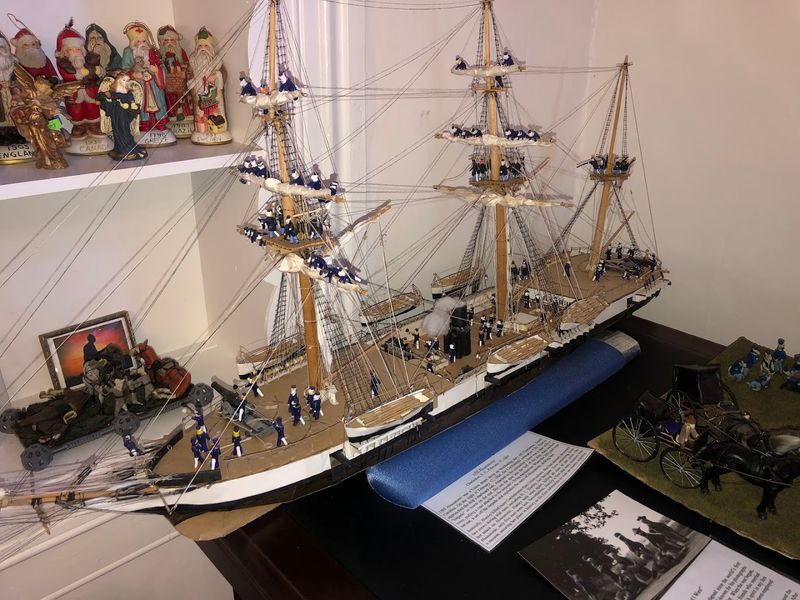
Although Gettysburg is the obvious centerpiece, the museum offers more than one historical surprise.
Visitors mention samurai cats depicting the Battle of Sekigahara, a nod to Gettysburg’s sister city connection that expands the experience beyond the American Civil War.
That addition says a lot about the museum’s personality because it is both unexpected and thoughtfully connected to the place.
I like that this broader scope does not dilute the main focus.
Instead, it shows how the creators use the same handmade, research-driven approach to explore another pivotal conflict through miniature storytelling.
For repeat visitors, details like this probably make each return feel rewarding, especially since reviews also suggest the museum continues to grow over time.
That sense of an ever-evolving project gives the whole place extra energy.
You are not visiting something frozen and finished, but a living work shaped by decades of curiosity, craft, and enthusiasm for sharing history in distinctive ways.
8. Practical details make it an easy Gettysburg stop
From a practical standpoint, this museum is refreshingly easy to fit into a Gettysburg itinerary.
It sits at 785 Baltimore Street, close to other well-known sites, and reviewers mention convenient street parking or nearby options across the street.
Because it is compact, you can enjoy it as a focused stop without needing to dedicate an entire day.
The current listed hours are Monday, Tuesday, Thursday, and Friday from 11 AM to 8 PM, Saturday from 10 AM to 8 PM, and closed Wednesday and Sunday.
That schedule makes it smart to plan ahead, especially if you are visiting on a shorter trip and do not want to arrive on a closed day.
With a 4.9-star rating from nearly two hundred reviews, it is clearly worth building into your route intentionally.
If you like your travel days to have one memorable wildcard, this is exactly the kind of stop that adds personality to Gettysburg.
9. The gift shop and overall value leave visitors delighted
Plenty of visitors leave talking not only about the dioramas, but also about the gift shop and the value of the experience overall.
Reviews praise the admission price as reasonable and often mention taking home books, postcards, cat figures, plush items, or other souvenirs without spending much.
That matters because it makes the museum feel generous rather than overly commercial.
The merchandise also seems to extend the personality of the place instead of feeling tacked on.
After spending time with the exhibits, it makes sense that people would want a small reminder of the museum’s handmade charm and unusual perspective on Gettysburg history.
When those souvenirs are paired with friendly conversation from the creators, the visit becomes even more personal.
In the end, this is why so many people describe Civil War Tails as a must-see.
It is distinctive, warmly run, reasonably priced, and unlike anything else you are likely to find in Gettysburg.
Share this story