One Texas town was named after a German writer, and its Main Street still carries the name Hauptstrasse. Another celebrates its heritage with 10 days of sausage, music, and lively festivities. There’s even a town founded by a German prince back in 1845.
These places reveal a side of Texas that feels worlds away from cowboy boots and cattle ranches.
German immigrants began settling across Texas in the 1800s, bringing their traditions, craftsmanship, and architecture with them. They built limestone storefronts, half-timbered homes, churches, and gathering places that helped shape entire communities. Many of those historic buildings remain standing today.
What makes these towns special is how their German heritage continues to shape everyday life. From traditional bakeries and old-world architecture to lively festivals and historic downtown streets, there’s plenty to experience without leaving the Lone Star State.
I’ve rounded up nine Texas towns where those German roots are especially noticeable. Each offers a different glimpse into the past, and some might make you forget you’re in Texas altogether.
Fredericksburg
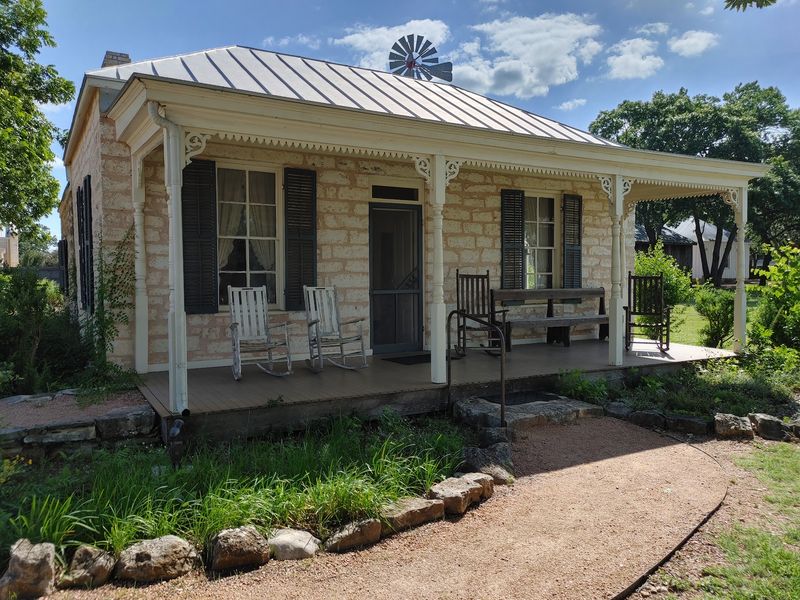
Half-timbered walls and a tidy old church make this Hill Country town look like it borrowed a page from a Bavarian storybook. German immigrants founded it in 1846, and they clearly planned to stay.
The settlers arrived through the Adelsverein, a group formed to help Germans move to Texas. Its full name was the Society for the Protection of German Immigrants, which is quite a mouthful for a welcome committee.
Today, Fredericksburg serves as the seat of Gillespie County. Around 11,000 people live here, so it still feels like a small town rather than a busy city.
Main Street is the star of the show. The historic commercial district was built for walking, so you can stroll from shop to shop without hopping back into the car.
Keep your eyes on the buildings as you go. German half-timbered architecture shows up around town, with wooden frames set into the walls in that classic Old World style.
Don’t skip the Vereins Kirche, one of the most famous landmarks here. The name means something like society church, and it stands as a symbol of the town’s German roots.
Timing your trip can make a big difference. Fredericksburg hosts an annual Oktoberfest, filling the town with German music, food, and plenty of festive energy.
Want a calmer visit? Pick a weekday outside festival season, when Main Street is easier to explore at your own pace.
Wear comfortable shoes, because walking really is the best way to soak this place in. You’ll notice small details on storefronts and old homes that are easy to miss from a car window.
For first-timers wondering where German Texas begins, this is a smart starting point. It’s famous across the state for good reason, and it sets the bar for the rest of this list.
Address: Fredericksburg, TX 78624
New Braunfels
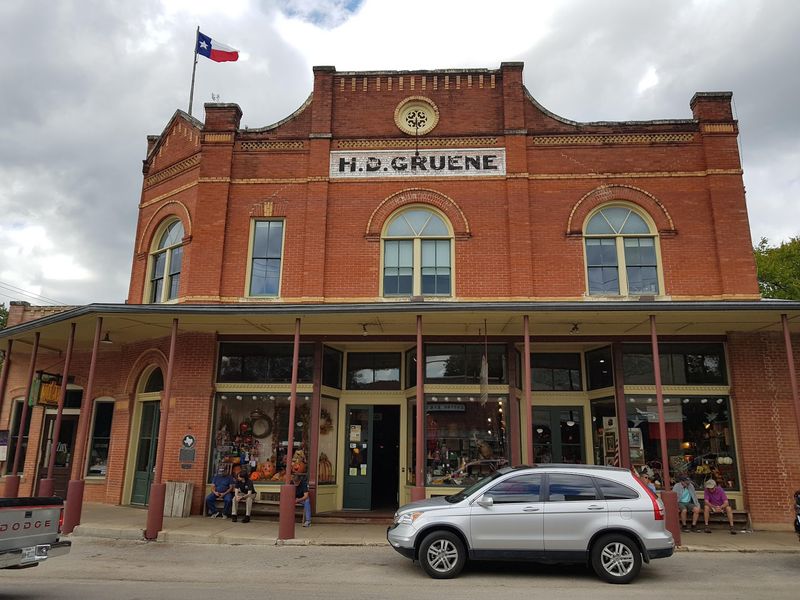
A real prince founded this town, and no, that’s not the start of a fairy tale. Prince Carl of Solms-Braunfels established it in 1845 and named it after Braunfels, Germany.
That royal start still shapes the town today. New Braunfels centers on a traditional German-style plaza, which gives downtown a neat, old-fashioned layout.
Sausage fans, this one’s for you. Every year, the town hosts Wurstfest, a 10-day salute to German sausage, polka music, and culture.
Ten days of sausage might sound like a lot. Then again, the polka music helps you work off a few bites, so it all balances out.
Bakeries are another big part of the local story. New Braunfels is known for Bavarian-style bakeries that have been around for about a century, so pastries here come with serious history.
Got a sweet tooth? Make room in your schedule for a bakery stop, because skipping one here feels like visiting the beach without touching the water.
History buffs should also head to Gruene, a historic district within New Braunfels. It adds a different flavor to the trip, with old buildings and a slower pace.
Splitting your day between the main plaza and Gruene is a smart plan. You’ll get a fuller picture of how the town grew from its German beginnings.
Planning a Wurstfest visit takes a little thought. Book your stay early, since a festival that big tends to draw crowds from across Texas.
Prefer something quieter? Come outside the festival dates, and enjoy the plaza and bakeries with a little more elbow room.
New Braunfels proves German heritage doesn’t have to feel stiff or formal. Here, it tastes like fresh pastry and sounds like an accordion.
Address: New Braunfels, TX
Boerne
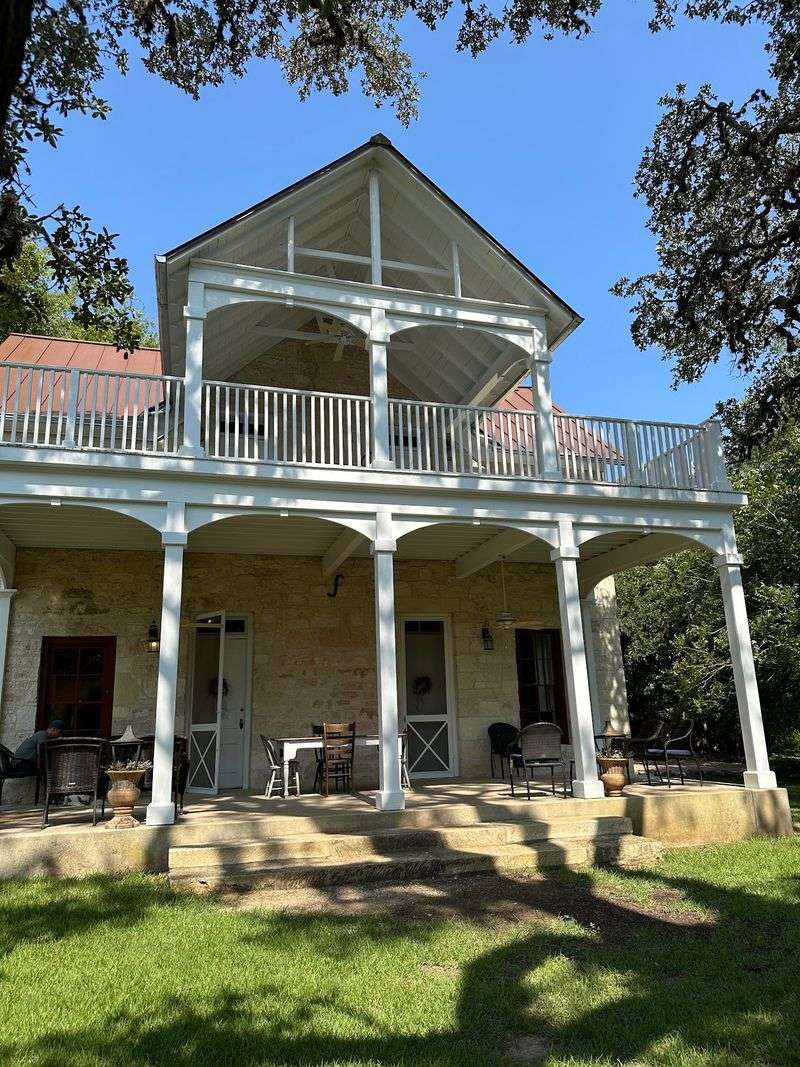
Not many towns can say they were named after a writer, but Boerne pulls it off with style. German settlers arrived in the area in 1849, but the town was officially laid out and named after German writer Ludwig Börne in 1852.
Freethinkers, or Freidenker, valued open ideas and education. It’s a fun bit of history to keep in mind as you explore the town they helped shape.
Main Street goes by a second name here. Locals call it the Hill Country Mile, and the German word Hauptstrasse also ties it back to its roots.
That stretch is where you’ll want to spend most of your time. It’s lined with preserved German limestone storefronts that give the street a sturdy, timeless look.
Limestone buildings like these were built to last, and they clearly did. Running your hand along those old walls feels a bit like shaking hands with the past.
Hungry for something sweet? Boerne has traditional German bakeries, which makes a mid-stroll snack break an easy decision.
Heritage societies also play a role in keeping the town’s story alive. They help protect the history that makes Boerne feel so different from a typical suburb.
Speaking of suburbs, Boerne sits close enough to San Antonio for an easy day trip. Still, the Main Street mood feels far removed from big-city traffic.
Try pairing your walk with a bakery stop at the start and another near the end. Nobody said you can only have one pastry on vacation.
Take your time reading the old storefronts too. The architecture tells you a lot about the German settlers who chose this patch of Texas.
Boerne works well for travelers who like history served with a side of charm. It’s relaxed, easy to walk, and packed with character for its size.
Address: Boerne, TX
Muenster
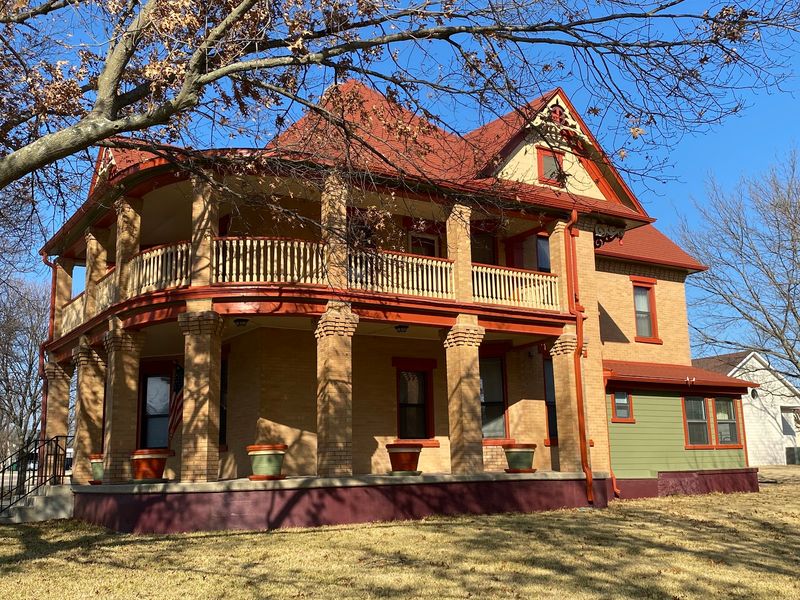
With only about 1,500 residents, Muenster packs more German flavor per person than most towns twice its size. German Catholic pioneers founded it in 1889, far up in North Texas.
That location surprises plenty of travelers. Most people think of the Hill Country for German towns, but Muenster sits in Cooke County, near the Oklahoma border.
Driving in, you’ll find a classic country main street. It’s simple and small, which makes the German touches stand out even more.
Bavarian-style architecture helps set the mood. Spotting those details around town feels like a little treasure hunt in the middle of farm country.
Sausage lovers, pay attention. Muenster has German specialty sausage shops, so bringing a cooler for the ride home might be a very good idea.
Picking up sausage to take back is a fun way to extend the trip. Your next backyard cookout will taste a whole lot more German.
The biggest party of the year is Muenster Germanfest. The annual event celebrates the town’s heritage, giving visitors a festive reason to plan ahead.
Festival weekends bring a lot more energy to this quiet town. Check the dates before you go, since lodging nearby can be limited.
On a normal day, Muenster moves at a gentle rural pace. That makes it a nice choice if you want German heritage without big tourist crowds.
Families from the Dallas-Fort Worth area can reach it as a road trip. It’s a fun way to show kids that Texas history has more chapters than cowboys and cattle drives.
Muenster is proof that small towns can carry big traditions. It’s humble, friendly, and proudly German down to the sausage.
Address: Muenster, TX 76252
Schulenburg
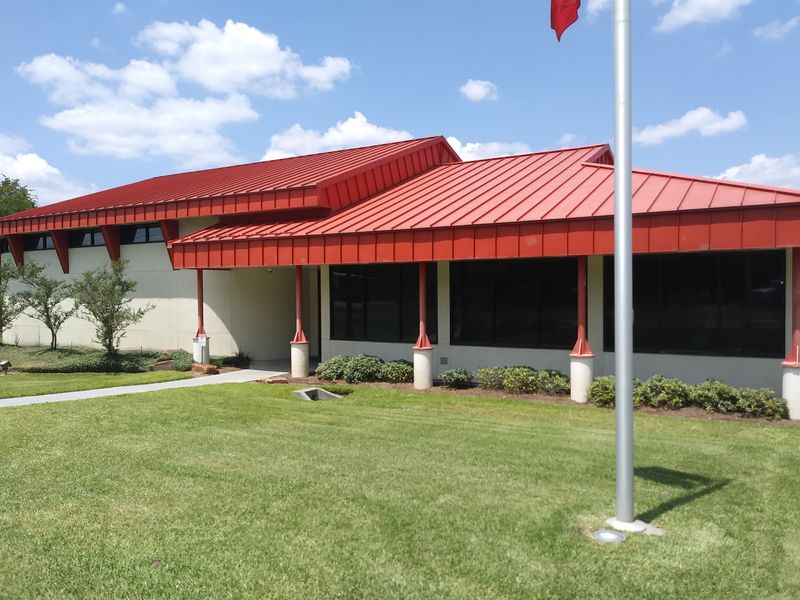
Plain on the outside and dazzling on the inside, the famous painted churches near this town are worth the detour alone. Schulenburg is widely known as the gateway to the Painted Churches of Texas.
Those churches have strong German influence. Settlers brought their faith and artistic traditions with them, and the results still amaze visitors today.
The town itself takes its name from Louis Schulenburg, a German landowner. German and Austrian immigrants settled the area heavily, shaping its culture for generations.
Downtown, you’ll see the historic rail corridor that helped the town grow. Railroads once made small towns like this important stops, and that history still shows.
Roughly 2,600 people live in Schulenburg, located in Fayette County. That small size keeps the town easy to explore in a few hours.
Here’s a smart plan for your visit. Use Schulenburg as your home base, then drive out to see the painted churches in the surrounding countryside.
Bring a camera, but be respectful once you step inside. These are working churches, so quiet voices and polite behavior go a long way.
Look up when you enter. Ceilings and walls are often where the most impressive painting work appears, and you won’t want to miss it.
Planning helps, since visiting hours at churches can vary. Checking ahead keeps you from arriving at a locked door after a long drive.
Schulenburg also sits along a handy route between Houston and San Antonio. It makes a great stop if you need to break up a long highway trip.
Few places mix small-town calm with jaw-dropping art quite like this. Come for the churches, and stay for a slow stroll downtown.
Address: Schulenburg, TX 78956
Comfort
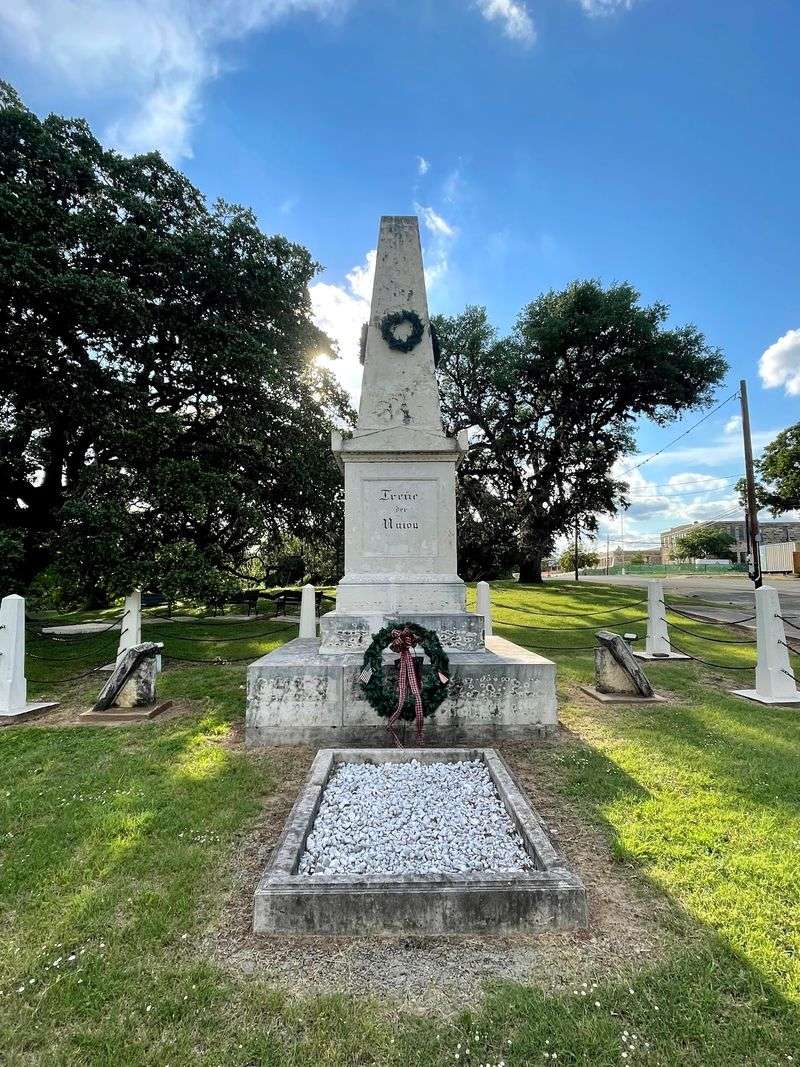
A town named Comfort sounds like a place to kick off your shoes, and honestly, that’s the right idea. German Freethinkers established it in 1854.
What makes Comfort special is how much of its past still stands. It holds one of the most intact 19th-century German business districts in Texas.
Intact is the key word there. Plenty of old towns lost their historic buildings over time, but Comfort kept a remarkable number of them.
Head to High Street to see the heart of it. The compact historic district is small enough to cover on foot without breaking a sweat.
Keep an eye out for fachwerk, the German term for half-timbered construction. Wooden beams frame the walls, creating that classic look you might see in a German village.
Limestone buildings also line the district. Together with the fachwerk, they tell the story of settlers who built with skill and local materials.
Comfort is unincorporated, meaning it doesn’t have its own city government. About 3,000 people live in the area, and it belongs to Kendall County.
That quiet setup suits the town well. You’ll find a slower rhythm here, perfect for travelers who want history without a crowd.
Photographers, take note. Old stone walls and timber frames make for great pictures, especially in the softer light of morning or late afternoon.
Comfort sits close to Boerne and Fredericksburg too. You can easily fit it into a bigger Hill Country loop.
Treat this stop like a living museum without the ropes. Walk slowly, read the buildings, and let the town live up to its name.
Address: Comfort, TX 78013
Walburg
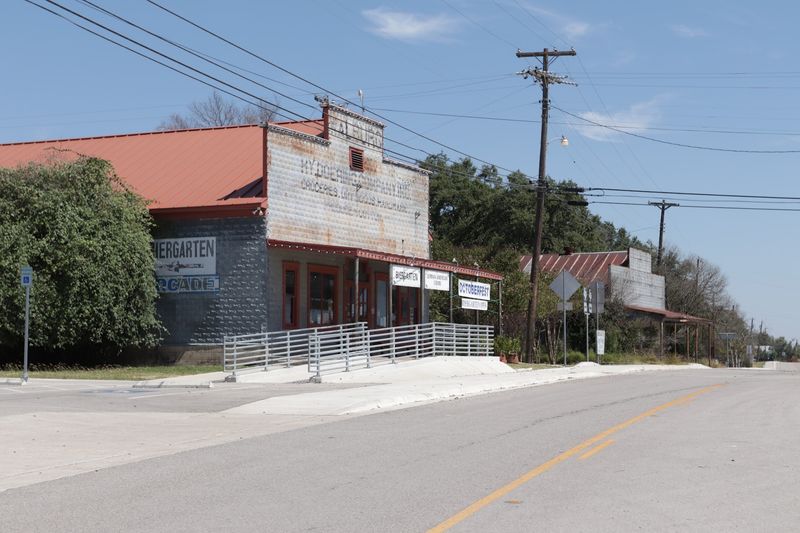
Blink on the drive and you might miss Walburg, yet brass band fans across Central Texas know exactly where it is. This tiny farming community has a big reputation for Bavarian music.
German immigrants established Walburg in the 1800s. Originally called Concordia, the community was renamed Walburg in 1886 by Henry Doering, who named it after his hometown in Germany.
The community sits in Williamson County, north of Austin. It centers on a historic crossroads, which pretty much sums up its size.
So why make the trip? The main draw is the historic Walburg German Restaurant, known for traditional Bavarian food.
A plate of German comfort food in the middle of farm country is a fun surprise. It’s the kind of meal that turns a simple drive into a mini adventure.
Music is the other big reason to come. Walburg is famous as a hub for Bavarian brass music, so the oompah sound is part of the experience.
Love polka? Check the restaurant’s schedule before you go, since live music days can make your visit even more memorable.
Walburg is unincorporated, with no big downtown to explore. Plan on a focused stop rather than a full day of sightseeing.
That makes it a great add-on to a Georgetown or Round Rock outing. You can head out for an early dinner and still get home at a reasonable hour.
The surrounding farmland adds to the charm. Open fields along the way remind you just how rural this corner of Texas still is.
Walburg shows that a place doesn’t need to be large to be loved. Sometimes all it takes is good food, brass music, and a crossroads with history.
Address: Walburg, TX 76530
Weimar
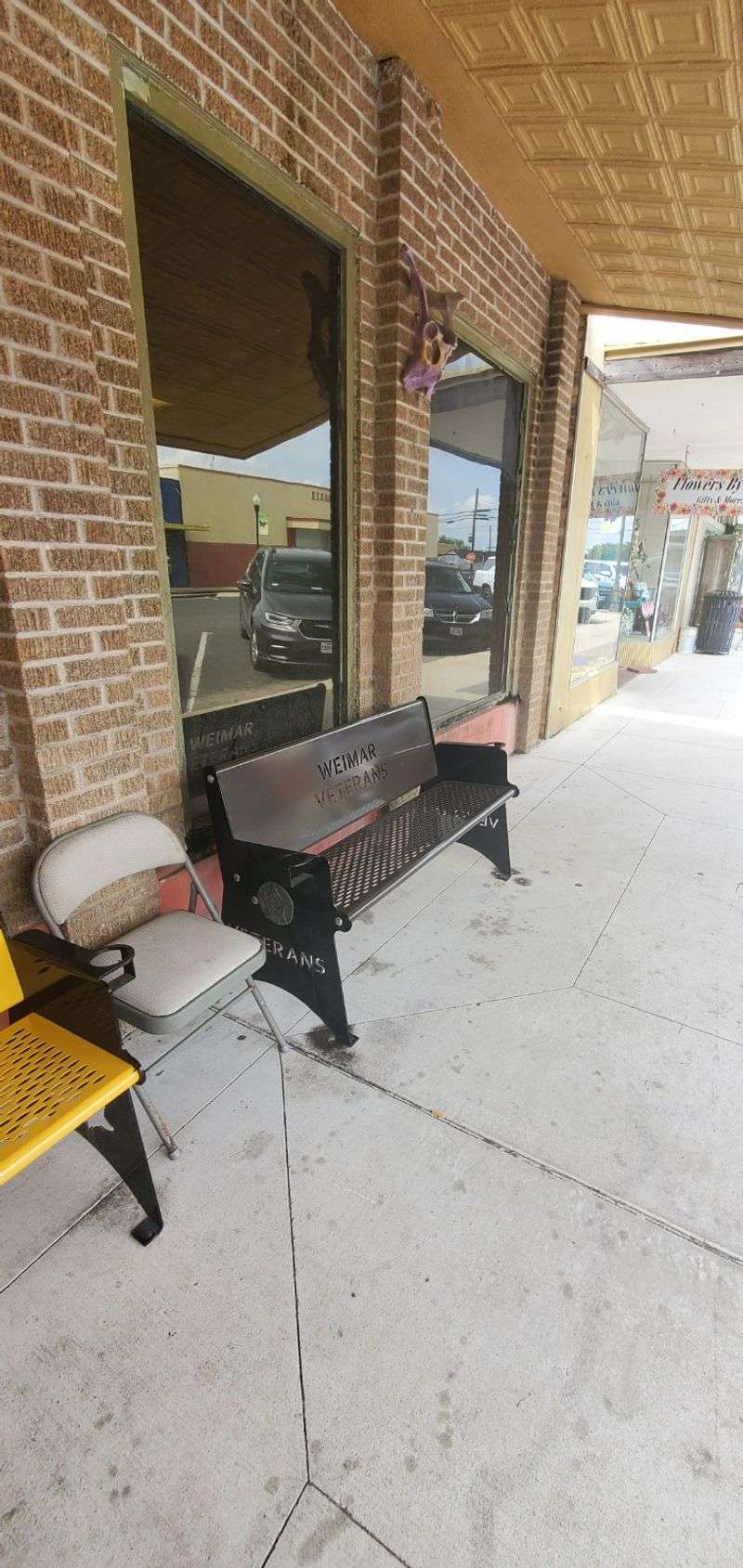
Germany’s Weimar is famous for poets and culture, and its Texas namesake carries the name with small-town pride. The Texas version was founded in 1873.
Settlers chose the name directly from Weimar, Germany. That choice made sense, since German and Czech families settled here in large numbers.
Those families did more than build homes. They established schools, churches, and social clubs that helped hold the community together.
Today, about 2,100 people call Weimar home. The town sits in Colorado County, between Houston and San Antonio.
Downtown Weimar retains its historic small-town character, with buildings and streets reflecting its railroad-era beginnings. It’s the kind of place where an easy stroll is the main activity, and that’s perfectly fine.
The German and Czech mix gives Weimar an interesting twist. You get two Central European heritages blended into one Texas town.
History lovers can spot that legacy in the town’s churches. Places of worship were often among the first things settlers built, showing how central faith was to daily life.
Weimar also pairs nicely with Schulenburg, its neighbor just down the road. Seeing both in one trip gives you a broader look at this heritage region.
Road-trippers on Interstate 10 should keep Weimar in mind. It’s an easy exit for stretching your legs and seeing something more interesting than a gas station.
Go in with a relaxed mindset. Weimar isn’t about big attractions, but about soaking in a quiet town shaped by immigrant roots.
Small towns like this keep Texas history from fading away. Weimar wears its German name proudly, and it’s worth a stop to see why.
Address: Weimar, TX 78962
Bellville
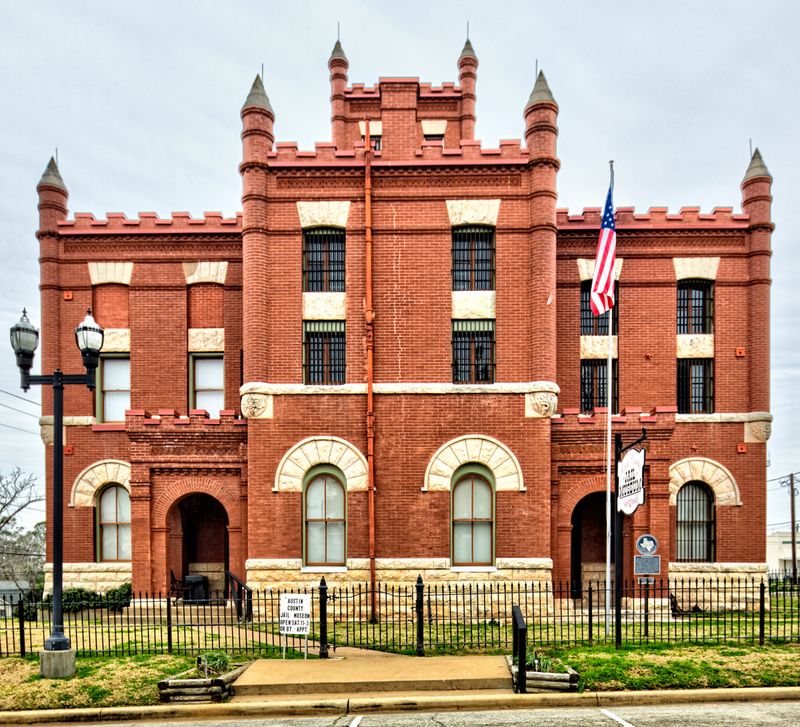
Long before most German towns on this list existed, Austin County was already welcoming German newcomers. Back in the 1830s, it served as the original gateway for German migration to Texas.
Bellville sits right in the middle of that story. It’s the county seat, home to roughly 4,200 people.
A classic town square anchors downtown. Squares like this were the center of small-town life, and Bellville’s still gives the town its shape.
The standout landmark is the historic Bellville Turnverein pavilion, dating to 1897. Turnverein groups were German clubs focused on fitness, community, and social gatherings.
Picture an old gym club mixed with a town hall, and you’re close. These clubs mattered a lot to German settlers who wanted to keep their traditions going.
Bellville also features historic blacksmithing shops. They’re a reminder of the practical skills that kept rural communities running.
Food fans will appreciate the German meat-curing markets. Curing meat is an old-world tradition, and it’s a tasty way to connect with local heritage.
Bringing home smoked or cured goods makes a great souvenir. It beats a fridge magnet, and it disappears much faster.
Bellville sits within easy reach of Houston. That makes it a solid choice for a weekend drive when you want a break from city life.
Spend time on the square first, then branch out to the heritage sites. You’ll leave with a clearer sense of where German Texas really began.
Ending this list here feels fitting. After all, the journey for many German families started right in this corner of Texas.
Address: Bellville, TX 77418
Share this story