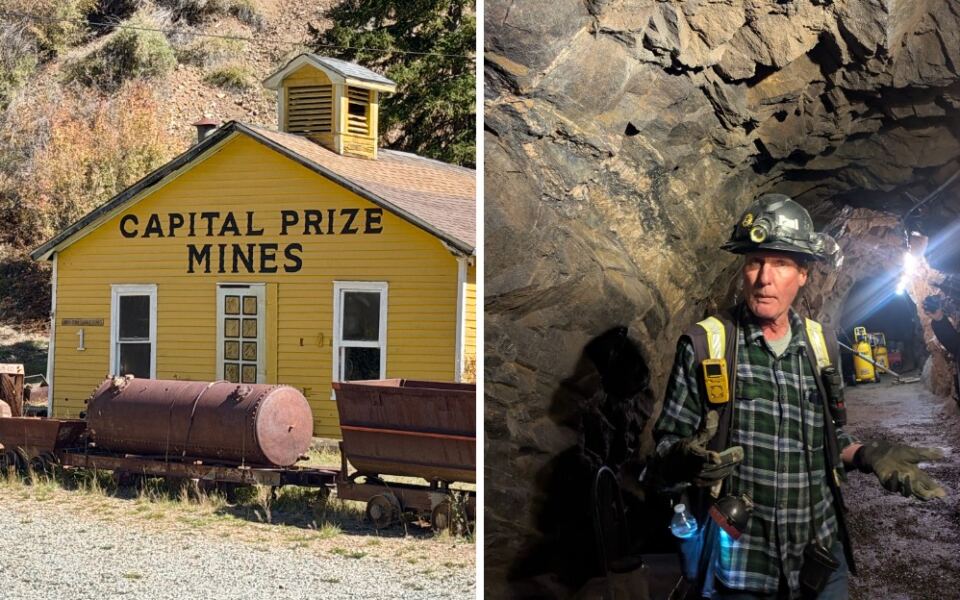
Most rocks in Clear Creek County stay right where they are. A few lucky ones get chipped off a real ore vein, carried out of a mountain tunnel, and set on a kitchen shelf back on the Front Range. That trip from tunnel wall to souvenir can happen in about an hour, and it starts in the old mining town of Georgetown.
The tour behind it is small, flat, family-run, and still tied to an active mine. Groups tend to stay small, the guides know their geology, and the hard hat comes with a pick-axe you actually get to swing. Keep reading for the history, the walk, the moment the lights go out, the rock-smashing finale, and the practical details on hours, cost, and what to wear before you head west on I-70.
1. A Mine Hiding on Biddle Street
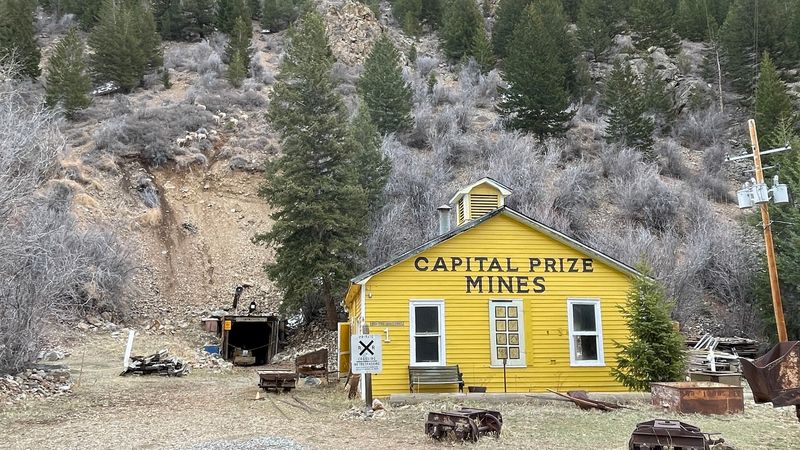
Georgetown has plenty of Victorian storefronts, but one of its best stories sits inside a mountain.
Capital Prize Gold Mine Tours operates at 1016 Biddle St, Georgetown, CO 80444, in Clear Creek County, Colorado. The setting is a short hop off I-70, which makes it an easy outing for anyone living along the Front Range.
The attraction is simple to describe. Guests suit up, walk into a real mine tunnel, learn how gold and silver were pulled from the rock, and leave with a piece of ore they broke loose themselves.
What sets the place apart is that it is not a museum set. The mine is described as active and still producing, so the tour mixes old history with a look at how mining works today.
Fans of the tour often compare it with other mine tours in the region and come away calling it their favorite. Some have tried nearly every mine tour in the state and still rank this one at the top.
The site itself is modest, and that is part of the appeal. There is no big gift shop maze or theme park polish, just a tunnel, a guide, and a lot of rock with stories in it.
So how did a mine with roots in the 1800s end up giving tours?
2. Old Gold, New Business
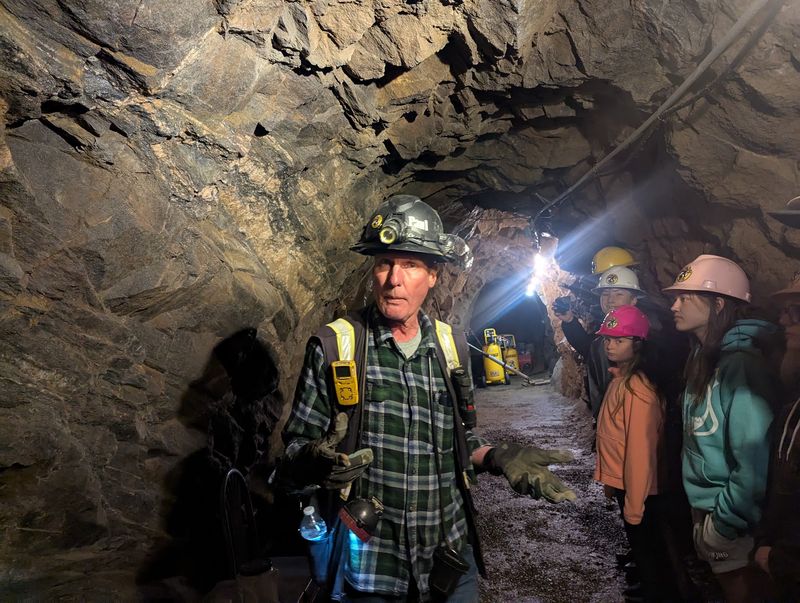
Ask the owners how long they have been at this, and the answer comes with a wink. The tour side is fairly new, but the gold side dates back to 1867.
That gap explains a lot about the experience. Public tours started around late 2017, so the business still has a slightly raw, informal feel that many guests enjoy.
The mine itself carries deep history, including an impressive original depth that mining fans point to as a big reason it stands out. Guides explain what daily life looked like for the men who worked these tunnels long ago.
Georgetown and the surrounding Clear Creek valley grew because of mining. Touring a mine here ties that local heritage to something you can still walk through today.
Guests also hear about modern mining methods and the challenges the industry faces now. That blend of past and present gives the hour a sense of continuity rather than a dusty history lecture.
One fun detail is how the owners describe tour money. They have said that each ticket helps them keep chasing gold, so your visit quietly supports an ongoing mining operation.
History buffs will find plenty to chew on here, but the real story starts once the hard hats go on.
3. An Easy, Level Walk Into the Mountain
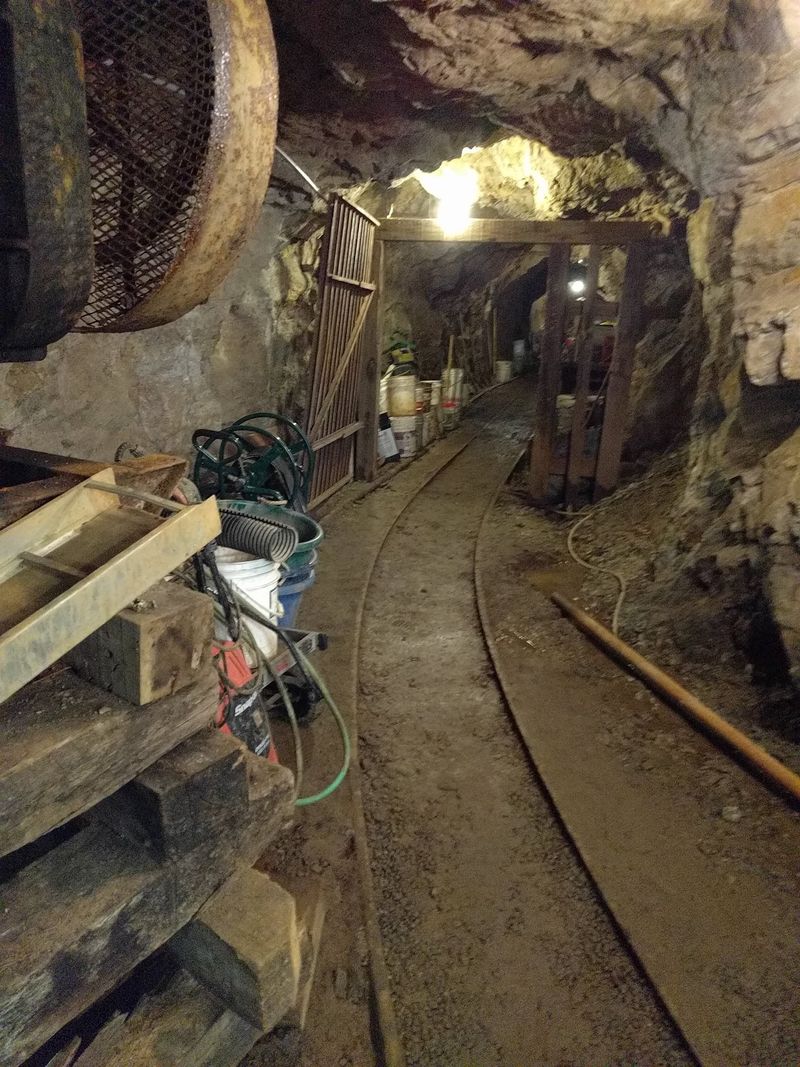
Good news for knees and toddlers alike. The tunnel runs level into the side of the mountain, so there are no stairs up or down.
Groups walk roughly 1,000 feet into the mine, stopping along the way for demonstrations. That distance gives a real sense of how far underground miners worked each shift.
The path is easy enough that one two-year-old managed most of the way in on his own feet. Parents of small kids often mention how manageable the route feels.
There are a few low spots where taller guests may need to duck. Some sections can be slick, so a careful pace helps.
Safety comes up again and again as a clear priority for the staff. Many guests say they never felt worried at any point underground.
The tour lasts about an hour, which many describe as just the right amount of time. It is long enough to learn something real without wearing out younger members of the group.
For retirees or anyone who prefers gentle outings, the flat terrain makes this one of the more approachable mountain adventures around Georgetown.
Of course, a flat walk is only half the fun when there is a pick-axe waiting ahead.
4. Your Turn With the Pick-Axe
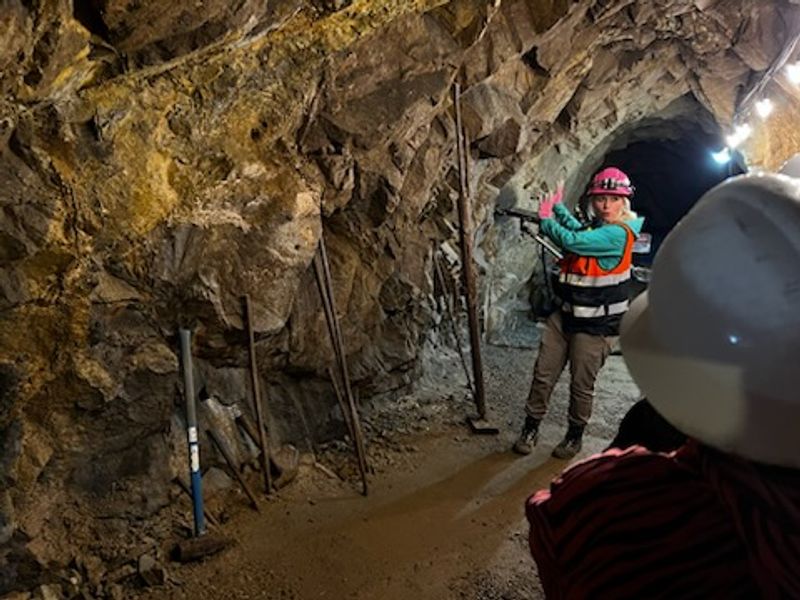
Here is the part the headline promised. Guests get to pick up real mining tools and go to work on the tunnel wall.
Picks and hammers come out at the face, and guests chip rock directly off mineral veins inside the mine. Whatever fragments come loose from your hard labor are yours to keep.
Some families have walked out with rock showing real gold running through it. Others found silver ore, which tends to thrill kids just as much.
The guides explain how to spot veins first, so the swinging has some purpose behind it. Learning to identify mineral veins is one of the skills this tour focuses on more than many others.
Kids are also allowed to handle a variety of tools and rocks along the route. That hands-on approach keeps curious minds busy and questions flowing.
A well-lit section of the tunnel doubles as a photo stop. It is a great place to grab a picture of everyone holding a pick like a seasoned prospector.
No one is promising a fortune, but taking home ore you mined yourself is a rare souvenir in a world of keychains.
Still, the tools are not the only surprise waiting in the dark.
5. When the Lights Go Out
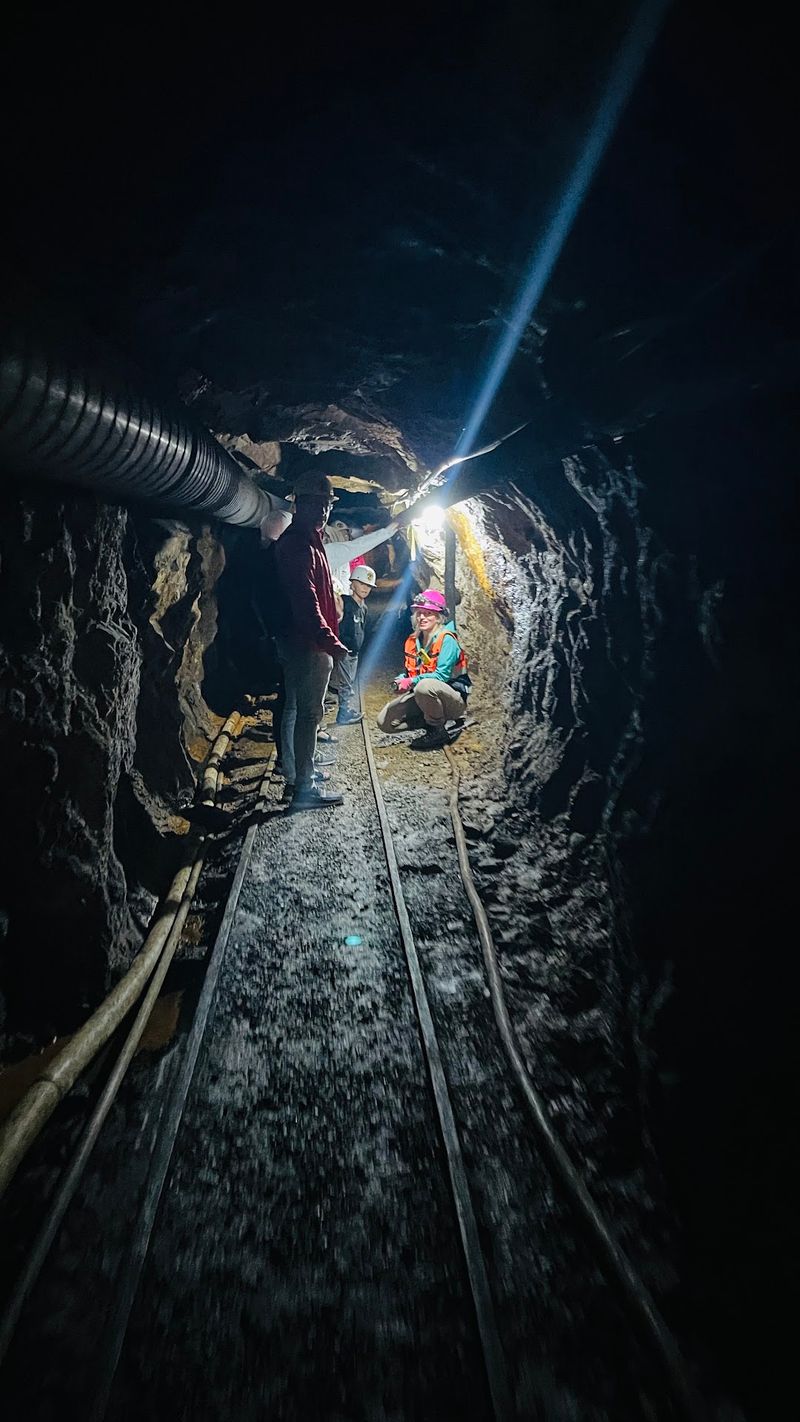
At one point deep in the tunnel, the guide turns off the lights. Then the lone candle goes out too.
What follows is complete darkness, the kind miners once faced when their light failed. It is a short moment, but it tends to stick with people long after the tour.
The demonstration helps explain how early miners worked with very limited light. It turns a history fact into something you experience for yourself.
Photography is allowed in the mine, but flash is not. Plan on using the lit areas for your best shots.
Bringing a small flashlight is a smart move. Guides carry a few, yet having your own helps you see the different strata and colors in the veins when you are not right beside the guide.
Kids usually handle the darkness better than parents expect. Guides keep things calm and explain everything before the lights click off.
Moments like this are why the tour feels more like an experience than a lecture.
And once your eyes adjust back, there is a whole lot of rock left to understand.
6. Guides Who Live and Breathe Rock
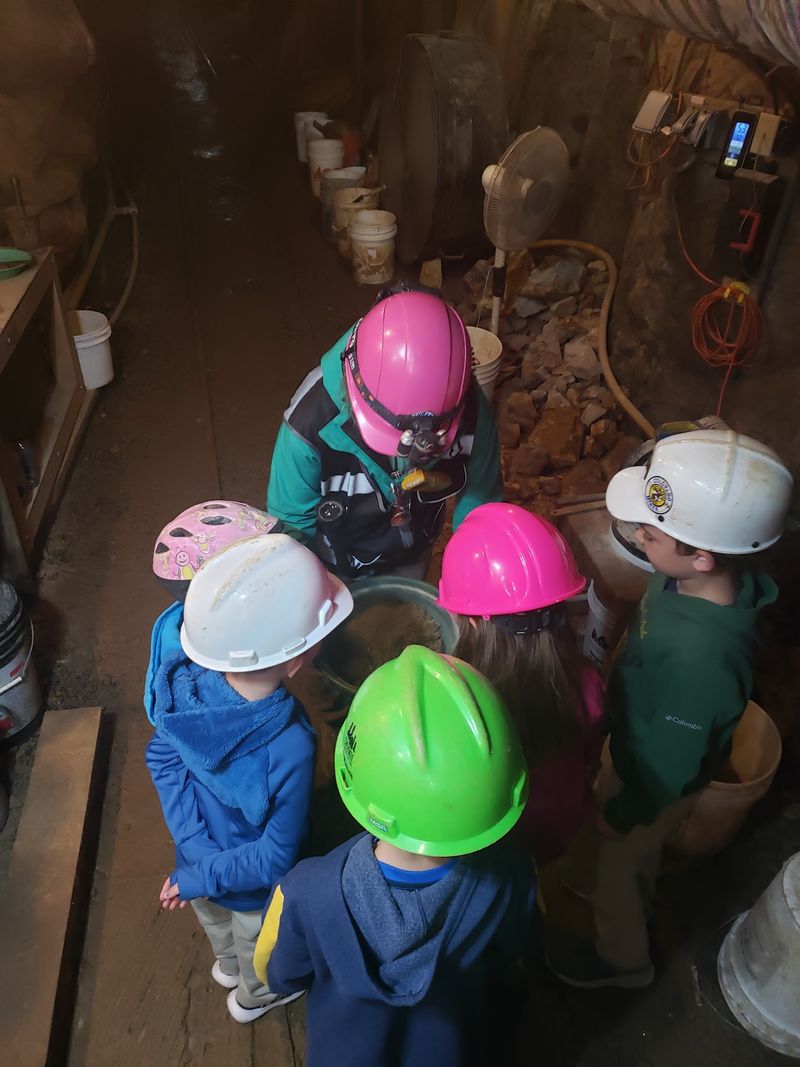
Plenty of tours have scripts. This one seems to run on genuine enthusiasm for mining.
Guides such as Paul, Greg, and Daniela come up often, and the common thread is passion. Their love for the work tends to rub off, even on guests who arrived with zero interest in geology.
Paul is known for being funny and engaging enough to keep a group laughing while still teaching. Greg gets credit for detailed explanations of minerals and the process of washing the lodes.
Daniela has a reputation for kindness with very young kids, including toddlers. One family noted she handled questions from children ages three to eight with ease.
The content leans technical in a good way. Guests learn about geological formations, mining techniques, and how ore is separated from waste rock.
Some guests have even chatted with the owner at the end and asked mining questions directly. That kind of access is hard to find at bigger attractions.
Expect to leave knowing far more about veins and minerals than you planned, and possibly a little overloaded with fascinating facts.
The size of your group plays a big role in how personal all this feels.
7. Small Groups, Big Payoff
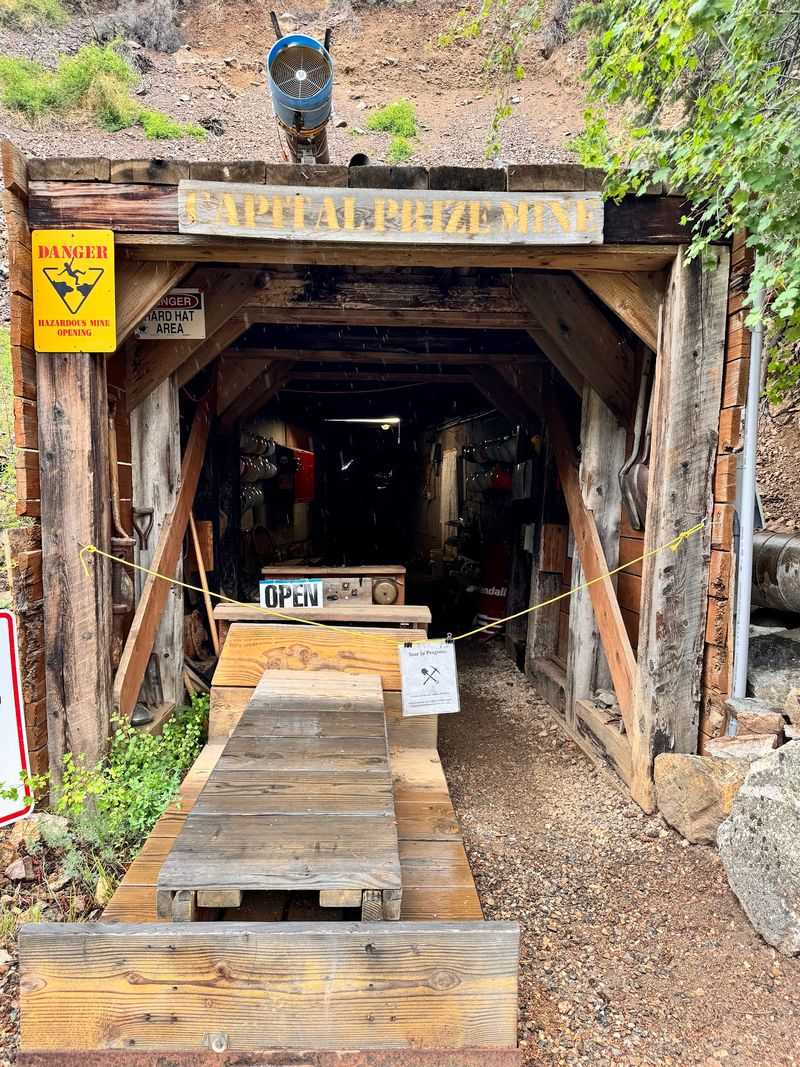
Crowds are a fact of life along I-70. Down in this tunnel, they mostly are not.
Group sizes tend to be small, often around six to eight people. Some guests have arrived to find no one else booked and ended up with a private tour.
Larger families and groups can book too. A family of nine and a group of fourteen have both gone through, and the guides adjusted well.
Small numbers mean the guide can tailor explanations to the people in front of them. Questions get real answers instead of rushed ones.
Some guests have compared it with bigger, train-linked mine tours in the area that run groups of a dozen or more. Those who chose this tour often felt it was more intimate and less gimmicky.
For Colorado residents tired of packed weekend attractions, that quieter pace is a real draw. It feels like a local find rather than a tourist conveyor belt.
Arrive a little early, though, and you may wonder if anyone is there. The site can look empty until the guide shows up shortly before start time.
Quiet tunnels raise a fair question: who does this tour suit best?
8. Who Gets the Most Out of It
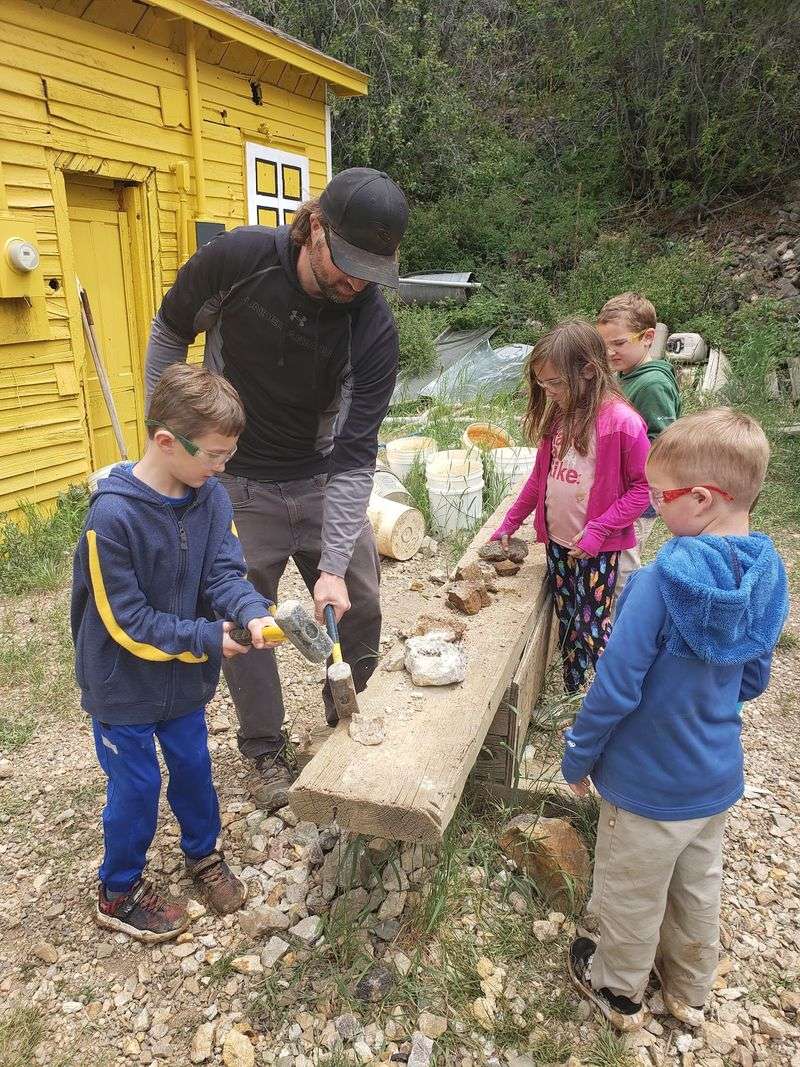
Families with grade-school kids are a natural fit. Children ages four through ten have stayed engaged, and many kids love smashing open a rock at the end.
Adults get plenty too. Some guests describe it as more of an adult mine tour than others, which suits grown-ups who want substance.
That depth cuts both ways. A few parents of very young children felt it played more like a classroom, so families with toddlers should weigh their kids’ attention spans.
History lovers and anyone curious about geology will likely be happiest. Even people with no special interest in mining have called the tour informative and interesting.
It also works as a gift. One guest booked it as a birthday treat and brought the whole family along.
Locals use it as a quick weekend outing, not just a vacation activity. It fits easily into a day trip from the Denver area.
Travelers heading farther west, toward places like Breckenridge, have also found it a handy stop on the way.
Once you know it suits your crew, the next step is planning around a fairly short schedule.
9. Hours, Cost, and What to Wear
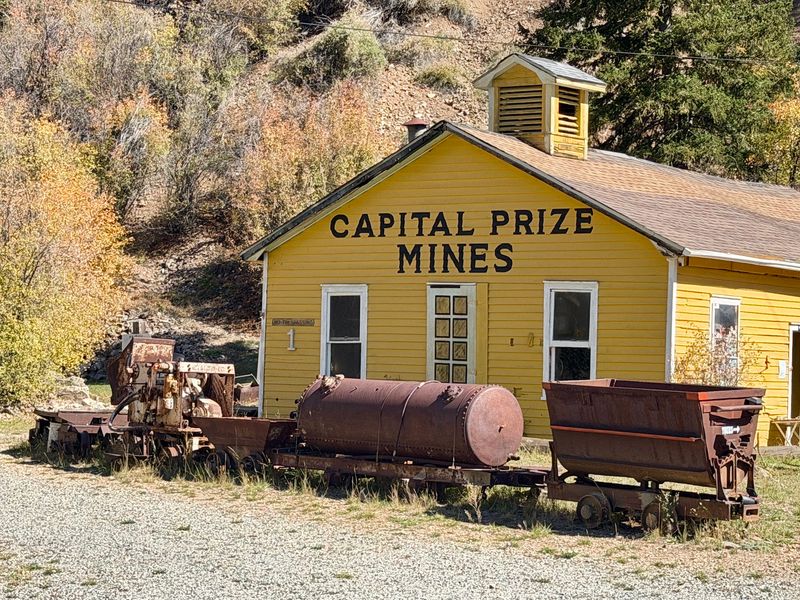
Timing matters here because the window is narrow. Tours run Wednesday through Sunday from 11 AM to 2 PM, and the mine is closed on Mondays and Tuesdays.
Each tour lasts about an hour. Booking ahead through the official website is a smart way to lock in a spot.
Pricing has been around $30 per person in the past. Many guests call it a great value for the quality, though checking current rates before you go is wise.
The tunnel stays around 50 degrees, so bring a sweater or jacket even in summer. It can feel chilly inside after a warm day in town.
Mud is part of the deal. Skip your newest sneakers and wear shoes you do not mind getting dirty.
Pack a small flashlight if you want a better look at the veins. Leave the flash setting off on your camera.
Facilities are basic, with only a portable toilet on site. Plan restroom stops in Georgetown before arriving.
The drive from Denver is roughly an hour along I-70, depending on traffic. Weekday visits may help you skip the heaviest mountain corridor crowds.
10. Worth the Trip Up Clear Creek
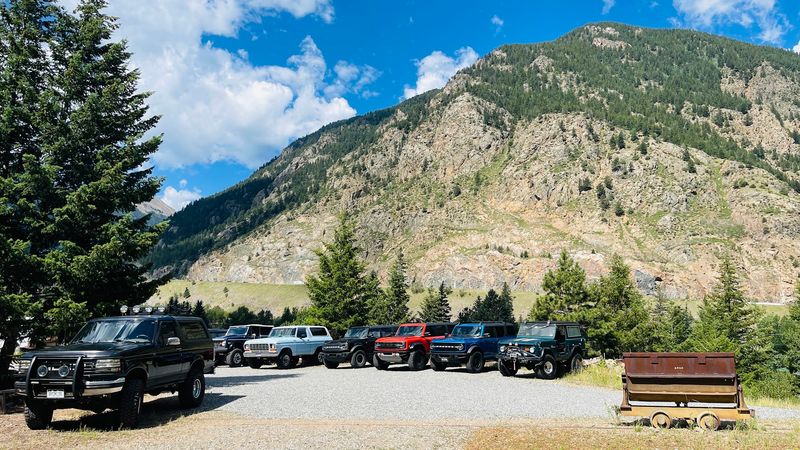
A five-star average across nearly 400 opinions says plenty on its own. Still, the real proof is a rock in your pocket on the drive home.
Capital Prize offers something many Colorado attractions cannot. It is small, personal, and connected to a mine that is still in business.
You get an easy level walk, honest history, a chance to swing a pick, and a moment of total darkness to remember. The guides make the science approachable without dumbing it down.
It is not polished, and that is part of its charm. The informal setup feels more like visiting working miners than buying a ticket to a show.
Families with very small children may want to consider how well their kids sit through explanations. Most others, from retirees to curious teens, will likely find it a rewarding hour.
Pair the tour with a stroll through historic Georgetown for a low-key day close to home. Mountain views around the site are a bonus.
For Front Range residents looking for a quieter alternative to crowded weekend spots, this tunnel delivers.
Bring a jacket, wear old shoes, and leave room on the shelf for a chunk of Clear Creek County ore.
Share this story