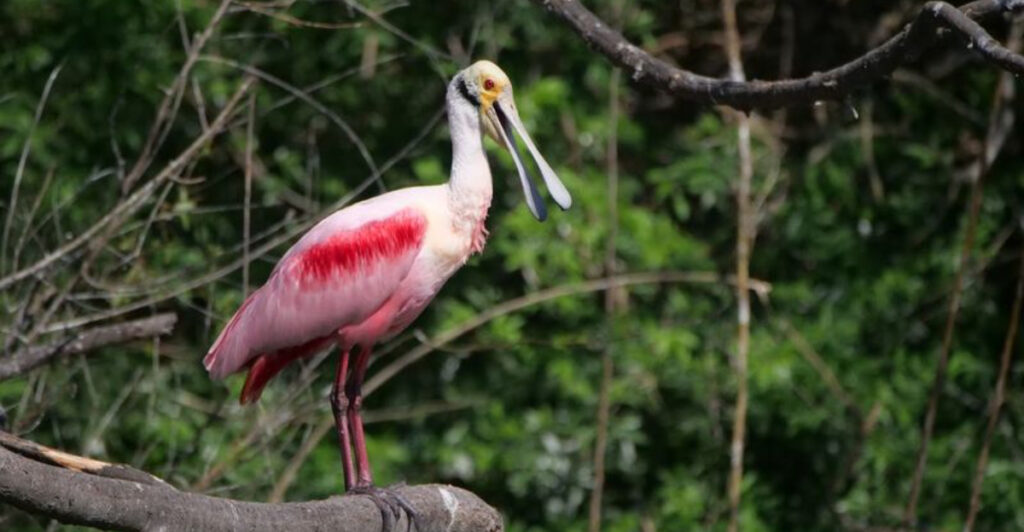
Perched in High Island, Smith Oaks Sanctuary is one of the Texas coast’s most incredible spots for birdwatching. Every spring, thousands of migratory birds descend on this 178-acre wetland preserve, transforming it into a living wildlife documentary. Whether you’re a serious birder with professional camera gear or just looking for a peaceful escape into nature, this Houston Audubon sanctuary delivers an unforgettable show that’s worth every mile of the drive.
1. Elevated Boardwalks That Put You Eye-Level With Nesting Birds
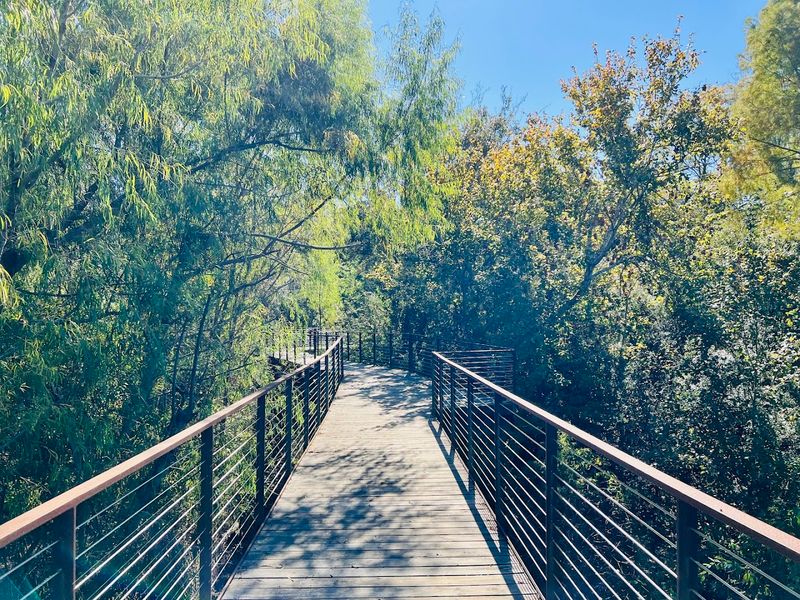
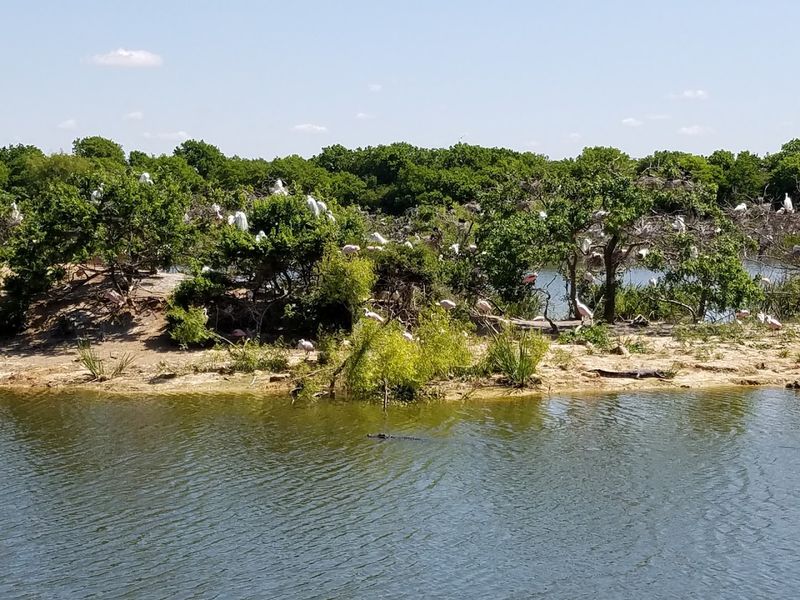
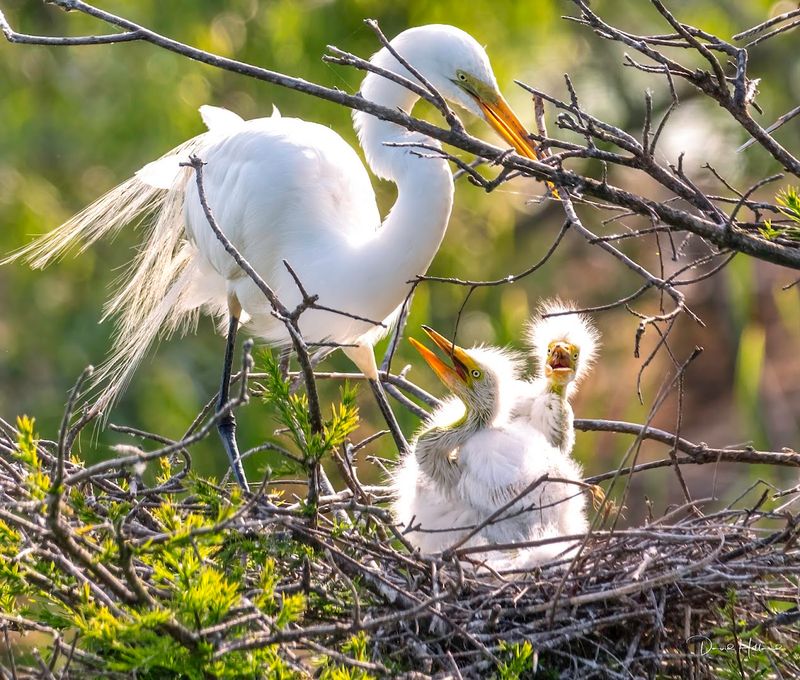
Walking through the treetops sounds like something from a fantasy novel, but at Smith Oaks, it’s just another Tuesday. The sanctuary’s crown jewel is its network of elevated boardwalks that wind through the wetland canopy, placing you right at eye level with hundreds of nesting birds. You’re not squinting through binoculars from the ground—you’re standing mere feet from egrets, spoonbills, and herons as they tend their nests.
The boardwalks are surprisingly sturdy and well-maintained, making them accessible for most visitors. They snake through the trees in a way that feels almost cinematic, with covered viewing areas strategically placed at the best vantage points. During peak nesting season in spring, the noise alone is unforgettable—a constant chorus of squawks, chirps, and flapping wings that drowns out everything else.
Photographers absolutely love these walkways because they provide unobstructed views without disturbing the wildlife. You can watch parent birds feeding their chicks, witness territorial squabbles, and see the entire lifecycle of these magnificent creatures unfold right before your eyes. The experience feels like stepping into a nature documentary, except you’re the one holding the camera and calling the shots on what to observe next.
2. Ground-Level Trails Through Shaded Woodlands
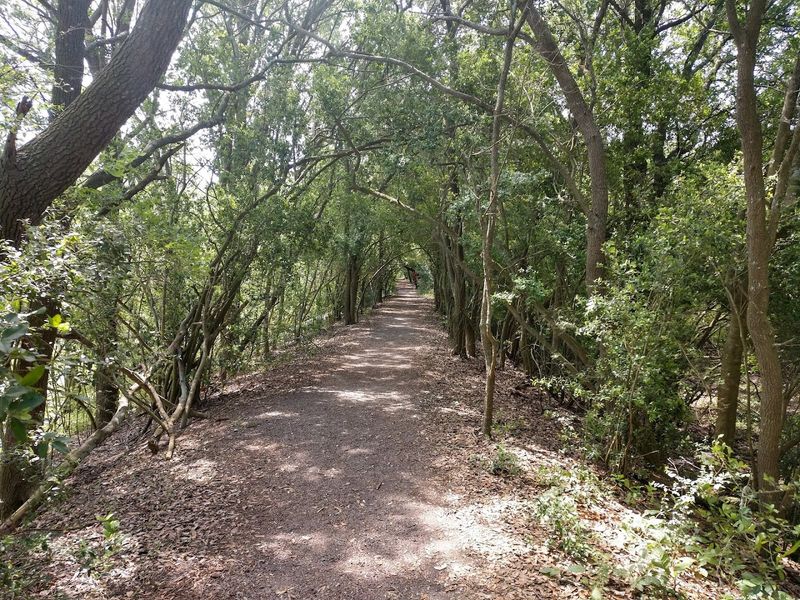
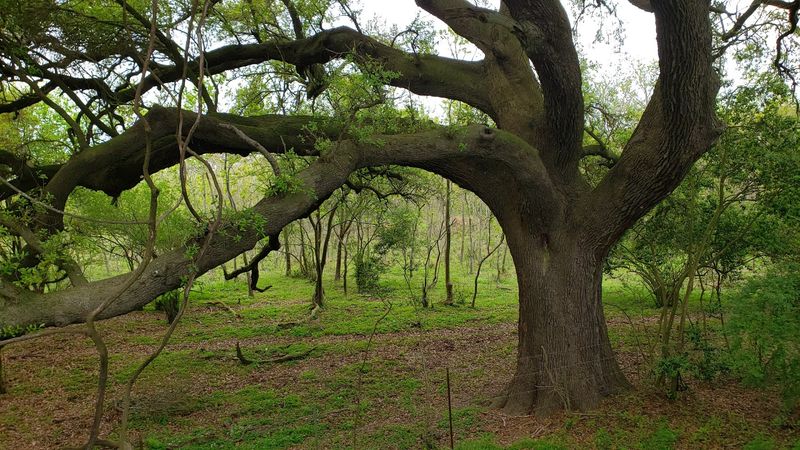
Not everyone wants to walk among the clouds, and that’s where Smith Oaks’ ground-level trails come in. These paths offer a completely different vibe from the boardwalks—more intimate, quieter, and frankly more adventurous. You’re walking through actual Texas coastal woodlands here, with shade canopy overhead and the sounds of rustling leaves and distant bird calls surrounding you.
The trail system covers roughly two and a half miles if you explore all the loops, giving you plenty of opportunities to spot wildlife at water level. Turtles sunbathe on logs, butterflies flit between wildflowers, and if you’re paying attention, you might spot an alligator cruising silently through the shallow water. These trails feel more like traditional hiking than the elevated boardwalks, offering a grounded connection to the ecosystem.
What makes these paths special is the variety they add to your visit. After spending time up in the canopy, dropping down to ground level gives you fresh perspective on how the sanctuary functions as a complete habitat. The trails are well-marked and easy to follow, though they’re definitely more rugged than the boardwalks.
Wear comfortable shoes, bring water, and give yourself time to wander slowly—rushing through defeats the entire purpose of being here.
3. Thousands of Roseate Spoonbills During Nesting Season
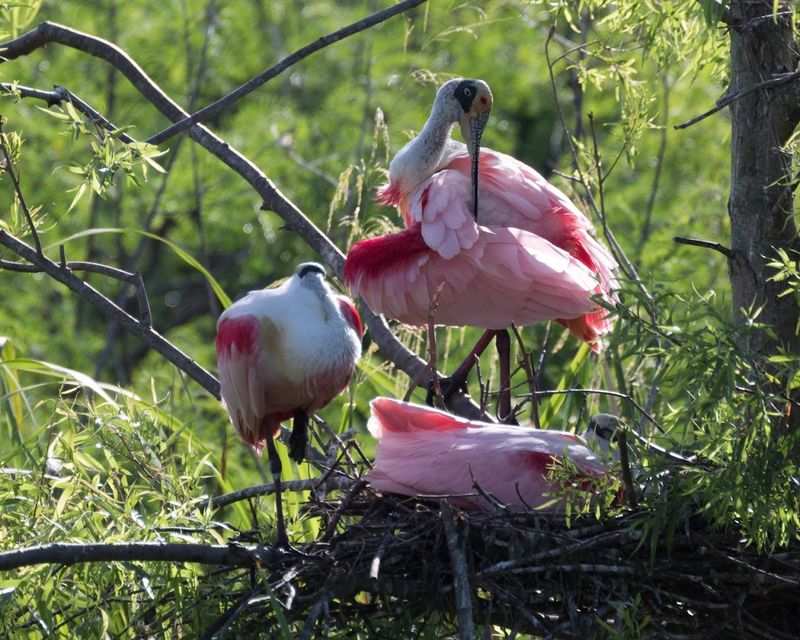
If you’ve never seen a roseate spoonbill in person, prepare to have your mind blown. These birds look like someone dipped a flamingo in hot pink paint and gave it a spatula for a beak. When hundreds of them gather at Smith Oaks during nesting season, the trees literally glow with color—it’s one of those sights that makes you wonder why you don’t visit more often.
Spoonbills are the rockstars of the sanctuary, and for good reason. Their vibrant plumage stands out dramatically against the green foliage and brown water, making them incredibly photogenic. Watching them feed is equally mesmerizing—they sweep their specialized bills side to side through shallow water, filtering out small fish and crustaceans with remarkable efficiency.
Peak nesting season runs from March through early summer, and that’s when you’ll see the most activity. Parent birds fly back and forth constantly, bringing food to their chicks and defending their territory from rivals. The rookery gets loud, chaotic, and absolutely spectacular.
Serious birders bring telephoto lenses and tripods, but honestly, even smartphone cameras can capture decent shots from the boardwalk viewing platforms. Just remember to be patient and respectful—these birds are working hard to raise the next generation.
4. Alligators Patrolling the Wetlands Below
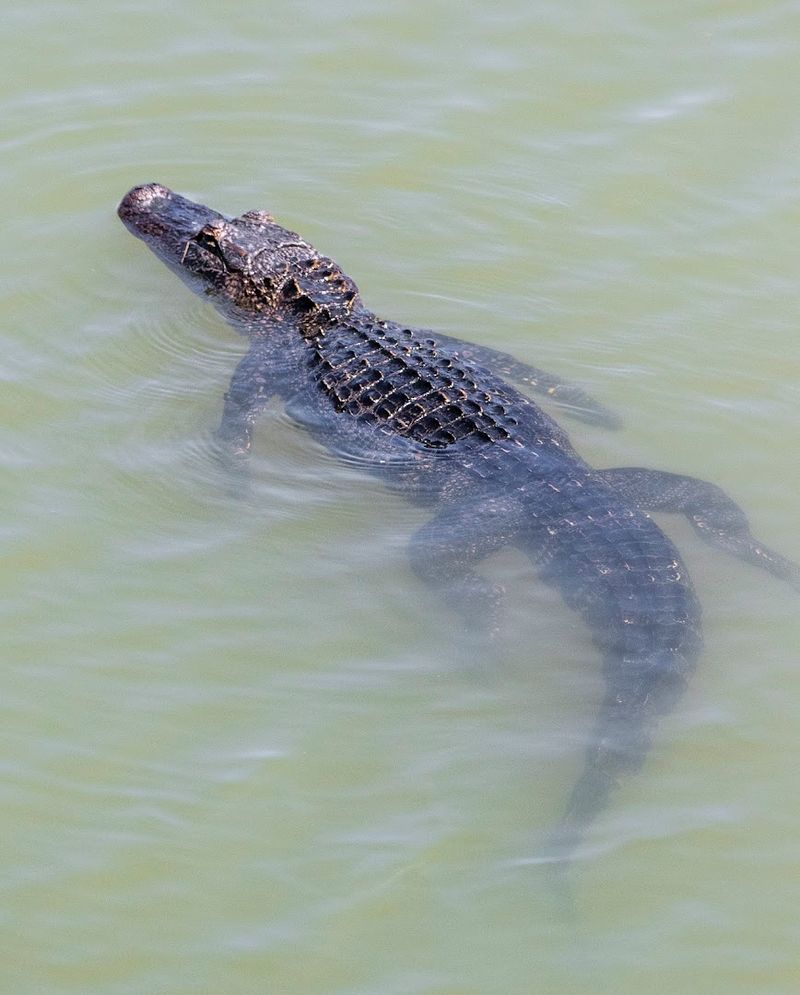
Here’s something you don’t expect at a bird sanctuary: alligators. Lots of them. Smith Oaks is home to a healthy population of these prehistoric reptiles, and spotting them adds a whole extra layer of excitement to your visit.
They’re usually cruising slowly through the water beneath the boardwalks, looking deceptively calm and lazy—until they’re not.
Before you panic, understand that these gators serve an important ecological purpose. They actually protect the nesting birds by keeping away predators like raccoons and opossums that would otherwise raid nests for eggs. It’s a strange symbiotic relationship, but it works beautifully.
The birds seem to understand this arrangement, nesting relatively close to the water where gators patrol below.
Watching an alligator glide silently through the dark water is both thrilling and slightly unnerving. They’re magnificent animals that command respect, and the sanctuary does an excellent job reminding visitors to stay on designated paths and keep a safe distance. From the elevated boardwalks, you’re perfectly safe to observe and photograph them.
On the ground-level trails, just pay attention to where you’re walking and don’t do anything foolish like approaching the water’s edge. Common sense goes a long way toward ensuring everyone—including the gators—has a peaceful day.
5. Spring Migration Brings Tropical Songbirds From Central America
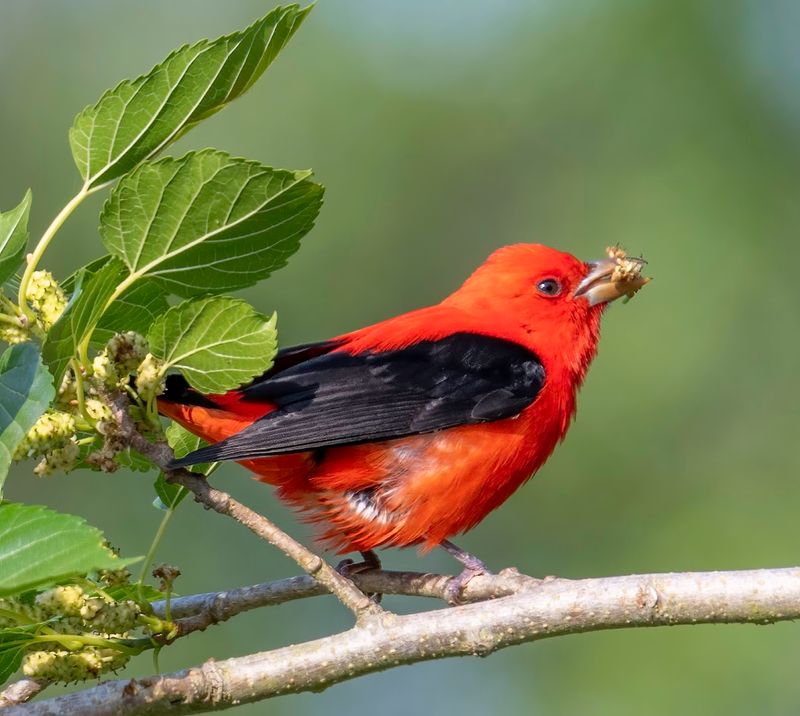
Every spring, something magical happens along the Texas coast. Exhausted songbirds flying north from Central and South America make their first landfall at places like High Island, and Smith Oaks becomes an absolute magnet for these tiny travelers. We’re talking about warblers, tanagers, orioles, and dozens of other species that transform the sanctuary into a birder’s paradise.
The timing of migration is everything. Late March through early May is considered peak season, when weather conditions and food availability create perfect conditions for fallouts—those rare events when hundreds or thousands of birds drop into the sanctuary simultaneously to rest and refuel. Serious birdwatchers plan entire vacations around these windows, hoping to catch one of these spectacular shows.
What makes spring migration so special is the sheer variety. In a single morning, you might spot thirty or more different species, each with distinctive plumage, calls, and behaviors. The smaller songbirds tend to stay lower in the canopy and underbrush, so the ground-level trails become just as productive as the boardwalks.
Bring a good field guide or download a birding app, because you’ll want to identify everything you see. The excitement among fellow birdwatchers is contagious, and don’t be surprised if strangers eagerly point out rare sightings to help you add to your life list.
6. Covered Viewing Platforms for Extended Observation
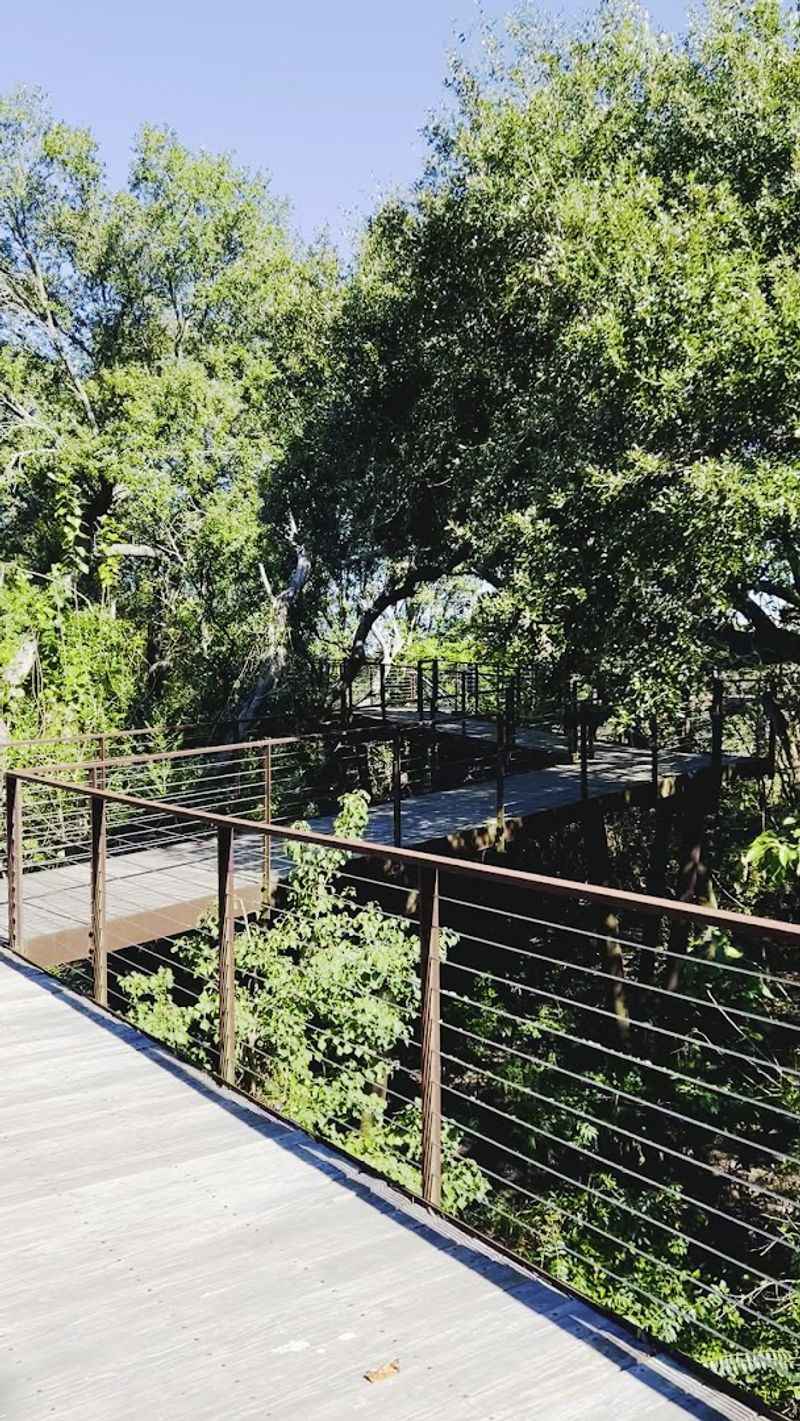
Standing in the Texas sun for hours while birdwatching sounds miserable, which is exactly why Smith Oaks installed several covered viewing platforms along the boardwalk system. These shaded areas give you relief from the heat while providing perfect vantage points for observing the rookery below. They’re strategically positioned at the best viewing spots, so you’re not sacrificing quality for comfort.
The platforms are spacious enough to accommodate multiple visitors with camera equipment, and they include benches where you can sit and watch the action unfold at a leisurely pace. During peak season, these spots can get busy, but there’s an unspoken etiquette among birders—people rotate through, share space graciously, and help each other spot interesting activity.
What’s brilliant about these covered areas is they allow you to stay longer without getting exhausted. Birdwatching requires patience, and sometimes the best moments happen after you’ve been watching quietly for twenty minutes. You might witness a feeding, a territorial dispute, or a newly hatched chick poking its head out of the nest.
The shade keeps you comfortable enough to wait for these special moments rather than rushing through because you’re overheating. Bring water, settle in, and give yourself permission to just observe without any agenda beyond enjoying the spectacle nature provides.
7. Incredibly Affordable Ten Dollar Admission
In a world where everything seems to cost a fortune, Smith Oaks keeps it refreshingly simple: ten bucks gets you in. That’s it. No hidden fees, no parking charges, no premium upgrades—just a straightforward admission price that makes this world-class birdwatching experience accessible to almost anyone.
For what you get in return, it feels almost too good to be true.
That ten dollars supports the Houston Audubon Society’s conservation efforts, helping maintain the boardwalks, trails, and facilities that make Smith Oaks such an exceptional sanctuary. Your admission directly contributes to protecting critical habitat for thousands of birds and other wildlife. It’s conservation you can feel good about supporting, especially when you see firsthand how well-maintained everything is.
Compare this to other nature attractions that charge twenty, thirty, or even fifty dollars for admission, and Smith Oaks looks like an absolute steal. Families can visit without breaking the bank, photographers can return multiple times during migration season without guilt, and budget-conscious travelers can add this to their itinerary without financial stress. The value proposition is unbeatable—world-class wildlife viewing, well-maintained facilities, clean bathrooms, and hours of entertainment for the price of a couple fancy coffees.
Honestly, you’d pay more for a mediocre lunch and get far less enjoyment from it.
8. Peaceful Solitude Even During Peak Season
Despite its reputation among birding enthusiasts, Smith Oaks rarely feels crowded. Even during peak migration season, you’ll find stretches of trail and boardwalk where you’re completely alone with the birds and your thoughts. Weekday mornings are especially peaceful, when you might have entire sections of the sanctuary to yourself for extended periods.
There’s something deeply restorative about being surrounded by nature without the distraction of crowds. The sanctuary’s design helps with this—the trail system spreads visitors out naturally, and the boardwalks are long enough that people distribute themselves across multiple viewing areas. You’re never stuck in a bottleneck or fighting for space at overlooks.
This solitude enhances the entire experience. You can move at your own pace, linger as long as you want at favorite spots, and truly immerse yourself in the sights and sounds around you. The bird calls become a meditation soundtrack, and you start noticing smaller details—the way light filters through leaves, the ripples an alligator leaves in its wake, the delicate architecture of a heron’s nest.
Weekend visits bring more people, but even then, the sanctuary absorbs them gracefully. You might chat with fellow birders at the viewing platforms, then find yourself alone again moments later as you explore different sections of trail.
9. Bring Industrial-Strength Bug Spray or Suffer
Let’s talk about the elephant in the room—or rather, the mosquitoes in the wetland. Smith Oaks is a paradise for birds, but it’s also prime real estate for mosquitoes, and these bloodthirsty little vampires do not mess around. Every single review mentions them, and for good reason.
If you show up without serious bug protection, you’re going to have a bad time.
We’re not talking about a few annoying buzzes around your ears. We’re talking about swarms that will turn you into their personal buffet within seconds of stepping out of your car. The wetland environment creates perfect breeding conditions, and the mosquitoes take full advantage.
They’re aggressive, persistent, and completely indifferent to your suffering.
The solution is simple: bring bug spray. Not the wimpy stuff from your bathroom cabinet, but industrial-strength DEET or picaridin-based repellent that means business. Apply it generously before you start exploring, and reapply every couple of hours.
Long sleeves and pants help too, even if it’s warm. Yes, you’ll look like you’re preparing for chemical warfare, but you’ll actually be able to enjoy the birds instead of spending the entire visit slapping at your exposed skin. Trust the reviews on this one—the mosquitoes are real, they’re relentless, and they will absolutely ruin your visit if you come unprepared.