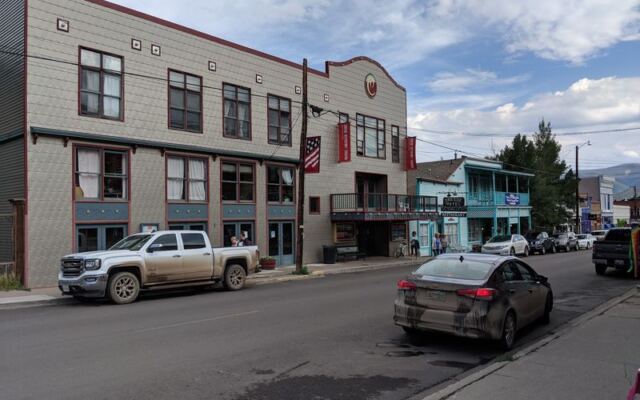
Some Colorado towns have more parking garages than people, and then there is a mountain town where the 2020 census counted just 257 residents. It sits far from the I-70 crawl, in a corner of the state where the biggest traffic jam might be a pickup waiting for another pickup. Locals tend to talk about it quietly, as if saying the name too loudly might bring the crowds.
Keep reading to learn where it is, why it matters to Colorado history, and how to enjoy it without breaking the budget.
1. A Mountain Address Worth Keeping Quiet
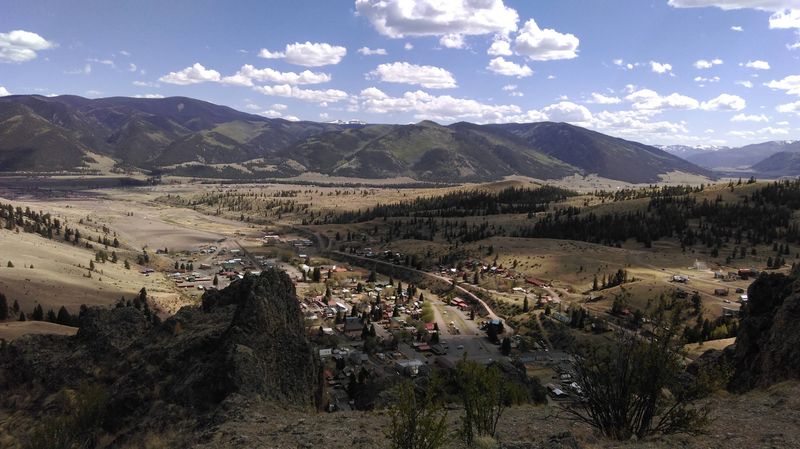
Start with the map, because the address is short and sweet: Creede, Colorado 81130, USA.
That ZIP code belongs to a statutory town tucked into the mountains of southwestern Colorado. It is not a resort with a gondola or a district of chain stores.
Instead, it is a small, working community that happens to sit in some of the most rugged country the state has to offer.
The town serves as the county seat of Mineral County. That title sounds grand for a place this size, and that is part of the charm.
Most Front Range residents know the big-name mountain towns by heart. Fewer can point to this one without a moment of thinking.
That gap in awareness is exactly why people who love it tend to guard it. A town that stays off the radar can stay calmer, simpler and more affordable.
The town keeps an official web presence at creede.com, which is a handy starting point for basic civic details before a trip.
Consider this your first clue that the place values function over flash. The rest of the story only gets more interesting from here.
2. 257 Residents and Counting
Numbers tell a story here, and one number tells most of it. The 2020 United States census recorded a town population of 257.
For perspective, plenty of Denver apartment complexes house more people than that.
A population this small shapes everyday life in ways a visitor notices fast. Businesses are local, schedules can be flexible, and the pace is set by residents rather than tour buses.
It also means the town relies on neighbors knowing neighbors. That kind of community tends to look out for its corner of the mountains.
There is a reason locals across the state get protective about places like this. Once word spreads, small towns can change quickly, and not always for the better.
For travelers, the best approach is simple. Arrive as a respectful guest, spend money at local spots, and leave the place the way you found it.
Retirees and anyone on a fixed income often find small towns like this appealing for exactly these reasons. A slower rhythm and fewer crowds can make a getaway feel less like an expense and more like a reset.
Tiny census figure, big personality. That is a fair way to sum up the town before the history even enters the picture.
3. The Last Town Standing in Mineral County
Here is a fact that surprises many Coloradans. Creede is the only surviving incorporated municipality in all of Mineral County.
That makes it both the most populous community in the county and the sole town carrying official municipal status.
The word surviving carries real weight. Colorado’s mountains are dotted with former settlements that faded as industries came and went.
Mineral County is no exception. Its single remaining town stands as a reminder of how many communities once existed across these hills.
For history buffs, that status makes a visit feel like stepping onto the last chapter of a longer book. The town is still writing new pages, which is the best part.
Being the county seat also means the town handles the civic business for a wide, lightly populated region. Courthouse matters, local government and community services all funnel through here.
It is a lot of responsibility for a few hundred people. They seem to carry it with an easygoing confidence.
Residents who enjoy Colorado’s vanished-town stories will appreciate the contrast. This one did not vanish, and that persistence is worth celebrating on its own.
4. Silver Roots That Still Show
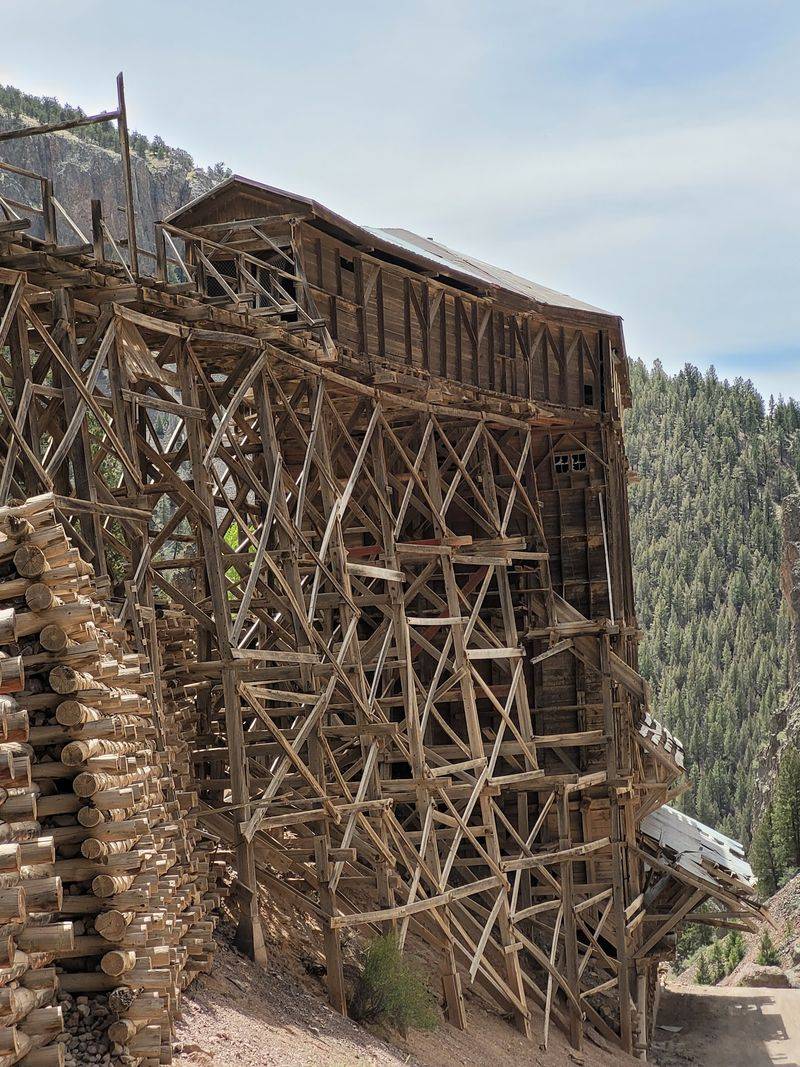
Long before anyone called it a quiet escape, this corner of Colorado was known for silver.
The town grew out of the mining era that shaped so much of the state in the late 1800s. That heritage remains part of its identity today.
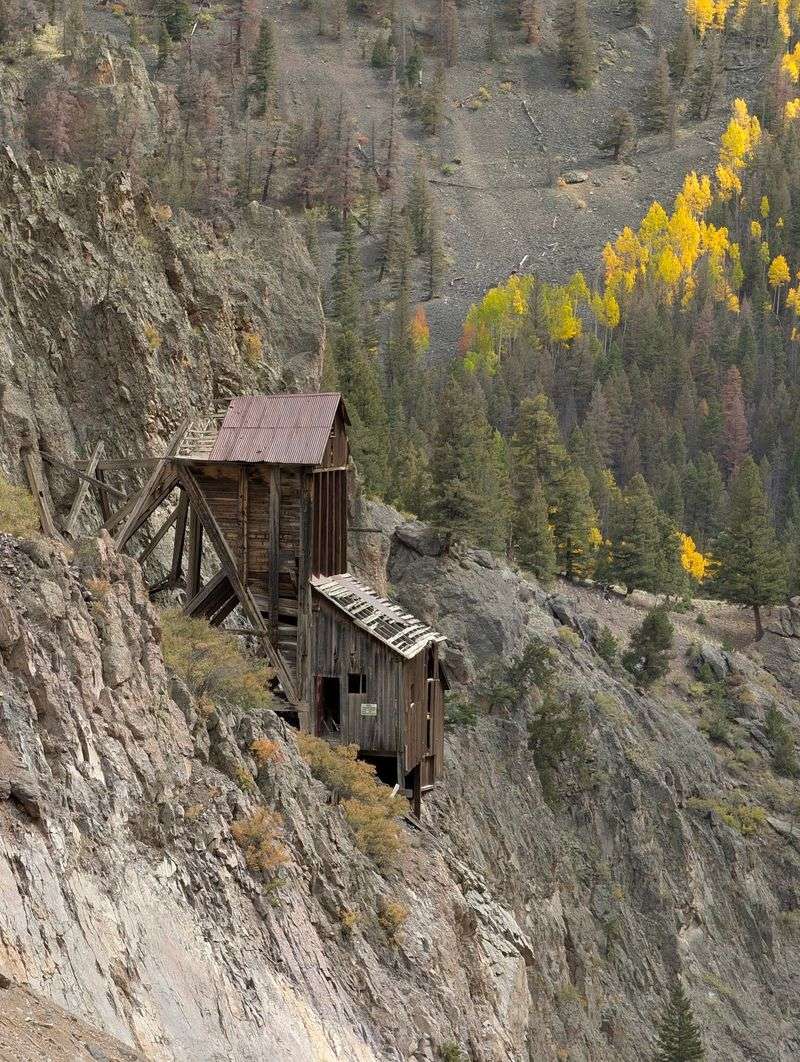
Old mining structures are often visible in the canyons around town. They stand as physical links to the people who once worked the hills.
Colorado residents who grew up hearing family stories about mining camps may find a personal connection here. History feels closer when you can see where it happened.
Plenty of former boomtowns emptied out once the ore ran thin. This one held on, which helps explain its unusual status in the county today.
The mining legacy is not just decoration. It explains the layout of the area, the placement of roads and the reason a town exists in such steep terrain at all.
For anyone curious, the town’s own resources and local history displays are good places to learn more before exploring.
Treat the old structures with care and stay on public routes. These relics have lasted this long, and a little respect helps them last longer.
5. Cliffs, Canyons and a Dramatic Setting
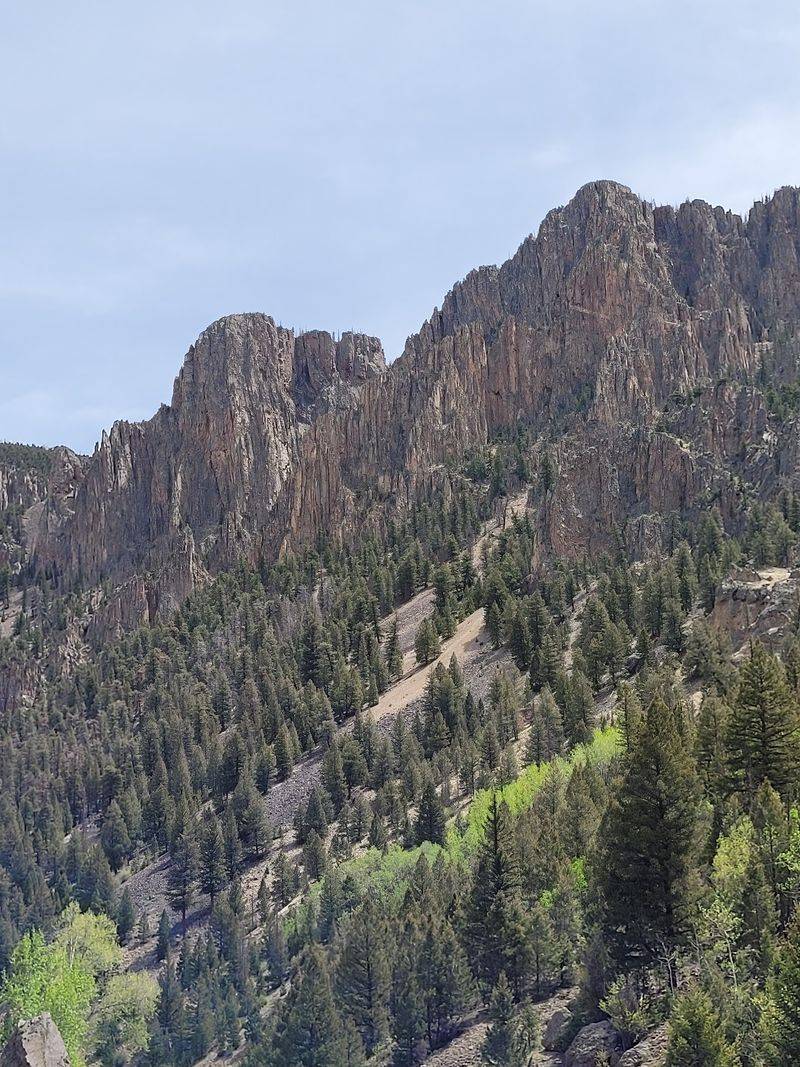
Geography did the heavy lifting when it came to this town’s good looks.
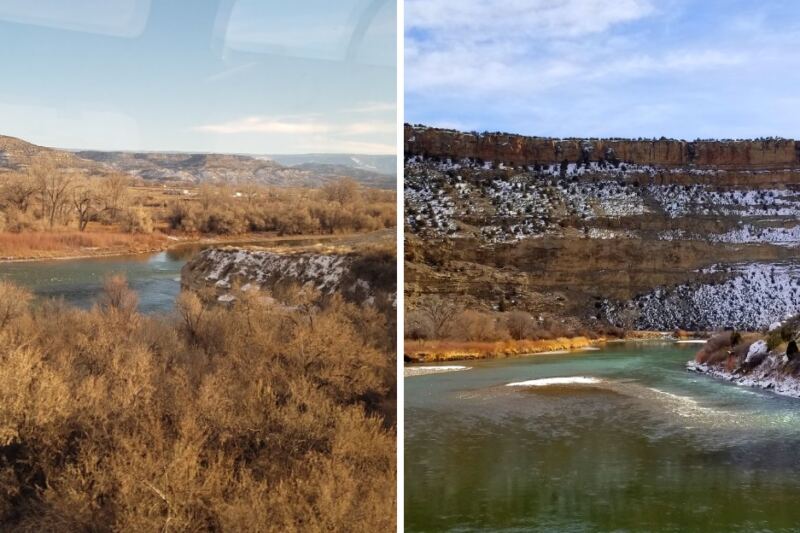
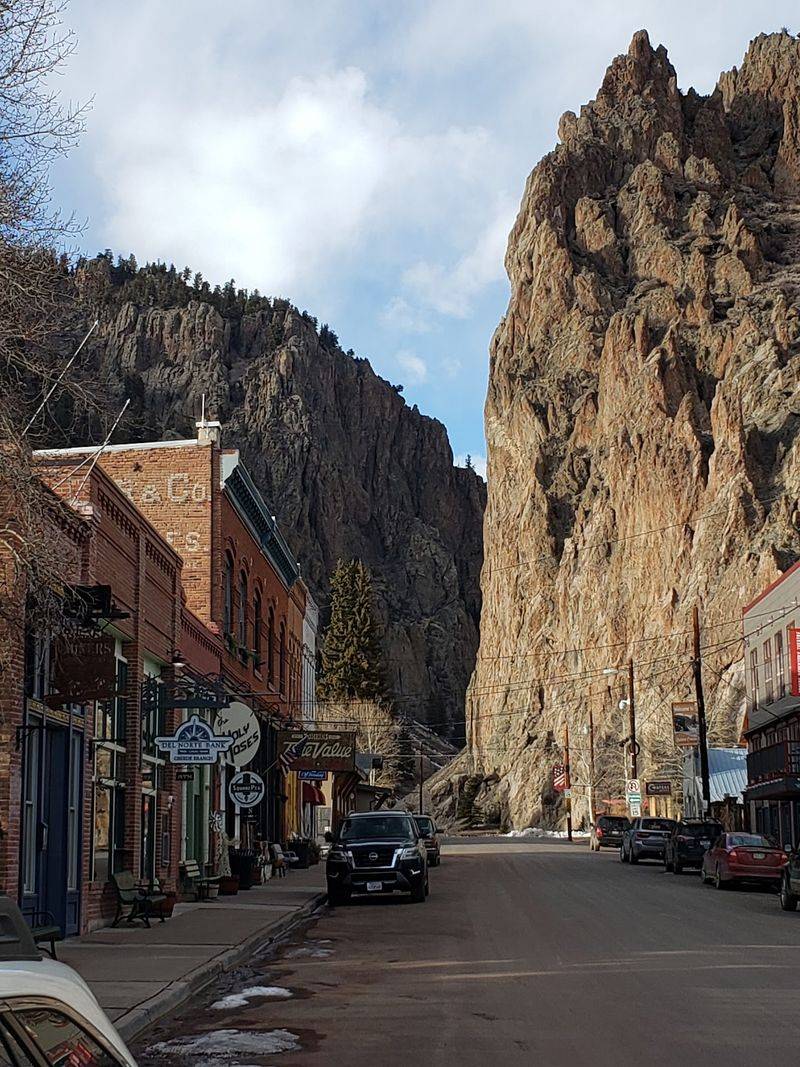
Creede sits in steep mountain country in southwestern Colorado, with rocky canyon walls rising close to the edge of town.
The setting gives the community a tucked-away feel. The mountains seem to hold the town in a narrow embrace.
That terrain is also a big reason the area stays uncrowded. Getting here takes intention, and casual weekend traffic tends to flow elsewhere.
Photographers and hikers tend to appreciate the contrast between the small historic buildings and the massive landscape around them.
Every direction offers a reminder of just how wild this part of Colorado remains.
The surrounding region includes public lands that draw people interested in hiking, fishing and scenic drives. Checking current conditions with local offices before heading out is always smart.
Weather can change quickly at mountain elevations, so layers and a flexible plan go a long way.
The scenery does not charge admission, which makes it one of the best values in the state. Just pack some patience for the drive, because the payoff is waiting at the end of it.
6. Main Street Without the Mob
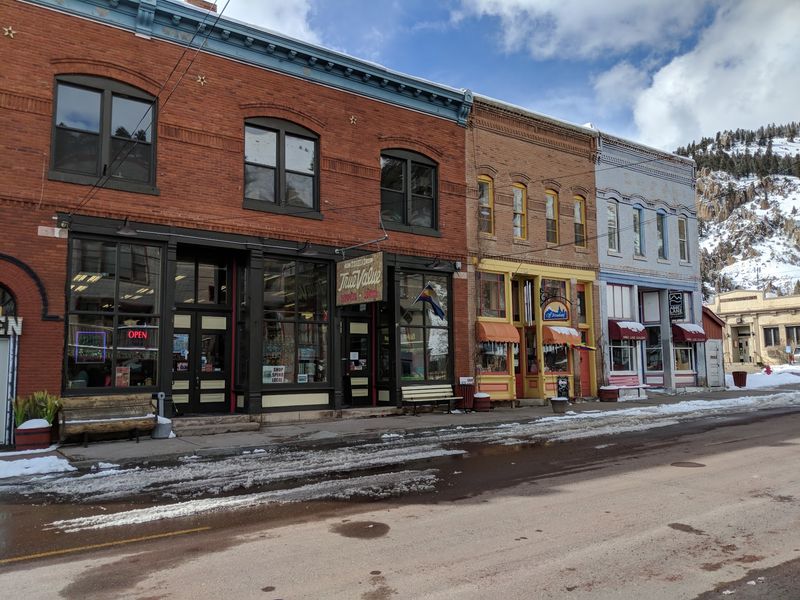
Some Colorado main streets require a shoehorn and a parking app. This one usually does not.
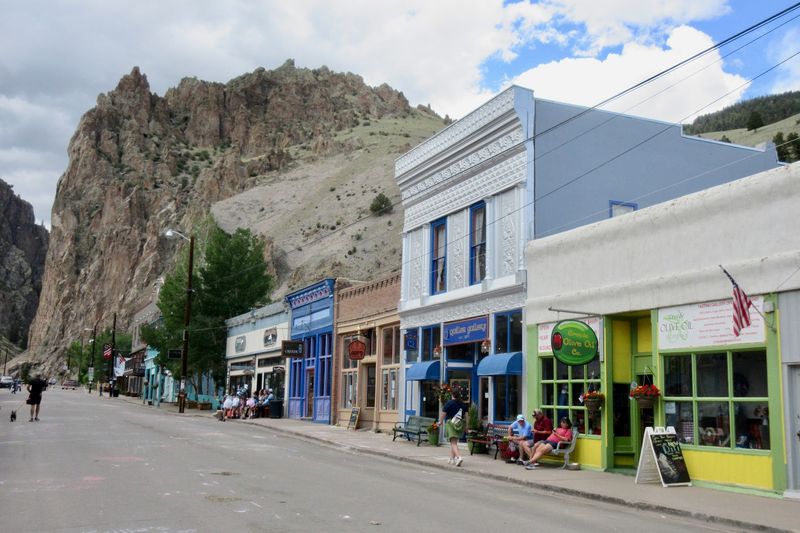
The downtown area is compact and walkable, with historic buildings that reflect the town’s long history.
Local shops and small businesses make up much of the scene. Hours can vary by season, so it pays to check ahead rather than assume everything is open.
Strolling a short downtown like this is a different experience from a resort village. The goal is not a shopping spree but a slower afternoon.
Small-town businesses often depend on a short season to make their year. Spending a little money locally helps keep doors open for residents who live here year-round.
It is one easy way visitors can support the community they came to enjoy.
Families on a budget may appreciate how little a walk downtown costs. Window shopping, people watching and a little history are all free.
Consider this a lesson in doing less and enjoying more. The best moments here rarely come with a price tag or a reservation.
7. Culture on a Small-Town Stage
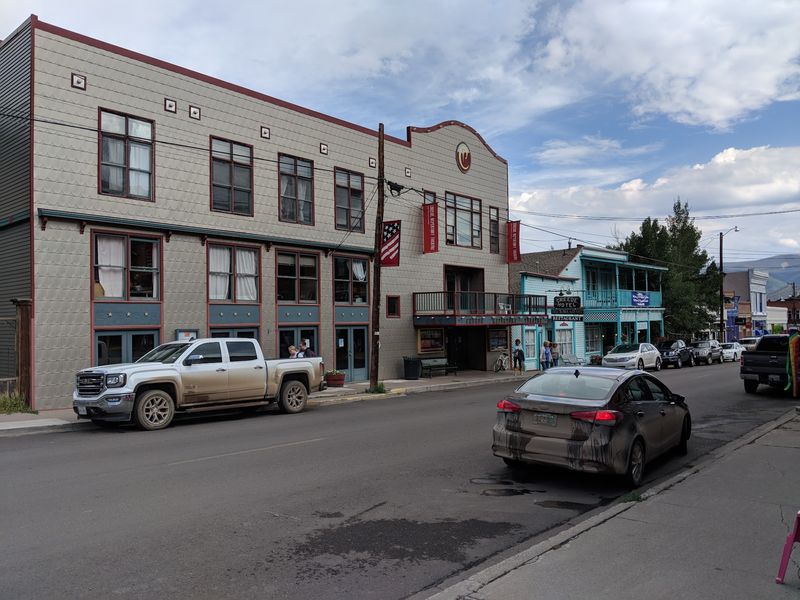
Tiny towns are not supposed to have a reputation for the arts. Creede apparently did not get the memo.
The town is widely known in Colorado for its live theater tradition, which brings performances to the mountains during the warmer months.
Show schedules and ticket details change from year to year. The best move is to look up the current season before planning a trip around a performance.
Having a cultural draw in a town of a few hundred people creates an interesting mix. The audience can include longtime locals, returning fans and first-time guests all in one room.
Parents looking for a grown-up evening away from the kids might find this a refreshing alternative to a pricey city night out.
A show in the mountains feels like a special occasion without the formality.
Arts programs in small towns often depend on community support to survive. Attending a performance is one way to help keep that tradition going.
Who knew such a small dot on the map could deliver a full evening of entertainment. Curtain up, cell phones down, and enjoy a different kind of Colorado night.
8. Headwaters Country for Outdoor Fans
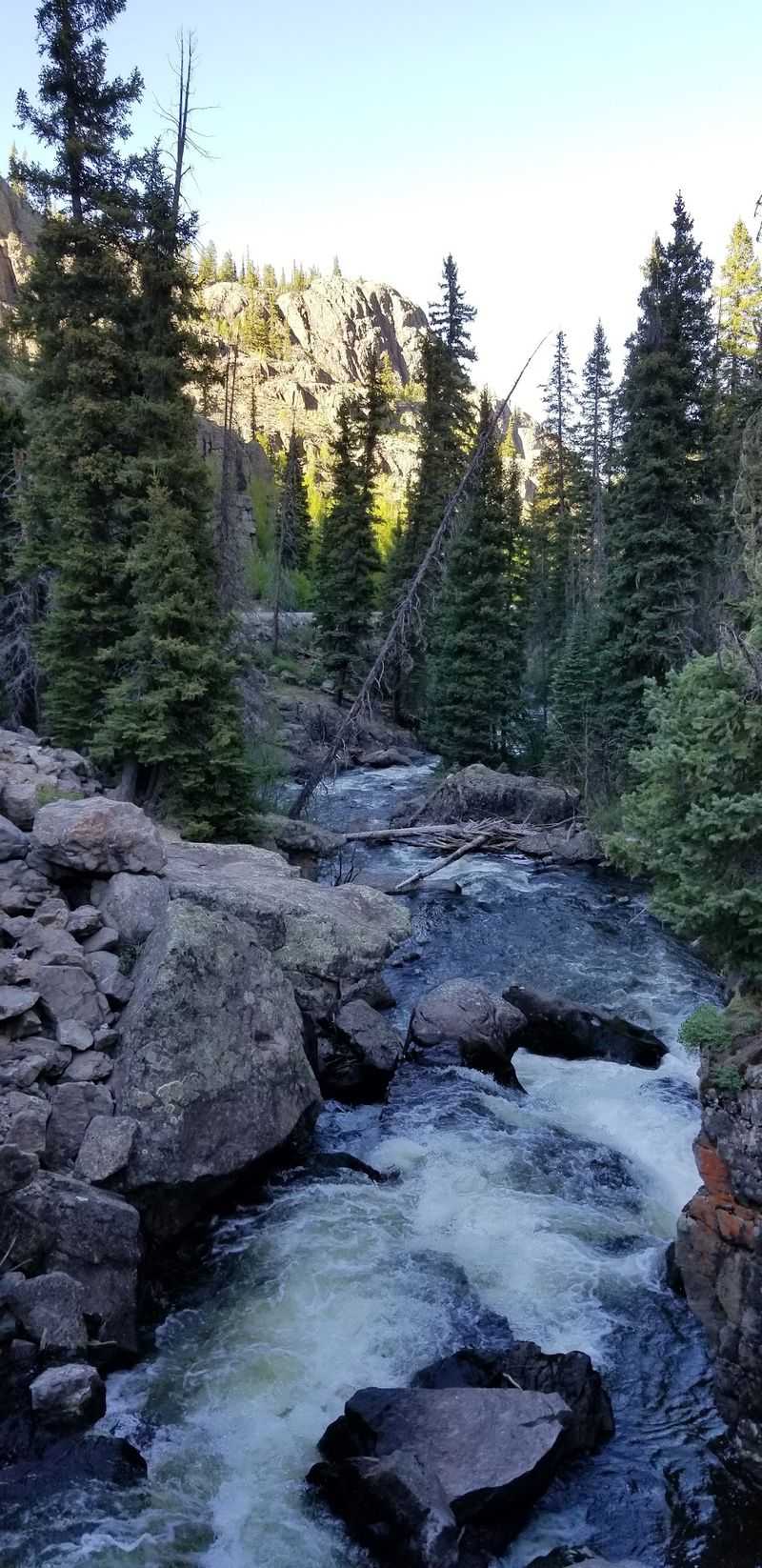
Rivers start somewhere, and this part of Colorado sits near the upper reaches of the Rio Grande.
That location makes the surrounding area a natural fit for anglers, paddlers and people who simply like sitting by moving water.
Fishing rules and licensing apply throughout Colorado. Checking current regulations with Colorado Parks and Wildlife keeps any outing legal and stress-free.
Hiking opportunities spread out across nearby public lands. Trails vary widely in difficulty, so choose routes that match your fitness and your time.
Wildlife may appear in the area as well. Give animals plenty of space and keep food secured, both for their safety and yours.
Outdoor recreation here tends to feel more relaxed than at headline destinations. Fewer people often means more room on the trail and along the water.
Bring your own gear when possible, since a tiny town may have limited rental options. A little preparation saves a lot of driving.
The mountains reward the ones who show up ready. Pack wisely and the backcountry around town becomes a playground with very few lines.
9. Scenic Drives Into Mining History
Not every adventure requires hiking boots. Some just need a full tank and a good map.
The roads around Creede pass through mountain terrain dotted with remnants of the mining era. A slow drive offers a rolling history lesson.
Some routes in the area are gravel or rough in spots. A vehicle with decent clearance can make the trip more comfortable, and checking road conditions first is wise.
The region is also connected to the Silver Thread Scenic Byway, a route that links several communities in southwestern Colorado.
Drivers who enjoy pulling over at historic markers will find plenty of reasons to stop.
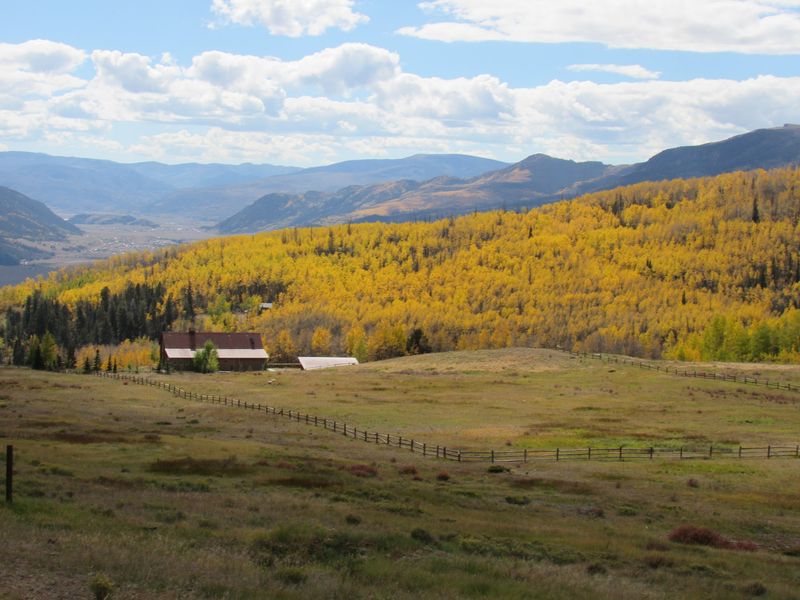
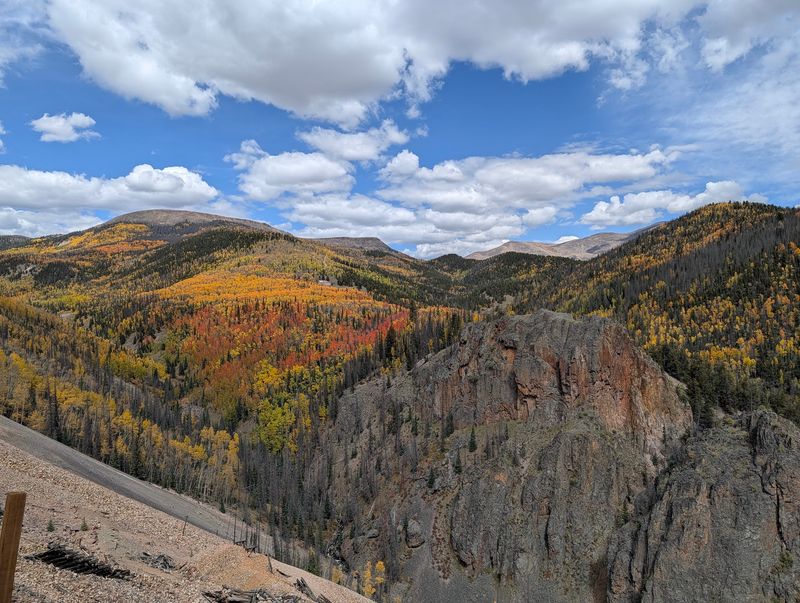
Fall can be a popular time for drives when aspens change color. Even then, these roads typically see far less traffic than the famous foliage routes closer to Denver.
Cell service can be unreliable in mountain areas. Downloading maps ahead of time is a small step that prevents a big headache.
Roll the windows down, drive slowly and let the history unfold one curve at a time. The journey here really is part of the destination.
10. Who Feels Right at Home Here
Every town has its people, and this one tends to attract a certain kind of traveler.
History lovers will appreciate the mining heritage and the town’s unique status as Mineral County’s last incorporated community.
Retirees often enjoy the slower pace. A town of 257 people is not built around rushing.
Couples looking for a break from the kids may find the quiet evenings and mountain setting just right for reconnecting.
Outdoor fans who are tired of crowded trailheads can find more breathing room. Anglers, hikers and scenic drivers all have options nearby.
On the other hand, anyone craving nightlife, big shopping or round-the-clock dining might feel underwhelmed.
That is not a flaw. It is simply a different kind of trip, built around simplicity rather than spectacle.
Front Range residents who feel worn out by city life may find the change of pace especially welcome.
Knowing what to expect is the secret to loving a small town. Arrive with an open schedule and modest expectations, and the place tends to exceed them.
11. Timing a Trip Around the Crowds
Timing can make or break a mountain trip, even in a town this small.
Summer is generally the busiest stretch, when warmer weather, outdoor recreation and seasonal events draw more people into the area.
Shoulder seasons, such as late spring and fall, may offer a quieter experience. Some businesses may operate on reduced schedules during those times, so a quick check ahead helps.
Winter brings a very different mood. Mountain roads can become challenging, and services can be more limited.
Anyone visiting in colder months should watch forecasts closely and pack for snow. Flexibility is your best friend at higher elevations.
Midweek trips often tend to be calmer than weekends, no matter the season. Lodging may also be easier to find on weekdays.
For budget-minded travelers, off-peak timing can stretch dollars further. Fewer crowds and more availability often go hand in hand.
The quiet season might just be the best season. Plan with care and the town can feel like your own private corner of the mountains.
12. Getting There From the Front Range
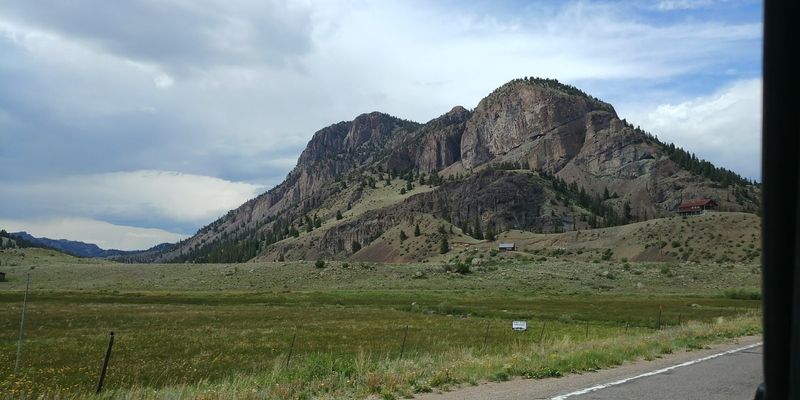
Patience is the price of admission. The good news is that patience is free.
Creede sits in southwestern Colorado, a long drive from Denver and the rest of the Front Range. Most travelers should plan on a full day of driving each way, or close to it.
The town is reached by state highway through the mountains. Checking the Colorado Department of Transportation for road conditions is a smart habit, especially outside summer.
Filling up the gas tank before heading into remote stretches is wise. Services can be spread out in this part of the state.
Many travelers turn the drive into a multi-stop trip. Breaking it up with a night along the way can make the journey feel less like a marathon.
Lodging in a small town is limited, so booking ahead matters, especially in summer. Options and rates vary, and the town’s website is a reasonable place to start research.
Bring snacks, download offline maps and expect patchy cell coverage in places. The farther you drive, the quieter the world gets, and that is exactly the point.
13. A Quiet Verdict on a Small Town
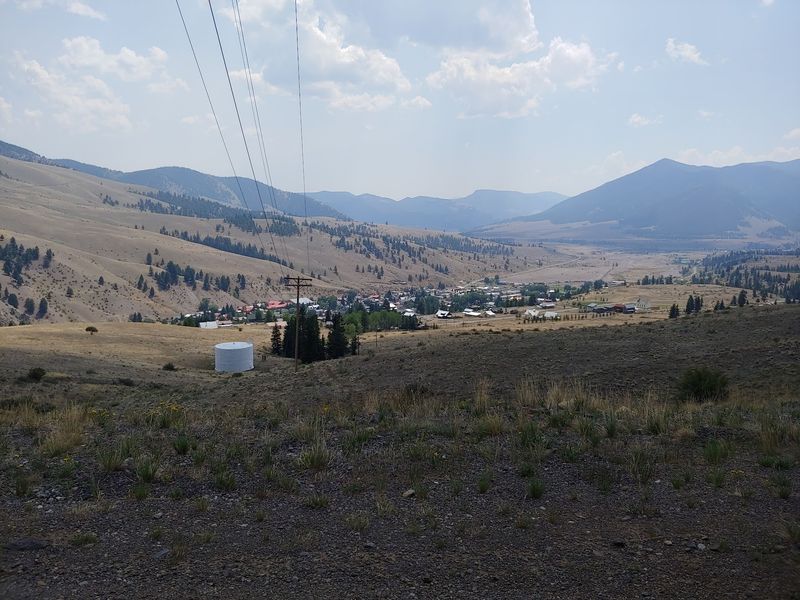
So, is the long drive worth it? For the right traveler, the answer leans toward yes.
Creede offers something increasingly rare in Colorado: a real working town with deep history, dramatic scenery and very few crowds.
Its status as the last incorporated municipality in Mineral County gives it a story few places can match. Its tiny population keeps the experience personal.
This is not a destination for checking boxes. It is a place for slowing down, learning a little history and enjoying the mountains without the resort-town hustle.
Budget-minded residents, retirees and couples craving a calm escape may find it especially rewarding.
Outdoor fans and history buffs will likely find plenty to fill a long weekend.
The locals who protect this town have good reason to do so. Small communities can change fast when they are loved carelessly.
Visit kindly, spend locally and tread lightly. Do that, and this little mountain town may just stay the quiet escape it has always been, ready for your next return.
Share this story