An Illinois suspension bridge built in 1859 still hangs over a river, and you can stroll right across it on foot. That bridge sits in one of the small lake towns on this list, just down the road from the biggest man-made lake in the state.
Another town has staged live theater on its courthouse square since 1957. A few others grew up as resort escapes for city families hungry for cool water and fresh air.
I love how these places held onto their old bones. Brick storefronts, wooden docks, and courthouse squares still shape the rhythm of daily life. Main Street here usually means an actual main street, not a strip mall.
I keep wondering what a slow weekend in each one would feel like, with a fishing pole and no real plan. My guess is that the clock would forget to tick.
1. Fox Lake
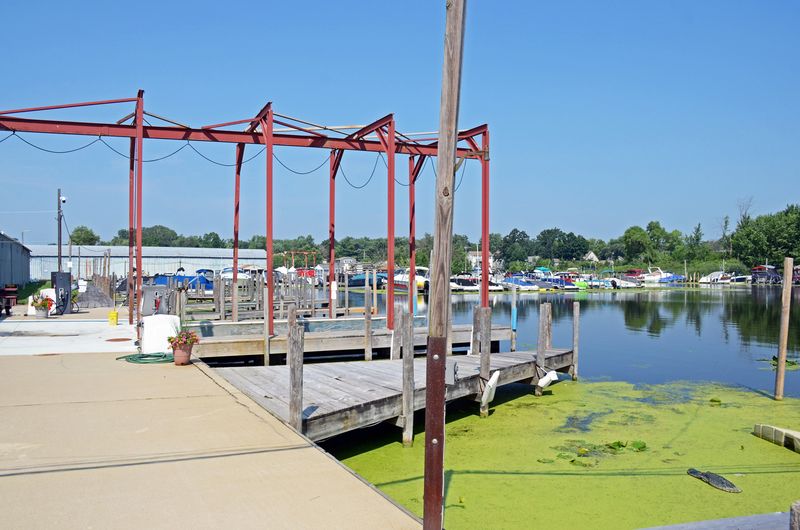
Three lakes meet one village here, which makes Fox Lake a place where your boat may matter more than your car. The village sits along Fox Lake, Pistakee Lake, and Nippersink Lake, all part of the Chain O’Lakes.
That chain is a linked string of lakes and river channels in far northern Illinois. Boaters can travel from one lake to the next without ever hauling a trailer out of the water.
Fox Lake got its start as a resort retreat in the early 1900s. City families came for fishing, swimming, and a break from crowded streets.
That resort past still peeks through today. You’ll spot old bait shops, weathered wooden docks, and lakefront roadhouses that look like they belong on a vintage postcard.
Grand Avenue serves as the main corridor through town. Take it slow, because the best part of a visit here is noticing the little details from another era.
Getting here is easier than you might expect. Fox Lake sits at the end of a Metra commuter line, so Chicago folks can ride the train right up to lake country.
Anglers have plenty to keep them busy on the chain. Bass and panfish are popular targets, so pack a tackle box even if you only plan to cast from shore.
Want a wider view of the water? Chain O’Lakes State Park sits nearby, with trails, fishing spots, and boat access in a more natural setting.
Summer brings the heaviest boat traffic, so plan accordingly if you like peace. Spring and fall visits offer a slower pace and give you room to soak in the old resort feel.
About 10,500 people call the village home. That’s big enough for the basics, yet small enough to keep its lakeside personality intact.
Address: Fox Lake, Illinois
2. Shelbyville
A lake with roughly 11,000 acres of water sits right at the edge of a town of about 4,600 people. That math alone makes Shelbyville feel like a secret kept by central Illinois.
Lake Shelbyville is a reservoir created by a dam on the Kaskaskia River. The town serves as the lake’s southern hub, so beaches, campgrounds, and boat ramps are close by.
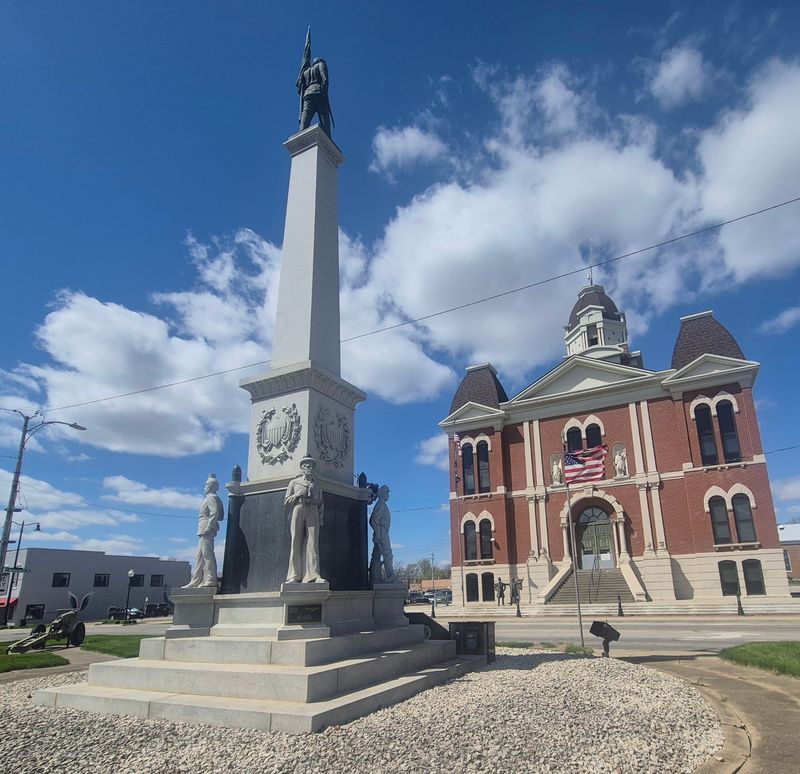
Back in town, the pace changes fast. Shelbyville is the county seat, and its brick courthouse square looks like it was built for parades and porch talk.
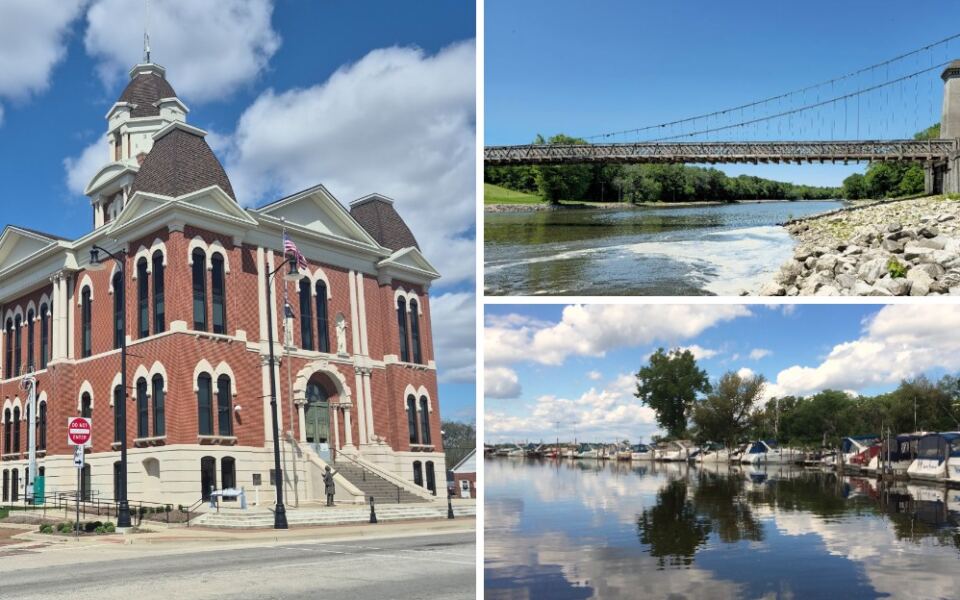
The Shelby County Courthouse dates to 1881. Its old-school design anchors the downtown and gives the whole square a storybook feel.
Late-1800s buildings line the historic district. Take a slow walk and look up, because the upper floors often hold the most charming details.
Side streets stay quiet. Older homes sit close together, giving you a peek at what small-town life looked like generations ago.
The dam itself is worth a stop. Standing near it shows you just how much water this small town lives beside, and the view across the lake is wide open.
Boaters love the lake’s many coves and arms. Rent a boat or bring your own, and you can explore long fingers of water that wind back into wooded shoreline.
Fishing fans should pack their gear. Lake Shelbyville is known for crappie, bass, and walleye, so anglers have plenty of reasons to linger.
Mix both worlds in a single trip. Spend the morning on the water, then wander downtown in the afternoon when the light hits those old brick fronts.
It’s a pairing that feels rare in Illinois. Big-lake fun and a courthouse square that has barely changed make Shelbyville an easy pick for a slow getaway.
Address: Shelbyville, Illinois 62565
3. Carlyle
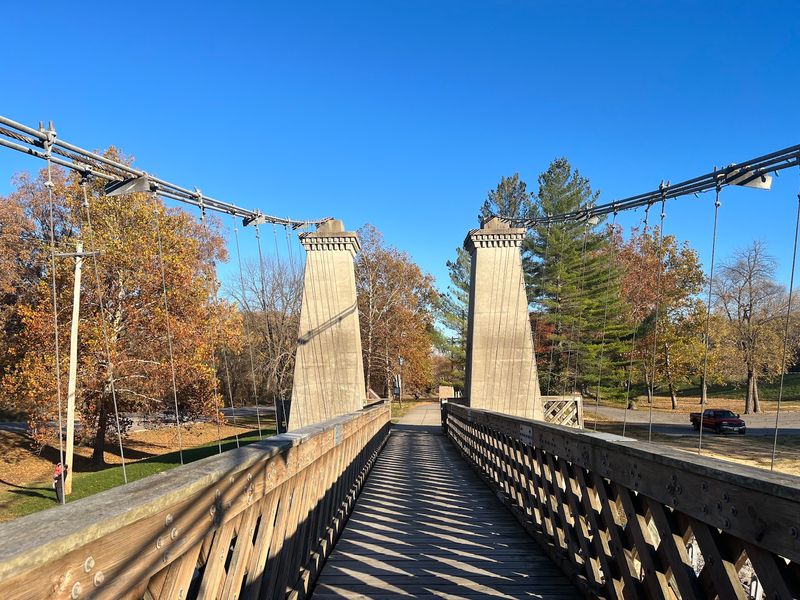
A bridge from the 1850s still stretches over the river here, and you can walk right across it. The General Dean Suspension Bridge in Carlyle was built starting in 1859 and spans the Kaskaskia River.
Cars stopped using it long ago, so the bridge now belongs to walkers. It’s a rare chance to stand on engineering that is more than 160 years old.
Just upstream sits Carlyle Lake, the largest man-made lake in Illinois. Sailboats, fishing boats, and swimmers share its wide open water.
The lake covers about 26,000 acres. That’s a lot of room to roam, and it gives this town of roughly 3,200 people a surprisingly big backyard.
Wind is a big deal on Carlyle Lake. Its size and open layout have made it a favorite spot for sailing, so don’t be shocked to see colorful sails on the horizon.
Downtown, the Main Street storefronts look much as they did decades ago. Take your time, peek in windows, and enjoy a downtown that never rushed to modernize.
History buffs will enjoy the pairing of old bridge and old storefronts. Together they make Carlyle feel like a town that simply decided not to hurry.
Nature lovers get plenty too. State recreation areas around the lake offer campsites, trails, and beaches, so pack for a full day outside.
Bring a camera to the bridge at sunset. The river below and the old towers above make a scene that seems pulled from a history book.
Carlyle is an easy drive east of the St. Louis area. It’s a simple way to trade freeway noise for a slower rhythm.
Address: Carlyle Township, IL 62231
4. Antioch
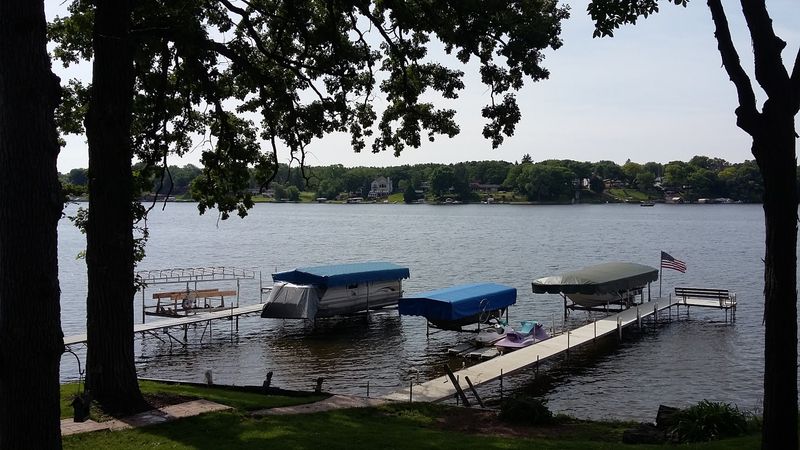
Antioch sits so close to Wisconsin that you could almost wave across the state line. That northern perch also places it beside Lake Marie and the upper Chain O’Lakes.
Early on, the lakes turned Antioch into a resort gateway. Visitors came north to fish, boat, and cool off by the water during summer.
That resort heyday left its mark on downtown. Brick buildings from around the turn of the 20th century still line the main corridor.
Look for the old-fashioned lampposts along the sidewalks. They make an evening stroll feel like a scene from an old movie.
A classic theater marquee adds even more charm. That glowing sign brings a dose of old Hollywood to the block.
Roughly 15,000 people live here, yet downtown stays walkable and compact. You can park once and explore the stretch on foot.
Lake Marie is part of the Chain O’Lakes, so boats can travel to neighboring lakes. That makes Antioch a handy launch point for a day spent hopping between waters.
Bring a fishing rod if you can. The Chain O’Lakes holds plenty of species, and casting a line here is a time-honored pastime.
Prefer dry land? A slow lap past the vintage facades lets you study the craftsmanship of builders from more than a century ago.
Seasons change the mood in fun ways. Summer is all about the lakes, while cooler months shift attention to downtown shops and old storefronts.
Antioch proves a lake town can grow without losing its face. The old brick, old signs, and old lamps still tell the story of a resort town in northern Illinois.
Address: Antioch Township, IL 60002
5. Wauconda
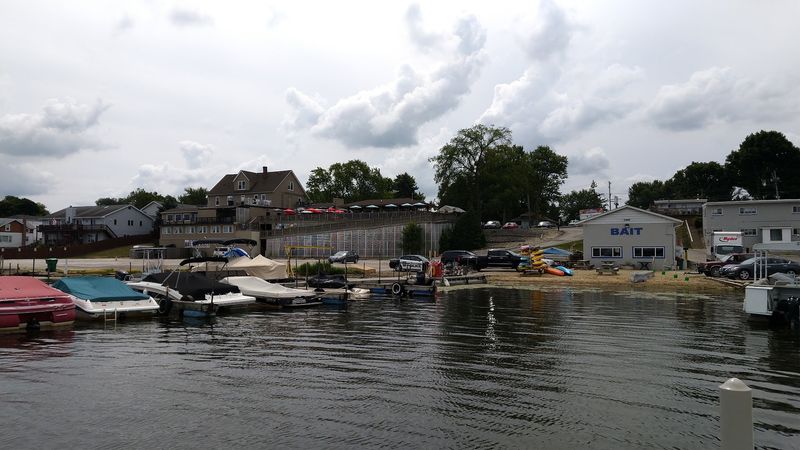
Glaciers did the digging for Bangs Lake long before anyone built a cottage on its shore. Wauconda grew up along the lake’s western edge, and the water still shapes the town.
Bangs Lake is a natural glacial lake, not a reservoir. That gives it a different feel from man-made lakes, with a shoreline that formed over thousands of years.
Historic lakeside beaches made Wauconda a summer favorite for generations. Swimming and boating remain big draws when the weather turns hot.
Main Street runs close to the water, which is a rare treat. You can browse downtown and reach the lakeshore without much of a walk.
Keep your eyes peeled for mid-century neon signs. They carry the style of the 1950s and give the area a resort-era flair.
Older cottages still sit near the lake as well. Those little homes hint at the days when families packed up and spent whole summers by the water.
Around 13,500 people live in Wauconda, but it doesn’t act like a big suburb. The lake and Main Street keep the focus local and laid back.
Paddlers will like Bangs Lake for a mellow morning outing. Kayaks and canoes let you hug the shoreline up close.
Fishing is another easy way to pass the time. Anglers on Bangs Lake target species like bass and panfish, so bring some bait and patience.
Evening may be the best time to visit. That’s when neon signs light up and the lake reflects the sky, making the old-time feeling hard to miss.
For a dose of 1950s lake resort style without a long road trip, Wauconda delivers. It sits in Lake County, an easy drive from much of the Chicago area.
Address: Wauconda Township, IL
6. Lake Villa
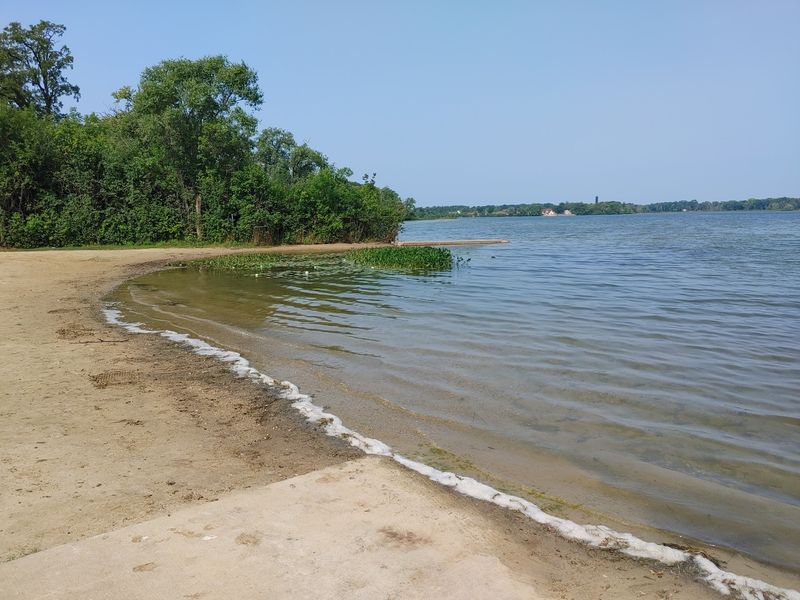
Railroad money and lake breezes built this village back in the 1880s. Hotel and railroad leaders saw resort potential in Lake Villa’s waters and got to work.
Cedar Lake, Deep Lake, and Sun Lake all touch the village. Three lakes in one small place means you’re never far from a shoreline.
The train brought city visitors straight to the resort. Historic depot architecture still stands as a reminder of how travelers arrived in those early days.
Old estates and vintage lakeside cottages round out the picture. Some date back to the resort years, giving streets a sense of quiet history.
About 8,700 people live in Lake Villa today. You won’t find big strip malls crowding the view, which helps the village keep its peaceful character.
Cedar Lake is a favorite for swimming and boating in summer. Deep Lake and Sun Lake offer more spots for fishing and quiet paddling.
Train fans will enjoy that Metra still serves the area. Riding in by rail echoes the way visitors arrived more than a century ago.
Take a slow drive or bike ride past the old homes. Look for older rooflines and details that hint at the village’s resort roots.
Pack a picnic and spend an afternoon near the water. With three lakes close by, picking a favorite spot is the hardest decision you’ll make.
Lake Villa sits in northern Lake County, close to the Chain O’Lakes. That makes it easy to combine with Fox Lake or Antioch for a full day of lake hopping.
It’s a small Illinois village that still feels shaped by its first purpose. People came here to relax by the water, and that idea never really left.
Address: Lake Villa Township, IL
7. Findlay
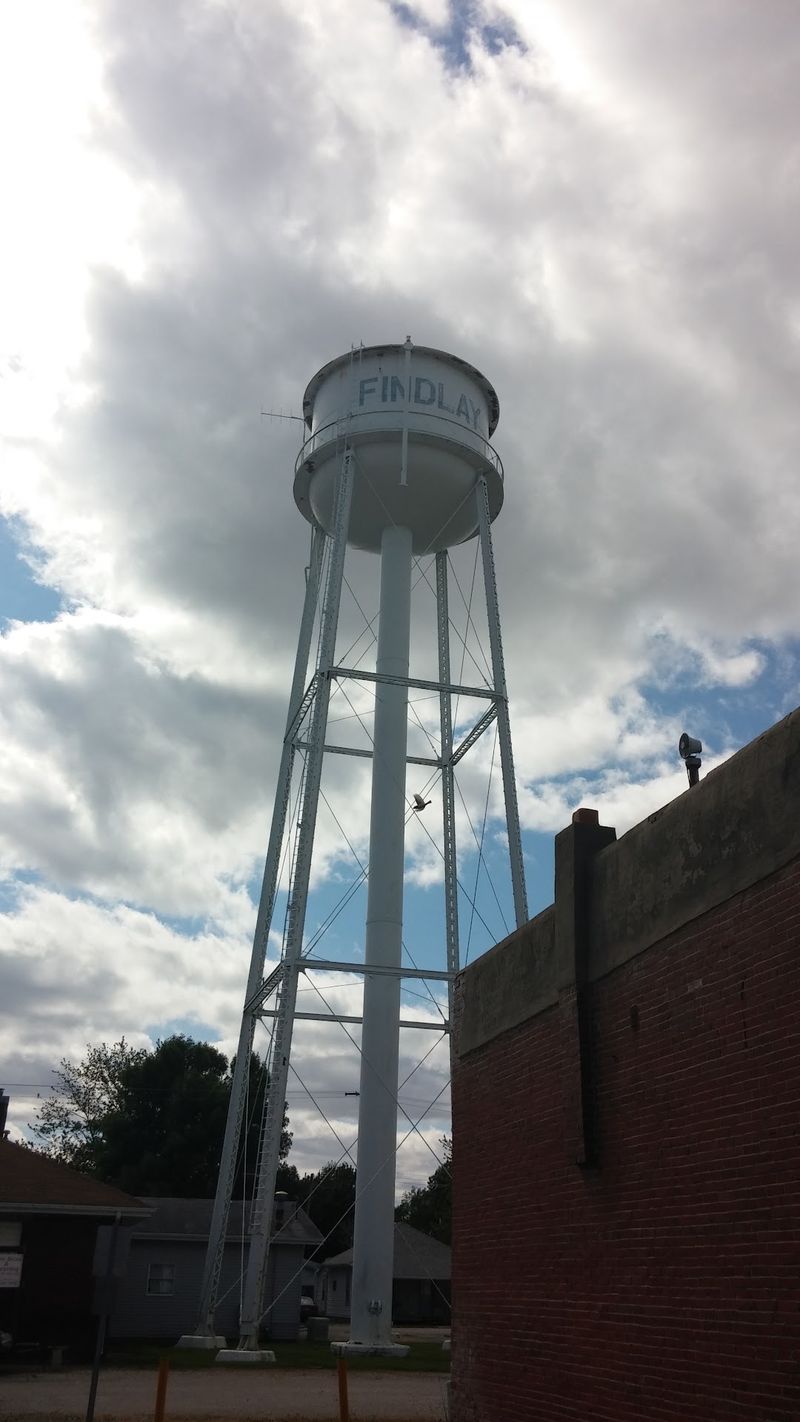
Fewer than 700 people live in Findlay, but the village has a front-row seat to one of central Illinois’ biggest lakes. It sits on the western side of Lake Shelbyville.
That tiny population might be the best part. Streets stay quiet, and the pace leans more toward farm life than city rush.
Lake access is close by, with public boat launches and marinas near town. Anglers and boaters can be on the water in just a few minutes.
Downtown is small and simple. Single-story storefronts from the mid-20th century line the commercial streets, looking much as they did generations ago.
Rustic tackle shops fit right in. They serve folks heading out to fish, and they add to the old-time lake town feel.
Farmland stretches out around the village. That mix of crops and lake water creates a lifestyle that feels pulled from a slower decade.
Tree-lined residential streets make for a nice evening walk. Bring comfortable shoes and enjoy a stroll with almost no traffic noise.
Fishing is the star attraction for many visitors. Lake Shelbyville holds crappie, bass, and other popular species, so bring your gear and a cooler.
Camping fans have options too. Wolf Creek State Park sits nearby, with campsites, trails, and lake views.
Findlay won’t overwhelm you with things to do, and that’s the point. It’s a place to fish, wander, and let the afternoon stretch out.
Pair it with a trip to Shelbyville or Sullivan for more shops and history. Then head back to Findlay when you’re ready for quiet again.
Address: Findlay, Illinois 62534
8. Sullivan
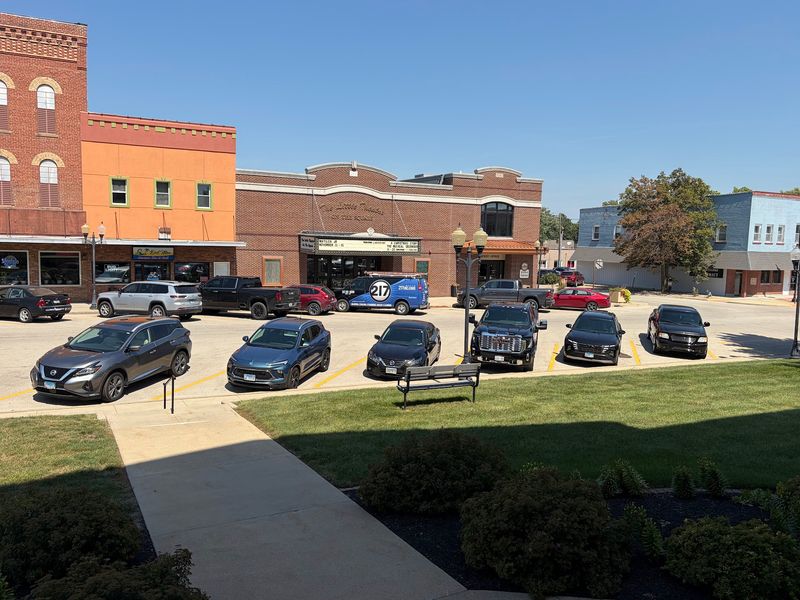
Broadway-style shows in a farm-country county seat? Sullivan has made that happen since 1957 with the Little Theatre on the Square.
The theater sits right on the historic courthouse square. It’s a surprising treat to find professional stage productions in a town of about 4,400 people.
The theater’s long run is a big deal for a rural town. Plenty of performers have passed through its stage since the 1950s, giving the square a creative pulse.
The square itself is worth a slow loop. A historic courthouse anchors the center, with family-owned shops nearby.
Sullivan also sits just north of Lake Shelbyville. That makes it a convenient northern gateway, with Sullivan Marina only about three miles south of town.
A full day here can swing from boat deck to theater seat. Few small towns offer that kind of range.
Country roads lead you in past open fields. That sets the mood before you even reach the square.
Theater lovers should check the show schedule before heading over. Shows run on a seasonal schedule, so plan around performances if catching one is your goal.
Boaters have plenty of room to explore. Lake Shelbyville stretches south from here, with coves and arms that wind through wooded hills.
Fishing is a solid backup plan if you skip the show. The northern end of the lake gives anglers a convenient starting point.
Courthouse squares like this one were the heart of small Illinois towns for generations. Sullivan’s square still plays that role today.
Shoppers can browse local stores around the square. Supporting family-run businesses keeps the old-fashioned downtown going.
Sullivan proves that a small town can hold onto its past and still put on a great show. The curtain has been rising here for decades, and the lake is waiting just up the road.
Address: Sullivan Township, IL 61951
9. Sesser
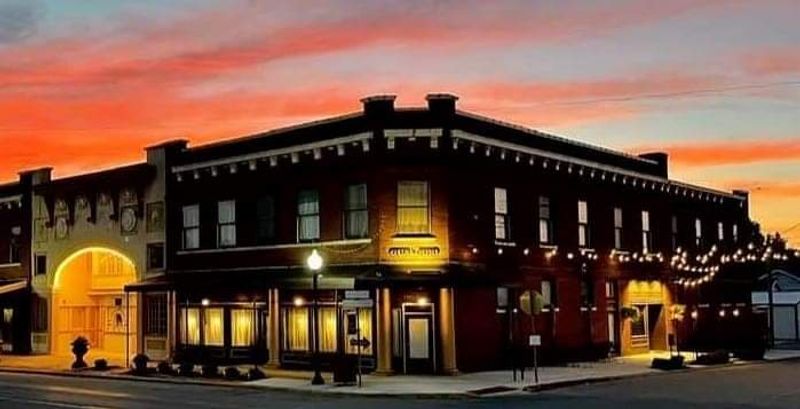
Rend Lake sits right next door to Sesser, and it’s one of the biggest lakes in southern Illinois. That puts a whole lot of water beside a town of about 1,900 people.
The lake is a reservoir built for water supply and recreation. Boating, fishing, and camping keep visitors busy across its long shoreline.
Back in town, early 20th-century brick buildings line the commercial streets. They look like they’ve been waiting patiently for the decades to catch up.
Sesser keeps a traditional rural layout, with simple streets and a compact center. You can see most of downtown in a short walk.
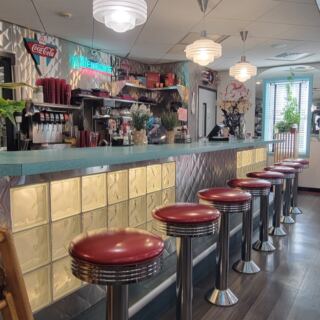
Classic diners are part of the local flavor too. Grab a seat and enjoy a meal in a setting that hasn’t chased trends.
Rend Lake is known for its crappie fishing. Bring a rod and a little patience, and you’ll understand why anglers keep coming back.
Wildlife fans can explore the land around the lake as well. Wildlife areas and trails around Rend Lake offer chances to spot birds and other critters.
Golf fans can find a course near the water too. Rend Lake Golf Course sits by the lake, adding another way to spend a sunny day.
Southern Illinois has its own pace, and Sesser shows it well. Life here moves slower than in the busy cities up north.
Spring and fall bring mild weather. Those seasons suit long walks and lazy afternoons by the water.
Pair Sesser with nearby Benton or other Rend Lake area stops. Then come back to town when you want old brick and small-town calm.
Sesser may be small, but it has held onto its character. Between the lake and those old storefronts, it feels like a postcard from another era.
Address: Goode Township, IL 62884
Share this story