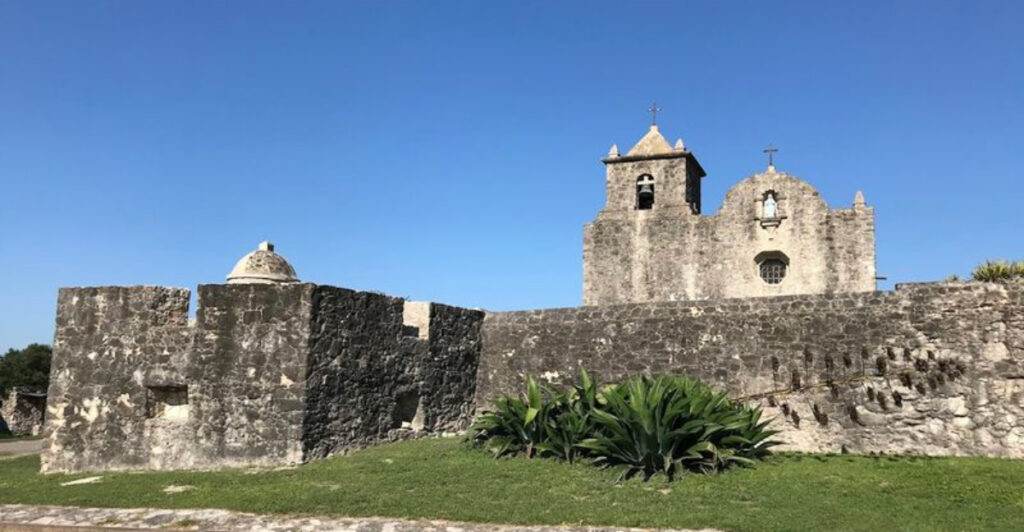
Texas holds more than just wide-open spaces and bustling cities. Scattered across the state are forgotten corners where nature has reclaimed what humans left behind, creating eerie landscapes that feel frozen in time. These abandoned or rarely visited park sites tell stories of battles long past, missions that crumbled, and structures built by hands that have long since turned to dust.
Whether you’re a history buff, a paranormal enthusiast, or just someone who loves exploring the road less traveled, these creepy Texas locations will send shivers down your spine.
1. Sabine Pass Battleground State Historic Site (Port Arthur)
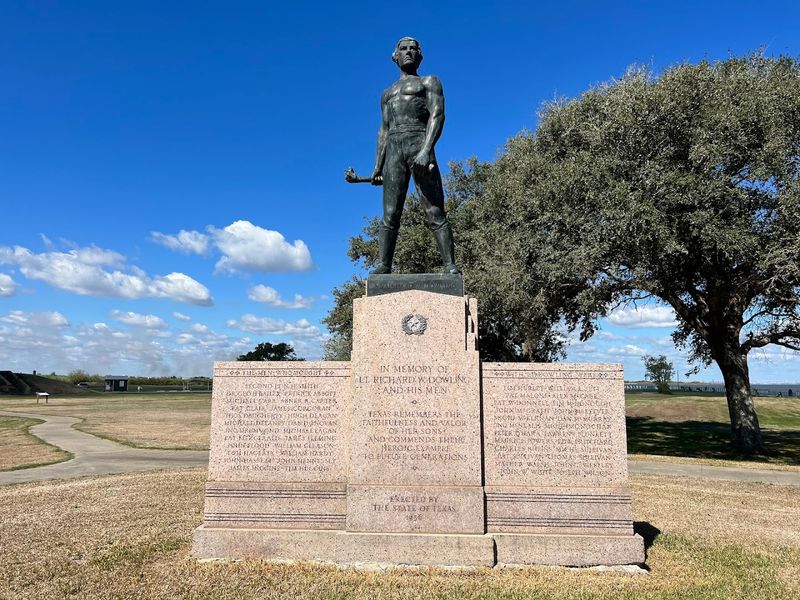
Walking through Sabine Pass feels like stepping onto a stage where the actors vanished mid-performance. The site commemorates a Civil War naval battle from 1863, but today it sits mostly empty, with only the wind and occasional curious visitor breaking the silence. Rusted cannons point toward the water as if still guarding against phantom ships, while interpretive markers stand like sentinels over stories few people stop to read.
The real unease comes from how isolated this place feels despite being near Port Arthur. Dense coastal vegetation swallows the pathways, and the humid air hangs heavy with the scent of saltwater and decay. On foggy mornings, visibility drops to almost nothing, transforming the monument into something from a gothic novel.
You might hear the distant clang of metal from nearby industrial facilities, but it echoes strangely across the marsh, sounding almost like ghostly artillery.
What makes Sabine Pass particularly haunting is the disconnect between its historical significance and its current abandonment. Dick Dowling and his small Confederate force achieved an improbable victory here, yet the site receives minimal foot traffic. Nature has aggressively reclaimed much of the grounds, with vines creeping over plaques and structures slowly surrendering to the elements.
The observation deck offers views of the pass, but standing there alone, you can’t shake the feeling that you’re being watched by unseen eyes.
Local legends speak of strange lights over the water and unexplained sounds emanating from the marsh at night. Whether you believe in such things or not, the atmosphere here demands respect. This isn’t a manicured park with fresh paint and guided tours; it’s a raw, neglected memorial where history feels uncomfortably present.
The combination of military tragedy, isolation, and nature’s slow conquest creates an experience that lingers long after you leave.
2. Hueco Tanks State Park and Historic Site (El Paso County)
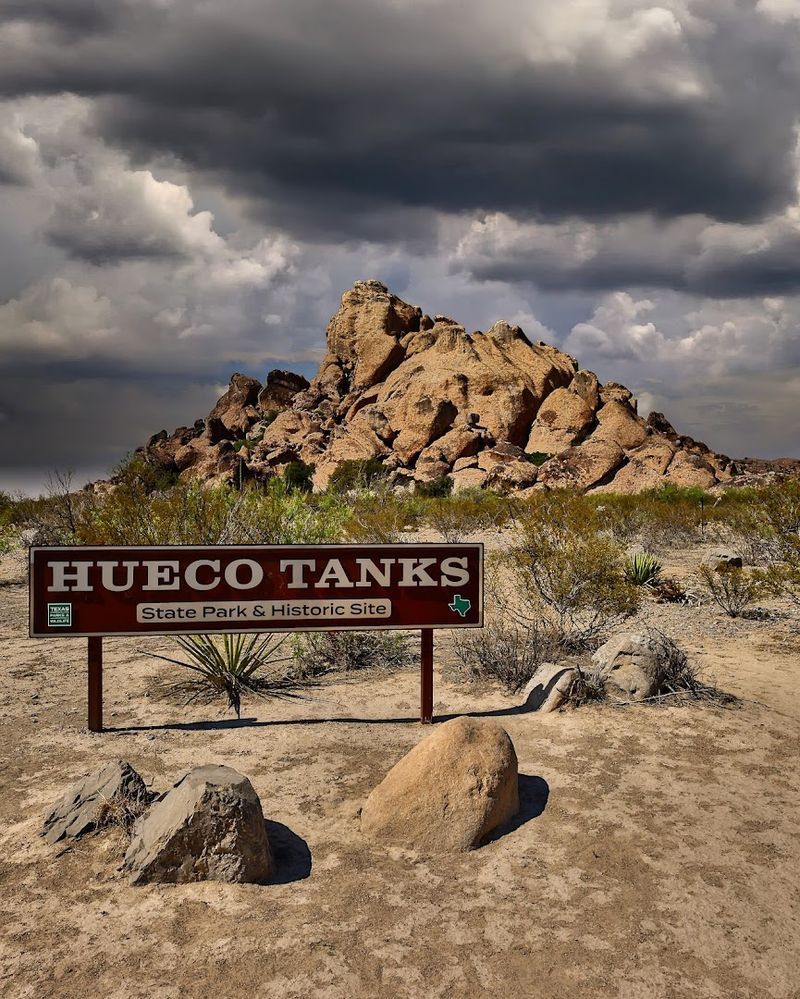
While Hueco Tanks is still an active, managed site, exploring its more restricted and secluded areas reveals exactly why it made this list. The massive rock formations create natural tanks that collect rainwater, which attracted humans for thousands of years. Those ancient visitors left behind pictographs and petroglyphs that now watch silently from cave walls and boulder faces.
Many areas require guided access because of the site’s cultural sensitivity, meaning large portions feel utterly deserted and off-limits.
The restricted sections hold the real creepy factor. Narrow passages between boulders lead to chambers where sunlight barely penetrates, and the temperature drops noticeably. Ancient artwork depicts masks, shamanic figures, and symbols whose meanings died with their creators centuries ago.
Standing before these images in near-total silence, with only the occasional desert wind whistling through rock crevices, creates an unsettling awareness of how temporary human presence really is.
What amplifies the eerie atmosphere is the knowledge that this place served spiritual purposes for indigenous peoples. The tanks themselves, when empty, resemble dark voids in the stone, and their echoes carry oddly when you speak into them. Climbers who’ve explored the more remote sections report feeling watched, finding inexplicable cold spots, and hearing sounds that don’t match any known wildlife.
Whether supernatural or simply the product of an isolated desert environment, something about Hueco Tanks puts people on edge.
The park’s management strictly limits visitor numbers to protect both the environment and the irreplaceable cultural resources. This means even during operating hours, you might find yourself completely alone among these ancient stones. The desert sun beats down mercilessly, creating harsh shadows that shift and seem almost alive.
When clouds pass overhead, the entire landscape transforms into something primordial and unwelcoming, reminding you that this land belonged to others long before it became a state park.
3. The Ruins at Fanthorp Inn State Historic Site (Anderson)
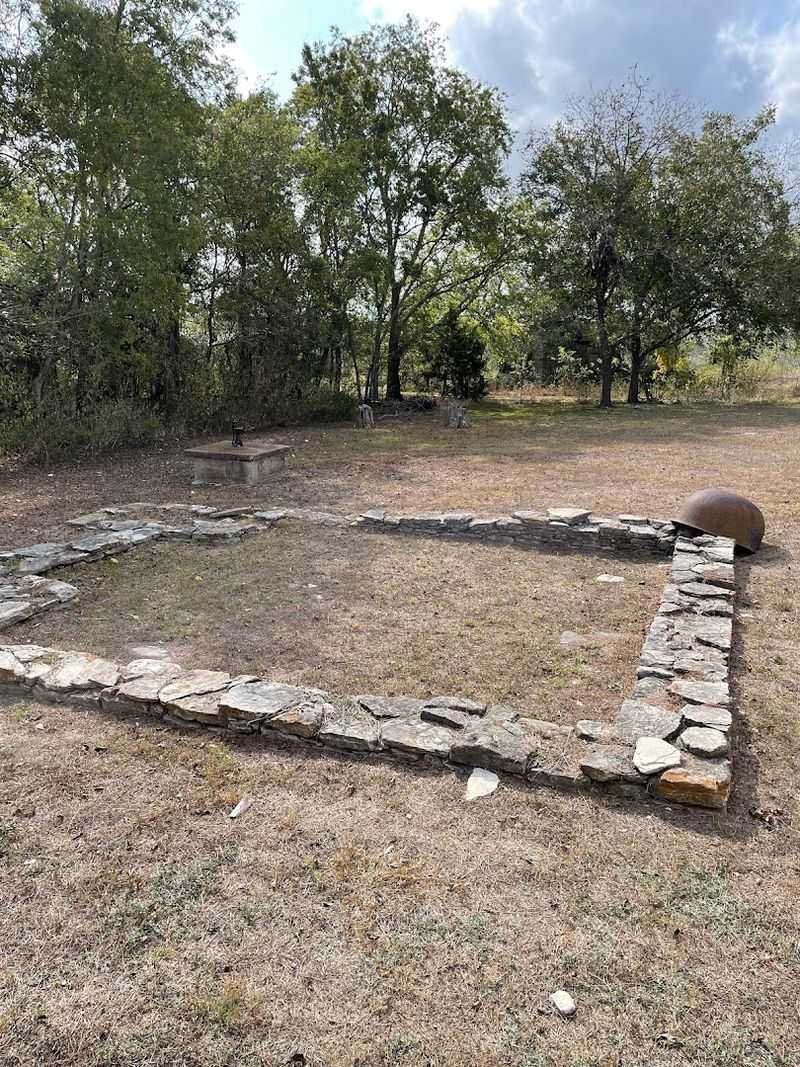
Once a busy stop for stagecoach travelers, this historic site now stands as a quiet reminder of a bygone era that feels increasingly distant. The main structure has been partially preserved, yet walking through it reveals more decay than restoration. Floorboards creak under your weight with sounds that seem too loud in the pervading quiet, and empty rooms echo with footsteps that might not all be your own.
The inn operated from the 1830s through the Civil War era, hosting everyone from Sam Houston to ordinary frontier families, and some say not all those guests ever truly checked out.
Behind the main building, outbuildings in various states of collapse dot the property. These auxiliary structures—slave quarters, kitchens, storage buildings—receive far less maintenance attention than the inn itself. Vegetation has pushed through foundations, and walls lean at angles that defy gravity.
On overcast days, the whole site takes on a melancholic quality that borders on oppressive. The historical markers tell sanitized stories, but the buildings themselves whisper harder truths about frontier life, slavery, and the violence that occasionally erupted at such crossroads.
Visitors report unusual experiences here with surprising frequency. Shadows moving in peripheral vision, doors that seem to close on their own, and the distinct feeling of being unwelcome in certain rooms all contribute to the site’s reputation. The Texas Historical Commission maintains the property, but budget constraints mean long periods pass between preservation efforts.
During these gaps, nature and time collaborate to reclaim what humans built, creating an atmosphere of elegant decay.
The surrounding town of Anderson itself feels nearly abandoned, amplifying the isolation of the inn. Standing in the upper rooms, looking out windows that once framed views of bustling stagecoach activity, you now see only empty roads and quiet fields. The contrast between past vitality and present stillness creates a profound sense of loss that many find deeply unsettling.
4. Fort Phantom Hill Historic Site (Abilene)
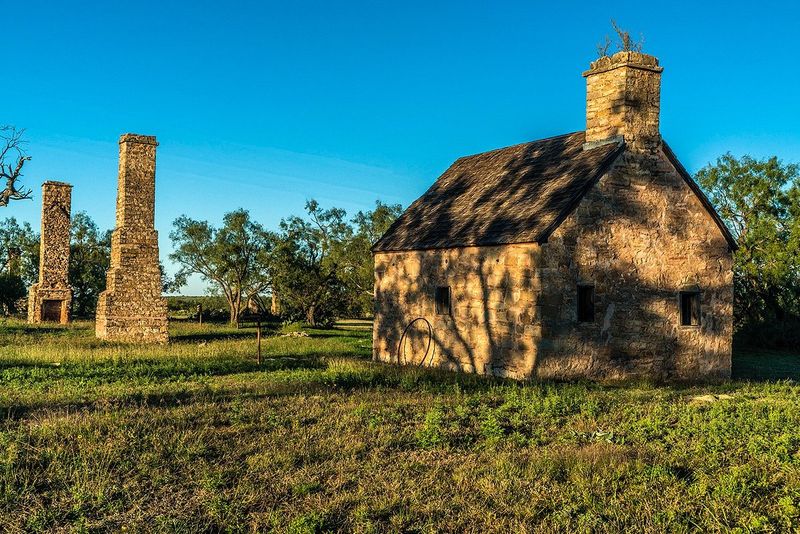
Few places in Texas wear their abandonment quite as dramatically as Fort Phantom Hill. Established in 1851 to protect frontier settlers, the fort was mysteriously abandoned just three years later, with some buildings set ablaze during the evacuation. Today, massive stone chimneys rise from the prairie like skeletal fingers, marking where structures once stood.
These chimneys are all that survived the fires, and they create an apocalyptic landscape that photographers and ghost hunters find irresistible.
The fort earned its unusual name from a nearby hill that seemed to shimmer and disappear in the heat, creating phantom-like mirages. That same disorienting quality pervades the ruins today. The site sits far from major roads, accessible mainly via dirt paths that can become impassable after rain.
This isolation means you’re often completely alone among the ruins, with nothing but wind and the occasional hawk for company. The chimneys cast long shadows that move across the ground like sundial markers, measuring time in a place where time seems to have stopped.
Paranormal investigators consistently rank Fort Phantom Hill among Texas’s most haunted locations. Soldiers died here from disease, accidents, and occasionally violence, and local legend insists their spirits never left. People report hearing phantom footsteps, unexplained voices, and seeing figures in period military dress who vanish when approached.
Even skeptics admit the place possesses an atmosphere that raises goosebumps, particularly near sunset when the ruins take on an even more forbidding appearance.
What makes the site especially creepy is its lack of interpretation or development. There are no visitor centers, no guided tours, no sanitizing amenities to buffer you from the raw historical reality. You simply stand among broken stones and imagine the desperation that led to this fort’s abandonment.
The wind carries no answers, only more questions about what exactly happened here and why the military fled so abruptly, leaving these chimneys as permanent reminders of failure and fear.
5. Mission Espiritu Santo at Goliad State Park (Goliad)
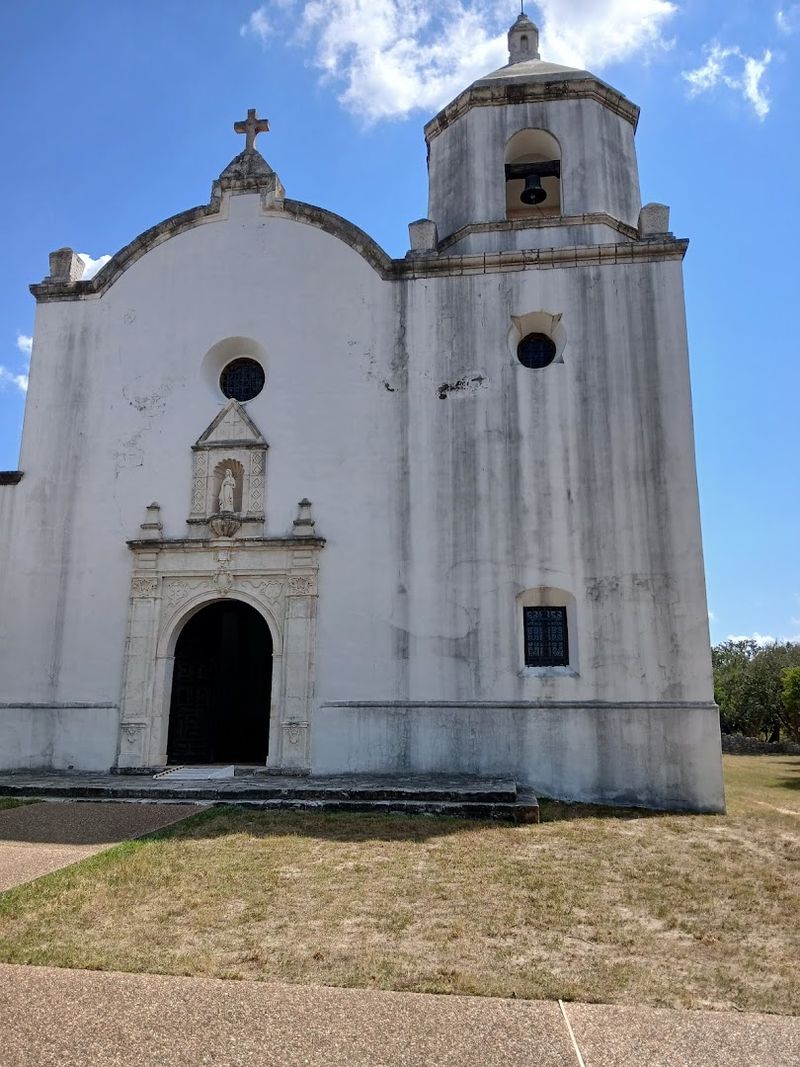
Mission Espiritu Santo carries the weight of multiple abandonments across its three-century history. Originally established in 1749, the mission complex served as a center for converting indigenous peoples to Christianity and teaching them Spanish colonial ways. The structures you see today represent a Civilian Conservation Corps reconstruction from the 1930s, but even that restoration effort has surrendered to time’s relentless march.
Walking through the mission grounds, especially in areas away from the main church, reveals crumbling walls, empty rooms, and spaces that feel heavy with unspoken stories.
The mission church itself, while partially maintained, contains corners that seem to absorb light rather than reflect it. Stone walls several feet thick create acoustic dead zones where sounds vanish unnaturally. The bell tower, accessible via a narrow spiral staircase, offers views of the surrounding park, but climbing it requires navigating steps worn dangerously smooth by centuries of feet.
At the top, wind whistles through openings with an almost vocal quality, and the height combined with the age of the structure creates genuine unease.
Beyond the main buildings, the mission complex sprawls across acres that receive minimal visitor traffic. Foundations of workshops, living quarters, and defensive structures poke through the grass like broken teeth. The acequia (irrigation ditch) system still traces visible lines through the landscape, though it no longer carries water.
These abandoned waterways, now filled with vegetation and debris, snake through the property like forgotten veins in a body that’s stopped pumping life.
The mission’s history includes disease outbreaks, conflicts with indigenous groups who resisted conversion, and the eventual secularization that rendered the whole enterprise obsolete. This layered tragedy soaks into the stones themselves, creating an atmosphere that sensitive visitors find almost overwhelming. The park technically operates as a functional state park, but the mission section feels distinctly separate—a pocket of the past that refuses to fully integrate with the present, maintaining instead a stubborn, unsettling separateness.
6. Fort Parker State Park CCC Ruins (Mexia)
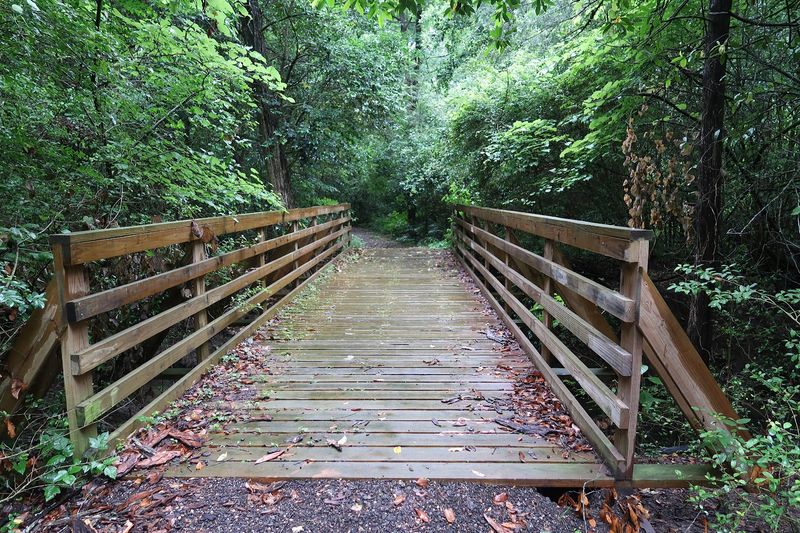
Most visitors to Fort Parker State Park come for the lake and camping, completely unaware of the haunting CCC-era ruins hidden in the woods. The Civilian Conservation Corps built numerous structures here during the Great Depression, and while some remain in use, others have been left to decay in spectacular fashion. Stone foundations merge with tree roots, wooden beams sag under the weight of vines, and what were once functional buildings now serve as monuments to a different kind of American struggle.
Finding these ruins requires venturing off main trails, following paths that grow increasingly faint until you’re essentially bushwhacking. The park doesn’t advertise their locations—partly for safety reasons, partly because officially acknowledging them might create liability issues. When you finally stumble upon them, the effect is startling.
These aren’t ancient historical sites; they’re relatively recent structures from the 1930s, yet they’ve deteriorated so completely they might as well be medieval. The speed of nature’s reconquest serves as a humbling reminder of how quickly human achievements can vanish.
The most intact ruin is a stone pavilion that once served as a gathering place for CCC workers and early park visitors. Its roof collapsed years ago, leaving walls open to the sky and floor covered in debris. Graffiti from multiple decades layers the interior walls, creating an accidental archaeological record of trespassers and explorers.
Some of the messages date back to the 1950s, adding their own historical dimension to the site. Sitting inside this roofless structure, you’re simultaneously in the 1930s, the 1950s, and the present, with all three eras competing for your attention.
What makes these ruins particularly eerie is their context within an otherwise maintained park. You can be swimming in the lake or grilling at a campsite, then hike fifteen minutes into the woods and find yourself in what feels like a post-apocalyptic landscape. The contrast is jarring and raises uncomfortable questions about what we choose to preserve versus what we allow to crumble into obscurity.
7. Port Isabel Lighthouse State Historic Site Grounds (Port Isabel)
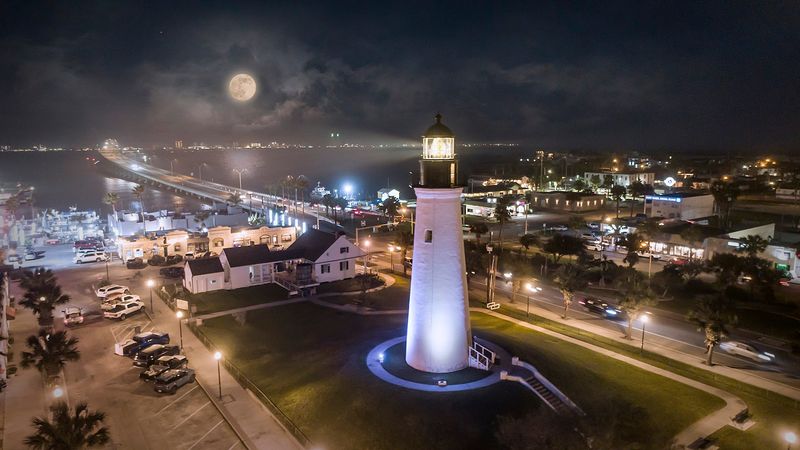
The Port Isabel Lighthouse itself receives regular maintenance and attracts tourists, but the surrounding grounds tell a different story. Historic structures that once supported the lighthouse operation—keeper’s quarters, storage buildings, and defensive positions from the Mexican-American War—sit in varying states of abandonment. The contrast between the pristine lighthouse and these neglected structures creates a split personality that defines the site’s unsettling character.
Walking the perimeter of the property, you encounter foundations barely visible through coastal vegetation, rusted metal fragments half-buried in sand, and brick walls slowly dissolving under the assault of salt air. The Gulf Coast environment accelerates decay dramatically, and these abandoned structures show it. Paint peels in sheets, wood rots from the inside out, and metal corrodes into lace-like patterns.
The process happens so aggressively that structures from the early 20th century look ancient, their materials breaking down at rates that would take centuries in drier climates.
The lighthouse grounds have witnessed significant violence throughout history, serving as a strategic military position during the Mexican-American War and the Civil War. Soldiers died here, both in combat and from disease, and the ground beneath your feet quite literally contains their history. Some visitors report feeling unwelcome in certain areas of the grounds, as if trespassing on space that belongs to others.
The feeling intensifies near sunset, when long shadows from the lighthouse sweep across the property like a searching beam.
What amplifies the creepiness is the proximity to modern Port Isabel, a functioning tourist town just blocks away. You can hear traffic, smell restaurant cooking, and see people going about normal activities, yet standing among these ruins feels completely isolated. The Gulf wind carries sounds in strange ways, sometimes amplifying distant conversations to unnatural clarity, other times swallowing nearby sounds completely.
This acoustic unpredictability, combined with the visual decay and historical weight, creates an experience that many find genuinely disturbing despite the site’s official status as a cheerful tourist attraction.
8. Fort Stockton Historic District (Hovey School Park Area)
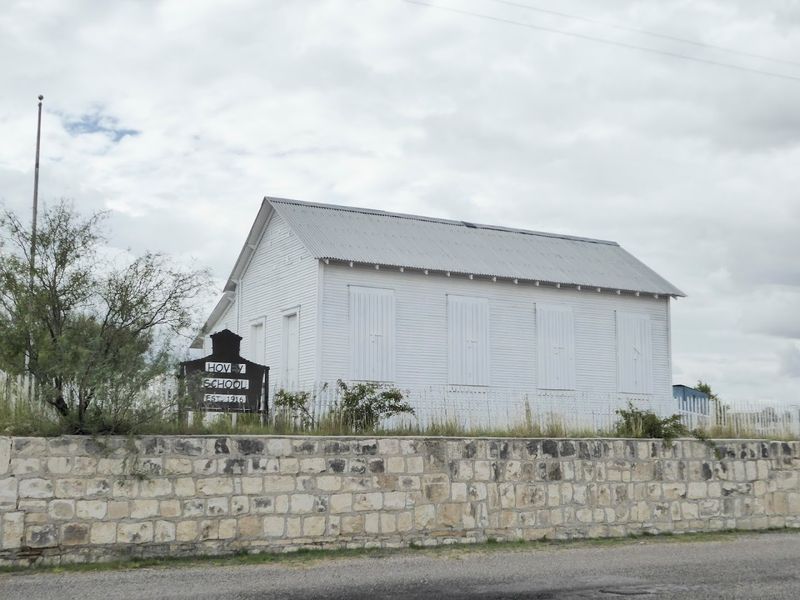
Fort Stockton’s historic district contains several sites of interest, but the area around the old Hovey School in what’s now a neglected park section creates the most unsettling atmosphere. The school operated for decades before closing in the mid-20th century, and while the building hasn’t been completely abandoned, it sits largely unused and increasingly deteriorated. Peering through dusty windows reveals classrooms frozen in time, with old desks, chalkboards, and educational materials slowly rotting in the dry West Texas air.
The park area surrounding the school has seen better days. Equipment rusts in place, playground structures that once rang with children’s laughter now stand silent and potentially dangerous, and vegetation grows unchecked through cracked pavement. The city maintains minimal presence here, seemingly content to let this section of the historic district fade into obscurity.
On hot afternoons, when most sensible people seek air conditioning, the abandoned playground equipment casts shadows that seem to move independently of the sun’s position.
What makes this area particularly creepy is its location within a functioning town. Fort Stockton continues as a living community, yet this pocket of abandonment persists like a wound that won’t heal. Local teenagers sometimes use the area for illicit gatherings, leaving behind evidence of activities that add their own layer of recent history to the site’s older stories.
Empty bottles, graffiti, and the remains of small fires create an atmosphere of lawlessness and neglect that contrasts sharply with the district’s supposed historic designation.
The school building itself reportedly experiences paranormal activity, with former students and teachers claiming to hear phantom bells, children’s voices, and footsteps in empty hallways. Whether these accounts have merit or simply reflect nostalgia mixed with the power of suggestion, the building undeniably possesses an oppressive atmosphere. Standing in the park area at dusk, watching windows that reflect the dying light while revealing nothing of the darkness within, you can’t help but feel that something about this place resists moving forward into the present, clinging instead to a past that grows more distant and distorted with each passing year.
9. San Jacinto Battleground Quiet Zones (La Porte)
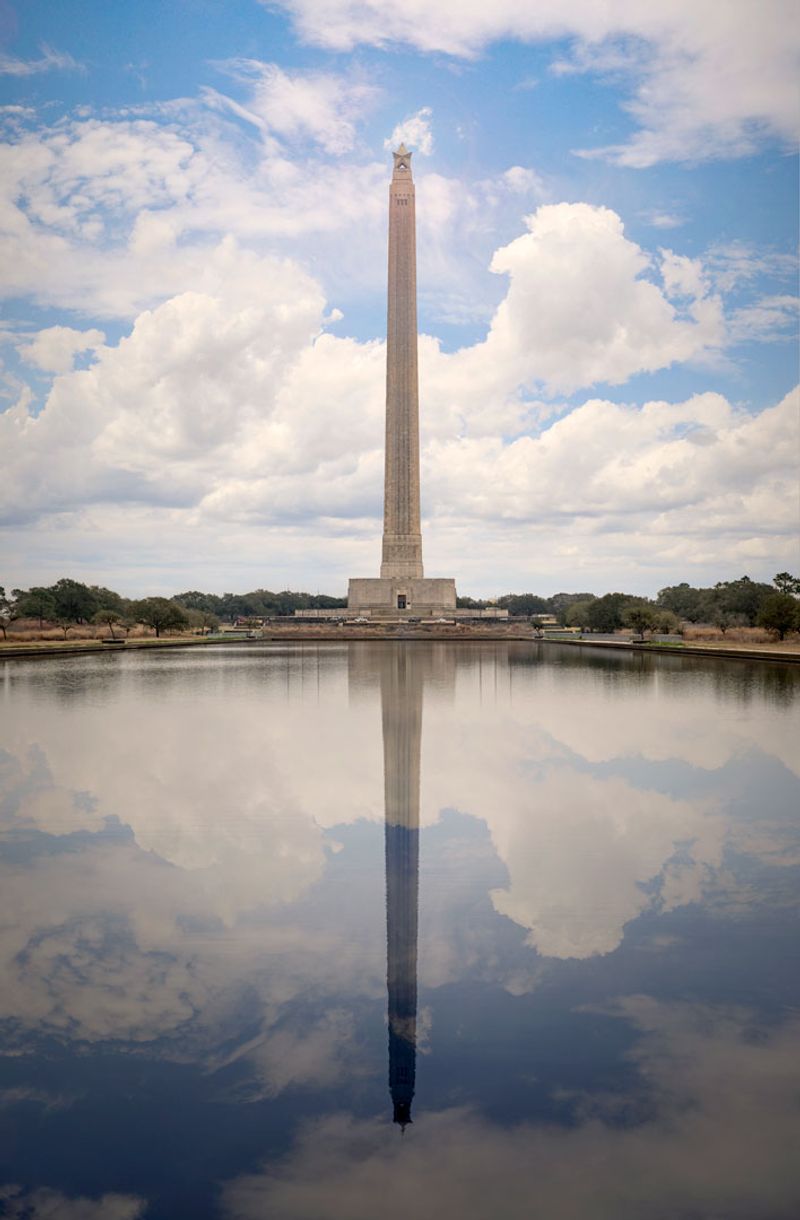
While the monument and museum draw steady crowds, the surrounding battlefield remains unexpectedly quiet, preserving the stillness of the decisive 1836 fight that secured Texas independence. The park designates certain zones as quiet areas meant for reflection, but these spaces feel less peaceful than abandoned. The Texas Revolution’s bloodiest eighteen minutes happened here, and walking the grounds where men killed and died in close combat creates an atmosphere heavy with historical trauma.
The quiet zones sit away from the monument and parking areas, requiring deliberate effort to reach. Ancient oak trees, their branches twisted into shapes that suggest anguish, provide the only vertical elements in otherwise flat terrain. Historical markers dot the landscape, but many show their age, with faded text and rusted posts.
The grass grows tall in areas where foot traffic doesn’t keep it trimmed, and you can walk for extended periods without seeing another person. The nearby Houston Ship Channel provides constant industrial background noise, yet somehow this modern sound emphasizes rather than diminishes the historical isolation.
What makes these areas genuinely creepy is the disconnect between the battle’s significance and the current emptiness. This ground absorbed the blood of hundreds of men during a conflict that shaped the entire region’s future, yet today it sits largely ignored, visited more by joggers cutting through than history enthusiasts seeking connection with the past. The few who do come specifically to contemplate the battle often report feeling watched, experiencing sudden temperature drops, or hearing sounds that don’t match any visible source.
The quiet zones take on their most unsettling character during fog, which rolls in frequently from Galveston Bay. Visibility drops to mere feet, transforming the open battlefield into a claustrophobic maze where the monument disappears and you lose all sense of direction. In these conditions, it’s easy to imagine the confusion of battle, the smoke from black powder weapons, the screams of wounded men.
The past feels uncomfortably present, and the quiet that gives these zones their name becomes oppressive rather than contemplative, weighted with all the violence and fear that soaked into this ground nearly two centuries ago.
10. Presidio La Bahia Grounds Adjacent (Goliad)
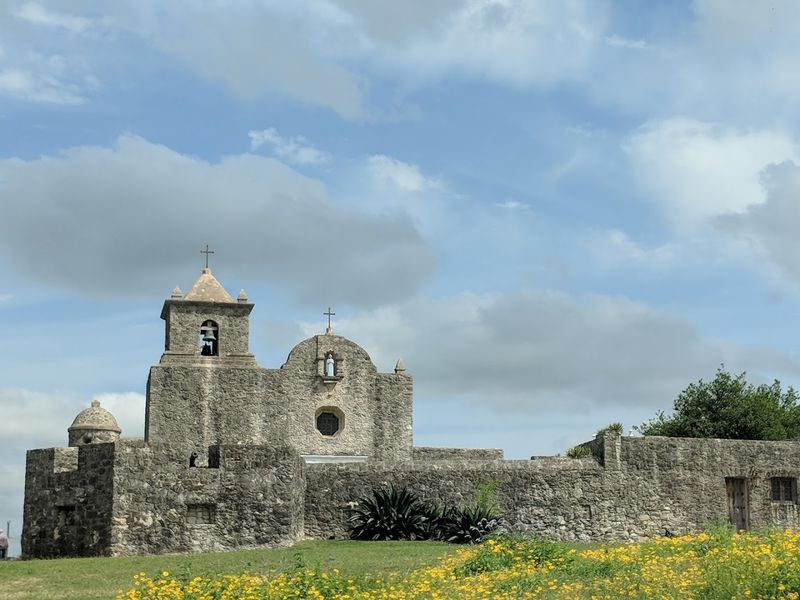
While the fort itself operates as a well-maintained historic site, the surrounding grounds hold overlooked ruins and remnants that feel largely forgotten. These areas witnessed some of Texas history’s darkest moments, including the Goliad Massacre where over 340 Texian prisoners were executed by Mexican forces in 1836. The land soaked up that violence, and visitors consistently report that these adjacent areas feel fundamentally different from the maintained presidio—heavier, darker, and distinctly unwelcoming.
Crumbling stone walls extend from the main fort into areas now overgrown with vegetation. These outlying defensive structures and support buildings have been left to decay, their original purposes obscured by time and neglect. Walking among these ruins, you encounter foundations that hint at structures whose functions you can only guess, wells that descend into darkness, and depressions in the ground that might be anything from trash pits to unmarked graves.
The uncertainty about what lies beneath your feet adds psychological weight to the physical decay surrounding you.
The adjacent grounds also contain the area where the massacre victims were initially buried before later reinterment. While memorials mark the general location, the exact spots remain uncertain, meaning you might be walking directly over ground that served as a mass grave. This knowledge transforms a simple walk through overgrown fields into something far more somber and unsettling.
The grass grows thick and tall in areas where it receives nutrients from soil that once absorbed the blood of hundreds of executed men.
Local ghost hunting groups consistently rank these adjacent grounds among Texas’s most paranormally active locations. Reports include apparitions in period clothing, unexplained lights, phantom gunfire sounds, and the sensation of being grabbed or pushed by invisible forces. Whether you attribute such experiences to genuine supernatural activity or the psychological impact of knowing the area’s tragic history, the effect remains the same—a persistent feeling that this ground remembers what happened here and hasn’t forgiven or forgotten.
The contrast between the tourist-friendly presidio and these abandoned adjacent areas creates a jarring reminder that historical sites don’t always present sanitized, comfortable versions of the past.