Texas is packed with incredible places to eat, from smoky barbecue joints to hidden cafes serving up comfort food that’ll make you want to move in. But if you think you’ve sampled the best the Lone Star State has to offer, you might want to hold that thought. We’ve rounded up eleven spots that separate the casual diners from the true Texas food enthusiasts—places so good, they’re worth the drive no matter where you’re starting from.
1. Rancho Pizzeria (Coleman)
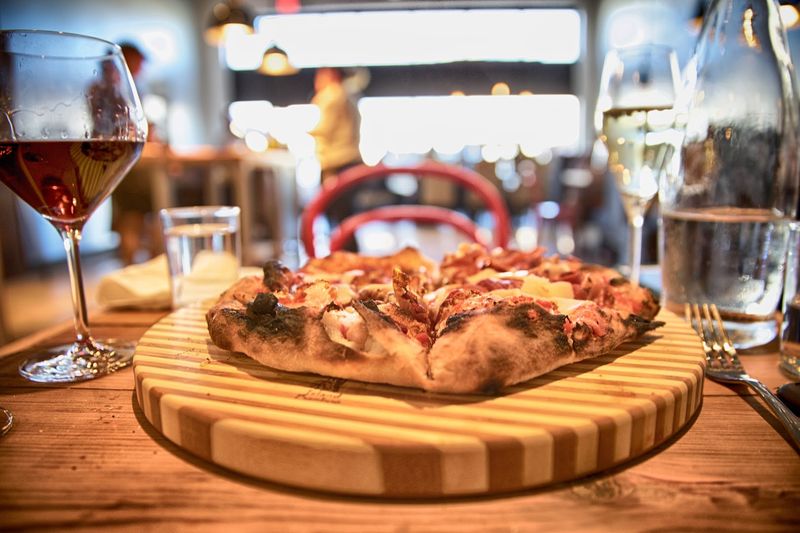
Out in Coleman, a town where cattle outnumber people by a comfortable margin, sits a pizza place that has no business being this good. Rancho Pizzeria doesn’t look like much from the highway, but locals know better than to judge a restaurant by its exterior. The magic happens in that wood-fired oven, where dough gets transformed into something that rivals anything you’d find in the big cities.
What makes this spot special isn’t just the crispy-chewy crust or the fresh toppings. It’s the way they’ve managed to create a neighborhood gathering spot in a town that doesn’t have many. Families pile in after Friday night football games.
Ranchers stop by still wearing their work boots. Everyone seems to know everyone, and if you’re new, you won’t be for long.
The menu keeps things straightforward without being boring. Classic combinations are executed perfectly, while a few creative options show off what happens when someone truly cares about their craft. The Margherita tastes like summer in Italy somehow ended up in Central Texas.
Their meat lover’s option doesn’t skimp on anything, piled high with locally sourced sausage and pepperoni that has actual flavor.
Portions are generous enough that you’ll have breakfast sorted for tomorrow. Prices remain shockingly reasonable, especially considering the quality you’re getting. The service moves at small-town speed, which means your server might stop to chat about the weather or ask about your family, and honestly, that’s part of the charm.
Finding great pizza in rural Texas isn’t supposed to be this easy, but Rancho Pizzeria proves that passion and skill matter more than location. Make the drive to Coleman, and you’ll understand why people drive even further just to grab a pie from this unassuming gem.
2. Cattleman’s Steakhouse (Fabens)
Fabens sits just outside El Paso, close enough to the border that you can practically taste the cross-cultural influences in the air. Cattleman’s Steakhouse has been serving up some of the finest beef in West Texas for decades, earning a reputation that extends far beyond this small desert community. Walking through the doors feels like stepping into a time capsule where the focus has always been on one thing: perfectly cooked meat.
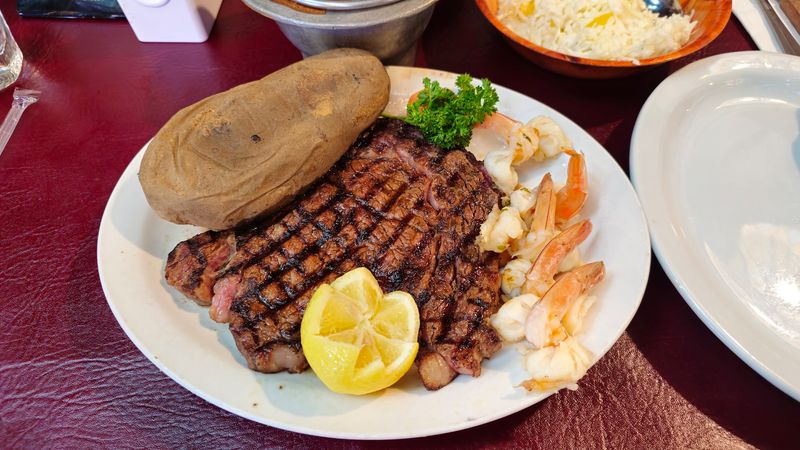
The steaks here are cut thick and cooked over mesquite, giving them a smoky flavor that gas grills just can’t replicate. Whether you order a ribeye, T-bone, or filet, you’re getting beef that’s been aged properly and seasoned with a light hand that lets the natural flavors shine. The char on the outside gives way to tender, juicy meat that doesn’t need steak sauce—though they’ll bring you some if you ask.
Side dishes don’t play second fiddle here. The baked potatoes are massive, loaded with real butter and sour cream. Their beans have been simmering long enough to develop deep, complex flavors.
Even the salad bar, often an afterthought at steakhouses, offers fresh vegetables and homemade dressings worth your attention.
What really sets Cattleman’s apart is the atmosphere. This isn’t a fancy, white-tablecloth kind of place. It’s where working folks come to celebrate promotions, anniversaries, and graduations.
The staff treats regulars like family and newcomers like future regulars. Prices reflect the quality without requiring a second mortgage.
In a state that takes its beef seriously, Cattleman’s Steakhouse holds its own against any competitor, big city or small town. The drive to Fabens might seem long until you take that first bite and realize some things are absolutely worth the journey.
3. Horny Toad Bar & Grill (Cranfills Gap)
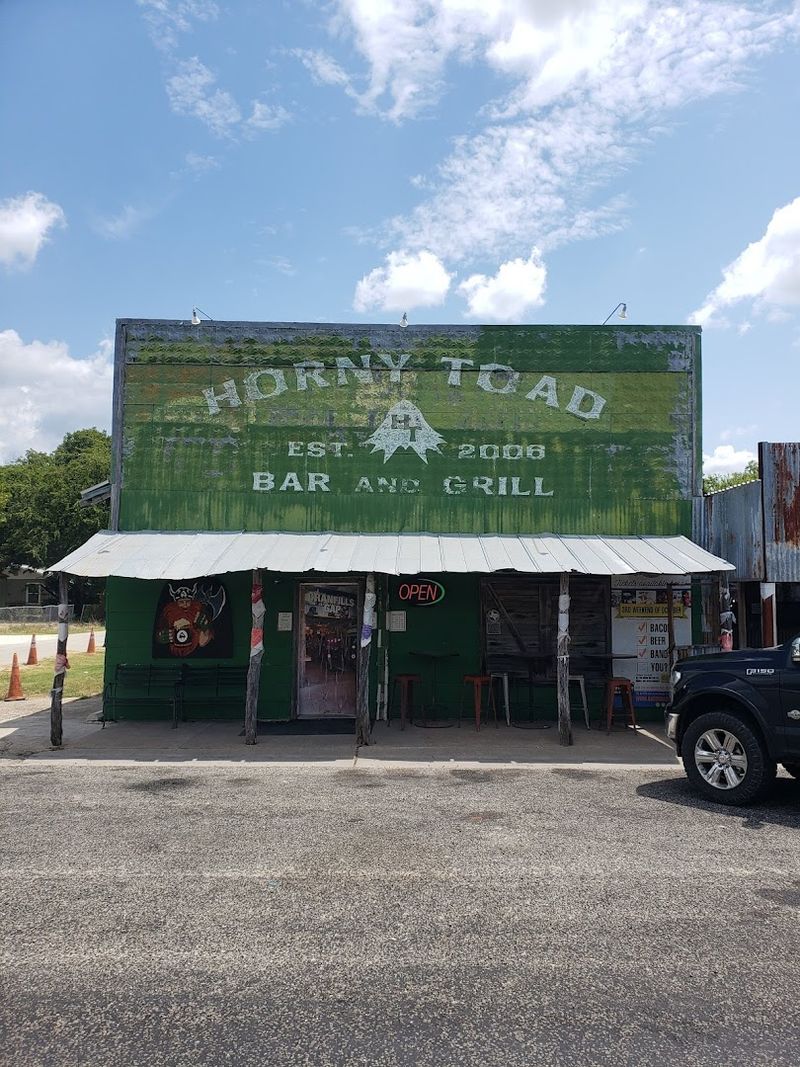
It’s the kind of tiny town you could miss in a blink, but the Horny Toad Bar & Grill gives you a reason to stop paying attention—and pull over fast. With a name like that, you’d expect something memorable, and this place delivers on every level. The building itself looks like it’s been around since before paved roads, weathered and worn in the best possible way, with character seeping from every board.
Inside, the walls are covered with an eclectic mix of Texas memorabilia, old license plates, and photographs that tell stories of decades past. The bar stretches along one side, well-stocked and tended by bartenders who know how to pour a proper drink. The grill pumps out burgers that are hand-patted and cooked to order, juicy enough that napkins become a necessity, not a suggestion.
Their chicken fried steak deserves its own paragraph. Massive, crispy, and smothered in cream gravy that tastes like someone’s grandmother made it with love and real butter. It hangs off the edges of the plate, daring you to finish it.
Most people don’t, but everyone tries because it’s that good.
The atmosphere swings between rowdy and relaxed depending on the night. Weekends bring live music, with local bands playing country, rock, and everything in between. The dance floor fills up, boots scuffing the worn wood as people two-step and line dance.
Weeknights are quieter, perfect for conversation over cold beer and hot food.
Locals treat the Horny Toad like their living room, which means visitors get welcomed into the fold pretty quickly. Stories get swapped, jokes get told, and before you know it, you’re part of the furniture. Finding a place this authentic, this unpretentious, and this delicious is rare anywhere, but especially in a town as tiny as Cranfills Gap.
4. Mittman Fine Foods (San Antonio)
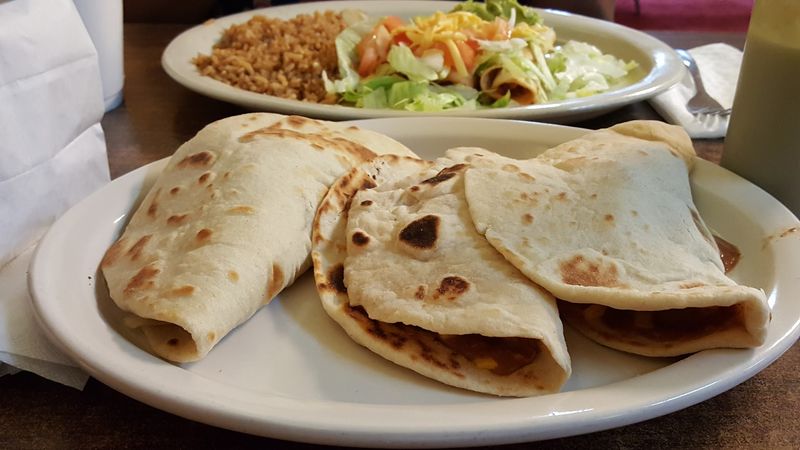
San Antonio is known for tacos and Tex-Mex, which makes Mittman Fine Foods all the more surprising. Tucked into a neighborhood where you wouldn’t expect to find a European-style delicatessen, this place has been serving discerning customers since the mid-20th century. The moment you walk in, the aroma of smoked meats, fresh bread, and imported cheeses transports you somewhere far from South Texas.
The deli counter showcases an impressive array of cured meats, from traditional pastrami to house-made sausages that change with the seasons. Their sandwiches are constructed with the precision of craftsmen, layered generously with premium ingredients on bread that’s baked fresh daily. The Reuben alone is worth the trip, piled high with corned beef, sauerkraut, Swiss cheese, and Russian dressing on perfectly toasted rye.
Beyond sandwiches, Mittman’s offers a carefully curated selection of specialty foods you won’t find at your average grocery store. Imported olive oils, artisanal mustards, rare spices, and gourmet preserves line the shelves. The cheese selection rivals what you’d find in much larger cities, with knowledgeable staff ready to recommend pairings or explain the difference between various aged cheddars.
The prepared foods section makes weeknight dinners infinitely easier. Roasted chickens, potato salads, and seasonal sides are made in-house using recipes that have been refined over generations. Everything tastes like someone actually cares about what they’re serving, because they do.
Prices reflect the quality, but you’re paying for ingredients and expertise that justify every dollar. Regular customers develop relationships with the staff, who remember preferences and offer samples of new arrivals. In a city dominated by one type of cuisine, Mittman Fine Foods proves that San Antonio has room for diversity and excellence in every culinary category.
5. The J and P Bar n Grill (Comstock)
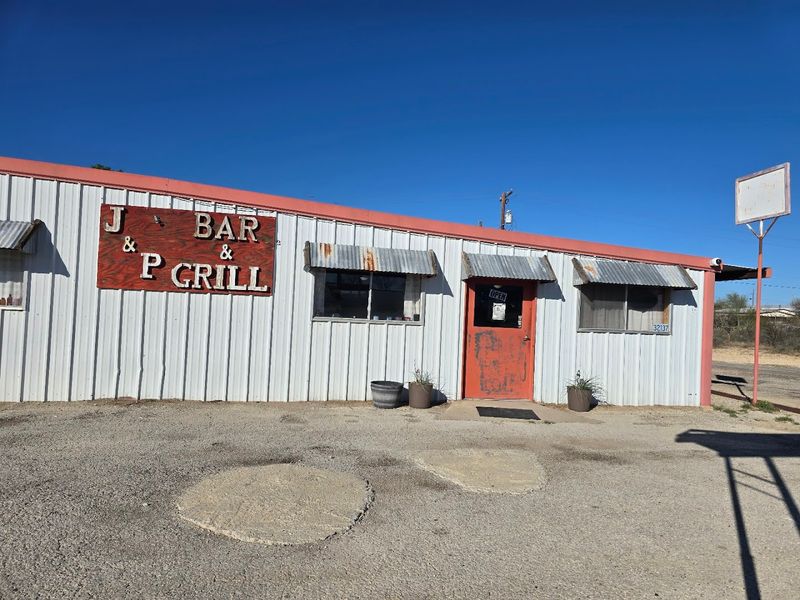
Comstock sits in the middle of nowhere, which is exactly where The J and P Bar n Grill thrives. This isn’t a destination restaurant in the traditional sense—it’s more like an oasis for anyone driving through the vast emptiness of West Texas. Border Patrol agents, ranchers, hunters, and the occasional lost tourist all end up here eventually, drawn by necessity or reputation or both.
The menu doesn’t try to be fancy because it doesn’t need to be. Burgers are thick and flame-grilled, topped with fresh vegetables and served with fries that are crispy on the outside and fluffy inside. Their tacos show the Mexican influence of the region, with handmade tortillas and fillings that pack real flavor.
The chile con queso is addictive, smooth and spicy, perfect for dipping chips while you wait for your main course.
What makes J and P special is the sense of community. In a town this small and remote, the bar and grill becomes the social hub. People gather to swap stories about the one that got away, complain about the heat, or debate the latest high school football scores.
The staff knows most customers by name and order, greeting regulars with genuine warmth.
The bar is well-stocked with cold beer, which tastes even better when you’ve been driving through desert heat for hours. Mixed drinks are strong and fairly priced. The atmosphere is unpretentious and welcoming, with walls decorated in local memorabilia and the kind of comfortable clutter that accumulates over years of operation.
You won’t find this place featured in glossy food magazines or trendy blogs. But ask anyone who’s spent time in this part of Texas, and they’ll tell you about J and P with the kind of reverence reserved for truly special spots. Sometimes the best restaurants are the ones that serve their communities faithfully, day after day, without needing recognition.
6. Lumber Yard Cafe (Edgewood)
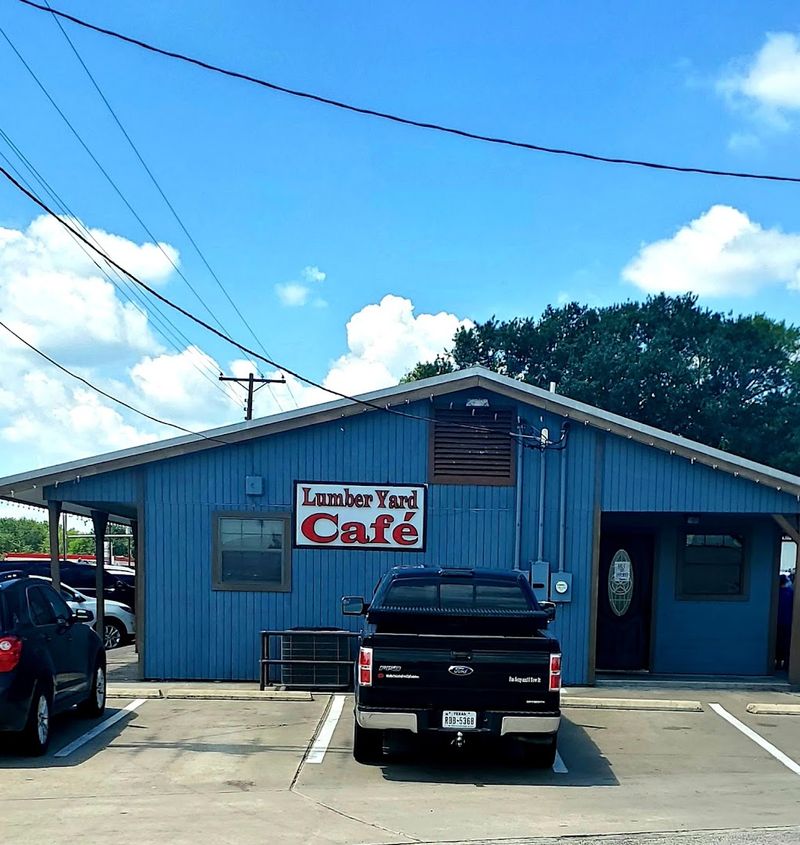
Breakfast in East Texas hits different, and the Lumber Yard Cafe in Edgewood understands this on a fundamental level. Early mornings bring farmers, contractors, and retirees through the doors, all seeking the kind of hearty meal that fuels a full day of work or leisure. The smell of bacon and fresh coffee greets you before you even step inside, a promise that’s always kept.
Their biscuits are legendary, fluffy and buttery with a slight crisp on the bottom. Served with cream gravy studded with chunks of sausage, they’re the kind of comfort food that makes you understand why people get nostalgic about Southern cooking. The pancakes are equally impressive, served in stacks that challenge even the biggest appetites, with real butter melting into every layer.
Eggs come however you want them, cooked by someone who’s mastered the range and knows the difference between over-easy and over-medium. The hash browns are shredded and griddled until they’re golden and crispy, seasoned just right. Bacon is thick-cut and cooked to perfection, not too crispy and definitely not limp.
Lunch brings a different crowd but the same quality. Chicken fried steak makes another appearance, because no proper Texas cafe would skip this essential dish. Burgers are hand-formed and juicy.
The daily specials rotate through classic comfort foods like meatloaf, pot roast, and fried catfish, each prepared with the care of a home-cooked meal.
The atmosphere is pure small-town cafe: vinyl booths, laminate tables, and decor that hasn’t changed much in decades. Coffee cups get refilled without asking. Servers call everyone honey or sweetie.
Conversations drift between tables as neighbors catch up on local news and gossip. Prices remain stuck in an earlier era, making it possible to leave full and satisfied without emptying your wallet. The Lumber Yard Cafe represents everything right about small-town Texas dining.
7. Bar-A-BBQ (Montgomery)
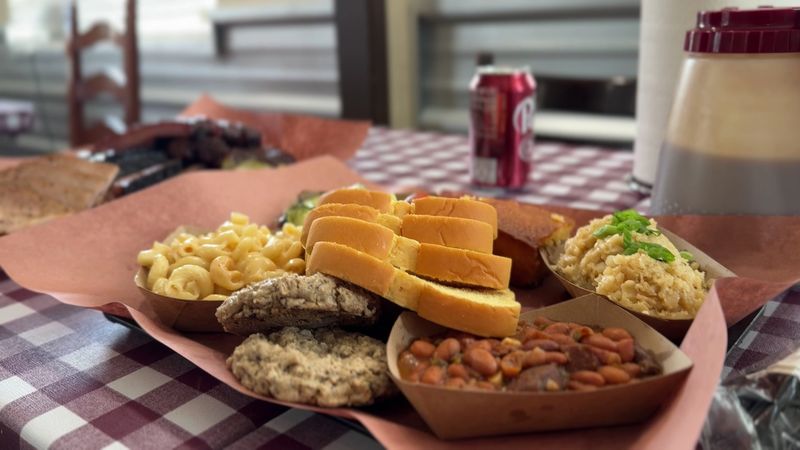
Montgomery sits just north of Houston, close enough to smell the city but far enough to maintain its own identity. Bar-A-BBQ has become a pilgrimage site for barbecue enthusiasts who know that great smoked meat doesn’t always come from the most famous names. The pitmasters here wake up before dawn to tend their smokers, nursing oak and mesquite fires that transform raw brisket into something approaching religious experience.
The brisket is the star, as it should be in any respectable Texas barbecue joint. Each slice shows a perfect smoke ring, that pink layer just beneath the bark that signals hours of low and slow cooking. The meat pulls apart with gentle pressure, releasing juice and smoke-infused flavor that doesn’t need sauce, though they offer several excellent varieties.
The bark has just enough pepper and salt to enhance without overwhelming.
Ribs come off the bone with a satisfying tug, not falling apart like pot roast but not requiring a wrestling match either. The meat is sweet and smoky, with a texture that shows patience and skill. Sausage links snap when you bite into them, releasing spices and fat in perfect proportion.
Even the turkey, often an afterthought, gets proper attention here, staying moist and flavorful despite the long cooking time.
Sides run the traditional gamut: potato salad with just enough mustard, coleslaw that’s creamy without being soupy, and beans that have been simmering with bits of brisket. The white bread comes sliced thick, perfect for soaking up juices or making impromptu sandwiches. Pickles and onions sit on every table, offering sharp contrast to the rich meats.
The setting is casual, with picnic tables under shade trees and a covered patio for when the Texas sun gets too intense. Service moves at a steady pace, with meat sliced to order and weighed right in front of you. Bar-A-BBQ proves that great barbecue is alive and well outside the usual suspects.
8. Pickett House Restaurant (Woodville)
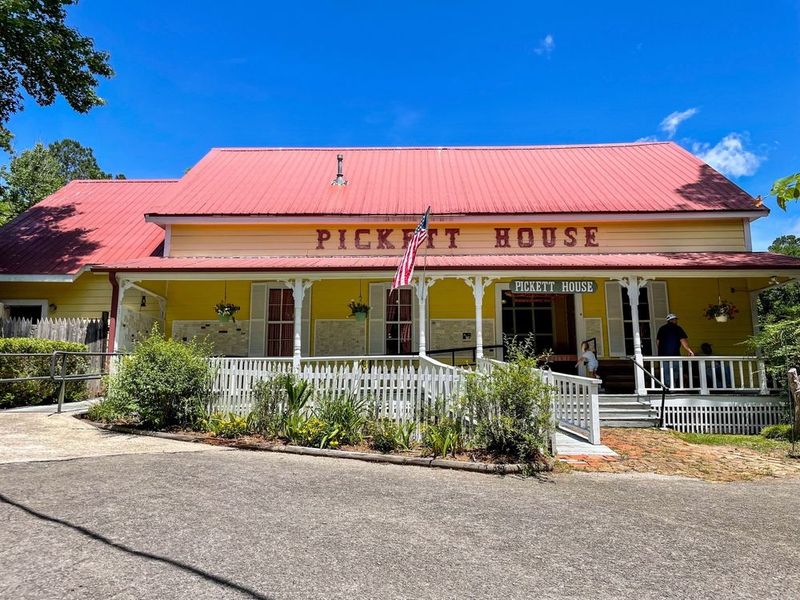
Tucked deep in the Piney Woods of East Texas, this town feels more Southern than Western in both its landscape and culture. The Pickett House Restaurant has been serving family-style meals since the 1960s, and walking through the doors feels like being invited to Sunday dinner at a relative’s house. The concept is simple but increasingly rare: sit down, and they’ll bring you everything they’re cooking today, served in bowls meant for sharing.
There’s no menu to puzzle over or decisions to make beyond sweet tea or unsweet. Platters of fried chicken arrive at the table, golden and crackling, seasoned with a blend that’s been perfected over decades. Chicken and dumplings come in a pot, thick and hearty, the kind of dish that sticks to your ribs.
Vegetables rotate with the seasons but always include Southern staples like black-eyed peas, green beans cooked with bacon, and creamed corn that tastes nothing like the canned version.
The rolls are hot and yeasty, perfect for sopping up pot liquor or spreading with real butter. Mashed potatoes are whipped smooth, served with brown gravy that has actual flavor. Everything arrives in waves, and the servers keep bringing more until you physically can’t eat another bite.
They don’t rush you, either—take your time, enjoy the company, and savor the experience.
Desserts are included in the price, which seems almost criminal given their quality. Cobblers change with fruit availability, whether it’s peach, blackberry, or apple. Pies are made from scratch, with crusts that are flaky and fillings that are sweet but not cloying.
The banana pudding has achieved legendary status among regulars, layered with vanilla wafers and topped with meringue.
The price for this all-you-can-eat feast is shockingly reasonable, making it one of the best values in Texas dining. The Pickett House represents a style of restaurant that’s disappearing, where hospitality and home cooking matter more than trends or profit margins.
9. Mary’s Cafe (Strawn)
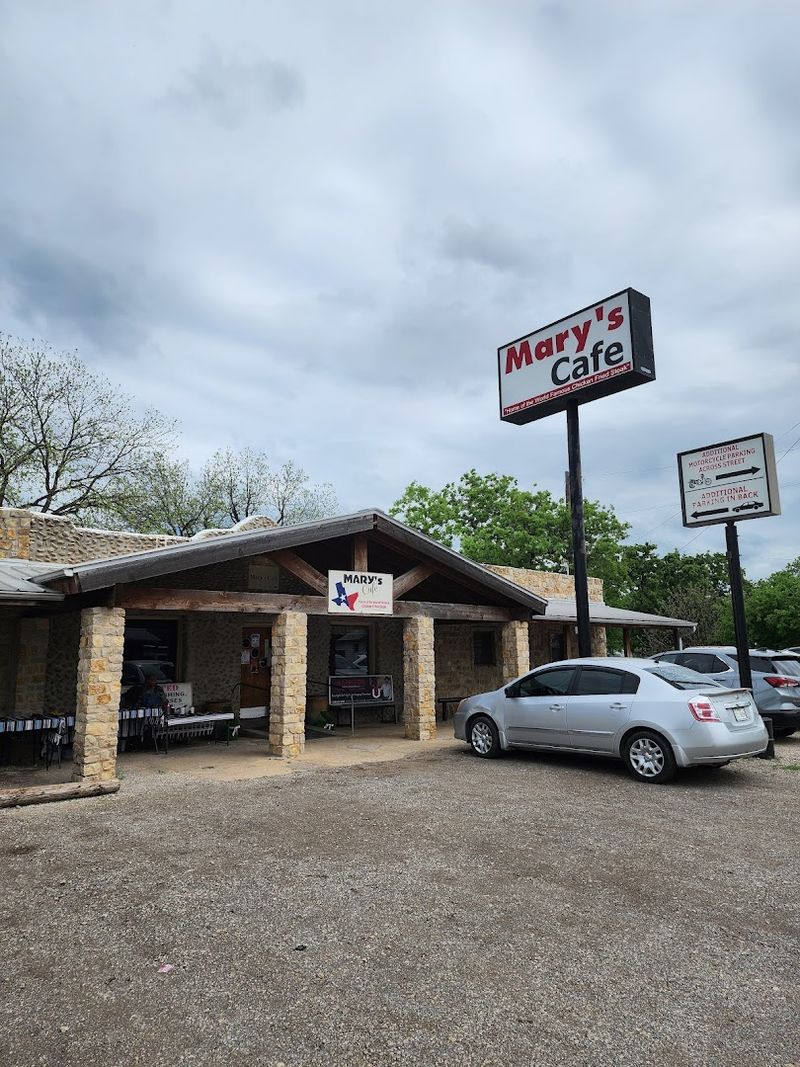
Strawn is barely a dot on the map, but Mary’s Cafe has put it on the culinary radar for decades. This unassuming spot along Highway 180 has been slinging chicken fried steak since 1945, and they’ve had plenty of time to perfect their craft. The building looks like it could use some updating, but regulars wouldn’t change a thing—the worn booths and vintage decor are part of the charm.
The chicken fried steak at Mary’s isn’t just good; it’s the kind of good that inspires fierce loyalty and heated debates. The breading is crispy without being greasy, seasoned perfectly and fried to a golden brown that crunches with every bite. The steak underneath is pounded thin and tender, never tough or gristly.
Cream gravy blankets the top, thick and peppery, the kind that makes you want to order extra just for dipping.
But here’s the thing about Mary’s that separates it from other cafes: the pies. Homemade daily, these beauties sit in a display case near the entrance, tempting you before you even sit down. The meringue pies tower impossibly high, with peaks that have been torched to golden perfection.
Coconut cream, chocolate, and lemon all have their devotees. Fruit pies change with the seasons, showcasing whatever’s fresh and available.
The pecan pie deserves special mention. Loaded with nuts and filled with a sweet mixture that’s gooey without being overly sugary, it’s the kind of pie that converts people who claim they don’t like pecan pie. The crust is flaky and buttery, clearly made by someone who knows their way around a rolling pin.
Service is friendly and efficient, with waitresses who’ve been working here long enough to remember your order from your last visit. The coffee flows freely, strong and hot. Prices remain stubbornly affordable despite the cafe’s growing fame.
Mary’s Cafe is proof that you don’t need a big city address to serve food that people will drive hours to experience.
10. Franklin Barbecue (Austin)
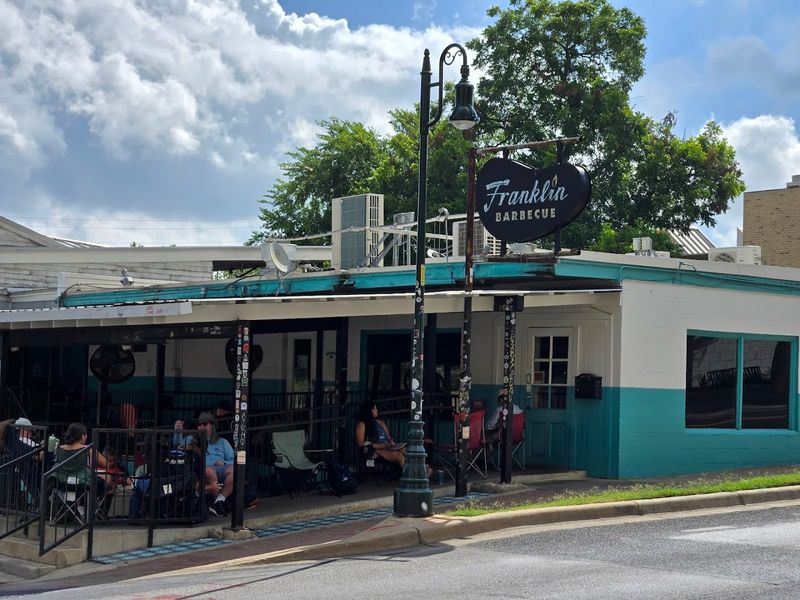
You can’t talk about Texas barbecue without mentioning Franklin, even though its fame has reached levels that make some purists roll their eyes. The lines start forming before dawn, with people bringing lawn chairs, coolers, and enough patience to wait three or four hours for brisket. Some call it hype; others call it pilgrimage.
Either way, Aaron Franklin has changed the barbecue landscape in Texas and beyond.
The brisket lives up to its reputation, assuming you can get past the wait and the price. Each slice demonstrates absolute mastery of the craft: the smoke ring is prominent, the bark is dark and peppery, and the meat itself is so tender it barely holds together. The fat has rendered into buttery goodness, melting on your tongue and releasing flavors that justify the hours spent in line.
This is brisket as art form, as meditation, as obsession.
Franklin’s success has spawned countless imitators and inspired a new generation of pitmasters to take barbecue seriously. The book, the PBS show, the awards—all of it has put Austin barbecue on the international map. Whether that’s good or bad depends on your perspective, but there’s no denying the impact.
Beyond the brisket, the ribs are excellent, the turkey is moist, and the sausage is made in-house with quality ingredients. Sides are simple and well-executed, though most people come for the meat and consider everything else a bonus. The sauce is available but unnecessary, which is how it should be when the smoking is done right.
The atmosphere is casual despite the crowds, with picnic tables and a relaxed vibe that belies the precision happening in the pit. Aaron himself often works the line, slicing meat and chatting with customers who’ve traveled from around the world. Is it worth the wait?
That’s personal. But Franklin Barbecue represents a moment in Texas food history, when craft and quality pushed barbecue into new territory and proved that excellence can thrive even under the weight of massive expectations.
11. Molino Oloyo (Dallas)
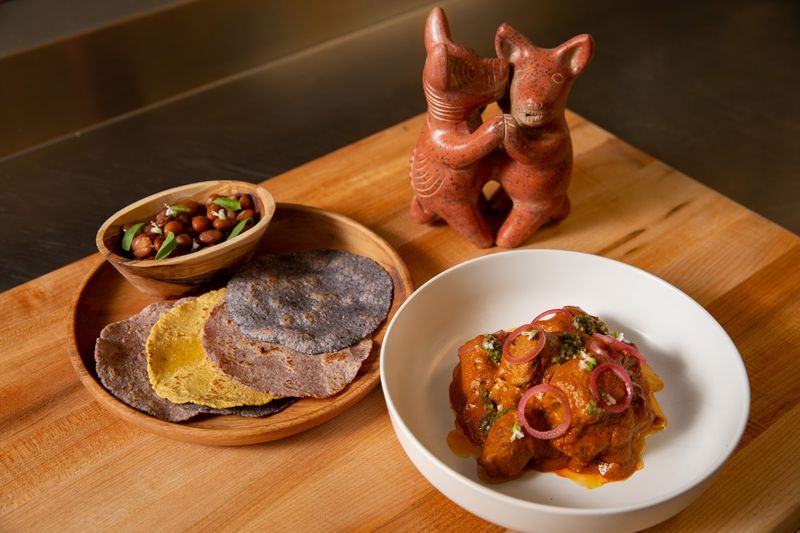
Dallas has no shortage of Mexican restaurants, but Molino Oloyo brings something different to the table. This isn’t your typical Tex-Mex joint with combination platters and frozen margaritas. Instead, chef Anastacia Quiñones-Pittman focuses on the traditional flavors of Mexico, particularly the Oaxacan and Mexican traditions that emphasize corn, moles, and techniques passed down through generations.
The result is food that feels both authentic and innovative, honoring the past while pushing forward.
The name refers to the traditional stone mill used to grind corn for tortillas, and that attention to heritage shows in every dish. Tortillas are made fresh throughout service, ground from heirloom corn varieties that offer complex flavors you won’t find in mass-produced versions. They’re used as a foundation for tacos, tlayudas, and other dishes that showcase quality ingredients prepared with respect and skill.
Moles are a specialty, with recipes that involve dozens of ingredients and hours of preparation. The mole negro is particularly impressive, dark and complex with layers of flavor that unfold as you eat. Chiles, chocolate, spices, and fruits combine into something that’s simultaneously familiar and mysterious, the kind of sauce that makes you pause between bites to appreciate the craftsmanship.
Seafood preparations show coastal Mexican influences, with ceviche that’s bright and fresh, aguachile that delivers heat and acidity in perfect balance, and whole fish that’s been grilled or fried to crispy perfection. Even the guacamole is elevated, made tableside in a traditional molcajete with perfectly ripe avocados and just enough lime and salt.
The space itself is modern and sophisticated without being stuffy, with design elements that nod to Mexican traditions while maintaining a contemporary Dallas aesthetic. Service is knowledgeable and passionate, with staff who can explain the origins of dishes and recommend pairings from the carefully curated beverage program. Molino Oloyo proves that Dallas dining extends far beyond steakhouses and barbecue, offering depth and authenticity that rival anything you’ll find south of the border.