Texas has always done things a little differently, and that includes its museums. While most states stick to history and art, the Lone Star State goes all-in on the weird, the wacky, and the downright unexpected. From collections dedicated to barbed wire to entire houses covered in beer cans, these oddball attractions prove that Texans have never been afraid to celebrate the strange side of life.
1. Museum of the Weird
Walking down Sixth Street in Austin, you might miss this place if you blink. Tucked between bars and music venues sits a cabinet of curiosities that would make P.T. Barnum jealous.
The Museum of the Weird packs shrunken heads, mummies, and two-headed animals into a space smaller than most apartments.
Owner Steve Busti started collecting oddities as a kid and never stopped. His passion shows in every dusty corner and behind every glass case. Visitors wind through narrow hallways lined with specimens preserved in formaldehyde, taxidermied creatures you never knew existed, and artifacts that blur the line between science and sideshow.
The real star is the Fiji Mermaid, a creature supposedly half-monkey and half-fish. Scientists say it’s fake, but that doesn’t stop people from staring. There’s also a genuine Minnesota Iceman replica and what might be Bigfoot hair, though nobody’s testing it to find out.
What makes this museum special isn’t just the collection—it’s the vibe. Everything feels like it belongs in a traveling carnival from the 1800s. The dim lighting, creaky floors, and hand-painted signs create an atmosphere that’s equal parts creepy and fascinating.
Kids love the interactive elements, especially the chance to hold real artifacts during certain tours. Adults appreciate the historical context Busti provides, explaining how sideshows shaped American entertainment. It’s educational without being boring, strange without trying too hard.
The gift shop deserves its own visit. Where else can you buy a shrunken head replica, vintage circus posters, and books about cryptozoology all in one place? The prices stay reasonable too, with admission under twenty bucks.
For anyone who grew up loving Ripley’s Believe It or Not, this museum delivers that same sense of wonder mixed with healthy skepticism about what’s real and what’s pure showmanship.
2. Buckhorn Saloon and Museum
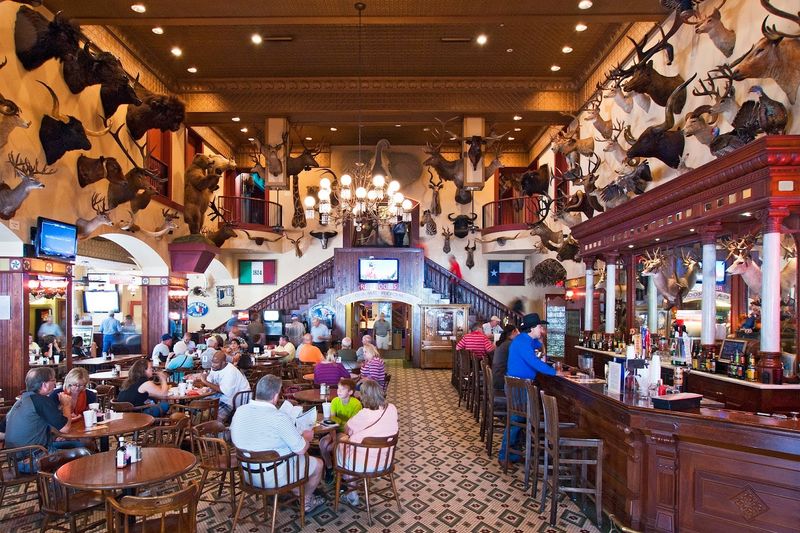
San Antonio’s Buckhorn started as a drinking establishment in 1881, where bartender Albert Friedrich accepted animal horns as payment for beer. That unusual policy created one of the most jaw-dropping taxidermy collections in America. Today, the museum houses over 520 species from every continent, all crammed into a building that still serves cold drinks.
The sheer volume of mounted animals overwhelms first-time visitors. Entire walls disappear behind deer antlers, elk racks, and horn formations that look scientifically impossible. Friedrich spent decades trading whiskey for wildlife specimens, never imagining his collection would outlive him by more than a century.
Upstairs, the Texas Ranger Museum shares space with the animal displays. Badges, weapons, and photographs tell stories of lawmen who tamed the frontier. The contrast between delicate hummingbirds in one room and outlaws’ guns in the next perfectly captures Texas’s split personality.
One exhibit features a 78-point buck, a genetic anomaly so rare that hunters travel from across the country just to photograph it. Another showcases fish caught in Texas waters, including a 1,000-pound marlin that barely fits in its display case. The craftsmanship on these century-old mounts remains impressive, especially considering taxidermy techniques available in the late 1800s.
The saloon portion still operates, serving food and drinks surrounded by glass-eyed creatures watching your every bite. It’s weird eating lunch under a moose head, but somehow it works. The menu leans heavily into Texas classics—chicken fried steak, barbecue, and enough Tex-Mex to satisfy any craving.
Families appreciate that the museum doesn’t sanitize frontier history. The displays acknowledge both the beauty of wildlife and the reality of hunting culture that shaped Texas. It’s not for everyone, but for those interested in how people lived, worked, and drank in the Old West, Buckhorn delivers an experience you won’t find anywhere else.
3. The National Museum of Funeral History
Death isn’t exactly dinner conversation, but Houston’s National Museum of Funeral History makes mortality fascinating. Opened in 1992, this 30,500-square-foot facility explores how different cultures handle death, grief, and remembrance. The collection includes everything from fantasy coffins shaped like fish to the actual hearse that carried President Ronald Reagan.
Robert Waltrip founded the museum after spending his career in the funeral industry. He recognized that most people avoid thinking about death until they have no choice, and he wanted to change that. His vision created a space where visitors can learn about funeral traditions without the emotional weight of an actual funeral.
The Japanese funeral section displays elaborate cremation urns and explains Buddhist death rituals. Nearby, Ghanaian fantasy coffins shaped like cars, animals, and food items celebrate the deceased’s life and passions. These custom-built caskets cost thousands and take months to create, turning funerals into colorful celebrations rather than somber affairs.
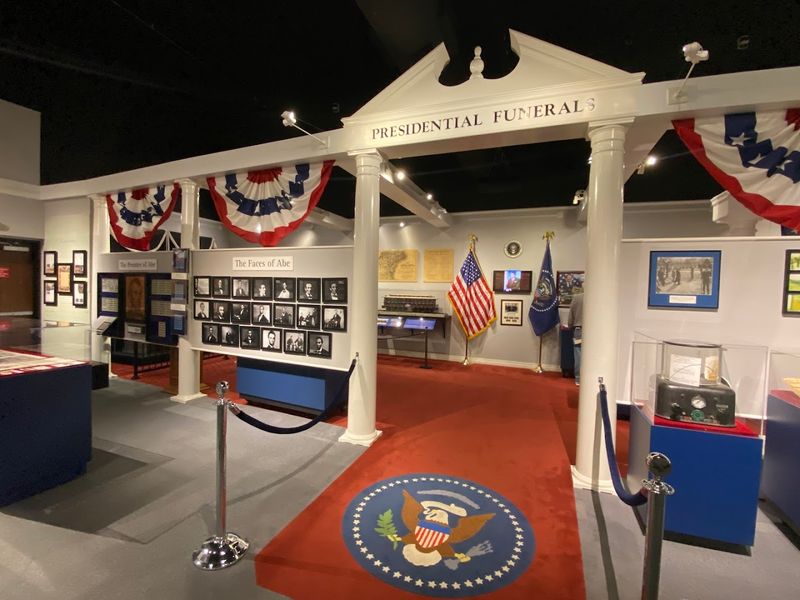
Presidential funerals get their own exhibit, featuring replicas of caskets used for Lincoln, Kennedy, and other leaders. The detail work on these reproductions shows how funeral customs reflect political and social values of their time. Lincoln’s funeral train traveled 1,654 miles, allowing millions to pay respects—a logistical feat that seems impossible today.
One of the most popular displays showcases antique embalming equipment. The tools look like medieval torture devices, which makes you grateful for modern techniques. Glass cabinets hold fluid pumps, trocar buttons, and drainage systems that professionals used before regulations standardized the industry.
The museum doesn’t shy away from darker topics. Exhibits cover everything from Victorian mourning customs to how funeral homes evolved into modern businesses. It’s educational without being morbid, informative without being depressing.
Most visitors leave with a new appreciation for the care that goes into honoring the deceased and comforting the living during humanity’s most universal experience.
4. Cadillac Ranch
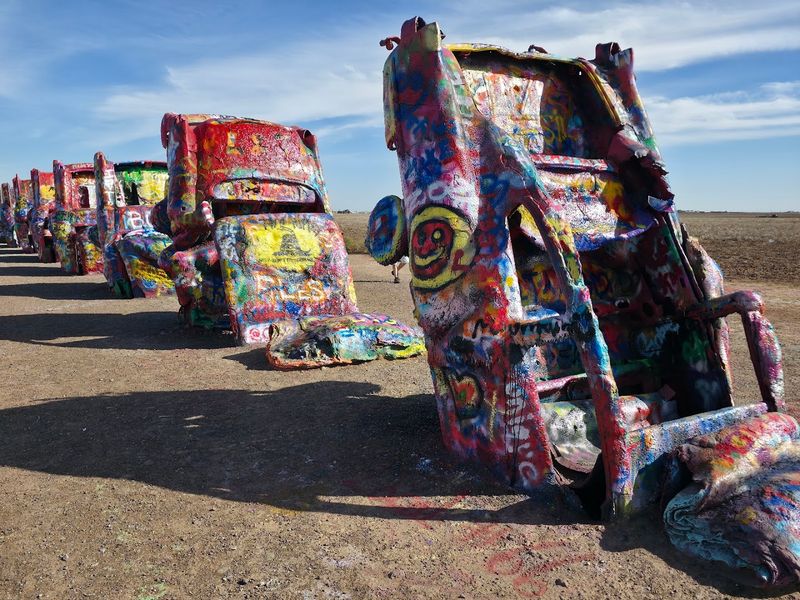
Ten Cadillacs buried nose-first in a field west of Amarillo sound like a fever dream, but Cadillac Ranch has been confusing travelers since 1974. The art collective Ant Farm created this installation to represent the golden age of American automobiles. Each car represents a different model year from 1949 to 1963, capturing the evolution of the Cadillac tail fin.
The cars started out in their original colors, but within weeks, visitors began spray-painting them. Rather than fight the graffiti, the artists embraced it. Now, bringing your own spray paint is practically required.
Every surface gets repainted constantly, creating a living artwork that changes daily.
Millionaire Stanley Marsh 3 funded the project on his ranch land. He wanted something that would make people question what art could be and where it belonged. Decades later, Cadillac Ranch achieves exactly that—it’s simultaneously a sculpture, a roadside attraction, and a participatory art piece that belongs to everyone who visits.
The cars sit at the same angle as the Great Pyramid of Giza, though most visitors don’t notice the mathematical precision. They’re too busy adding their own messages to the layers of paint coating every inch of metal. Some leave heartfelt tributes, others just tag their names, and a few create elaborate murals that last until the next painter arrives.
Photographers love the contrast between the bright colors and the endless Texas sky. Sunset produces the best light, when the paint seems to glow against the darkening horizon. Weather adds its own artistic touch—rain creates drips, wind sandblasts surfaces, and hail leaves dents that become part of the evolving sculpture.
Getting there requires a short walk across a dirt field, so wear appropriate shoes. Admission is free, and unlike traditional museums, nobody tells you not to touch anything. The whole point is interaction, creation, and leaving your mark on something bigger than yourself in the middle of nowhere.
5. Devil’s Rope Museum
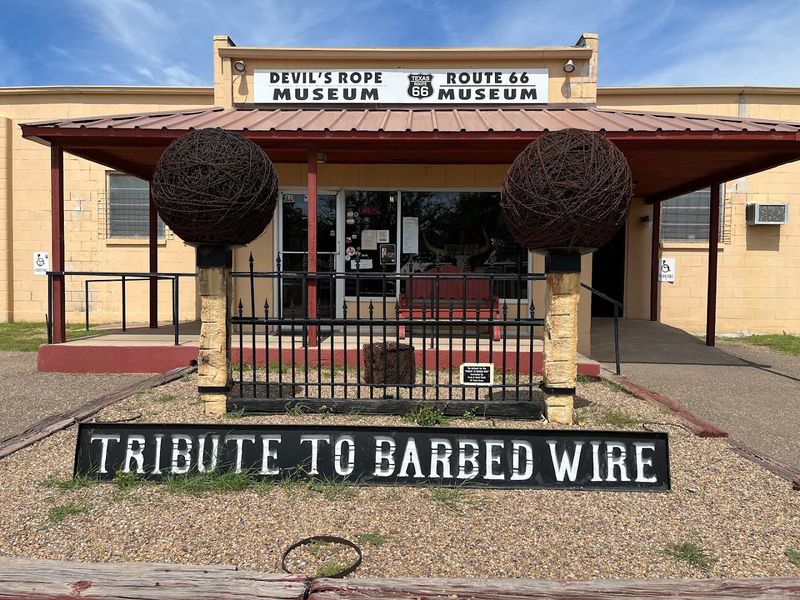
Barbed wire changed the American West more than any other invention, and McLean’s Devil’s Rope Museum proves it. Housed in a former bra factory, this collection showcases over 2,000 varieties of barbed wire that transformed open range into private property. What sounds boring on paper becomes surprisingly engaging once you understand how six inches of twisted metal shaped entire economies.
The museum opened in 1991 when local historians recognized that barbed wire history was disappearing. Old-timers who remembered installing the first fences were dying, and their knowledge was vanishing with them. Volunteers scrambled to collect samples, tools, and stories before they were lost forever.
Each display case holds dozens of wire samples mounted on boards with handwritten labels. The variety stuns most visitors—smooth wires, twisted wires, wires with two-point barbs, four-point barbs, and designs so elaborate they seem decorative rather than functional. Patents numbered in the hundreds as inventors competed to create the perfect cattle deterrent.
One section explains how barbed wire ended the era of cattle drives. Before fencing, ranchers needed vast open ranges for herds to roam freely. Once landowners could cheaply enclose property, the cowboy lifestyle depicted in movies became economically obsolete.
The wire literally redrew the map of Texas.
The museum also covers Route 66 history since McLean sits on the historic highway. Vintage photographs show the town during its heyday when travelers stopped for gas, food, and lodging. The combination of wire history and highway nostalgia creates an unexpectedly rich portrait of rural Texas life.
Admission costs almost nothing, and the volunteers who run the place love explaining obscure wire patents to anyone who’ll listen. They’ll show you how to identify different manufacturers, explain why certain designs failed, and demonstrate how ranchers installed miles of fencing by hand. It’s the kind of hyper-specific museum that could only exist in a small Texas town where people appreciate the tools that built their communities.
6. The Beer Can House
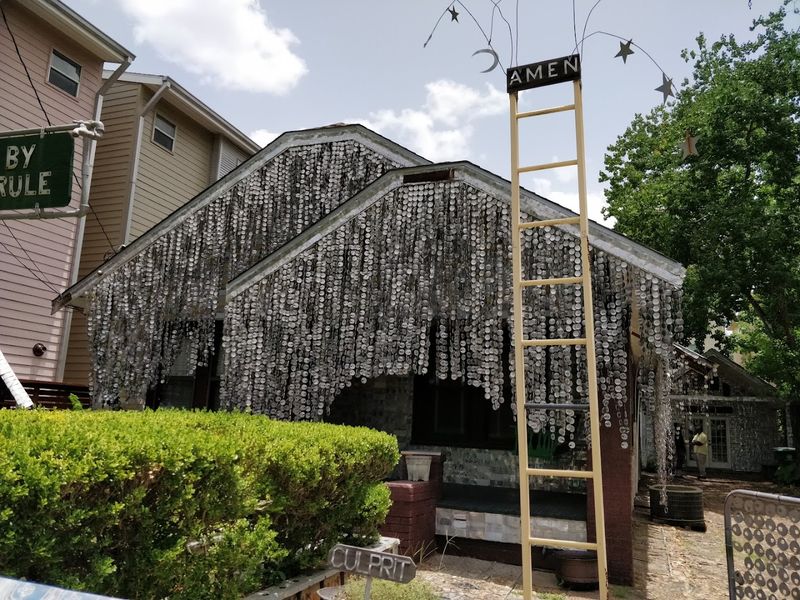
John Milkovisch spent 18 years covering his house in beer cans, and the result is exactly as weird as it sounds. Located in Houston’s Rice Military neighborhood, this folk art masterpiece used over 50,000 cans to create siding, fences, and wind chimes that jingle with every breeze. Milkovisch started the project in 1968 after retiring from the railroad, claiming he was tired of mowing grass and painting wood.
The exterior walls shimmer like fish scales, each flattened can carefully attached to overlap the one below. Aluminum siding was expensive in the 1970s, but beer cans were free if you drank enough. Milkovisch definitely drank enough, favoring brands like Schlitz, Shiner, and whatever was on sale.
His wife Mary didn’t complain as long as he kept the yard looking neat.
Garlands of can tops dangle from the roof eaves, creating curtains that clink and sparkle in the sun. The sound alone makes the house memorable—thousands of aluminum pieces moving independently create a constant metallic symphony. Neighbors initially thought Milkovisch had lost his mind, but the house became a beloved landmark long before his death in 1988.
Inside, the decoration continues with can-covered furniture, walls lined with pull tabs, and light fixtures made from beer can bottoms. Mary kept the interior relatively normal until John convinced her that can art belonged everywhere. Eventually, she gave in, and together they transformed their modest bungalow into a shrine to American beer consumption.
The Orange Show Center for Visionary Art now maintains the property, offering tours that explain Milkovisch’s techniques and philosophy. He never considered himself an artist, just a practical man who found creative solutions to home maintenance. The fact that his solutions involved tens of thousands of beer cans only proves that Texas values individuality over conformity.
Preservation challenges are ongoing since aluminum deteriorates differently than traditional building materials. Staff members constantly repair sections damaged by weather, and they’ve started documenting techniques in case future restorations are needed. The house stands as proof that obsession, creativity, and cheap beer can create something genuinely unique.
7. Salt Palace Museum
Grand Saline sits on a salt deposit 16,000 feet deep, and residents have turned that geological quirk into the Salt Palace Museum. The building itself is constructed from salt blocks mined locally, creating walls that sparkle when sunlight hits them right. Inside, sculptures carved from salt depict everything from the Last Supper to local wildlife, all slowly dissolving in humidity.
The original Salt Palace was built in 1936 as a tourist attraction during the Great Depression. Town leaders hoped it would draw travelers off the highway and boost the local economy. It worked for a few decades until the building literally melted during particularly wet years, requiring complete reconstruction multiple times.
Current versions use better preservation techniques, but salt remains salt. High humidity days cause surfaces to weep brine, and maintenance crews constantly monitor moisture levels to prevent catastrophic dissolution. It’s the only museum in America where exhibits can literally disappear if the air conditioning fails.
Grand Saline’s salt mines have operated since the late 1800s, producing table salt sold nationwide. The museum explains mining techniques, shows historical equipment, and displays photographs of workers who spent their lives underground. Salt mining might not sound glamorous, but it paid bills and built communities across East Texas.
One exhibit features a scale model of the town carved entirely from salt. Buildings, streets, and even tiny trees are rendered in translucent white crystals that catch light like diamonds. The craftsmanship required to carve such delicate details from a material that crumbles easily is remarkable, and visitors often spend long minutes examining the miniature world.
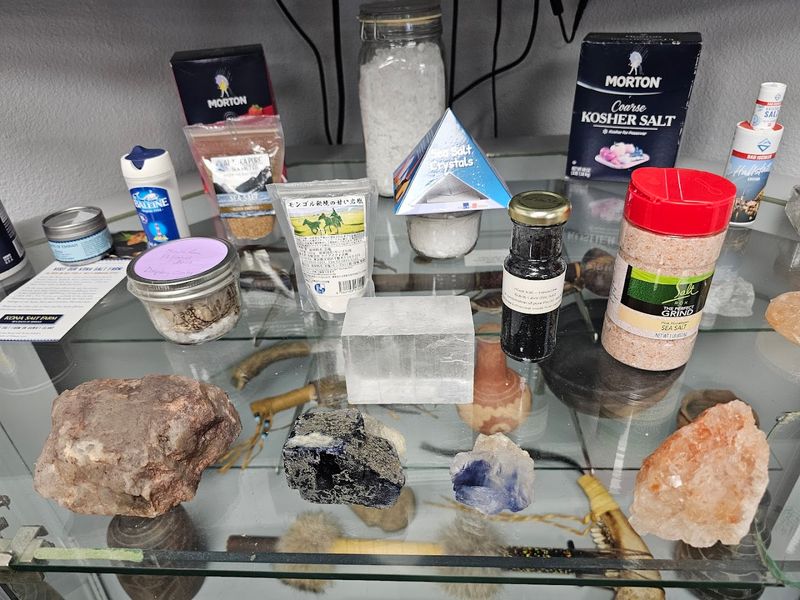
The gift shop sells salt in every form imaginable—table salt, bath salts, salt lamps, and salt-based beauty products. Everything comes from the mines beneath your feet, which makes the purchases feel more authentic than typical tourist souvenirs. Some visitors bring empty containers and fill them directly from demonstration barrels, taking home literal pieces of Grand Saline geology.
8. Robert E. Howard Museum

Cross Plains might seem like an unlikely place for literary pilgrimage, but fans of pulp fiction know better. Robert E. Howard created Conan the Barbarian while living in this tiny Central Texas town, and his restored childhood home now serves as a museum.
The house looks exactly as it did in the 1930s when Howard typed furiously on his Corona typewriter, churning out stories for Weird Tales magazine.
Howard lived here with his parents until his suicide in 1936 at age 30. His death came hours after learning his mother was dying, a tragedy that shocked the literary world and ended one of the most productive careers in pulp fiction. Despite his short life, Howard created entire fictional universes that still influence fantasy and horror genres today.
The museum preserves Howard’s bedroom, complete with his actual typewriter, desk, and many of his books. Volunteers have researched every detail, from wallpaper patterns to furniture placement, ensuring accuracy. Standing in the room where Conan was born gives fans chills, especially when they imagine Howard working late into the night, creating worlds of swords and sorcery.
Photographs throughout the house show Howard at different ages, revealing a man who looked nothing like the barbarian heroes he created. He was tall and broad-shouldered but preferred writing to physical adventure. His fiction explored violence and heroism, yet he lived quietly with his parents in a town of fewer than 2,000 people.
The museum hosts an annual event called Howard Days, drawing fans from around the world. Attendees tour the house, visit Howard’s grave, and participate in panels discussing his literary legacy. The event proves that Cross Plains remains relevant to fantasy literature despite being far from publishing centers or major cities.
Admission is free, though donations help maintain the property. The volunteers who run the museum are passionate Howard scholars who can discuss obscure story details and publishing history for hours. For anyone who grew up reading Conan comics or watching the movies, seeing where it all started provides context that enriches appreciation for Howard’s troubled genius.
9. 20th Century Technology Museum
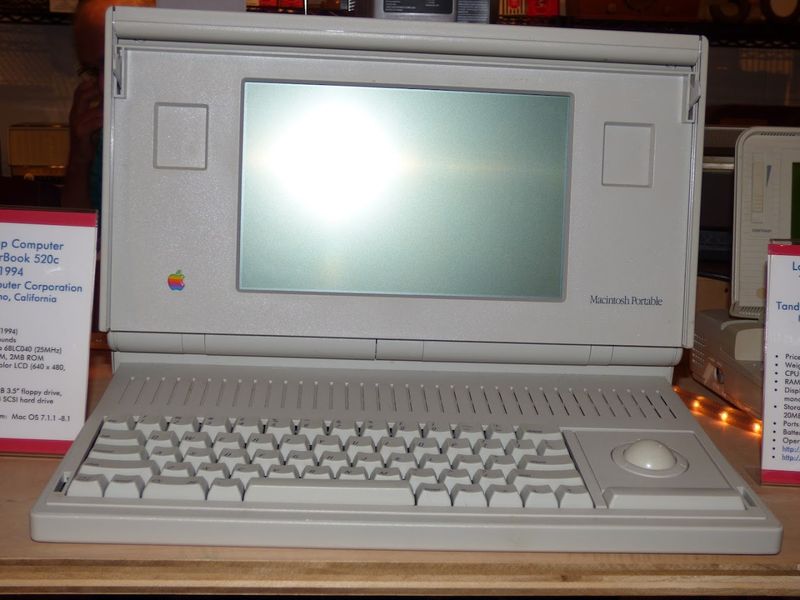
Wichita Falls houses a collection that makes millennials feel ancient and Gen Z completely baffled. The 20th Century Technology Museum displays gadgets that seemed cutting-edge mere decades ago but now look like archaeological artifacts. Rotary phones, typewriters, and early computers fill rooms dedicated to technology that shaped modern life before becoming obsolete.
The museum started when local tech enthusiast Jack Nitz began collecting vintage electronics he found at garage sales and estate auctions. What began as a hobby grew into thousands of items documenting how quickly technology evolves. Nitz recognized that objects common in his childhood were disappearing, and he wanted future generations to understand how people lived before smartphones.
One section showcases communication devices from telegraphs to early cell phones the size of bricks. Seeing the progression from Morse code to text messages compressed into a single room illustrates a century of innovation. Younger visitors often can’t believe people actually carried those massive mobile phones or paid by the minute for calls.
The computer exhibit might be the most shocking. Machines that filled entire rooms now have less processing power than a modern calculator. Early personal computers from companies like Commodore and Tandy sit beside their original packaging and manuals.
Volunteers sometimes boot up working models, demonstrating load times that would make today’s users throw things in frustration.
Television history gets its own space, with sets ranging from tiny black-and-white models to massive console units that doubled as furniture. The museum explains how families gathered around single TVs before cable, streaming, and personal devices fragmented viewing habits. It’s a reminder that technology doesn’t just change what we do but how we interact with each other.
Photography enthusiasts love the camera collection, which includes everything from box cameras to early digital models. The evolution from film to pixels happened so quickly that many intermediate steps are already forgotten. The museum preserves those transitions, showing how each innovation built on previous technology to create the image-saturated world we now inhabit daily.
10. Meow Wolf Houston
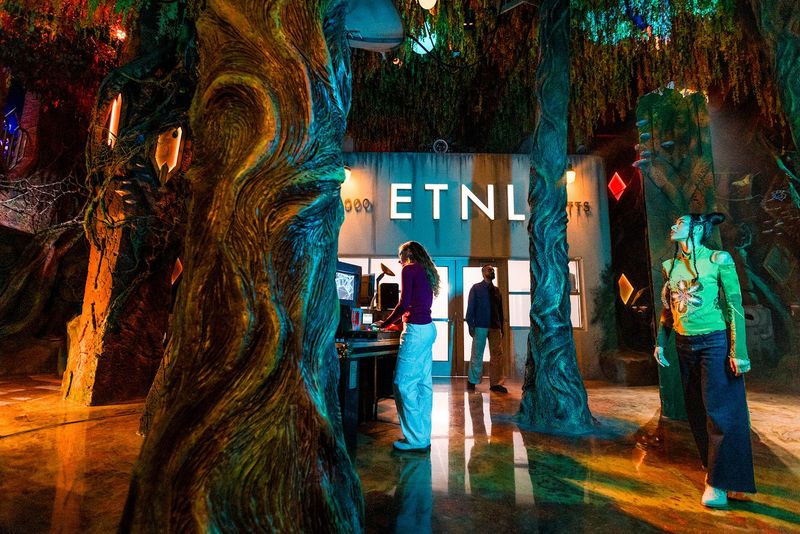
Santa Fe’s Meow Wolf brought its brand of immersive weirdness to Houston, and Texans embraced the chaos enthusiastically. This isn’t a traditional museum where you look at art from a distance—it’s a multi-story playground of interactive installations that blur the line between exhibition and experience. Visitors crawl through portals, open mysterious drawers, and piece together narrative clues hidden throughout fantastical environments.
The Houston location tells a story about a fictional family whose lives have been fractured across different dimensions. Each room reveals another piece of the puzzle, though the plot remains deliberately confusing. The point isn’t understanding everything but experiencing the joy of exploration and discovery in spaces designed to overwhelm your senses.
Neon lights pulse in rhythm with electronic music as you navigate rooms that defy physics and logic. One moment you’re in a suburban kitchen where appliances lead to alien landscapes, the next you’re crawling through a refrigerator into a forest made of synthetic materials. The transitions feel dreamlike, as if you’ve stepped into someone else’s subconscious mind.
Artists from Texas and beyond contributed to the installation, ensuring local flavor mixes with Meow Wolf’s signature surrealism. Houston’s diversity shows up in unexpected ways, from references to local music scenes to architectural details borrowed from the city’s neighborhoods. It’s simultaneously universal and deeply rooted in the place it inhabits.
Children love the freedom to touch everything, run between rooms, and make noise without being shushed. Adults appreciate the artistic craftsmanship and hidden details that reward careful observation. The experience works on multiple levels, offering simple fun for kids and deeper meaning for those who want to analyze symbolism and narrative structure.
Photography is encouraged, and social media fills with images from Meow Wolf installations worldwide. The environments are so visually striking that even mediocre phone cameras capture compelling shots. Every corner offers another photo opportunity, another chance to document the weird and wonderful spaces that exist nowhere else.
Plan at least two hours for a visit, though some people spend entire afternoons exploring every nook. The admission price is higher than typical museums, but the experience justifies the cost for anyone who appreciates experimental art and interactive storytelling.
11. The Toilet Seat Art Museum
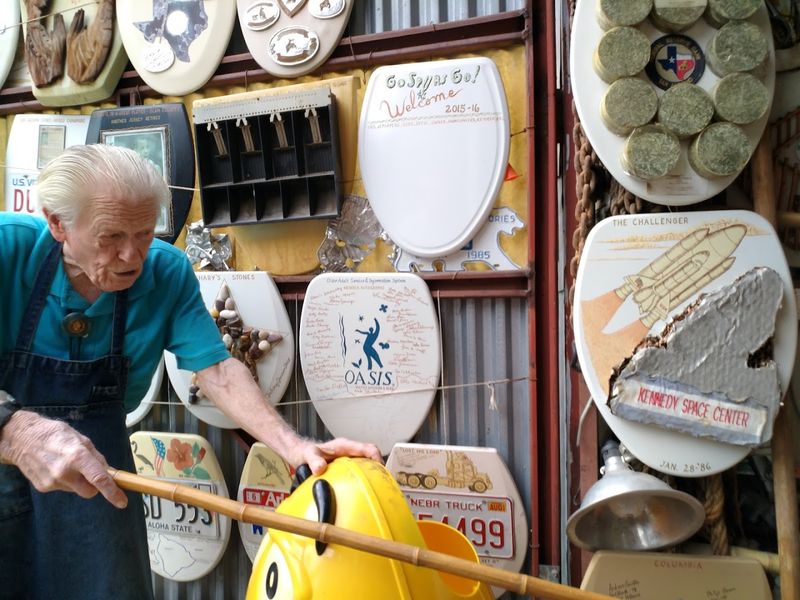
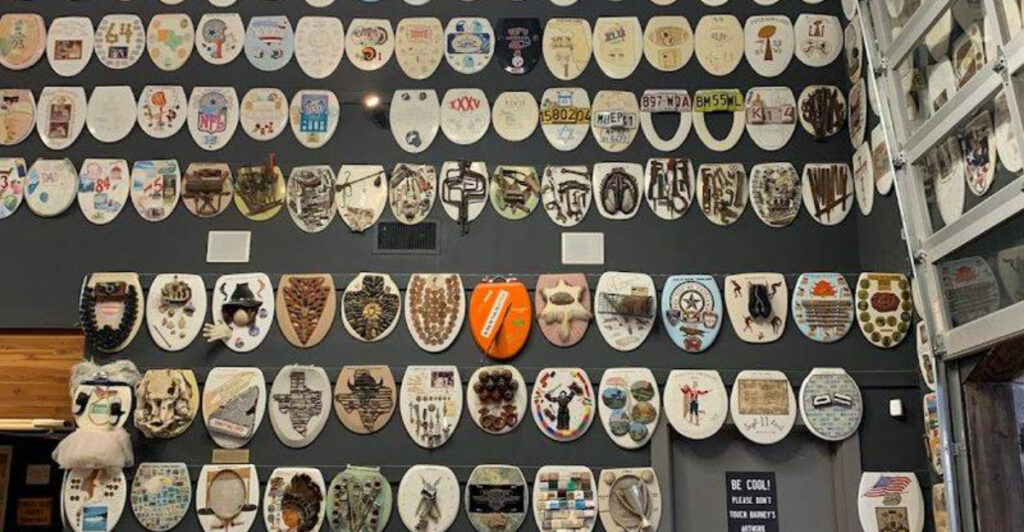
Barney Smith spent over 50 years decorating toilet seats in his San Antonio garage, creating what he proudly calls the world’s only toilet seat art museum. More than 1,400 seats hang on his walls, each one transformed into a miniature artwork celebrating everything from holidays to historical events. It’s exactly as bizarre as it sounds, and Smith wouldn’t have it any other way.
The retired master plumber started his unusual hobby after his father-in-law gave him a mounted deer antler. Rather than hang it on the wall normally, Smith attached it to a toilet seat. Friends thought it was hilarious, which inspired him to decorate more.
Six decades later, his garage has become a pilgrimage site for people who appreciate folk art and bathroom humor.
Each seat tells a story or commemorates an event. There’s one featuring sand from beaches around the world, another with pieces of the Berlin Wall, and several celebrating Texas sports teams. Smith incorporated whatever materials he found interesting—license plates, coins, newspaper clippings, and even a piece of the Challenger space shuttle.
Visitors sign a guest book that reads like a world atlas. People from over 100 countries have toured Smith’s garage, many leaving their own contributions. Smith often incorporated visitor souvenirs into new seats, creating collaborative artworks that connect strangers across continents through the universal language of toilet humor.
The museum operates by appointment, and Smith personally guided tours until his death in 2019. His family continues the tradition, welcoming visitors who want to see what dedication, creativity, and an endless supply of toilet seats can accomplish. The tours are free, though donations help maintain the collection.
Critics might dismiss toilet seat art as lowbrow, but Smith never cared about art world opinions. He created because it brought him joy and made people laugh. The museum stands as testament to the idea that art can be anything, exist anywhere, and use any materials—even ones typically associated with bathroom plumbing rather than gallery walls.