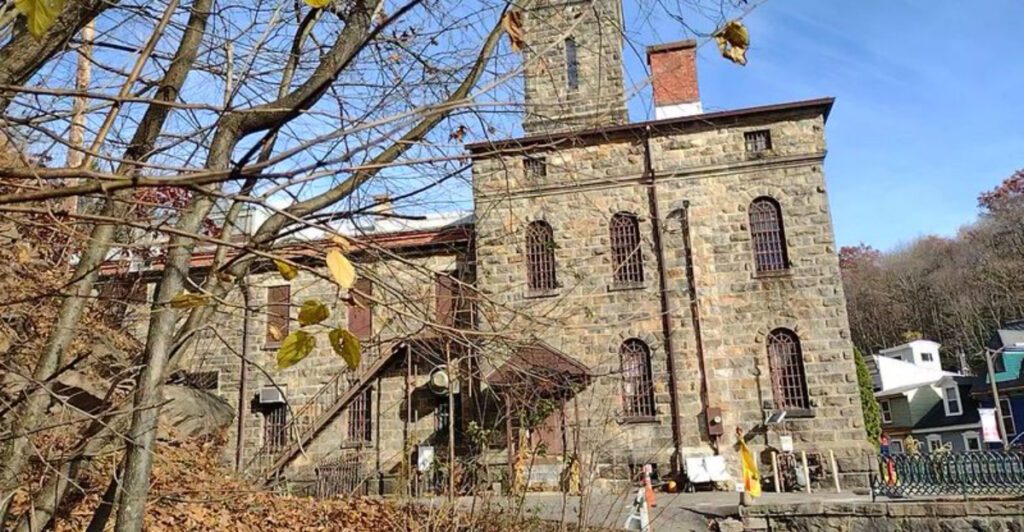
If you love places where local history and ghost stories seem to share the same walls, the Old Jail Museum in Jim Thorpe deserves a spot on your list. This 1871 jail is compact, atmospheric, and packed with stories that stay with you long after the tour ends.
Between its stone exterior, infamous inmates, and the mysterious handprint in Cell 17, it offers the kind of experience that feels both educational and unsettling. For haunted history fans, this is the rare museum that delivers substance, mood, and a genuinely memorable visit.
1. Why the Old Jail Museum feels so unforgettable
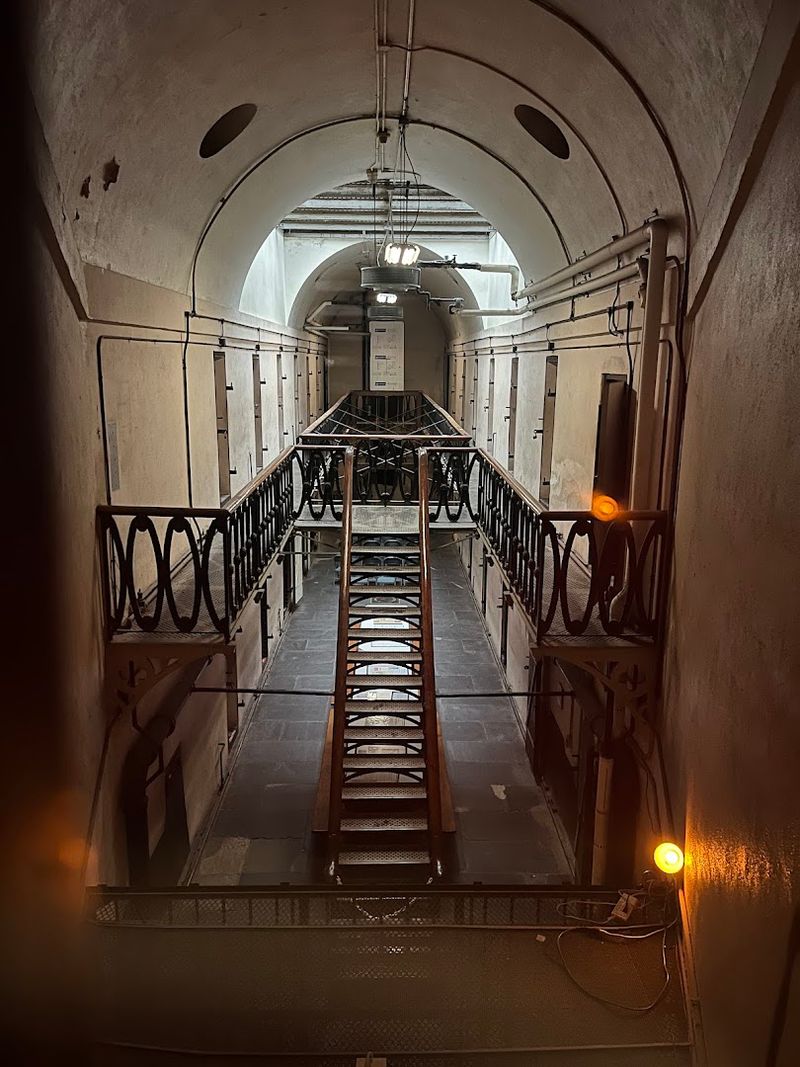
The Old Jail Museum does not rely on gimmicks to leave an impression on you.
Its power comes from the fact that this is a real Carbon County jailhouse, built in 1871, where difficult stories still feel close enough to touch.
From the moment you see its fortress-like stone exterior, the place already feels heavier than a typical local museum.
Inside, the experience becomes even more compelling because the history is tied to real people, real trials, and real loss.
You are not just looking at artifacts behind glass.
You are walking through rooms and corridors where prisoners waited, where families visited, and where some of Pennsylvania’s most debated justice stories unfolded.
That mix of preserved architecture, strong storytelling, and uneasy atmosphere is exactly why haunted history fans are drawn here.
It feels intimate, eerie, and deeply rooted in the past without ever losing its educational value.
2. A stone jailhouse that looks like a fortress
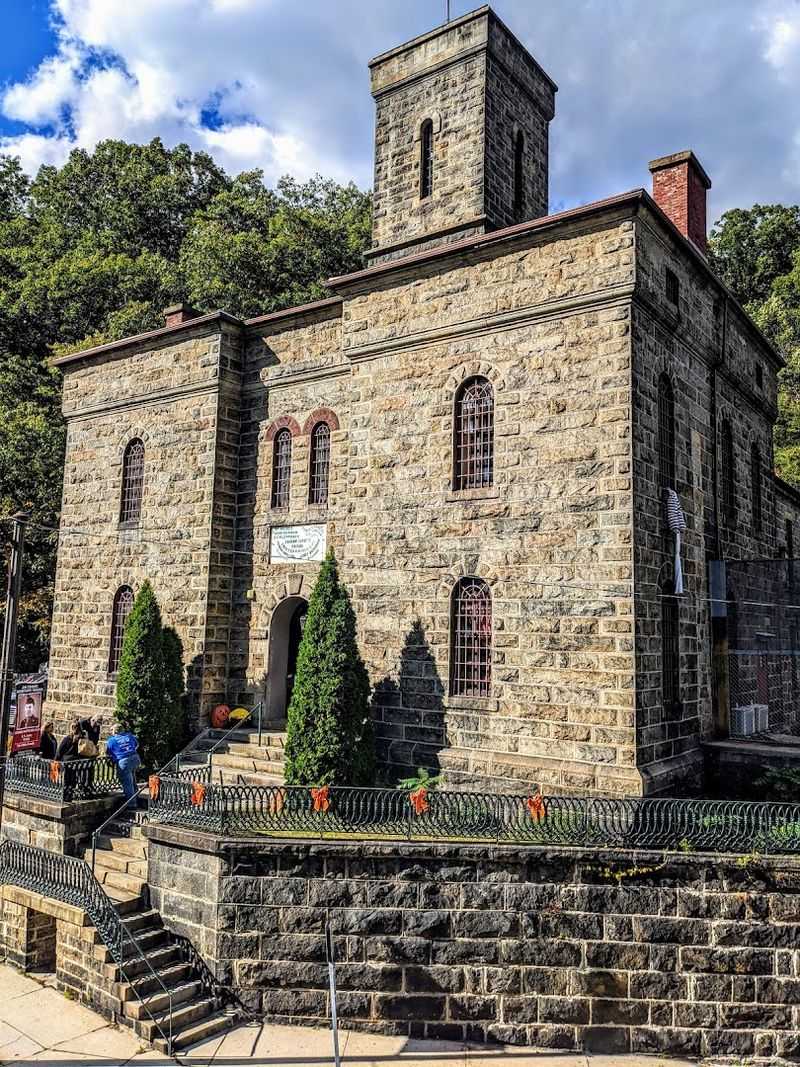
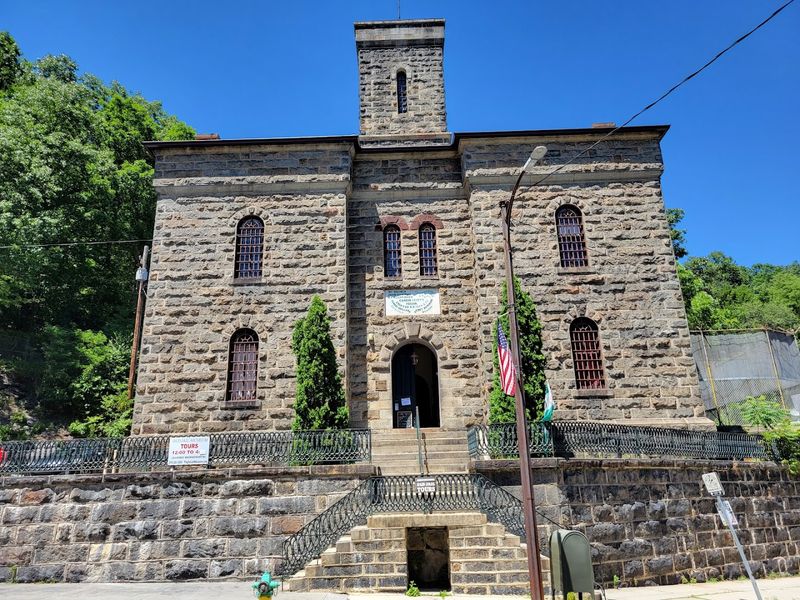
Even before you step inside, the Old Jail Museum sets the tone with architecture that feels stern and unmistakably old.
Reviewers often mention how striking the building looks from the street, and that reaction makes sense once you see the thick stone walls, narrow windows, and imposing shape.
It looks less like a gentle museum stop and more like a place built to intimidate.
That first impression matters because it immediately connects you to the era when jails were designed as symbols of power and control.
Standing outside at 128 West Broadway in Jim Thorpe, you can already sense the separation between daily town life and the harsh world once contained behind those walls.
The building itself tells part of the story before any guide begins speaking.
If you appreciate historic places that still wear their original character proudly, this museum gets your attention fast.
The exterior alone makes it worth pausing for.
3. What the guided tour is actually like
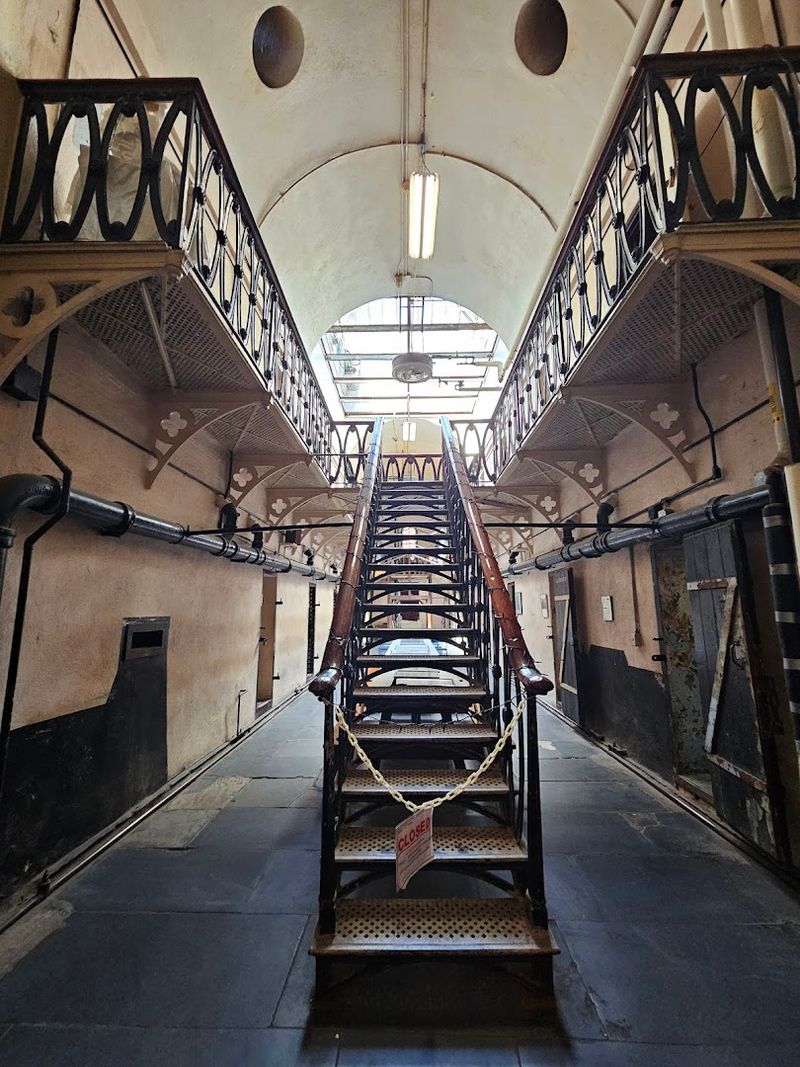
The visit here is built around a guided tour, and that structure really works in the museum’s favor.
Many visitors praise the guides for being friendly, informed, and genuinely engaging, which matters in a place where context makes every room more meaningful.
The tour reportedly begins with a short video, then moves through the jail’s preserved spaces with plenty of storytelling along the way.
One of the best parts is that the museum seems to balance narration with time to look around for yourself.
Reviews mention opportunities to ask questions, absorb details, and even revisit some sections after the formal tour ends.
That creates a more personal experience than a rushed walk-through where you barely have time to process what you are seeing.
If you enjoy small museums where passionate guides make history feel alive, this is exactly that kind of stop.
Booking ahead is smart because tours can fill quickly.
4. The Molly Maguires story gives the jail its weight
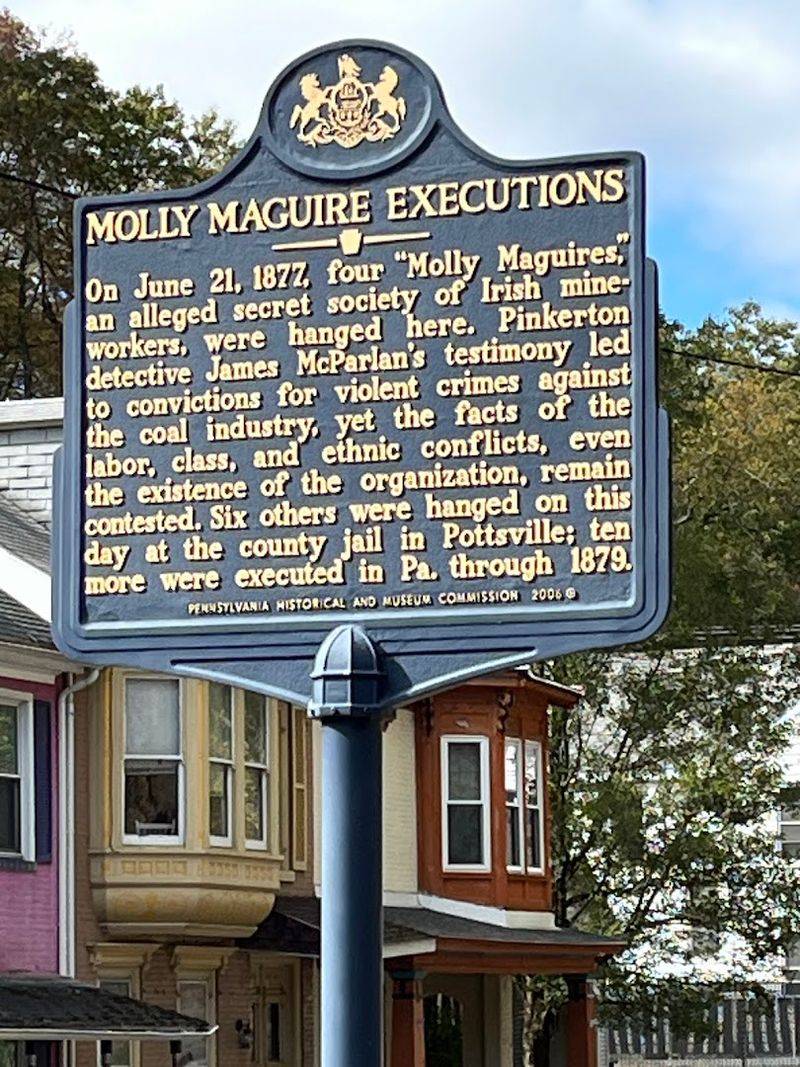
The Old Jail Museum is not just memorable because it is old or eerie.
Its deepest impact comes from its connection to the Molly Maguires, the group of Irish immigrant coal miners whose trials and executions remain one of the most controversial chapters in Pennsylvania history.
At this jail, those stories stop feeling abstract and become painfully immediate.
Visitors learn about labor conflict, immigrant communities, mine owners, railroad influence, and accusations many people still believe were driven by bias and power.
Several reviews highlight how fascinating and eye-opening this part of the tour is, especially for anyone unfamiliar with the region’s coal history.
The museum does a lot with a relatively small space because the human stakes are so high.
For haunted history fans, this background is what gives every corridor its emotional charge.
The tension here is not invented.
It grows out of injustice, fear, and stories that never fully settled into the past.
5. Cell 17 and the legendary handprint
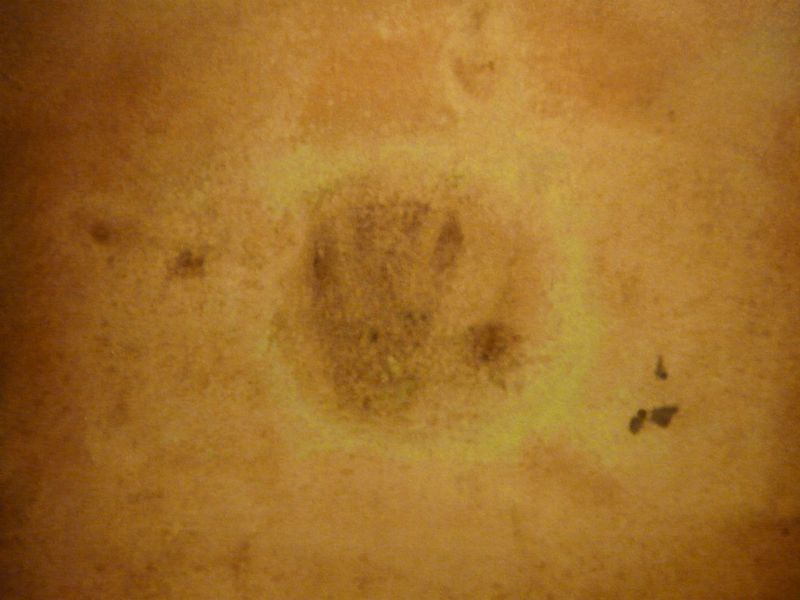
If there is one feature that has made the Old Jail Museum famous beyond Carbon County, it is the handprint in Cell 17.
According to local legend, one condemned prisoner declared his innocence and pressed his dirty hand against the wall, saying the mark would remain as proof.
Whether you approach that story as folklore, mystery, or unresolved grief, it is hard not to be intrigued.
Visitors consistently mention how powerful it is to finally stand near that cell and look in.
The museum does not allow photographs of the handprint, and Cell 17 itself is closed off, but many people say that limitation almost makes the experience stronger.
You are asked to observe it directly instead of through a screen.
For anyone drawn to strange, persistent legends, this is the emotional center of the museum.
It blends local history, superstition, and lingering doubt in one unforgettable image.
6. Why paranormal fans keep talking about it
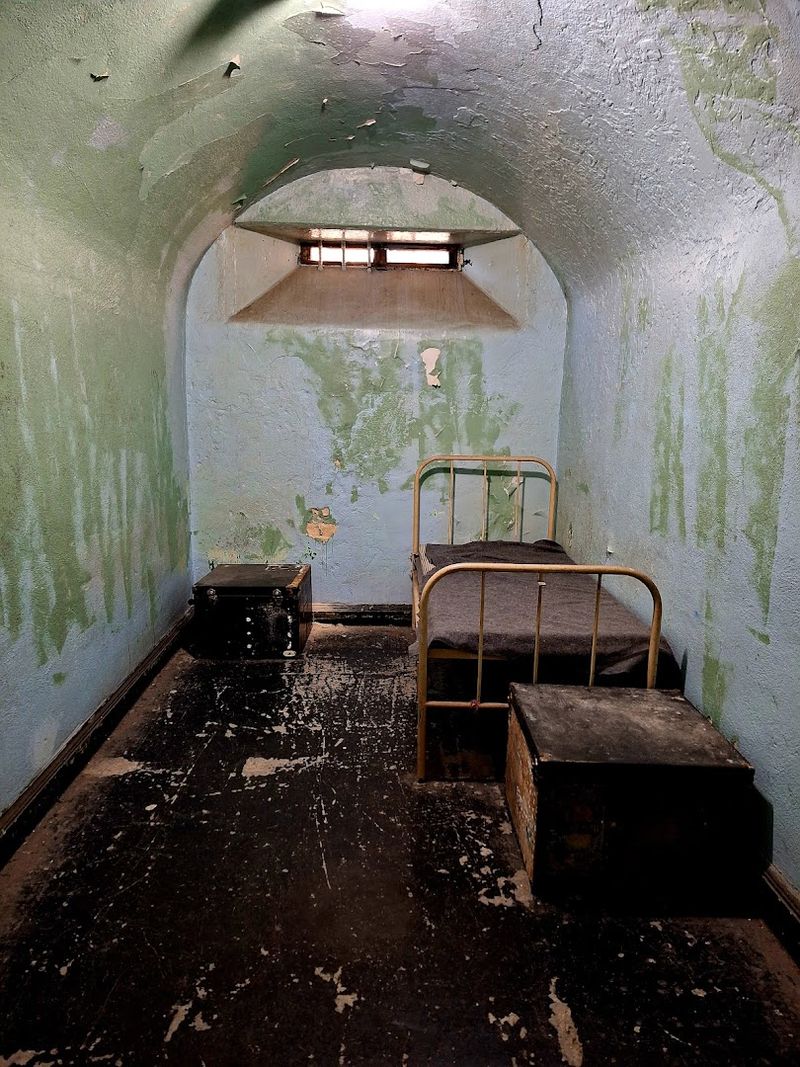
The Old Jail Museum appeals to paranormal fans because its atmosphere feels naturally unsettling instead of theatrically staged.
Reviews mention friendly spirits, sorrowful sensations, and reported activity after hours, yet most also stress that the experience is grounded in history rather than cheap scares.
That balance makes the museum more compelling than places that lean too hard on ghost-tour theatrics.
As you move through old cells, stone hallways, and spaces tied to executions and long confinement, the mood builds on its own.
Even visitors who do not describe themselves as believers often say the place feels heavy, intimate, or emotionally charged.
Others note that it was less overtly creepy than expected, which actually makes the odd moments feel more believable.
If you like haunted places with substance, this museum hits the sweet spot.
You get folklore, reported encounters, and a real historical setting that does not need embellishment to feel eerie.
7. What to know before you plan your visit
A little planning will make your visit to the Old Jail Museum much smoother.
The museum has limited hours, typically opening midday on select days, and some disappointed visitors arrived too late or found the next available tour already full.
Because of that, checking current hours on the official website and booking in advance is the smartest move.
Parking is another thing to think about before you go.
Reviews repeatedly mention a very small lot, so it is wise to expect limited spaces and be ready to park elsewhere in Jim Thorpe if needed.
The museum is right in town, which makes it easier to combine your stop with a walk through the historic district.
Once inside, the tour itself is considered affordable and worth the price by many visitors.
If you prefer smaller, story-rich attractions over giant museums, this one rewards a little extra planning with a memorable experience.
8. Why this is a must for haunted history fans in Pennsylvania

The Old Jail Museum stands out because it offers something many off-the-beaten-path attractions promise but never fully deliver.
It is historically important, emotionally resonant, and just eerie enough to keep you looking over your shoulder without turning into a haunted house performance.
For the right visitor, that combination is hard to beat.
You come here for the preserved jail, the story of the Molly Maguires, and the infamous handprint, but you leave remembering the atmosphere as much as the facts.
Reviewers often describe the guides as a major part of that success, since they turn a compact museum into an experience that feels layered and personal.
The result is a visit that stays with you.
If haunted history is your idea of a great day trip, this museum absolutely belongs on your Pennsylvania list.
It is small, specific, and unforgettable in all the ways that matter most.
Share this story