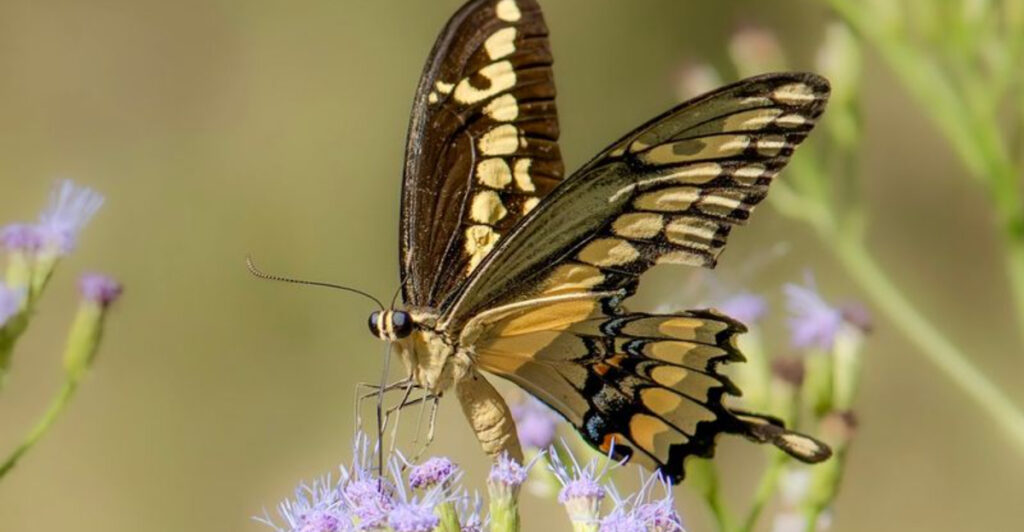
Deep in the Rio Grande Valley sits a 100-acre wonderland where winged jewels flit through native gardens and wild habitats. The National Butterfly Center in Mission has documented over 240 different butterfly species, making it one of the richest butterfly hotspots in North America. Whether you’re a nature lover, photographer, or just looking for a peaceful escape, this hidden gem offers trails, wildlife encounters, and jaw-dropping biodiversity you won’t find anywhere else in Texas.
1. A Living Laboratory for Lepidoptera
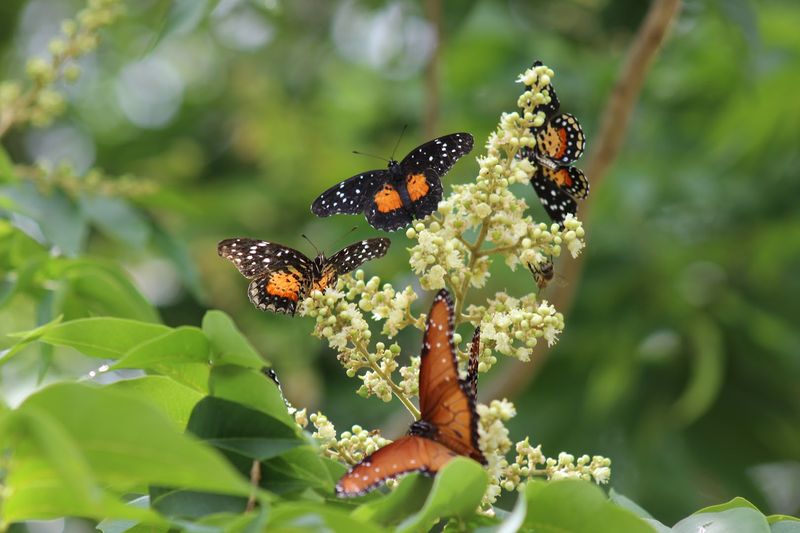
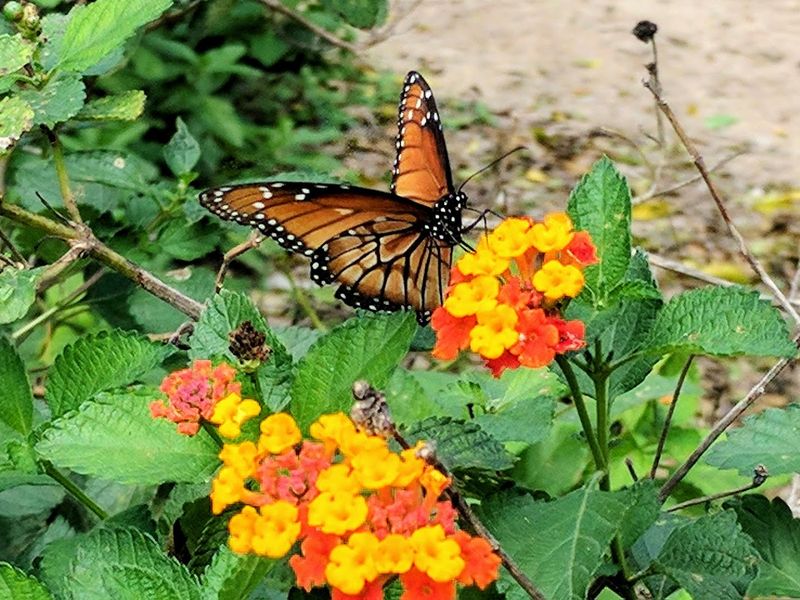
More than 240 butterfly species call this sanctuary home, a staggering number that puts the National Butterfly Center on the map for serious butterfly watchers. From common Monarchs to the elusive Red-bordered Pixie, the diversity here rivals tropical destinations. What makes this place so special is the intentional habitat design—native plants chosen specifically to attract and support butterflies at every stage of their life cycle.
Spring and fall bring migration waves, when butterflies traveling between North and South America stop to refuel. Visitors during these peak seasons might spot dozens of species in a single morning. Even in winter, you’ll find resident species fluttering around sun-warmed gardens.
The center doesn’t just showcase butterflies—it actively documents them. Staff and volunteers keep detailed records of sightings, contributing valuable data to conservation science. Every visit becomes a chance to witness rare species that rarely venture north of the Mexican border.
Photography enthusiasts bring macro lenses to capture wing patterns in incredible detail. The slower pace of butterfly movement in cooler morning hours makes for easier shots. Educational signage throughout the grounds helps identify what you’re seeing, turning a casual walk into an immersive learning experience about these delicate pollinators.
2. Trails That Wind Through Wild Texas
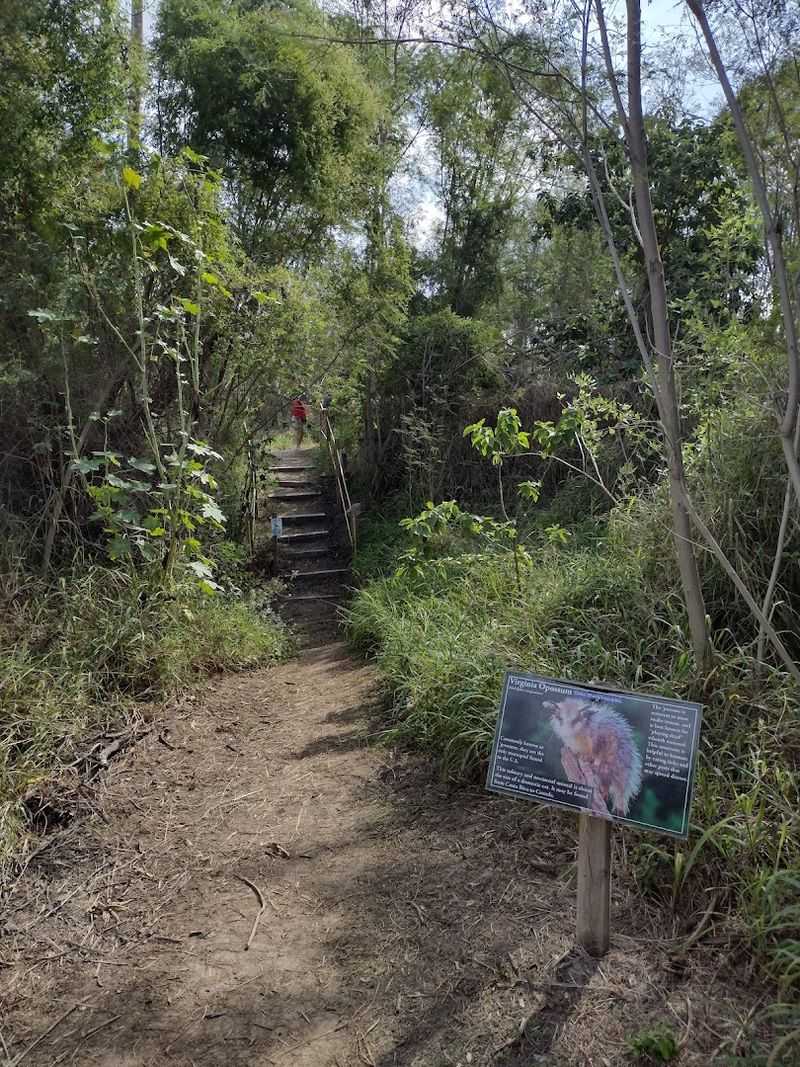
Half a mile of maintained trails might not sound like much, but these paths pack serious punch. They meander through carefully preserved habitat zones, each designed to support different butterfly species and their host plants. Wooden bird blinds offer shaded spots to pause and observe without disturbing the wildlife.
The trails aren’t manicured or paved—they’re intentionally left natural to maintain the authentic Rio Grande Valley ecosystem. You’ll walk under native trees, past thorny brush, and alongside gardens bursting with color. Signage marks different zones and identifies key plant species that butterflies depend on for nectar and egg-laying.
Visitors often spend two to three hours exploring every corner, though you could easily linger longer with a camera or sketchbook. The property extends all the way to the border area, offering varied terrain and microclimates. Some sections stay cooler and shadier, while others bake in full sun—creating diverse conditions that attract different species.
Accessibility varies, with some paths easier to navigate than others. Comfortable walking shoes are essential, and checking trail conditions before heading out helps plan your route. The intimate scale means you won’t get lost, but there’s enough variety to keep exploration interesting on repeat visits.
3. Meet Spike, the Resident Tortoise Celebrity
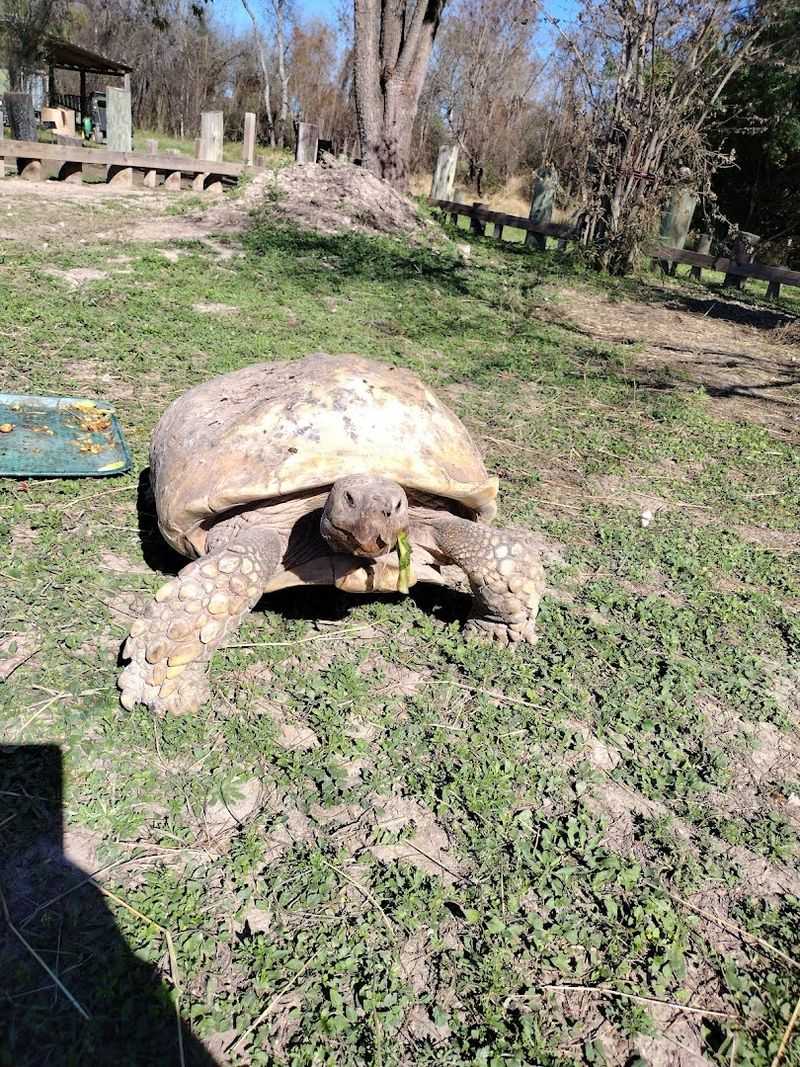
Spike the tortoise has become an unexpected star at the National Butterfly Center, charming visitors with his prehistoric presence. This shelled resident has lived at the center for over two decades, celebrating his 22nd birthday recently according to delighted visitor accounts. While butterflies get top billing, Spike often steals the show, especially with younger guests.
His enclosure sits near the visitor center, making him an easy first stop. Kids love watching him lumber around, and parents appreciate the educational opportunity to discuss reptile biology and conservation. Some visitors have expressed concern about Spike’s habitat conditions, though the center maintains his care meets proper standards.
Tortoises like Spike live incredibly long lives, often outlasting their human caretakers. His presence adds another dimension to the center’s mission of showcasing Rio Grande Valley biodiversity beyond butterflies. Reptiles, birds, and mammals all share this ecosystem, and Spike represents the interconnected web of life.
Photographing Spike requires patience—he moves on his own schedule. Morning visits sometimes catch him more active, though tortoises generally operate at a relaxed pace. His weathered shell tells stories of years spent in South Texas sun, making him a living testament to the region’s wildlife resilience.
4. Bird Watching Beyond the Butterflies
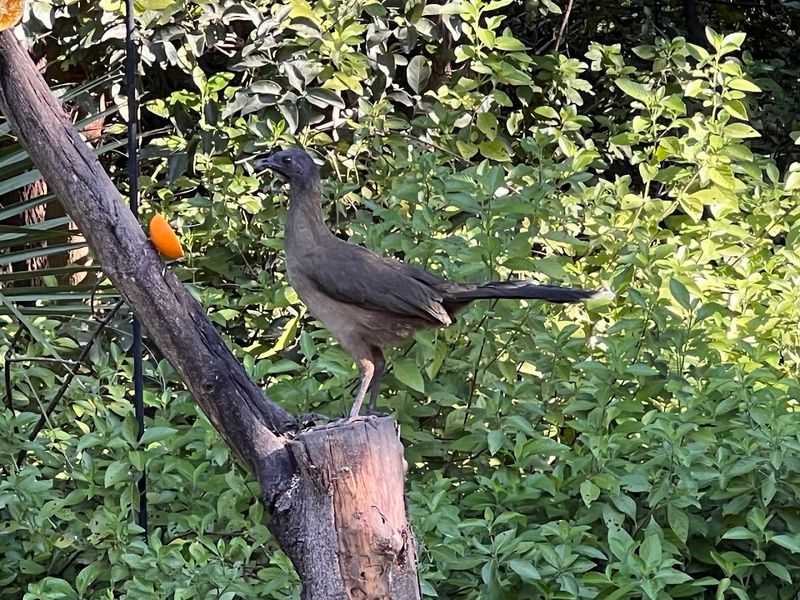
Bring binoculars, because the bird life here rivals the butterfly action. The center maintains year-round feeding stations that attract dozens of species, from flashy Green Jays to skulking thrashers. Migration seasons transform the property into an avian highway, with exhausted travelers stopping to rest and refuel.
Multiple bird blinds positioned throughout the trails let you observe without disturbing feeding and nesting behaviors. These wooden structures provide shade while offering perfect sightlines to water features and seed stations. Serious birders keep life lists and often check off Rio Grande Valley specialties found nowhere else in the United States.
Winter visitors report incredible bird diversity even when butterfly numbers drop. Cold-weather species move south, congregating at reliable food sources like those the center provides. Staff members are remarkably knowledgeable about bird identification and behavior, happy to help visitors spot and name unfamiliar species.
The pond near the main building, decorated with water lilies, serves as a magnet for water birds and thirsty migrants. Dragonflies patrol the surface while herons stalk the shallows. This aquatic habitat adds yet another ecosystem layer, supporting species that might otherwise pass by the drier upland areas completely.
5. Gardens Designed for Maximum Pollinator Power
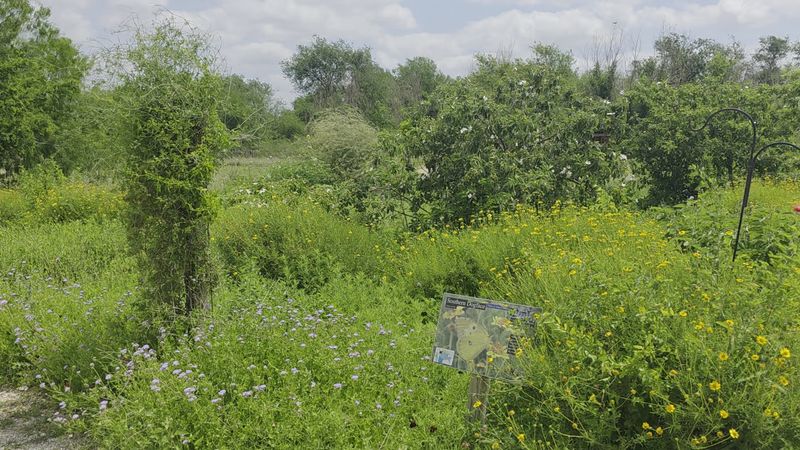
Every plant on the property serves a purpose, carefully selected to support butterflies through their complete life cycle. Nectar flowers feed adults, while host plants provide spots for egg-laying and caterpillar munching. The gardens demonstrate how intentional landscaping can transform ordinary yards into pollinator havens.
Visitors often take notes or snap photos of plant tags, hoping to recreate similar habitats at home. The center’s gift shop sells potted native plants, letting guests take a piece of the magic back to their own properties. Staff can advise which species tolerate different soil types and sun exposures across Texas.
Seasonal blooms ensure something’s always flowering, providing consistent food sources throughout the year. Spring explosions of color give way to summer heat-lovers, then fall migrations coincide with late-season bloomers. Even winter sees certain hardy plants offering nectar to resident butterfly species.
The gardens aren’t just pretty—they’re educational models showing sustainable landscaping practices. Water-wise native plants require less irrigation than typical lawns, and they support local wildlife instead of just looking decorative. Walking through demonstrates how beauty and ecological function can coexist, inspiring visitors to rethink their own outdoor spaces and make them more pollinator-friendly.
6. Bring Bug Spray or Become a Mosquito Buffet
Here’s the truth nobody puts in the brochures: mosquitoes love this place as much as butterflies do. The same wet habitats and dense vegetation that support incredible biodiversity also create perfect breeding grounds for biting insects. Multiple visitors report getting “eaten alive” during their visits, turning peaceful nature walks into itchy ordeals.
The center sits near the Rio Grande in humid South Texas, where mosquitoes thrive year-round. Shaded trails and standing water features amplify the problem. Experienced visitors never leave the parking lot without coating themselves in repellent first.
Don’t let the bugs scare you off—just come prepared. Long sleeves and pants help, though South Texas heat makes that challenging in summer. DEET-based sprays work best, applied liberally to exposed skin and clothing.
Reapply every few hours, especially if you’re sweating.
The mosquito situation varies by season and recent rainfall. Drier periods see fewer biters, while wet seasons bring swarms. Early morning visits sometimes encounter fewer mosquitoes than afternoon trips, though this isn’t guaranteed.
Pack your repellent in an easily accessible pocket so you can reapply on the trail. The incredible wildlife sightings are absolutely worth the minor annoyance of insect defense.
7. Educational Programs That Actually Engage Kids
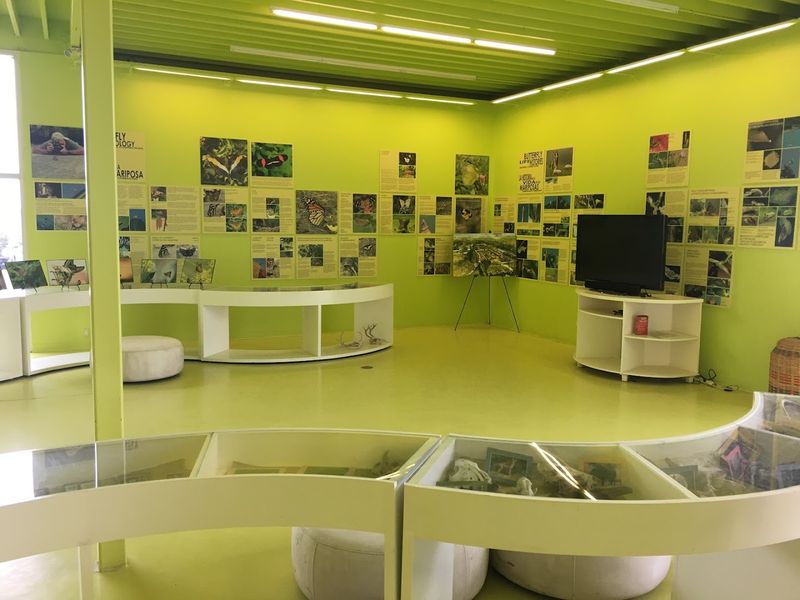
The visitor center houses interactive exhibits designed to captivate young minds without dumbing down the science. Kids can learn about butterfly life cycles, metamorphosis, and ecosystem connections through hands-on displays. Educational materials explain complex concepts in accessible language, making the center a favorite field trip destination for Rio Grande Valley schools.
Staff and volunteers genuinely enjoy working with children, answering endless questions with patience and enthusiasm. Their knowledge runs deep, covering not just butterflies but the entire web of life in South Texas habitats. Special events throughout the year focus on different aspects of natural history, from spider appreciation to bird migration.
Parents appreciate that the outdoor experience balances screen time with real-world discovery. Spotting a caterpillar or watching a butterfly emerge from its chrysalis creates memories that stick with kids far longer than textbook lessons. The center proves that education doesn’t require four walls—sometimes the best classroom has dirt paths and living specimens.
Teachers can arrange guided programs tailored to different age groups and curriculum standards. The combination of indoor learning and outdoor exploration keeps attention spans engaged. Even families just passing through find the educational components add depth to what could otherwise be a simple nature walk.
8. Planning Your Visit for Maximum Wildlife Encounters
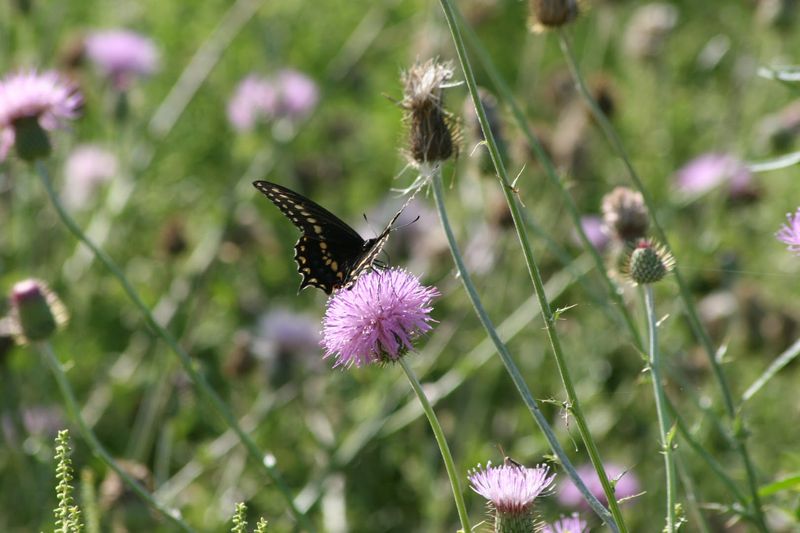
Timing makes all the difference between seeing a few common species and witnessing spectacular biodiversity. Early mornings offer cooler temperatures when butterflies are less active but more approachable for photography. As the sun warms their wings, they become flight-ready but harder to capture on camera.
Bird activity peaks at dawn, making sunrise arrivals ideal for serious wildlife watchers.
Migration seasons—spring and fall—bring the most dramatic species diversity. Butterflies traveling between continents funnel through the Rio Grande Valley, stopping at the center to rest and refuel. The annual Texas Butterfly Festival attracts enthusiasts from across the country, offering guided walks and expert presentations.
Summer visits require heat tolerance and plenty of water. Temperatures soar, but resident species remain active in shaded areas. Winter sees fewer butterflies but incredible bird numbers as northern species escape colder climates.
Each season offers different rewards, so repeat visits reveal new facets of the ecosystem.
The center opens at 8 AM daily and closes at 5 PM, giving ample daylight for exploration. Admission runs $10 per adult with no senior or veteran discounts currently offered. Reciprocal membership programs with some botanical gardens provide free entry.
Budget two to four hours minimum to properly explore the trails and exhibits without rushing.
9. Supporting Conservation in a Controversial Location
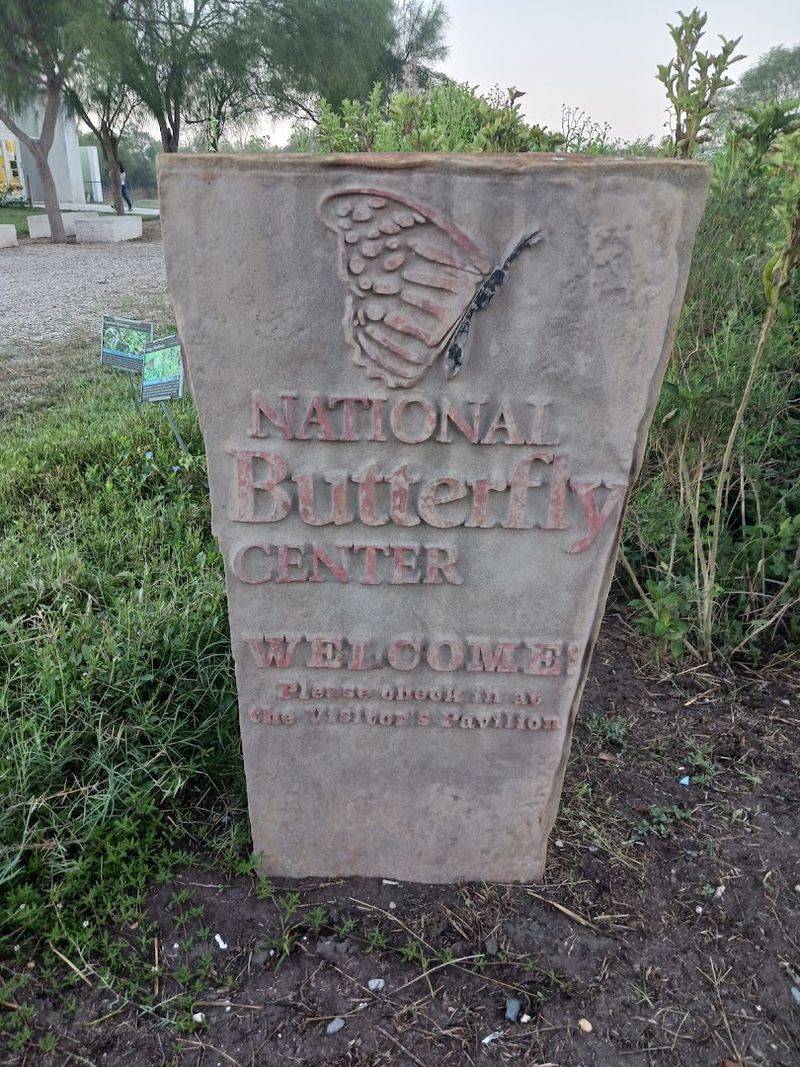
The National Butterfly Center sits in a politically charged location near the U.S.-Mexico border, making its conservation mission more complex than typical nature preserves. Border wall debates have directly impacted the property, with construction proposals threatening to bisect critical habitat. The center has become an unexpected symbol of environmental protection versus security policy conflicts.
Despite controversies, the staff remains focused on their core mission: preserving Rio Grande Valley biodiversity for future generations. The 100-acre property protects habitat that’s rapidly disappearing elsewhere in the region. Development pressure, agriculture, and urban sprawl continue shrinking wild spaces, making protected areas like this increasingly vital.
Visiting the center supports habitat conservation through admission fees and gift shop purchases. Memberships fund ongoing research, trail maintenance, and educational programming. Every dollar helps maintain this refuge for species that recognize no political boundaries, migrating freely across international lines as they’ve done for millennia.
The location near the border adds an unusual dimension to visits, though most guests focus on nature rather than politics. Trails extend to areas where you can see border infrastructure, a stark reminder of the complex landscape the center inhabits. Ultimately, butterflies need habitat regardless of human conflicts, and this sanctuary provides essential protection.