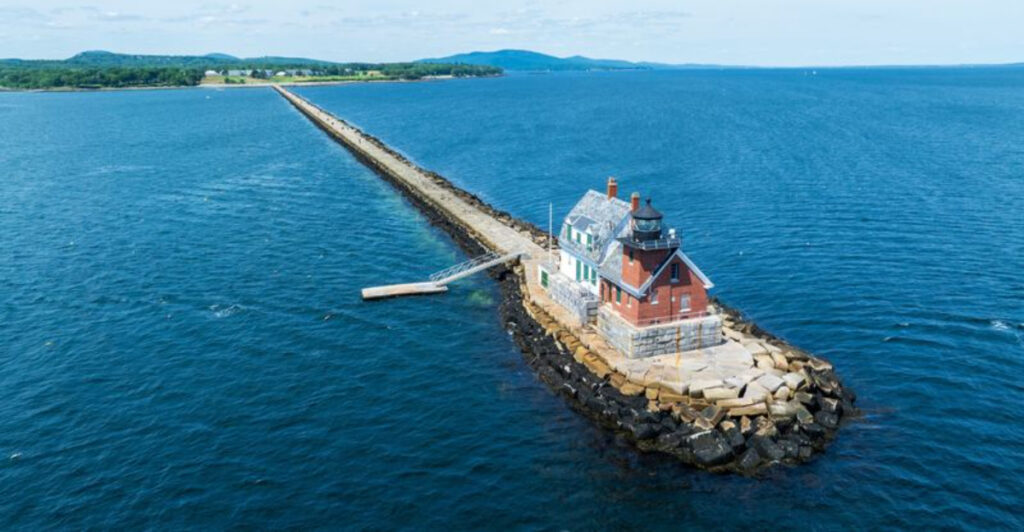
Some places look great in photos but fall flat in person. Rockland Breakwater Lighthouse does the exact opposite, building real anticipation with every step along its long granite path. The walk itself becomes part of the experience, with wind off the harbor, waves crashing nearby, and that iconic red-brick tower slowly coming into view.
By the time you reach the end, it feels less like a quick stop and more like a small, memorable adventure. It’s scenic, historic, and surprisingly immersive. If you want a Maine landmark that truly delivers, this is one worth the walk.
A Lighthouse at the End of the Sea Path
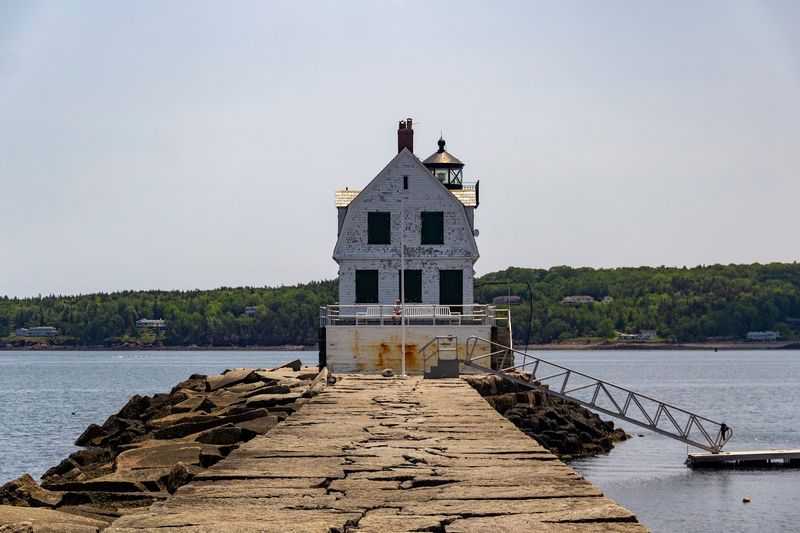
The first thing that hits you at Rockland Breakwater Lighthouse is the approach. You do not just pull up, hop out, and snap a photo. You earn the view by heading down a long granite breakwater that stretches into Penobscot Bay like a deliberate runway toward one charming red-brick landmark.
That setup is exactly why the place feels so cinematic. From shore, the lighthouse looks tidy and distant, almost toy-like against the water and sky. With each careful step, it grows larger, and the harbor starts opening around you in every direction.
I love that the setting gives you a sense of motion before you ever reach the building. Fishing boats move through the harbor, gulls patrol the air, and the breeze usually reminds you that this is not a manicured boardwalk. It feels active, salty, and a little rugged in the best Maine way.
The lighthouse itself stands at the far end with a look that is instantly memorable. Instead of a dramatic cliffside perch, it sits low and solid, attached to its keeper’s house, more like a hardworking harbor guardian than a show-off tower. That unique profile is a huge part of its charm.
What makes the first look so good is the contrast. The long, rough line of granite leads to a compact, handsome structure that seems almost too perfect to be real. By the time you get close, the whole scene feels like a postcard that decided to become a full experience.
Built for a Working Harbor
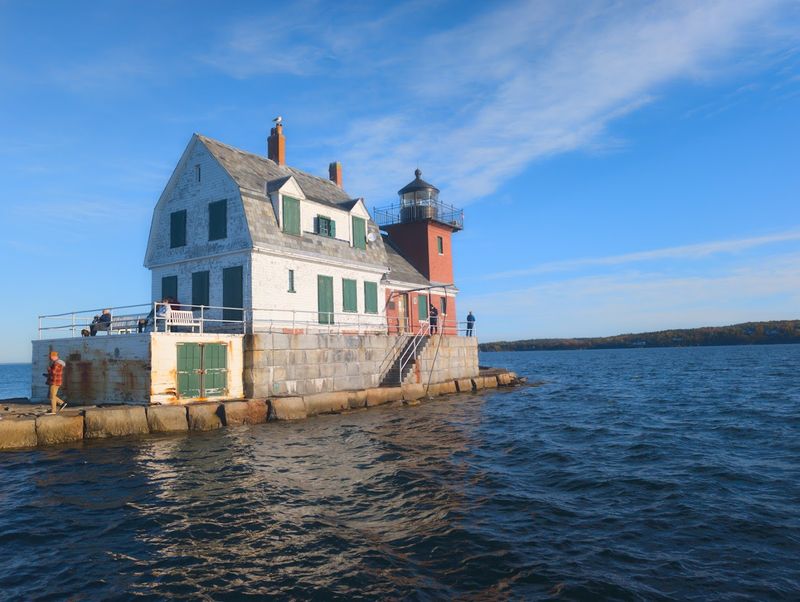
What gives Rockland Breakwater Lighthouse extra personality is that its story starts with the harbor, not just the tower. The massive granite breakwater came first, built to create safer shelter for vessels using Rockland. Only after that long protective wall took shape did the permanent lighthouse arrive at its far end in 1902.
That sequence matters because the site feels practical before it feels romantic. This was a working piece of coastal infrastructure, not a decorative object dropped into a scenic spot. Even now, you can sense that combination of utility and beauty in the heavy stone underfoot and the compact building ahead.
The design also stands out from the usual lighthouse mental picture. Instead of a tall isolated tower, you get a red-brick fog signal building with a square light tower rising above it, plus the attached keeper’s house. It looks more like a small maritime residence that quietly took on lighthouse duty.
There is something refreshing about that understatement. The building does not need dramatic height or flashy ornament to hold your attention. Its appeal comes from proportion, color, and the fact that it sits exactly where a harbor sentinel should, at the end of a manmade path through open water.
I think that is why the place sticks with people. It represents engineering, local labor, navigation, and everyday coastal life all at once. You are not just looking at a pretty structure here. You are meeting a landmark shaped by the needs of a real Maine port.
Details You Notice Only on Foot
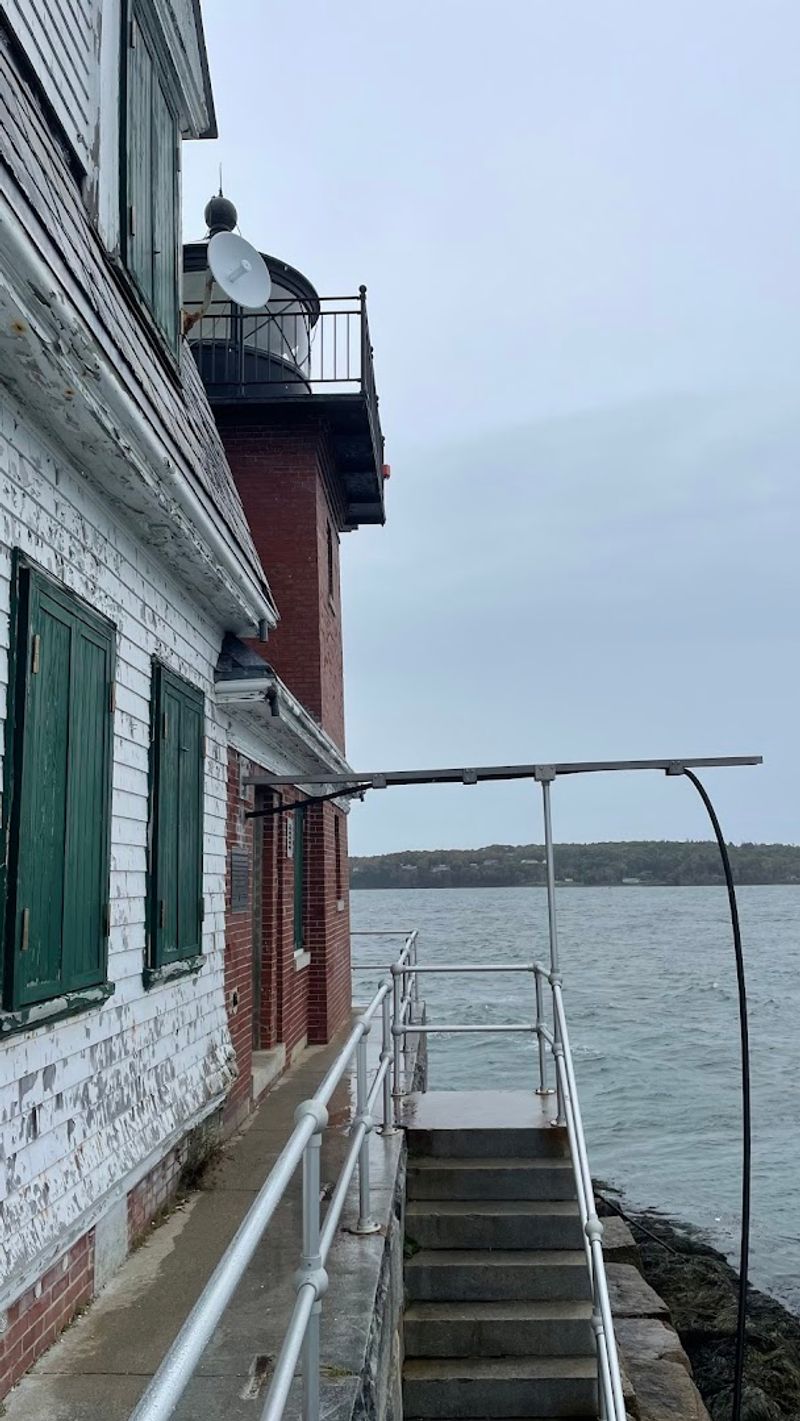
Once you get close, Rockland Breakwater Lighthouse stops being just a scenic icon and starts showing off its texture. The red brick reads warmer in person, especially in low light, and the square tower feels sturdier than delicate. You notice windows, rooflines, and the attached house form before you think about the lantern.
That is part of what makes this lighthouse so likable. It has the personality of a home and the purpose of a navigational structure, all packed into one compact composition. Seen up close, it feels less like an abstract symbol and more like a real place that weather, salt, and time have worked on for decades.
The granite around it matters too. After walking across uneven blocks for most of a mile, you arrive with a new respect for the site. Those stones are not background decoration, they are the experience, and they make the lighthouse feel more earned and more remote than its map location suggests.
I would not call the approach difficult for everyone, but it definitely demands attention. Good shoes help, slow steps help more, and wind can change the mood quickly. That little bit of effort sharpens your eye, so details that might seem minor in a photo suddenly feel vivid and memorable.
Standing there, the whole landmark makes sense as one connected design. The building, the breakwater, the harbor, and the weather all work together. You are not simply visiting a lighthouse. You are stepping into a complete coastal setting that only reveals itself properly at close range.
Harbor Drama in Every Direction
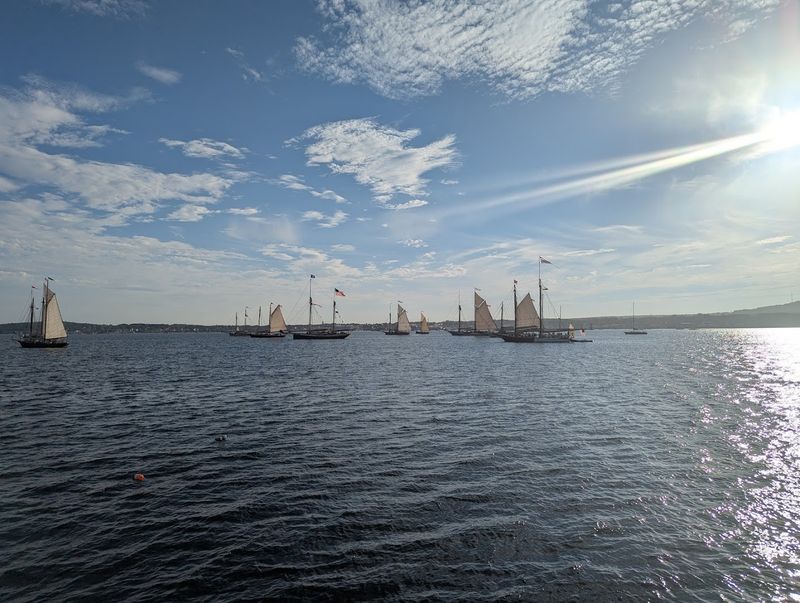
From the lighthouse, the views do not lock you into a single perfect angle. That is the fun of this spot. Turn one way and you get Rockland Harbor activity, turn another and Penobscot Bay opens up with a wider, quieter feel that makes the coast seem almost endless.
On a clear day, the scene has layers instead of one big reveal. Boats move through the harbor, moorings dot the water, and the shoreline gives you context without stealing the show. Even when nothing dramatic is happening, the place never feels visually flat.
I especially like how different the water can look from each side of the breakwater. One side may seem calmer and more sheltered while the other catches more motion, sparkle, or chop. That split gives photographers and casual walkers plenty to play with, even before the lighthouse itself enters the frame.
Wildlife is part of the atmosphere too, though never on command. You might notice gulls and shorebirds first because they are impossible to ignore, and some visitors also report seeing seals from the breakwater. The point is not to promise a nature show, but to appreciate how alive the harbor often feels.
What stays with you most is the sense of space. The walk puts water on both sides, and the lighthouse gives that openness a focal point. By the time you turn back toward shore, you have seen Rockland from a perspective that feels airy, maritime, and wonderfully removed from everyday noise.
Light, Weather, and Mood
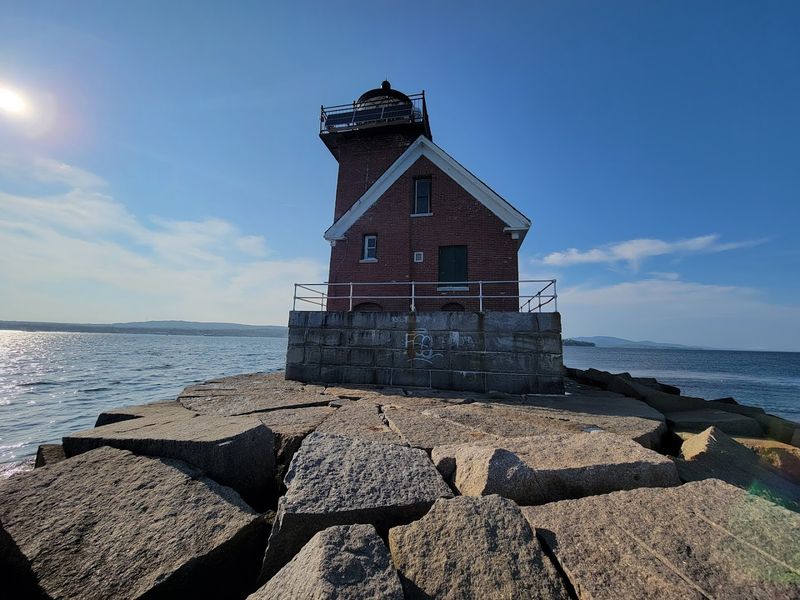
If you are chasing the best moment at Rockland Breakwater Lighthouse, light matters almost as much as weather. Early morning gives the place a quieter, softer mood, while sunset can turn the brick warm and the harbor almost theatrical. Both are beautiful, but they create very different experiences.
Sunrise is great if you want calmer energy and fewer people. The breakwater feels more meditative then, and the low light can make the lighthouse look especially crisp against pale water and sky. If you like photos without much visual clutter, this is a smart play.
Late afternoon into sunset is the crowd favorite for obvious reasons. Warm light flatters the red-brick exterior, boats catch a glow, and the return walk can feel wonderfully cinematic. The only catch is timing, because you do not want that uneven granite underfoot getting hard to read in fading light.
Fog is another wildcard that can make the place unforgettable. When mist rolls through, the lighthouse leans into full New England drama without trying too hard. Visibility changes the mood more than the structure itself, turning a familiar harbor scene into something hushed and almost dreamlike.
Personally, I would choose a clear or lightly hazy morning in early fall if possible. Reviews often suggest that shoulder season brings a little more breathing room, and cooler air can make the walk feel sharper and more refreshing. Pick a stable weather window, and this place really knows how to perform.
What to Know Before You Go

Here is the main thing to know before visiting Rockland Breakwater Lighthouse: this is a walk, not a roadside overlook. The breakwater is long, uneven, and made of granite blocks with gaps and changing surfaces. That does not make it extreme, but it absolutely means you should show up prepared.
Sturdy shoes with grip are the smartest choice. Flip-flops, slippery soles, or anything that makes you careless can turn a fun outing into a frustrating one fast. You will enjoy the scenery more if you are not constantly worried about your footing.
Weather awareness matters just as much as footwear. Wind can feel stronger the farther out you go, and wet stone is a different experience from dry stone. If conditions look rough, stormy, or unstable, this is one of those attractions where caution is not overkill.
Parking is typically available near the end of Samoset Road, and from there you still have a short approach before the breakwater proper begins. The grounds are generally open from sunrise to sunset, while lighthouse tours can be limited and dependent on volunteers and conditions. If interior access matters to you, checking for same-day updates is worth the extra minute.
Also, plan the basics before stepping out. There is no full-service setup waiting at the lighthouse, and summer visitors often rely on portable toilets near the parking area. Bring layers, keep your hands free when possible, allow more time than you think you need, and let the walk set the pace.
More Than Just a Pretty Lighthouse
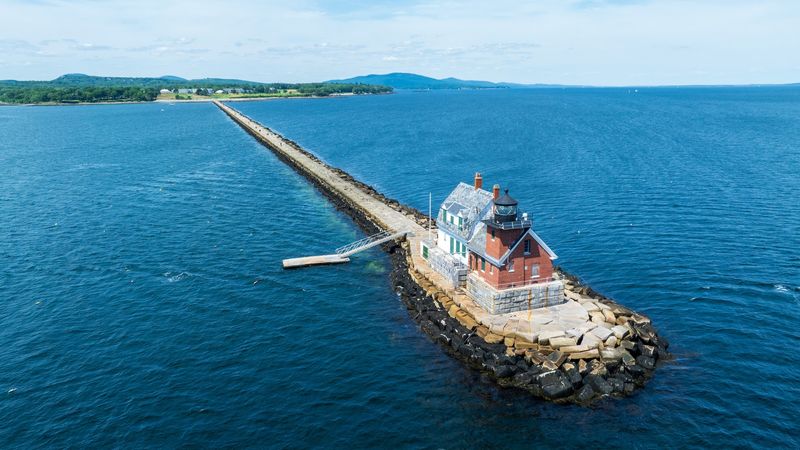
What makes Rockland Breakwater Lighthouse unforgettable is not just that it is beautiful. Maine has no shortage of beautiful coastal scenes. This one stays with you because the experience unfolds in stages, and each part adds something the last part did not have.
First there is anticipation from shore, where the lighthouse looks small and impossibly neat at the end of all that stone. Then comes the walk, which is slightly adventurous, a little windy, and just demanding enough to keep you present. By the time you arrive, your attention has been fully cleared of everything unimportant.
The structure itself helps seal the memory. It is handsome without being grand, distinctive without trying too hard, and deeply tied to its setting. That attached house-and-tower silhouette gives it character that feels personal, almost like you are visiting a hardworking old harbor resident rather than a remote monument.
I think people also remember how the place makes them move. You slow down, watch your step, look at the water, listen to the gulls, and notice changing light on brick and granite. It is one of those rare attractions where the approach, the destination, and the return walk all matter equally.
That balance is hard to fake, which is why the lighthouse lands so well. It offers history, scenery, texture, and a real sense of place without much fuss. Long after the photos are saved, what remains is the feeling of having stepped briefly into a tougher, saltier, more vivid version of the Maine coast.
Share this story