Fewer than 500 people call this Western Slope town home, and on most days the wild horses nearby seem to outnumber the traffic. It sits right off I-70 in Mesa County, yet most drivers zip past on their way to Grand Junction or Glenwood Springs without a second look. That is a mistake worth fixing.
Just outside town, a herd of wild mustangs roams open high desert, and the Colorado River slips through rugged canyon country that anglers quietly treasure. There are no lift lines here, no resort parking fees, and no packed trailheads. What follows is a closer look at the town, its frontier roots, the horses, the river, and the practical details Colorado residents need to plan an easy, budget-friendly escape.
Keep reading, because this little place has more going on than its population sign suggests.
1. A Small Town Hiding in Plain Sight
Blink at the wrong moment on I-70 and the exit is gone. That is how De Beque, Colorado, USA, has stayed so quiet for so long.
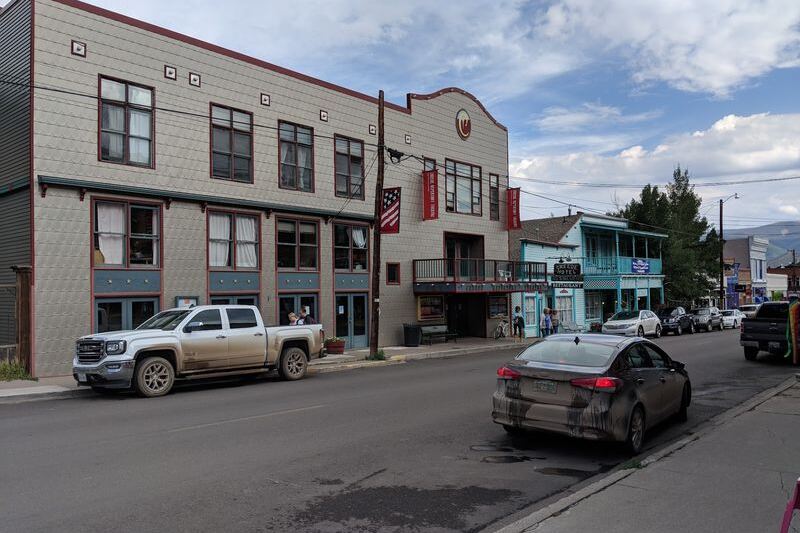
De Beque is a statutory town in Mesa County, on Colorado’s Western Slope. The 2020 census counted 493 residents, which makes it one of the smaller incorporated towns in the region.
Officially, it belongs to the Grand Junction Metropolitan Statistical Area. In practice, it feels like its own world, tucked between rugged bluffs and the Colorado River.
The town sits roughly between Grand Junction and the Parachute and Rifle area. That puts it within easy reach of larger services while keeping the pace of daily life unhurried.
For Front Range residents, this is the kind of spot that rarely shows up on weekend lists. No big resorts, no gondolas, and no crowds jostling for the same scenic pullout.
The town keeps an official website at debeque.org, which is a handy first stop for local updates and contacts before a trip.
So what draws people off the highway here? Wild horses, canyon water, and a rare sense of space, and each deserves its own closer look.
2. Frontier Roots and a Ranching Past
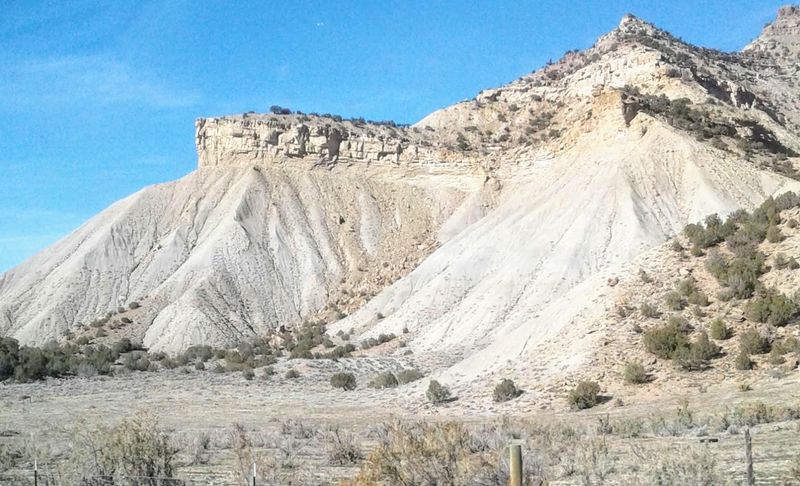
Long before interstate traffic hummed past, this corner of the Western Slope was ranch country. Settlers worked the river bottoms and the dry hills around them.
The town carries the name of an early settler family, a common pattern for small Colorado communities from the late 1800s. Its roots trace back to that homesteading era on the Western Slope.
Ranching and the railroad helped shape the area over time. Later, energy development in the surrounding Piceance region added another chapter to the local economy.
Small towns like this one tend to hold their history close. Families stay for generations, and the past shows up in everyday conversations rather than museum plaques.
For readers who love Colorado heritage, De Beque offers a living example of how frontier communities adapted instead of fading away.
That staying power is part of the charm. The town never chased the resort boom, and the result is a place that still feels rooted in working western life.
3. Desert Bluffs Meet the Colorado River
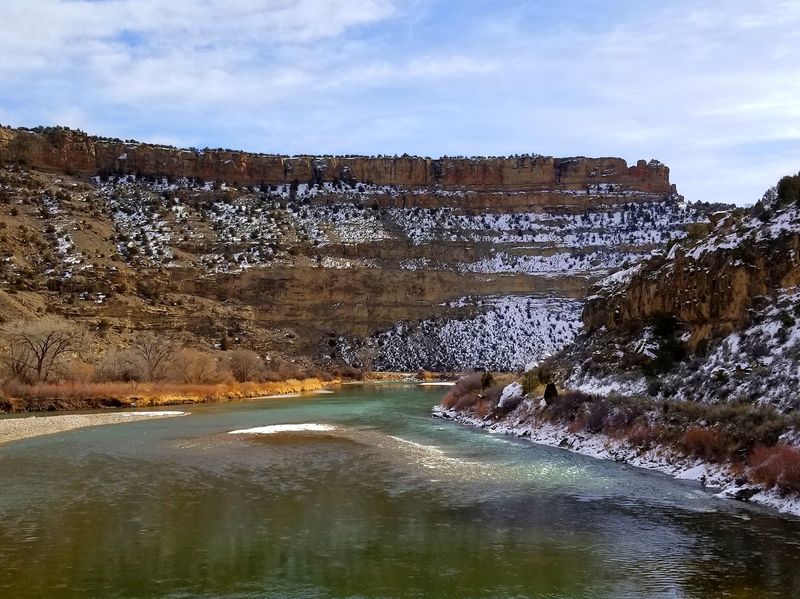
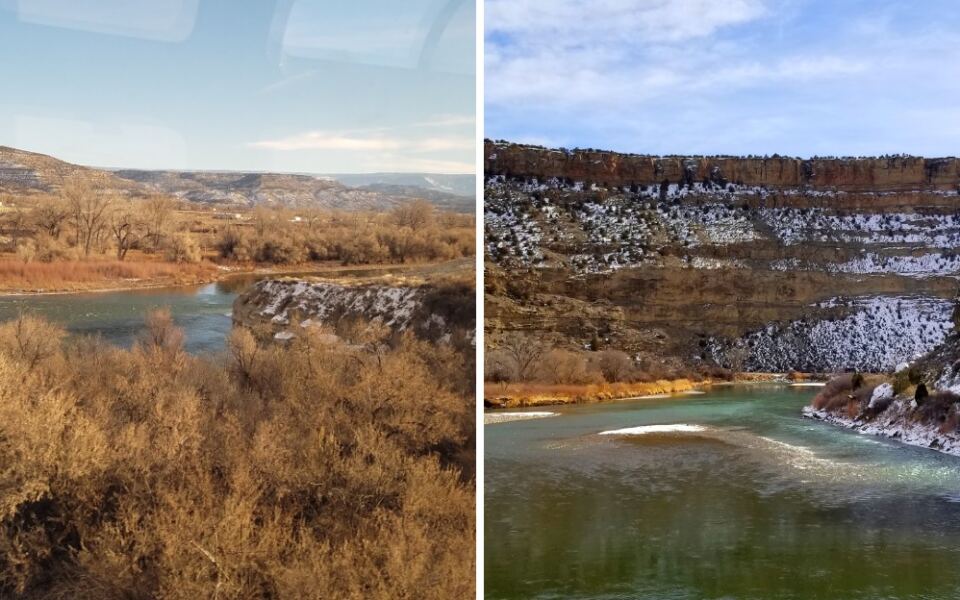
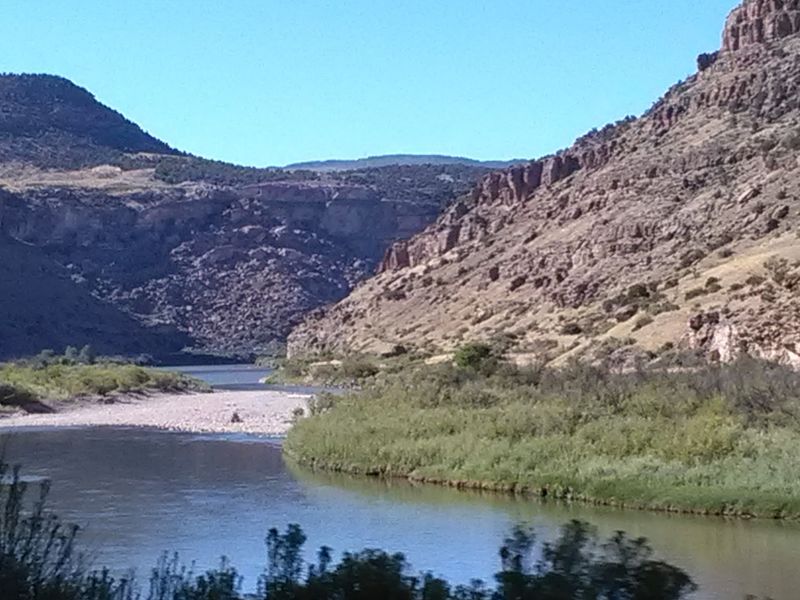
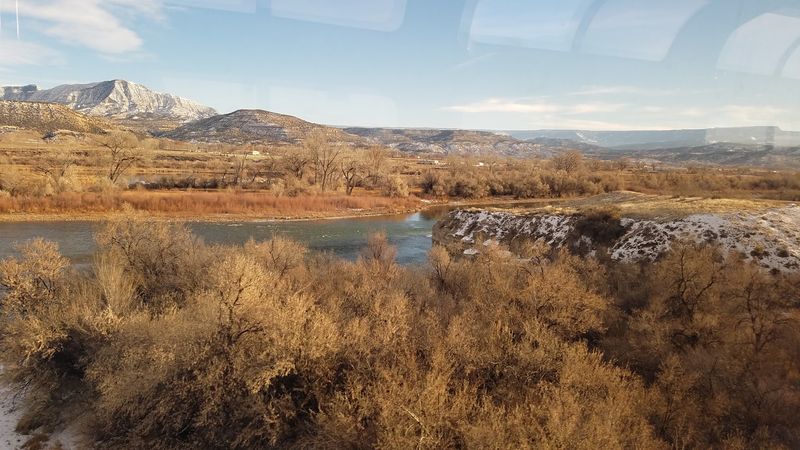
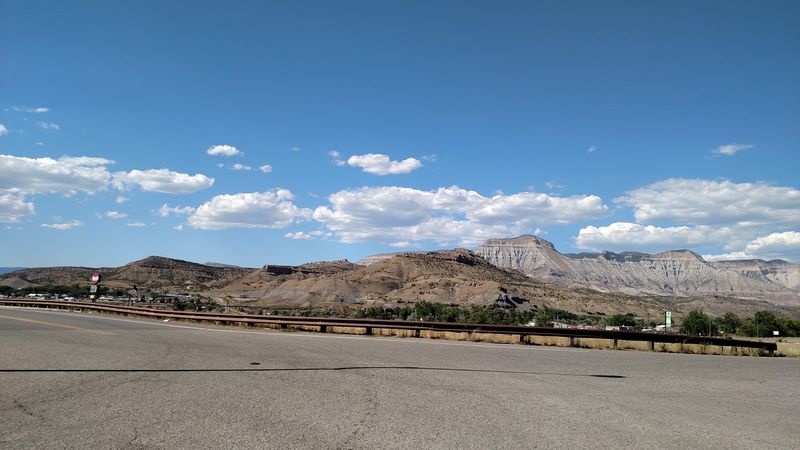
Geography does a lot of heavy lifting here. The Colorado River runs right past town, cutting through layered bluffs and high desert terrain.
To the east, De Beque Canyon carries both the river and I-70 toward Palisade and Grand Junction. Steep canyon walls rise on either side.
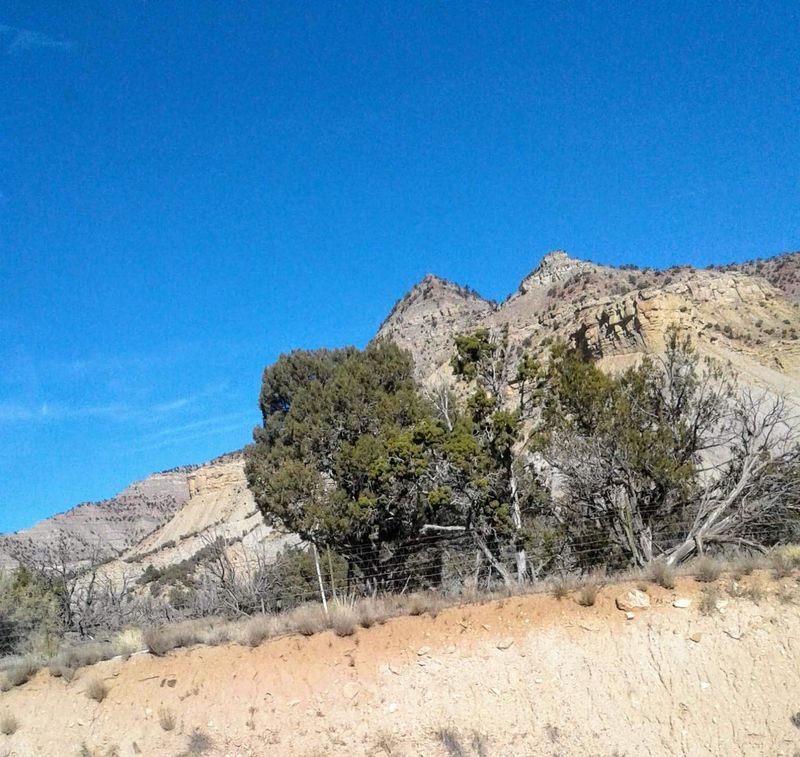
Around town, the landscape opens into sagebrush, juniper, and badlands-style ridges. It looks nothing like the alpine scenery most people associate with Colorado.
That contrast is part of the appeal. Residents who spend winters in snowy mountain towns often find the drier Western Slope a welcome change of pace.
The terrain also supports some of the region’s most memorable outdoor activities. Horses roam the hills, and the river creates a ribbon of water through dry country.
Understanding the setting helps explain why the town feels so open. There is simply a lot of land and not many people, a ratio that works in everyone’s favor.
4. Mustangs of the Little Book Cliffs
Here is the headline act. The Little Book Cliffs Wild Horse Range spreads across rugged canyon country between De Beque and Grand Junction.
It is one of only a few areas in the country set aside specifically for wild horses. The Bureau of Land Management oversees the range and its herd.
The horses wander freely through canyons, mesas, and pinyon-juniper slopes. Sightings are never guaranteed, which makes each one feel earned.
Patience is the main tool required. Many people bring binoculars and plan a few hours of slow exploring rather than a quick drive-by.
Spring often brings foals, and that season can be a favorite time to visit. Keeping a respectful distance protects both the animals and the experience.
Roads in the range can be rough, so a high-clearance vehicle may be helpful depending on the route. Checking current BLM conditions before heading out is a smart move.
Few things match watching a band of mustangs move across open country with no crowd in sight.
5. Horse-Watching Etiquette Worth Knowing
Wild means wild. These horses are not pets, and they are not tame ranch animals waiting for a snack.
Federal rules protect wild horses, so feeding, chasing, or approaching them is off the table. A long lens or binoculars does the job much better.
A good habit is to stop when a horse changes its behavior. If heads lift or bands start moving away, that is the signal to back off.
Staying on established roads and trails helps protect fragile desert soils. Those surfaces can take years to recover from careless tire tracks.
Dogs should stay leashed or at home. Even a friendly pup can stress a herd, especially during foaling season.
Packing out all trash keeps the range clean for the next group. It also keeps the horses safe from things they should never eat.
Follow these simple guidelines, and the reward is a calm, natural encounter worth remembering.
6. Casting Lines in Canyon Water
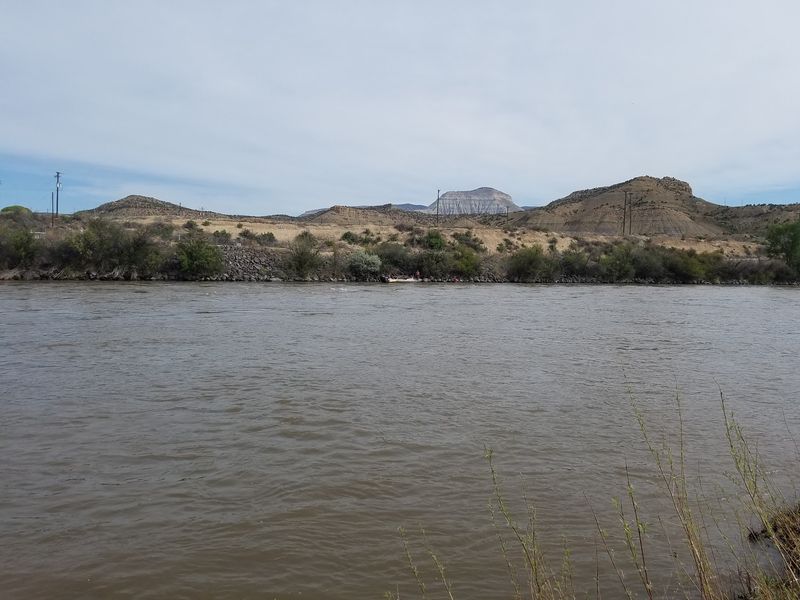
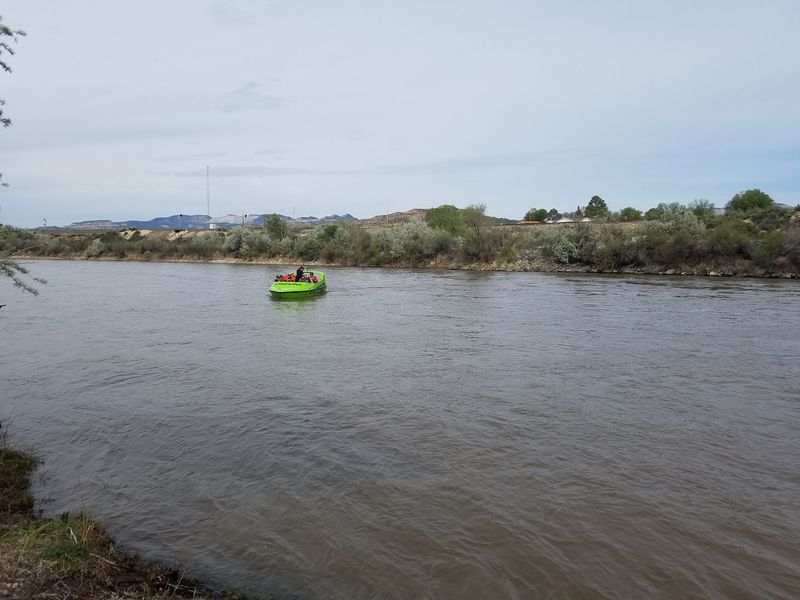
Anglers, take note. The Colorado River near De Beque offers big-water fishing without the elbow-to-elbow scene found on famous Front Range streams.
Through De Beque Canyon, the river is wide and powerful. It holds trout in places, along with warmwater species as it moves toward the lower valley.
Fly fishing here rewards those who read water carefully. Seams, eddies, and slower edges are often more productive than the main current.
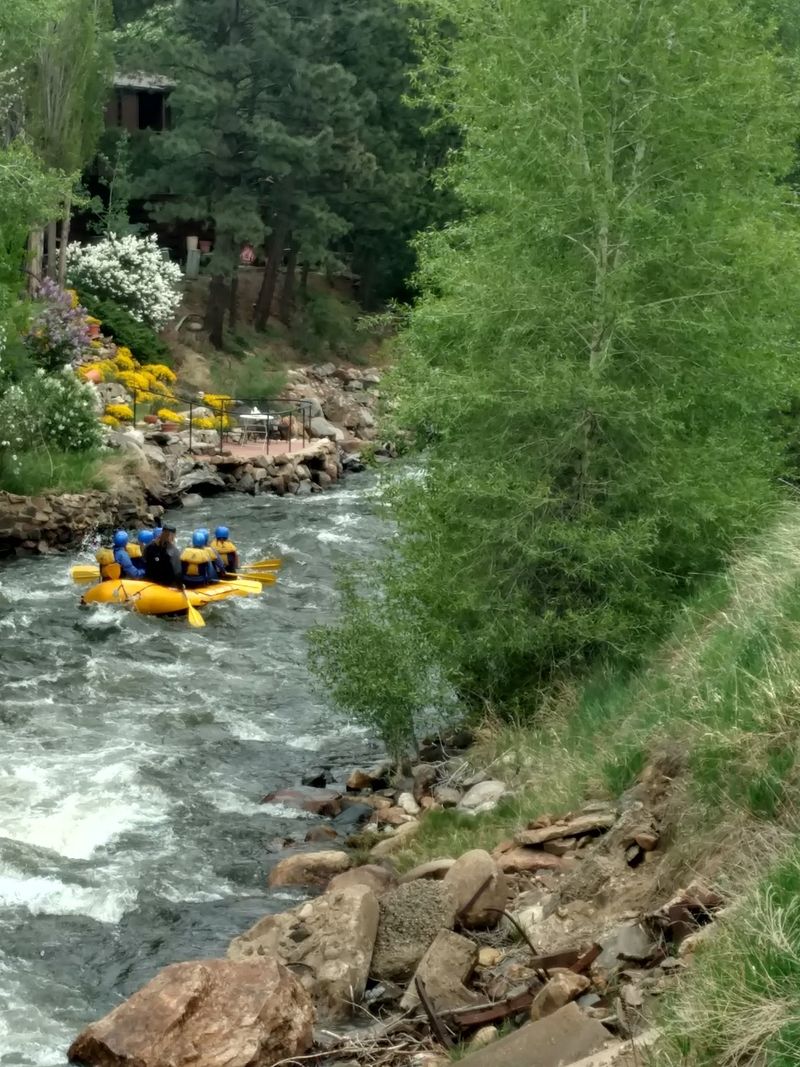
Wading can be tricky on a river this size, so caution matters. Many anglers stick to shoreline access or fish from a raft when conditions allow.
Flows change with the seasons and with snowmelt from upstream. Spring runoff can make the river high and murky, while late summer and fall are often easier.
A valid Colorado fishing license is required. Checking Colorado Parks and Wildlife regulations before casting keeps the trip simple and legal.
The best part may be the quiet. Long stretches can pass without seeing another rod.
7. Gear That Earns Its Spot
Packing light is tempting, but a few items make a real difference out here. Big rivers and dry hills both have their demands.
For fishing, a rod with some backbone helps handle wind and wide water. A 9-foot rod in a mid weight is a common choice on larger Western rivers.
Sturdy wading boots with good grip are worth bringing even for bank fishing. River rocks can be slick.
For horse-watching, binoculars rank first. A zoom lens comes second if photography is part of the plan.
Water, sun protection, and a paper map round out the list. Cell service can be patchy in remote canyons, so offline maps help too.
A spare tire and basic tools are smart for rough roads. Help may be a long way off in backcountry areas.
None of this needs to be fancy or expensive. Reliable basics beat high-end extras in country this open.
8. Roads Less Traveled Around Town
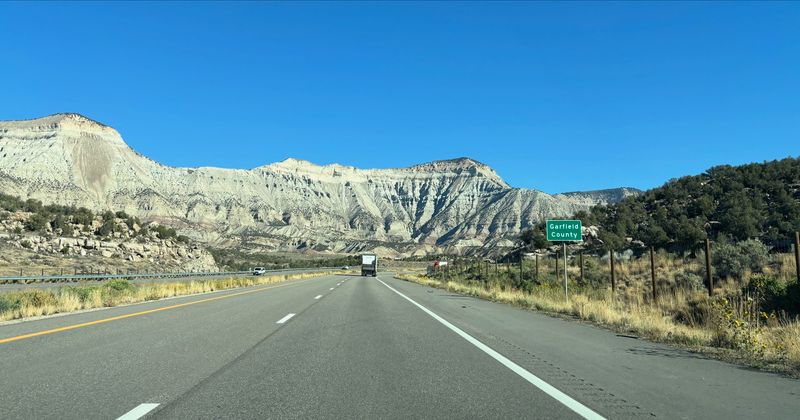
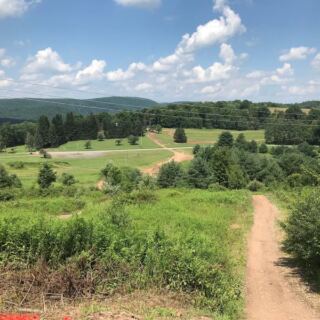
Some of the best moments here happen between destinations. Backroads around town wander through mesas and open rangeland.
Much of the surrounding land is public, managed by the BLM. That opens up chances for scenic drives, short hikes, and quiet picnics.
Roads range from paved county routes to rugged dirt tracks. Weather can quickly change conditions, especially after rain turns clay soils slick.
Fall and spring tend to bring the most comfortable temperatures for exploring. Summer afternoons on the Western Slope can be hot.
Photographers often favor early morning and evening light for capturing the layered ridges. Midday sun can flatten the landscape.
Bringing extra water and letting someone know the plan is good practice. Remote areas reward preparation.
A slow drive out here can easily fill an afternoon, and it rarely involves any traffic.
9. Small-Town Rhythm and Local Life
Life moves at a different speed in a town of 493. Neighbors know each other, and errands tend to come with conversation.
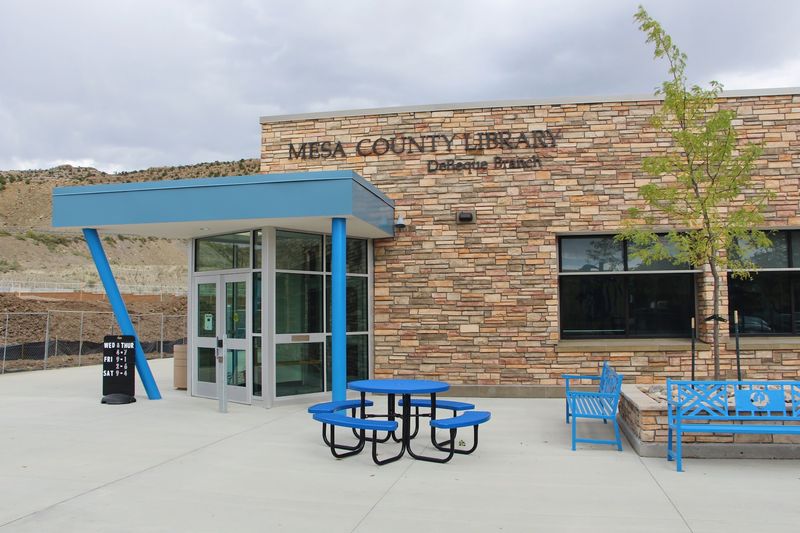
De Beque has the basics of small-town living, with a community school and local gatherings shaping the calendar. Larger shopping trips usually mean a drive to Grand Junction.
That setup suits people who value quiet over convenience. It also appeals to those who prefer open land to cul-de-sacs.
Community events pop up through the year, often posted on the town website. Checking debeque.org before a visit can reveal something happening that weekend.
Visitors who slow down and chat often get the best local tips. Respect and patience go a long way in places this size.
The overall vibe is friendly, practical, and unpretentious. Nobody is trying to sell an image here.
10. Who Will Love It Here
Not every town is for everyone, and that is fine. De Beque fits a specific kind of traveler and resident very well.
Retirees looking for quiet days and open space may find it appealing. Easy access to Grand Junction healthcare and shopping helps balance the remote feel.
Couples wanting a low-key escape without resort prices could also enjoy it. A day of horse-watching and river time makes a simple, relaxed getaway.
Anglers tired of crowded Front Range rivers have reason to explore here. So do photographers chasing wild horses and desert light.
Families with kids who love animals may enjoy a mustang search. Just plan for rough roads and some patience.
On the other hand, travelers seeking nightlife, boutiques, or ski slopes will want to look elsewhere. This is a place built around space, not spectacle.
11. Timing the Trip Right
Seasons shape every visit on the Western Slope. Picking the right window can make or break a trip.
Spring often brings mild weather and the chance to spot young foals. River flows can run high during snowmelt, though, which affects fishing.
Summer is the warmest stretch. Early mornings tend to be best for both horse-watching and casting before heat builds.
Fall is a strong contender for the best overall season. Temperatures cool, river flows often settle, and cottonwoods along the water turn gold.
Winter is quieter still, with fewer people out and colder days. Snow is usually lighter here than in the high mountains, but backroads can get muddy or icy.
Regardless of season, weekdays are typically the calmest. Weekends rarely bring real crowds anyway, which is part of the draw.
12. Getting There From the Front Range
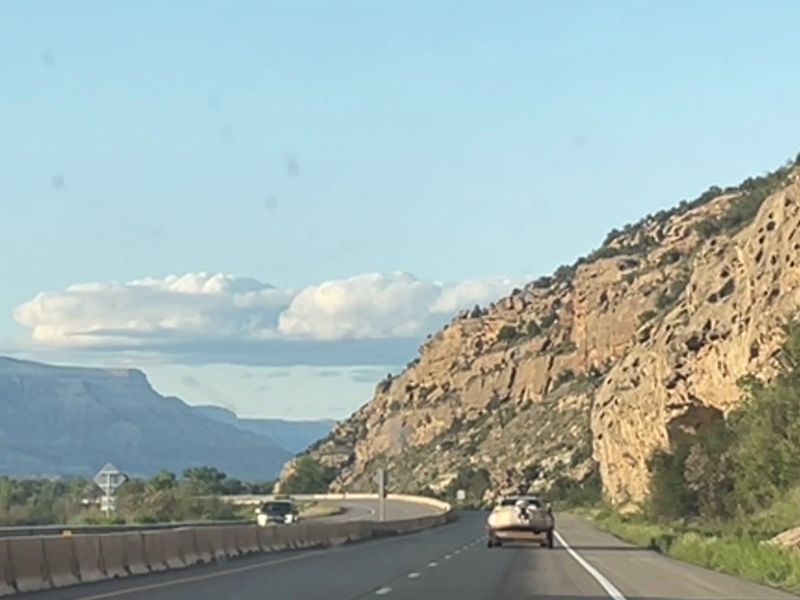
Reaching De Beque is refreshingly simple. The town sits right off I-70, which means no confusing turnoffs or long detours.
From Denver, the drive heads west over the mountains and down toward the Western Slope. Expect roughly four hours under normal conditions.
From Grand Junction, it is a short hop east through De Beque Canyon. Many people pair a visit with time in Palisade or Grand Junction.
Winter driving over the passes and through Glenwood Canyon can be unpredictable. Checking CDOT road conditions before leaving is a smart habit.
Lodging options in town are limited, so Grand Junction or nearby towns can serve as a base. Booking ahead is wise during busy seasons there.
Fill up on fuel before heading into remote areas. Services thin out quickly once off the interstate.
13. Costs That Stay Friendly
Good news for budget watchers. Many of the area’s biggest draws cost little or nothing to enjoy.
Exploring public BLM land is generally free. That includes many roads where wild horses may be spotted.
Fishing requires a Colorado license, with prices set by Colorado Parks and Wildlife. Annual licenses tend to be the best value for regular anglers.
Fuel and food are the main expenses. Packing lunches and snacks keeps costs down and saves time in remote areas.
Lodging in Grand Junction usually offers a wider range of prices than resort towns. That can make an overnight trip more affordable than a mountain resort weekend.
Compared with crowded I-70 ski destinations, a trip here may save a noticeable amount. And nobody charges a fee to watch a mustang cross a ridge.
14. Why the Exit Is Worth Taking
Most drivers will keep speeding past, and honestly, that keeps things nice for everyone else. The quiet is the point.
De Beque delivers a rare Colorado combination. Wild horses roam nearby, the Colorado River runs through canyon country, and crowds are almost nonexistent.
It is not a resort town, and it does not try to be one. The appeal comes from open land, frontier roots, and an easy pace.
For Front Range residents tired of traffic, this little Mesa County town offers a different kind of weekend. Simple plans, low costs, and plenty of room to breathe.
Bring binoculars, a fishing license, and a little patience. The rest tends to sort itself out.
Next time the sign appears along I-70, consider hitting the blinker. A small town with big space might be the getaway that was hiding in plain sight all along.
Share this story