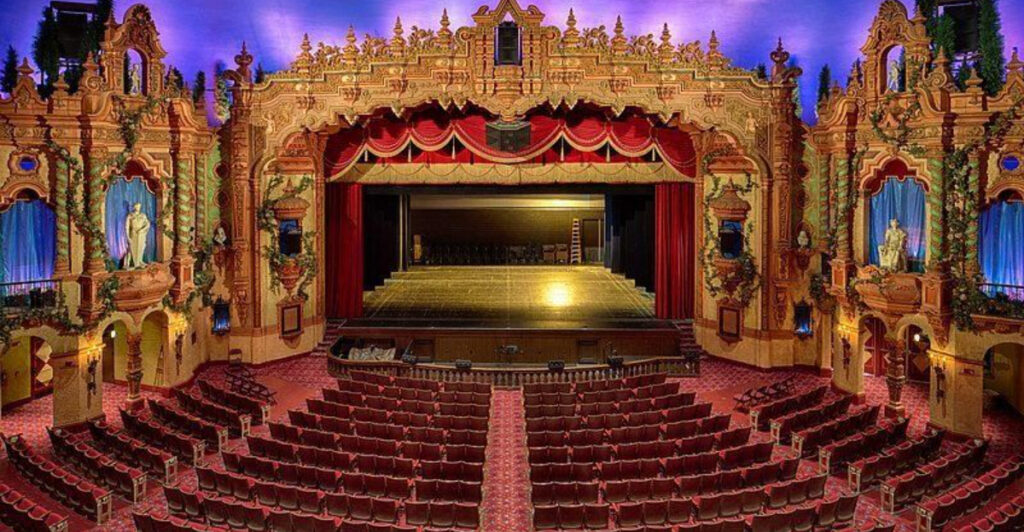
Ohio knows how to keep its history alive, and sometimes locals swear that history refuses to leave the building. Across the state, grand old theaters still glow with chandeliers, carved balconies, velvet curtains, and the kind of atmosphere that makes you glance over your shoulder when the lights drop low.
I love how these landmarks mix architectural beauty with whispered ghost stories, because once you hear about footsteps in empty aisles, shadowy figures backstage, and voices drifting through locked dressing rooms, every performance space feels charged with something more than applause. If you are drawn to places where Ohio’s past seems to linger long after closing time, these thirteen historic theaters are the ones locals most often mention when the conversation turns seriously haunted.
1. Cincinnati Music Hall (Cincinnati)
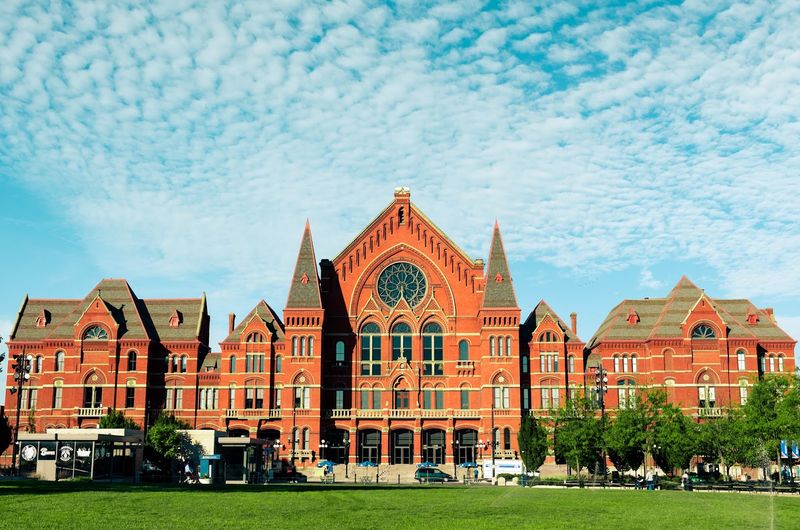
Stepping inside, you immediately feel the weight of history pressing softly against the ornate walls, as if every performance left behind more than applause. The air seems thick with old songs, backstage whispers, and the restless energy that clings to one of Ohio’s most famous cultural landmarks.
In Cincinnati Music Hall, locals often talk about unexplained footsteps, shadowy movement in upper levels, and that unmistakable sensation of being watched when no one else should be there.
The building stands on ground with a complicated past, which only adds fuel to the stories repeated by stagehands, musicians, and curious visitors. Some say figures appear briefly in the balcony before vanishing, while others report hearing doors open and close during quiet hours.
You can dismiss one strange moment, but when similar accounts keep surfacing over the years, the legend starts to feel uncomfortably believable.
What makes the place especially eerie is how beautiful it is, because the elegance somehow sharpens the unease instead of softening it. Beneath the sweeping architecture and celebrated acoustics, people describe cold spots, disembodied voices, and odd sounds coming from empty corridors.
Even skeptics admit the building has a presence, the kind that makes a late night rehearsal feel less like work and more like an encounter with something unseen.
If you visit, you will probably be dazzled first by the grandeur and only later by the ghost stories. That is usually how these old theaters work in Ohio – they charm you before they unsettle you.
And once Cincinnati Music Hall gets under your skin, every darkened stairway and silent box seat starts to feel like part of a haunting still in progress.
2. Twin City Opera House (McConnelsville)
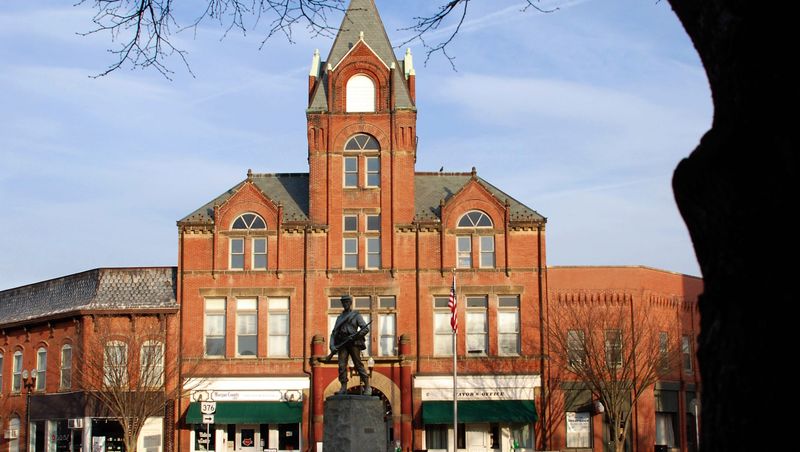
Some places feel haunted before anyone even tells you a story, and this is one of them. The creaking floors, aging woodwork, and old stage curtains create the kind of atmosphere that makes every sound seem personal.
At Twin City Opera House in McConnelsville, locals have long traded stories about apparitions, strange noises, and a spirit presence that never quite seems to leave.
This theater dates back to an era when opera houses anchored small town life, and you can still feel that closeness between audience, performers, and the building itself. People describe hearing footsteps overhead when the space is empty, along with sudden cold drafts and unexplained movement near the stage.
Some visitors believe a former actor still lingers there, while others say the spirits belong to people tied to the opera house’s long and eventful past.
Part of the unease comes from how intimate the theater feels, because there is no hiding from the silence once the room settles. You are never far from the stage, the balcony, or the backstage corners where shadows seem to collect a little too naturally.
Volunteers and paranormal enthusiasts have reported odd equipment behavior, voices on recordings, and fleeting figures caught from the corner of the eye.
What I find most compelling is how consistently the stories survive, even in a small community where legends usually fade or get exaggerated beyond recognition. Here, the haunting talk feels rooted in genuine experience, repeated by people who know the building well.
If you stand quietly inside Twin City Opera House long enough, you may begin to understand why so many in McConnelsville insist that this historic Ohio theater is still very much occupied.
3. Victoria Theatre (Dayton)
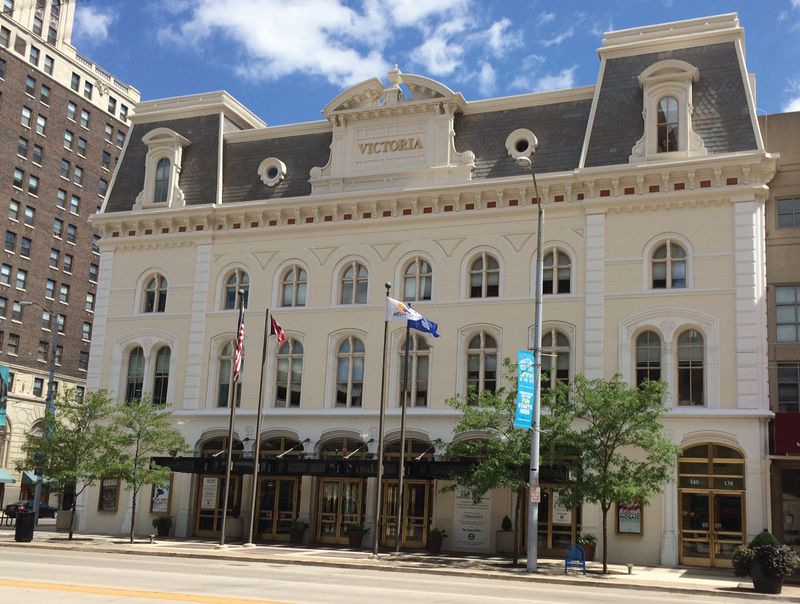
There is something especially unsettling about a theater that has survived disaster, rebuilding, and decades of changing audiences, because it feels like the walls have learned how to hold memories. In Dayton, stories surrounding this performance space often begin with admiration for its beauty and end with someone lowering their voice.
At Victoria Theatre, locals speak of strange activity that seems woven into the building’s long and resilient history.
Employees and visitors have reported hearing unexplained footsteps in empty sections, along with phantom noises from backstage areas after everyone has supposedly gone home. Some describe seeing shadow figures glide across aisles or linger near the stage before disappearing.
Others mention sudden chills and the eerie impression that someone is standing directly behind them during quiet moments.
The setting makes those reports easy to imagine, since historic theaters have a way of becoming more intense once the lights dim and the crowd disappears. Ornate details, hidden corridors, and old dressing rooms create perfect conditions for stories to thrive, but Victoria Theatre goes beyond simple atmosphere.
The consistency of the accounts is what keeps the haunted reputation alive, especially among locals who have spent enough time there to know when something feels off.
If you visit for a show, you might only notice the elegance and the sense of tradition that defines downtown Dayton. Stay later, though, and the building takes on a different character, one that feels far older and far less interested in putting on a polished face.
That tension is exactly why Victoria Theatre remains one of Ohio’s most talked about haunted venues – a place where applause fades, the shadows deepen, and the past may still be waiting in the wings.
4. Ohio Theatre (Columbus)
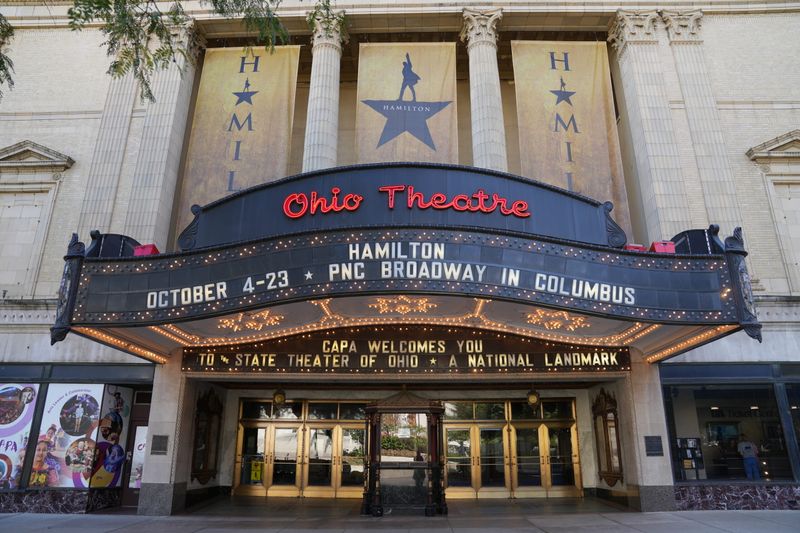
Few places in Ohio feel as grand and theatrical the moment you walk in, yet that same grandeur can make the quiet feel almost unnerving. Gold accents, glowing chandeliers, and towering architectural details create an unforgettable first impression.
At the Ohio Theatre in Columbus, however, the beauty often shares the spotlight with persistent stories of ghostly encounters.
Locals and staff have long repeated tales of unexplained footsteps, moving shadows, and strange sensations in areas that should be completely empty. One of the most famous legends involves a spirit often described as a former employee or loyal patron who still seems attached to the building.
People claim to have seen an apparition in the balcony and heard sounds that suggest someone is walking the aisles long after the audience is gone.
Because the theater is such a beloved landmark, its haunted reputation feels less like a gimmick and more like an accepted part of its personality. You can admire the craftsmanship and still notice how eerie the upper levels look once the lights soften.
Backstage spaces, stairwells, and hidden corners only deepen the feeling that this is a place where history never fully settles down.
I think that is what gives the haunting stories their staying power in Columbus. The Ohio Theatre is not some forgotten ruin built for ghost tours – it is an active, celebrated venue that continues to host performances while carrying whispers of something unexplained.
When a theater this alive still inspires so many accounts of unseen company, it is easy to understand why locals say the spirits there are not just legends, but part of the experience you feel as soon as the house goes dark.
5. Lorain Palace Theatre (Lorain)
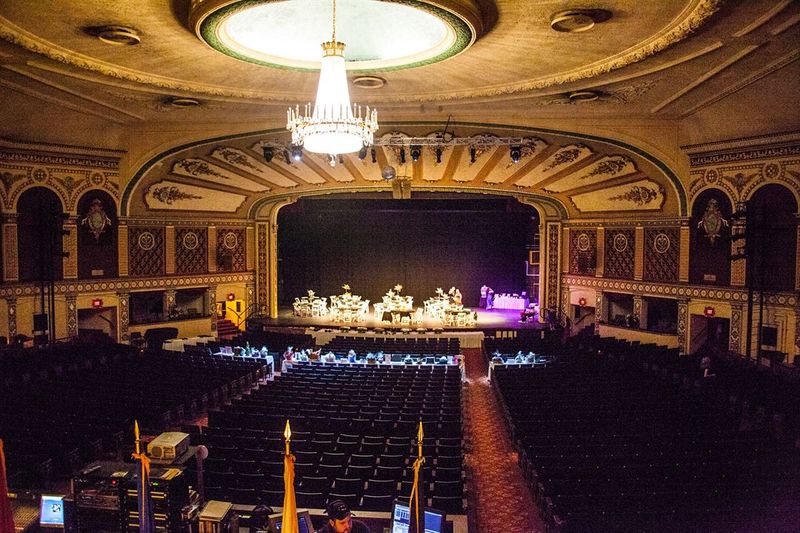
Even before anyone mentions ghosts, the atmosphere here feels rich with old emotion, as if every song, film, and standing ovation left a trace behind. Historic theaters can hold nostalgia beautifully, but they can also hold unease in ways that are harder to explain.
At Lorain Palace Theatre, locals often say the building carries both, and that the haunted stories are impossible to separate from its charm.
Visitors have described sudden cold spots, strange noises from empty parts of the theater, and the sensation that someone is moving nearby just out of sight. Others talk about seeing shadowy forms near the stage or in balcony areas where no one should be.
These reports are exactly the kind that turn a beloved community landmark into one of the area’s most whispered about supernatural locations.
The theater’s age and design certainly help the legends linger, because ornate interiors, darkened corridors, and backstage spaces invite your imagination to work overtime. Still, people who know the building well say the stories are not just nerves or dramatic atmosphere.
Repeated accounts from workers, volunteers, and guests give the hauntings a persistence that feels harder to ignore than a single spooky rumor.
If you go, you may first notice how warmly the place reflects Lorain’s cultural history and civic pride. That welcoming quality is part of what makes the paranormal reputation so compelling – you do not expect such an elegant setting to feel so quietly unsettled.
Yet once you hear the local stories connected to Lorain Palace Theatre, every flicker of movement and every unexplained creak begins to sound like history trying to make itself known again.
6. Canton Palace Theatre (Canton)
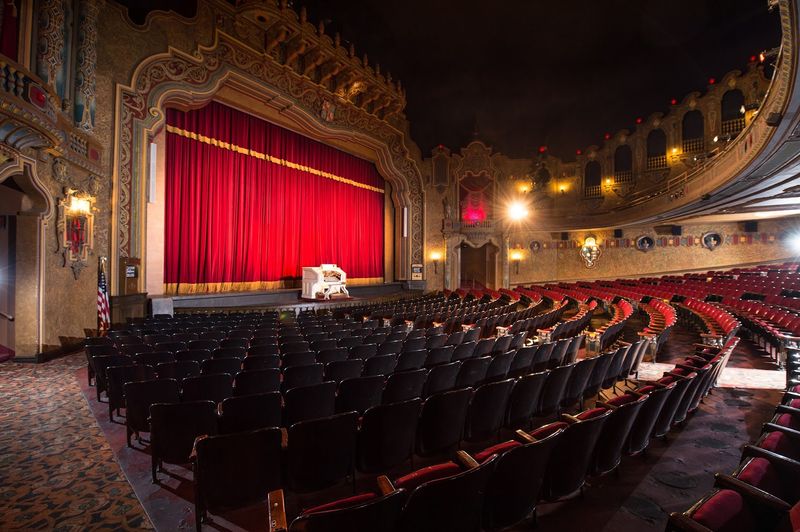
Some theaters impress you with style, while others make you feel as if you have stepped into a story that never fully ended. This one does both, and that is a big reason its haunted reputation remains so strong in northeast Ohio.
At Canton Palace Theatre, locals have long pointed to eerie experiences that seem to surface when the building grows quiet.
People have reported hearing unexplained footsteps, distant voices, and odd sounds that travel through the theater after hours. Others describe shadow figures in the balcony or movement near the stage that vanishes the moment you focus on it.
Those stories become even more compelling because they come from people who were not looking for a ghostly experience in the first place.
The theater’s lavish character deepens the mystery, since the decorative details and old world feel create a setting where the past seems especially close. You can imagine generations of audiences, performers, and workers all leaving something behind in the air.
Staff members and visitors sometimes mention cold spots, uneasy sensations, and moments when the building seems to react as if it still has unseen occupants.
What I find fascinating is how naturally the haunting lore fits into the identity of the place. Canton Palace Theatre is not treated like a spooky novelty – it is respected as a historic gem, which makes the supernatural stories feel more grounded rather than more exaggerated.
If you spend enough time there, especially when the lights are low and the seats are empty, you may start to understand why so many in Canton believe this beautiful theater has never truly been empty at all.
7. Ritz Theatre (Tiffin)
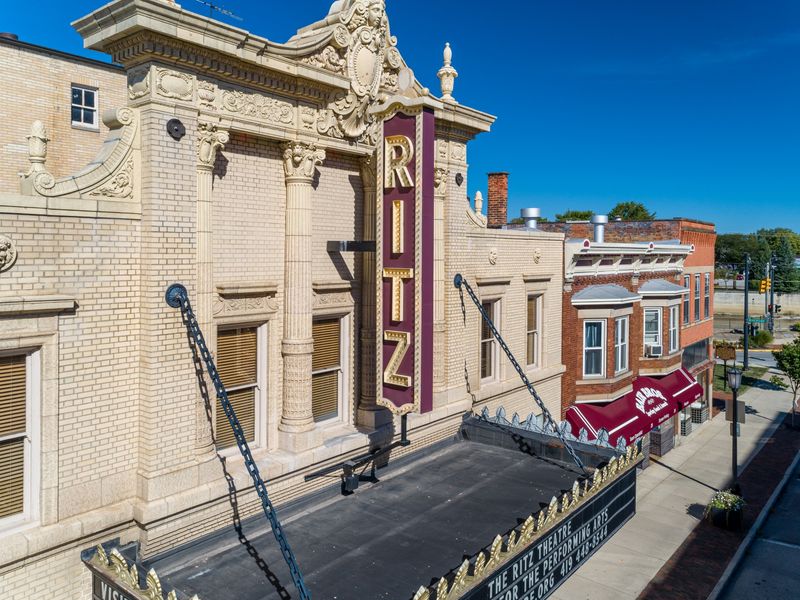
When a theater has served its community for generations, it gathers more than memories – it gathers legends. In Tiffin, this venue is admired for its historic character, but it is also known for stories that make people look twice into dark corners.
At the Ritz Theatre, locals talk about ghostly activity with the kind of confidence that comes from hearing the same details again and again.
Some reports focus on footsteps in empty areas, while others mention strange sounds backstage and the sense that someone is standing nearby when no one is visible. A few people have claimed to see fleeting figures near the stage or in the seating area.
None of that would be unusual theater lore on its own, but the steady stream of similar accounts gives the place a lingering supernatural credibility.
The intimacy of the building makes those experiences feel even more immediate. You are close enough to every aisle, curtain, and doorway that even a minor unexplained sound can feel personal.
Historic theaters often creak and settle, of course, yet people familiar with the Ritz Theatre insist there are moments when the atmosphere shifts in ways normal building noises cannot explain.
That tension between everyday function and unexplained presence is what keeps the haunted reputation alive in Tiffin. Visitors come for entertainment, architecture, and local history, then leave talking about the strange chill or unsettling silence that caught them off guard.
If you appreciate Ohio theaters with both beauty and mystery, the Ritz Theatre earns its place on this list because it feels less like a building filled with stories and more like a building still actively making them.
8. Strand Theatre (Delaware)
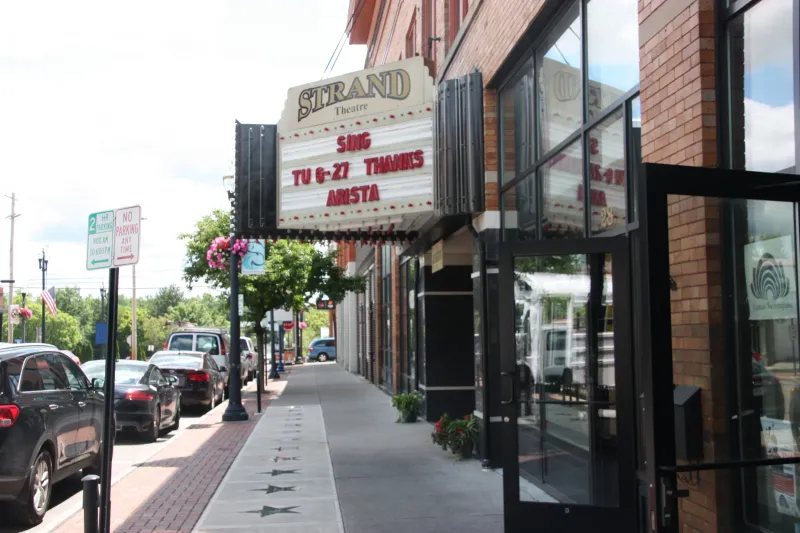
It is easy to fall for the nostalgic charm of an old theater, especially one that still feels woven into the life of its downtown. Yet nostalgia can turn eerie in a hurry when locals start sharing stories about unexplained presences and strange late night encounters.
At the Strand Theatre in Delaware, that balance between community warmth and paranormal intrigue is exactly what makes the place so memorable.
People familiar with the building have spoken about odd noises, unexplained footsteps, and the sensation of being watched in otherwise empty areas. Some accounts mention shadowy movement in the auditorium, while others focus on backstage or projection related spaces where activity should be easy to explain but somehow is not.
Over time, those repeated details have given the theater a haunted reputation that quietly shadows its historic appeal.
Because the venue is intimate and long lived, every unexplained event feels magnified. You can imagine decades of audiences laughing, gasping, and settling into their seats, and that accumulated energy seems to linger after the doors close.
The Strand Theatre has the kind of atmosphere where a flicker of motion or a sudden cold patch does not just feel spooky – it feels like part of a larger story still unfolding.
If you visit, you will likely enjoy the classic setting first and think about ghosts second. That order rarely lasts once you hear what locals say, especially if you stay long enough to notice how differently the space feels without a crowd.
In Delaware, the Strand Theatre stands out as one of those Ohio landmarks where history does not sit quietly in the past, but seems to keep moving around after dark.
9. Majestic Theatre (Chillicothe)
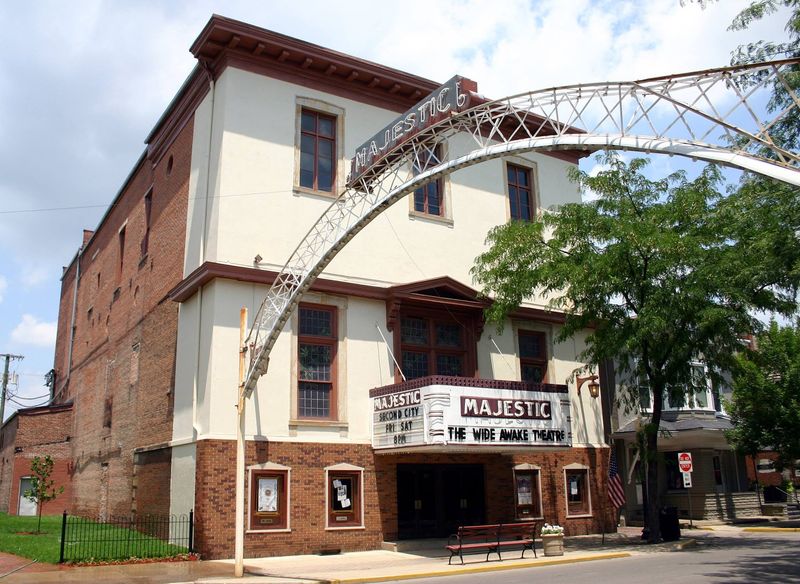
Age alone does not make a theater haunted, but it definitely helps when the place already feels full of echoes. In Chillicothe, this historic venue carries the kind of atmosphere that makes every quiet pause seem a little too deep.
At the Majestic Theatre, locals often speak of ghostly activity as though it is simply another thread in the building’s long story.
Reports include unexplained footsteps, mysterious sounds from empty sections, and occasional sightings of figures that disappear before anyone can get a clear look. Some people describe cold spots and sudden changes in mood that happen without warning.
Others say the theater feels normal one minute and intensely occupied the next, as if unseen company has decided to step closer.
That reaction makes sense in a place with so much character. Older theaters create natural suspense through dim corridors, backstage rooms, and layered history, but the Majestic Theatre seems to inspire something beyond standard creaks and old building quirks.
The repetition of similar stories from different people keeps the haunting lore alive and gives it the kind of credibility that locals remember for years.
What makes the theater especially compelling is the contrast between its community role and its unsettling reputation. You can attend an event, admire the historic setting, and still leave wondering whether the strange moment you noticed was your imagination or something far older.
In a state filled with atmospheric performance spaces, the Majestic Theatre earns attention because Chillicothe residents do not just call it historic – they talk about it like a place where the past still wanders the aisles.
10. Peoples Bank Theatre (Marietta)
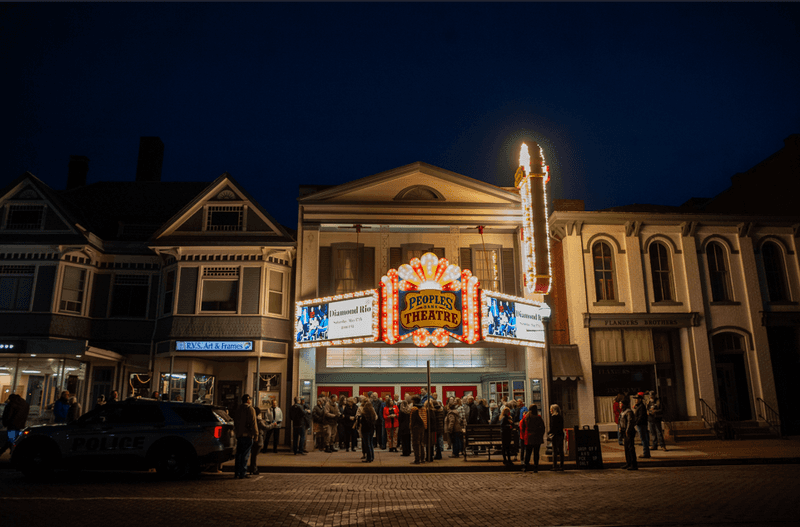
Walk into a beautifully restored theater and you expect to feel history, but not necessarily a haunting. In Marietta, though, this landmark has built a reputation that goes beyond architecture and performances.
At Peoples Bank Theatre, locals often mention strange experiences that suggest the building may still host more than living guests.
Stories from staff, visitors, and community members describe odd footsteps, unexplained sounds, and moments when the theater feels occupied despite being empty. Some have reported seeing shadowy forms near the stage or in balcony areas.
Others talk about abrupt cold spots and an uneasy awareness that someone unseen is moving just beyond their line of sight.
The setting gives those reports an especially strong impact, since the theater combines historic elegance with the kind of hidden corners and backstage spaces that make your imagination wake up fast. Still, the haunted reputation does not rest on mood alone.
Repeated accounts over time have helped make Peoples Bank Theatre one of the more quietly persistent paranormal stories in southeastern Ohio.
I think what stands out most is how normal the telling usually sounds. Locals are not always trying to dramatize the place – they often mention the eerie details in the same tone they use to discuss concerts, restoration work, or downtown history.
That casual confidence makes the stories harder to dismiss. If you spend time in Peoples Bank Theatre after the excitement dies down and the building settles into silence, you may understand why so many people in Marietta believe the theater’s past is not finished with the present.
11. Hanna Theatre (Cleveland)
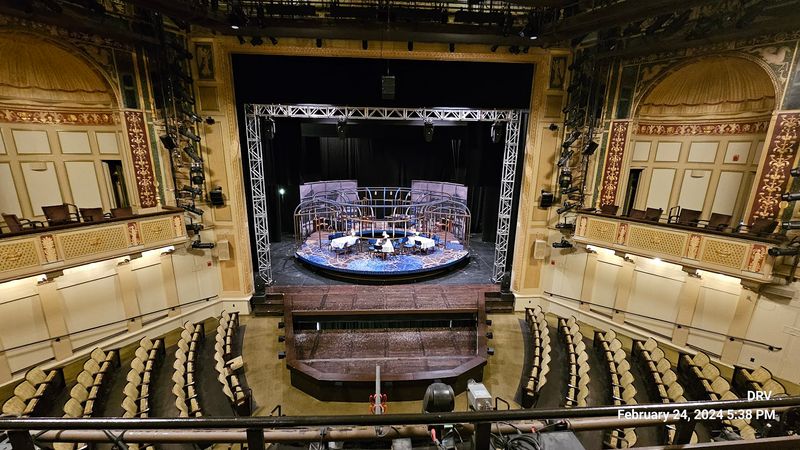
Big city theaters often collect dramatic histories, but only a few develop the kind of haunted reputation that locals repeat without much hesitation. In Cleveland, this venue is admired for its classic presence and cultural importance, yet it also inspires a steady stream of ghostly speculation.
At Hanna Theatre, the stories tend to surface whenever people start talking about unexplained moments inside old performance spaces.
Witnesses have described shadowy movement, footsteps in supposedly empty areas, and strange sounds that seem to come from backstage or upper levels. Some people mention abrupt cold spots or the clear sensation that another presence is sharing the room.
In a theater, those details hit differently, because the setting is already built around anticipation, silence, and dramatic light.
The building’s long history gives the legends a strong foundation, especially in a city where historic venues are closely tied to generations of performers and audiences. You can feel that layered past in the architecture, the seating, and the areas not visible from the main floor.
Hanna Theatre has enough atmosphere on its own, but the repeated reports from people who know the building best are what keep the haunted reputation from fading into simple urban folklore.
If you visit, you may be drawn first to the elegance and the sense of old Cleveland character that still survives there. Stay attentive, though, because that beauty comes with an undercurrent of unease that some people find impossible to shake.
For locals who love historic theaters and ghost stories in equal measure, Hanna Theatre remains one of those Ohio places where the performance may end, but the feeling of being watched never quite does.
12. Akron Civic Theatre (Akron)
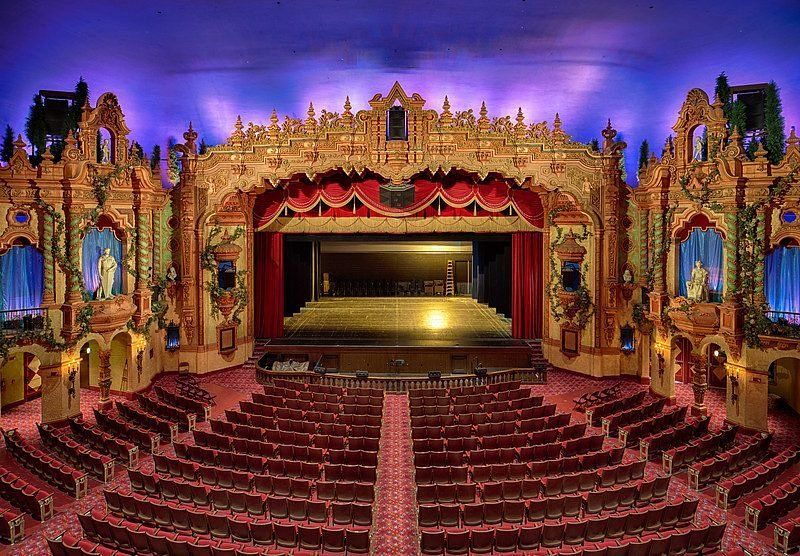
Some theaters seem designed to transport you, and this one does that before the show even begins. Its atmospheric interior and dreamlike details already make it feel slightly unreal, which may be why the ghost stories land so effectively.
At Akron Civic Theatre, locals often say the building is as famous for its unexplained encounters as it is for its stunning design.
Accounts from people who have spent time there include footsteps in empty sections, strange noises after hours, and sightings of shadowy figures that vanish quickly. Others describe cold spots, odd changes in the air, and the sense that someone unseen is lingering nearby.
When stories like that repeat across years and different witnesses, they become part of the theater’s identity.
The setting amplifies every mystery. Decorative ceilings, soft lighting, hidden spaces, and historic backstage areas all create a mood where your attention sharpens and ordinary sounds suddenly feel significant.
Still, many locals insist the haunted reputation comes from more than atmosphere alone, pointing to specific experiences that left even practical minded people rattled.
What makes Akron Civic Theatre stand out is how easily wonder and unease coexist inside it. You can admire the craftsmanship, settle in for a performance, and still find yourself glancing toward the balcony or the wings for one more second than usual.
That blend of beauty and tension is exactly why this theater has earned a serious place in Ohio’s haunted lore. If you visit, do not be surprised if the most memorable part of the evening arrives in a quiet moment when nothing onstage is happening at all.
13. Stambaugh Auditorium (Youngstown)
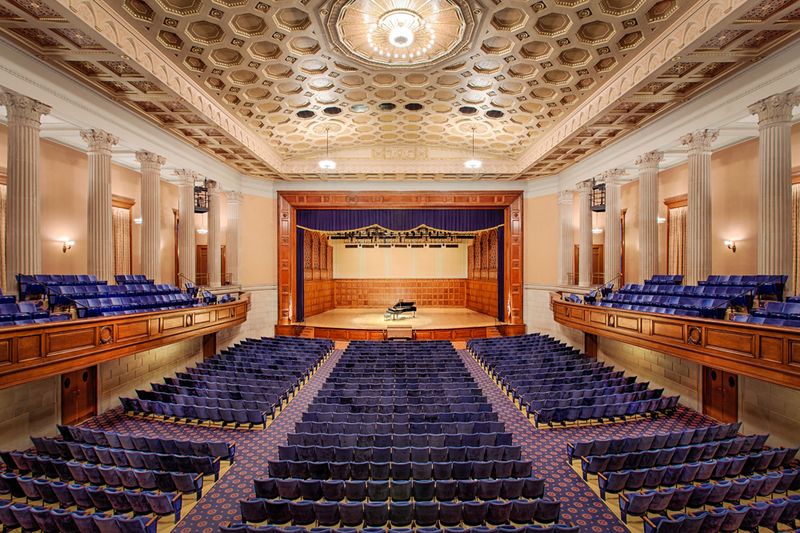
Not every haunted performance venue is a traditional theater, but this landmark absolutely belongs in the conversation. Its imposing beauty, historic stature, and lingering stories give it the same spine tingling pull that defines Ohio’s most haunted entertainment spaces.
At Stambaugh Auditorium in Youngstown, locals have long shared reports that suggest the building’s past still echoes in more ways than one.
People describe hearing unexplained footsteps, strange voices, and noises that drift through the hall when it should be still. Some have reported seeing figures or movement in upper areas, while others mention sudden chills and the unsettling feeling of not being alone.
Those experiences are especially memorable in a place built for sound, because every unexplained noise seems sharper and more deliberate.
The architecture adds to the effect, creating a grand but slightly intimidating atmosphere once the crowds leave. Historic performance halls often feel alive with memory, yet Stambaugh Auditorium seems to inspire stories that go beyond metaphor.
Staff members, visitors, and paranormal fans alike have helped keep its haunted reputation alive by repeating incidents that are oddly consistent in tone and detail.
If you spend time there, you will likely understand why the stories endure. The space is magnificent, but it also holds a kind of silence that feels dense rather than empty, as if the hall is listening back.
That tension between elegance and eeriness is what makes Stambaugh Auditorium so compelling. In Youngstown, it stands as more than a cherished historic venue – it is a place where music, memory, and mystery seem to share the same stage long after the audience has gone home.