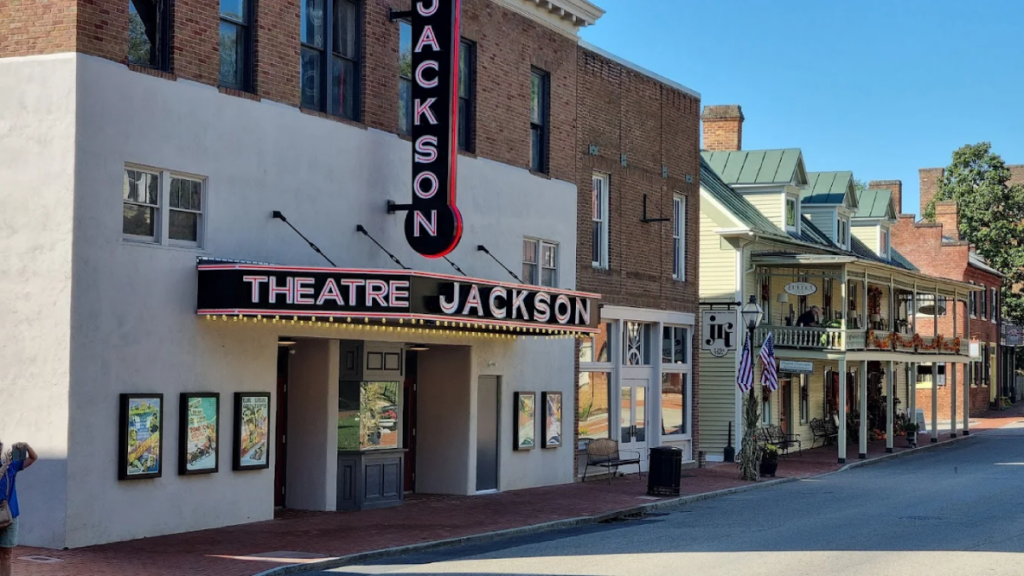
Tennessee hides some of the most charming small towns in the South, where brick storefronts, tree-lined streets, and mountain backdrops create scenes straight out of a fairytale. These places feel frozen in time, offering visitors a chance to slow down and experience authentic Southern hospitality.
Whether you’re wandering historic main streets, exploring mountain villages, or discovering lakeside gems, these fourteen destinations prove that real-life magic exists right here in the Volunteer State.
1. Jonesborough
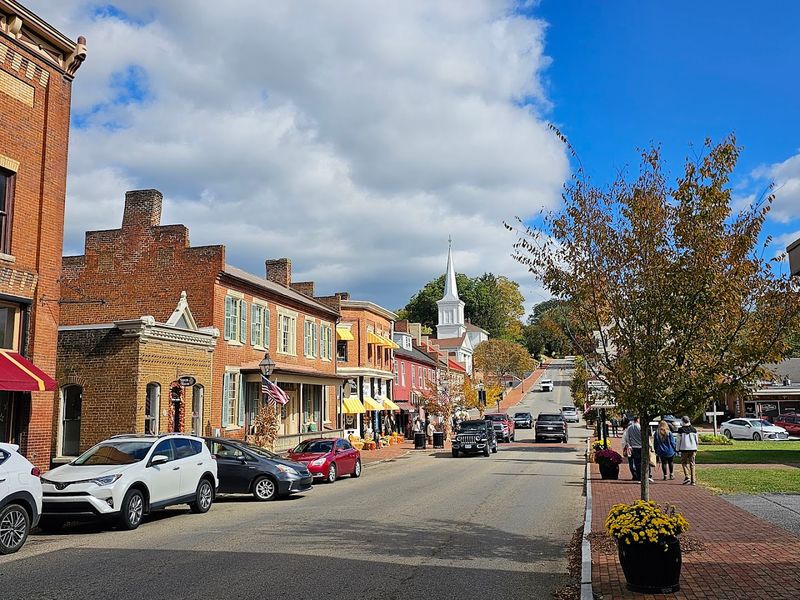
Tennessee’s oldest town wears its history like a badge of honor. Founded in 1779, Jonesborough predates the state itself and every corner whispers stories from centuries past.
The downtown district stretches along Main Street, where restored brick buildings house art galleries, antique shops, and cozy cafes. Cast-iron lampposts and wooden benches line the sidewalks, inviting visitors to linger. Walking tours reveal tales of pioneer settlers, Civil War soldiers, and the town’s role in early Tennessee politics.
Jonesborough earned its reputation as America’s Storytelling Capital, hosting the National Storytelling Festival each October. Thousands gather to hear professional storytellers weave magic with words alone. Even outside festival season, the town maintains that narrative spirit through local events and performances.
The Chester Inn Museum sits in a beautifully preserved 1797 building that once welcomed Andrew Jackson and other notable figures. Period rooms and exhibits transport visitors back to frontier days. Nearby, the historic courthouse and surrounding buildings create a remarkably intact 18th-century streetscape.
This town proves that Tennessee’s best stories often unfold in its quietest corners.
2. Bell Buckle
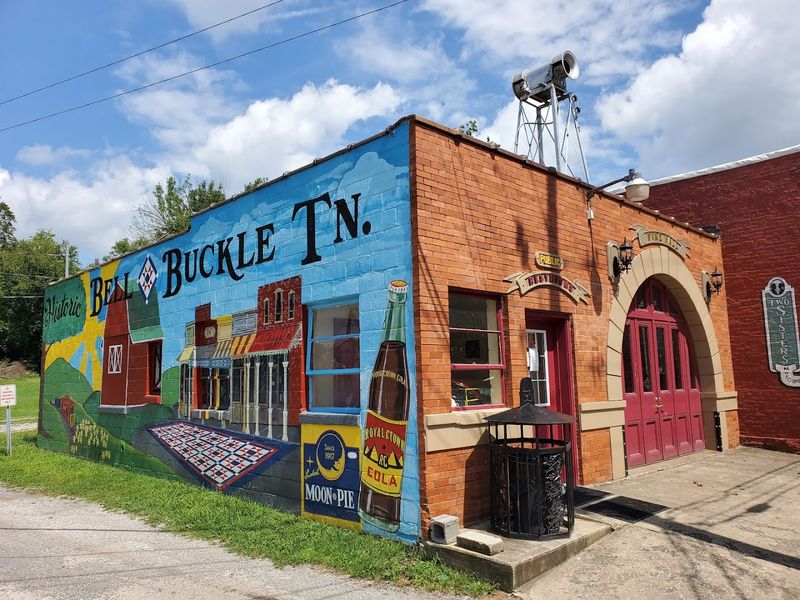
Population barely breaks 500, but Bell Buckle packs more charm per square foot than towns ten times its size. This Webb County village captured hearts long before social media made small-town tourism trendy.
Main Street stretches just a few blocks, yet every building tells a story. Victorian-era storefronts painted in cheerful colors house antique malls overflowing with vintage treasures. Collectors hunt for everything from Depression glass to mid-century furniture, often spending hours browsing.
The Bell Buckle Cafe occupies a former general store, serving plate lunches that draw crowds from Nashville and beyond. Fried chicken, cornbread, and vegetable sides arrive on checkered tablecloths, accompanied by sweet tea in mason jars. Locals gather here for breakfast, swapping news and welcoming visitors with genuine Southern hospitality.
Art galleries showcase regional painters and craftspeople, while boutiques offer handmade jewelry, pottery, and textiles. The town celebrates its quirky side with festivals throughout the year, including the RC Cola and Moon Pie Festival each June. Yes, really.
Bell Buckle doesn’t try to be cute—it simply exists as a living snapshot of small-town Tennessee life, where neighbors know each other’s names and strangers leave as friends.
3. Leiper’s Fork
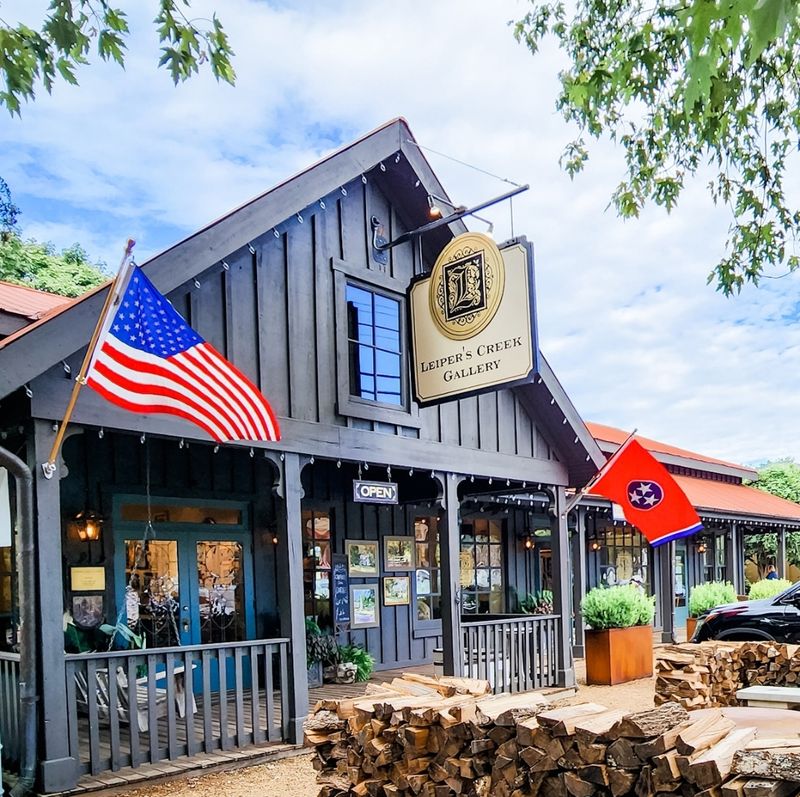
Twenty miles south of Franklin, this unincorporated village operates on its own wavelength. No stoplights interrupt the flow, no chain stores break the aesthetic, and hurrying seems almost disrespectful to the laid-back vibe.
Artists discovered Leiper’s Fork decades ago, transforming old buildings into galleries and studios. Today, the village attracts painters, sculptors, photographers, and craftspeople who appreciate the creative energy.
Puckett’s Grocery & Restaurant anchors the community, serving as both a local hangout and a tourist destination. Musicians perform most evenings, filling the space with bluegrass, country, and Americana sounds. The pulled pork and fried catfish earn consistent praise, but people really come for the atmosphere—equal parts honky-tonk and hometown gathering place.
Antique shops line the main road, offering everything from primitive farm tools to elegant Victorian furniture. Boutiques sell clothing, jewelry, and home goods with a distinctly Southern sensibility. The Copper Fox Gallery displays museum-quality nature photography alongside regional landscapes.
Country lanes wind past horse farms and historic homes, perfect for afternoon drives or bicycle rides. Shade trees arch overhead, creating natural tunnels of green. The whole village feels like stepping into a slower era, where quality matters more than quantity and conversations happen face-to-face.
4. Granville
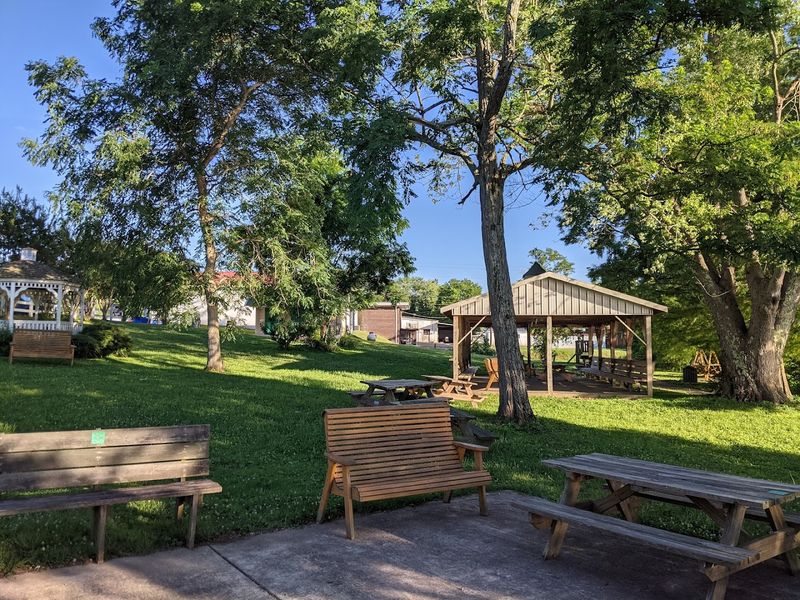
Tucked along the Cumberland River’s northern shore, Granville earned its “Tennessee’s Mayberry Town” nickname honestly. This Jackson County community moves at a pace that feels almost revolutionary in our hyperconnected age.
The Granville Museum and General Store serves as the town’s beating heart. Shelves stock basics alongside locally made jams, honey, and crafts. Wooden floors creak underfoot, and the smell of old wood mingles with fresh coffee.
Visitors can grab supplies, browse historical exhibits, and chat with locals who remember when this was the only store for miles.
Across the street, the Pioneer Village recreates 19th-century Tennessee life through relocated and restored buildings. A one-room schoolhouse, blacksmith shop, and log cabins offer glimpses into frontier existence. Volunteers demonstrate period crafts during special events, from candle-making to corn grinding.
Artisan studios dot the area, where potters, weavers, and woodworkers create functional art using traditional techniques. Many welcome visitors to watch them work, explaining processes passed down through generations. The emphasis on handmade quality over mass production reflects Granville’s broader philosophy.
River access provides fishing spots and scenic overlooks where the Cumberland curves through limestone bluffs. Hiking trails wind through surrounding forests, quiet enough to hear birdsong and rustling leaves. Everything here encourages slowing down—no rushing, no crowds, just genuine small-town Tennessee hospitality.
5. Townsend
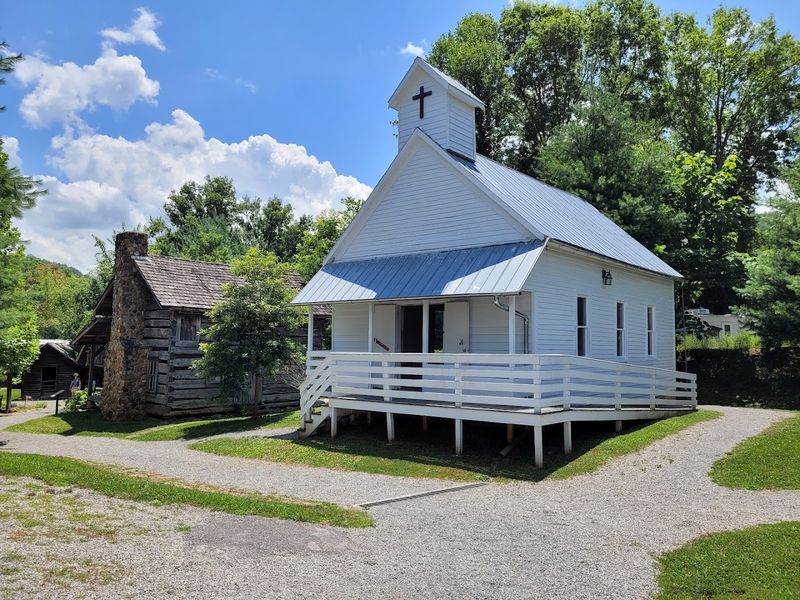
While Gatlinburg and Pigeon Forge buzz with neon lights and traffic jams, Townsend maintains its “Peaceful Side of the Smokies” reputation fiercely. This Blount County town sits at the Great Smoky Mountains National Park’s quieter entrance, offering mountain magic without the chaos.
Cades Cove, one of the park’s most beloved areas, lies just minutes away. The eleven-mile loop road winds through a broad valley where historic cabins, churches, and barns stand preserved. Wildlife sightings—deer, black bears, wild turkeys—happen regularly, especially during early morning or evening drives.
Tuckaleechee Caverns descend deep underground, where cathedral-sized rooms display massive stalagmites and stalactites formed over millions of years. The Big Room stretches 400 feet long, with a waterfall plunging from the ceiling. Guided tours explain the geological processes while keeping the experience accessible for all ages.
The Little River flows through town, providing excellent trout fishing and tubing opportunities. Outfitters rent equipment and offer guided trips for beginners and experienced anglers alike. Riverside trails invite gentle walks beneath canopies of oak, maple, and pine.
Cabin rentals range from rustic one-room retreats to luxury lodges with mountain views. Many feature hot tubs, fireplaces, and porches perfect for morning coffee or evening stargazing. Local restaurants serve hearty breakfasts, barbecue platters, and homemade pies without the wait times plaguing busier tourist towns.
6. Dandridge
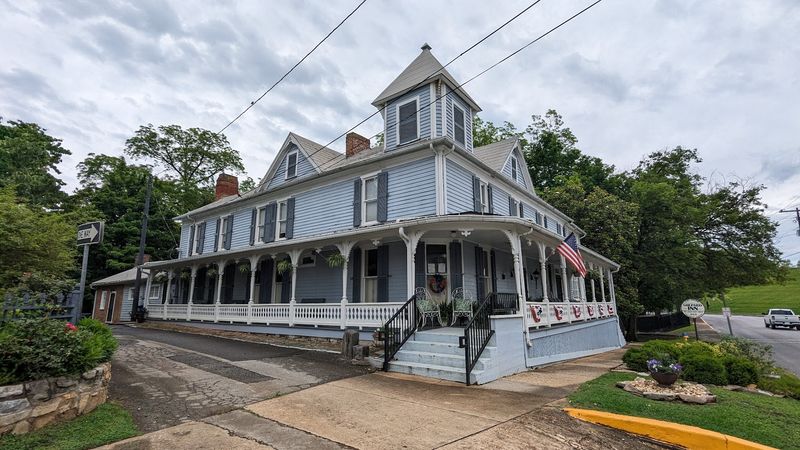
Established in 1793, Dandridge holds the distinction of being Tennessee’s second-oldest town. More impressively, it’s the only town named for Martha Dandridge Washington, making it unique among American municipalities.
The entire Main Street earned placement on the National Register of Historic Places, and walking these blocks reveals why. Federal-style buildings with original brickwork stand alongside Victorian structures with ornate details. The Jefferson County Courthouse, dating to 1845, anchors the downtown with its classical architecture and clock tower visible from blocks away.
Antique shops fill several storefronts, offering furniture, glassware, vintage clothing, and collectibles. Proprietors know their inventory intimately and love sharing provenance stories. Local boutiques sell handmade goods, regional art, and specialty foods you won’t find in chain stores.
Douglas Lake wraps around the town’s western edge, created when the Tennessee Valley Authority dammed the French Broad River in 1943. The reservoir provides boating, fishing, and swimming opportunities just minutes from downtown. Marinas rent pontoons and fishing boats, while public parks offer picnic areas and beach access.
Restaurants serve Southern classics—catfish, barbecue, country ham—alongside more contemporary fare. Several occupy historic buildings, adding atmosphere to excellent food. The pace stays relaxed even during summer tourist season.
7. Paris
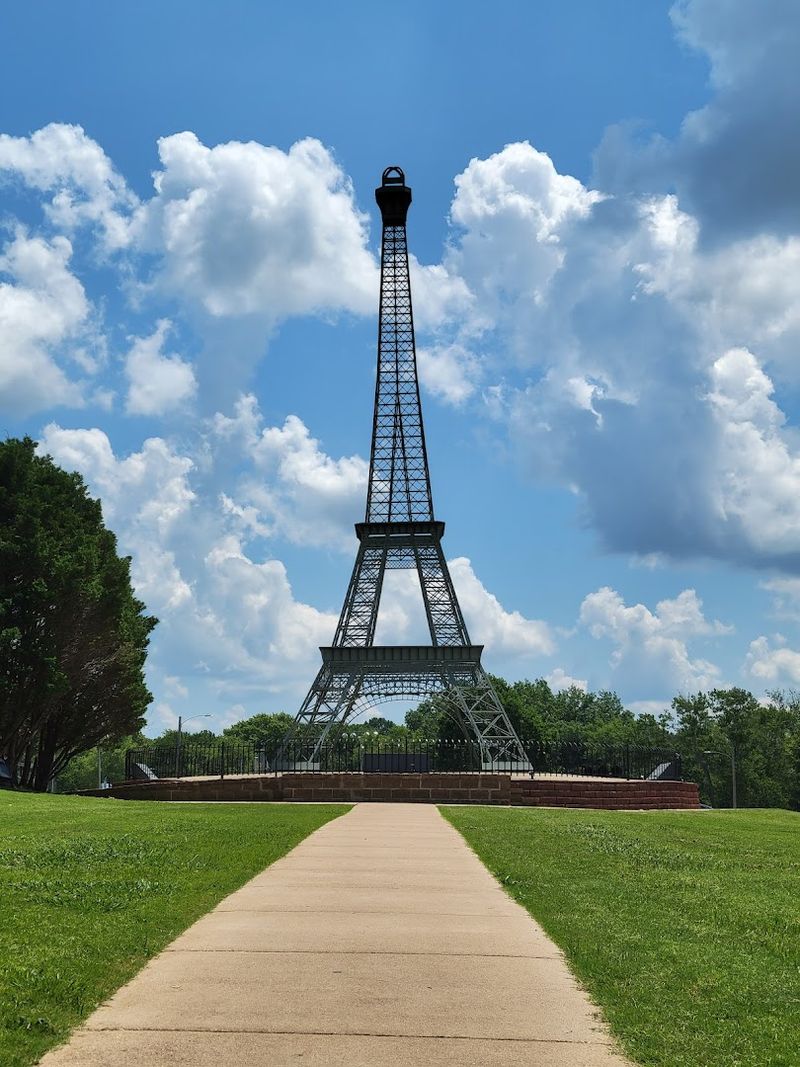
Yes, Tennessee has its own Eiffel Tower, and yes, it’s absolutely delightful. Standing 60 feet tall in Memorial Park, this scaled replica wears a red, white, and blue bucket hat, because West Tennessee doesn’t take itself too seriously.
The tower draws visitors initially, but downtown Paris keeps them exploring. Antique stores fill historic buildings along the square, offering treasures from Victorian furniture to vintage advertising signs. Serious collectors spend hours hunting, while casual browsers enjoy the eye candy and nostalgic atmosphere.
Local restaurants serve plate lunches that would make your grandmother proud—meatloaf, fried chicken, mac and cheese, and vegetables cooked low and slow. Bakeries produce fresh pastries and custom cakes. Coffee shops provide gathering spots where locals swap news and welcome newcomers warmly.
Just outside town, Paris Winery produces wines from Tennessee-grown grapes and other regional fruits. Tastings happen in a relaxed setting where staff explain the winemaking process and regional viticulture. The muscadine wine surprises visitors unfamiliar with this Southern specialty.
Paris Landing State Park sits on Kentucky Lake’s western shore, offering camping, hiking, golf, and stunning sunset views. The lake stretches vast and blue, popular for fishing, boating, and swimming. Bald eagles winter here, and patient observers spot them perched in tall trees or soaring overhead.
8. Collierville
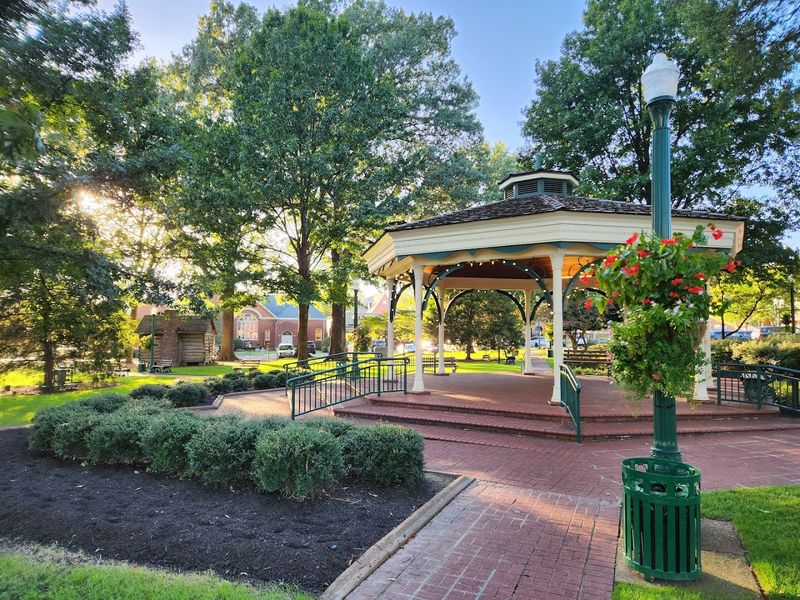
Shelby County’s easternmost town maintains a polished, prosperous appearance that photographs like a movie set. But Collierville’s charm runs deeper than surface aesthetics—this community genuinely values its heritage while embracing thoughtful growth.
The historic town square centers on a white gazebo surrounded by manicured lawns and seasonal plantings. Events happen here year-round, from summer concerts to holiday celebrations. Families spread blankets for evening picnics, and photographers capture engagement photos against the picturesque backdrop.
Surrounding the square, preserved Main Street buildings house boutiques, antique shops, and restaurants. Brick sidewalks and vintage lampposts enhance the storybook atmosphere. Shop owners know regular customers by name and greet newcomers warmly, creating an inclusive rather than exclusive vibe.
Antique stores offer carefully curated collections rather than jumbled warehouses. You’ll find quality furniture, estate jewelry, vintage linens, and collectibles displayed with thought and care. Prices reflect quality, but fair dealing remains standard practice.
Morton Museum of Collierville History occupies the old train depot, documenting the town’s railroad heritage and Civil War experiences. Exhibits change periodically, keeping content fresh for repeat visitors. The building itself, restored to period appearance, serves as a three-dimensional artifact.
Collierville succeeds by honoring tradition while avoiding stagnation. New businesses complement rather than compete with established ones, and development happens thoughtfully. The result feels authentic rather than contrived—a real town that happens to be beautiful.
9. Pulaski
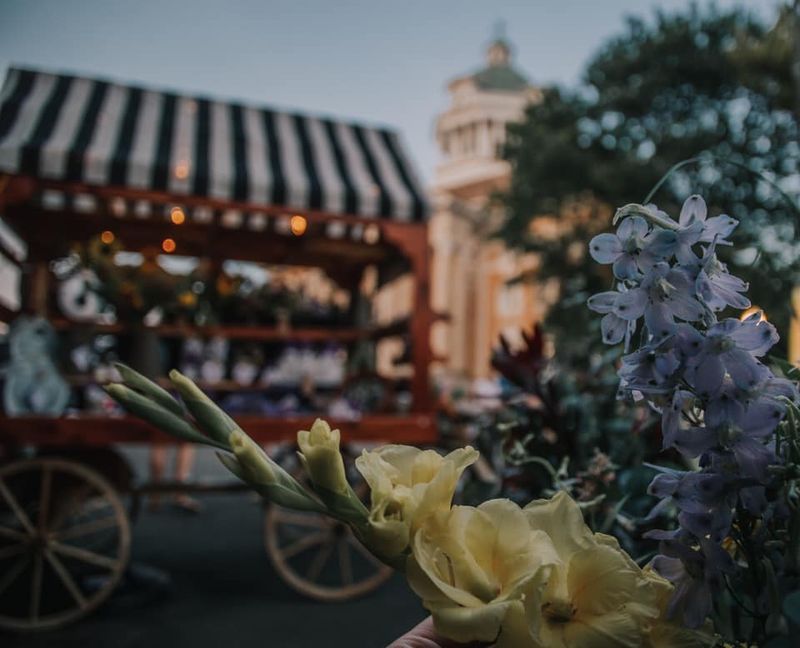
Giles County’s seat surprises visitors with vibrant murals splashed across downtown buildings. Local and visiting artists transformed blank walls into storytelling canvases depicting regional history, agricultural heritage, and community pride. The effect brightens the entire downtown and provides natural photo opportunities.
Boutiques and specialty shops occupy restored storefronts along the square. You’ll find women’s clothing, home decor, handmade jewelry, and gift items selected with taste and care. Owners often work the floor themselves, offering styling advice and sharing stories about their merchandise sources.
Restaurants serve everything from meat-and-three plates to gourmet burgers, with locally owned establishments far outnumbering chains. The food scene punches above the town’s weight class, drawing diners from neighboring communities.
Just outside town, Milky Way Farm sprawls across former estate lands of candy bar magnate Frank Mars. The 1930s manor house, barn complex, and surrounding pastures create a pastoral scene straight from countryside dreams. Public tours reveal the property’s fascinating history and Mars family legacy.
Miles of trails wind through fields and woodlands, open for hiking and horseback riding.
The town square’s historic courthouse anchors downtown with impressive architecture and a working clock tower. Benches beneath shade trees invite lingering, and the pace encourages it. Seasonal events bring the community together—farmers markets, car shows, holiday celebrations—all reinforcing small-town connections.
Pulaski demonstrates how thoughtful investment in public art and historic preservation can revitalize downtowns without sacrificing authenticity.
10. Hohenwald
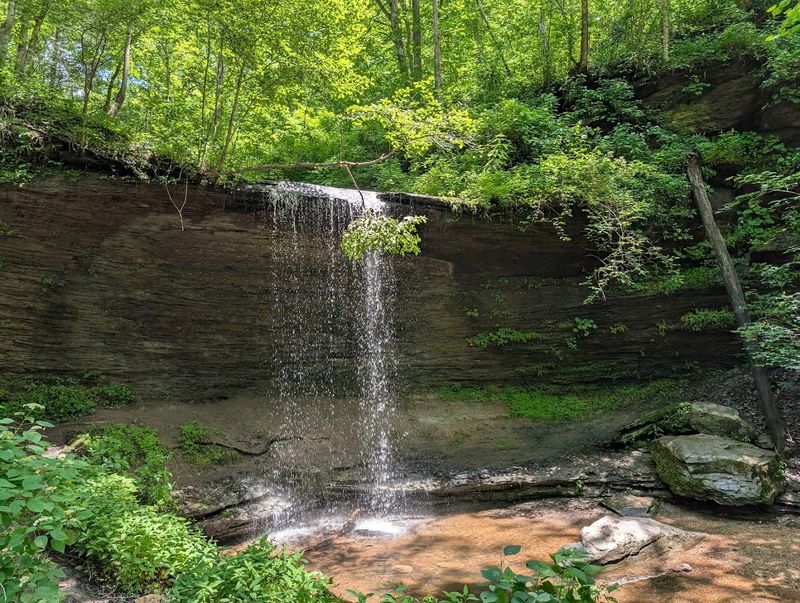
Lewis County’s seat town wears its German heritage in its name—”Hohenwald” translates to “high forest.” That forested character remains evident in the surrounding landscape, where hardwoods blanket rolling hills and waterfalls tumble over limestone ledges.
Downtown moves at a contemplative pace, with locally owned shops and restaurants serving residents and visitors alike. The historic courthouse presides over the square, and nearby streets reveal well-maintained homes from various architectural periods. Everything feels lived-in rather than preserved for show.
Meriwether Lewis, of Lewis and Clark expedition fame, met his mysterious end near here in 1809. The Meriwether Lewis Monument along the Natchez Trace Parkway marks the site, and interpretive exhibits explore his life, achievements, and still-debated death. The monument sits within a peaceful wooded area perfect for reflection.
Speaking of the Natchez Trace, this historic route runs just outside town, offering some of Tennessee’s most scenic driving. The parkway prohibits commercial vehicles, maintains a 50-mph speed limit, and provides numerous pull-offs for enjoying views, hiking short trails, or picnicking beneath ancient trees.
Fall Hollow Falls plunges 30 feet over a rock face into a clear pool, accessible via a moderate trail through mature forest. The falls flow year-round but peak during spring when rainfall swells the creek. Swimming in the pool provides refreshing relief during summer heat.
The Elephant Sanctuary, while not open for public tours, calls Hohenwald home and has brought international attention to this quiet town. Residents take pride in providing refuge for retired circus and zoo elephants, even if most visitors never see the animals directly.
11. Greeneville
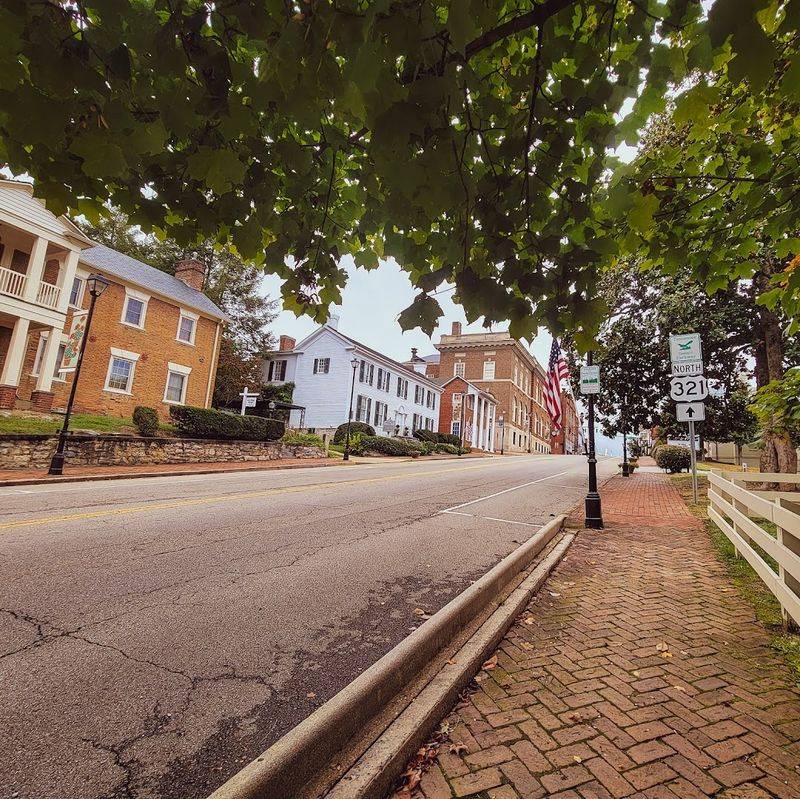
Andrew Johnson’s hometown wears its presidential connection proudly but not obnoxiously. The nation’s 17th president lived and worked here, and his tailor shop, home, and burial site remain preserved. But Greeneville offers much more than historical footnotes.
Downtown stretches along Depot Street and Main Street, where brick buildings house coffee shops, restaurants, boutiques, and professional offices. The mix of businesses creates genuine activity rather than tourist-only commerce. Locals actually shop, eat, and gather here, making the downtown feel authentic and alive.
Coffee culture thrives with several excellent cafes offering specialty roasts, pastries, and comfortable seating. These spaces function as community living rooms where students study, freelancers work, and friends catch up over lattes. The cafe energy adds youthful vibrancy to the historic setting.
Antique stores and vintage shops reward browsing with quality finds. Furniture, glassware, books, and collectibles fill multiple storefronts, and prices generally remain reasonable. Owners know their inventory and local history, often sharing stories about items’ origins or previous owners.
Tree-lined residential streets surrounding downtown showcase Victorian, Craftsman, and Colonial Revival homes maintained with obvious pride. Walking these neighborhoods reveals the care residents invest in their community. Everything stays tidy without feeling sterile, lived-in without appearing neglected.
12. Harriman
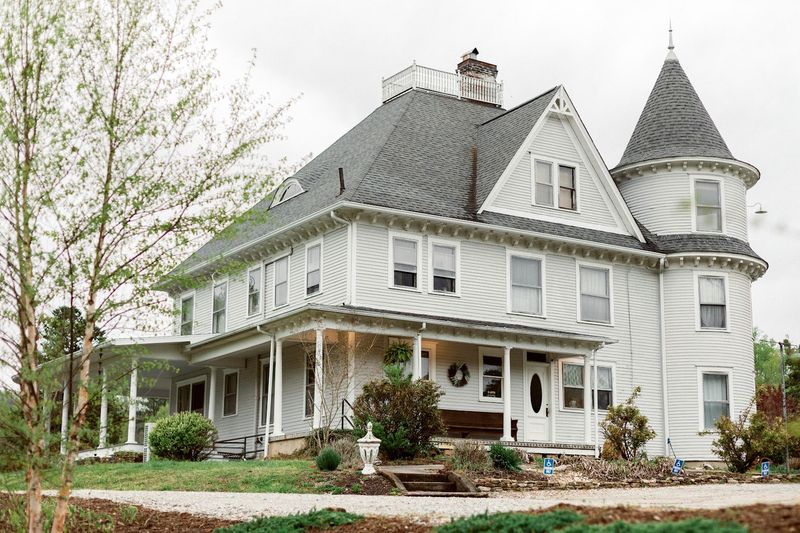
Founded in 1889 as a planned temperance community, Harriman still boasts more than 100 historic structures representing Victorian, Queen Anne, and Colonial Revival architectural styles. Walking these streets feels like touring an outdoor architecture museum where people actually live.
The historic district spreads across several blocks, with homes ranging from modest cottages to elaborate mansions. Wraparound porches, turrets, decorative trim, and original details remain remarkably intact. Several homes operate as bed-and-breakfasts, allowing visitors to experience Victorian living firsthand.
Staying overnight in a restored 1890s home adds an immersive dimension to historical appreciation.
Downtown antique stores fill multiple storefronts with furniture, glassware, vintage clothing, and collectibles spanning decades. Serious collectors find quality pieces, while casual browsers enjoy the visual feast. Boutiques offer contemporary goods alongside vintage finds, creating an appealing retail mix.
Harriman’s location between the Emory and Tennessee Rivers provides natural beauty alongside historical interest. Riverfront parks offer walking paths, picnic areas, and water access for fishing or boating. Views stretch across the water to wooded hillsides, especially beautiful during fall foliage season.
The town doesn’t rely heavily on tourism despite its considerable charms. Residents simply maintain their community with pride, and visitors benefit from that authentic care.
13. Tellico Plains
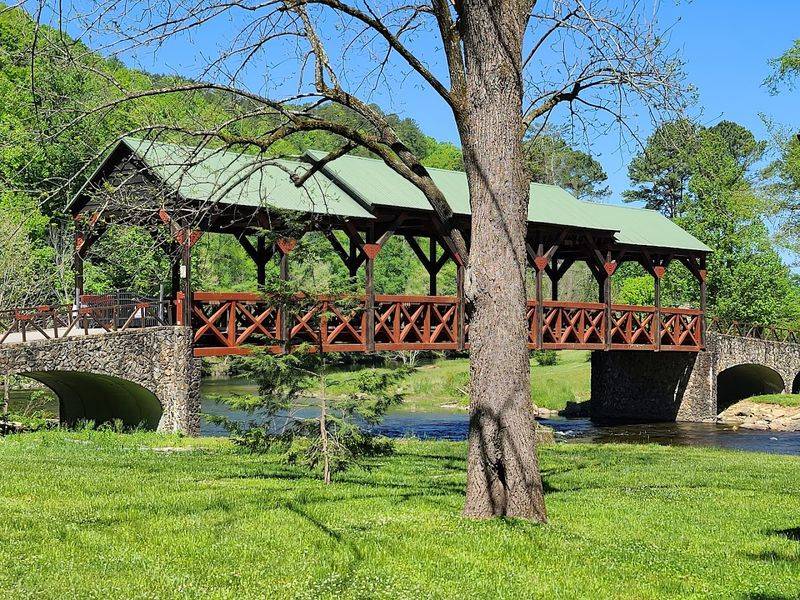
Nestled where the valley meets the mountains, Tellico Plains serves as a gateway to the Cherokee National Forest’s southern section. The town’s “little town with the big backyard” slogan understates the vast wilderness access available here.
The Cherohala Skyway begins just outside town, climbing through 43 miles of spectacular mountain scenery to North Carolina. This national scenic byway reaches elevations above 5,000 feet, offering panoramic views that rival any in the Appalachians.
Tellico River flows cold and clear through town, famous among fly fishermen for excellent trout populations. Outfitters provide guided trips, equipment rentals, and local knowledge. Even non-anglers enjoy the river’s beauty, accessible via numerous pull-offs and picnic areas along the scenic byway paralleling its course.
Downtown remains modest but functional, with restaurants, shops, and services catering to locals and outdoor enthusiasts. Diners serve hearty breakfasts before hiking expeditions. Gear shops stock camping equipment, maps, and trail snacks.
Hiking trails range from easy riverside walks to challenging mountain ascents. Bald River Falls plunges 90 feet over a rock face, accessible via short trail from the parking area. Backcountry routes penetrate deep wilderness where black bears, wild turkeys, and white-tailed deer outnumber humans.
14. Sweetwater
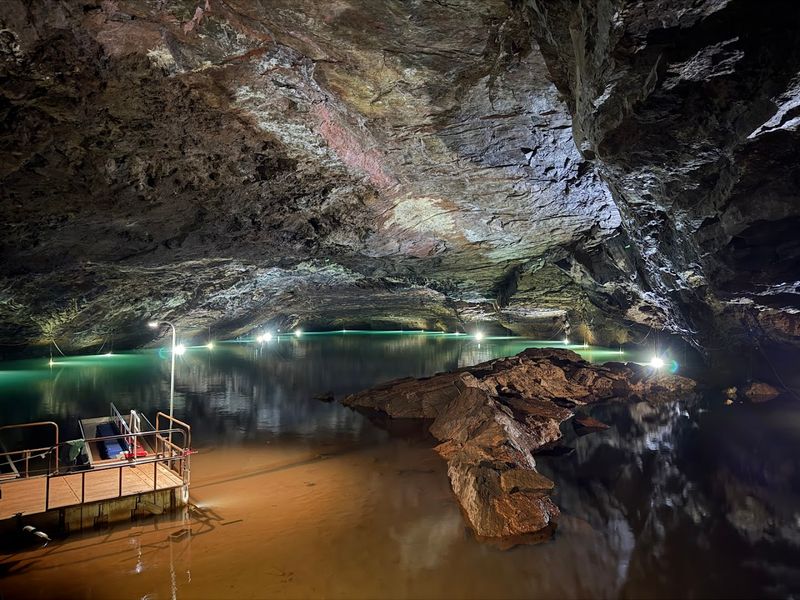
Monroe County’s largest town maintains a remarkably intact late-19th-century downtown, where red-brick commercial buildings line several blocks. Original architectural details—decorative cornices, arched windows, pressed-tin ceilings—survive in many structures, creating a cohesive period atmosphere.
The Lost Sea, America’s largest underground lake, lies just minutes outside town. This geological wonder sits 140 feet below ground, where a 4.5-acre lake of crystal-clear water reflects spectacular rock formations. Glass-bottom boat tours glide across the water while guides explain the cavern’s discovery, history, and unique ecosystem.
The constant 58-degree temperature provides cool relief during summer and mild comfort during winter.
Back downtown, antique stores offer treasures ranging from primitive furniture to Depression glass. Collectors hunt specific pieces while browsers enjoy the visual variety. Prices generally stay reasonable, and proprietors welcome conversation about their merchandise and local history.
Local restaurants serve Southern classics prepared with obvious care. Plate lunches, barbecue, and homemade desserts appear on menus alongside burgers and sandwiches. Several establishments have served the community for decades, maintaining consistent quality and fair prices.
Sweetwater doesn’t chase tourist dollars aggressively, which paradoxically makes it more appealing to visitors seeking an authentic small-town Tennessee. That genuine character, combined with proximity to The Lost Sea’s natural wonder, creates memorable experiences without manufactured charm.
Share this story