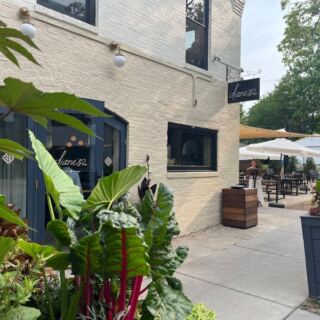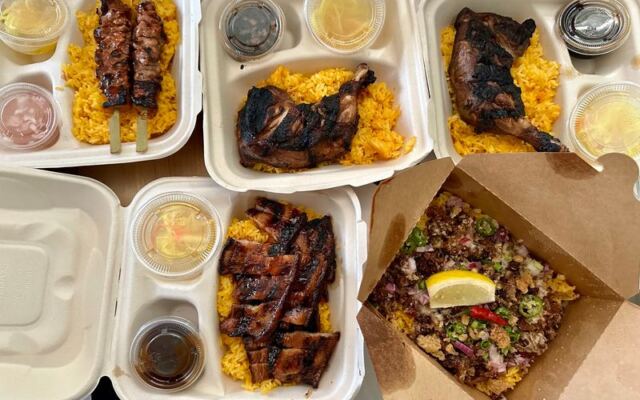
Some of the most talked-about Filipino cooking in Denver comes from a kitchen with no dining room, no host stand, and no sign of a waiter anywhere. You place an order, show up at a shared pickup lobby, make a quick phone call, and a bag of grilled Filipino comfort food appears through a back door. Filipino Americans who grew up eating sisig in Manila and Quezon City have called it the real deal, which is not praise they hand out lightly.
This story walks through how the setup works, what makes the sisig worth the trip, when to go, what it costs, and a few tricks that make pickup painless for anyone on the west side of Denver.
1. A Pickup Counter on Federal Boulevard
Paborito – Filipino BBQ (Take-out) operates out of 707 Federal Blvd, Denver, CO 80204, just west of downtown.
It is a takeout restaurant, plain and simple, and it shares its space with a group of other small kitchens serving different cuisines.
That arrangement matters, because the building does not look like a classic family restaurant from the curb. There is no big neon Filipino flag or banquet hall waiting inside.
Instead, the kitchen focuses almost entirely on cooking, packing, and handing off orders.
The name itself is a clue to the mission. In Filipino, paborito means favorite, and the menu leans into the grilled, everyday dishes that many Filipino families treat as their go-to meals.
For Front Range residents, the location is handy. Federal Boulevard is a major north-south corridor, so getting there from Lakewood, Edgewater, or central Denver is usually a short drive rather than a trek.
The star of the show, at least for this story, is sisig, a dish that traces its roots to the Philippines and has become a staple in Manila. Paborito serves it with enough care that people who grew up with the dish keep coming back for more.
So the building may be modest, but the cooking inside has earned itself a following that reaches well beyond the block.
2. The Ghost Kitchen Twist
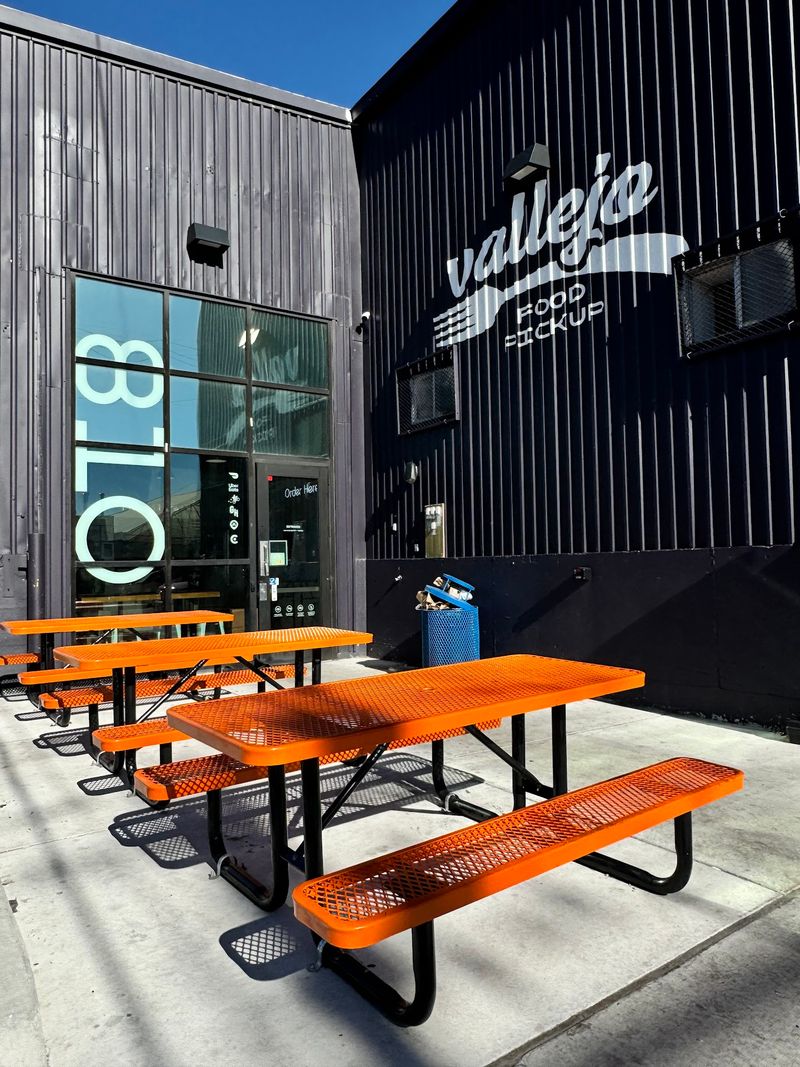
Ghost kitchens still confuse plenty of people, and Paborito sits right inside one.
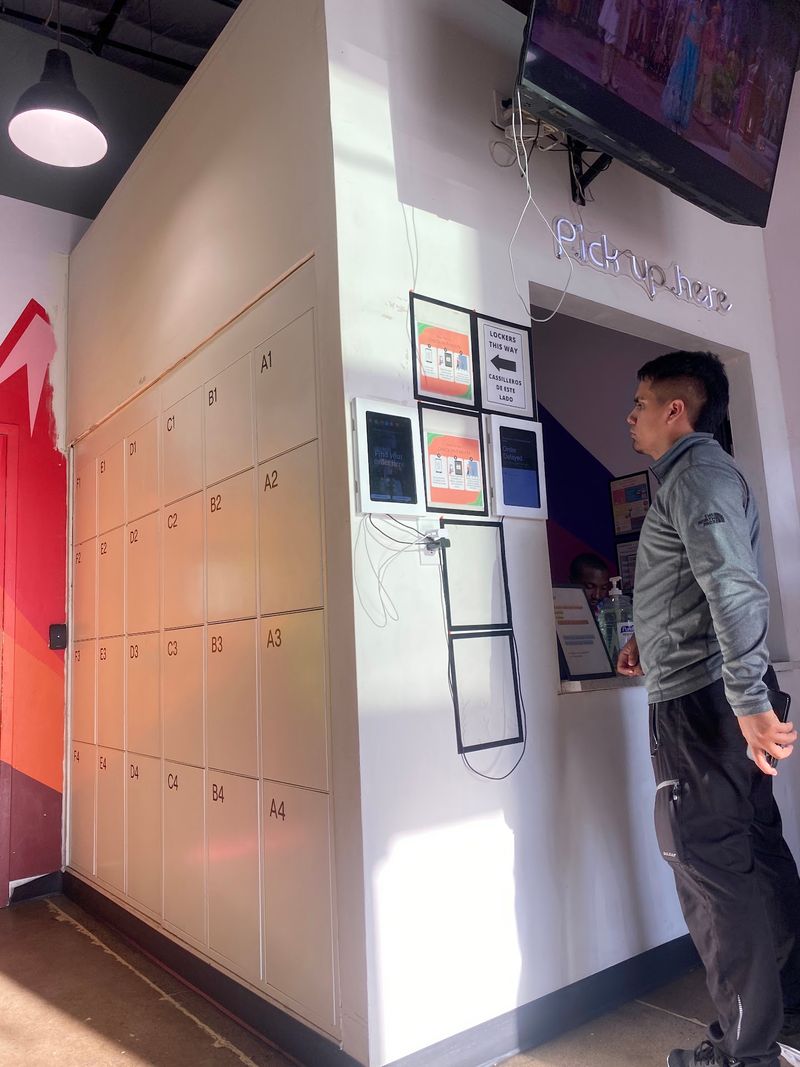
The building works as a shared to-go lobby where several small restaurants hand off food. Menus from the different kitchens hang on the walls, and there is no traditional front counter staffed by one restaurant.
Here is how pickup typically goes. You order online or by phone, arrive at the lobby, and call the number tied to your restaurant.
Someone from the kitchen then brings the order out to the waiting area.
First-timers sometimes wonder if they came to the wrong spot. The steady stream of delivery drivers coming and going can add to that feeling.
Once the routine clicks, though, it is pretty painless. Many regulars treat it like a quick errand: park, call, grab the bag, and head home.
It also explains why many people first discover Paborito on delivery apps like Uber Eats before ever setting foot in the lobby.
Fans who have ordered for over a year through delivery have eventually stopped by in person, partly to meet the owners behind their usual meals.
The lesson is simple. A plain lobby is part of the deal, and the cooking is the real reason to show up.
3. Sisig With a Manila Pedigree
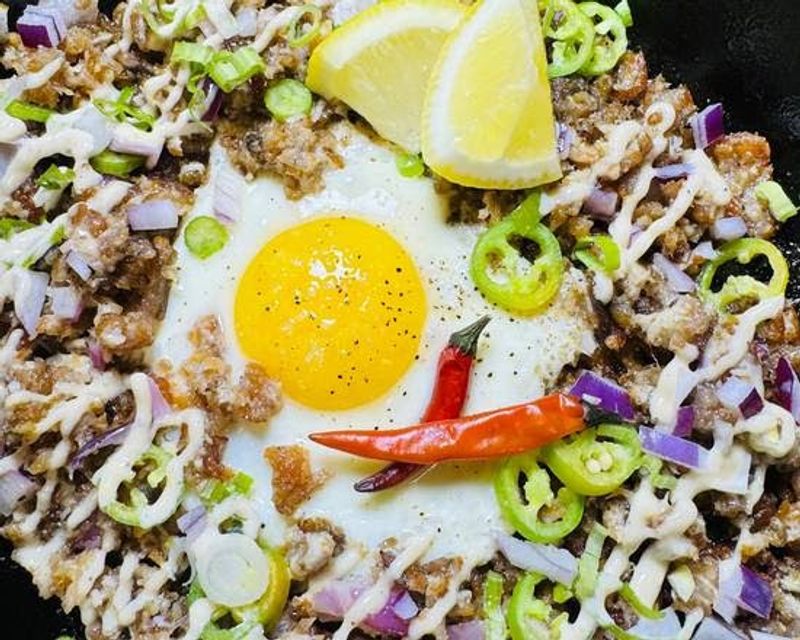
Sisig is the kind of dish Filipino cooks argue about at family parties, so earning approval from picky eaters is no small feat.
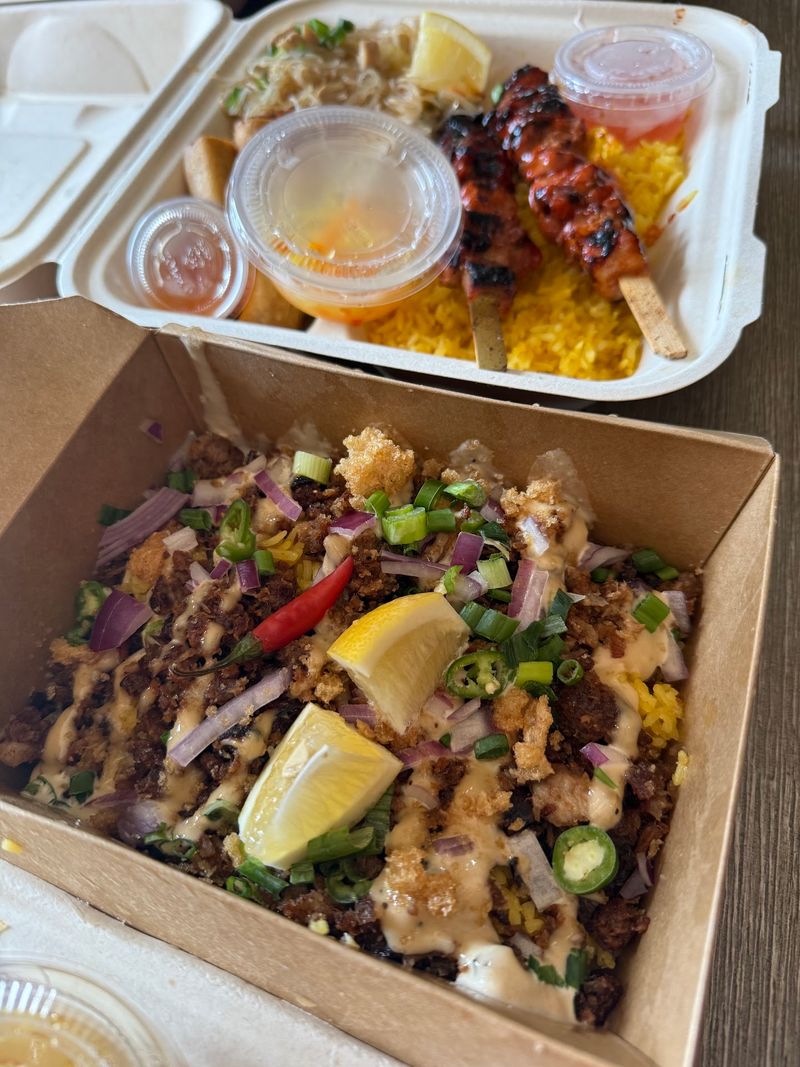
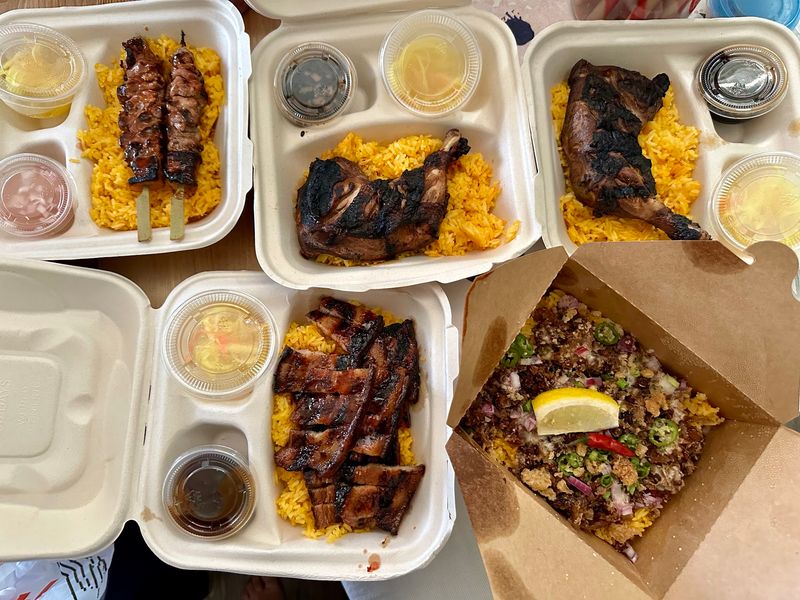
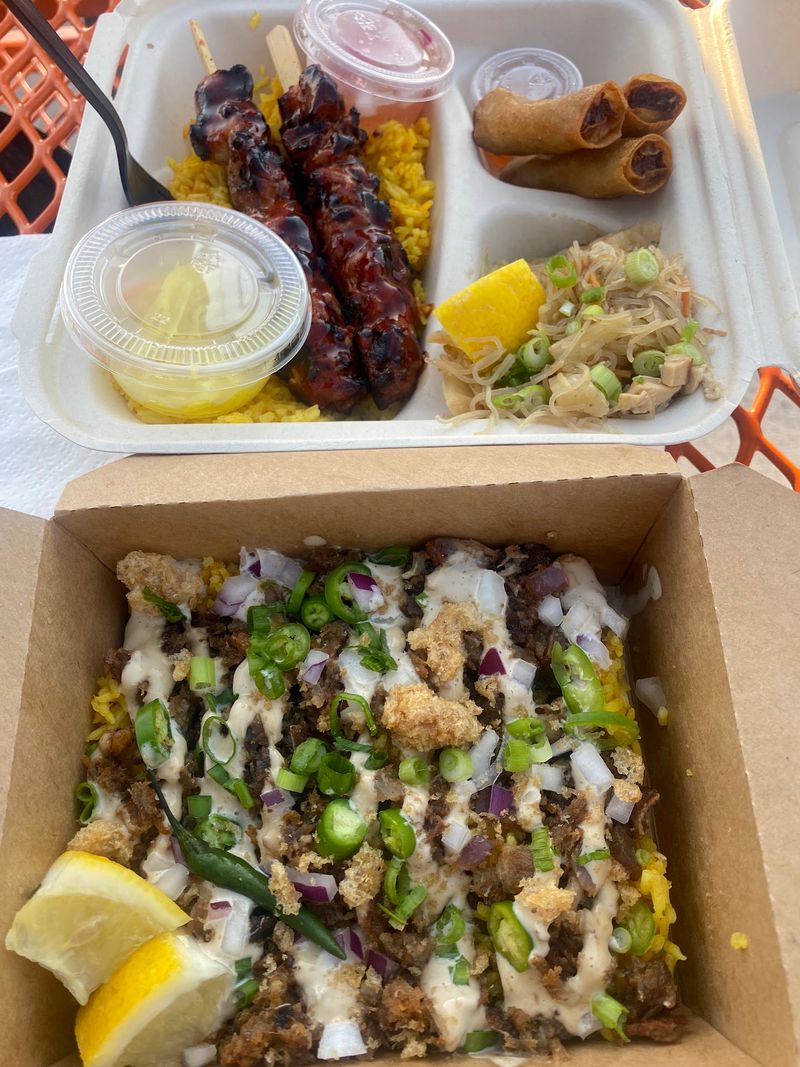
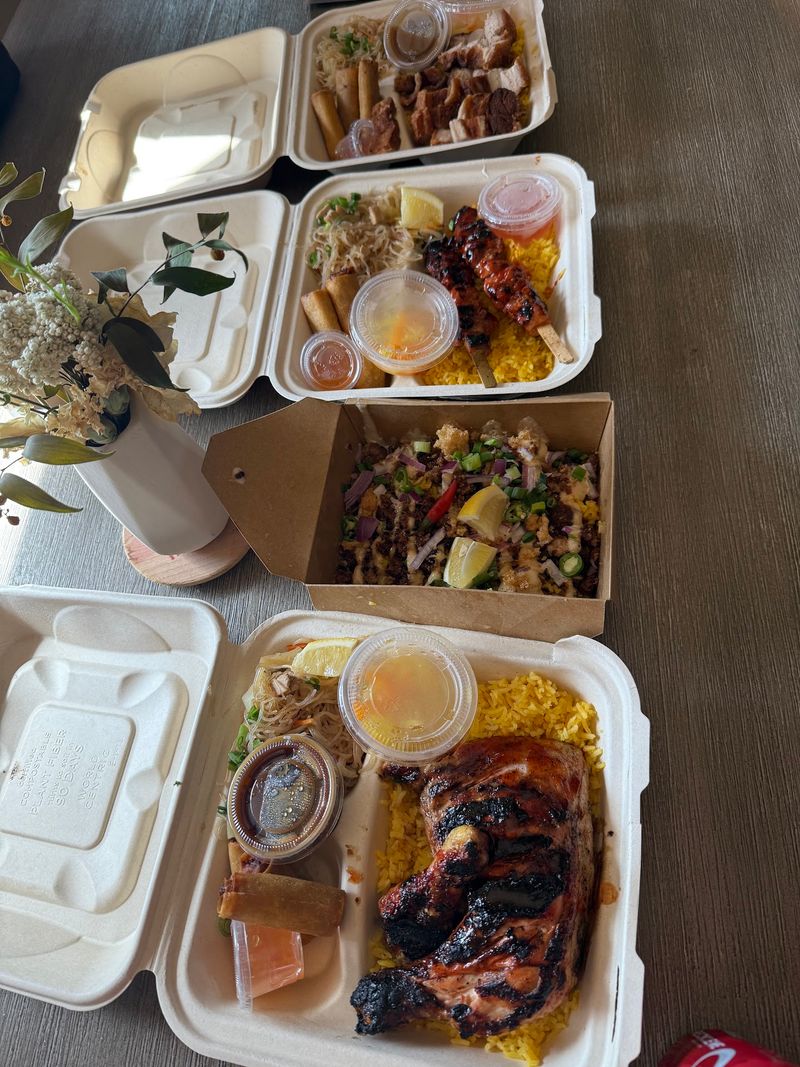
At Paborito, the sisig comes with chopped Asian chilis and pieces of chicharron mixed in, plus a rich sauce that ties everything together.
Even people who say they do not usually order sisig have made an exception here. That says a lot about how the kitchen handles it.
Diners with Filipino heritage have described the kitchen’s take on sisig as one of the highlights of their order. Some grew up eating it at home and approached the menu with real skepticism.
One Manila-born Denver resident who had spent years searching for authentic Filipino cooking in the city called Paborito the spot, and the comparison to home cooking in Quezon City comes up more than once.
There is also a tofu sisig for anyone skipping meat, and it has its own loyal following among delivery regulars.
Extra chilis are available too, and the kitchen has been known to add them without fuss.
For a Denver diner who has never tried sisig, this is a low-pressure place to start. For one who grew up on it, it might be the closest thing to a Manila table on Federal Boulevard.
4. Grill Work at the Heart of the Menu
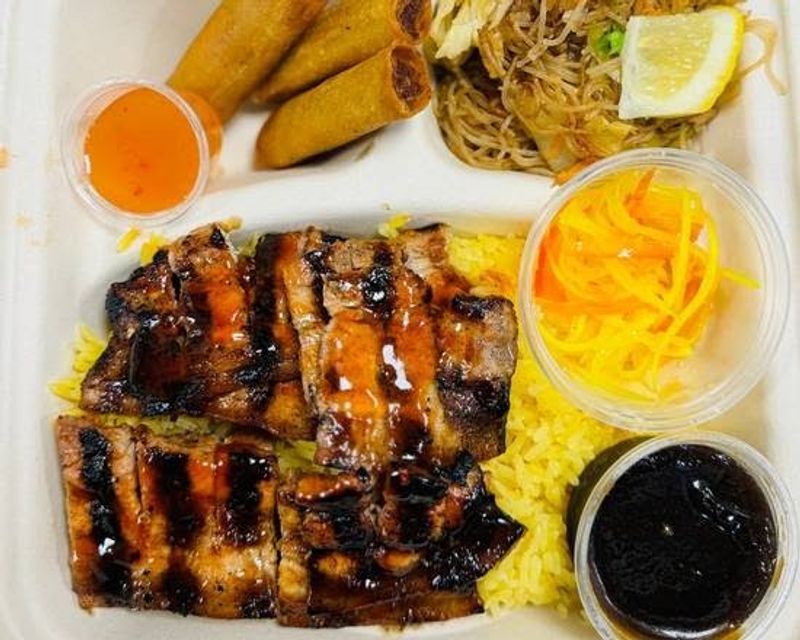
BBQ is right there in the name, and the grill does a lot of the heavy lifting.
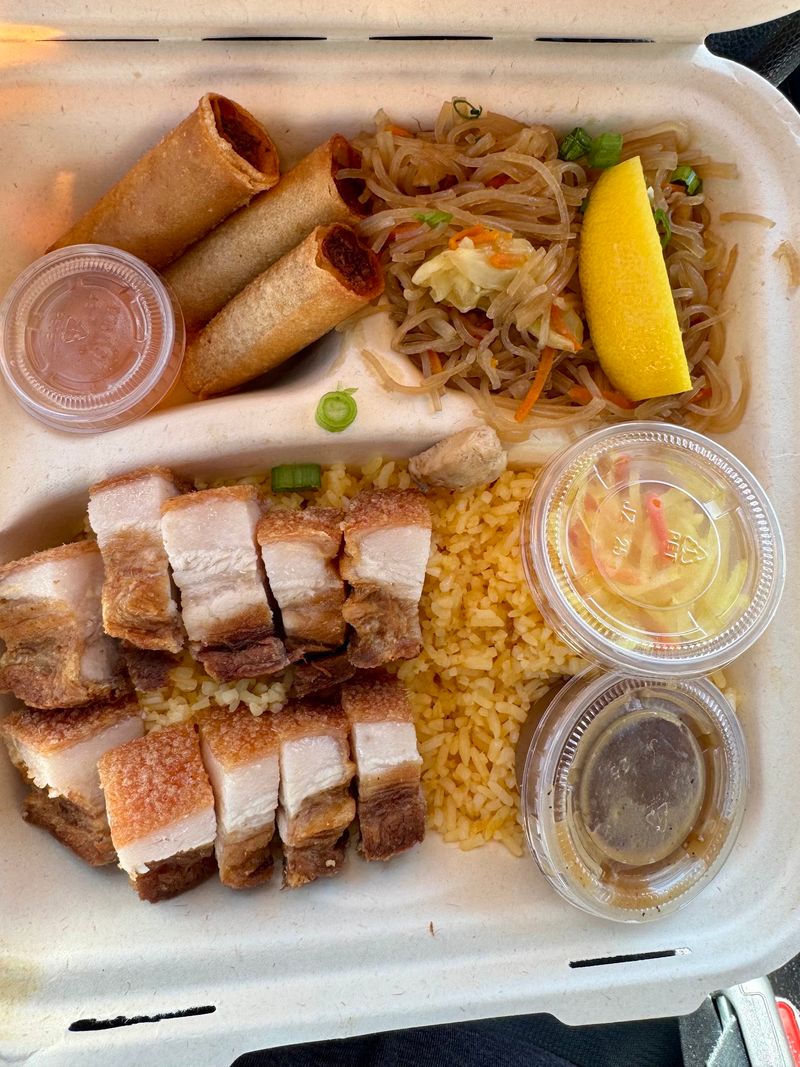
Paborito builds much of its menu around combination plates that pair grilled items with rice and house sauces.
Those combos come up again and again as the easiest way into the menu. They give a first-timer a full meal in one container without needing to know every Filipino term on the board.
The rice deserves a mention. It is a yellow java-style rice, colored with annatto, which surprises some people who have never seen it served this way before.
Sides and condiments round things out. Pickled papaya, known as atchara or achara, comes along with orders, as does a vinegar and onion dipping sauce.
Consistency is mostly a strong point, though not perfect. Most orders land well, while an occasional plate can come off the grill drier than expected.
That honest mix is useful for planning. Regulars tend to find their favorite combo, then branch out one dish at a time on later trips.
For anyone who likes a meal that works as dinner tonight and lunch tomorrow, the grilled plates are a smart first move before circling back to the sisig.
5. Home Cooking Credentials
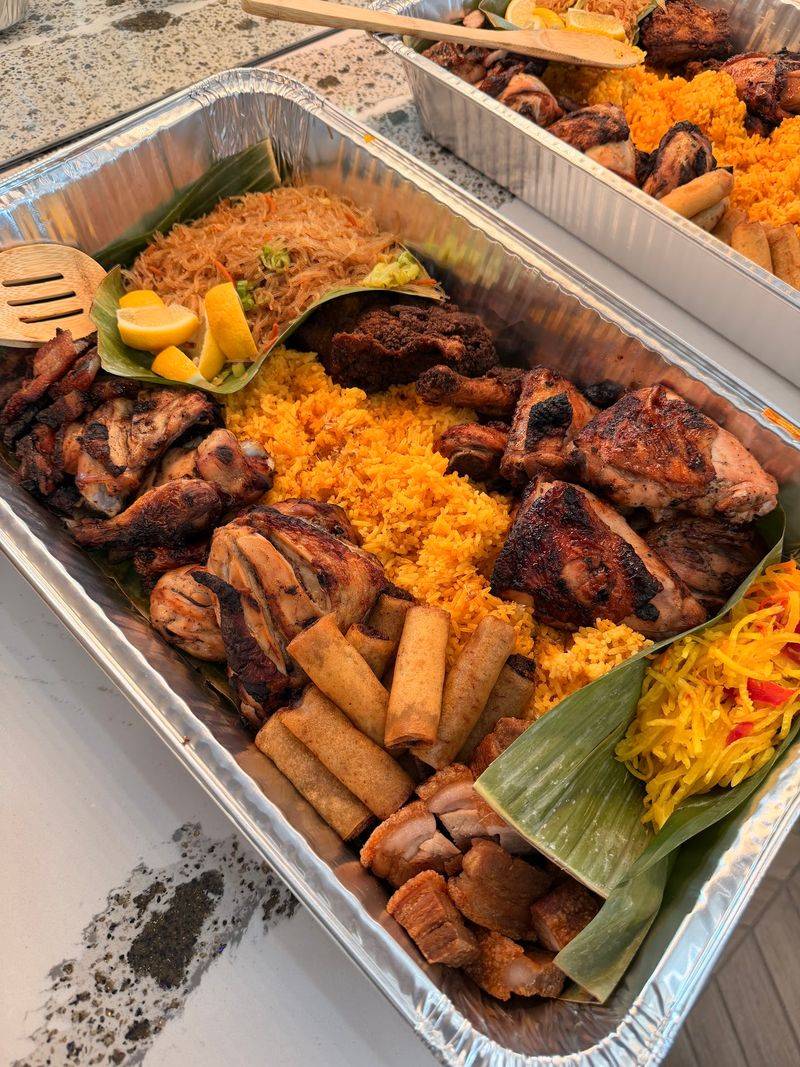
Ask a Filipino family where to eat in Denver, and the answer is often a shrug followed by an invitation to dinner at Tita’s house.
Paborito has managed to change that answer for some of them.
People with Filipino roots who grew up with these dishes have said the flavors take them straight back to the Philippines. Some have compared the cooking to a beloved aunt’s kitchen, which is about the highest compliment available.
Others have been more measured. A few folks from the Philippines felt certain dishes did not quite match what they make at home, and that kind of honest debate is part of Filipino food culture.
Still, the overall tone leans warm. The kitchen holds a 4.4-star average across 130 Google ratings, a solid showing for a takeout-only operation.
A big part of the appeal is the people behind the counter, or rather behind the kitchen door. The owners are known for their friendliness, and their passion for Filipino barbecue that stays true to its roots is a recurring theme.
Small kind gestures show up too, like adding extra chilis at no charge.
That mix of pride and personality is what turns a takeout window into a neighborhood favorite.
6. Portions Built for Leftovers
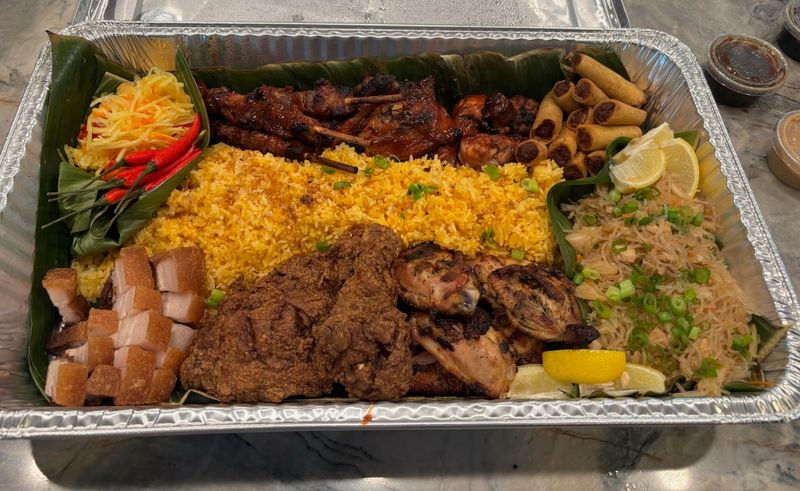
Budget-minded households, take note. Plenty of orders here stretch past a single meal.
Generous portions come up often, with some families getting enough food for leftovers across a few days.
The combination plates in particular tend to deliver solid value, thanks to the mix of grilled protein, rice, and sides packed together.
Expect plates to run just under $20 each for takeout, based on recent orders. Larger family orders with drinks have landed in the $70 to $75 range.
Opinions on value do split a bit. Some diners felt family-style portions came up small for a big group, while others walked away with enough to share.
One wish that has come up is the option to order a smaller solo plate. For now, planning around the combos is the most predictable approach.
A practical tip for households is to order one combo per person and add a shared dish, like the sisig, for the table.
That way nobody leaves hungry, and tomorrow’s lunch is already sorted.
For retirees and busy parents watching the grocery bill, a meal that does double duty can make the price feel a lot friendlier.
7. Inside the Waiting Area
Nobody books a birthday dinner in this lobby, and that is perfectly fine.
The waiting area is a plain shared room with only about three small tables. Larger groups sometimes push those tables together, which can leave latecomers standing.
There are also kiosks and lockers in shared kitchen setups like this one, though they are not always switched on. When in doubt, calling the restaurant directly is the fastest way to get attention.
Comfort is limited in warmer months. The waiting area does not have air conditioning, so on a hot Denver afternoon, the car may be the better waiting room.
Tables are not always cleared between guests, another reminder that the room is built for passing through rather than lingering.
Utensils and napkins are worth asking about. A posted sign notes that the front desk does not carry them, though the kitchen often includes them with the order.
None of this is a dealbreaker for most regulars. They treat the lobby as a handoff point and enjoy the meal at home, in a park, or at the office.
Go in with that mindset, and the bare-bones room becomes a nonissue.
8. Who Gets the Most Out of It
Some places suit everyone, and some suit a very specific crowd. Paborito falls somewhere in between.
Filipino Americans living along the Front Range are an obvious fit. Many have spent years hunting for dishes that remind them of home, and this kitchen gives them a reliable option.
First-timers to Filipino food are another happy match. People trying the cuisine for the very first time have ordered again the very next day, which is a pretty clear sign of a convert.
Busy households can lean on it for easy weeknight dinners. Ordering ahead means less time in the kitchen and fewer dishes to scrub afterward.
Party planners should know about catering. The kitchen has handled short-notice catering for a themed party, and some families have even booked it for Thanksgiving.
Who might struggle a bit? Anyone wanting a sit-down evening out with table service will not find that here.
The same goes for folks who dislike waiting, since wait times can stretch on busy days.
For everyone else, the formula is straightforward: good food, a simple handoff, and a meal that works best on your own couch.
9. Timing Your Order Right
A little planning goes a long way with a kitchen that cooks to order.
Wait times usually hover around half an hour for a couple of dishes. On very busy days, especially when big events draw crowds nearby, some orders have taken close to an hour.
The smartest move is to order ahead. The kitchen accepts orders online through its Square site at paboritobbq.square.site, and phone orders work as well.
Placing the order before leaving the house means the food may be ready, or close to it, when you pull in.
Delivery is another route. Paborito is available on Uber Eats, which is how plenty of Denver residents first get hooked.
Festival weekends deserve a special mention. When a Filipino festival takes place nearby, demand can spike as people look to skip long lines elsewhere.
On those days, ordering early or picking a quieter hour can save a lot of standing around.
Midweek afternoons are generally a safer bet for shorter waits, though no time is guaranteed.
The takeaway is simple. Let the kitchen do its work before you arrive, and the pickup turns into a quick in-and-out stop.
10. Hours and Getting There
Mark the calendar carefully, because Paborito keeps a five-day schedule.
The kitchen is open Wednesday through Sunday from 11 AM to 8 PM. It is closed on Mondays and Tuesdays, which catches some first-timers off guard.
That window covers lunch and early dinner nicely. Late-night cravings, however, will need a backup plan.
Getting there is easy for most of the metro. Federal Boulevard connects to major routes across west Denver, and the drive from downtown is short.
Parking is part of the plan, since many people wait in their cars until the food is ready, especially during warmer weather.
Some folks note the surrounding area is not the most polished part of town. Still, plenty of regulars feel the drive is well worth it for the meal at the end.
Calling ahead is always a good idea if plans change or questions come up about an order. The kitchen can be reached through the number listed on its online ordering page.
A quick checklist helps: confirm the day, order before leaving, and save the restaurant’s number for the pickup call.
With those three steps handled, the trip usually goes smoothly.
11. A Small Kitchen Worth the Detour
Plenty of Denver restaurants spend big on decor. Paborito puts nearly everything into the food instead.
The result is a takeout kitchen that has built real loyalty without a dining room, a fancy sign, or a host to greet anyone at the door.
It is not flawless. Waits can run long, the lobby is bare, and a dish here or there may miss the mark for the pickiest Filipino cooks in town.
Even so, the strengths stand out clearly. The sisig earns approval from people who grew up eating it, the combo plates deliver solid value, and the owners bring genuine warmth to every order.
For Colorado residents, that combination is hard to beat. It is an easy, low-effort way to eat well on a weeknight without dressing up or booking a table.
The best approach is to order ahead, keep the restaurant’s number handy, and plan to eat at home.
Start with sisig, add a grilled combo, and save room for leftovers.
Somewhere between the phone call and the first bite, it becomes easy to see why so many locals call this little kitchen their paborito.
Share this story