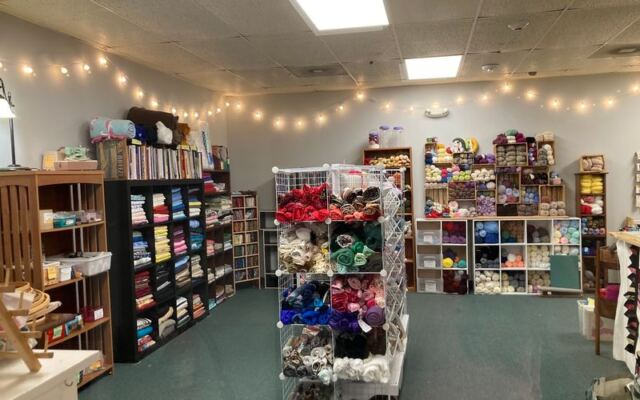
Somewhere in Albany, a bag of yarn once cost ten dollars, and the only rule was that it had to close. Crochet thread, fabric and skeins all counted, as long as they fit.
That deal came from a closet sale at a small shop that runs on donated craft supplies and volunteer hearts. In an age of self-checkout lanes and big-box closings, this place still treats a nervous beginner like a long-lost cousin.
It keeps old fabric out of the trash and puts it back into the hands of people who sew, knit, quilt and weave. The hours are short, the shelves change every week, and the prices are kind.
Keep reading to learn where it is, what turns up on those shelves, and how to time a visit so the doors are actually open.
1. A Craft Thrift Shop on Essex Street
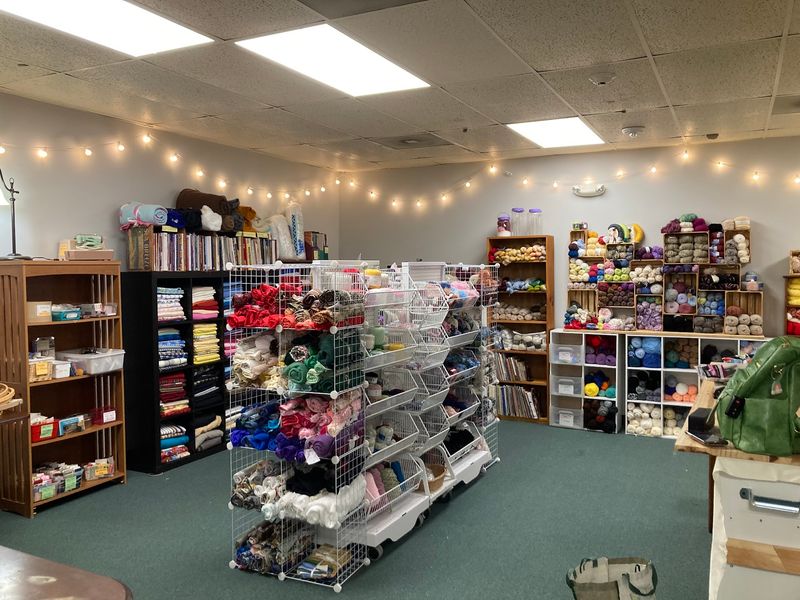
Up-Stitch sits at 28 Essex St, Albany, NY 12206, in New York’s Capital Region. It is a fabric store at heart, but it works more like a thrift shop built just for crafters.
The shelves hold donated yarn, quilt fabric, needles, notions, patterns and books. Nearly everything arrives secondhand, or as vintage stock that never got used.
The shop is a nonprofit, operating as a 501(c)(3) charity. That means every purchase helps keep the doors open and supports the community work the group does.
Neighbors often describe it as small and tidy. The space is compact, yet it manages to cover sewing, knitting, crochet, quilting, embroidery, weaving and other needle crafts.
For Albany crafters, the location matters. Shoppers mention that the newer spot sits just down the street from Honest Weight Co-op, which makes it easy to fold into a weekend errand run.
Plenty of shops sell supplies. Fewer give unwanted supplies a second chance, and that small difference is the whole story here.
2. The Legendary Ten Dollar Bag
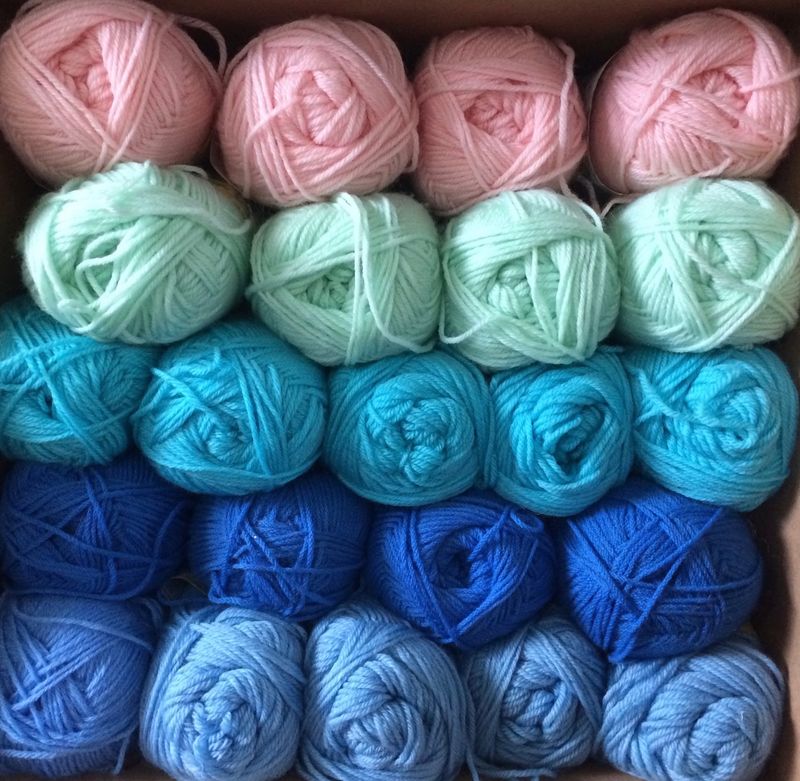
Ten dollars. One large bag.
Whatever fits inside goes home with you.
That was the deal at an Up-Stitch closet sale one February, years back. Yarn, crochet thread and fabric all went into the same bag, and the shopper decided how tightly to pack it.
It is the kind of offer that sounds like a tall tale from a grandparent. Yet it reportedly happened right here in Albany, and it captures the spirit of the shop well.
Closet sales are not an everyday event, so nobody should expect a bag deal on every trip. The detail still says a lot about how the place thinks about price.
The goal was never to squeeze every dollar out of a skein. The goal is to move donated materials to people who will use them, rather than letting them gather dust.
Bag-packing strategy, by the way, is a real skill. Rolling yarn tight is a time-honored technique among seasoned stash builders.
Anyone hoping to catch a future sale should keep an eye on the shop’s website for announcements.
3. Where the Donations Come From
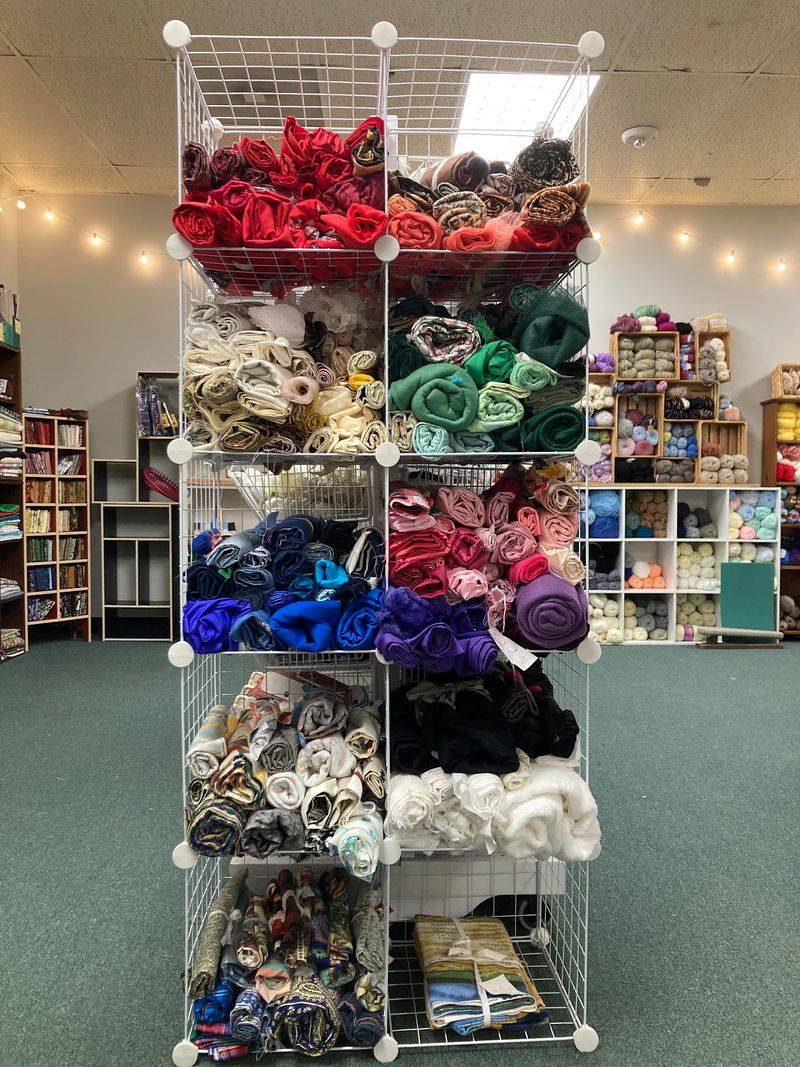
Every attic in Albany seems to have one. A box of yarn from an abandoned sweater project, or a stack of fabric bought for a quilt that never happened.
Up-Stitch exists to catch those boxes before they hit the curb. Community members donate their unwanted craft supplies, and volunteers sort them for the shelves.
The shop accepts new donations each week. That steady flow is what keeps the inventory changing.
Regulars say the materials are diverted from the landfill, and many shoppers feel good knowing that. A spool of thread gets a second life instead of a trip to the dump.
Hard-to-find items show up too. Shoppers hunting for yarn or sewing supplies that are no longer made say this is a smart place to check.
The message for anyone cleaning out a closet is simple. Before tossing old yarn or fabric into the trash, consider bringing it here.
Somebody across town may be looking for exactly that discontinued color.
4. Shelves Built for Every Kind of Maker
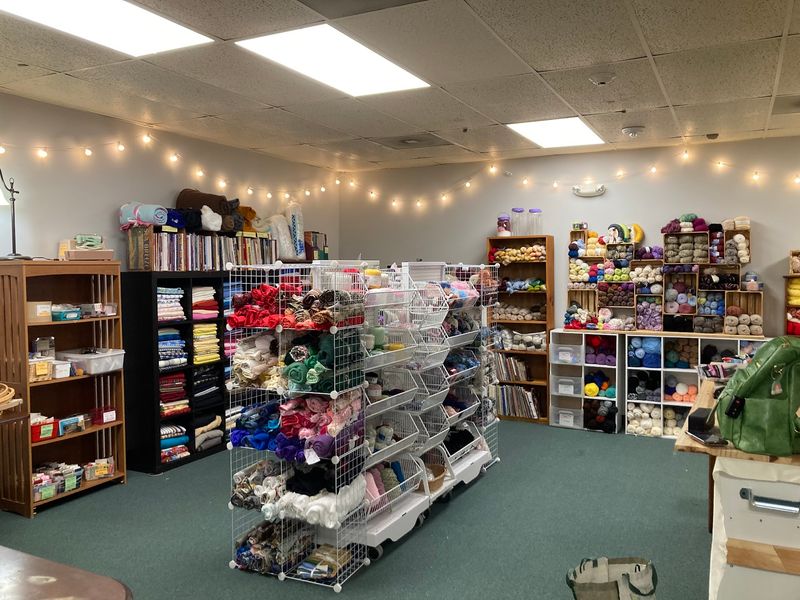
Quilters, knitters and embroiderers rarely shop in the same aisle. At Up-Stitch, they share one small room.
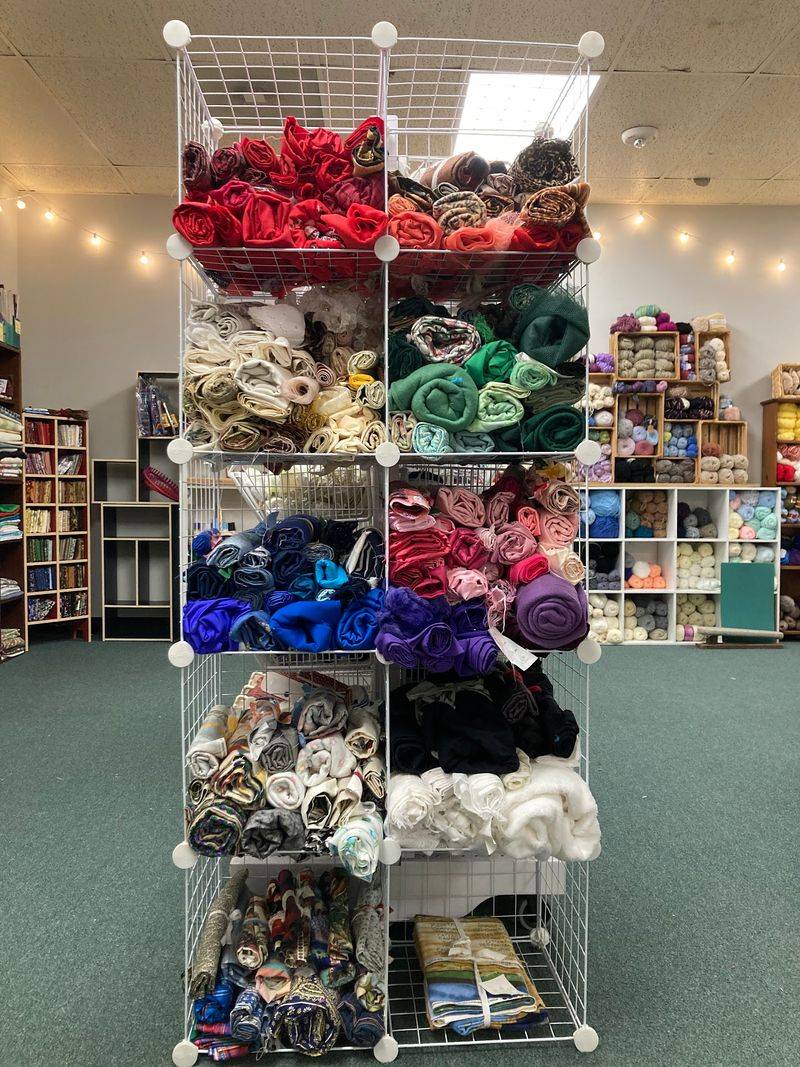
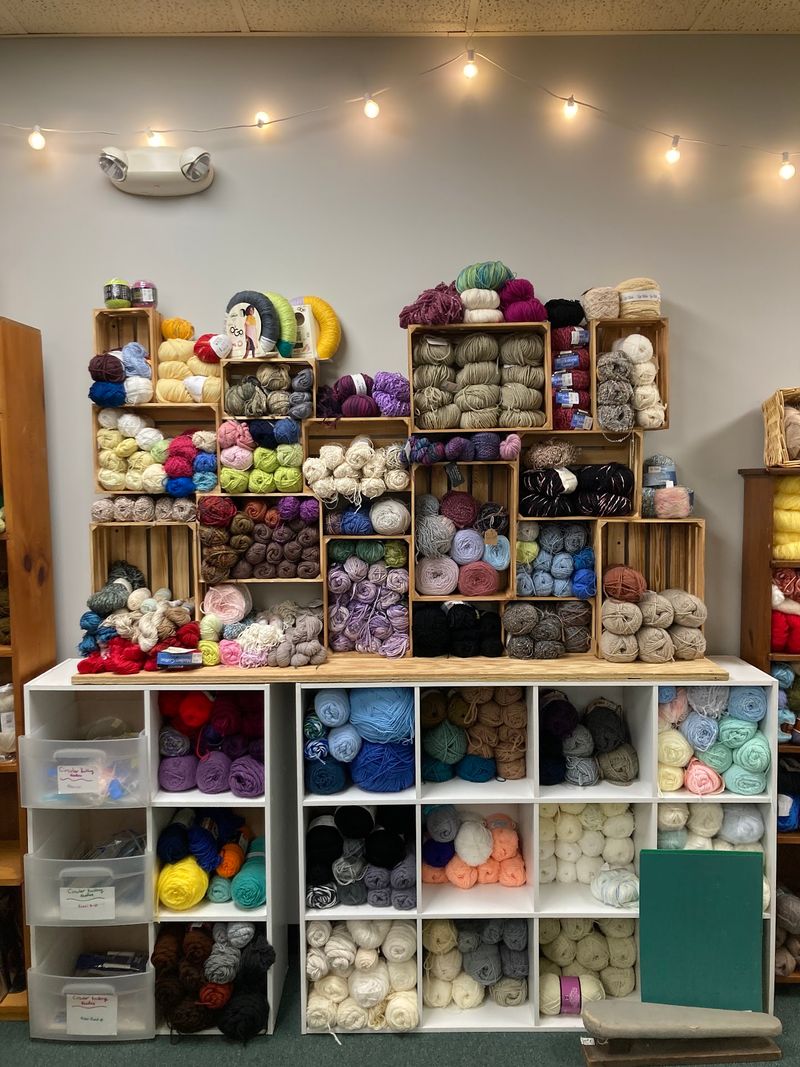
The selection covers fat quarters, remnants, yarn, notions, books and patterns. Weaving, quilting, sewing, knitting, crochet and needle crafts all get space.
Embroidery fans have found plenty of hoops, flosses and transfers. Sewists turn up all kinds of needles and fabric.
Vintage sewing patterns appear on the shelves as well. So do buttons, safety pins and other small pieces that big stores stopped carrying long ago.
What surprises many first-timers is the order. Shoppers repeatedly call the shop well organized, and one self-described scattered crafter found the tidy setup inspiring.
That organization matters in a donation-based store. Without it, a thrift shop can feel like a jumble, but here the supplies are sorted so finding the right needle is not a chore.
The phrase that keeps coming up is lovingly curated, and it fits.
5. Prices That Feel Like a Favor
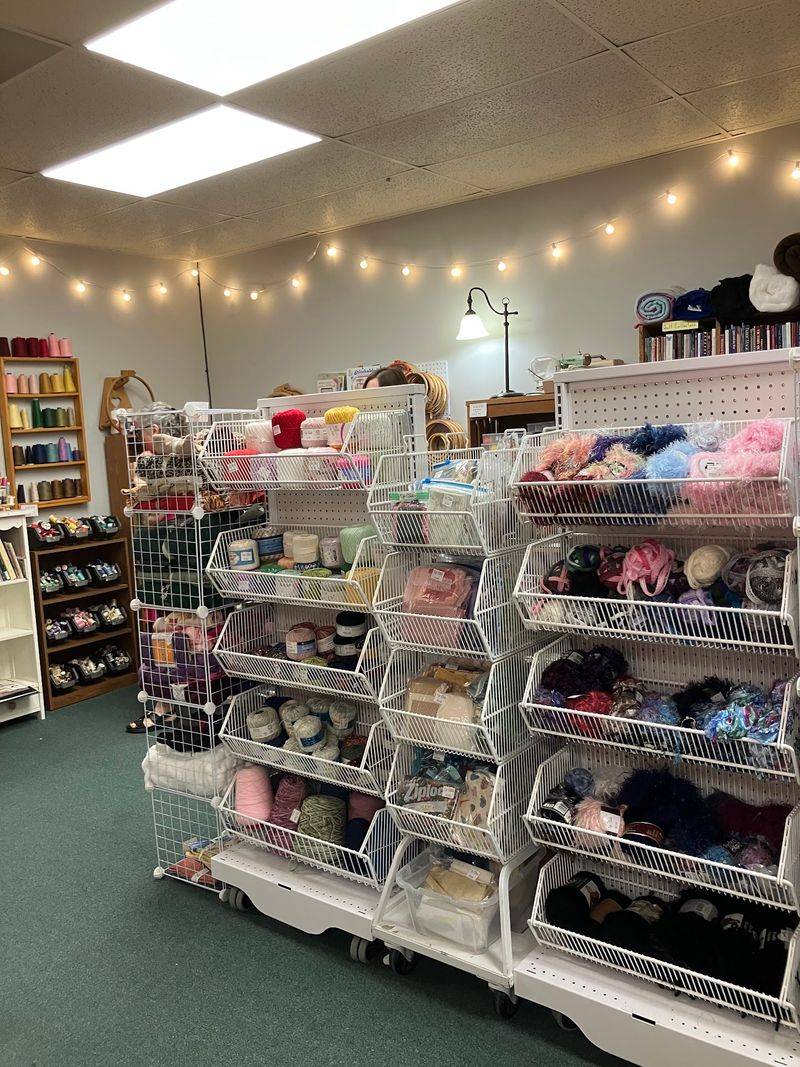
Craft supplies can get expensive fast. A single quilt can cost more in fabric than some people spend on groceries for a week.
Up-Stitch takes a gentler approach. Shoppers say materials run about half the price of retail, and the words generous pricing come up often.
That value landed at an important time. When Joann’s closed, many local sewists lost a familiar source of supplies, and some turned to this shop as an affordable option.
Beginners benefit most. A new embroiderer or first-time sewist can gather tools without a big investment, then decide whether the hobby sticks.
The shop’s own stance is clear: it aims for a friendly store with reasonable prices. Nobody is trying to flip vintage notions for a quick profit.
Remember that thrifted supplies usually come without refunds, so checking items in person before buying is wise.
Spending a little and leaving with a lot is the norm here, and wallets tend to approve.
6. Volunteers Who Cheer for Beginners
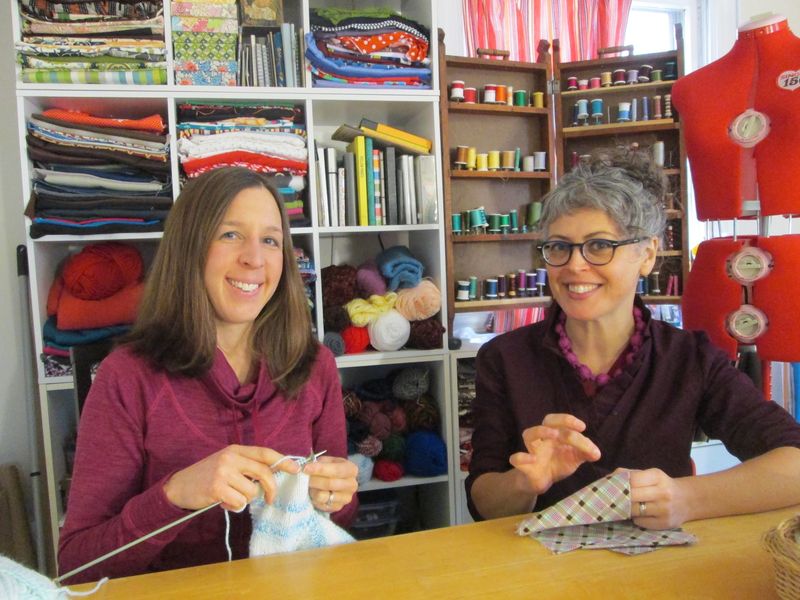
One newcomer mentioned being new to sewing, and the whole room lit up with excitement for her. She got a great deal on what she came for and was urged to fill a bag with free scraps before leaving.
That story sums up the people behind the counter. Up-Stitch runs largely on dedicated volunteers.
Shoppers describe them as kind, informative and knowledgeable crafters. They help people track down exactly what a project needs.
Years ago, names like Maggie and Megan were mentioned as helpful faces, and workshops were reportedly part of the offering then too.
The volunteer model has a trade-off. Store hours depend on how many people can give their time, which explains the short schedule.
Still, it creates a rare kind of shop. No one is chasing a sales quota, and nobody rushes a beginner who needs to ask what a fat quarter is.
Patience is the most valuable thing on these shelves, and it costs nothing.
7. Never the Same Shop Twice
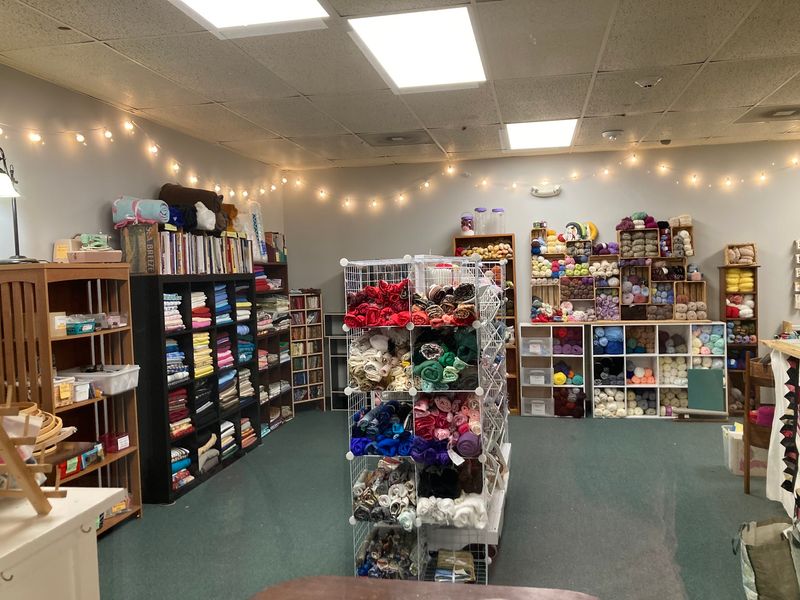
Here is a tip worth tucking into a sewing kit: stop by often. Because everything is donated, the stock shifts constantly.
The shop itself calls it a fun treasure hunt every time. New donations come in weekly, so last month’s empty spot may now hold a stack of quilting cotton.
Regulars admit you never know what you are going to find. Some trips yield one perfect spool, others a whole armload.
The flip side is honest. Selection may be limited at times, since the inventory is made of odds and ends that people have given away.
That uncertainty is part of the appeal. A project might start because the right yarn appeared, not the other way around.
For flexible makers, this turns shopping into a small adventure. Rigid shoppers with one exact color in mind may need a few return trips.
Either way, the word treasures shows up again and again when people describe their finds.
8. A Shop That Gives Back
Money spent here does not vanish into a corporate account. Up-Stitch partners with local organizations on craft projects so it can serve more needs in the community.
Shoppers mention support for educational and charitable causes in the area. Some say it helps out several charities, and staff are happy to explain which ones.
Schools have felt the connection too. A sewing basket full of vintage buttons, safety pins and fabric scraps once appeared in the raffle at New Scotland Elementary School’s Harvest Fest.
That is old-fashioned neighborliness in action. Supplies donated by one Albany household end up in a classroom or charity project across town.
The shop also has roots in the local arts world. Years ago it operated inside the Albany Art Room before later moving to Essex Street.
Buying a skein becomes a small vote for keeping crafting local and shared.
Few receipts in Albany carry that much quiet meaning.
9. Short Hours, Smart Timing
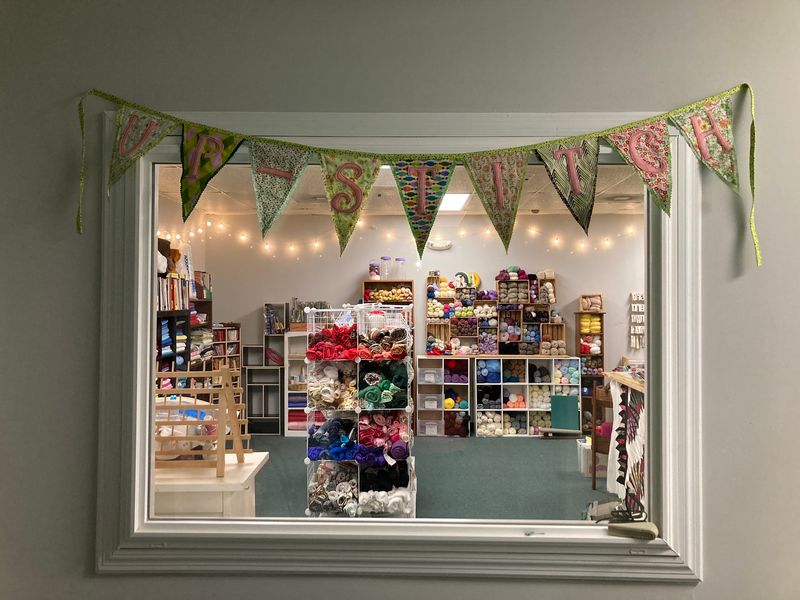
Timing is everything at Up-Stitch. The current schedule lists just two windows each week.
The shop is open Wednesday from 10 AM to 1 PM and Saturday from 1 to 4 PM. It is closed every other day.
For years, Saturday afternoon was the only option, and the narrow window was the most common complaint. The shop has said it hopes to expand when enough volunteers are available.
Hours can change, and the shop has paused before, reportedly reopening in spring after a break. Checking the website at up-stitch.com before heading over is a smart move.
Getting there is fairly simple. Shoppers describe the newer location as accessible and right off exit 5.
Plan to arrive with time to browse rather than racing the clock. Three hours sounds like plenty until a box of vintage patterns turns up.
Bringing a tote is also wise, just in case a bag deal returns.
10. Why Albany Crafters Keep Coming Back
A 4.7-star standing across dozens of opinions is no accident. Up-Stitch has earned steady loyalty from Capital Region makers.
The reasons are plain. Fair prices, organized shelves, kind volunteers and a mission that keeps good materials in use.
Some shoppers call it their favorite shop in Albany. Others say they visit here first before going anywhere else for supplies.
The only real drawback is the limited schedule. Most people seem willing to plan around it.
There is also something reassuring about a brick and mortar craft store run by neighbors. Seeing yarn colors in person and checking fabric quality before buying still matters to plenty of makers.
Knitters, quilters, weavers and nervous beginners will all find reasons to stop in. Anyone with a closet full of unused fabric has a reason to visit too.
In a city that keeps changing, this little shop proves generosity can still fit on a few shelves, or even in a ten dollar bag.
Share this story