Somewhere south of the Twin Cities, a group of grown adults is arguing about lap times like it is the last day of fifth grade. Nobody is checking work email, and the person who usually drives the minivan just posted the fastest lap of the night.
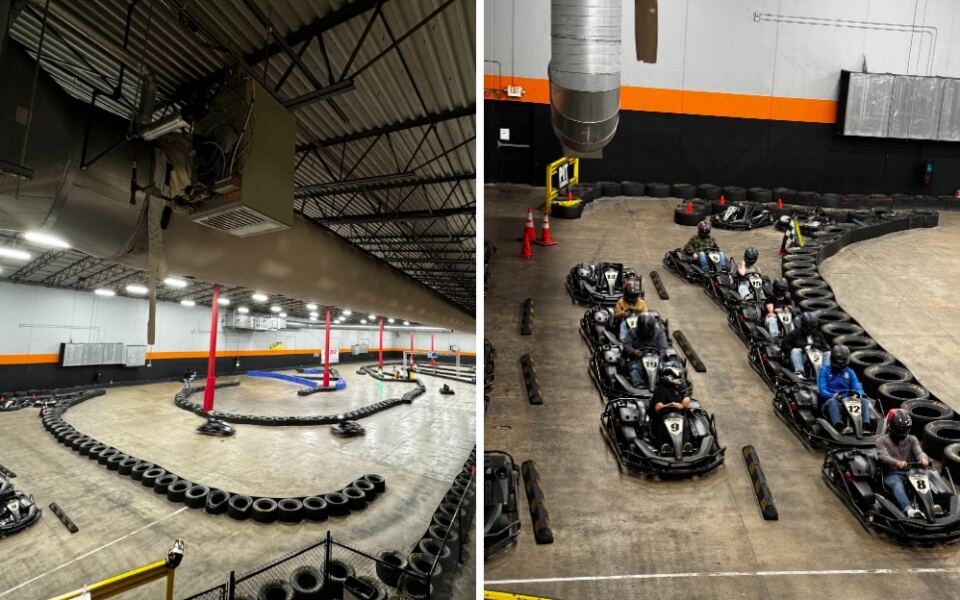
This indoor track runs all year, so a January blizzard cannot cancel race day. Gas-powered karts, a live scoreboard, and a viewing area upstairs make it easy for a whole crew to get involved, even the ones who would rather watch.
Birthday groups, bachelor parties, and weekly league regulars all share the same tight, twisty course. Keep reading to learn where this place is, how it works, when to go, what to bring, and how to make sure your first race feels more like a victory lap than a wrong turn.
A Racing Hangout Hiding in Burnsville
Plenty of Minnesota adventures need a lake, a trail, or a full tank of patience. This one just needs a helmet and a competitive streak.
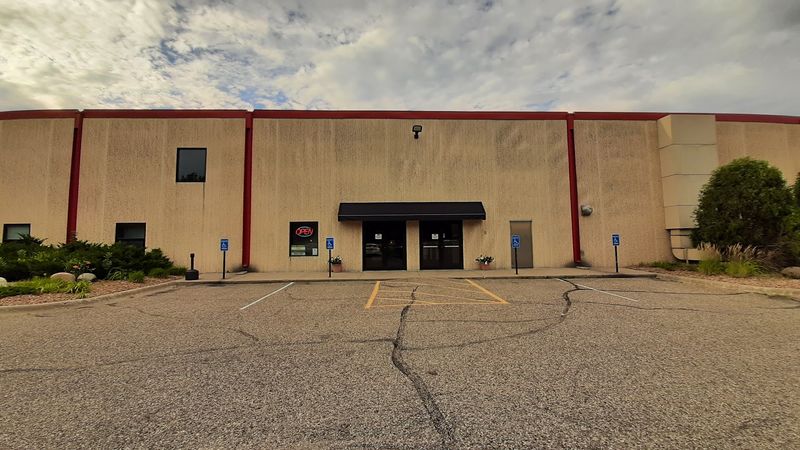
ProKART Indoor Racing sits at 14350 Rosemount Dr, Burnsville, MN 55306, in the southern Twin Cities metro. The venue is a massive go-kart facility with a sprawling space built for year-round racing.
Drivers here range from total beginners to seasoned league racers. That mix is part of what gives the place its personality.
The building itself sits in a working industrial area rather than a flashy entertainment strip. A factory next door makes food ingredients, so the area around the track sometimes carries a noticeable scent from production.
Do not let the plain setting fool you. Inside is a fast, technical track, a timing system that tracks every lap, and an enclosed spot for spectators.
The venue holds a 4.5-star standing across more than 470 opinions online, which says a lot about how many people keep coming back. For a metro area that spends months buried in snow, an indoor track with real gas karts fills a very specific need.
Consider it the grown-up version of the playground, just with helmets and a checkered flag.
Why Gas Karts Change Everything
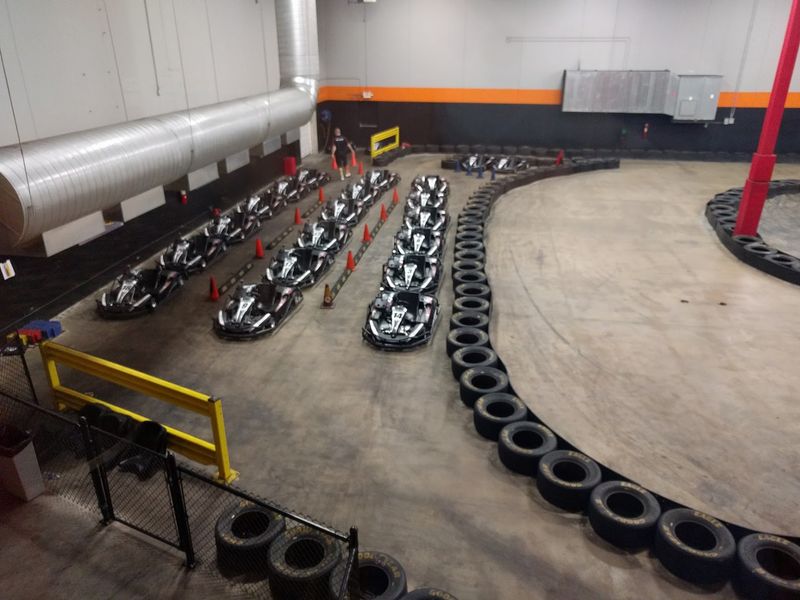
Not all karts are built the same, and the difference shows up the moment the green flag drops. ProKART runs gas-powered karts that burn methanol instead of the electric models found at many indoor tracks.
Methanol helps keep the karts running clean indoors. Fans of the track consider them more fun than electric options, with a punch that makes each straightaway count.
One longtime racer who has driven at around 40 tracks across the country ranks this as one of the best indoor kart venues around. That is high praise from someone with a lot of laps to compare.
The karts are generally kept in good running order. Some run a little better than others, so getting a slightly quicker machine is partly a matter of luck.
Groups often rotate karts between rounds, which keeps things fair over a full event. Each kart drives a bit differently, and figuring out its quirks becomes part of the challenge.
Regulars also point to a kart weighting system that helps level the playing field. Heavier and lighter drivers end up on more even terms, so skill matters more than size.
That small detail turns a fun ride into an honest race.
Tight Corners on a Technical Layout
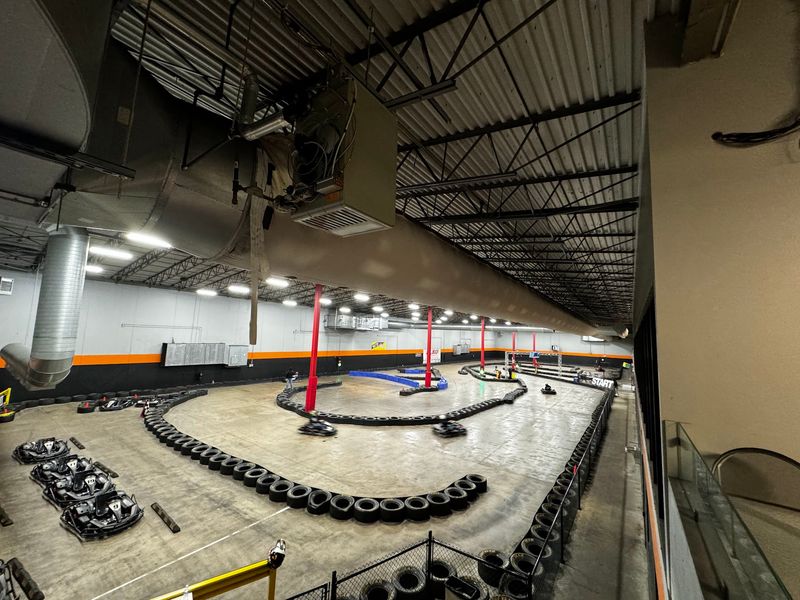
Speed is only half the story on this course. The layout is fast but still technical, so drivers who brake smart often beat drivers who simply floor it.
Since the track is indoors, it runs on the tight side. Corners come up quickly, and passing takes planning rather than raw horsepower.
That design rewards practice. First-timers usually spend the opening laps learning where to turn in, then start chipping away at their times.
The track also comes with a few house habits worth knowing. Drivers pull into specific lanes when the session ends, so it helps to ask staff where to park the kart before heading out.
Flaggers watch the action from around the course. They signal drivers and handle penalties when someone gets too aggressive.
For racers who love a puzzle, the layout is a big draw. Shaving a fraction of a second off a lap feels like solving a riddle that keeps changing.
Every corner is a small lesson, and the scoreboard grades the homework.
The Scoreboard Settles Every Argument
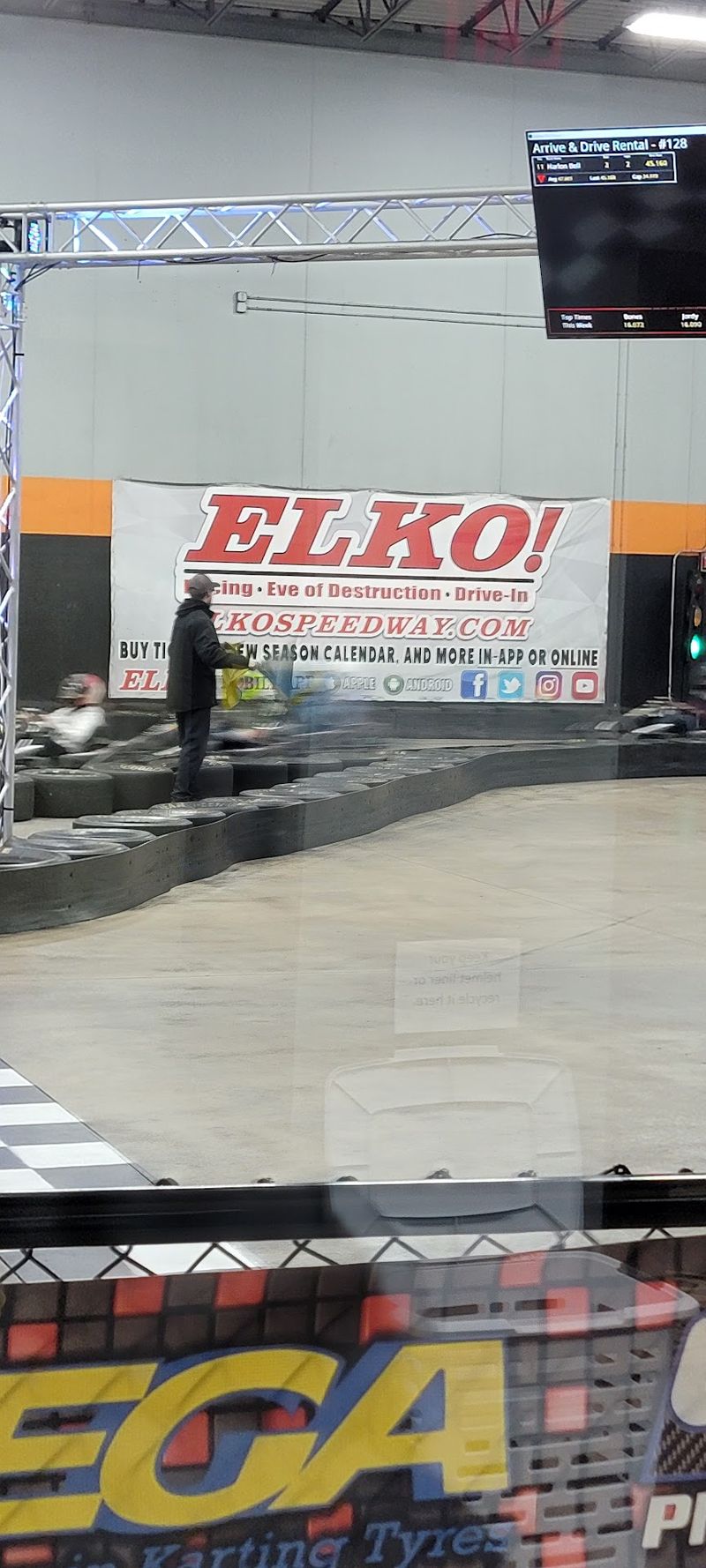
Bragging rights are easy to claim and hard to prove, unless there is a timing screen involved. ProKART tracks lap times and posts them on a scoreboard, which makes every session instantly competitive.
Drivers sign up with their own driver names. That means friends can pick something silly or intimidating and watch it climb, or slide, down the rankings.
Lap times come up again and again among regulars. People love comparing numbers between rounds and between visits.
For large groups, the scoreboard does extra work. Staff can mix groups so the fastest drivers end up racing each other in later rounds.
That keeps the battle at the front tight while slower drivers enjoy their own close finishes. Nobody spends the whole race watching taillights disappear.
The timing also helps newcomers measure progress. Seeing a lap time drop by a second or two after a few races is a quiet thrill all its own.
Numbers do not lie, and here they make sure nobody can fudge the story on the drive home.
Check-In, Helmets, and the Safety Video
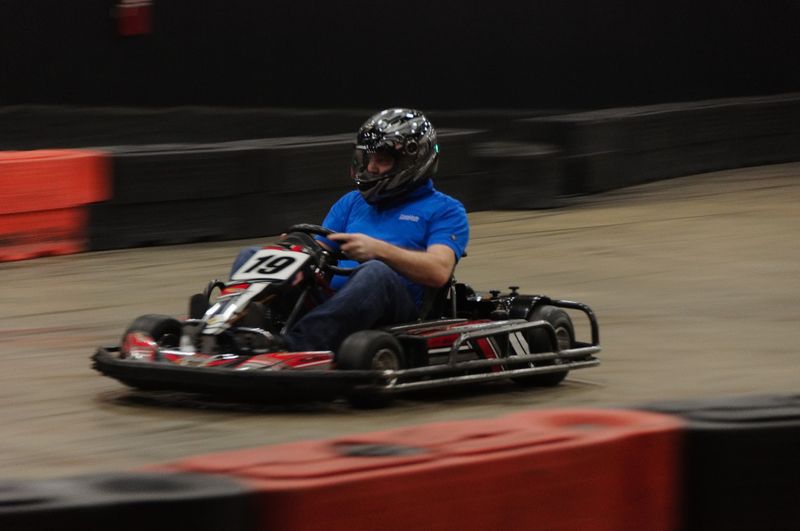
Every race starts long before the green flag. At ProKART, the first stop is the front desk for check-in.
New drivers fill out paperwork, pick a driver name, and watch a safety video. Staff often walk people through check-in and rules quickly and clearly.
A small tip helps here. First-timers should ask right away which forms to complete, since the steps are not always obvious to someone who has never raced before.
Helmets are available to rent, and they are considered nice ones. Serious racers sometimes prefer to bring their own helmet along with racing gloves.
The gloves help with grip on the wheel. They also add warmth, which matters more than many people expect.
Staff are helpful during check-in, during the video, and while racing. Most guests describe the crew as easygoing and friendly.
That said, the track has rules for a reason, and following them keeps things smooth. A few minutes of listening up front makes the laps that follow much more fun.
Pack a Coat for the Fast Lane
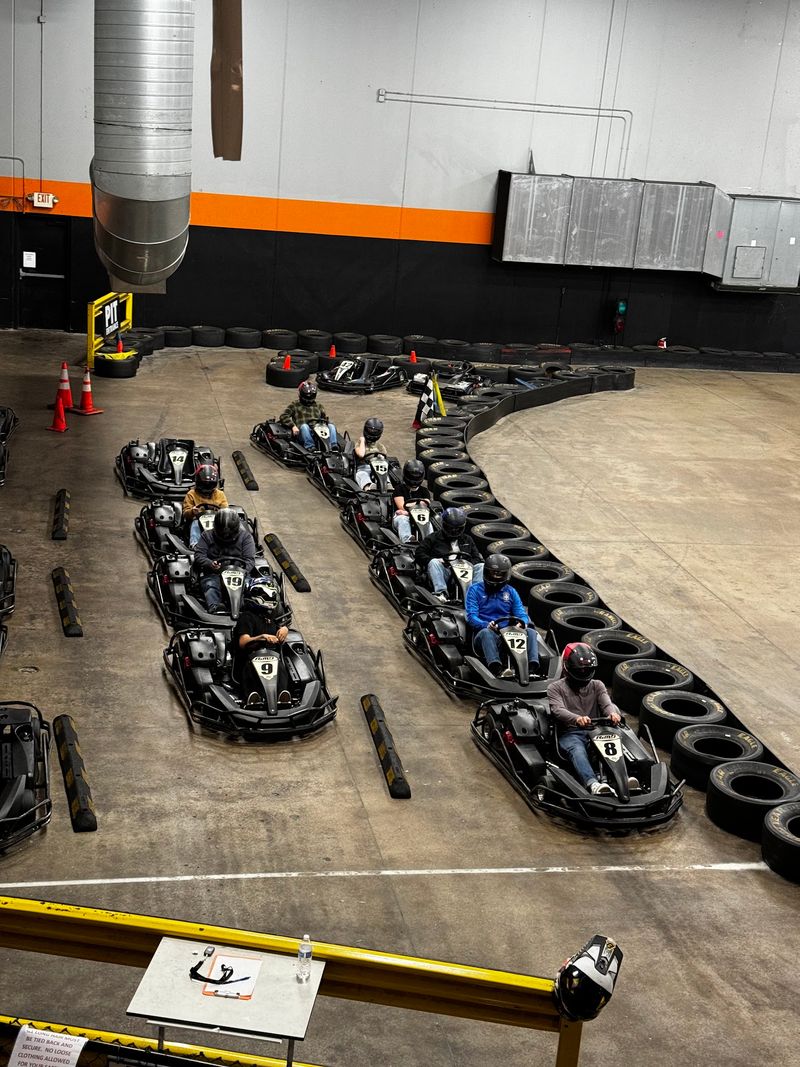
Here is a packing tip nobody expects for an indoor activity. Bring a coat.
The track speeds make racing a chilly adventure, even inside a building. Air rushing past at speed adds up over a full session.
Gloves help too, both for warmth and for a better grip on the wheel. A layer that is easy to zip up and remove works well between rounds.
Drinks are another smart addition. Racing takes more energy than it looks, especially during a long group event with several rounds.
Comfortable clothes that are easy to move in make a difference as well. Drivers spend a lot of time leaning into corners and gripping the wheel.
Still, the indoor setup is the big win in Minnesota. It turns a frigid January afternoon into prime racing weather.
When the thermometer outside drops below zero, the track keeps humming along. Dressing a little warmer is a small price for racing season that never ends.
Bachelor Parties That Actually Go the Distance
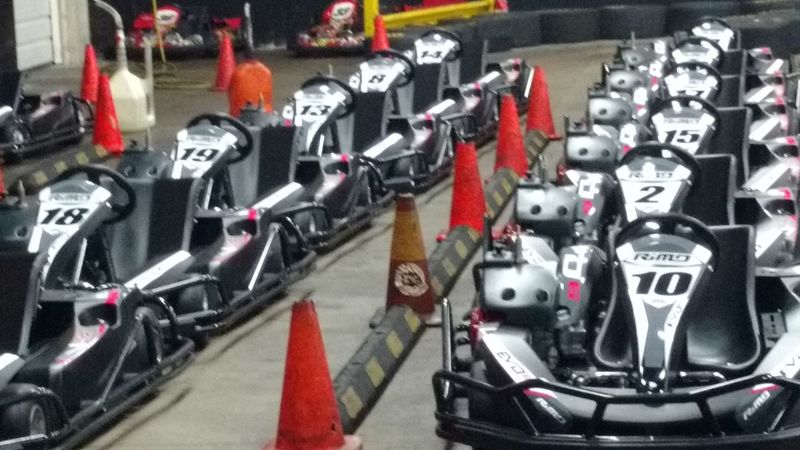
Planning a bachelor party can feel like herding cats. A racing night solves a lot of that in one booking.
Bachelor parties are one of the most talked-about uses for ProKART. Groups of 20 racers have been set up with smooth, on-time evenings on weekend nights.
One such group raced from 7 to 8:30 pm and split into two groups. Staff mixed the racers across rounds so the top drivers ended up battling each other.
Everything kept on schedule, which matters when a groom has a packed night planned. The karts were close in power, so the results felt fair.
Another large crew of about 15 people ran a full event across three rounds. Everyone got a different kart each time, and the whole thing took about two hours with breaks.
That event came to roughly $65 per person. It ended up super fun and super competitive.
For a group that loves friendly rivalry, the format is hard to beat. The trophy might be imaginary, but the trash talk will be very real.
Birthday Laps for Every Age
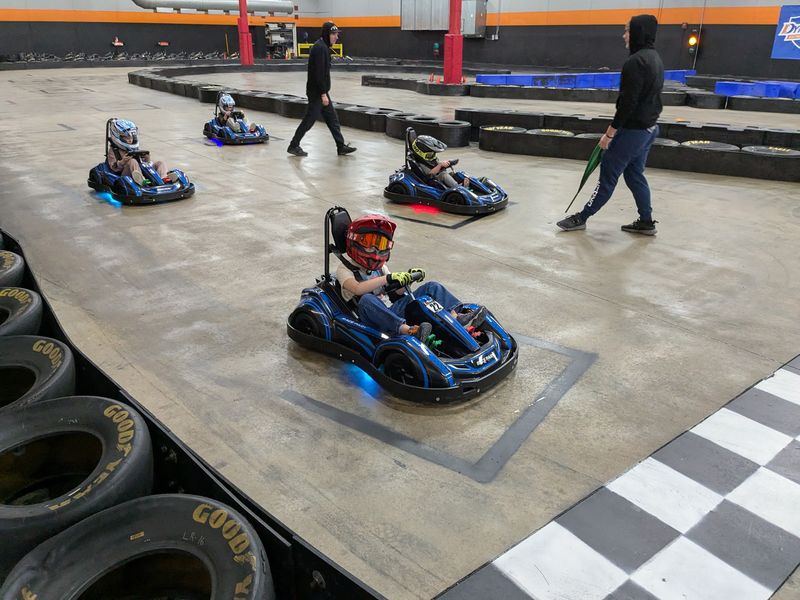
Cake is nice, but a checkered flag is unforgettable. Birthday parties rank among the top reasons people book time at ProKART.
Families have celebrated milestones like a 21st birthday here. Affordable prices, custom driver names, and rental helmets all help make it feel like an event.
The venue also welcomes young kids. Some families bring children between about 3 and 7 years old and praise the experience for little ones.
Parties with mixed ages and driving abilities can work well too. Grandparents, parents, and teens can all find a role, whether behind the wheel or cheering upstairs.
A little planning helps a birthday go smoothly. Calling ahead confirms availability, since private events and leagues can fill the schedule.
It also helps to ask staff about pit lane rules before the first race. Knowing where to pull in keeps young drivers confident and the day on track.
The best birthday gift might just be a personal best lap time.
Upstairs Seats for the Cheering Section
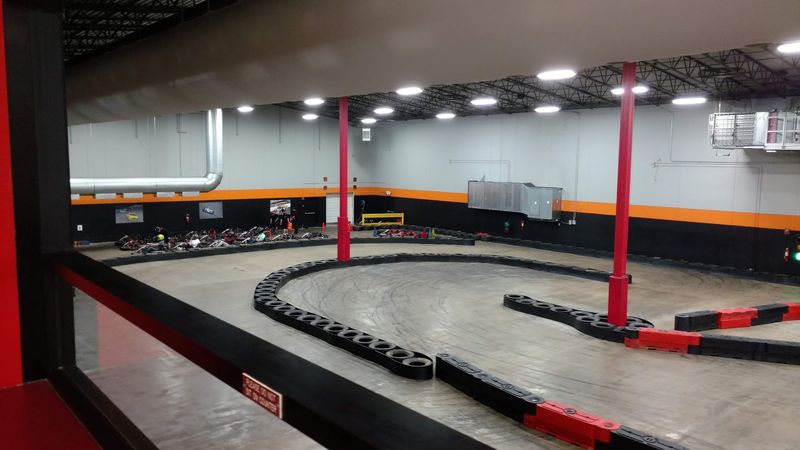
Not everyone wants to drive, and that is perfectly fine here. ProKART includes an enclosed observation area upstairs for non-racers.
The spectator box offers plenty of seating. Friends and family can follow the action without standing on the track floor.
That setup is a big reason the venue suits mixed groups. A parent can watch a teen race, or a nervous friend can scout the competition before deciding to try.
Restrooms are kept clean, which matters during a long party. The facility as a whole is generally described as clean and well kept.
For birthday groups, the viewing area doubles as a hangout between heats. People can compare times, plan strategy, and rest before the next round.
Watching also has its own entertainment value. Seeing a friend take a corner too wide never gets old.
Sometimes the loudest fans in the building are the ones who never put on a helmet.
League Nights and the Regular Crowd
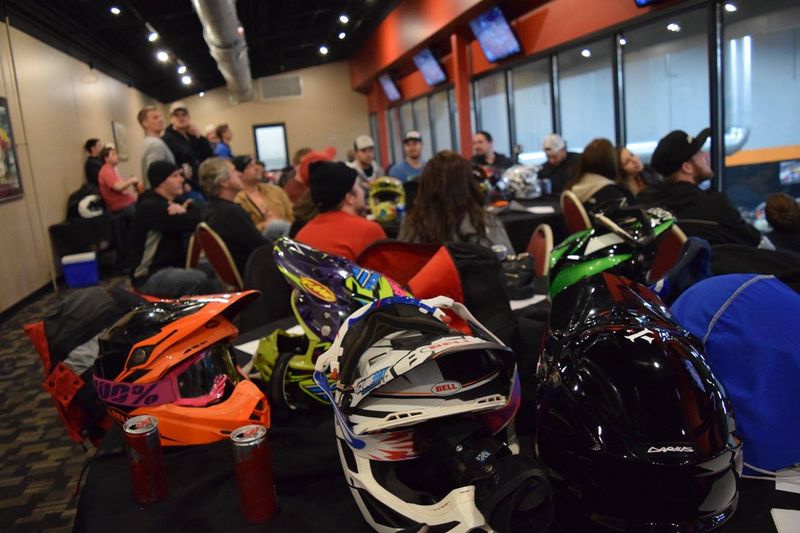
Some people come once for a party. Others show up week after week with their own gear and a serious game plan.
ProKART runs league racing, with regulars racing on Sundays, Tuesdays, and Wednesdays. Racers of every level take part.
Longtime league drivers call it the cheapest form of racing around. They are thankful to have a place like this in Minnesota.
The owners are known as friendly, and the staff is laid back as long as drivers use good judgment. Locals who live nearby keep coming back for league nights.
Memberships make the deal even sweeter. One member paid $45 for five races on a league night, while three races plus the annual membership had cost $77.
The track also feels more serious than some casual kart spots in the region. That appeals to drivers who want real competition.
For anyone curious about the racing hobby, league night is a natural next step. Today’s casual racer could be next season’s points leader.
Racing Etiquette and Mixed Skill Levels
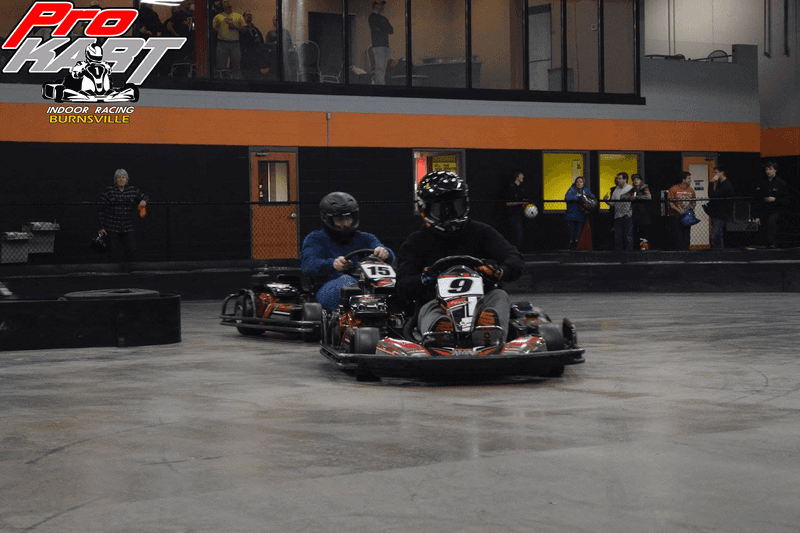
Open racing has one quirk worth understanding before arrival. Walk-in drivers often share the track with strangers of very different skill levels.
On Saturdays, drivers are pretty much guaranteed to race with other people. When parties are scheduled, walk-in spots are limited and work on a first come, first served basis.
That can mean a casual group lines up next to experienced, very competitive drivers. Some guests have run into overly aggressive racers who bump others into walls.
Staff work to penalize that kind of behavior when it happens. Flaggers are there to keep things in check.
Groups that want a more relaxed session have options. Weekdays are best for small groups who want to avoid waits and crowded heats.
A large enough group can also fill a race by itself. Some guests start with a mixed heat and later get a session with just their own small crew.
A little timing strategy off the track can make the racing on it far more enjoyable.
Hours and the Call-Ahead Rule
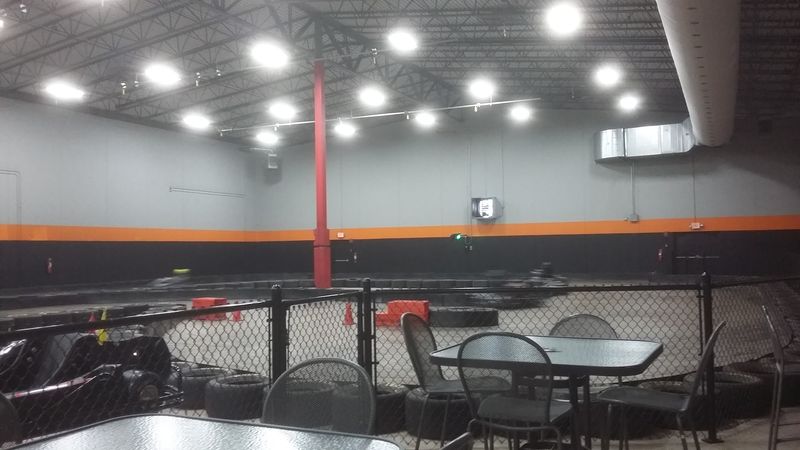
Timing a visit right saves a lot of hassle. ProKART keeps longer hours on weekdays than many people expect.
The track opens Monday through Thursday from 12 to 9 pm. Friday and Saturday run from 11 am to 9 pm, and Sunday runs from 12 to 7 pm.
The most important tip is simple. Call ahead before driving over.
Private parties, events, and leagues can take over the track on many days. Walk-in racing may not be available during those times.
Hours have also been modified at times, such as during building construction. A quick call or text during business hours helps confirm open track time.
Once there, the process is straightforward. Drivers wait their turn and race after the group ahead finishes.
Weekday afternoons tend to be the calmer option. A two-minute phone call beats a wasted trip across the metro every time.
What a Race Day Costs
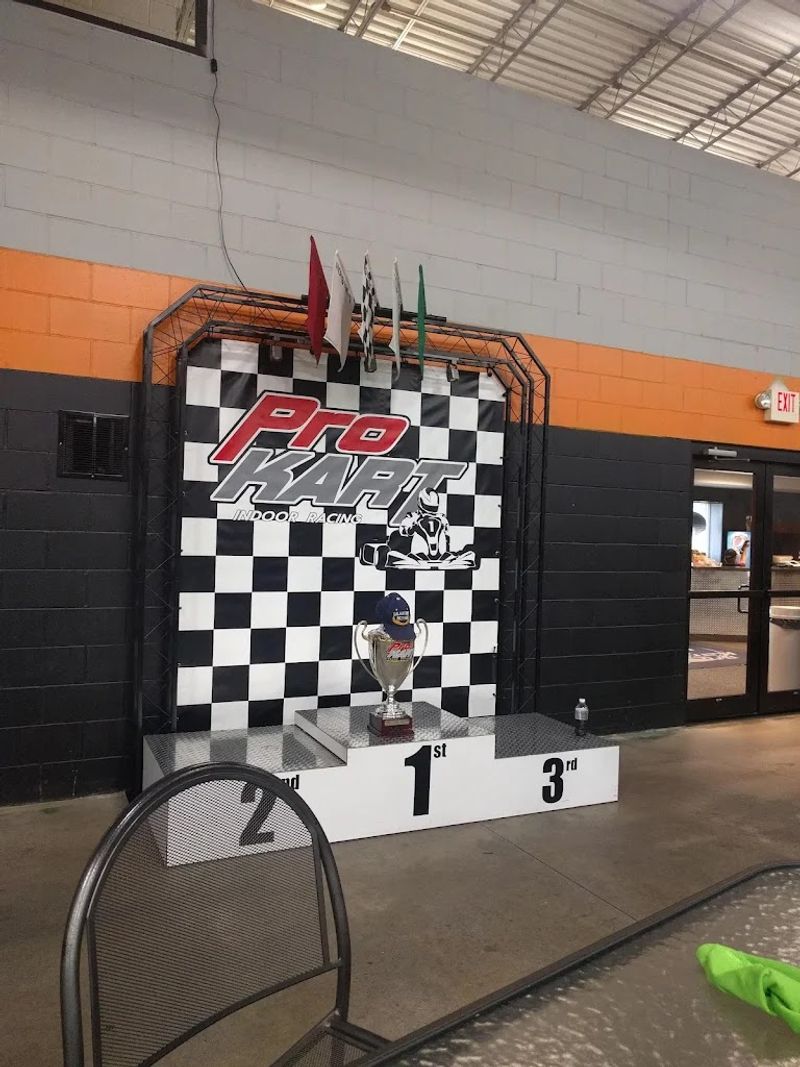
Racing budgets vary a lot depending on how a group plays it. The good news is that many drivers consider the prices excellent for real gas karts.
Members get the best deal. Five races on a league night have come to $45 with a membership.
Earlier, three races plus an annual membership cost $77. That combo pays off fast for anyone planning to return.
Casual visits can add up more quickly. One family paid about $175 for three people to run two races each.
Large groups often land somewhere in between. A group of about 15 paid around $65 per person for a three-round event lasting about two hours.
Helmet rentals are available for those without their own gear. Bringing a personal helmet is an option for regulars.
The smartest move is to confirm current prices when calling ahead. Then the only surprise will be who wins.
The Checkered Flag on a Burnsville Favorite
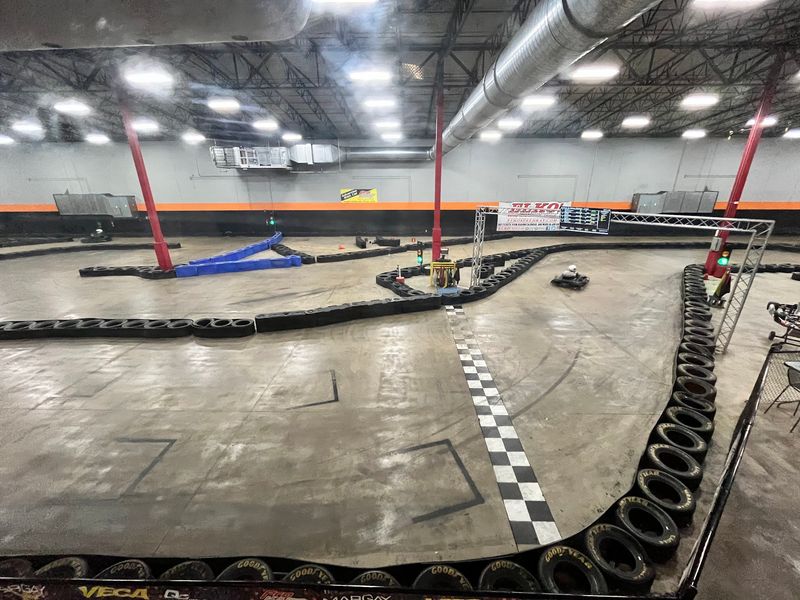
Few places manage to make a group of grown-ups act like excited kids within ten minutes. ProKART pulls it off with fast gas karts, a technical track, and a scoreboard that keeps everyone honest.
The venue shines for groups. Bachelor parties, birthdays, and friend reunions all fit the format well.
League racers find a welcoming home and an affordable way into the hobby. Families with young kids and spectators who just want to watch have a place too.
A few practical moves make the experience better. Call ahead, dress warmer than seems necessary, and pick a weekday for a calmer session.
First-timers should ask questions at the front desk and learn the pit lane rules. Serious drivers might bring their own helmet and gloves.
The track runs year-round, so no Minnesota winter can shut it down. That alone earns it a spot on the local fun list.
Somewhere on that scoreboard, a driver name is waiting to be claimed by someone who has not raced since childhood.
Share this story