Some restaurants fill up because of a clever ad. This one fills up because people keep telling their friends, and those friends keep telling theirs.
In Northeast Minneapolis, a modest corner spot has turned weekend brunch into a planning event, with tables booked ahead and a line of hopefuls waiting outside before noon. The kitchen leans on Hmong family traditions and pairs them with a bakery case that regulars treat like a must-stop before the meal even starts.
Its chef has earned national attention, the kind that turns a neighborhood restaurant into a destination for food-focused day-trippers from across the state. Here is what makes the place tick, from its roots and its pastry counter to the seating tricks, the hours, and the best strategy for scoring a table without a long wait.
An Address Worth Circling on the Map
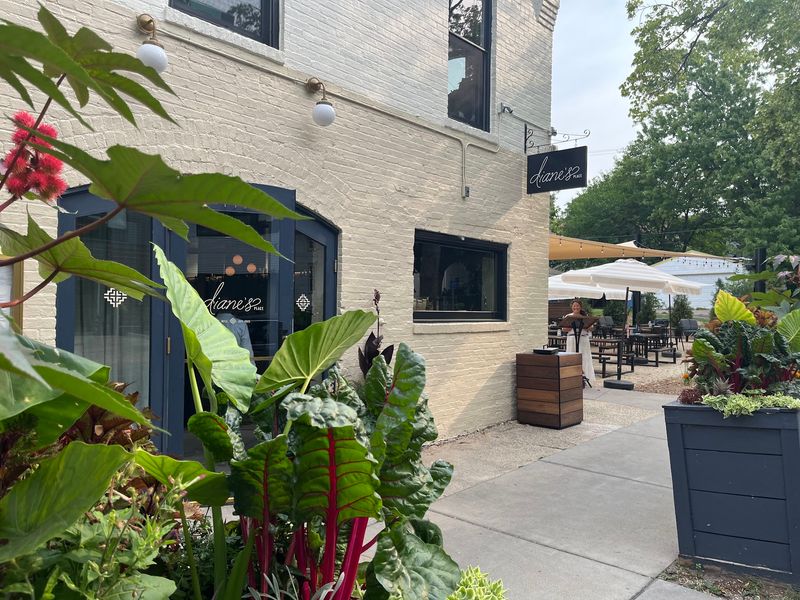
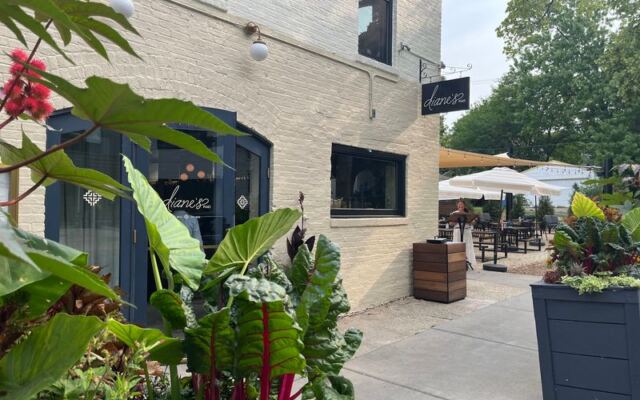
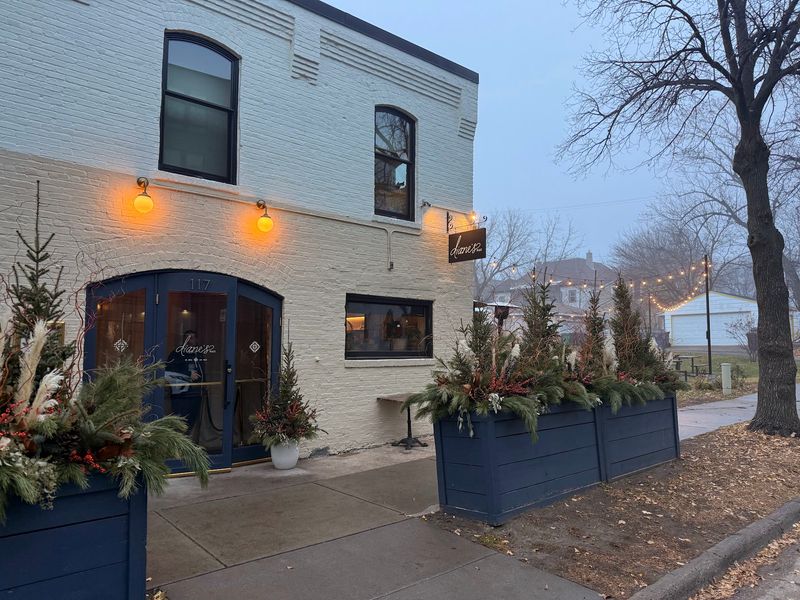
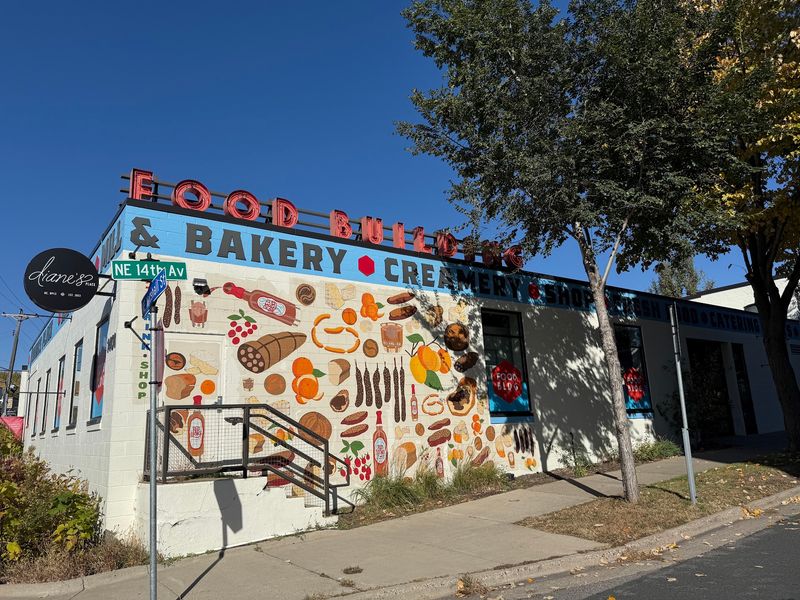
Not every destination restaurant sits on a busy downtown boulevard. Diane’s Place is tucked into a neighborhood block at 117 14th Ave NE, Minneapolis, MN 55413, in the Northeast part of the city.
Officially, it is listed as an Asian restaurant. In practice, it is a Hmong-inspired kitchen with a serious bakery attached, which is a combination few places in Minnesota attempt.
The location matters more than it first seems. Northeast Minneapolis has a reputation for independent businesses, and this spot fits right into that streak of local, owner-driven places.
It is also a women-owned business, a detail that comes up often among the people who champion it. That local pride shows in how quickly word spreads about the restaurant.
Numbers back up the buzz. The restaurant holds a 4.8-star average across more than 1,400 public ratings on Google, a figure that is hard to keep steady at that volume.
For day-trippers coming from Rochester, Duluth, or St. Cloud, the address is easy to plug into a map and reach from the major highways feeding into the Twin Cities.
Consider this the starting pin. The more interesting part is who runs the kitchen and why so many people are willing to plan a whole morning around it.
The Chef Behind the Name
Behind every restaurant named after a person, there is usually a good story. Here, that person is Chef Diane, and she is very much part of the daily experience.
Her reputation arrived before the restaurant did. Diners often mention that they came specifically because of her track record and the national recognition attached to her name, including the James Beard attention that put this kitchen on more radars.
What surprises many first-timers is how present she is. Chef Diane regularly stops by tables to check in, chat, and make sure everything is going well.
Those visits are not quick drive-bys either. Guests describe her as gracious, confident, and genuinely friendly, the type of host who makes a busy dining room feel personal.
That kind of hands-on approach is rare at a restaurant this popular. Many chefs with a national profile stay in the back, but this one seems to enjoy meeting the people who traveled to eat her food.
Her cooking honors her Hmong roots while adding fresh, creative turns. That balance between heritage and invention is the thread that runs through the entire menu.
It also explains why the restaurant feels like more than a trend. There is a clear point of view in the kitchen, and it belongs to the woman whose name is on the sign.
A Building With Its Own Personality
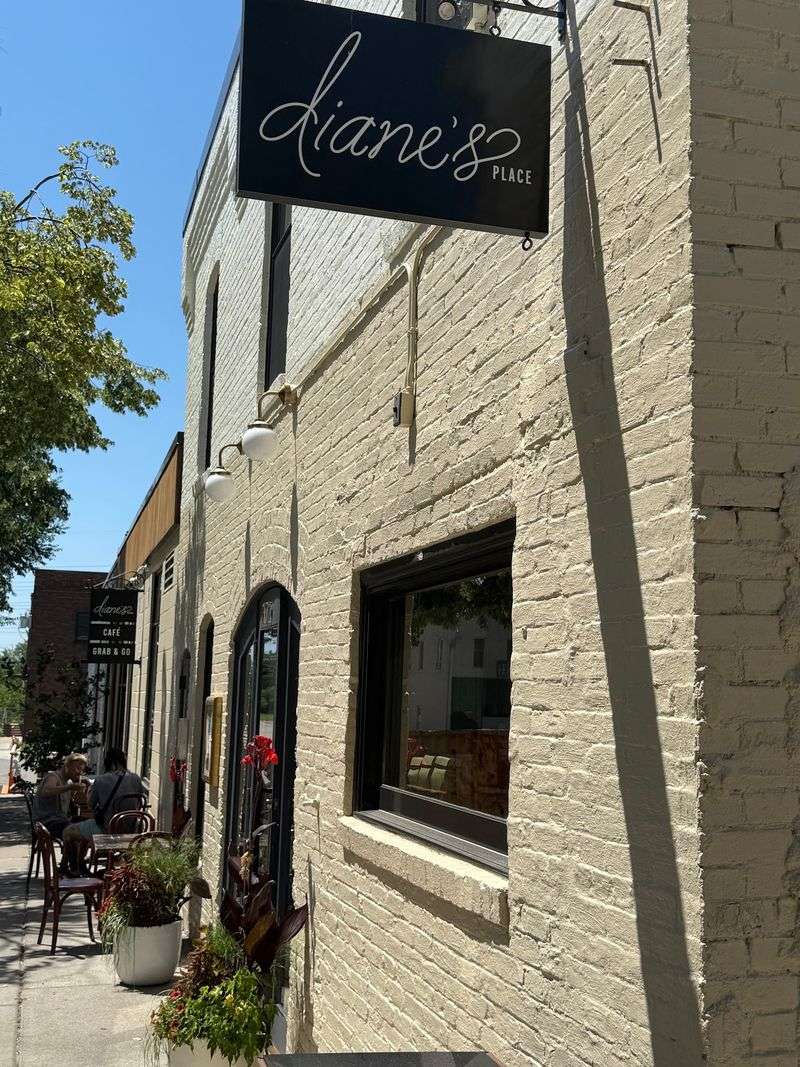
First impressions start with the building itself, and this one tends to win people over before anyone orders.
Guests frequently call the space a cool building with plenty of character. Inside, the setting manages to be upscale and approachable at the same time, which is a tricky line to walk.
The dining room is described as intimate rather than sprawling. That smaller footprint is part of why tables are in such demand, and it keeps the room from feeling like a factory line.
Cleanliness comes up again and again. The restaurant is consistently described as well put together, tidy, and properly staffed, even during the morning rush.
The overall mood suits conversation. On busy mornings, background music stays soft and people tend to talk at a comfortable volume, so groups can actually hear one another.
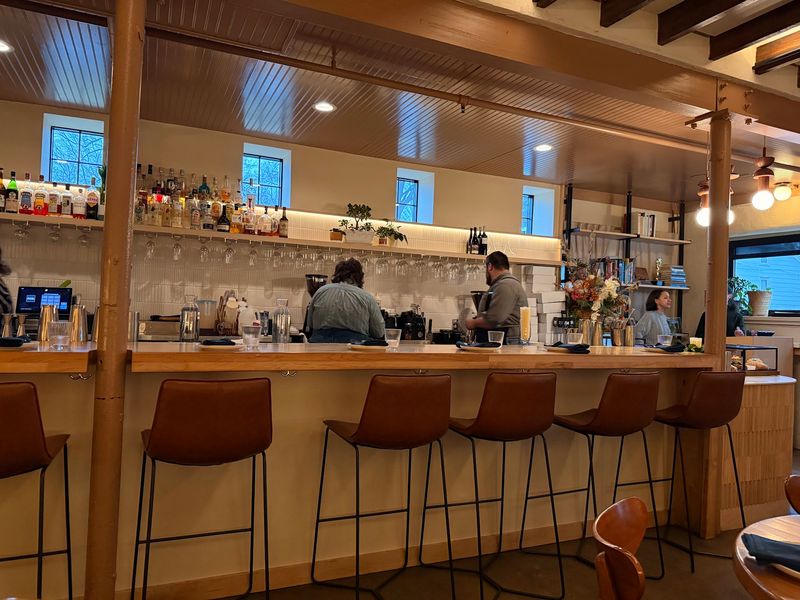
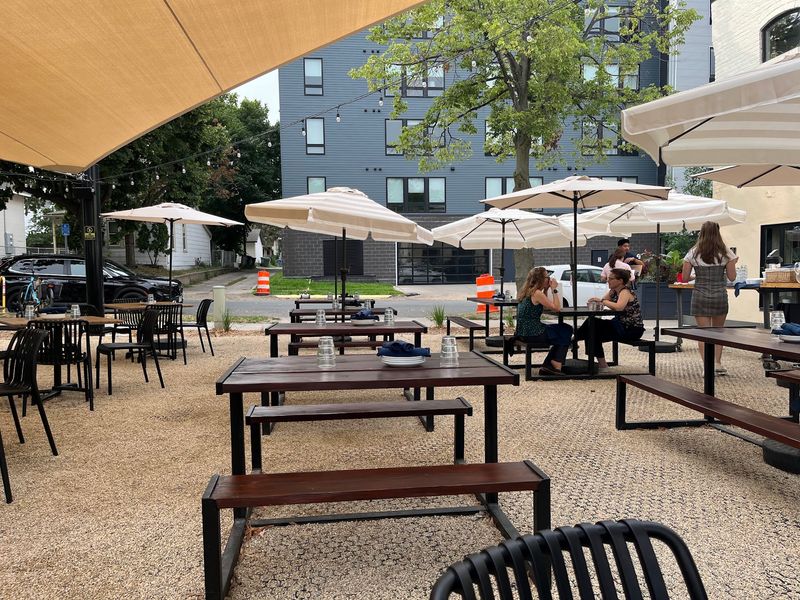
There is also a mix of seating styles. A bar area, regular tables, and an outdoor patio give guests different ways to experience the space depending on the day.
Some fans have even daydreamed aloud about the restaurant someday expanding into a larger building nearby. For now, the compact setup is part of the charm, and it keeps every seat feeling like a small win.
The Bakery Case That Starts Every Visit
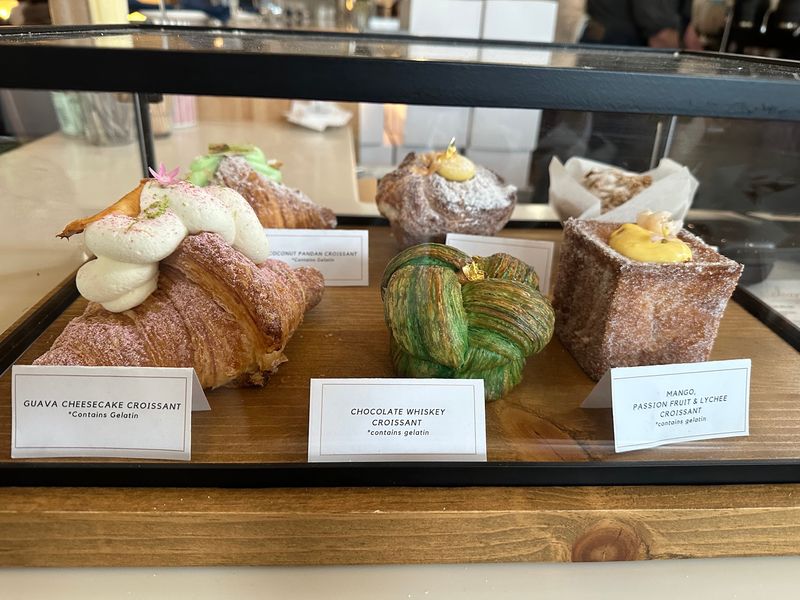
Plenty of restaurants offer dessert. Very few make their pastry counter the opening act, and that is exactly what happens here.
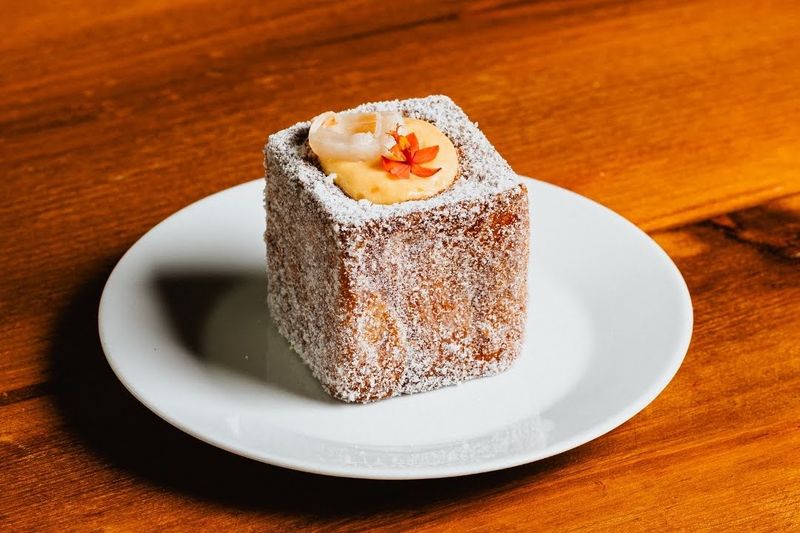
Many groups order a round of baked goods to share before their main meal arrives. It has become something of a ritual among regulars, and newcomers pick up the habit fast.
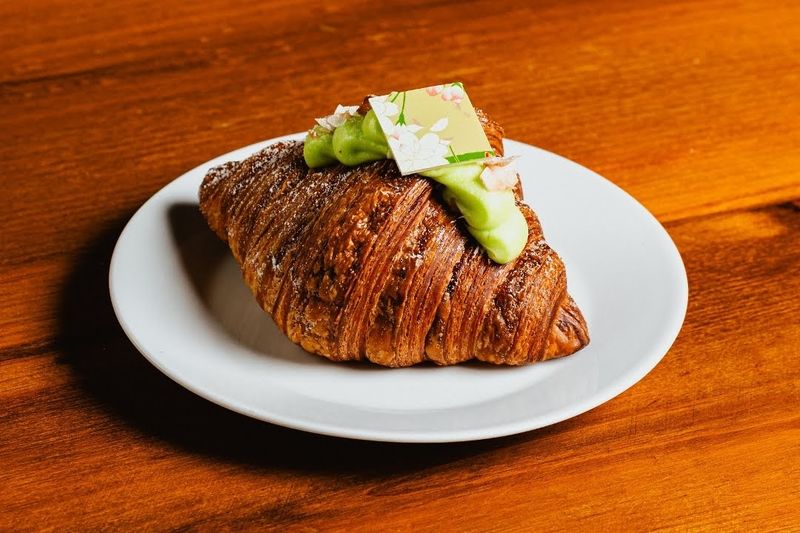
The pastry program is known for creative, out-of-the-box combinations. Flavors often borrow from Southeast Asian traditions and pair them with classic French techniques, which leads to options most bakeries simply do not carry.
Savory pastries sit right alongside sweet ones. That mix lets a table build a small sampler that works as an appetizer course rather than a sugar rush.
Seasonal flavors rotate through the case too. Returning guests often find something new compared with their last trip, which gives everyone a reason to come back.
The pastry team earns steady praise for its skill. Fans regularly point out that whoever runs the bakery side clearly knows the craft inside and out.
Some people even stop in just to grab a box to go. That option is handy for day-trippers who want to bring a little of the trip home for the rest of the household.
Brunch, the Main Event
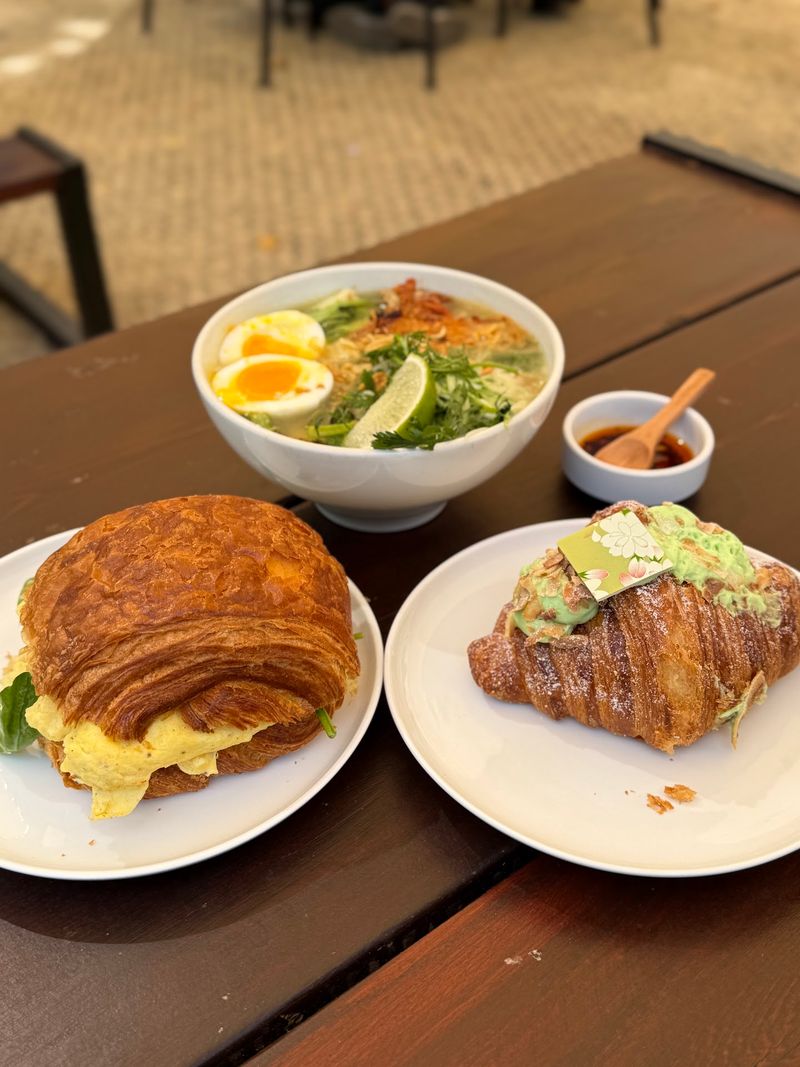
Ask around Northeast Minneapolis about this restaurant, and the conversation usually turns to brunch within a minute.
Morning service runs from 8 AM to 2:30 PM on every open day. That window is when the restaurant sees its biggest crowds, especially on Fridays and weekends.
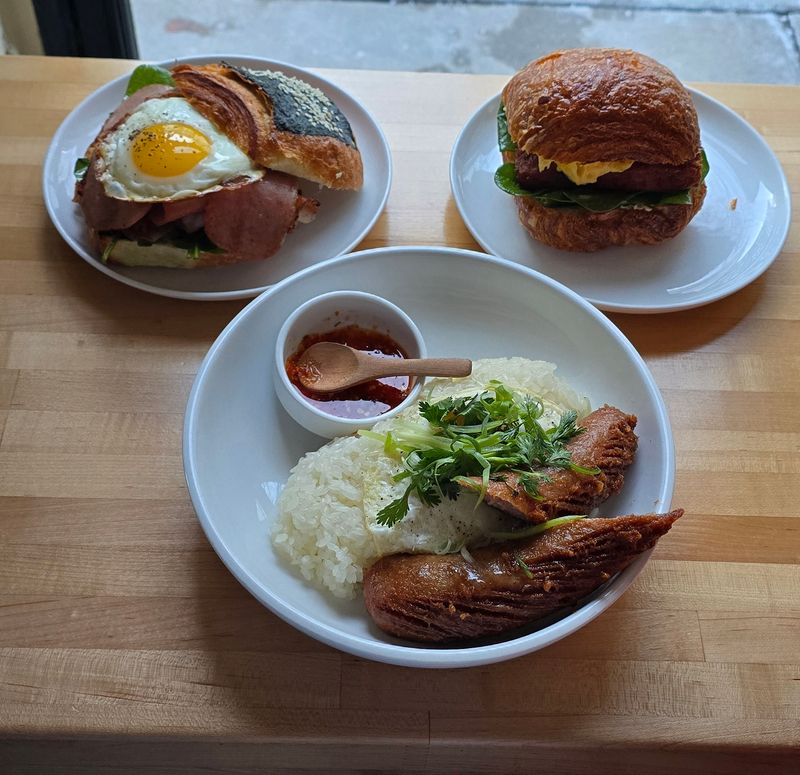
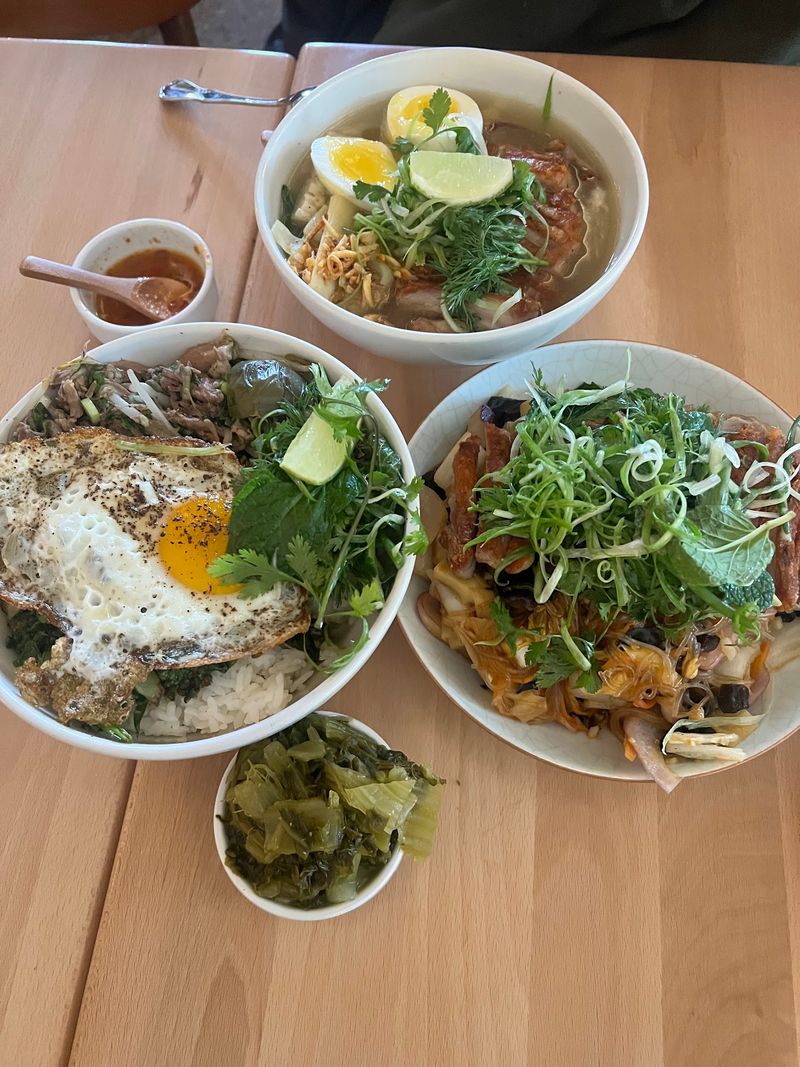
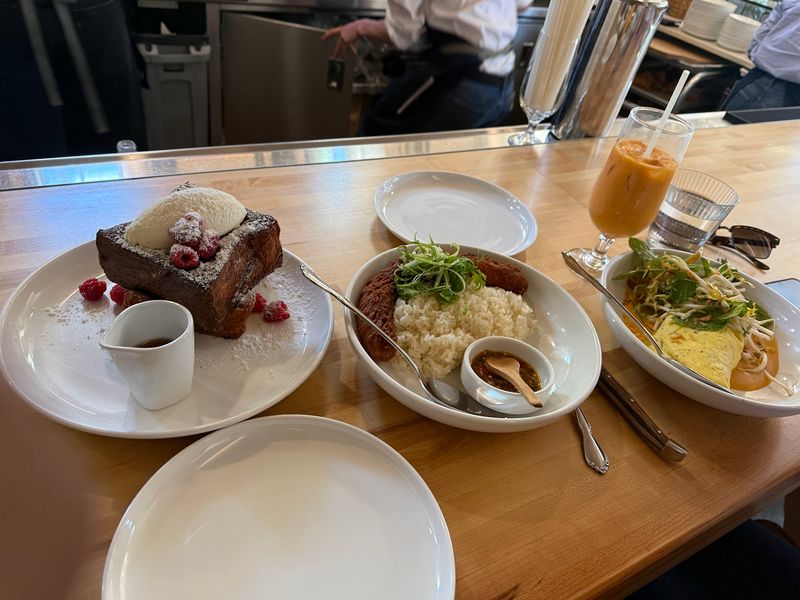
The brunch menu blends Hmong-inspired plates with breakfast staples that get a creative twist. Diners mention egg dishes, sweet morning plates, salads, soups, and rice bowls all sharing the same menu.
Portions run generous. Groups often order several plates to share, and plenty of people head out with leftovers.
Vegetarian diners have options as well. Some meatless items are available even early in the morning, which is not always the case at brunch spots.
Coffee drinks round out the morning lineup for anyone who needs a lift before the drive home.
Plenty of out-of-towners call their brunch here the best meal of their entire trip to the city. A few have even come back twice during the same weekend, which says a lot about how strong the morning lineup is.
The takeaway is simple. If only one meal fits into the schedule, brunch is the one most fans would point toward first.
When the Lights Go Down for Dinner
After the brunch crowd clears out, the restaurant takes a short breather and then reopens with a different personality.
Dinner runs from 5 to 10 PM on Thursday, Friday, Saturday, and Sunday. Monday and Tuesday are brunch-only days, so evening plans need to land later in the week.
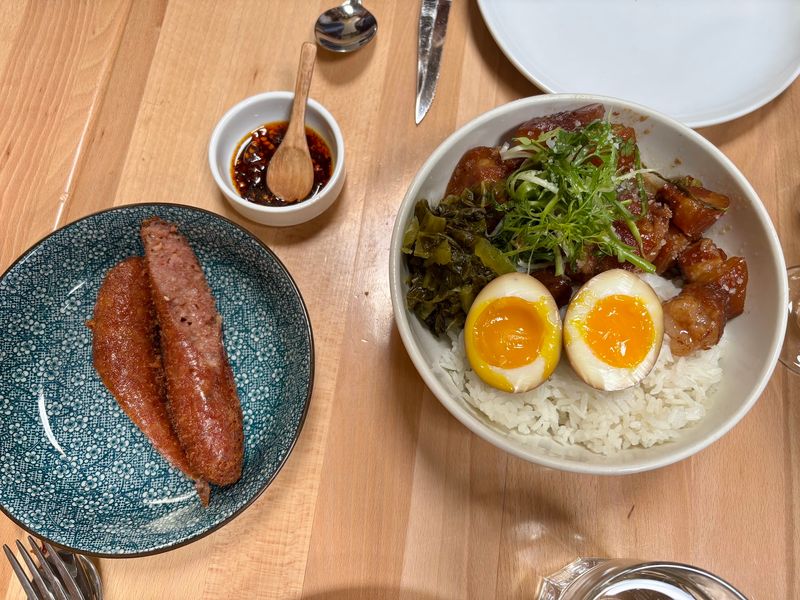
The dinner menu leans into heartier Hmong-inspired entrees, shareable small plates, and seafood options. Many tables start with a couple of appetizers, then move to individual mains and a shared dessert.
Desserts deserve a mention of their own. The evening sweets menu gets plenty of praise, and guests often wish they had saved more room to try additional items.
Opinions on dinner are a bit more mixed than on brunch. Most diners rave, while a few feel certain dishes did not match the morning hype, so expectations should stay realistic.
The mood shifts toward date night after dark. Couples, families, and small groups of friends fill the room, and staff give tables enough space to linger without feeling rushed.
For anyone deciding between the two services, dinner offers a more relaxed pace. Brunch brings the buzz, but the evening offers a quieter look at what the kitchen can do.
Hmong Heritage on Every Plate
Minnesota is home to one of the largest Hmong communities in the United States. That makes a Hmong-rooted restaurant earning national attention here feel especially meaningful.
The kitchen takes classic family dishes and lifts them with thoughtful extras. Diners who grew up with Hmong cooking describe recognizing the flavors from home while noticing small new touches that balance each plate.
Not every dish is reinvented. Some stay close to tradition, which gives the menu a mix of familiar comfort and creative experiments.
Sauces play a big role. Many plates arrive with house-made sauces on the side, and heat levels can often be adjusted for guests who prefer milder or spicier options.
Rice-based dishes, pork plates, fresh salads, and soups all appear on the menu. The variety means first-timers can build a meal that shows off several sides of the cuisine at once.
For newcomers, the menu is a welcoming introduction rather than an intimidating one. Servers are known for giving clear, helpful recommendations to anyone unsure where to start.
That openness may be the restaurant’s quietest achievement. It invites a broad audience to learn about Hmong food, all while staying true to the community that inspired it.
Hospitality That Remembers the Occasion
Great food gets people in the door once. Warm hospitality is what brings them back, and the team here seems to understand that completely.
Staff members across every role earn praise, from hosts and servers to bussers and managers. Guests describe the whole crew as kind, upbeat, and genuinely happy to be there.
Attention to detail stands out. Servers check in at the right moments, offer smart recommendations, and keep orders moving promptly even on packed mornings.
Small surprises also pop up. One couple celebrating a rare evening out without their kids received a complimentary sweet treat from their server, a gesture that turned a nice dinner into a memorable one.
Birthday diners report a similar feeling. Multiple staff members tend to stop by, so special occasions get plenty of attention.
Solo diners are not overlooked either. Those who sit at the counter describe the same friendly, outgoing service as the larger tables.
All of this happens in a dining room that is almost always busy. Keeping that level of warmth during a rush is no small task, and it is a big reason the restaurant has so many loyal regulars.
Small Touches Crafters Will Appreciate
Sometimes the most memorable part of a meal shows up at the very end, tucked inside the bill.
The restaurant presents its checks in tab booklets decorated with Hmong embroidery. It is a small detail, but many guests notice it and mention it long after their visit.
Hmong needlework has a long and respected tradition. Story cloths and intricate textile patterns are an important part of the culture, often passed down through generations.
For Minnesota crafters and textile fans, that touch adds a layer of interest beyond the menu. It ties the dining experience back to a living art form with deep community roots.
It also shows how carefully the overall concept was put together. The heritage on the plates carries through to the objects on the table.
Details like this help explain why the restaurant feels personal rather than corporate. Nothing about it seems copied from a template.
Next time the bill arrives, take a moment to look at the cover before signing. It is a quiet nod to culture and craftsmanship, and it makes paying the check a little more interesting than usual.
Patio Seats and Bar Stools
Here is a tip that regulars love to share: not every seat requires a reservation.
The bar area and the outdoor patio operate on a first-come, first-served basis. That makes them the best fallback for anyone who could not snag a booking.
The patio is especially popular during warmer months. On sunny mornings, shaded tables give brunch crowds a comfortable spot outside, even when the indoor room is full.
Bar seating works well for pairs and solo diners. Guests who sit there often get chatty, attentive service and a close-up view of the room’s energy.
Timing helps a lot. Arriving early in the morning or right as dinner service begins improves the odds of grabbing one of these walk-in spots.
Patience is still part of the plan. On peak days, small groups may wait outside for seats to open up, so a flexible schedule makes the experience smoother.
Families with larger groups will usually want a reservation rather than gambling on walk-in seating. For couples and solo explorers, though, the bar and patio are the restaurant’s best-kept open secret.
Who Fits Right In Here
Some restaurants cater to one specific crowd. This one seems to welcome just about everyone who appreciates a well-run kitchen.
Food-focused day-trippers are a natural fit. The mix of Hmong-inspired plates and inventive pastries delivers something different from a typical brunch stop, which makes the drive feel justified.
Couples often choose it for date night. The intimate dining room and relaxed dinner pace suit evenings when conversation matters as much as the meal.
Families and friend groups do well here too. Large, shareable portions make it easy to order several plates and pass them around the table.
Out-of-town guests are a common sight. Locals frequently bring visiting friends and relatives here to show off what Minneapolis can do.
Members of the Hmong community also find meaning in the menu. Dishes that echo home cooking, served in a polished setting, carry a sense of pride.
Special occasions fit easily. Birthdays, anniversaries, and treat-yourself outings all show up regularly in the dining room.
The common thread is curiosity, and anyone willing to try something new will likely feel right at home.
The Reservation Game Plan
Popularity comes with a price, and here that price is planning ahead.
Reservations are booked out for a stretch, though usually not to an extreme degree. Securing a table a little in advance is the most reliable way to avoid a wait.
Bookings are handled through Resy. A refundable deposit of $25 is held for each reservation and only charged if the party does not show up.
Cancellations are allowed up to two hours before the reserved time. That flexibility helps day-trippers who might hit unexpected traffic or weather on the way into the city.
Without a reservation, the restaurant can be tough to crack at peak hours. It has been nearly full even mid-afternoon on a holiday Friday, with people waiting outside.
Evenings can be a little easier. Arriving early in the dinner window, around 5 PM, often gives walk-ins a better shot at bar seats.
A smart combo for travelers is booking brunch in advance and leaving dinner flexible. That way, the main meal is locked in, and the rest of the day stays open for exploring Northeast Minneapolis.
Hours, Costs, and a Parking Spot
Practical details can make or break a road trip, so here are the essentials.
The restaurant opens at 8 AM and serves brunch until 2:30 PM on Thursday through Tuesday. Dinner runs from 5 to 10 PM on Thursday, Friday, Saturday, and Sunday.
Wednesday is the day off. The restaurant is closed completely, so plan midweek trips around that.
Costs lean a bit higher than a standard diner, but most guests say the experience is worth it. Desserts in particular are described as quite affordable.
For a rough dinner benchmark, two people sharing a couple of small plates, ordering separate entrees, splitting a dessert, and each having a drink spent around $90 to $100 per person with tip.
Large portions help stretch that budget. Leftovers are common, which means the meal can carry over into lunch the next day.
Parking is free on the street nearby. Spots are generally available within a block or two, even on a Saturday evening, though busy mornings may require a short walk.
More details and updates can be found on the restaurant’s official website before heading out.
So, Is the Drive Worth It
Every road trip needs a reason. For a growing number of Minnesotans, this corner of Northeast Minneapolis has become that reason.
The case for making the trip is strong. A respected chef with national recognition, a bakery program full of creative ideas, and a menu rooted in Hmong heritage add up to something genuinely distinctive.
Service seals the deal. Staff who remember celebrations, a chef who visits tables, and thoughtful touches like embroidered check booklets make the experience feel personal.
There are trade-offs worth knowing. Tables are in high demand, costs sit above everyday dining, and a few dinner dishes earn mixed opinions compared with brunch.
Planning smooths out most of those bumps. Booking ahead, aiming for brunch, and keeping the patio or bar in mind as a backup can turn a possible wait into an easy morning.
For food-focused day-trippers, the payoff is clear. This is a meal that delivers a real sense of place, connecting Minnesota’s Hmong community with modern culinary craft.
Pack some patience, bring an appetite, and save room for a pastry box on the way out. The drive home will feel shorter with a bag of baked goods riding shotgun.
Share this story