Long before the United States existed, British soldiers and Cherokee neighbors shared uneasy ground in what is now eastern Tennessee. Fort Loudoun State Historic Park near Vonore brings that dramatic colonial chapter to life through a carefully reconstructed fort, scenic lakeside trails, and programs that transport visitors back to the 1750s.
Whether you’re a history buff or just looking for a family-friendly outing that combines education with gorgeous views, this park offers a rare chance to walk through authentic-looking buildings and imagine what daily life was like on the frontier before America was born.
Why This Tennessee Historic Park Is Worth a Visit
Not every state park lets you step inside a full-scale replica of an 18th-century British garrison. Fort Loudoun does exactly that, blending outdoor recreation with hands-on history in a way few other sites can match. The reconstructed fort sits on the original footprint where soldiers once stood guard, giving the entire experience an authentic edge that goes beyond reading plaques.
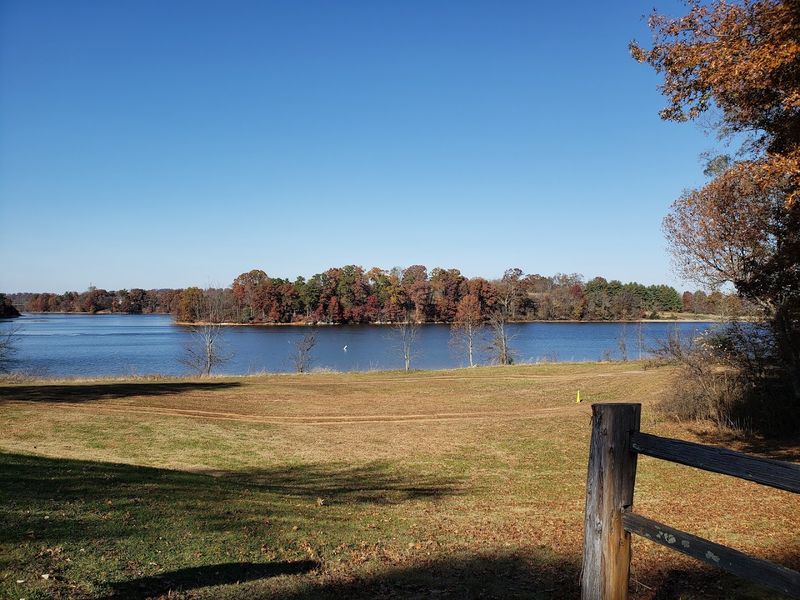
Tellico Lake wraps around much of the park, adding water views and opportunities for kayaking or picnicking after you’ve toured the fort. Families with kids appreciate the mix of education and open space, while history enthusiasts find plenty of detail in the museum exhibits and interpretive signage. Dogs on leashes are welcome both on the trails and even inside the visitor center, making it easier to bring the whole crew along.
Unlike some historical sites that feel dusty or neglected, Fort Loudoun feels alive, thanks to ongoing programming and careful upkeep. Admission is free, though donations are encouraged to support preservation efforts.
Whether you’re a local looking for a weekend outing or a traveler passing through East Tennessee, this park delivers a surprisingly immersive peek into colonial America. The combination of scenic beauty, accessible trails, and tangible history makes it stand out from typical roadside markers. Plan to spend at least an hour or two exploring the fort and grounds, and check the calendar for special events that add even more depth to your visit.
Step Inside a Rebuilt British Fort From the 1700s
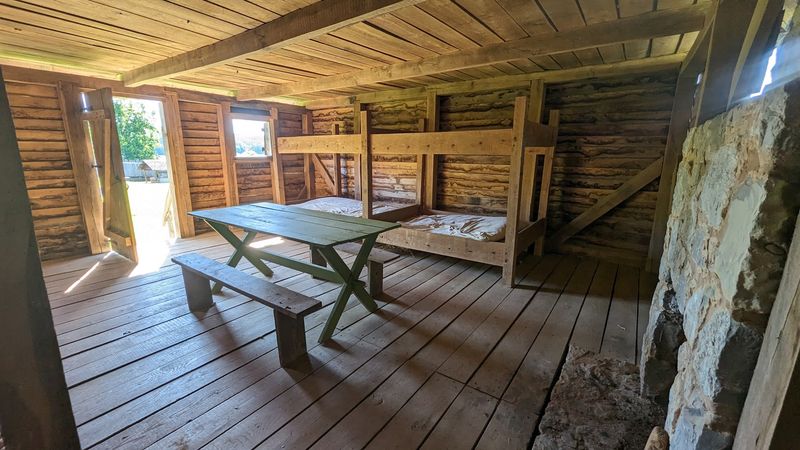
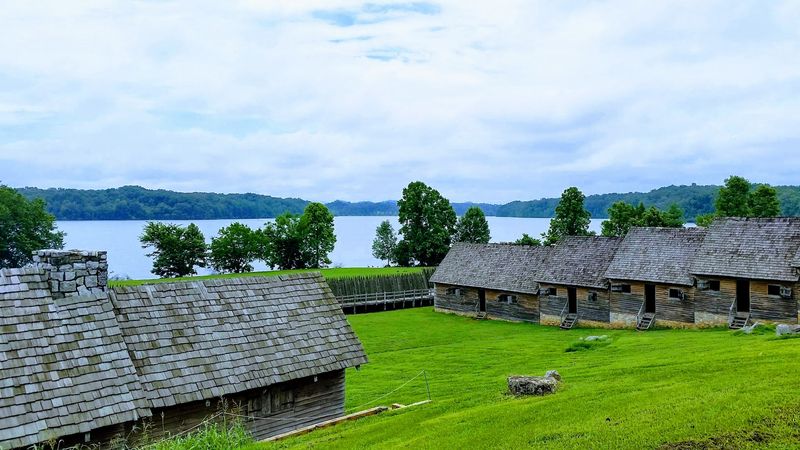
Walking through the reconstructed fort feels like flipping back through centuries. Each building—from the barracks to the blacksmith shop—has been rebuilt according to historical records and archaeological evidence, giving visitors a three-dimensional view of how soldiers lived and worked.
You can enter most structures, peering into quarters where men slept, stored supplies, and prepared meals under challenging frontier conditions.
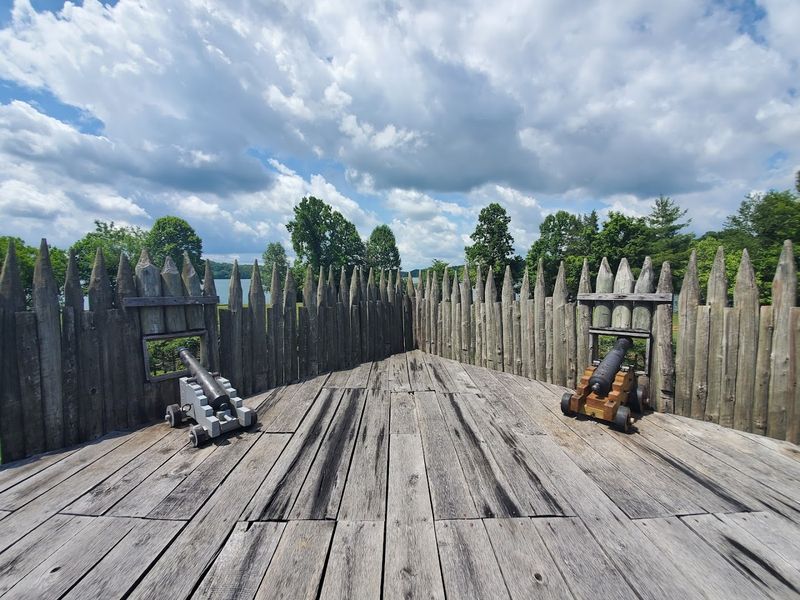
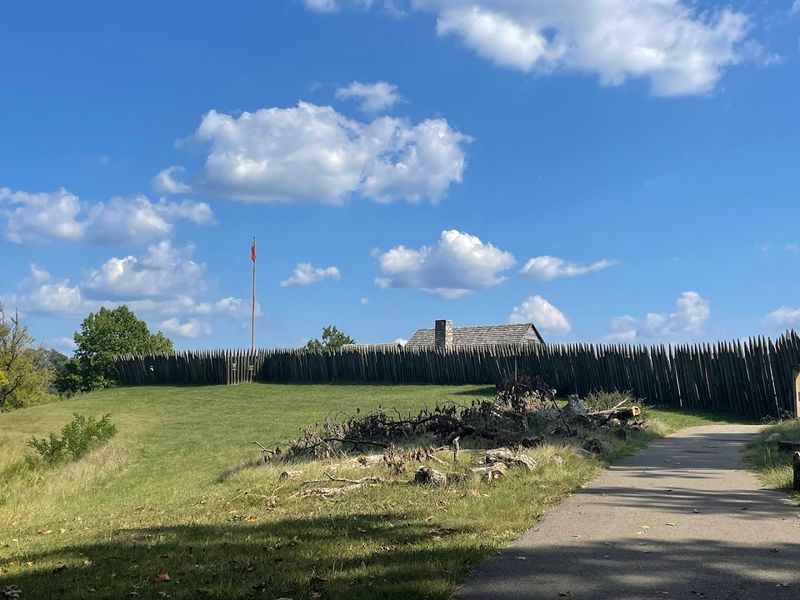
The fort’s layout follows the original 1756 design, complete with wooden palisades and corner bastions that once held cannons. Interpretive displays inside explain the purpose of each space, and many rooms contain replica tools, furniture, and military equipment that help bring the setting to life.
Unlike a roped-off museum exhibit, this fort invites you to move through the space at your own pace. The interiors are kept clean and sturdy, with details that show how much care went into the reconstruction.
Rangers and volunteers are often on hand to answer questions and share stories about the fort’s role in colonial conflicts. The immersive quality of the site sets it apart from simple historical markers or plaques. By the time you finish your tour, you’ll have a much clearer picture of what frontier military life looked like before the Revolutionary War even began.
The Frontier Story Behind the Fort
Fort Loudoun was built in 1756 during the French and Indian War, a time when European powers competed for control of North America. The British constructed the fort deep in Cherokee territory, hoping to strengthen their alliance with the Cherokee Nation and counter French influence in the region. For a few years, the arrangement worked, with British soldiers and Cherokee neighbors coexisting in a tense but functional partnership.
That partnership eventually fractured. By 1760, shifting alliances and broken promises led to a Cherokee siege of the fort. After months of isolation and dwindling supplies, the British garrison surrendered and evacuated.
The story didn’t end well: most of the retreating soldiers were killed in an ambush the day after they left, marking one of the darker chapters in colonial frontier history.
The park’s museum and short introductory film do an excellent job of explaining this complex history in language that’s easy to follow. You’ll learn about the strategic importance of the fort, the daily routines of the soldiers, and the perspectives of the Cherokee people who lived in the area.
Understanding the backstory makes walking through the fort much more meaningful. You’re not just looking at old buildings; you’re standing on ground where real people faced hunger, fear, and difficult choices. The history is fascinating and sobering, offering lessons about diplomacy, survival, and the costs of empire that still resonate today.
What You’ll See While Exploring the Grounds
Start your visit at the museum and visitor center, where a 12-minute film sets the stage for what you’re about to see. The museum itself is packed with artifacts, artwork, and displays that cover both the British military presence and the Cherokee culture of the era. The gift shop offers books, honey sticks, and trinkets that make for fun souvenirs, and the staff is known for being helpful and knowledgeable.
From there, a paved trail leads you to the fort itself. The path is stroller- and wheelchair-friendly, making the site accessible to a wide range of visitors. Along the way, interpretive signs provide context about the landscape and the strategic reasons the British chose this location.
Once you reach the fort, you’re free to wander through the various buildings and explore at your own pace. The structures are arranged around a central parade ground, much like they would have been in the 1750s. Each building is labeled, and many contain displays or replica items that illustrate their original purpose.
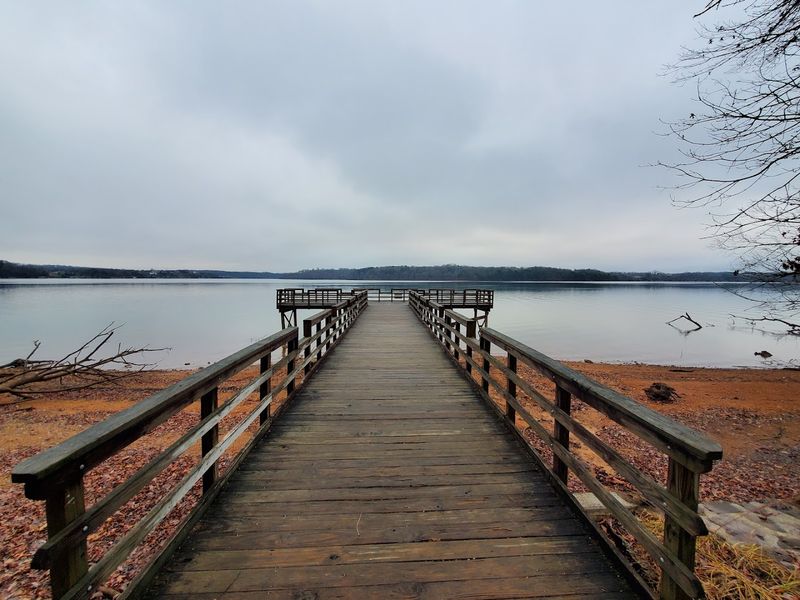
Beyond the fort, additional trails wind through the park, offering scenic overlooks of Tellico Lake and quiet spots to rest or picnic. Some paths lead to a boat ramp and picnic area, perfect for extending your visit with a lakeside lunch or a paddle. The grounds are clean, well-maintained, and large enough that you won’t feel crowded even on busy days.
A Lakeside Setting That Makes the History Even More Memorable
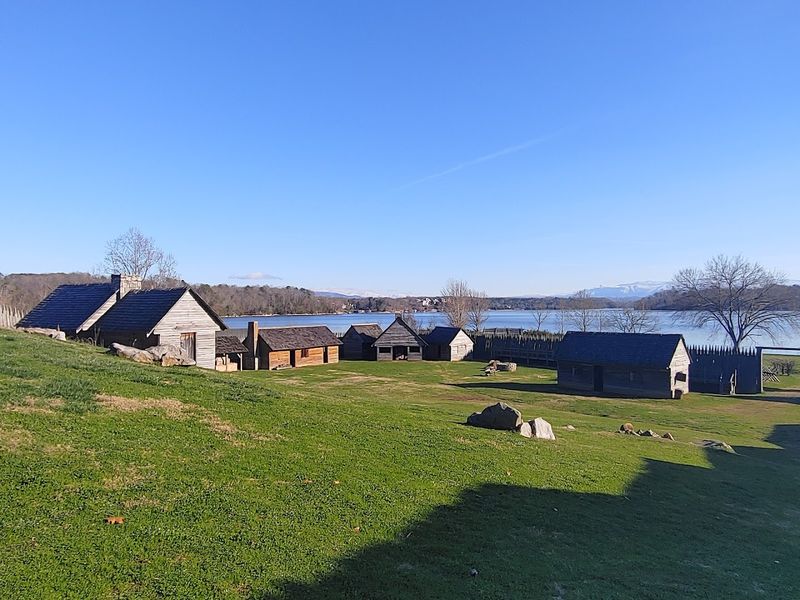
Fort Loudoun sits on a peninsula surrounded by Tellico Lake, a reservoir created in the 20th century by the Tennessee Valley Authority. The water wasn’t there when the original fort stood, but it adds a peaceful, picturesque quality to the modern park that visitors love. Morning light on the lake, especially with the Smoky Mountains visible in the distance, makes for stunning photo opportunities.
The lakeside location also opens up recreational options beyond the historical tour. Kayakers can launch from the park’s boat ramp and paddle along the shoreline, getting a different perspective on the fort and the surrounding landscape. Fishing is popular here, and the open water creates a sense of calm that contrasts nicely with the intense history the site represents.
Picnic tables and benches are scattered throughout the park, many positioned to take advantage of the lake views. Families often pack a lunch and make a half-day outing of it, combining fort exploration with outdoor relaxation. The combination of history and natural beauty gives the park a unique appeal that goes beyond what you’d find at an inland historical site.
Even if you’re not interested in water activities, the presence of the lake enhances the atmosphere. The sound of gentle waves, the sight of boats drifting by, and the wide-open sky create a tranquil setting that makes the visit feel less like a museum trip and more like a true escape. The scenery alone is worth the drive, and it adds a layer of enjoyment that keeps people coming back.
Living History Events Bring the Past to Life
Several times a year, Fort Loudoun hosts living history events that transform the park into a bustling 18th-century outpost. Reenactors dressed in period clothing demonstrate blacksmithing, cooking, and military drills, giving visitors a dynamic, hands-on glimpse of colonial life. The most popular event is Garrison Days, held in the summer, which includes a reenactment of the fort’s siege and surrender.
These programs are especially engaging for kids, who get to see muskets fired, watch craftspeople at work, and ask questions of costumed interpreters. The events turn the static fort into a lively scene, complete with the sights, sounds, and even smells of the 1700s.
Even outside of major events, the park occasionally offers smaller demonstrations or guided tours led by knowledgeable staff. Check the park’s website or call ahead to find out what’s happening during your visit. Timing your trip to coincide with a living history day can make the experience significantly richer and more memorable.
The reenactments and demonstrations aren’t just entertainment; they’re educational tools that help bridge the gap between reading about history and truly understanding it. Watching someone forge a tool or prepare a meal using 18th-century methods makes the past feel immediate and real. For families, these events offer a chance to learn together in a way that feels more like an adventure than a classroom lesson.
Tips for Planning Your Visit
Wear comfortable walking shoes, especially if you plan to explore the trails beyond the fort. The paths are paved and relatively flat, but you’ll still cover some ground, and the Tennessee heat can be intense in summer. Bringing water is a smart move, particularly if you’re visiting with kids or plan to spend a few hours on-site.
Check the park’s hours before you go. Fort Loudoun is open daily from 8 a.m. to 4:30 p.m., and the visitor center closes at the same time, which means restroom access ends then too. Arriving earlier in the day gives you more time to explore without feeling rushed, and morning visits often come with cooler temperatures and softer light for photos.
If possible, plan your trip around one of the park’s special events. Living history days and reenactments add a whole extra dimension to the experience, and they’re especially worthwhile if you’re bringing children or want to see the fort in action rather than just walk through empty buildings. The park’s website lists upcoming events, or you can call ahead to ask.
Allow at least an hour and a half to two hours for a full visit. That gives you time to watch the introductory film, tour the museum, walk through the fort, and enjoy the trails or lakeside areas. If you’re a history buff or want to linger over the exhibits, you might want even more time.
Donations are encouraged to help maintain the park, so consider bringing a few dollars to contribute.
Why This Tennessee Park Stands Out
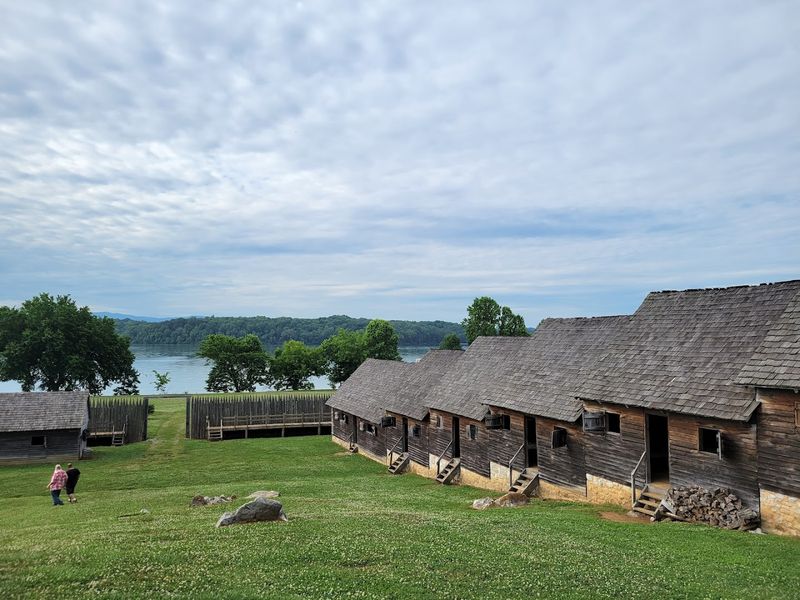
Plenty of parks offer pretty scenery, and plenty of historical sites have interesting stories. Fort Loudoun delivers both in equal measure, creating an experience that’s hard to replicate elsewhere in Tennessee. The reconstructed fort isn’t just a collection of buildings; it’s a tangible connection to a pivotal moment in American history, built on the exact spot where that history unfolded.
The park’s accessibility makes it appealing to a wide audience. Families with young kids, history enthusiasts, casual hikers, and even kayakers all find something to enjoy here. The fact that dogs are welcome and the grounds are well-maintained adds to the appeal, making it easy to plan a visit without worrying about logistics or restrictions.
What really sets Fort Loudoun apart is the way it balances education with atmosphere. You’re not just reading about the past; you’re walking through it, touching the same ground, seeing the same views, and imagining the lives of people who faced extraordinary challenges. The museum and interpretive programs provide depth, while the fort itself offers immersion.
Visitors consistently praise the friendly rangers, the quality of the exhibits, and the overall sense of care that goes into maintaining the site. It’s clear that the people who run Fort Loudoun take pride in what they do, and that pride shows in every detail. If you’re looking for a Tennessee destination that combines natural beauty, rich history, and a genuinely engaging experience, this park delivers on all fronts.